Sorbus torminalis
Probably the hardest wood in this catalogue, and certainly the rarest. Known in France as alisier and treated there as a fine fruitwood.
Tryk på en etiket for detaljer.
Ingen Wild Service Tree lige nu. Disse træarter egner sig til de samme projekter og findes på lager.
Vi sender dig en e-mail, når nye planker i Wild Service Tree kommer til KORENA. Hver planke er unik, så det betaler sig at få besked tidligt.
Træets udseende
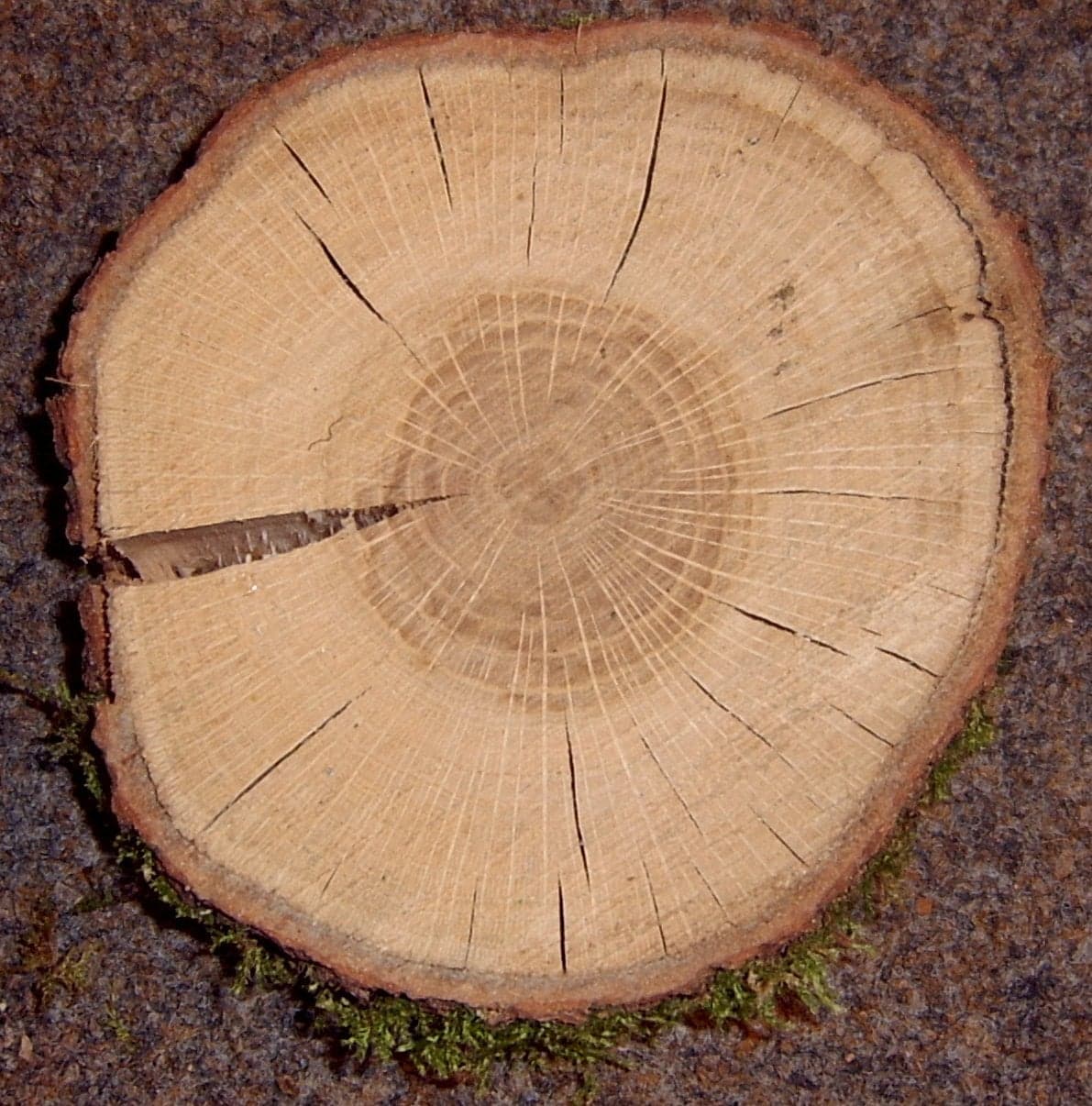
One of the densest and hardest European hardwoods at 770 kg per cubic metre, with a fine even texture and a warm reddish brown to golden colour that darkens attractively with age. The grain is fine and often slightly wavy. It has been valued for centuries for precision work, musical instruments and tool parts, and in the French trade it carries the name alisier and a reputation closer to a fruitwood than a forest timber.
Bearbejdning
The source KORENA cites reports no workability data for this species, so no rated assessment is published rather than one being inferred from related Sorbus. What is understood from traditional use is that its density and fine even texture suit precision work, turning and instrument making, and that dense fine grained woods of this type generally demand sharp tooling and reward light cuts. Test on an offcut before committing to a process.
The fine even texture takes a very good surface directly from the tool and polishes well, which is part of why it was traditionally used for instrument parts and precision components. The warm colour deepens with age and light. No species specific finishing guidance is published in the sources cited here, so test on an offcut.
Volumetric shrinkage of 15.0 percent is high, with tangential at 8.4 against radial at 6.2 percent. Dense fine grained hardwoods of this type generally need slow careful drying to avoid checking, and the small dimensions typical of this species mean most stock is converted from small logs where drying stresses concentrate. Expect slow drying and buy stock that has already stabilised.
Træ udvider og trækker sig sammen på tværs af bredden, når luften bliver fugtigere og tørrere. Beregn den forventede sæsonbevægelse i en bordplade af Wild Service Tree, før du udformer beslagene.
Forventet sæsonbevægelse
ca. 9,6 mm
Fastgør bordpladen med sargklodser eller beslag med langhuller, ikke med lim eller stramme skruer.
Lineær svindmodel: bredde × (svind ÷ 28 % fibermætning) × sæsonudsving i fugtighed. Bruger 8,4 % tangentialt svind for Wild Service Tree. Et planlægningsskøn, ikke en garanti.
Besides the standard health risks associated with any wood dust, no further health reactions are documented for this species in the source cited here.
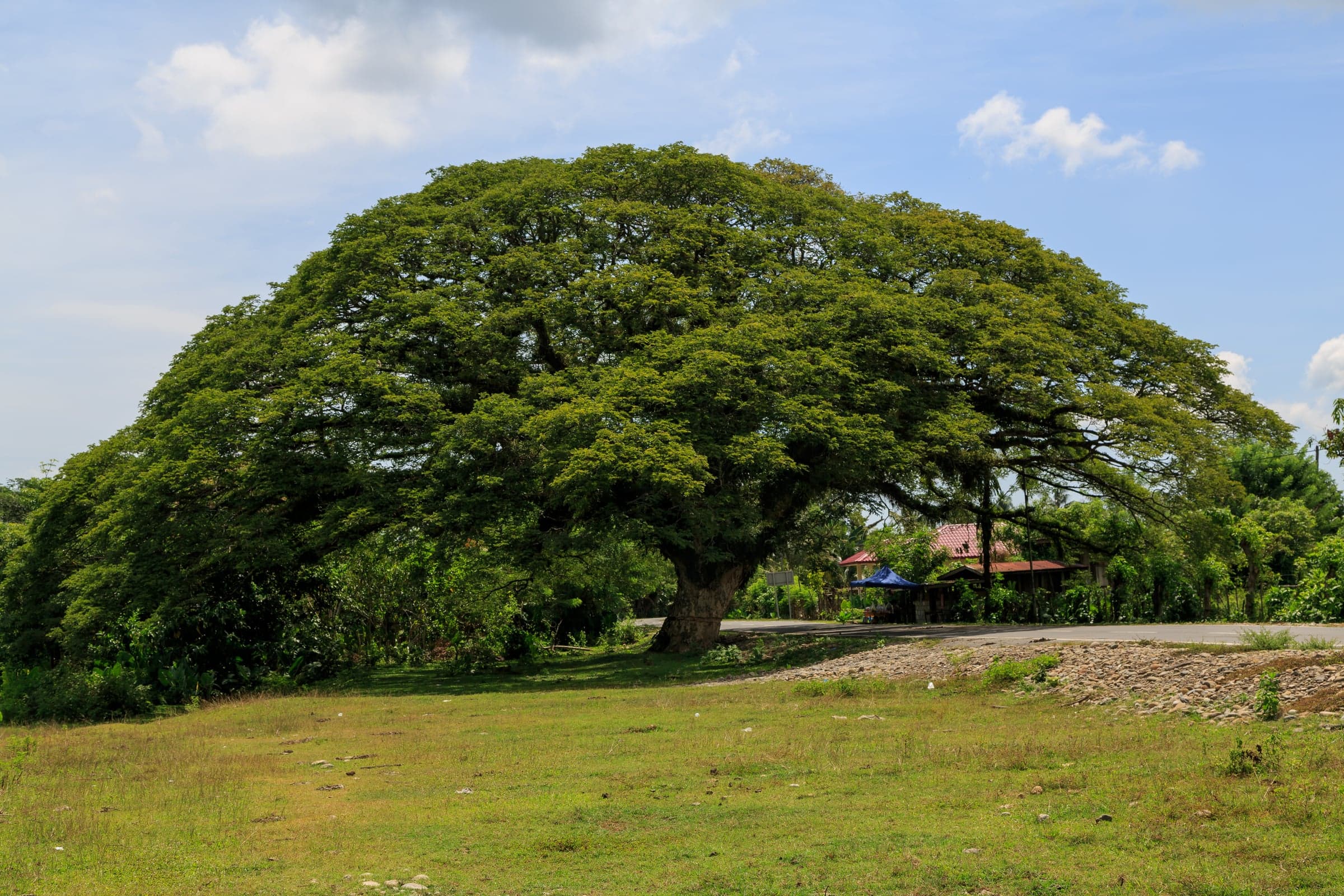
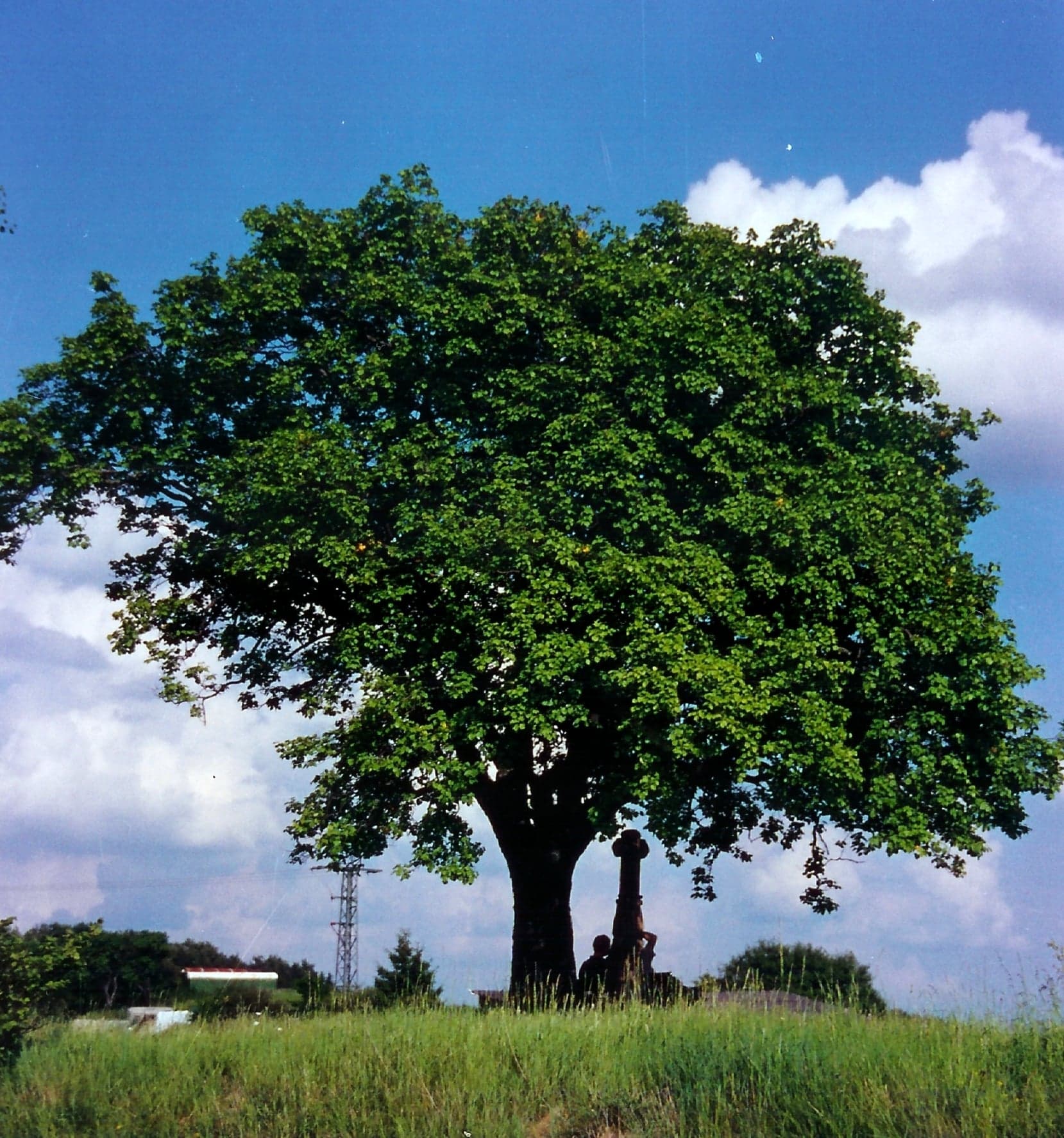
Sorbus torminalis is scattered thinly through the broadleaf woodlands of central and southern Europe, rarely growing in stands and more usually as isolated trees within mixed woodland. It has never been a plantation species and it is not managed for timber anywhere at scale, so what reaches the market comes from individual trees felled during woodland management rather than from any production forestry.
Not listed in the CITES Appendices, and reported by the source KORENA cites as not assessed on the IUCN Red List. The practical constraint is scarcity rather than regulation. The tree grows scattered rather than in stands, is not managed for timber anywhere at scale, and reaches the market only through woodland management felling. Slab sized material is genuinely rare and provenance documentation deserves particular attention.
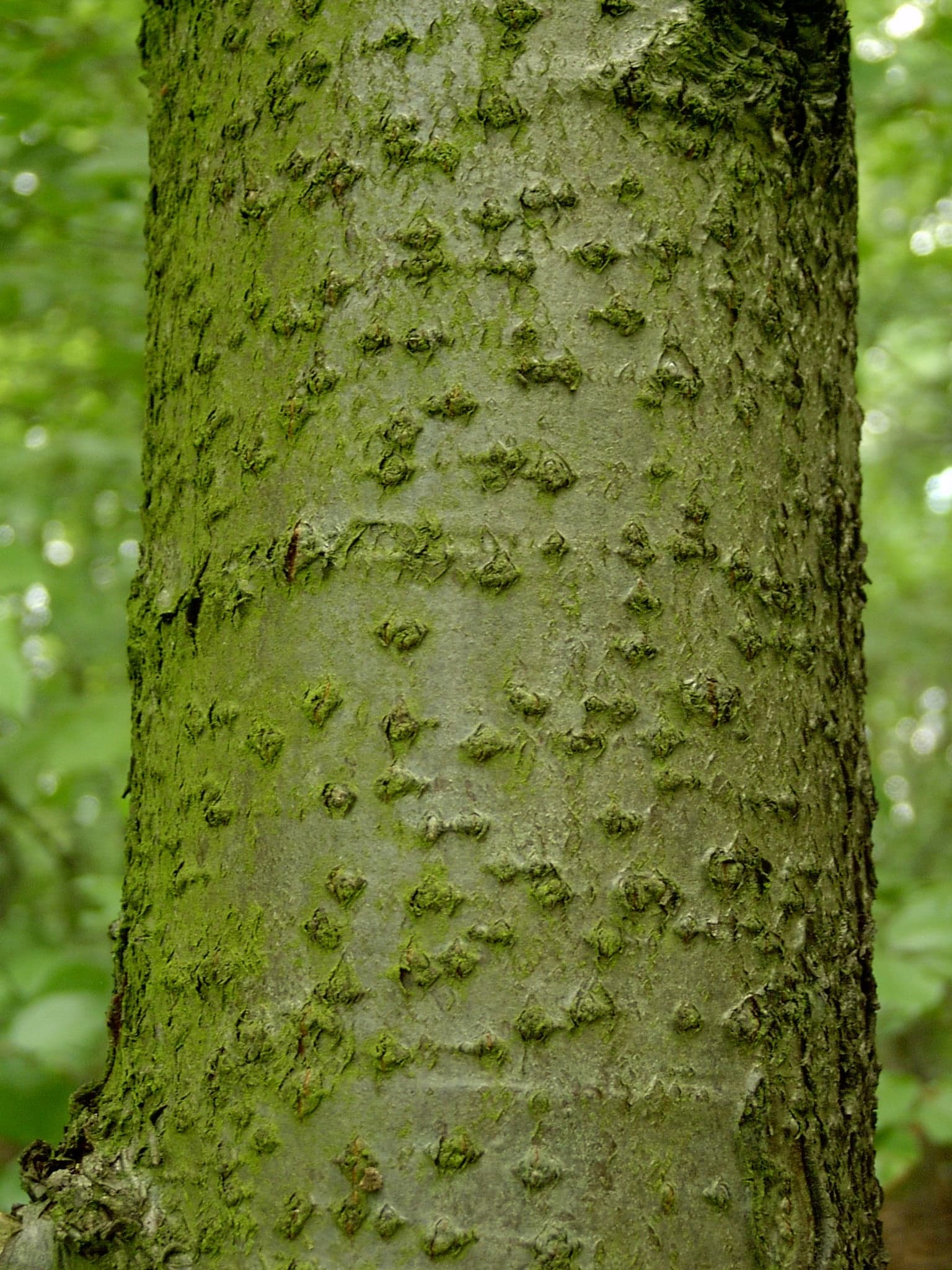
Sorbus torminalis is scattered thinly through the broadleaf woodlands of central and southern Europe. It rarely grows in stands. It turns up as isolated trees within mixed woodland, it has never been managed as a plantation species anywhere, and it does not grow large.
Almost everything that reaches the timber market comes from individual trees felled during ordinary woodland management rather than from any production forestry. That is the single most important fact about buying it: scarcity here is structural, not a grading question or a market cycle.
In France it is alisier, and it carries a considerably higher profile there than in English speaking markets, treated as a fine fruitwood for precision work and instrument parts rather than as a forest timber sold by volume.
This species has the most partial dataset in the catalogue, and the gaps are specific.
Density at 770 kg per cubic metre is the highest of any species KORENA lists. Modulus of rupture at 119.3 MPa is also the highest here. Shrinkage figures are published. These come from the cited reference, which covers the Sorbus group including S. torminalis explicitly.
The Janka figure of 7,520 N is published as an estimate derived from specific gravity, not a measured test, and KORENA records that qualification on the species record rather than showing the number bare. If accurate it would make this the hardest wood in the catalogue by a wide margin, well above Sessile Oak at 4,990 N. Treat it as indicative.
No decay resistance rating and no workability data are published at all. Both fields are therefore empty rather than filled by inference from a related Sorbus. The practical consequence of the missing durability rating is that there is no sourced basis for using this wood outdoors.
Colour is warm reddish brown through to golden, darkening attractively with age and light exposure. The texture is fine and even and the surface is notably lustrous, closer in character to pear or cherry than to oak or ash.
Grain is fine and often slightly wavy, and figured examples occur.
Because the trees are small and irregular, expect narrow widths, short clean lengths and a higher proportion of character than you would accept in a commodity species. A large clean slab of this species is a genuinely unusual object.
No workability ratings are published, so what follows is inference from traditional use rather than sourced assessment, and should be tested on an offcut before you commit.
Dense fine grained hardwoods of this type generally demand sharp tooling, reward light cuts, and blunt edges faster than open grained species. At 770 kg per cubic metre this will work hard rather than easily.
Its historical applications point the same way. It has been used for centuries for precision components, musical instrument parts, tool parts and fine turning, all of which require a wood that holds a crisp edge and a stable dimension. None of those uses suggest a timber that machines casually.
Volumetric shrinkage of 15.0 percent is high, second only to Turkey Oak among the hardwoods here, with tangential at 8.4 against radial at 6.2 percent.
Dense fine grained hardwoods generally need slow careful drying to avoid checking, and the small log sizes typical of this species concentrate drying stress. The sensible approach is to buy material that has already stabilised rather than fresh stock, check the measured moisture value on the listing, and let it acclimatise fully before working.
Precision and instrument work, fine turning, small cabinetry and boxes, tool handles and parts, and decorative slabs where rarity and colour are the point.
It is the wrong answer wherever volume is needed, wherever a full specification sheet is required, and outdoors, where no durability rating exists to support the choice. It is also the wrong answer if the piece could be made just as well in European pear or hornbeam, both of which occupy similar territory with better availability.
Not listed in the CITES Appendices, and reported by the cited source as not assessed on the IUCN Red List, so no status is displayed rather than one assumed.
The constraint is scarcity rather than regulation. Because material arrives through woodland management felling rather than managed production, the chain behind any given slab is shorter and less standardised than for a commodity species, which makes the provenance record more important rather than less. KORENA lists the partner yard and region on every slab, and on this species that is worth reading rather than skimming.
Spørgsmål fra købere
The tree grows scattered through mixed woodland rather than in stands, it has never been managed as a plantation species anywhere, and it is not large. What reaches the market comes from individual trees felled during woodland management rather than from production forestry. Slab sized material is genuinely rare, which is reflected in the price.
No. It is published as an estimate derived from specific gravity rather than a laboratory test, and KORENA records that qualification in the source note on the species record. At an estimated 7,520 N it would be the hardest wood in this catalogue by a clear margin, which is consistent with its density of 770 kg per cubic metre, but it is an estimate rather than a measurement.
The reference KORENA cites reports no workability data for this species. Rather than infer ratings from a related Sorbus and present them as measured, the workability table is left empty. What can be said comes from traditional use: its density and fine even texture have made it a precision, turning and instrument wood for centuries.
The French name for this species, under which it has a considerably higher profile in the French trade than it does in English speaking markets. It is treated there more like a fine fruitwood than a forest timber, valued for precision work, instrument parts and fine cabinetry rather than sold by volume.
No durability rating is established for this species in the sources KORENA cites, so there is no honest basis for recommending it outdoors. Given its scarcity and value, exterior use would be a poor application regardless. European Larch or Robinia are the species in this catalogue with sourced durability suitable for exposure.
Mekaniske egenskaber
Offentliggjorte referenceværdier. Når kilderne er uenige, vises intervallet, og den typiske værdi bruges til skalaerne ovenfor.
| Massefylde (kg/m³)Masse pr. kubikmeter ved ca. 12 % fugtighed. Tungere træ er normalt hårdere og stærkere. | 770 kg/m³ |
|---|---|
| Janka-hårdhed (N)Den kraft, der skal til for at presse en stålkugle halvt ind i træet. Standardmålet for modstand mod trykmærker. | 7,520 N |
| MOR: brudmodul (MPa)Bøjningsstyrke: den belastning, hvor en bjælke brækker. | 119 MPa |
| MOE: elasticitetsmodul (GPa)Bøjningsstivhed: hvor meget en hylde eller bordplade bøjer ned under belastning. | 10.3 GPa |
| Radialt svindSvind på tværs af årringene fra frisk til ovntørt træ. Kvartskårne brædder bevæger sig på denne måde. | 6.2 % |
| Tangentialt svindSvind langs årringene. Plansavede brædder og de fleste planker bevæger sig på denne måde. | 8.4 % |
| Volumetrisk svindSamlet volumenændring fra frisk til ovntørt træ. En lavere værdi betyder større stabilitet. | 15.0 % |
Janka-hårdhed 7.520 N
51 % hårdere end europæisk eg
770 kg/m³
15,0 % volumetrisk svind
Der er endnu ingen markedsreference for Wild Service Tree. Hver KORENA-planke prissættes individuelt af partnersavværket.