KORENA
MaderaFinished piecesMaterialesAlmacenesRevista

Recibe avisos

Cada tabla es única. Cuando se vende, ya no vuelve. Te avisamos cuando se publican nuevas piezas: nuevas llegadas, especies y tablas adecuadas para un proyecto.

Unos pocos correos al mes. Sin spam; puedes darte de baja cuando quieras.

KORENA, madera noble de primera calidad

Una pieza cada vez.

Madera noble de primera calidad verificada, vendida pieza a pieza. Cada tabla se fotografía, se mide y se envía desde el almacén asociado con un pasaporte de la madera.

Comprar

  • Ver productos
  • Archivo de piezas vendidas
  • Seguir pedido

Aprender

  • Revista
  • Guías de especies
  • Glosario
  • Comparar
  • Autores

Ayuda

  • Quiénes somos
  • Cómo funciona
  • Hazte almacén asociado
  • Solicitar una tabla
  • Asistencia
  • Plantillas de documentos
  • Prensa

Comprar

  • Condiciones de venta
  • Derecho de desistimiento
  • Devoluciones y garantía
  • Envío y entrega

Confianza

  • Política de privacidad
  • Política de cookies
  • Procedencia de la madera y EUDR
  • Accesibilidad

Aviso legal

  • Aviso legal
  • Uso aceptable
  • Propiedad intelectual y contenido

© 2026 KORENA. Todos los derechos reservados.

Gestionado por Martial Labs Ltd. (BG, EIK 207453941). KORENA es un nombre comercial de Martial Labs Ltd.

Respetamos tu privacidad

Usamos cookies esenciales para que el sitio funcione. Con tu permiso, también usaríamos cookies para análisis, contenido personalizado y publicidad. Puedes cambiar de opinión en cualquier momento en la página de preferencias de consentimiento. Consulta nuestra política de cookies y nuestra política de privacidad.

  1. Inicio
  2. /
  3. Especies
  4. /
  5. Black Cherry

Prunus serotina

Black Cherry

The cabinet-maker's favourite. Easy to machine, ages beautifully into a deep reddish-brown.

  • Cultivada fuera de Europa e importada a través de almacenes europeos.
  • Grupo botánico. Las maderas blandas proceden de coníferas y las duras, de árboles frondosos.
  • Familia botánica a la que pertenece la especie.
Avísame cuando llegueEspecie de referencia. Ahora mismo no hay piezas en stock.
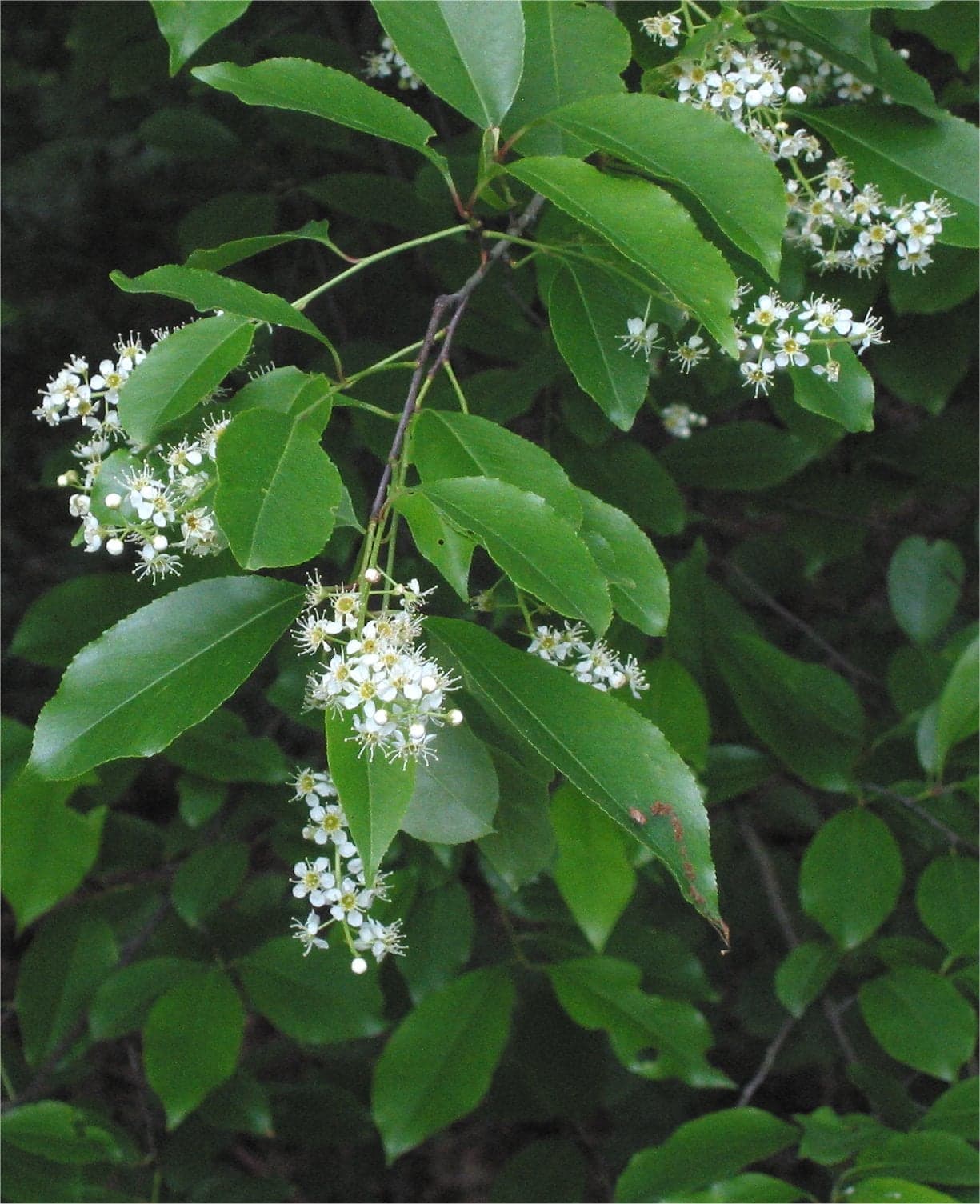
Árbol de Black Cherry
  • Adecuación al proyecto
  • En stock
  • Aspecto
  • Cómo trabajarla
  • Movimiento
  • Precio
  • Seguridad y abastecimiento
  • Preguntas
  • Datos técnicos

¿Es adecuada para tu proyecto?

Ideal para

  • Kitchen and dining tables
  • Cabinet doors and fronts
  • Chairs and benches
  • Wall panelling and built-ins
  • Turned bowls and small objects
  • Interior joinery

No hay Black Cherry en la selección actual

Especies similares en stock

Ahora mismo no hay Black Cherry. Estas especies sirven para los mismos proyectos y tienen piezas disponibles.
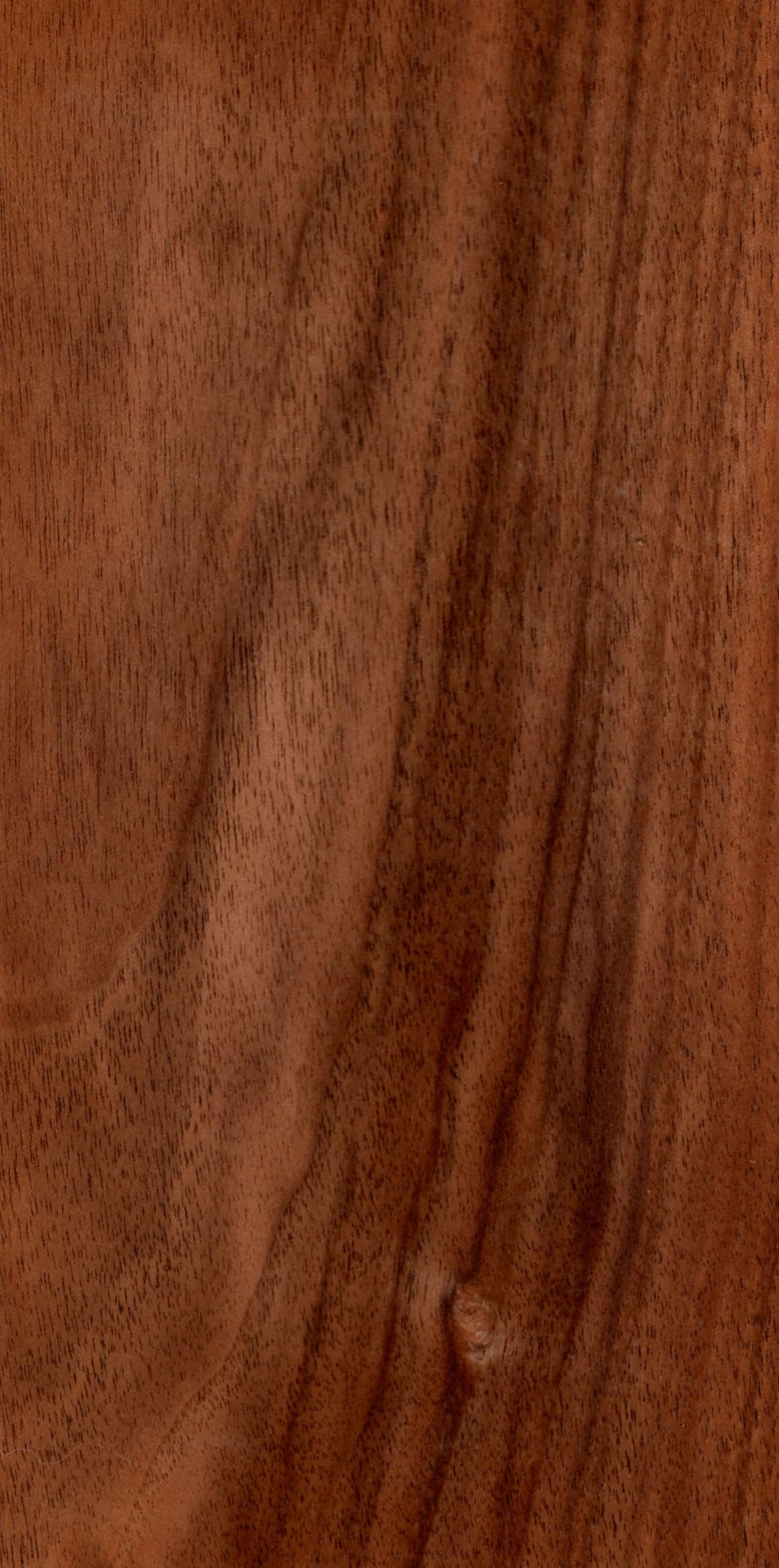
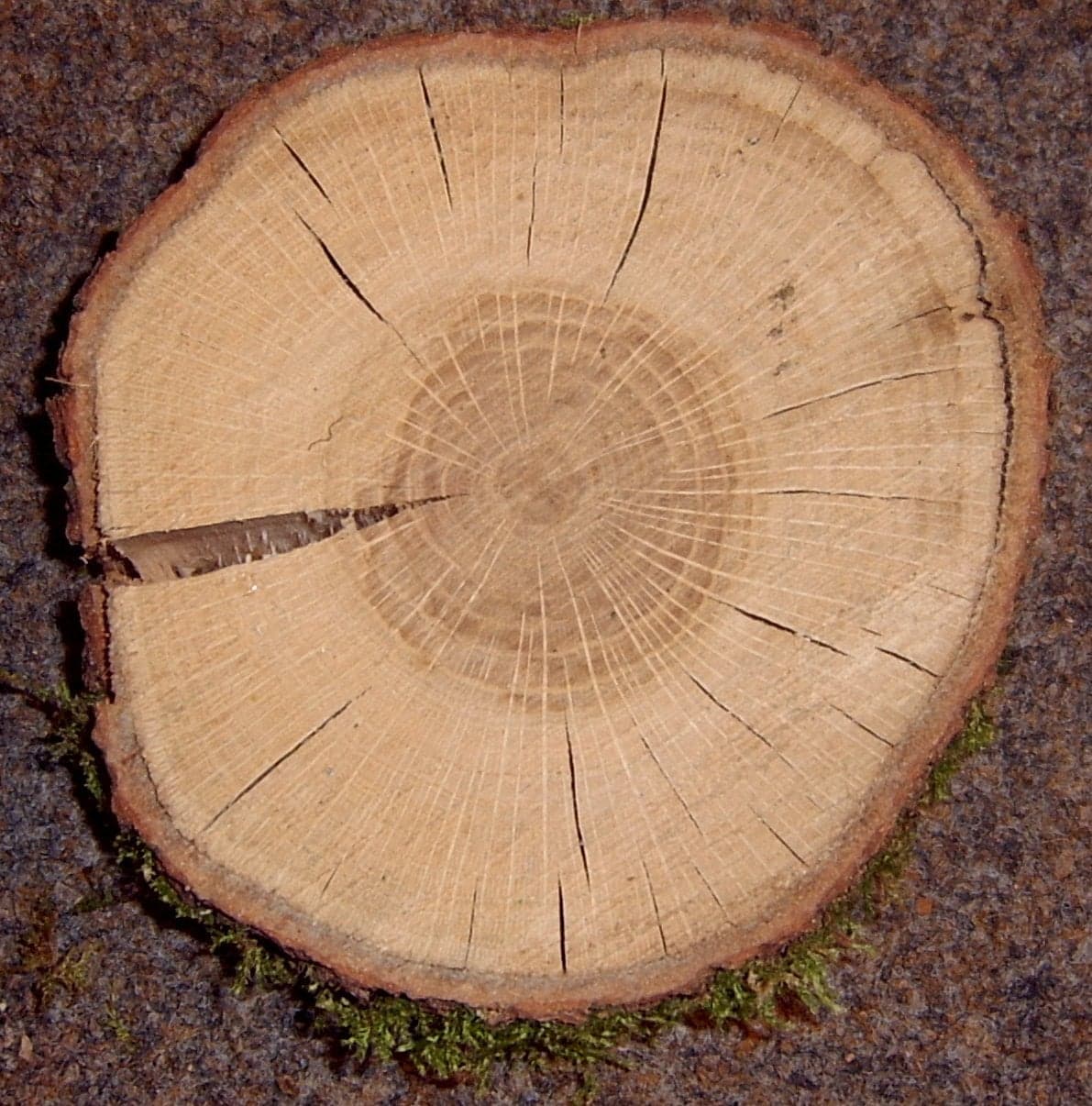
  • Veta de European Walnut

    European Walnut

    Juglans regia

    9 piezas

  • Veta de European Oak

    European Oak

    Quercus robur

    6 piezas

  • Veta de Saman

    Saman

    Samanea saman

    4 piezas

Recibe avisos sobre Black Cherry

Te enviamos un correo cuando lleguen a KORENA nuevas tablas de Black Cherry. Cada pieza es única, por lo que conviene enterarse pronto.

Unos pocos correos al mes. Sin spam; puedes darte de baja cuando quieras.

Aspecto de la madera

Qué aspecto tiene

Fine, mostly straight grain with a smooth, even texture. Plain-sawn boards show a soft, flowing figure; quarter-sawn faces are calmer. Small gum pockets and pin knots are common and accepted as part of the look. Fresh-cut wood is pinkish-tan and lighter than buyers expect.

  • Fresh-cut: pinkish-tan to pale salmon, lighter than most buyers expect
  • After a few weeks of light: shifts to warm amber
  • After 6–12 months: deep reddish-brown, the classic cherry tone
  • Sapwood stays pale cream and does not darken at the same rate
  • Light exposure is uneven, anything covered (rugs, books, lamps) leaves a lighter ghost on the surface for months
  • Fine straight grain, smooth texture; warms with age.

Cómo trabajarla

Cómo trabajarla

One of the most forgiving hardwoods to machine. Saws, planes and sands beautifully with sharp tooling. Turns and carves well. Glues and screws without drama, though it's softer than European cherry so pre-drill near edges. Steam-bending is workable but not a strength.

Acabado

Sands to a glassy surface with little effort. Takes oils, hard-wax oils, shellac and waterborne finishes cleanly. Stains can blotch on flat-sawn faces. Use a washcoat or gel stain if you're matching a tone. Most makers skip stain entirely and let the wood do the work, because it darkens on its own.

Secado

Dries at a moderate rate with a mild tendency to warp and surface-check if pushed. Tangential shrinkage (6.5–8.0%) is roughly twice radial, so flat-sawn wide stock moves more than quarter-sawn. Sticker carefully and let kiln-dried slabs acclimatise in the workshop before flattening.

¿Cuánto se moverá?

La madera se hincha y se contrae a lo ancho cuando el aire gana o pierde humedad. Calcula el movimiento estacional de un tablero de Black Cherry antes de diseñar las fijaciones.

Corte
Dónde estará

Movimiento estacional previsto

unos 8,3 mm

Fija el tablero con lengüetas o soportes ranurados, no con cola ni tornillos apretados.

Modelo de contracción lineal: ancho × (contracción ÷ 28 % de saturación de la fibra) × variación estacional de humedad. Usa una contracción tangencial del 7,25 % para Black Cherry. Es una estimación para planificar, no una garantía.

Cuánto cuesta

Seguridad y abastecimiento

  • Cultivada fuera de Europa e importada a través de almacenes europeos.
  • Estado en la Lista Roja de la UICN: evaluación mundial de conservación de esta especie.
  • Food-contact safe once finished, which is why it's a long-standing choice for kitchen and dining work. Cherry dust is a known irritant and some woodworkers develop sensitisation over time. Run extraction and wear a mask when sanding.

Leer la guía completaNotas detalladas sobre el dibujo, el cambio de color, el trabajo y la estabilidad.+

What Black Cherry actually is#

Prunus serotina is the American counterpart to European cherry, and it is the more practical of the two for large work.

Both species darken dramatically, both have the same satiny fine grain, and both are excellent to work. The difference is supply. Black cherry is grown as a forestry species across eastern North America, so it arrives in larger, straighter, more consistent sizes. European cherry is often salvaged from orchards and gardens, and matched wide boards are correspondingly harder to find.

If a project needs several wide boards that look like each other, black cherry is the easier answer.

The darkening#

This is the defining property of both cherries and it needs planning for.

Fresh black cherry is pale pinkish tan. Within six months of light exposure it has moved most of the way to a rich reddish brown, and it continues deepening more slowly for years.

Three consequences follow. Do not choose stock on its current colour, because it is a stage rather than a result. Do not leave objects sitting on a new cherry surface, because uneven exposure prints permanently lighter patches that take months to even out. And do not expect a UV inhibiting finish to hold the pale fresh colour, because it slows the change without preventing it.

The stability advantage

Preguntas de compradores

Preguntas de compradores

Does Black Cherry darken like European Cherry?

+

Yes, dramatically and in the same way. Fresh stock is pale pinkish tan and deepens to a rich reddish brown within a year of light exposure, with most of the change in the first six months. Uneven light exposure leaves permanent lighter patches under anything left in place, so let a new piece darken evenly before placing objects on it.

How does it compare with European Cherry?

+

Softer at 4,226 N against 5,120 N and slightly less dense at 560 against 600 kg per cubic metre. The main practical difference is supply: black cherry is grown as a forestry species in eastern North America and comes in larger, straighter, more consistent sizes, so matched wide boards are much easier to source than in European cherry.

Why does it burn so easily?

+

Cherry scorches readily under routers and dull blades, and the marks are dark and obvious on pale wood. Its fine close grain and moderate density concentrate heat at the cutting edge. Sharp tooling, correct feed rates and light final passes prevent it. Burns must be cut or scraped out rather than sanded, which usually just polishes them in.

Is it stable enough for a wide tabletop?

Propiedades mecánicas

Datos técnicos

Valores de referencia publicados. Cuando las fuentes discrepan, se muestra el intervalo y se usa el valor habitual en las escalas anteriores.

Densidad (kg/m³)Masa por metro cúbico con aproximadamente un 12 % de humedad. La madera más pesada suele ser más dura y resistente.500–620 kg/m³habitual: 560 kg/m³
Dureza Janka (N)Fuerza necesaria para hundir una bola de acero hasta la mitad en la madera. Es la medida estándar de resistencia a las abolladuras.3,800–4,500 Nhabitual: 4226 N
MOR: módulo de rotura (MPa)Resistencia a la flexión: la carga a la que se rompe una viga.80–95 MPa
MOE: módulo de elasticidad (GPa)Rigidez a la flexión: cuánto se comba un estante o tablero bajo carga.9.5–11.0 GPa
Contracción radialContracción perpendicular a los anillos de crecimiento, desde verde hasta completamente seca. Es la que afecta a las tablas aserradas radialmente.3.5–4.5 %

Wikimedia Commons contributor, via Wikimedia Commons

Native to eastern North America, not Europe. Imported in volume into EU furniture-grade channels for decades, where it sits alongside European cherry as a familiar, well-stocked hardwood.

  • IUCN Least Concern, no CITES listing. Supply from US hardwood forests is well-established and FSC-certified stock is widely available. As a North American import it carries shipping miles a European species doesn't, worth weighing if low-carbon sourcing matters to your client.

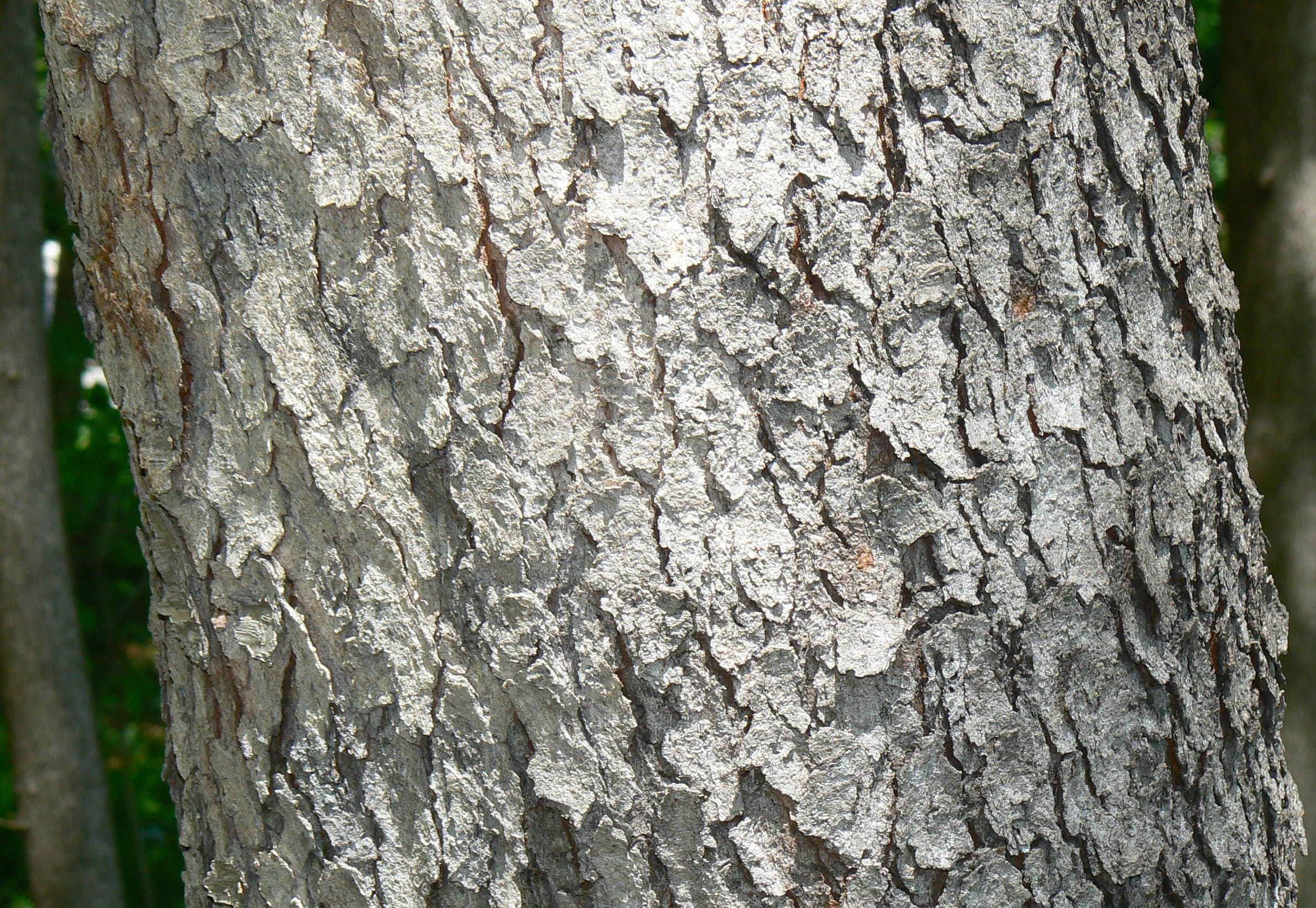
  • Black Cherry: Corteza
    Corteza
    #

    Black cherry is one of the better behaved woods in this catalogue dimensionally.

    Volumetric shrinkage of 11.0 percent is low, and more importantly the tangential to radial differential of 6.5 against 3.5 percent is narrow. Cupping in a flatsawn board is driven by that differential, so a wide flatsawn cherry top stays flatter than the equivalent in oak, ash, beech or maple.

    Combine that with the species' availability in wide boards and it becomes a strong candidate for a large solid tabletop, which is exactly what many buyers want a slab for.

    At the bench#

    Cherry is a pleasure to work. At 4,226 N it is moderately soft, easy on tooling, and it machines cleanly, turns and carves well, glues reliably and sands to an excellent surface.

    The one real difficulty is burning. Cherry scorches under routers and dull blades more readily than most species, and on pale wood the marks are dark and obvious.

    Worse, burns cannot be sanded out easily. Sanding tends to polish the scorched fibres rather than remove them. The mark has to be cut or scraped away, which on a finished surface means removing more material than you wanted to.

    Sharp tooling, correct feed rates, and light final passes are the prevention, and they are worth the discipline.

    Finishing#

    Black cherry blotches under pigment stain exactly as European cherry does. Use a dye, a gel stain, or a washcoat first, and test on an offcut.

    The better approach in most cases is no stain at all. The wood will reach a rich reddish brown on its own, and staining to accelerate that usually produces a muddier and less luminous colour than waiting would.

    Gum pockets occur, though less frequently than in European cherry. They are characteristic rather than defective.

    Where Black Cherry is the right answer#

    Wide solid tabletops, fine furniture, cabinetry, turned work, and interior joinery. It is among the best combinations in this catalogue of good looks, easy working, wide availability and genuine dimensional stability.

    It is the wrong answer where a pale colour must be maintained, and wrong outdoors beyond protected joinery.

    Sourcing and EUDR#

    Not CITES listed and assessed as Least Concern. Native to eastern North America, so European buyers are usually importing, with the longer documentation chain and higher transport carbon that implies. Where a European alternative is acceptable, Prunus avium covers the same appearance with a shorter chain, at the cost of harder-to-match sizes.

    Gum pockets and pith flecks#

    Two features turn up in almost every cherry board and neither is a fault.

    Gum pockets are small resin filled cavities, usually a few millimetres long, appearing as dark flecks or short streaks. They are characteristic of Prunus species. Small ones are simply part of the surface; larger ones can be filled with epoxy or a matching filler if they will catch on a work surface.

    Pith flecks are short irregular streaks caused by insect larvae tunnelling in the growing tree, later grown over. They read as fine darker lines and are purely cosmetic.

    Both are more common in orchard grown material than in forest grown, and both are among the reasons cherry is graded on appearance rather than strength.

    Matching cherry across a project#

    Because cherry darkens so fast and so far, matching boards is a moving target.

    Two boards that look different when freshly machined often converge as they darken, because the darkening tends to compress the range. Two boards that match on the bench may diverge if one is a different age or was stored in light.

    The practical approach for a multi board top is to lay the boards out, leave them exposed to daylight together for a week, and then decide the arrangement. A week of exposure reveals more about how they will look together than any amount of inspection on day one.

    +

    Yes, unusually so. Volumetric shrinkage of 11.0 percent is among the lower figures in this catalogue and the tangential to radial differential of 6.5 against 3.5 percent is narrow. Combined with its availability in wide boards, that makes black cherry one of the better choices here for a large solid top.

    Can it be used outdoors?

    +

    Not for exposure. At decay class 3 it is moderately durable, which suits protected exterior joinery under a maintained finish but not weather or ground contact.

    Contracción tangencialContracción paralela a los anillos de crecimiento. Es la que afecta a las tablas de aserrado tangencial y a la mayoría de las tablas.
    6.5–8.0 %
    Contracción volumétricaCambio total de volumen desde verde hasta completamente seca. Un valor menor indica más estabilidad.11.0–12.5 %
    Durabilidad natural (EN 350)Norma europea de resistencia natural a la pudrición, de 1 (muy duradera) a 5 (perecedera).Class 3 — Moderately durable

    Fuentes

    • The Wood Database(consultada el 2026-05-09)
    • USDA FPL Wood Handbook FPL-GTR-190 (2010)(consultada el 2026-05-09)
    • Meier, E. — WOOD! Identifying and Using Hundreds of Woods Worldwide (2015)(consultada el 2026-05-09)

    Ventajas

    • Apta para alimentosAdecuada para tablas, cuencos y superficies que entran en contacto con alimentos.
    • Apta para principiantesFácil de trabajar en el banco y no tan dura como para castigar las herramientas.

    Ten en cuenta

    • No apta para exteriores sin tratarSu durabilidad natural es de clase 3 de 5 según EN 350. Mantenla en interiores o protégela con un acabado bien conservado.
    • El polvo es irritanteUsa extracción y mascarilla al lijar o mecanizar.

    Pulsa una etiqueta para ver los detalles.

    De un vistazo

    Los niveles usan intervalos fijos para todas las especies que ofrece KORENA, por lo que se pueden comparar directamente. Debajo de cada uno aparece el valor medido.
    DurezaResistencia a abolladuras y desgasteSemidura

    Dureza Janka: 4226 N

    Un 15 % más blanda que el roble europeo

    PesoCuánto pesa una tabla al levantarlaMedia

    560 kg/m³

    EstabilidadCuánto se reduce su movimiento estacionalMedia

    11,8 % de contracción volumétrica

    TrabajoAserrado, cepillado, lijado y encoladoMuy fácil

    4,4 / 5 de media en el banco

    Uso exteriorResistencia natural a la pudrición, EN 350Exterior cubierto

    Clase 3 según EN 350

    • Aserrado · ExcelenteLa limpieza del corte y el desgaste que causa en las hojas.1 = difícil · 5 = excelente
    • Cepillado · ExcelenteLa suavidad de la superficie que deja y cuánto se desgarra la fibra.1 = difícil · 5 = excelente
    • Lijado · ExcelenteLa rapidez con la que queda lisa sin atascar el papel.1 = difícil · 5 = excelente
    • Torneado · Muy buenaCómo se corta y se acaba en el torno.1 = difícil · 5 = excelente
    • Tallado · Muy buenaLa nitidez con la que conserva los detalles al trabajarla con gubia.1 = difícil · 5 = excelente
    • Encolado · Muy buenaLa fiabilidad de las uniones encoladas.1 = difícil · 5 = excelente
    • Sujeción de tornillos / clavos · Muy buenaCómo sujeta tornillos y clavos sin rajarse.1 = difícil · 5 = excelente
    • Curvado al vapor · BuenaCómo admite las curvas después de aplicar vapor.1 = difícil · 5 = excelente

    Aún no hay una referencia de mercado para Black Cherry. Cada pieza de KORENA recibe un precio individual de su almacén asociado.