KORENA
MaderaFinished piecesMaterialesAlmacenesRevista

Recibe avisos

Cada tabla es única. Cuando se vende, ya no vuelve. Te avisamos cuando se publican nuevas piezas: nuevas llegadas, especies y tablas adecuadas para un proyecto.

Unos pocos correos al mes. Sin spam; puedes darte de baja cuando quieras.

KORENA, madera noble de primera calidad

Una pieza cada vez.

Madera noble de primera calidad verificada, vendida pieza a pieza. Cada tabla se fotografía, se mide y se envía desde el almacén asociado con un pasaporte de la madera.

Comprar

  • Ver productos
  • Archivo de piezas vendidas
  • Seguir pedido

Aprender

  • Revista
  • Guías de especies
  • Glosario
  • Comparar
  • Autores

Ayuda

  • Quiénes somos
  • Cómo funciona
  • Hazte almacén asociado
  • Solicitar una tabla
  • Asistencia
  • Plantillas de documentos
  • Prensa

Comprar

  • Condiciones de venta
  • Derecho de desistimiento
  • Devoluciones y garantía
  • Envío y entrega

Confianza

  • Política de privacidad
  • Política de cookies
  • Procedencia de la madera y EUDR
  • Accesibilidad

Aviso legal

  • Aviso legal
  • Uso aceptable
  • Propiedad intelectual y contenido

© 2026 KORENA. Todos los derechos reservados.

Gestionado por Martial Labs Ltd. (BG, EIK 207453941). KORENA es un nombre comercial de Martial Labs Ltd.

Respetamos tu privacidad

Usamos cookies esenciales para que el sitio funcione. Con tu permiso, también usaríamos cookies para análisis, contenido personalizado y publicidad. Puedes cambiar de opinión en cualquier momento en la página de preferencias de consentimiento. Consulta nuestra política de cookies y nuestra política de privacidad.

  1. Inicio
  2. /
  3. Especies
  4. /
  5. Black Poplar

Populus nigra

Black Poplar

The lightest hardwood KORENA lists, and the one most often blamed for a fault that belongs to the blade.

  • Cultivada y aprovechada en Europa.
  • Grupo botánico. Las maderas blandas proceden de coníferas y las duras, de árboles frondosos.
  • Familia botánica a la que pertenece la especie.
Avísame cuando llegueEspecie de referencia. Ahora mismo no hay piezas en stock.
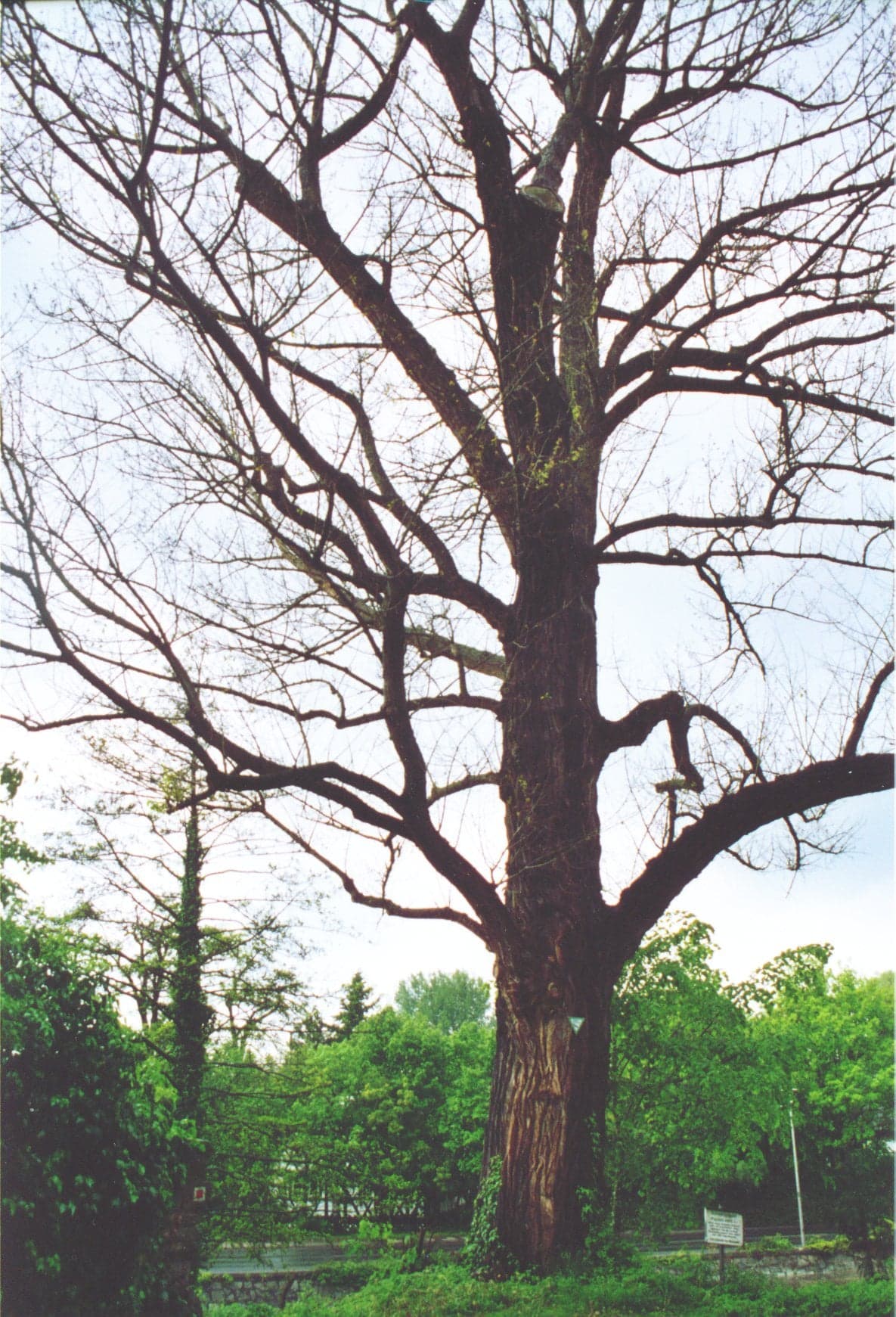
Árbol de Black Poplar
  • Adecuación al proyecto
  • En stock
  • Aspecto
  • Cómo trabajarla
  • Movimiento
  • Precio
  • Seguridad y abastecimiento
  • Preguntas
  • Datos técnicos

¿Es adecuada para tu proyecto?

Ideal para

  • Painted furniture
  • Drawer sides and carcass interiors
  • Lightweight panels
  • Sculpture and carving blanks
  • Plywood core

No hay Black Poplar en la selección actual

Especies similares en stock

Ahora mismo no hay Black Poplar. Estas especies sirven para los mismos proyectos y tienen piezas disponibles.
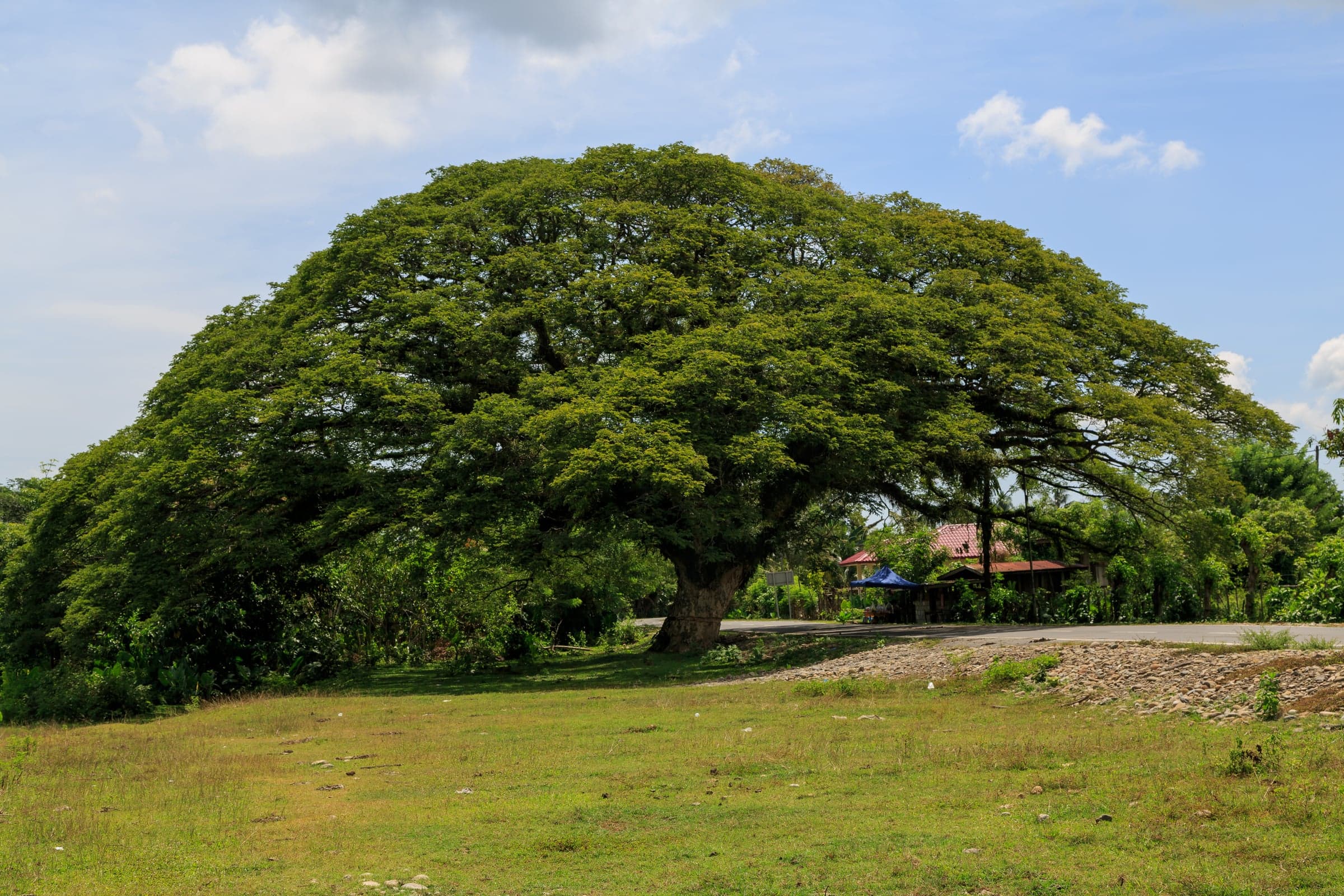
  • Veta de Saman

    Saman

    Samanea saman

    4 piezas

  • Veta de European Oak

    European Oak

    Quercus robur

    6 piezas

  • Veta de European Walnut

    European Walnut

    Juglans regia

    9 piezas

Recibe avisos sobre Black Poplar

Te enviamos un correo cuando lleguen a KORENA nuevas tablas de Black Poplar. Cada pieza es única, por lo que conviene enterarse pronto.

Unos pocos correos al mes. Sin spam; puedes darte de baja cuando quieras.

Aspecto de la madera

Qué aspecto tiene

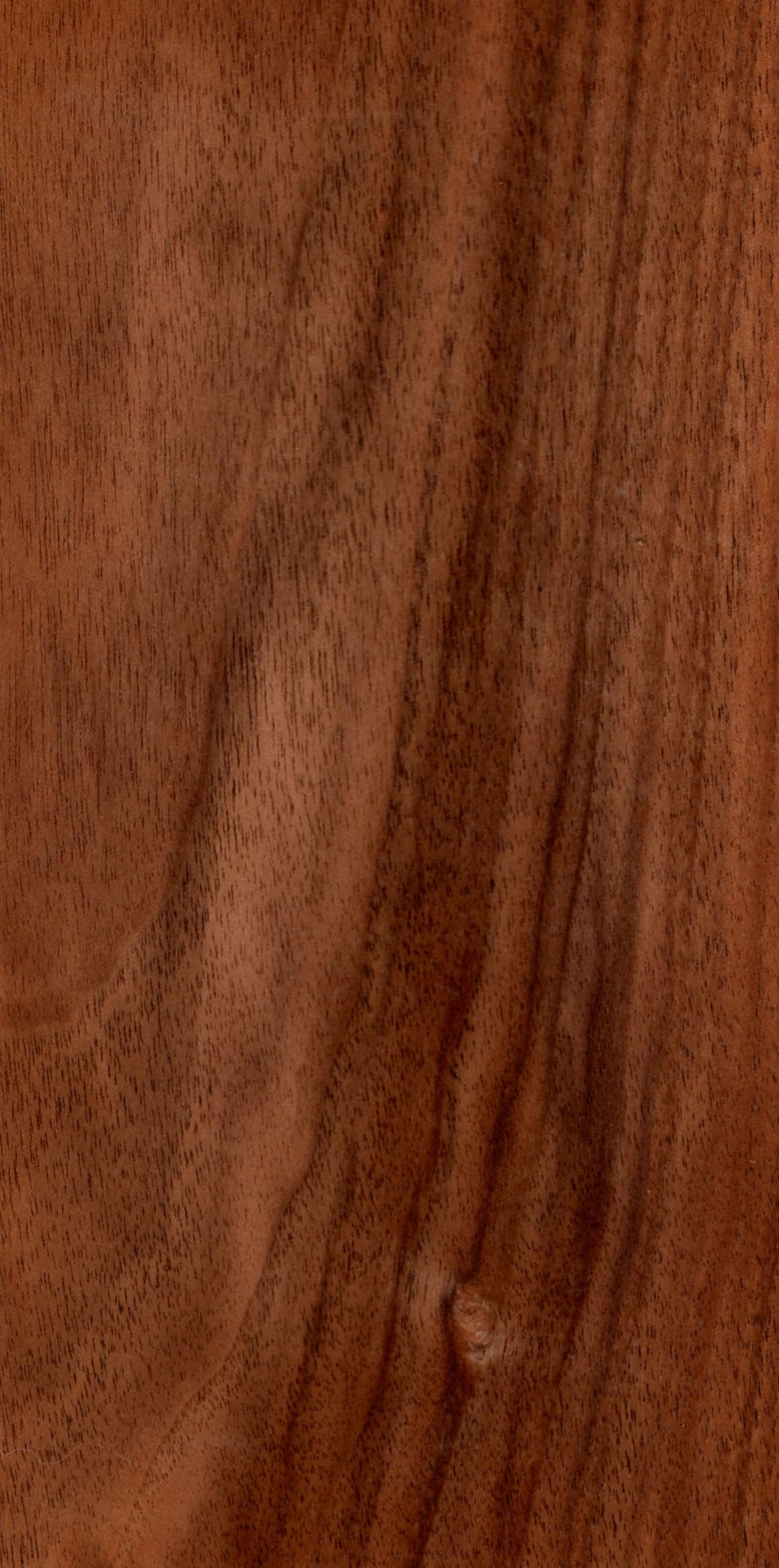
Very pale, creamy white to light grey brown, sometimes with a faint greenish cast in the heartwood, and almost no figure. The texture is fine and even but the wood is notably soft and light at 385 kg per cubic metre, the lightest hardwood KORENA lists. It has a woolly quality under a dull blade that gives it an undeserved reputation for being difficult.

  • Creamy white to light grey brown
  • Occasional faint greenish cast in the heartwood
  • Fine even texture with very little figure
  • Straight grain, fine even texture, very little figure. Creamy white to light grey-brown, occasionally with a faint greenish cast in the heartwood.

Cómo trabajarla

Cómo trabajarla

Easy to work with hand and machine tools, with one specific requirement: sharp cutters are necessary when planing to avoid fuzzy surfaces. This is the whole difficulty with poplar. The fibres are long and soft, and a dull blade drags rather than severs them, leaving a woolly face that sanding only makes worse. With a keen edge and a light cut it machines cleanly. It glues well and takes fastenings adequately for its density.

Acabado

Its natural role is under paint, and it takes paint very well given the fine even texture and absence of resin. Under a clear finish the pale colour with its occasional greenish cast is unusual rather than attractive to most eyes. Pigment stains blotch, so use a conditioner or a dye. Because the wood is soft, a hardwax oil or a film finish adds useful surface protection.

Secado

Dries readily and without much degrade, and it is dimensionally reasonable once dry, with volumetric shrinkage of 12.3 percent. The tangential to radial ratio of 9.3 against 4.0 percent is wide, so flatsawn boards will cup. Wet poplar is notably heavy and can carry very high green moisture content, so drying takes longer than the modest final density suggests.

¿Cuánto se moverá?

La madera se hincha y se contrae a lo ancho cuando el aire gana o pierde humedad. Calcula el movimiento estacional de un tablero de Black Poplar antes de diseñar las fijaciones.

Corte
Dónde estará

Movimiento estacional previsto

unos 10,6 mm

Fija el tablero con lengüetas o soportes ranurados, no con cola ni tornillos apretados.

Modelo de contracción lineal: ancho × (contracción ÷ 28 % de saturación de la fibra) × variación estacional de humedad. Usa una contracción tangencial del 9,3 % para Black Poplar. Es una estimación para planificar, no una garantía.

Cuánto cuesta

Seguridad y abastecimiento

  • Cultivada y aprovechada en Europa.
  • Besides the standard health risks associated with any wood dust, no further health reactions are associated with Black Poplar in the source cited here. It is among the less irritating woods in this catalogue to machine.

  • Populus nigra is a floodplain tree, native along river systems across Europe, North Africa and western Asia. Its natural riverside habitat has been heavily reduced by flood control and river engineering, and the wild population is now one of the more threatened tree populations in Europe, though hybrid poplars planted for timber are abundant and unrelated to that concern.

Leer la guía completaNotas detalladas sobre el dibujo, el cambio de color, el trabajo y la estabilidad.+

What Black Poplar actually is#

Populus nigra is a floodplain tree. Its natural home is the riverbank, across Europe, North Africa and western Asia, in the shifting wet ground that flood control and river engineering have largely eliminated over the last century.

That has produced an unusual situation. The wild population of Black Poplar is one of the more threatened tree populations in Europe and the subject of active restoration work, while poplar timber itself is cheap and abundant, because the commercial trade runs largely on planted hybrid poplars. The two facts sit oddly together and are worth keeping separate when you read about the species.

The fuzzy surface problem, which is not the wood's fault#

Poplar has a reputation for machining badly. It plane fuzzy, people say, and the surface goes woolly no matter what you do.

The cited source puts it precisely: sharp cutters are necessary when planing to avoid fuzzy surfaces. That is the entire difficulty.

Poplar fibres are long and soft. A blade with any dullness at all drags them instead of severing them, and they lift into a woolly nap. Sanding the result makes it worse, because abrasive tears more fibre rather than cutting it. So the maker sands harder, gets a worse surface, and concludes the wood is the problem.

With a freshly honed iron, a tight mouth and a light cut, poplar machines perfectly cleanly. A card scraper produces an excellent final surface. This is a wood that is unusually honest about the state of your tooling.

Preguntas de compradores

Preguntas de compradores

Why does poplar go fuzzy when I plane it?

+

The fibres are long and soft, so a dull blade drags them rather than cutting them, leaving a woolly surface. Sanding makes it worse by tearing more fibre. The fix is a freshly honed iron, a tight mouth and a light cut, or a card scraper for the final surface. With a sharp edge poplar machines perfectly cleanly, and its reputation for being difficult is really a reputation for punishing blunt tools.

Is it strong enough to build with?

+

For its weight, yes, but it is the softest and lightest hardwood in this catalogue at 385 kg per cubic metre and 2,020 N Janka, softer than Scots Pine. It suits drawer sides, carcass interiors, lightweight panels and anything that will be painted. It is not a work surface and it is not a structural timber.

Is Black Poplar endangered?

+

The wild riverside population is genuinely threatened across Europe, having declined severely through flood control and river engineering, and it is the subject of active restoration programmes. The commercial timber trade is largely supplied by abundant hybrid poplars, which are a separate matter. It is not CITES listed and the cited source reports no IUCN assessment. Provenance is worth checking more carefully here than for most European species.

Propiedades mecánicas

Datos técnicos

Valores de referencia publicados. Cuando las fuentes discrepan, se muestra el intervalo y se usa el valor habitual en las escalas anteriores.

Densidad (kg/m³)Masa por metro cúbico con aproximadamente un 12 % de humedad. La madera más pesada suele ser más dura y resistente.385 kg/m³
Dureza Janka (N)Fuerza necesaria para hundir una bola de acero hasta la mitad en la madera. Es la medida estándar de resistencia a las abolladuras.2,020 N
MOR: módulo de rotura (MPa)Resistencia a la flexión: la carga a la que se rompe una viga.64 MPa
MOE: módulo de elasticidad (GPa)Rigidez a la flexión: cuánto se comba un estante o tablero bajo carga.7.2 GPa
Contracción radialContracción perpendicular a los anillos de crecimiento, desde verde hasta completamente seca. Es la que afecta a las tablas aserradas radialmente.4.0 %
Contracción tangencialContracción paralela a los anillos de crecimiento. Es la que afecta a las tablas de aserrado tangencial y a la mayoría de las tablas.

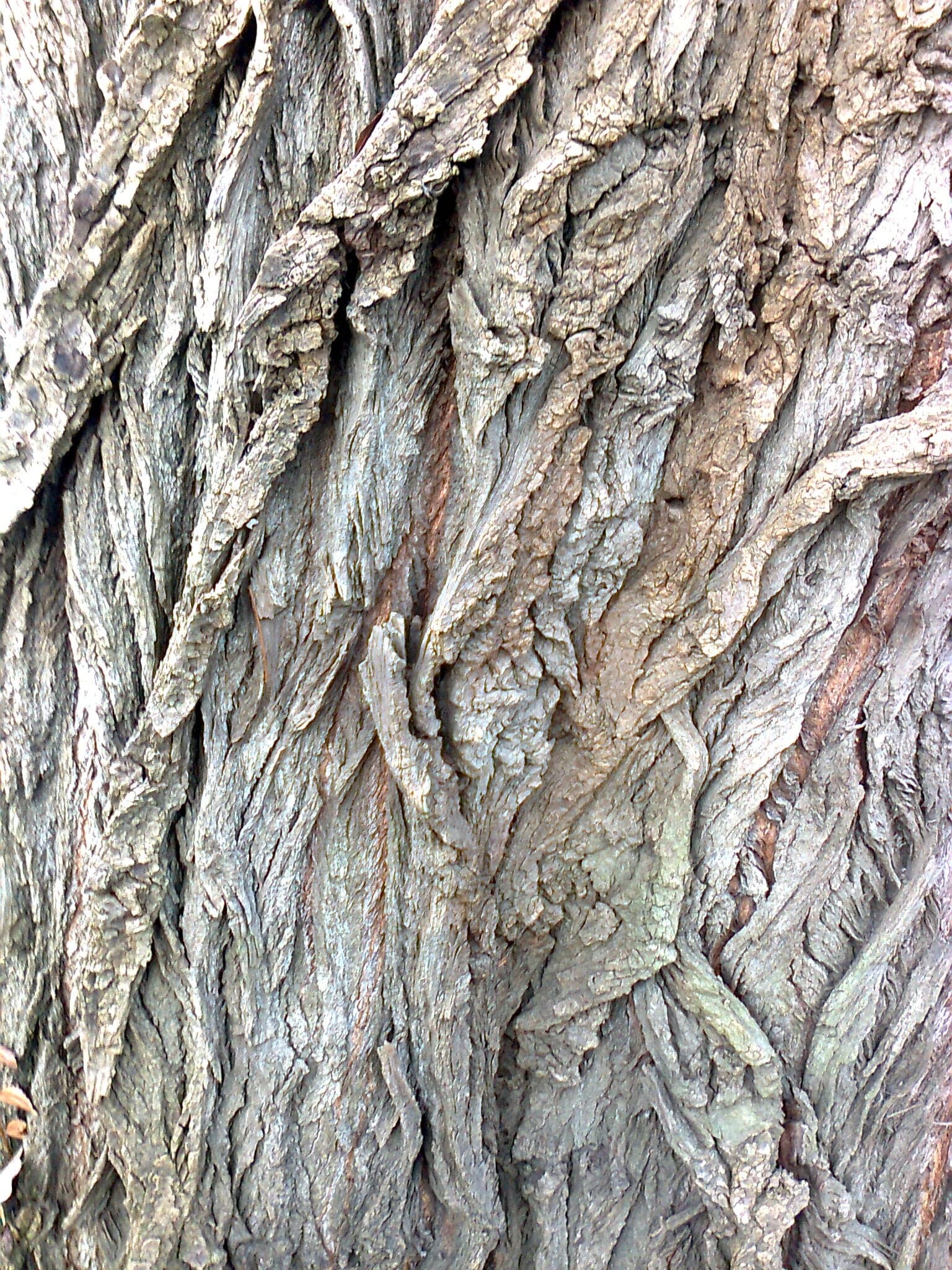
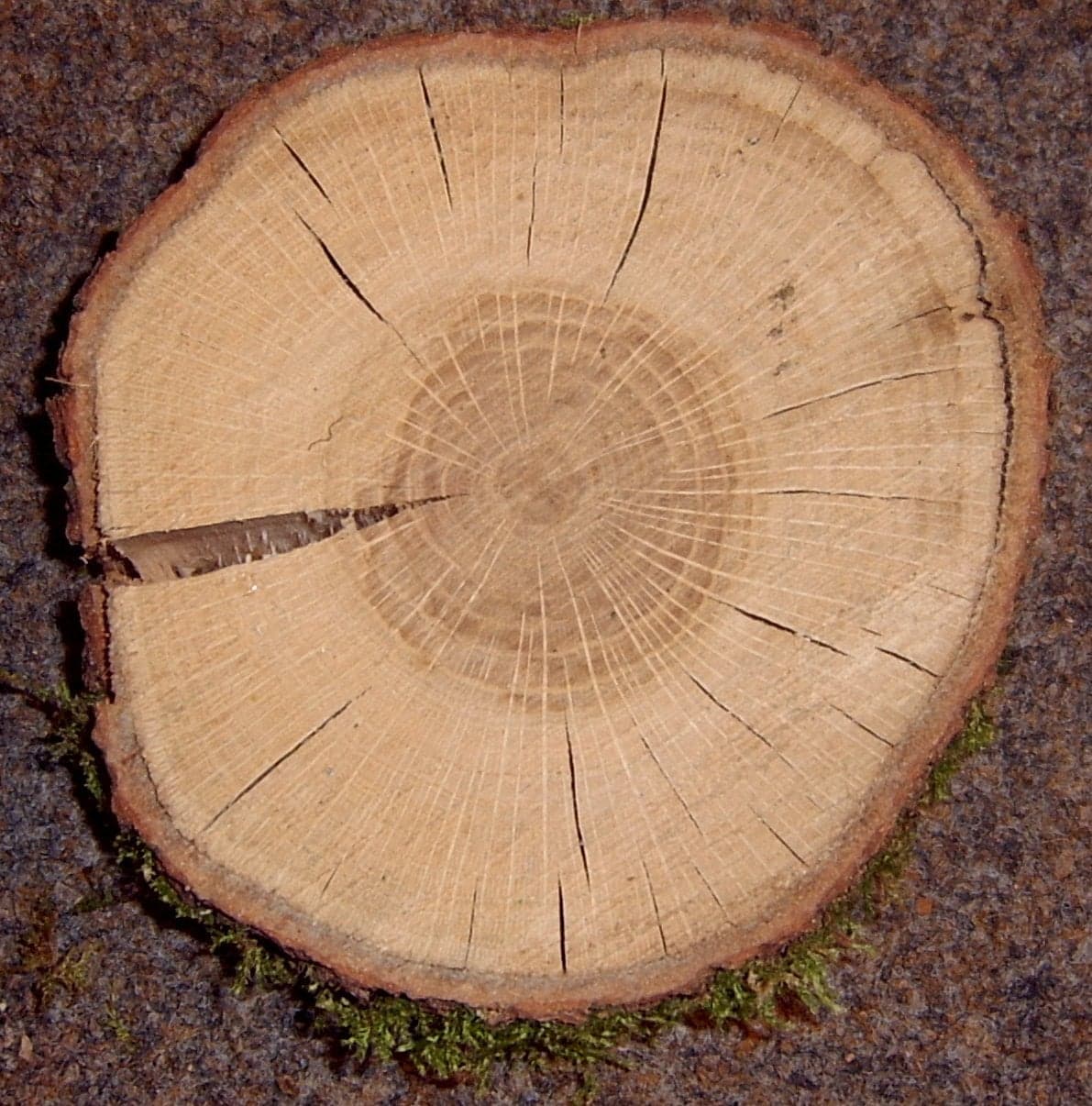
GrieSoß, via Wikimedia Commons

Not listed in the CITES Appendices, and reported by the source KORENA cites as not assessed on the IUCN Red List. The conservation picture needs care: wild riverside Populus nigra has declined severely across Europe through flood control and river engineering and is the subject of active restoration programmes, while the hybrid poplars grown commercially for timber are abundant. Provenance matters more here than for most European species, and KORENA records the yard and region on every listing.

Black Poplar: Corteza
Corteza

Reading a Black Poplar slab#

There is not much to read. Colour runs creamy white to light grey brown, sometimes with a faint greenish cast in the heartwood that fades toward grey with light exposure. It is a natural cast rather than a fungal stain. Figure is minimal.

At 385 kg per cubic metre this is the lightest hardwood in the catalogue, lighter than Norway Spruce, and lifting a slab makes that immediately obvious.

Check for wet pockets. Green poplar carries very high moisture content and is startlingly heavy for what it becomes, and drying takes longer than the modest final density suggests.

What it is for#

Poplar is a secondary timber and it is excellent at that job.

Drawer sides, carcass interiors, web frames, backing panels, plywood core, and above all anything that will be painted. It takes paint very well: the texture is fine and even, there is no resin to bleed, and it needs almost no grain filling.

It is also a sound sculptural blank. Soft, even textured, resin free and inexpensive, it suits larger carved work where mass matters and fine detail does not. For crisp detail, small-leaved lime is the better wood in this catalogue.

What it is not is a work surface. At 2,020 N Janka it is softer than Scots Pine, and a poplar tabletop will mark under ordinary use.

Drying and movement#

It dries readily and without much degrade, which is one of its practical virtues.

Volumetric shrinkage of 12.3 percent is moderate, but the tangential to radial ratio of 9.3 against 4.0 percent is wide, well over two to one, so flatsawn boards cup meaningfully. For a wide painted panel that matters less than it would for a visible top, but it still needs allowing for.

Finishing#

Under paint, poplar is close to ideal and needs no special handling beyond a sealed surface.

Under a clear finish, the pale colour with its occasional green cast reads as unusual rather than handsome to most eyes, and it is rarely the reason anyone chooses this wood. Pigment stains blotch, as on other fine textured pale species, so use a conditioner or a dye.

Because the wood is soft, a hardwax oil or a film finish is worth applying for the surface protection alone.

The provenance question#

This is the one species in this catalogue where the conservation picture genuinely warrants a second look.

Populus nigra is not CITES listed, and the source cited here reports no IUCN assessment, so no status is displayed. But wild riverside populations across Europe have declined severely and are being actively restored, while the commercial supply comes overwhelmingly from planted hybrids that have nothing to do with that decline.

The two are not distinguishable by looking at a board. What distinguishes them is documentation, which is precisely what the KORENA passport records: the partner yard, the region, and the chain behind the slab. On most European species that record is a formality. Here it is worth reading.

Where Black Poplar is the right answer#

Painted furniture, drawer sides and carcass interiors, lightweight panels, plywood core, and sculpture blanks. Any job where low weight and low cost are the requirement and the surface will not be seen or will not be touched.

It is the wrong answer for a work surface, for anything structural, and for anything outdoors, since it is rated non-durable and susceptible to insect attack.

What is the greenish tint in some boards?

+

A natural cast that occurs in the heartwood of some poplar and is not a defect or a fungal stain. It tends to fade toward grey brown with light exposure. Under paint it is irrelevant, which is where most poplar ends up.

Can poplar be carved?

+

Yes, and it is a reasonable carving blank, being soft and even textured with no resin. It does not hold fine detail as crisply as small-leaved lime, which remains the better carving wood in this catalogue, but for larger sculptural work where mass matters and weight does not, poplar is a sound and inexpensive choice.

9.3 %
Contracción volumétricaCambio total de volumen desde verde hasta completamente seca. Un valor menor indica más estabilidad.12.3 %
Durabilidad natural (EN 350)Norma europea de resistencia natural a la pudrición, de 1 (muy duradera) a 5 (perecedera).Class 5 — Perishable

Fuentes

  • The Wood Database — Black Poplar (Populus nigra)(consultada el 2026-08-12)
  • Meier, E. — WOOD! Identifying and Using Hundreds of Woods Worldwide (2015)(consultada el 2026-08-12)

Ten en cuenta

  • No apta para exteriores sin tratarSu durabilidad natural es de clase 5 de 5 según EN 350. Mantenla en interiores o protégela con un acabado bien conservado.

Pulsa una etiqueta para ver los detalles.

De un vistazo

Los niveles usan intervalos fijos para todas las especies que ofrece KORENA, por lo que se pueden comparar directamente. Debajo de cada uno aparece el valor medido.
DurezaResistencia a abolladuras y desgasteBlanda

Dureza Janka: 2020 N

Un 59 % más blanda que el roble europeo

PesoCuánto pesa una tabla al levantarlaMuy ligera

385 kg/m³

EstabilidadCuánto se reduce su movimiento estacionalMedia

12,3 % de contracción volumétrica

TrabajoAserrado, cepillado, lijado y encoladoExigente

3,4 / 5 de media en el banco

Uso exteriorResistencia natural a la pudrición, EN 350Solo interior

Clase 5 según EN 350

  • Aserrado · Muy buenaLa limpieza del corte y el desgaste que causa en las hojas.1 = difícil · 5 = excelente
  • Cepillado · BuenaLa suavidad de la superficie que deja y cuánto se desgarra la fibra.1 = difícil · 5 = excelente
  • Lijado · BuenaLa rapidez con la que queda lisa sin atascar el papel.1 = difícil · 5 = excelente
  • Torneado · BuenaCómo se corta y se acaba en el torno.1 = difícil · 5 = excelente
  • Tallado · BuenaLa nitidez con la que conserva los detalles al trabajarla con gubia.1 = difícil · 5 = excelente
  • Encolado · Muy buenaLa fiabilidad de las uniones encoladas.1 = difícil · 5 = excelente
  • Sujeción de tornillos / clavos · Muy buenaCómo sujeta tornillos y clavos sin rajarse.1 = difícil · 5 = excelente
  • Curvado al vapor · BuenaCómo admite las curvas después de aplicar vapor.1 = difícil · 5 = excelente

Precio actual de venta de la madera de Black Poplar en Europa, por metro cúbico antes del IVA. Pulsa cualquier precio para ver los detalles.

  • Troncos corrientesGrandes volúmenes de madera en rollo estándar vendidos por propietarios forestales y organismos forestales estatales, principalmente para la construcción y la industria.La mayoría de los precios están entre 105 € y 105 €.Basado en 4 precios de 1 región.Últimos datos: 31 dic 2025

¿Por qué cuesta más una tabla?

Estos son precios de madera en bruto. Una tabla es el mejor corte de un tronco, secado durante un año o más y después revisado y medido pieza por pieza. Solo una pequeña parte de cada tronco se convierte en tabla.

Fuente: Índice de la madera de KORENA · Últimos datos: 31 dic 2025

Ver todos los precios regionales