KORENA
MaderaFinished piecesMaterialesAlmacenesRevista

Recibe avisos

Cada tabla es única. Cuando se vende, ya no vuelve. Te avisamos cuando se publican nuevas piezas: nuevas llegadas, especies y tablas adecuadas para un proyecto.

Unos pocos correos al mes. Sin spam; puedes darte de baja cuando quieras.

KORENA, madera noble de primera calidad

Una pieza cada vez.

Madera noble de primera calidad verificada, vendida pieza a pieza. Cada tabla se fotografía, se mide y se envía desde el almacén asociado con un pasaporte de la madera.

Comprar

  • Ver productos
  • Archivo de piezas vendidas
  • Seguir pedido

Aprender

  • Revista
  • Guías de especies
  • Glosario
  • Comparar
  • Autores

Ayuda

  • Quiénes somos
  • Cómo funciona
  • Hazte almacén asociado
  • Solicitar una tabla
  • Asistencia
  • Plantillas de documentos
  • Prensa

Comprar

  • Condiciones de venta
  • Derecho de desistimiento
  • Devoluciones y garantía
  • Envío y entrega

Confianza

  • Política de privacidad
  • Política de cookies
  • Procedencia de la madera y EUDR
  • Accesibilidad

Aviso legal

  • Aviso legal
  • Uso aceptable
  • Propiedad intelectual y contenido

© 2026 KORENA. Todos los derechos reservados.

Gestionado por Martial Labs Ltd. (BG, EIK 207453941). KORENA es un nombre comercial de Martial Labs Ltd.

Respetamos tu privacidad

Usamos cookies esenciales para que el sitio funcione. Con tu permiso, también usaríamos cookies para análisis, contenido personalizado y publicidad. Puedes cambiar de opinión en cualquier momento en la página de preferencias de consentimiento. Consulta nuestra política de cookies y nuestra política de privacidad.

  1. Inicio
  2. /
  3. Especies
  4. /
  5. European Ash

Fraxinus excelsior

European Ash

Pale, ring-porous hardwood with bold grain and the best steam-bending behaviour in Europe. Strong and tough, but strictly interior use.

  • Cultivada y aprovechada en Europa.
  • Grupo botánico. Las maderas blandas proceden de coníferas y las duras, de árboles frondosos.
  • Familia botánica a la que pertenece la especie.
Avísame cuando llegueEspecie de referencia. Ahora mismo no hay piezas en stock.
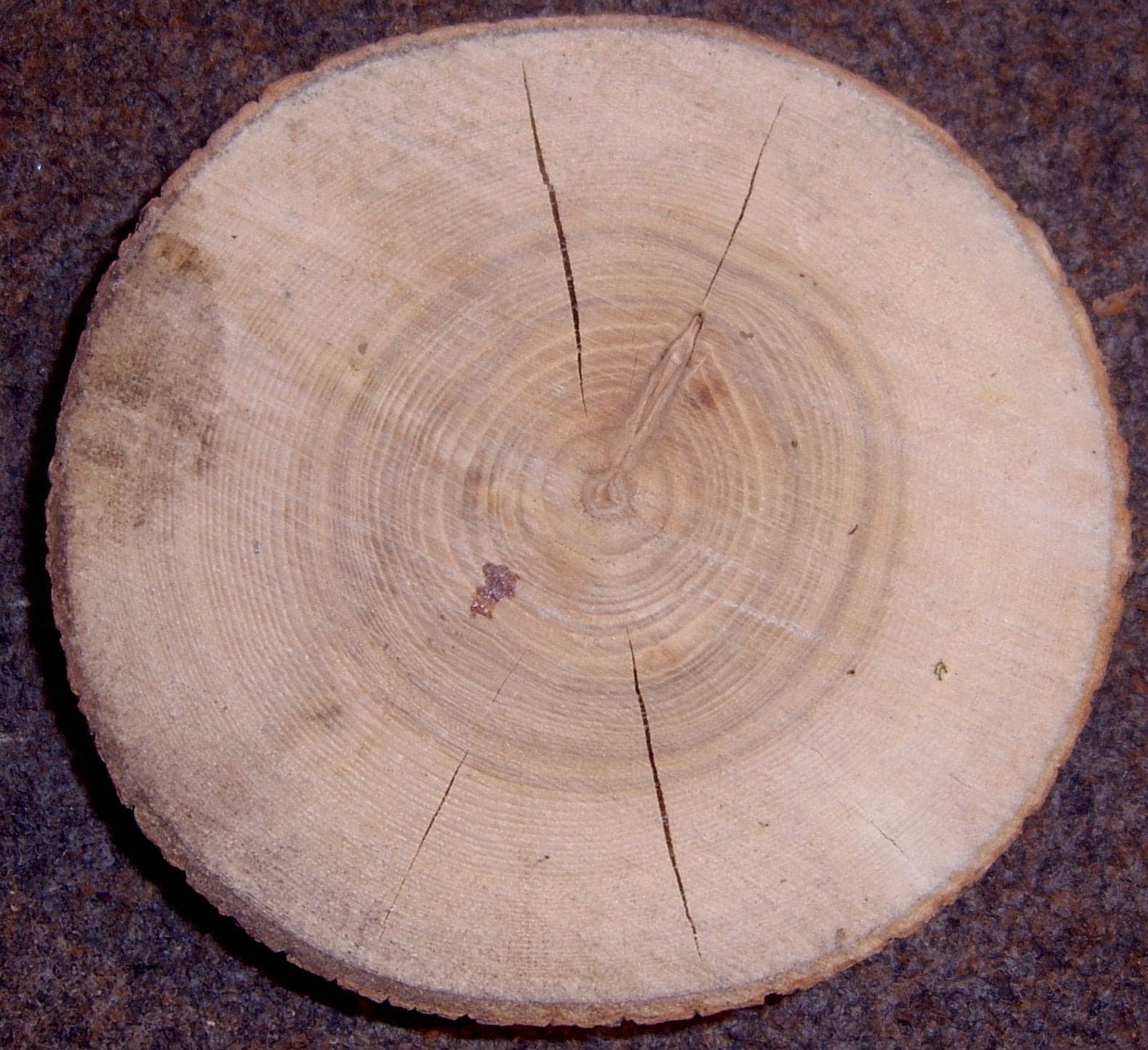
Veta de European Ash
  • Adecuación al proyecto
  • En stock
  • Aspecto
  • Cómo trabajarla
  • Movimiento
  • Precio
  • Seguridad y abastecimiento
  • Preguntas
  • Datos técnicos

¿Es adecuada para tu proyecto?

Ideal para

  • Steam-bent chair frames and stools
  • Dining tables and desks for interior use
  • Cabinetry doors and drawer fronts
  • Tool handles, sports equipment and shop fittings
  • Wall panelling and architectural millwork
  • Turned components and lighter-toned table legs

No hay European Ash en la selección actual

Especies similares en stock

Ahora mismo no hay European Ash. Estas especies sirven para los mismos proyectos y tienen piezas disponibles.
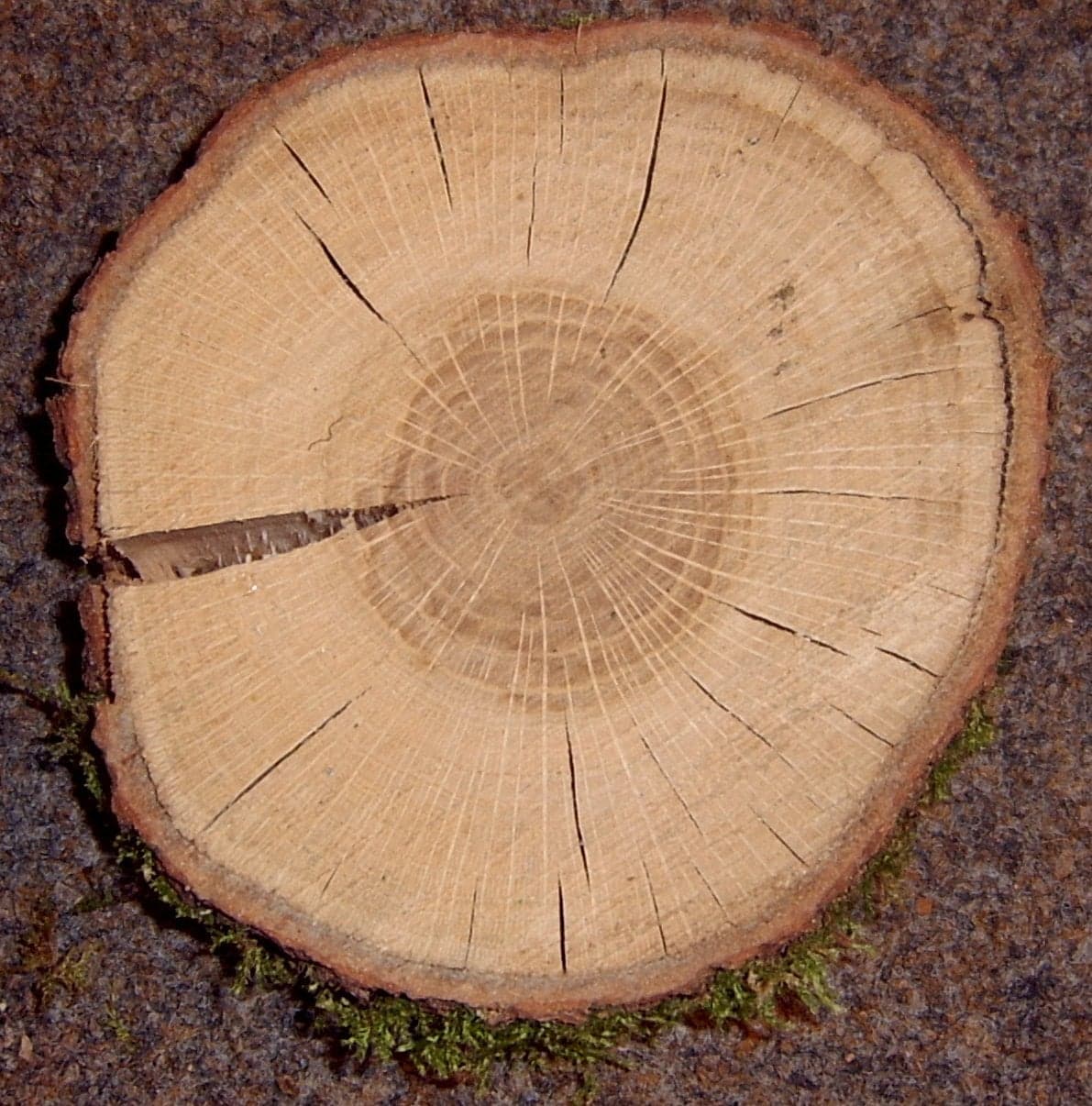
  • Veta de European Oak

    European Oak

    Quercus robur

    6 piezas

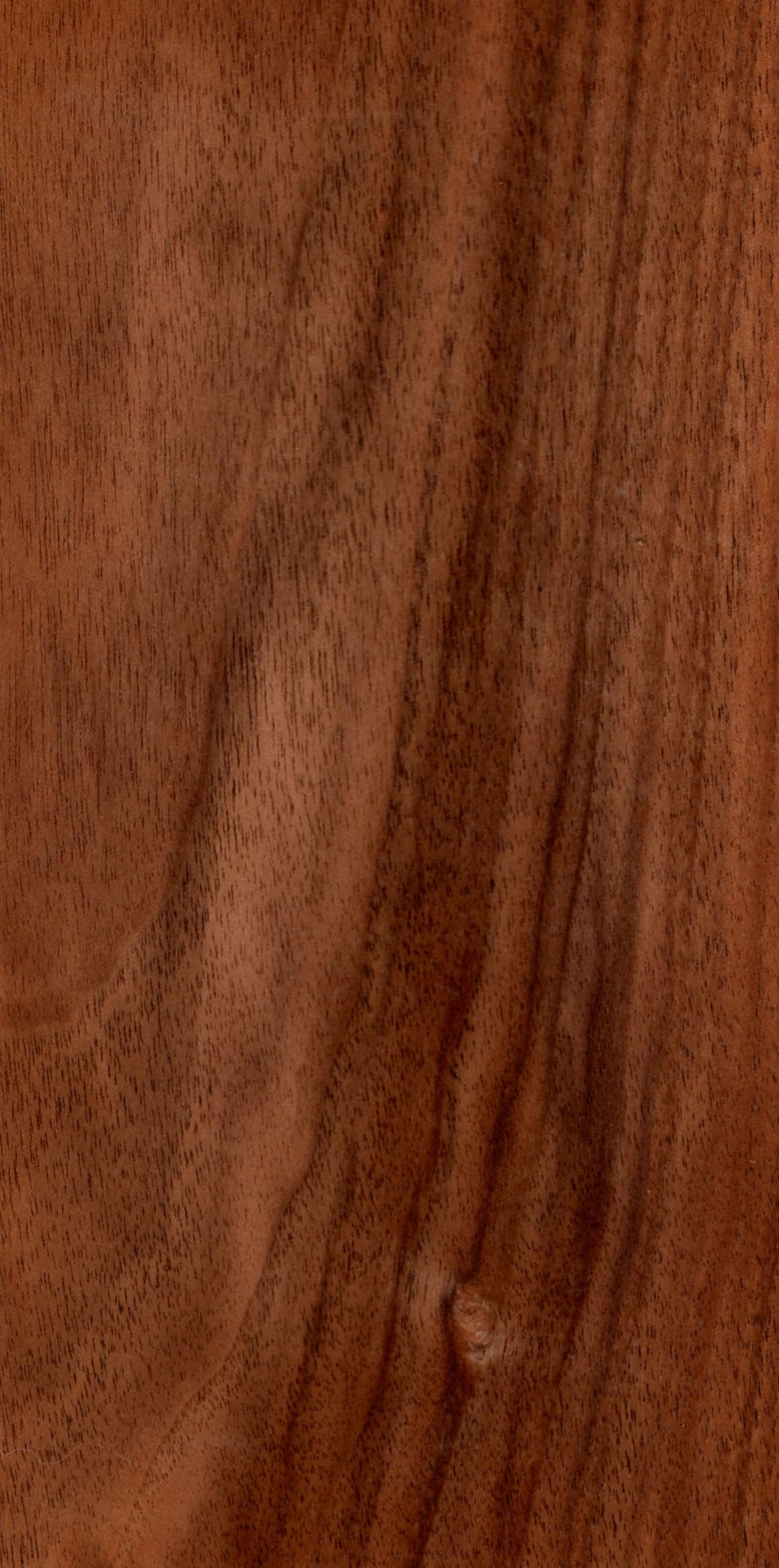
  • Veta de European Walnut

    European Walnut

    Juglans regia

    9 piezas

  • Veta de Saman

    Saman

    Samanea saman

    4 piezas

Recibe avisos sobre European Ash

Te enviamos un correo cuando lleguen a KORENA nuevas tablas de European Ash. Cada pieza es única, por lo que conviene enterarse pronto.

Unos pocos correos al mes. Sin spam; puedes darte de baja cuando quieras.

Aspecto de la madera

Qué aspecto tiene

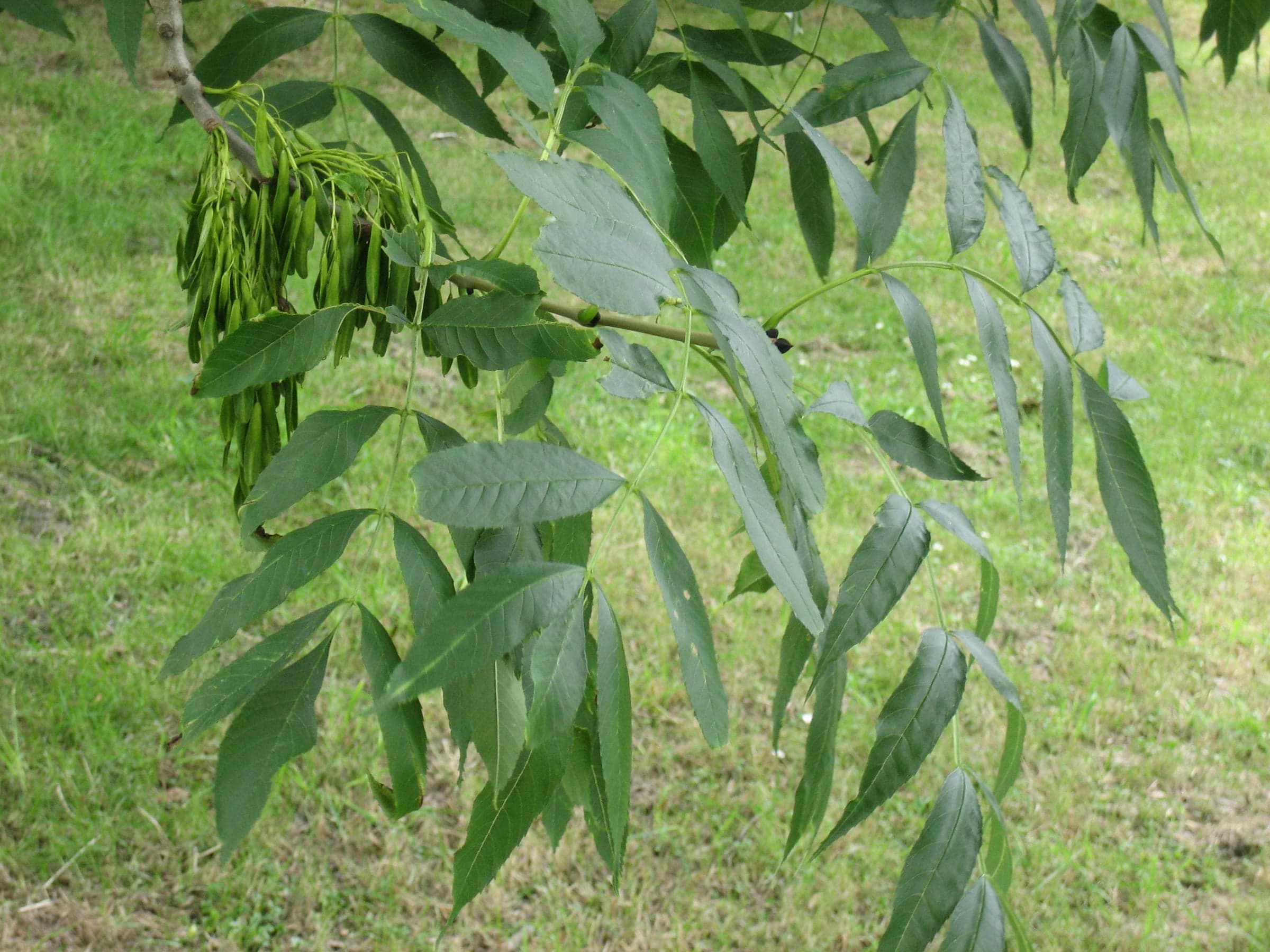
A pale hardwood with a creamy-white sapwood that blends into a light brown heartwood. Grain is straight and the texture coarse and uneven, with strong contrast between earlywood and latewood pores. Growth rings read clearly across a flat-sawn face, giving ash a bold, graphic look that suits modern furniture as much as traditional joinery. A lighter, more open-grained alternative to European oak, and a far cleaner, paler option than walnut.

  • Creamy white to pale straw sapwood
  • Light brown to olive-tinged heartwood
  • Bold dark latewood lines against pale earlywood
  • Mellows to a warmer honey tone with UV exposure
  • Bleaches well for very pale, Nordic-style surfaces
  • Straight grain, coarse uneven texture.

Cómo trabajarla

Cómo trabajarla

Works well with both hand and machine tools. Glues, screws and finishes predictably. Pre-drilling is sensible near edges given the density. Ash is one of the great steam-bending species, chair frames, tool handles and sports goods have relied on it for centuries, and it holds curves reliably once set. Sharp tooling matters: the coarse texture can tear out around knots and interlocked patches if blades are dull.

Acabado

Takes oils, hardwax, water-based and solvent finishes well. The open ring-porous structure benefits from grain filler if you want a glass-smooth surface, otherwise the texture stays visible and tactile. Stains evenly, but the porous earlywood drinks pigment faster than the dense latewood, which can exaggerate ring contrast. Test on offcuts before committing. Bleaches cleanly for very pale Scandinavian looks.

Secado

Dries at a moderate rate with a moderate risk of checking and minor distortion. Tangential shrinkage is roughly 1.6 times radial, so quarter-sawn stock stays flatter in service. Acclimatise to the workshop for at least two weeks before machining, and condition again before final assembly in heated interiors.

¿Cuánto se moverá?

La madera se hincha y se contrae a lo ancho cuando el aire gana o pierde humedad. Calcula el movimiento estacional de un tablero de European Ash antes de diseñar las fijaciones.

Corte
Dónde estará

Movimiento estacional previsto

unos 9,7 mm

Fija el tablero con lengüetas o soportes ranurados, no con cola ni tornillos apretados.

Modelo de contracción lineal: ancho × (contracción ÷ 28 % de saturación de la fibra) × variación estacional de humedad. Usa una contracción tangencial del 8,5 % para European Ash. Es una estimación para planificar, no una garantía.

Cuánto cuesta

Seguridad y abastecimiento

  • Cultivada y aprovechada en Europa.
  • Estado en la Lista Roja de la UICN: evaluación mundial de conservación de esta especie.
  • Ash dust is a documented respiratory and skin sensitiser. Repeated exposure can trigger asthma-like symptoms and dermatitis in sensitive individuals. Use a P2/P3 mask, dust extraction at the tool, and long sleeves when sanding or routing. The wood itself is food-contact safe once cured and finished appropriately.

Leer la guía completaNotas detalladas sobre el dibujo, el cambio de color, el trabajo y la estabilidad.+

What European Ash actually is#

Fraxinus excelsior is the tough one. At 6,580 N on the Janka scale it is harder than European oak by a third, and it combines that hardness with an elasticity that lets it absorb impact and spring back rather than splitting.

That combination is why ash became the handle wood of Europe. Hammer and axe handles, oars, hurleys, tennis racquets, cart frames and early aircraft structures were all ash, and the reason is a property that no single number captures: shock resistance.

The dieback situation#

Ash is the only species in this catalogue carrying an elevated IUCN status. It is assessed as Near Threatened, and the cause is Hymenoscyphus fraxineus, the fungus behind ash dieback, which has spread across Europe since the 1990s and killed a very large proportion of the standing population.

For a buyer today the effect is counterintuitive. Salvage felling has pushed volumes up and prices down, so ash is currently good value and widely available. The uncertainty is in the coming decades rather than this year.

The disease affects the living tree. Sound timber cut from an affected tree is sound timber, and there is no quality penalty in buying salvage ash provided it was converted and dried properly rather than left standing dead and allowed to spalt.

Reading an ash slab

Preguntas de compradores

Preguntas de compradores

Is ash affected by ash dieback, and does that matter for slabs?

+

Yes. Hymenoscyphus fraxineus has spread across Europe since the 1990s and the IUCN now assesses Fraxinus excelsior as Near Threatened, the only species in this catalogue with an elevated status. For buyers the practical effect is a lot of salvage felling: volumes are currently high and prices soft, but supply over the coming decades is uncertain. The disease affects the living tree, not the quality of sound timber cut from it.

Why is ash used for tool handles?

+

Shock resistance. Ash combines high hardness at 6,580 N with elasticity, so it absorbs impact and returns rather than splitting or shattering. That combination is why it has been the standard timber for hammer and axe handles, oars, hurleys and sports equipment for centuries, and why it steam bends so well.

Can ash be used outdoors?

+

No, not untreated. It is rated decay class 5, perishable, which is the lowest durability of any hardwood in this catalogue and a surprise given how tough it is mechanically. Strength and durability are unrelated properties. For exterior work choose oak, robinia or sweet chestnut.

What is olive ash?

Propiedades mecánicas

Datos técnicos

Valores de referencia publicados. Cuando las fuentes discrepan, se muestra el intervalo y se usa el valor habitual en las escalas anteriores.

Densidad (kg/m³)Masa por metro cúbico con aproximadamente un 12 % de humedad. La madera más pesada suele ser más dura y resistente.620–740 kg/m³habitual: 680 kg/m³
Dureza Janka (N)Fuerza necesaria para hundir una bola de acero hasta la mitad en la madera. Es la medida estándar de resistencia a las abolladuras.6,200–7,000 Nhabitual: 6580 N
MOR: módulo de rotura (MPa)Resistencia a la flexión: la carga a la que se rompe una viga.105–130 MPa
MOE: módulo de elasticidad (GPa)Rigidez a la flexión: cuánto se comba un estante o tablero bajo carga.11.5–13.5 GPa
Contracción radialContracción perpendicular a los anillos de crecimiento, desde verde hasta completamente seca. Es la que afecta a las tablas aserradas radialmente.4.5–6.0 %

No machine-readable author provided. Lumbar~commonswiki assumed (based on copyright claims)., via Wikimedia Commons

Ventajas

  • Apta para alimentosAdecuada para tablas, cuencos y superficies que entran en contacto con alimentos.
  • Se curva bienValoración de 5 sobre 5 para el curvado al vapor. Admite curvas cerradas.

Native across Europe from Ireland east to the Volga, north into southern Scandinavia and south into the Mediterranean uplands. Grows in mixed broadleaf forests on moist, fertile soils, often alongside oak and beech. KORENA sources from managed European forests where stand health allows responsible harvesting.

  • European Ash is reassessed as Near Threatened on the IUCN Red List because of ash dieback (Hymenoscyphus fraxineus), a fungal disease moving across Europe since the 1990s and killing a significant share of standing ash. Paradoxically this means salvage and sanitation harvests are common, and well-managed sourcing can use timber that would otherwise be lost. KORENA sources ash from forests with documented health assessments and chain-of-custody. EUDR due diligence is in preparation and becomes mandatory for large operators from 30 December 2026, and the slab passport is built to carry the legality and dieback context. No CITES listing.

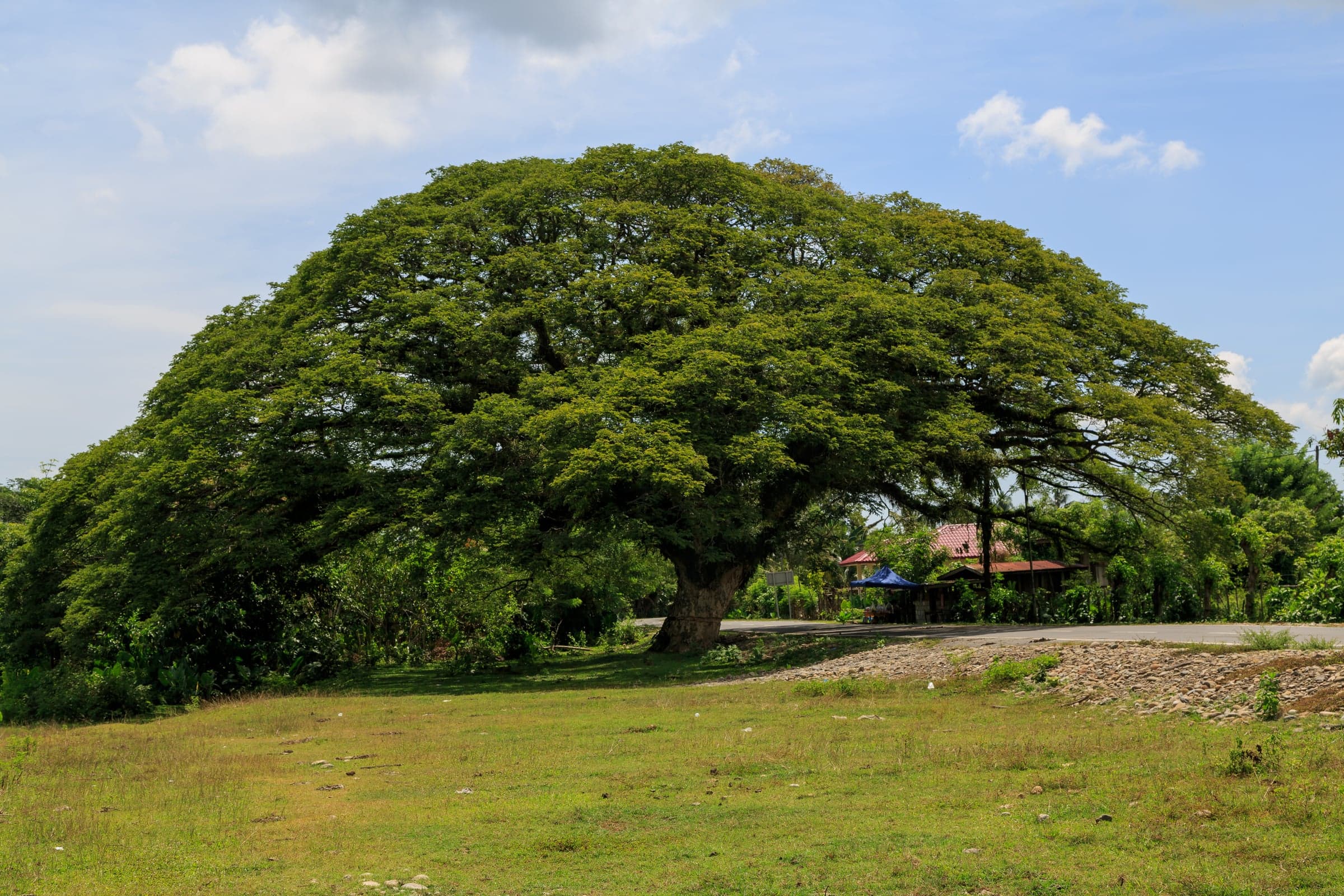
  • Árbol de European Ash

    No machine-readable author provided. MPF assumed (based on copyright claims)., via Wikimedia Commons

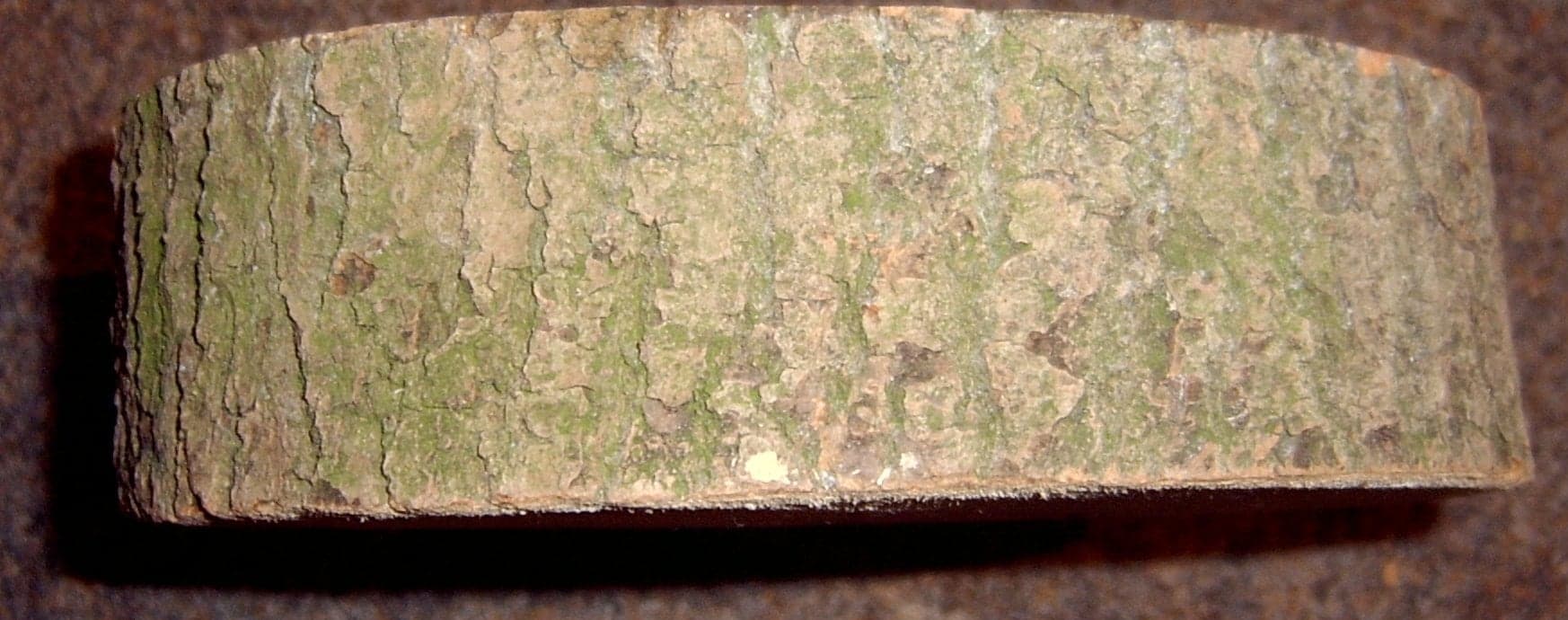
    European Ash: Corteza
    Corteza
    #

    Most ash is pale, near white to light biscuit, with a coarse ring porous texture that reads similarly to oak but without the ray fleck.

    The exception is olive ash: darker brown and olive streaked heartwood that develops in some older trees, giving dramatic contrast against the pale background. It is the same species rather than a different one, and because most ash is uniformly pale, olive ash carries a premium and is sought for tabletops.

    The grain is usually straight, which is part of why it bends and machines so predictably.

    The durability trap#

    Ash is mechanically formidable and biologically feeble. It is rated decay class 5, perishable, the lowest durability of any hardwood here.

    That surprises people, because toughness feels like it should mean longevity. It does not. Strength and decay resistance are unrelated properties, governed by different things: cell wall structure on one hand, extractive chemistry on the other. Ash has excellent structure and almost no protective extractives.

    Untreated ash outdoors will fail quickly. For exterior work, oak at decay class 2, sweet chestnut at 2, or robinia at 1 are the species in this catalogue that belong there.

    At the bench#

    Ash works cleanly with hand and machine tools and finishes well. It steam bends excellently, as its history suggests, and it glues and takes fastenings reliably.

    At 6,580 N it is hard, so tooling blunts faster than on oak and the wood asks for power in the cut. The coarse open pores need filling for a smooth surface.

    The straight grain means less tear-out than oak, which makes wide ash surfaces comparatively easy to machine flat.

    Movement#

    Volumetric shrinkage of 14.5 percent is high and the tangential to radial differential of 7.5 against 4.5 percent is wide, so flatsawn boards cup.

    Ash also has a working reputation for moving more in service than its figures predict. Whether that is the wood or the fact that ash is often used in thin sections is arguable, but the practical response is the same: acclimatise fully, let tops float on slotted fasteners, and do not fix a wide ash panel rigidly.

    Where ash is the right answer#

    Anywhere impact and flex matter. Chair frames, steam bent components, tool handles, sports equipment, and tabletops where the pale colour or the olive figure is wanted. It is currently among the best value hardwoods in Europe.

    It is the wrong answer outdoors in any form, and wrong where dimensional stability is the governing requirement.

    Sourcing and EUDR#

    Not CITES listed. Assessed as Near Threatened by the IUCN, which is worth stating plainly to buyers rather than leaving in a data table, and the reason is disease rather than over-harvesting. European supply is currently abundant through salvage felling and documentation is straightforward.

    +

    The darker streaked heartwood that develops in some older ash trees, producing brown and olive figuring against the pale background. It is the same species, not a separate one, and it is prized for tabletops because the contrast is dramatic. Most ash is uniformly pale, so olive ash commands a premium.

    How much does it move?

    +

    Volumetric shrinkage of 14.5 percent is on the high side, with tangential at 7.5 percent against radial at 4.5 percent. That is a wide differential, so flatsawn boards cup. Ash also has a reputation for moving in service more than the numbers alone suggest, so let a slab acclimatise fully and allow a top to float.

    Contracción tangencialContracción paralela a los anillos de crecimiento. Es la que afecta a las tablas de aserrado tangencial y a la mayoría de las tablas.
    7.5–9.5 %
    Contracción volumétricaCambio total de volumen desde verde hasta completamente seca. Un valor menor indica más estabilidad.14.5–16.0 %
    Durabilidad natural (EN 350)Norma europea de resistencia natural a la pudrición, de 1 (muy duradera) a 5 (perecedera).Class 5 — Perishable

    Fuentes

    • The Wood Database(consultada el 2026-05-09)
    • USDA FPL Wood Handbook FPL-GTR-190 (2010)(consultada el 2026-05-09)
    • Meier, E. — WOOD! Identifying and Using Hundreds of Woods Worldwide (2015)(consultada el 2026-05-09)

    De un vistazo

    Los niveles usan intervalos fijos para todas las especies que ofrece KORENA, por lo que se pueden comparar directamente. Debajo de cada uno aparece el valor medido.
    DurezaResistencia a abolladuras y desgasteDura

    Dureza Janka: 6580 N

    Un 32 % más dura que el roble europeo

    PesoCuánto pesa una tabla al levantarlaPesada

    680 kg/m³

    EstabilidadCuánto se reduce su movimiento estacionalMucho movimiento

    15,3 % de contracción volumétrica

    TrabajoAserrado, cepillado, lijado y encoladoFácil

    4,0 / 5 de media en el banco

    Uso exteriorResistencia natural a la pudrición, EN 350Solo interior

    Clase 5 según EN 350

    • Aserrado · Muy buenaLa limpieza del corte y el desgaste que causa en las hojas.1 = difícil · 5 = excelente
    • Cepillado · Muy buenaLa suavidad de la superficie que deja y cuánto se desgarra la fibra.1 = difícil · 5 = excelente
    • Lijado · Muy buenaLa rapidez con la que queda lisa sin atascar el papel.1 = difícil · 5 = excelente
    • Torneado · Muy buenaCómo se corta y se acaba en el torno.1 = difícil · 5 = excelente
    • Tallado · Muy buenaLa nitidez con la que conserva los detalles al trabajarla con gubia.1 = difícil · 5 = excelente
    • Encolado · Muy buenaLa fiabilidad de las uniones encoladas.1 = difícil · 5 = excelente
    • Sujeción de tornillos / clavos · Muy buenaCómo sujeta tornillos y clavos sin rajarse.1 = difícil · 5 = excelente
    • Curvado al vapor · ExcelenteCómo admite las curvas después de aplicar vapor.1 = difícil · 5 = excelente
    Apta para principiantes
    Fácil de trabajar en el banco y no tan dura como para castigar las herramientas.

    Ten en cuenta

    • No apta para exteriores sin tratarSu durabilidad natural es de clase 5 de 5 según EN 350. Mantenla en interiores o protégela con un acabado bien conservado.
    • Se mueve más que la mayoríaLos tableros anchos necesitan lengüetas o fijaciones ranuradas y espacio para moverse. Usa la calculadora de movimiento que aparece abajo.
    • El polvo es irritanteUsa extracción y mascarilla al lijar o mecanizar.

    Pulsa una etiqueta para ver los detalles.

    Precio actual de venta de la madera de European Ash en Europa, por metro cúbico antes del IVA. Pulsa cualquier precio para ver los detalles.

    • Troncos selectos en subastaTroncos seleccionados de alta calidad vendidos en subastas mediante ofertas, principalmente a fabricantes de chapa y muebles. De troncos así se cortan las tablas.La mayoría de los precios están entre 203 € y 321 €.Basado en 80 precios de 2 regiones.Últimos datos: 24 sept 2026
    • Troncos corrientesGrandes volúmenes de madera en rollo estándar vendidos por propietarios forestales y organismos forestales estatales, principalmente para la construcción y la industria.La mayoría de los precios están entre 49 € y 264 €.Basado en 1349 precios de 7 regiones.Últimos datos: 24 sept 2026

    Troncos selectos en subasta por país

    • Austria · 321 € / m³Regiones: Austria30 preciosÚltimos datos: 24 sept 2026
    • Alemania · 250 € / m³Regiones: Bavaria50 preciosÚltimos datos: 24 sept 2026

    Troncos corrientes por país

    • Francia · 97 € / m³Regiones: Bourgogne-Franche-Comté y Grand Est / Alsace22 preciosÚltimos datos: 15 sept 2026
    • Rumanía · 91 € / m³Regiones: Banat / Crișana, Moldavia (Romania), Transylvania y Wallachia1313 preciosÚltimos datos: 24 sept 2026
    • Bulgaria · 86 € / m³Regiones: North-West Bulgaria14 preciosÚltimos datos: 24 sept 2026

    ¿Por qué cuesta más una tabla?

    Estos son precios de madera en bruto. Una tabla es el mejor corte de un tronco, secado durante un año o más y después revisado y medido pieza por pieza. Solo una pequeña parte de cada tronco se convierte en tabla.

    Fuente: Índice de la madera de KORENA · Últimos datos: 24 sept 2026

    Ver todos los precios regionales