KORENA
MaderaFinished piecesMaterialesAlmacenesRevista

Recibe avisos

Cada tabla es única. Cuando se vende, ya no vuelve. Te avisamos cuando se publican nuevas piezas: nuevas llegadas, especies y tablas adecuadas para un proyecto.

Unos pocos correos al mes. Sin spam; puedes darte de baja cuando quieras.

KORENA, madera noble de primera calidad

Una pieza cada vez.

Madera noble de primera calidad verificada, vendida pieza a pieza. Cada tabla se fotografía, se mide y se envía desde el almacén asociado con un pasaporte de la madera.

Comprar

  • Ver productos
  • Archivo de piezas vendidas
  • Seguir pedido

Aprender

  • Revista
  • Guías de especies
  • Glosario
  • Comparar
  • Autores

Ayuda

  • Quiénes somos
  • Cómo funciona
  • Hazte almacén asociado
  • Solicitar una tabla
  • Asistencia
  • Plantillas de documentos
  • Prensa

Comprar

  • Condiciones de venta
  • Derecho de desistimiento
  • Devoluciones y garantía
  • Envío y entrega

Confianza

  • Política de privacidad
  • Política de cookies
  • Procedencia de la madera y EUDR
  • Accesibilidad

Aviso legal

  • Aviso legal
  • Uso aceptable
  • Propiedad intelectual y contenido

© 2026 KORENA. Todos los derechos reservados.

Gestionado por Martial Labs Ltd. (BG, EIK 207453941). KORENA es un nombre comercial de Martial Labs Ltd.

Respetamos tu privacidad

Usamos cookies esenciales para que el sitio funcione. Con tu permiso, también usaríamos cookies para análisis, contenido personalizado y publicidad. Puedes cambiar de opinión en cualquier momento en la página de preferencias de consentimiento. Consulta nuestra política de cookies y nuestra política de privacidad.

  1. Inicio
  2. /
  3. Especies
  4. /
  5. English Elm

Ulmus procera

English Elm

Rare salvaged hardwood with interlocked grain, wild figure, and exceptional steam-bending behaviour. Hard-won material with genuine craft heritage.

  • Cultivada y aprovechada en Europa.
  • Grupo botánico. Las maderas blandas proceden de coníferas y las duras, de árboles frondosos.
  • Familia botánica a la que pertenece la especie.
Avísame cuando llegueEspecie de referencia. Ahora mismo no hay piezas en stock.
  • Adecuación al proyecto
  • En stock
  • Aspecto
  • Cómo trabajarla
  • Movimiento
  • Precio
  • Seguridad y abastecimiento
  • Preguntas
  • Datos técnicos

¿Es adecuada para tu proyecto?

Ideal para

  • Live-edge dining and conference tables where wild figure is the point
  • Windsor and stick chairs, seats, bows, and steam-bent components
  • Curved joinery and laminated bent forms
  • Chopping boards and food-contact serving pieces
  • Decorative interior cladding and feature panels
  • Turned bowls and hollow forms

No hay English Elm en la selección actual

Especies similares en stock

Ahora mismo no hay English Elm. Estas especies sirven para los mismos proyectos y tienen piezas disponibles.
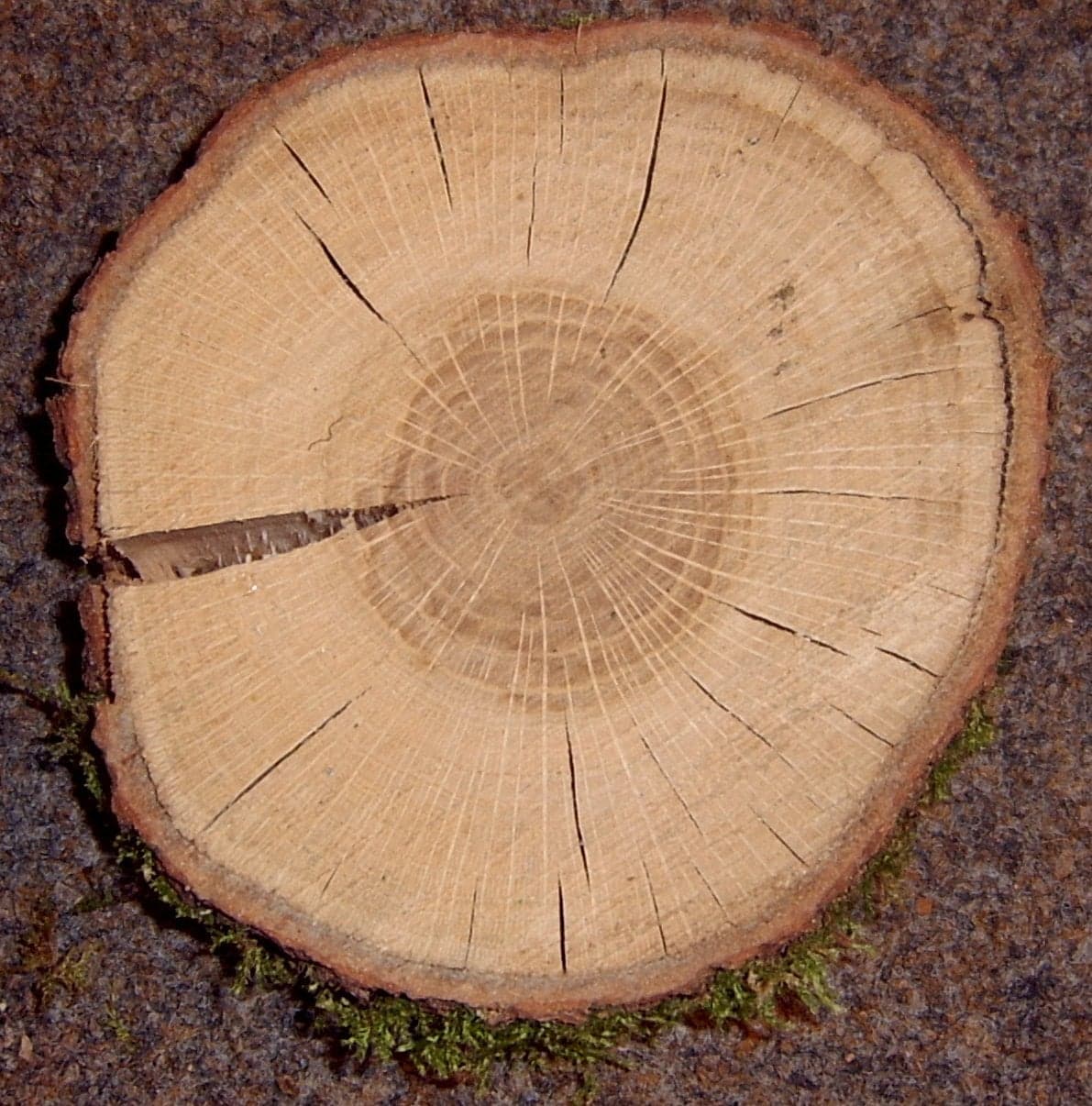
  • Veta de European Oak

    European Oak

    Quercus robur

    6 piezas

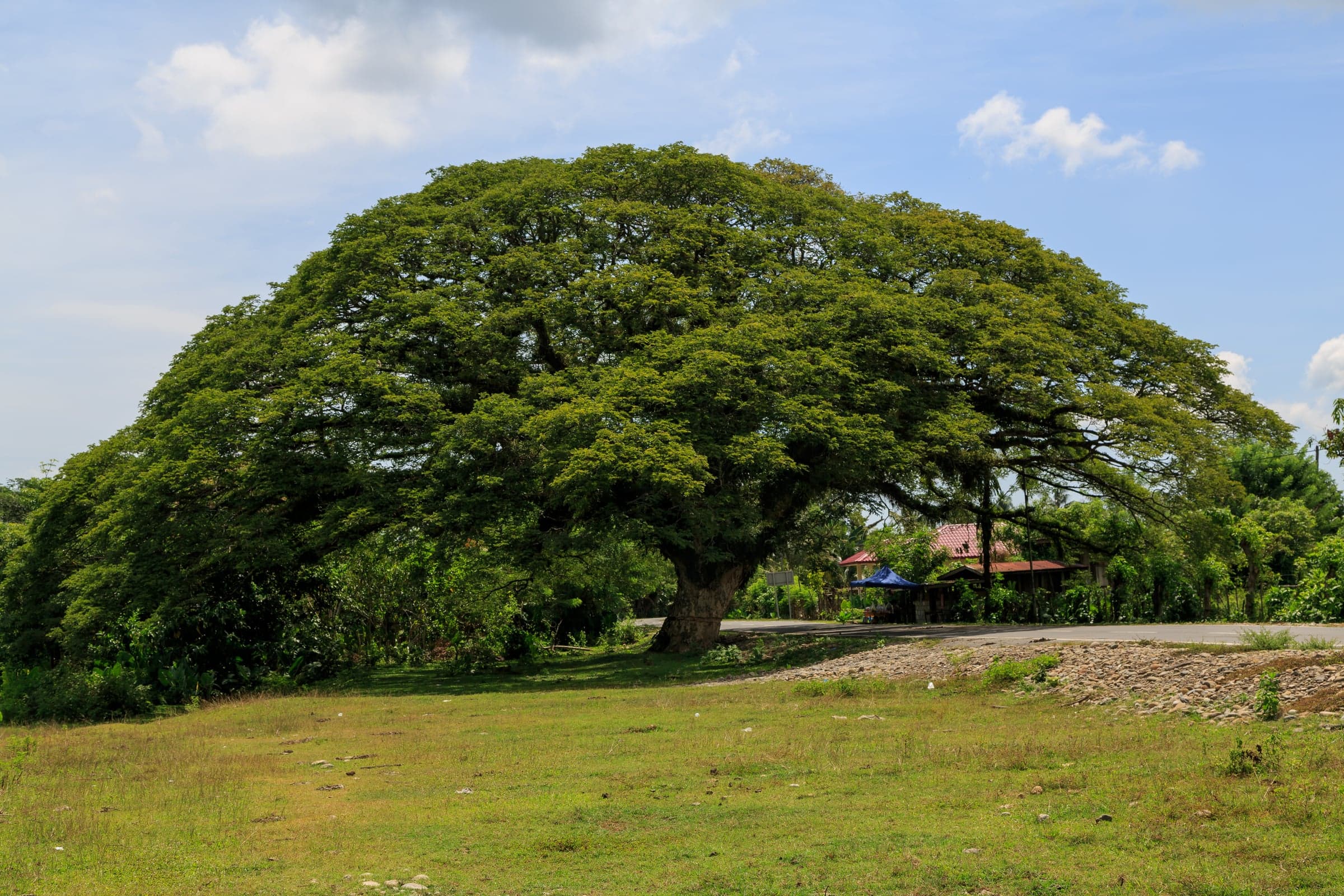
  • Veta de Saman

    Saman

    Samanea saman

    4 piezas

  • Veta de European Walnut

    European Walnut

    Juglans regia

    9 piezas

Recibe avisos sobre English Elm

Te enviamos un correo cuando lleguen a KORENA nuevas tablas de English Elm. Cada pieza es única, por lo que conviene enterarse pronto.

Unos pocos correos al mes. Sin spam; puedes darte de baja cuando quieras.

Aspecto de la madera

Qué aspecto tiene

Heartwood ranges from light reddish-brown to a warmer chocolate tone, often with darker streaks and a greenish or olive cast in some boards. Sapwood is paler and clearly distinct. The grain is interlocked rather than straight, which produces a wild, partridge-like figure on flat-sawn faces and a ribbon stripe on quartered cuts. Texture is coarse and open-pored. Burr and crotch sections show some of the most dramatic figure of any European hardwood.

  • Reddish-brown to warm chocolate heartwood
  • Occasional olive or greenish cast
  • Pale, clearly distinct sapwood
  • Darker streaks and mineral lines common
  • Burr sections show dense, swirling figure
  • Interlocked grain, coarse texture.

Cómo trabajarla

Cómo trabajarla

Interlocked grain is the defining challenge. Plane with very sharp blades, take light cuts, and reduce cutter angles where possible, a 20 degree bevel-up plane or a high-angle bench plane (50–55 degrees) controls tearout well. Finish with a card scraper rather than fighting the planer. Sawing and routing are reasonable with sharp tooling, but expect to climb-cut on figured sections. Turning is enjoyable. Glue-up and screwing are straightforward. Steam-bending is where elm is unmatched: Windsor-chair seats and bow-backs are traditionally elm for good reason, and tight radii hold without splitting.

Acabado

The open, coarse pores benefit from grain filler if you want a glass-smooth surface; left unfilled, the texture reads as honest and tactile. Hard-wax oils and natural oils warm the colour and bring out the figure without flattening it. Water-based finishes keep the tone cooler and more contemporary. Sand methodically through the grits, interlocked grain can leave fine scratches if you skip steps. Test your finish on offcuts, as colour shift can be noticeable.

Secado

Elm has a reputation for being awkward to dry. Tangential movement is high relative to radial, and boards can twist, cup, or distort if rushed or poorly stickered. Slow, careful drying with consistent stickering and weight on the stack pays off. Once stable at service moisture content, it behaves well in interior conditions. Acclimatise boards in the workshop before final dimensioning.

¿Cuánto se moverá?

La madera se hincha y se contrae a lo ancho cuando el aire gana o pierde humedad. Calcula el movimiento estacional de un tablero de English Elm antes de diseñar las fijaciones.

Corte
Dónde estará

Movimiento estacional previsto

unos 9,1 mm

Fija el tablero con lengüetas o soportes ranurados, no con cola ni tornillos apretados.

Modelo de contracción lineal: ancho × (contracción ÷ 28 % de saturación de la fibra) × variación estacional de humedad. Usa una contracción tangencial del 8 % para English Elm. Es una estimación para planificar, no una garantía.

Cuánto cuesta

Seguridad y abastecimiento

  • Cultivada y aprovechada en Europa.
  • Estado en la Lista Roja de la UICN: evaluación mundial de conservación de esta especie.
  • Elm dust is a known sensitiser and can cause respiratory and skin irritation with repeated exposure. All hardwood dust is classified IARC Group 1 (carcinogenic to humans), so use proper extraction at the source, an FFP3 mask for sanding and routing, and keep workshop surfaces clean. The wood itself is safe for food-contact applications such as chopping boards and serving pieces once finished with a food-safe oil.

Leer la guía completaNotas detalladas sobre el dibujo, el cambio de color, el trabajo y la estabilidad.+

What English Elm actually is#

Ulmus procera is defined by one structural property: its grain interlocks. Fibres run in alternating directions rather than parallel, layer by layer through the wood.

That single fact explains both why elm is prized and why it is difficult.

It is prized because interlocked grain resists splitting almost completely. A Windsor chair seat is bored with a dozen mortices close together and then has legs and a back driven into them; in almost any other timber it would split between the holes. Elm does not. The same property made it the traditional timber for wheel hubs, which take spokes radially under load, and for chopping blocks that are struck repeatedly.

It is difficult because the same reversing grain tears out under a plane, every few millimetres, in both directions.

The availability situation#

Dutch elm disease killed most mature elms across Europe from the 1960s onward, and the effect on supply was severe enough that a generation of makers stopped specifying it.

The IUCN lists Ulmus procera as Data Deficient, meaning there is insufficient information for a formal assessment rather than that the species is secure.

Elm has not disappeared. It regenerates vigorously from root suckers, and those regrowth trees reach modest size before the disease reaches them again. Standing dead timber and salvage continue to come to market.

Preguntas de compradores

Preguntas de compradores

Is elm still available after Dutch elm disease?

+

Yes, but the supply picture is unusual. Dutch elm disease killed most mature elms across Europe from the 1960s onward, and the IUCN lists Ulmus procera as Data Deficient. Trees still regenerate from suckers and reach modest size before the disease takes them again, and standing dead and salvaged timber continues to reach the market. Supply is real but irregular, and large clean boards are scarce.

Why is elm used for chair seats?

+

Interlocked grain. Elm fibres run in alternating directions, which makes the wood extremely resistant to splitting. That is exactly what a Windsor chair seat needs, because it is bored with many mortices close together and any other wood would split between them. The same property makes elm the traditional wood for wheel hubs and chopping blocks.

Is elm hard to plane?

+

Yes. The interlocked grain that stops it splitting also makes it tear out badly, because the grain direction reverses every few millimetres. Light cuts, very sharp tooling and a high angle plane or scraper for the final surface are essential. A helical cutterhead makes a large difference.

Can elm be used outdoors?

Propiedades mecánicas

Datos técnicos

Valores de referencia publicados. Cuando las fuentes discrepan, se muestra el intervalo y se usa el valor habitual en las escalas anteriores.

Densidad (kg/m³)Masa por metro cúbico con aproximadamente un 12 % de humedad. La madera más pesada suele ser más dura y resistente.500–620 kg/m³habitual: 560 kg/m³
Dureza Janka (N)Fuerza necesaria para hundir una bola de acero hasta la mitad en la madera. Es la medida estándar de resistencia a las abolladuras.3,300–4,000 Nhabitual: 3680 N
MOR: módulo de rotura (MPa)Resistencia a la flexión: la carga a la que se rompe una viga.65–85 MPa
MOE: módulo de elasticidad (GPa)Rigidez a la flexión: cuánto se comba un estante o tablero bajo carga.7.0–9.0 GPa
Contracción radialContracción perpendicular a los anillos de crecimiento, desde verde hasta completamente seca. Es la que afecta a las tablas aserradas radialmente.4.0–5.0 %
  • Coffin boards and traditional wheel hubs (heritage uses)
  • Ventajas

    • Apta para alimentosAdecuada para tablas, cuencos y superficies que entran en contacto con alimentos.
    • Se curva bienValoración de 5 sobre 5 para el curvado al vapor. Admite curvas cerradas.

    Ten en cuenta

    Native across Europe, with English Elm long associated with British hedgerow landscapes. Standing populations were decimated by Dutch elm disease from the 1960s onward, and most material on the market today comes from salvaged trunks, standing-dead recovery, or estate fellings. Each board carries the history of a tree that survived, or the story of one being put to good use after disease took it.

  • Native to Europe, but wild populations have been heavily reduced by Dutch elm disease since the 1960s and the IUCN currently lists status as Data Deficient. Standing healthy material is genuinely rare. Most slabs on the market come from salvage, standing-dead recovery, storm-felled trees, or estate fellings, which makes elm one of the more circular hardwoods to specify, but also means supply is irregular and piece-by-piece. No CITES restrictions apply. EUDR due diligence is in preparation and becomes mandatory for large operators from 30 December 2026, and KORENA is building each slab passport to carry its provenance.

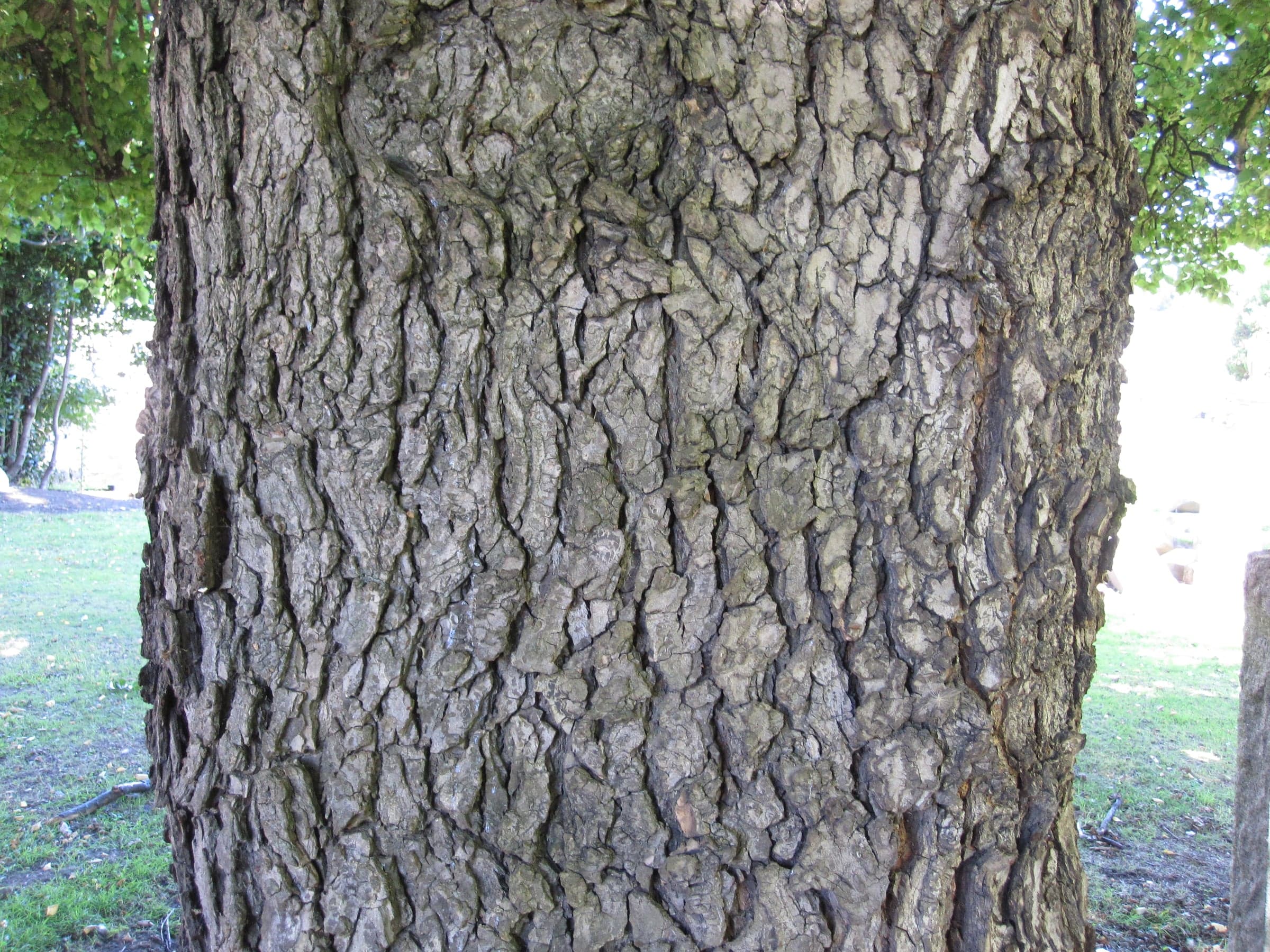
  • English Elm: Corteza
    Corteza

    What this means practically: elm is available but irregular, sizes are modest, and large clean boards are genuinely scarce. Buy when you see the right piece rather than expecting to order it.

    Reading an elm slab#

    Elm is busy. It is ring porous with strong contrast between earlywood and latewood, and the grain is frequently wild and swirling, particularly near crotches.

    Colour runs light to mid reddish brown with paler sapwood.

    Burr elm, from burls and root crowns, is among the most decorative surfaces available from any European species, dense with swirling eyes and irregular figure. It is priced accordingly.

    Even plain elm reads considerably busier than oak, which is either the attraction or the objection.

    At the bench#

    Plan for tear-out. The interlocked grain reverses direction continuously, so no single planing direction works across a whole board.

    The answer is light cuts, very sharp tooling, and a high angle plane or a card scraper for the final surface. A helical cutterhead earns its cost on this species more than on almost any other here. On burr elm, hand finishing is normal.

    At 3,680 N it is soft, softer than oak by a good margin, so it is easy on tooling in terms of blunting even while being awkward in terms of grain.

    It glues and screws well, and the split resistance means it takes fastenings close to edges better than most.

    The durability oddity#

    Elm has one of the strangest durability profiles in this catalogue.

    In ordinary exposure it is decay class 5, perishable. It rots quickly in the wetting and drying cycle of normal outdoor use.

    Permanently waterlogged, it is exceptionally durable. Elm was the standard timber for water pipes, lock gates, pile foundations and harbour works for centuries, and elm piles under medieval structures survive today.

    Permanently wet works. Permanently dry works. The cycle between them does not.

    Movement#

    Volumetric shrinkage of 12.0 percent is moderate, with tangential at 7.0 percent against radial at 4.0 percent, a reasonable differential.

    Elm dries with a marked tendency to distort, though, driven by the interlocked grain rather than by the shrinkage figures. Weighting and careful stickering matter.

    Where English Elm is the right answer#

    Chair seats and any component bored with multiple close mortices, chopping blocks, turned work, and decorative slabs and panels where the bold figure or burr is the design intent. Also anything permanently submerged.

    It is the wrong answer for ordinary exterior use, for a quiet uniform surface, and where a large matched volume is needed.

    Sourcing and EUDR#

    Not CITES listed. Listed by the IUCN as Data Deficient, which KORENA displays as-is rather than interpreting. Supply is irregular and often comes from salvage and disease felling rather than managed forestry, so the chain behind a given slab is short and non-standardised. The yard and region are recorded on every listing.

    +

    Elm has an unusual durability profile. It is rated decay class 5 in normal exposure, but it is exceptionally durable when permanently waterlogged, which is why it was used for water pipes, lock gates and pile foundations for centuries. Permanently wet or permanently dry both work; the wetting and drying cycle of ordinary outdoor use does not.

    What does the figure look like?

    +

    Bold and irregular. Elm is ring porous with strong growth ring contrast and often wild, swirling grain, particularly near crotches and burrs. Burr elm is among the most decorative surfaces available from any European species. Plain elm still reads far busier than oak.

    Contracción tangencialContracción paralela a los anillos de crecimiento. Es la que afecta a las tablas de aserrado tangencial y a la mayoría de las tablas.
    7.0–9.0 %
    Contracción volumétricaCambio total de volumen desde verde hasta completamente seca. Un valor menor indica más estabilidad.12.0–14.0 %
    Durabilidad natural (EN 350)Norma europea de resistencia natural a la pudrición, de 1 (muy duradera) a 5 (perecedera).Class 5 — Perishable

    Fuentes

    • The Wood Database(consultada el 2026-05-09)
    • USDA FPL Wood Handbook FPL-GTR-190 (2010)(consultada el 2026-05-09)
    • Meier, E. — WOOD! Identifying and Using Hundreds of Woods Worldwide (2015)(consultada el 2026-05-09)

    De un vistazo

    Los niveles usan intervalos fijos para todas las especies que ofrece KORENA, por lo que se pueden comparar directamente. Debajo de cada uno aparece el valor medido.
    DurezaResistencia a abolladuras y desgasteBastante blanda

    Dureza Janka: 3680 N

    Un 26 % más blanda que el roble europeo

    PesoCuánto pesa una tabla al levantarlaMedia

    560 kg/m³

    EstabilidadCuánto se reduce su movimiento estacionalMedia

    13,0 % de contracción volumétrica

    TrabajoAserrado, cepillado, lijado y encoladoExigente

    3,4 / 5 de media en el banco

    Uso exteriorResistencia natural a la pudrición, EN 350Solo interior

    Clase 5 según EN 350

    • Aserrado · BuenaLa limpieza del corte y el desgaste que causa en las hojas.1 = difícil · 5 = excelente
    • Cepillado · BuenaLa suavidad de la superficie que deja y cuánto se desgarra la fibra.1 = difícil · 5 = excelente
    • Lijado · BuenaLa rapidez con la que queda lisa sin atascar el papel.1 = difícil · 5 = excelente
    • Torneado · Muy buenaCómo se corta y se acaba en el torno.1 = difícil · 5 = excelente
    • Tallado · BuenaLa nitidez con la que conserva los detalles al trabajarla con gubia.1 = difícil · 5 = excelente
    • Encolado · Muy buenaLa fiabilidad de las uniones encoladas.1 = difícil · 5 = excelente
    • Sujeción de tornillos / clavos · Muy buenaCómo sujeta tornillos y clavos sin rajarse.1 = difícil · 5 = excelente
    • Curvado al vapor · ExcelenteCómo admite las curvas después de aplicar vapor.1 = difícil · 5 = excelente

    Precio actual de venta de la madera de English Elm en Europa, por metro cúbico antes del IVA. Pulsa cualquier precio para ver los detalles.

    • Troncos selectos en subastaTroncos seleccionados de alta calidad vendidos en subastas mediante ofertas, principalmente a fabricantes de chapa y muebles. De troncos así se cortan las tablas.La mayoría de los precios están entre 244 € y 830 €.Basado en 71 precios de 2 regiones.Últimos datos: 21 sept 2026
    • Troncos corrientesGrandes volúmenes de madera en rollo estándar vendidos por propietarios forestales y organismos forestales estatales, principalmente para la construcción y la industria.La mayoría de los precios están entre 34 € y 89 €.Basado en 43 precios de 2 regiones.Últimos datos: 24 sept 2026

    Troncos selectos en subasta por país

    • Austria · 830 € / m³Regiones: Austria27 preciosÚltimos datos: 21 sept 2026
    • Alemania · 336 € / m³Regiones: Bavaria44 preciosÚltimos datos: 21 sept 2026

    ¿Por qué cuesta más una tabla?

    Estos son precios de madera en bruto. Una tabla es el mejor corte de un tronco, secado durante un año o más y después revisado y medido pieza por pieza. Solo una pequeña parte de cada tronco se convierte en tabla.

    Fuente: Índice de la madera de KORENA · Últimos datos: 24 sept 2026

    Ver todos los precios regionales
    No apta para exteriores sin tratar
    Su durabilidad natural es de clase 5 de 5 según EN 350. Mantenla en interiores o protégela con un acabado bien conservado.
  • El polvo es irritanteUsa extracción y mascarilla al lijar o mecanizar.
  • Pulsa una etiqueta para ver los detalles.