KORENA
MaderaFinished piecesMaterialesAlmacenesRevista

Recibe avisos

Cada tabla es única. Cuando se vende, ya no vuelve. Te avisamos cuando se publican nuevas piezas: nuevas llegadas, especies y tablas adecuadas para un proyecto.

Unos pocos correos al mes. Sin spam; puedes darte de baja cuando quieras.

KORENA, madera noble de primera calidad

Una pieza cada vez.

Madera noble de primera calidad verificada, vendida pieza a pieza. Cada tabla se fotografía, se mide y se envía desde el almacén asociado con un pasaporte de la madera.

Comprar

  • Ver productos
  • Archivo de piezas vendidas
  • Seguir pedido

Aprender

  • Revista
  • Guías de especies
  • Glosario
  • Comparar
  • Autores

Ayuda

  • Quiénes somos
  • Cómo funciona
  • Hazte almacén asociado
  • Solicitar una tabla
  • Asistencia
  • Plantillas de documentos
  • Prensa

Comprar

  • Condiciones de venta
  • Derecho de desistimiento
  • Devoluciones y garantía
  • Envío y entrega

Confianza

  • Política de privacidad
  • Política de cookies
  • Procedencia de la madera y EUDR
  • Accesibilidad

Aviso legal

  • Aviso legal
  • Uso aceptable
  • Propiedad intelectual y contenido

© 2026 KORENA. Todos los derechos reservados.

Gestionado por Martial Labs Ltd. (BG, EIK 207453941). KORENA es un nombre comercial de Martial Labs Ltd.

Respetamos tu privacidad

Usamos cookies esenciales para que el sitio funcione. Con tu permiso, también usaríamos cookies para análisis, contenido personalizado y publicidad. Puedes cambiar de opinión en cualquier momento en la página de preferencias de consentimiento. Consulta nuestra política de cookies y nuestra política de privacidad.

  1. Inicio
  2. /
  3. Especies
  4. /
  5. European Larch

Larix decidua

European Larch

The one European softwood that will sit outside untreated, and the most decorative of the group. Hardest conifer KORENA lists, at the cost of fighting resin at every stage.

  • Cultivada y aprovechada en Europa.
  • Grupo botánico. Las maderas blandas proceden de coníferas y las duras, de árboles frondosos.
  • Familia botánica a la que pertenece la especie.
Avísame cuando llegueEspecie de referencia. Ahora mismo no hay piezas en stock.
  • Adecuación al proyecto
  • En stock
  • Aspecto
  • Cómo trabajarla
  • Movimiento
  • Precio
  • Seguridad y abastecimiento
  • Preguntas
  • Datos técnicos

¿Es adecuada para tu proyecto?

Ideal para

  • Tabletops
  • Exterior cladding
  • Garden furniture
  • Flooring
  • Boat and dock work

No hay European Larch en la selección actual

Especies similares en stock

Ahora mismo no hay European Larch. Estas especies sirven para los mismos proyectos y tienen piezas disponibles.
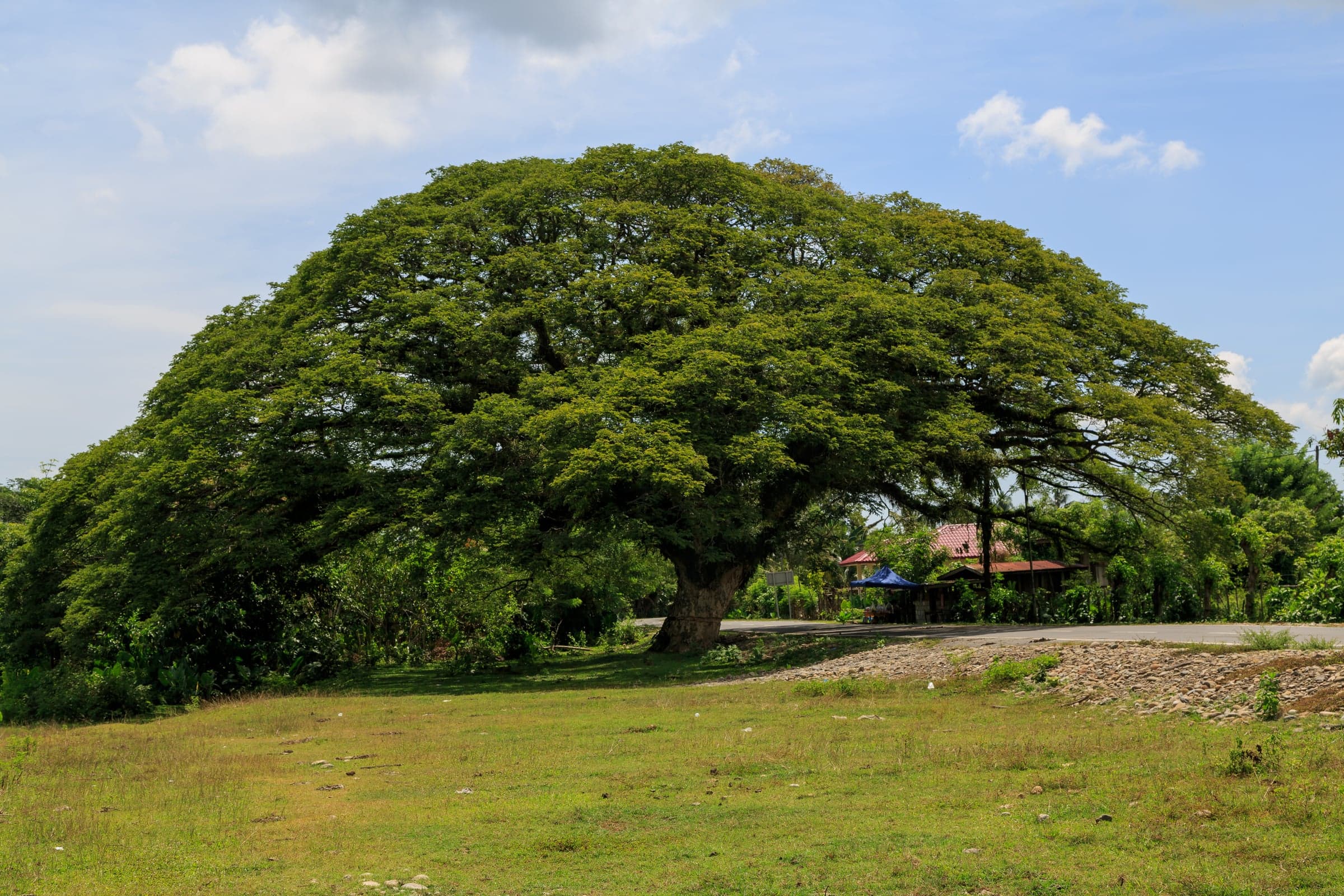
  • Veta de Saman

    Saman

    Samanea saman

    4 piezas

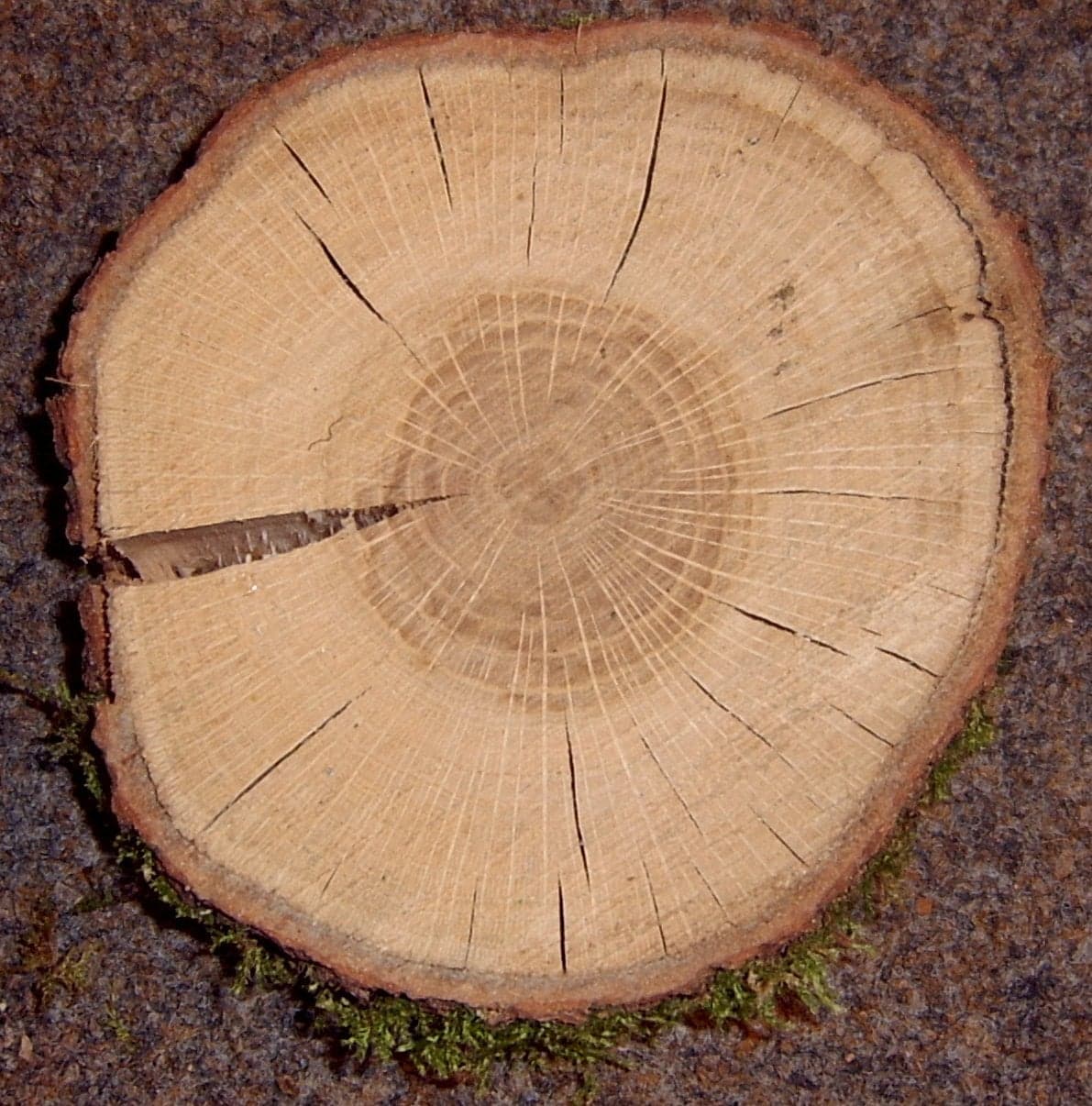
  • Veta de European Oak

    European Oak

    Quercus robur

    6 piezas

  • Veta de European Walnut

    European Walnut

    Juglans regia

    9 piezas

Recibe avisos sobre European Larch

Te enviamos un correo cuando lleguen a KORENA nuevas tablas de European Larch. Cada pieza es única, por lo que conviene enterarse pronto.

Unos pocos correos al mes. Sin spam; puedes darte de baja cuando quieras.

Aspecto de la madera

Qué aspecto tiene

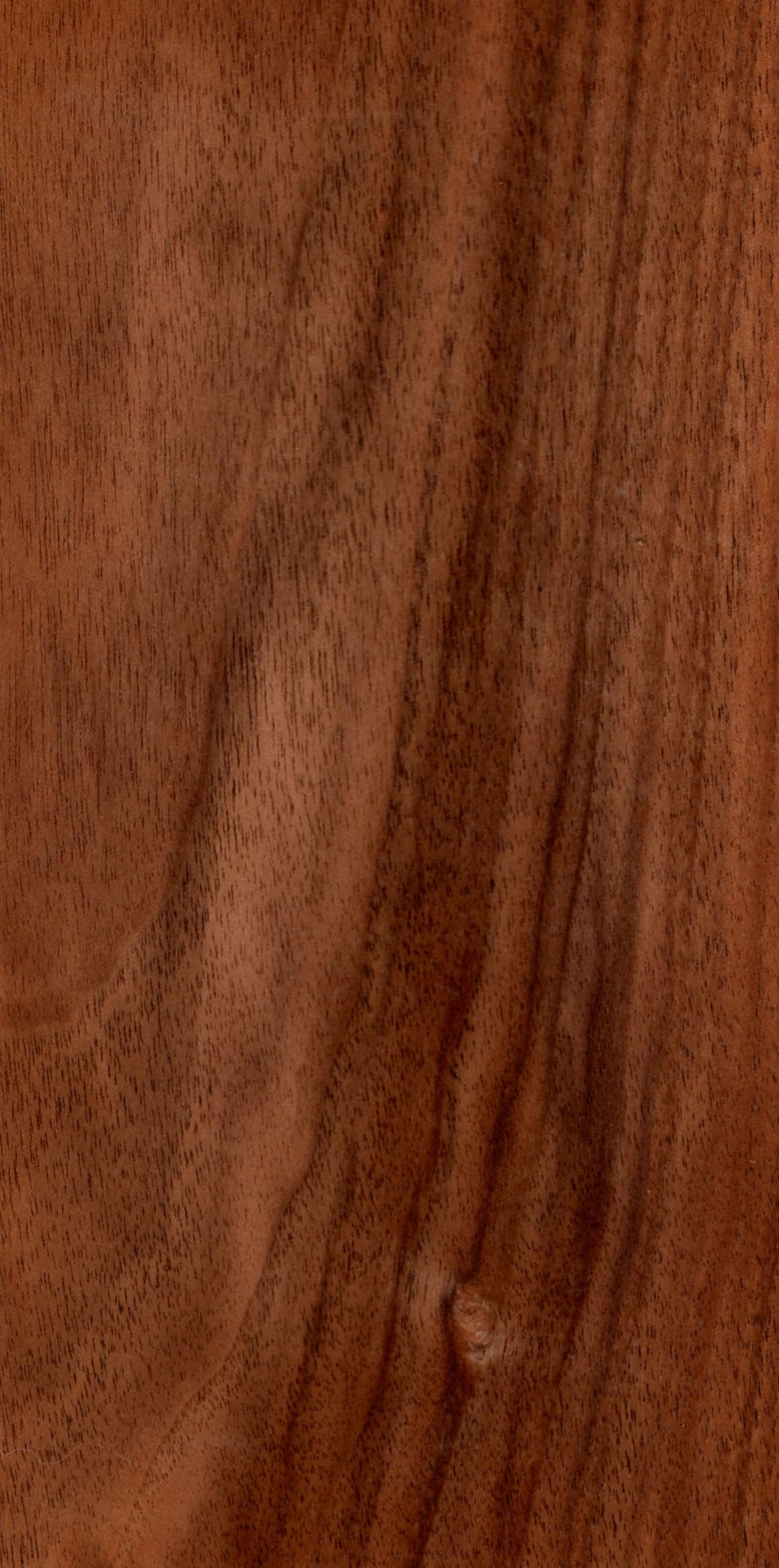
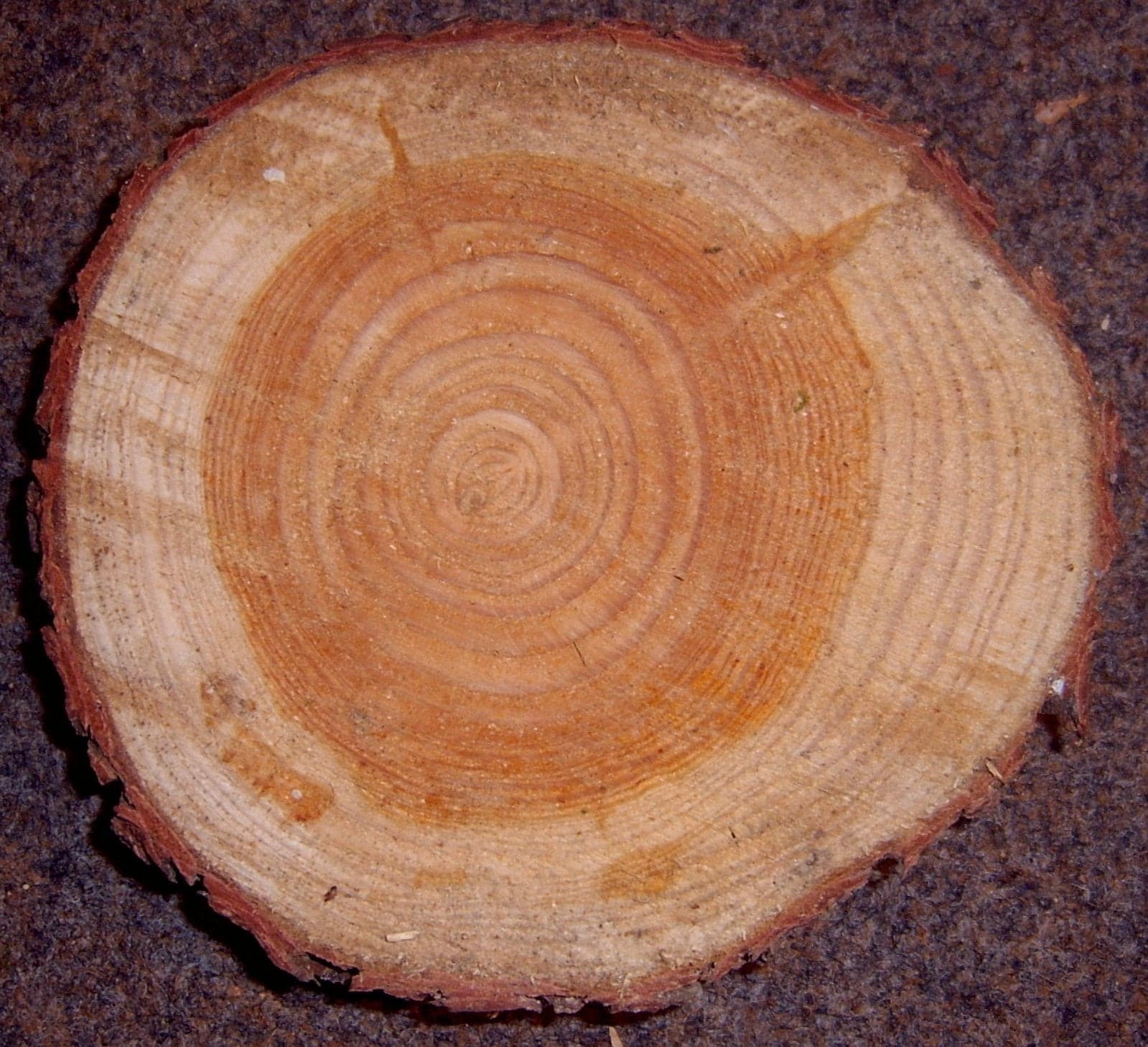
The most visually striking of the European softwoods. Heartwood runs warm honey to a deep russet brown against narrow pale sapwood, and the boundary between the two is sharp and decorative. Growth rings are strongly marked because the latewood bands are dense and dark, which gives flatsawn faces a bold cathedral figure closer to a ring-porous hardwood than to spruce.

  • Honey to russet brown heartwood, deepening with UV exposure
  • Narrow pale cream sapwood in sharp contrast
  • Strongly marked growth rings with dark dense latewood bands
  • Hard for softwood; visible growth rings.

Cómo trabajarla

Cómo trabajarla

Most hand and machine operations give good results, and larch is stiff and strong enough to feel substantial under the tool. The complication is resin. Natural resins gum up saw blades and clog abrasives, and the problem worsens as the wood warms during a cut. Keep blades clean, take breaks in long rips, and expect to clear the sole of a plane more often than usual. The dense latewood bands can also tear out where grain rises.

Acabado

Resin is again the issue. Wipe the surface with denatured alcohol or acetone before finishing to lift surface resin, or oil finishes may stay tacky in patches. Once clean it takes oil beautifully and the colour deepens to a rich amber. For exterior work, a penetrating oil renewed annually outperforms film finishes, which crack and lift on a wood this dimensionally active outdoors.

Secado

Slower and more troublesome than spruce or fir. Larch is prone to distortion and to surface checking if dried too fast, and the high resin content means a hot kiln schedule will drive resin to the surface where it sets sticky. Air drying followed by a low temperature kiln is the standard route for slab stock. Expect around 12.5 percent volumetric shrinkage, and note that internal stress from poor drying shows up as spring and bow once the slab is ripped.

¿Cuánto se moverá?

La madera se hincha y se contrae a lo ancho cuando el aire gana o pierde humedad. Calcula el movimiento estacional de un tablero de European Larch antes de diseñar las fijaciones.

Corte
Dónde estará

Movimiento estacional previsto

unos 9,4 mm

Fija el tablero con lengüetas o soportes ranurados, no con cola ni tornillos apretados.

Modelo de contracción lineal: ancho × (contracción ÷ 28 % de saturación de la fibra) × variación estacional de humedad. Usa una contracción tangencial del 8,2 % para European Larch. Es una estimación para planificar, no una garantía.

Cuánto cuesta

Seguridad y abastecimiento

  • Cultivada y aprovechada en Europa.
  • Estado en la Lista Roja de la UICN: evaluación mundial de conservación de esta especie.
  • Species within the Larix genus have documented cases of skin irritation, hives and skin lesions, though severe reactions remain uncommon. Resin contact is the usual trigger rather than dust alone. Gloves during handling of freshly cut stock and normal extraction during machining are appropriate.

Leer la guía completaNotas detalladas sobre el dibujo, el cambio de color, el trabajo y la estabilidad.+

What European Larch actually is#

Larix decidua is the conifer that drops its needles. That deciduous habit is the visible oddity, but the useful consequence is in the timber: larch lays down dense, resin-rich latewood in a way that no spruce or fir does, and the result is a softwood that behaves in several respects like a light hardwood.

It is the hardest conifer in the KORENA catalogue at 3,290 N on the Janka scale, which puts it above every pine and fir here and roughly level with small-leaved lime. It is the only one rated durable enough to go outdoors untreated. And it is by some distance the most decorative, with a heartwood and sapwood contrast and a ring figure that reward flatsawing.

The trade-off is resin, and resin complicates every stage from ripping to finishing.

Reading a larch slab#

Two things drive the value of a larch slab: ring spacing and the heartwood to sapwood ratio.

Ring spacing is the durability signal. Slow-grown Alpine larch from high altitude puts down rings a millimetre or two apart, with a high proportion of dense dark latewood. That material is genuinely durable outdoors and considerably stiffer. Fast-grown lowland plantation larch can have rings five or six millimetres apart, much less latewood, and measurably worse durability. The two look related but do not perform alike. If the piece is going outside, ring count is the number to ask about.

Preguntas de compradores

Preguntas de compradores

Can European Larch be used outdoors untreated?

+

Yes, within limits. It is rated moderately durable, which is the best of the European softwoods KORENA lists and good enough for cladding, decking and garden furniture without preservative. Ground contact is a different matter and will shorten its life considerably. Slow grown Alpine stock with tight rings outperforms fast grown plantation larch noticeably.

Why do my saw blades gum up cutting larch?

+

Natural resin content, which is also what gives larch its durability. The resin softens with the heat of cutting and deposits on the blade. Clean blades with a resin solvent between operations, feed at a steady rate rather than forcing the cut, and clear plane soles regularly. It is a nuisance rather than a real obstacle.

How hard is larch compared to oak?

+

Larch is 3,290 N on the Janka scale against 4,980 N for European oak, so meaningfully softer but by a long way the hardest softwood in this catalogue. It is roughly on a par with small-leaved lime and harder than every pine and fir here. For a tabletop it is a reasonable compromise between weight and durability.

Why is my oil finish staying tacky?

Propiedades mecánicas

Datos técnicos

Valores de referencia publicados. Cuando las fuentes discrepan, se muestra el intervalo y se usa el valor habitual en las escalas anteriores.

Densidad (kg/m³)Masa por metro cúbico con aproximadamente un 12 % de humedad. La madera más pesada suele ser más dura y resistente.575 kg/m³
Dureza Janka (N)Fuerza necesaria para hundir una bola de acero hasta la mitad en la madera. Es la medida estándar de resistencia a las abolladuras.3,290 N
MOR: módulo de rotura (MPa)Resistencia a la flexión: la carga a la que se rompe una viga.90 MPa
MOE: módulo de elasticidad (GPa)Rigidez a la flexión: cuánto se comba un estante o tablero bajo carga.11.8 GPa
Contracción radialContracción perpendicular a los anillos de crecimiento, desde verde hasta completamente seca. Es la que afecta a las tablas aserradas radialmente.4.2 %
Contracción tangencialContracción paralela a los anillos de crecimiento. Es la que afecta a las tablas de aserrado tangencial y a la mayoría de las tablas.
Veta de European Larch

No machine-readable author provided. Lumbar~commonswiki assumed (based on copyright claims)., via Wikimedia Commons

Larix decidua is native to the Alps and Carpathians and has been planted widely across northern and central Europe. Alpine grown stock from high altitude is the most prized, because slow growth produces the tight rings and high resin content that give larch its durability.

  • Not listed in the CITES Appendices and assessed by the IUCN as Least Concern. Alpine larch is slow growing and high altitude stands are managed conservatively, so genuinely tight ringed material is limited and priced accordingly. Plantation larch from lowland northern Europe grows far faster, has wider rings, and is measurably less durable. The distinction matters if the piece is going outdoors.

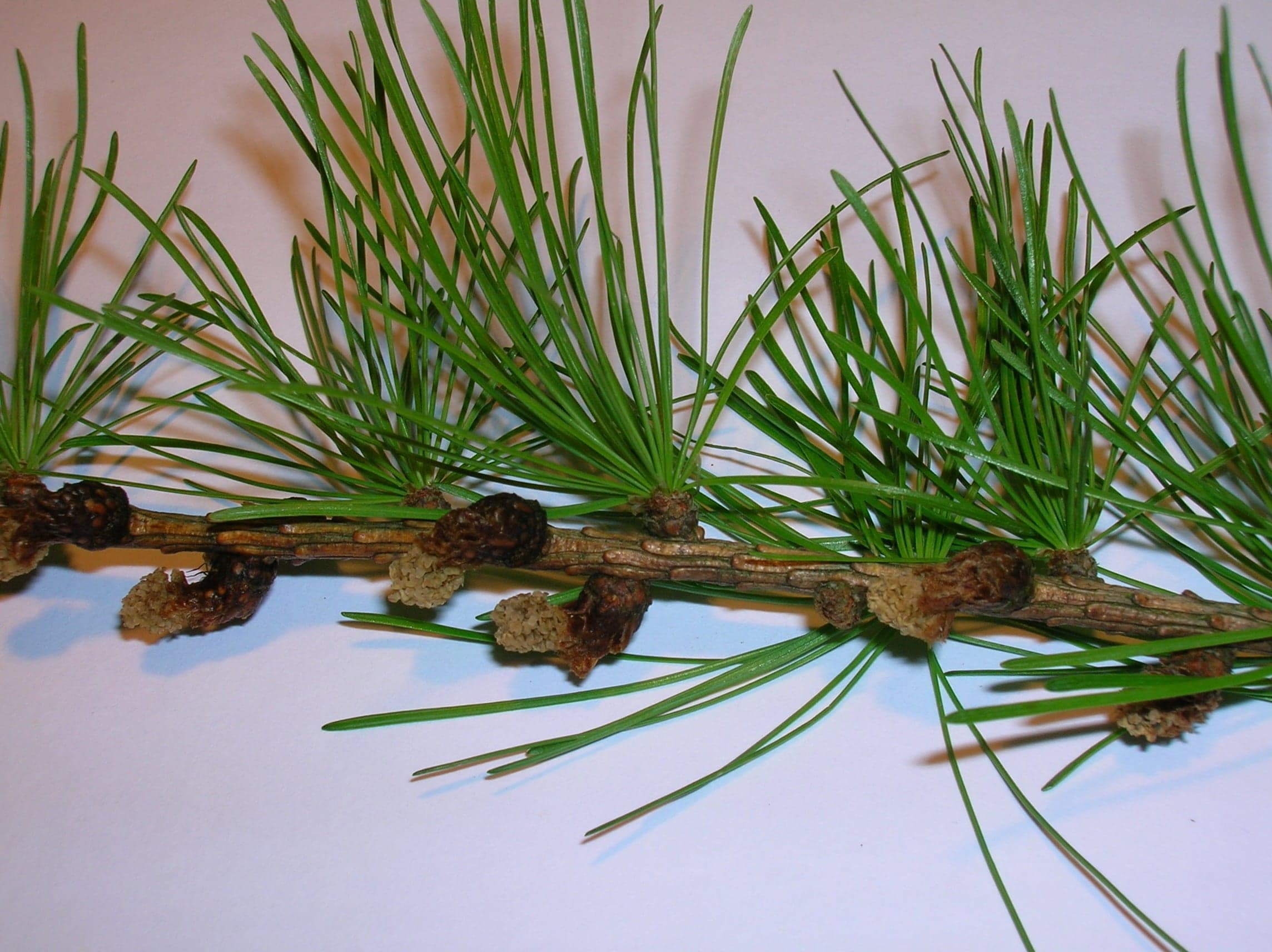
  • European Larch: Hoja
    Hoja
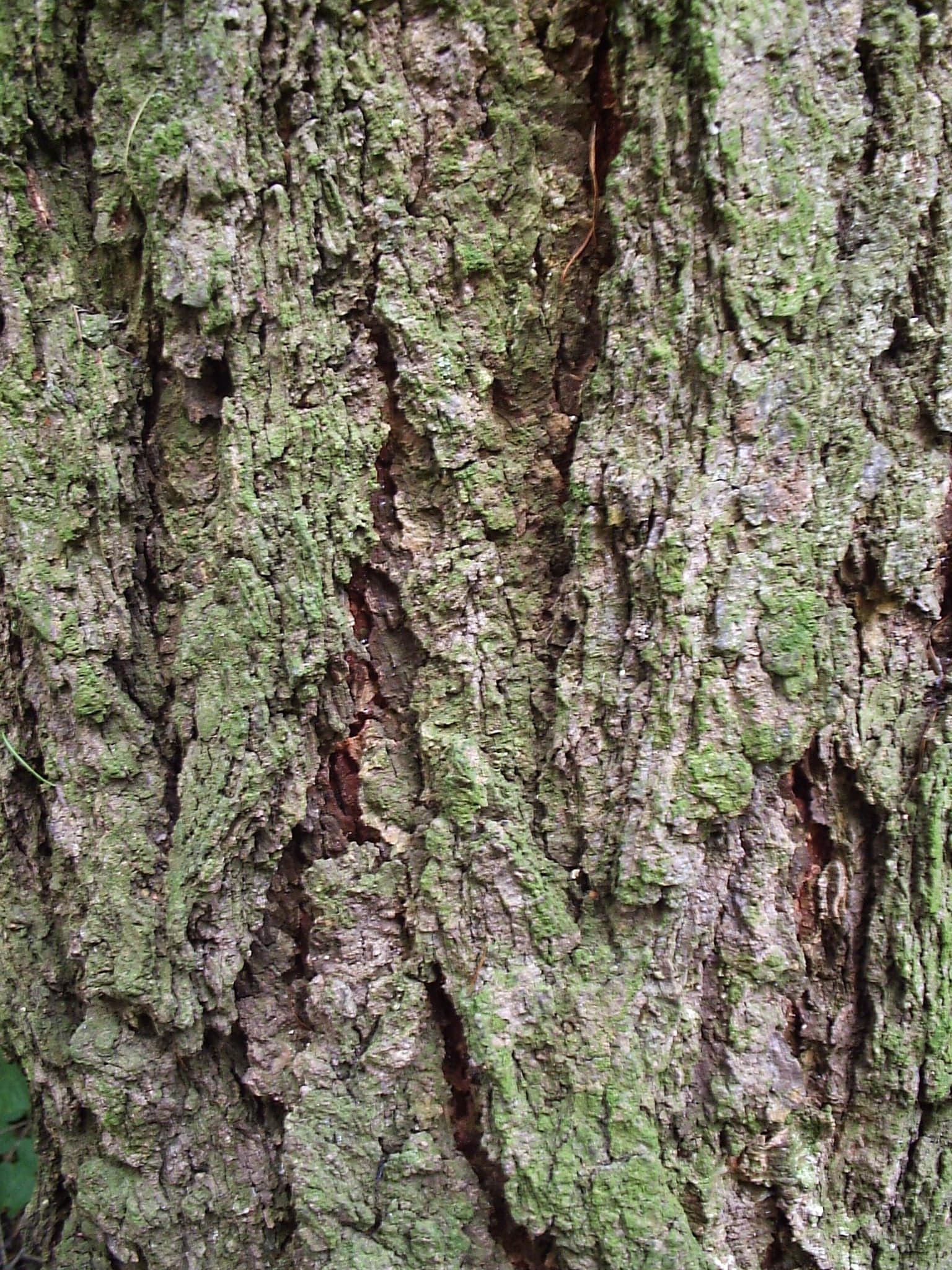
    European Larch: Corteza
    Corteza

    The sapwood band is narrow and pale, and where it runs along an edge it gives a strong light stripe against the russet heartwood. Some makers treat that as the feature of the board. It is worth knowing that the sapwood carries none of the heartwood durability, so on an exterior piece a sapwood edge is the part that will fail first.

    Look also for resin pockets and for shakes. Larch is more prone than spruce to ring shake, a separation along a growth ring that may not be visible on a rough surface and opens up after machining. On a measured KORENA slab, defects of that size are mapped in the outline.

    At the bench#

    Larch is satisfying to work. It is stiff, it cuts cleanly, and it has enough density to take a crisp edge and hold a sharp arris, which the softer conifers do not.

    Resin is the running battle. It softens with cutting heat and deposits on blades, in gullets and on plane soles. The practical answer is unglamorous: clean blades with a resin solvent between operations, feed steadily rather than forcing, and clear the tool more often than you would with spruce. Abrasives clog quickly and are largely consumable on this species.

    The dense latewood bands introduce the other machining issue. Where grain rises, the hard band can tear out while the soft earlywood either side cuts cleanly, leaving a stepped surface. Light cuts and a scraper handle it. A helical head planer handles it better.

    Gluing is reliable once surfaces are clean, but resin on a jointed face will compromise the bond. Wipe joint faces with acetone before glue-up on anything structural.

    Drying and movement#

    This is where larch demands the most patience. It is prone to distortion and surface checking if dried quickly, and a hot kiln schedule pulls resin to the surface where it sets sticky and interferes with finishing months later.

    Air drying under cover followed by a low temperature kiln finish is the standard route for slab stock, and it is slow. Internal stress from a rushed schedule shows up the moment a slab is ripped, as the two halves spring apart or bow. Ask the yard about the schedule.

    Volumetric shrinkage is around 12.5 percent, slightly lower than spruce, with tangential at 8.2 percent against 4.2 percent radial. Outdoors, that movement is what destroys film finishes, which is why penetrating oils renewed annually outperform varnish on exterior larch.

    Where larch is the right answer#

    Anywhere a European softwood has to face weather. Cladding, decking, garden furniture, dock and boat work: larch is the species in this group that will survive it without preservative treatment, provided you use heartwood and accept that ground contact is still a losing proposition.

    Indoors it makes a genuinely good tabletop, harder than the alternatives here and far more visually interesting. It makes good flooring for the same reasons.

    It is the wrong answer where a pale, quiet surface is wanted, where the finishing schedule cannot accommodate a solvent wipe, or where the budget assumes softwood machining speeds, because everything takes longer on this species.

    Sourcing and EUDR#

    Not CITES listed and assessed as Least Concern. The supply question is not availability but grade. Alpine high altitude stands are managed conservatively and genuinely tight ringed material is limited and priced accordingly, while fast grown plantation larch from lowland northern Europe is abundant and cheap. Both are legitimately European Larch. Only one of them will last outdoors. KORENA listings record the yard and region, so the provenance behind a given slab is visible rather than assumed.

    +

    Surface resin. Wipe the slab down with denatured alcohol or acetone and let it flash off before applying finish. Larch that has been kilned hot will have more resin drawn to the surface, so this step matters more with kiln dried than air dried stock.

    Does larch really go that orange?

    +

    It deepens substantially with light exposure. Freshly machined larch is a fairly pale honey; after a few months of indirect daylight it moves to a warm russet amber, and the contrast with the pale sapwood strengthens rather than fades. If you want the fresh-cut colour held, a UV inhibiting finish slows it, but nothing stops it entirely.

    8.2 %
    Contracción volumétricaCambio total de volumen desde verde hasta completamente seca. Un valor menor indica más estabilidad.12.5 %
    Durabilidad natural (EN 350)Norma europea de resistencia natural a la pudrición, de 1 (muy duradera) a 5 (perecedera).Class 3 — Moderately durable

    Fuentes

    • The Wood Database — European Larch (Larix decidua)(consultada el 2026-08-12)
    • USDA FPL Wood Handbook FPL-GTR-190 (2010)(consultada el 2026-08-12)
    • Meier, E. — WOOD! Identifying and Using Hundreds of Woods Worldwide (2015)(consultada el 2026-08-12)

    Ten en cuenta

    • No apta para exteriores sin tratarSu durabilidad natural es de clase 3 de 5 según EN 350. Mantenla en interiores o protégela con un acabado bien conservado.
    • El polvo es irritanteUsa extracción y mascarilla al lijar o mecanizar.

    Pulsa una etiqueta para ver los detalles.

    De un vistazo

    Los niveles usan intervalos fijos para todas las especies que ofrece KORENA, por lo que se pueden comparar directamente. Debajo de cada uno aparece el valor medido.
    DurezaResistencia a abolladuras y desgasteBastante blanda

    Dureza Janka: 3290 N

    Un 34 % más blanda que el roble europeo

    PesoCuánto pesa una tabla al levantarlaMedia

    575 kg/m³

    EstabilidadCuánto se reduce su movimiento estacionalMedia

    12,5 % de contracción volumétrica

    TrabajoAserrado, cepillado, lijado y encoladoExigente

    3,4 / 5 de media en el banco

    Uso exteriorResistencia natural a la pudrición, EN 350Exterior cubierto

    Clase 3 según EN 350

    • Aserrado · BuenaLa limpieza del corte y el desgaste que causa en las hojas.1 = difícil · 5 = excelente
    • Cepillado · Muy buenaLa suavidad de la superficie que deja y cuánto se desgarra la fibra.1 = difícil · 5 = excelente
    • Lijado · BuenaLa rapidez con la que queda lisa sin atascar el papel.1 = difícil · 5 = excelente
    • Torneado · Muy buenaCómo se corta y se acaba en el torno.1 = difícil · 5 = excelente
    • Tallado · BuenaLa nitidez con la que conserva los detalles al trabajarla con gubia.1 = difícil · 5 = excelente
    • Encolado · BuenaLa fiabilidad de las uniones encoladas.1 = difícil · 5 = excelente
    • Sujeción de tornillos / clavos · Muy buenaCómo sujeta tornillos y clavos sin rajarse.1 = difícil · 5 = excelente
    • Curvado al vapor · BuenaCómo admite las curvas después de aplicar vapor.1 = difícil · 5 = excelente

    Precio actual de venta de la madera de European Larch en Europa, por metro cúbico antes del IVA. Pulsa cualquier precio para ver los detalles.

    • Troncos selectos en subastaTroncos seleccionados de alta calidad vendidos en subastas mediante ofertas, principalmente a fabricantes de chapa y muebles. De troncos así se cortan las tablas.La mayoría de los precios están entre 191 € y 301 €.Basado en 49 precios de 2 regiones.Últimos datos: 21 sept 2026
    • Troncos corrientesGrandes volúmenes de madera en rollo estándar vendidos por propietarios forestales y organismos forestales estatales, principalmente para la construcción y la industria.La mayoría de los precios están entre 47 € y 170 €.Basado en 213 precios de 7 regiones.Últimos datos: 24 sept 2026

    Troncos selectos en subasta por país

    • Austria · 301 € / m³Regiones: Austria27 preciosÚltimos datos: 21 sept 2026
    • Alemania · 191 € / m³Regiones: Bavaria22 preciosÚltimos datos: 21 sept 2026

    Troncos corrientes por país

    • Italia · 134 € / m³Regiones: Trentino-Alto Adige y Veneto52 preciosÚltimos datos: 30 jun 2026
    • Francia · 131 € / m³Regiones: Grand Est / Alsace6 preciosÚltimos datos: 15 sept 2026
    • Rumanía · 84 € / m³Regiones: Banat / Crișana, Moldavia (Romania), Transylvania y Wallachia155 preciosÚltimos datos: 24 sept 2026

    ¿Por qué cuesta más una tabla?

    Estos son precios de madera en bruto. Una tabla es el mejor corte de un tronco, secado durante un año o más y después revisado y medido pieza por pieza. Solo una pequeña parte de cada tronco se convierte en tabla.

    Fuente: Índice de la madera de KORENA · Últimos datos: 24 sept 2026

    Ver todos los precios regionales