KORENA
MaderaFinished piecesMaterialesAlmacenesRevista

Recibe avisos

Cada tabla es única. Cuando se vende, ya no vuelve. Te avisamos cuando se publican nuevas piezas: nuevas llegadas, especies y tablas adecuadas para un proyecto.

Unos pocos correos al mes. Sin spam; puedes darte de baja cuando quieras.

KORENA, madera noble de primera calidad

Una pieza cada vez.

Madera noble de primera calidad verificada, vendida pieza a pieza. Cada tabla se fotografía, se mide y se envía desde el almacén asociado con un pasaporte de la madera.

Comprar

  • Ver productos
  • Archivo de piezas vendidas
  • Seguir pedido

Aprender

  • Revista
  • Guías de especies
  • Glosario
  • Comparar
  • Autores

Ayuda

  • Quiénes somos
  • Cómo funciona
  • Hazte almacén asociado
  • Solicitar una tabla
  • Asistencia
  • Plantillas de documentos
  • Prensa

Comprar

  • Condiciones de venta
  • Derecho de desistimiento
  • Devoluciones y garantía
  • Envío y entrega

Confianza

  • Política de privacidad
  • Política de cookies
  • Procedencia de la madera y EUDR
  • Accesibilidad

Aviso legal

  • Aviso legal
  • Uso aceptable
  • Propiedad intelectual y contenido

© 2026 KORENA. Todos los derechos reservados.

Gestionado por Martial Labs Ltd. (BG, EIK 207453941). KORENA es un nombre comercial de Martial Labs Ltd.

Respetamos tu privacidad

Usamos cookies esenciales para que el sitio funcione. Con tu permiso, también usaríamos cookies para análisis, contenido personalizado y publicidad. Puedes cambiar de opinión en cualquier momento en la página de preferencias de consentimiento. Consulta nuestra política de cookies y nuestra política de privacidad.

  1. Inicio
  2. /
  3. Especies
  4. /
  5. Hard Maple

Acer saccharum

Hard Maple

The canonical butcher-block and kitchen-island wood. Pale, dense, food-safe, and hard-wearing. North American import, long established as a furniture-grade species through European channels.

  • Cultivada fuera de Europa e importada a través de almacenes europeos.
  • Grupo botánico. Las maderas blandas proceden de coníferas y las duras, de árboles frondosos.
  • Familia botánica a la que pertenece la especie.
Avísame cuando llegueEspecie de referencia. Ahora mismo no hay piezas en stock.
  • Adecuación al proyecto
  • En stock
  • Aspecto
  • Cómo trabajarla
  • Movimiento
  • Precio
  • Seguridad y abastecimiento
  • Preguntas
  • Datos técnicos

¿Es adecuada para tu proyecto?

Ideal para

  • Butcher blocks, chopping boards, and kitchen islands
  • Worktops and heavy-use table tops
  • Stair treads and flooring in high-traffic rooms
  • Cabinet interiors, drawer sides, and shaker-style fronts
  • Turned bowls, handles, and tool components
  • Instrument backs, necks, and sides, especially curly or bird's-eye stock

No hay Hard Maple en la selección actual

Especies similares en stock

Ahora mismo no hay Hard Maple. Estas especies sirven para los mismos proyectos y tienen piezas disponibles.
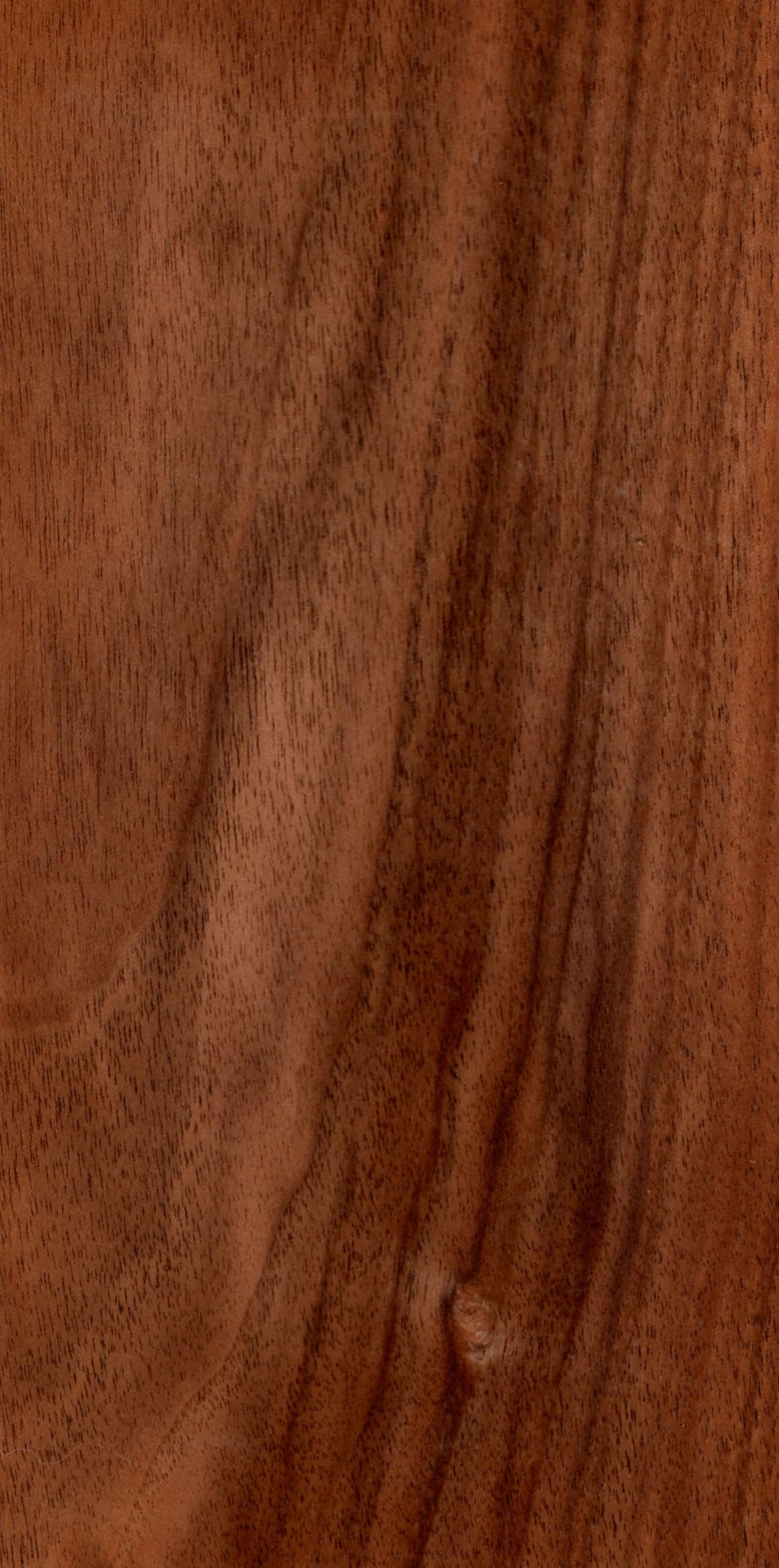
  • Veta de European Walnut

    European Walnut

    Juglans regia

    9 piezas

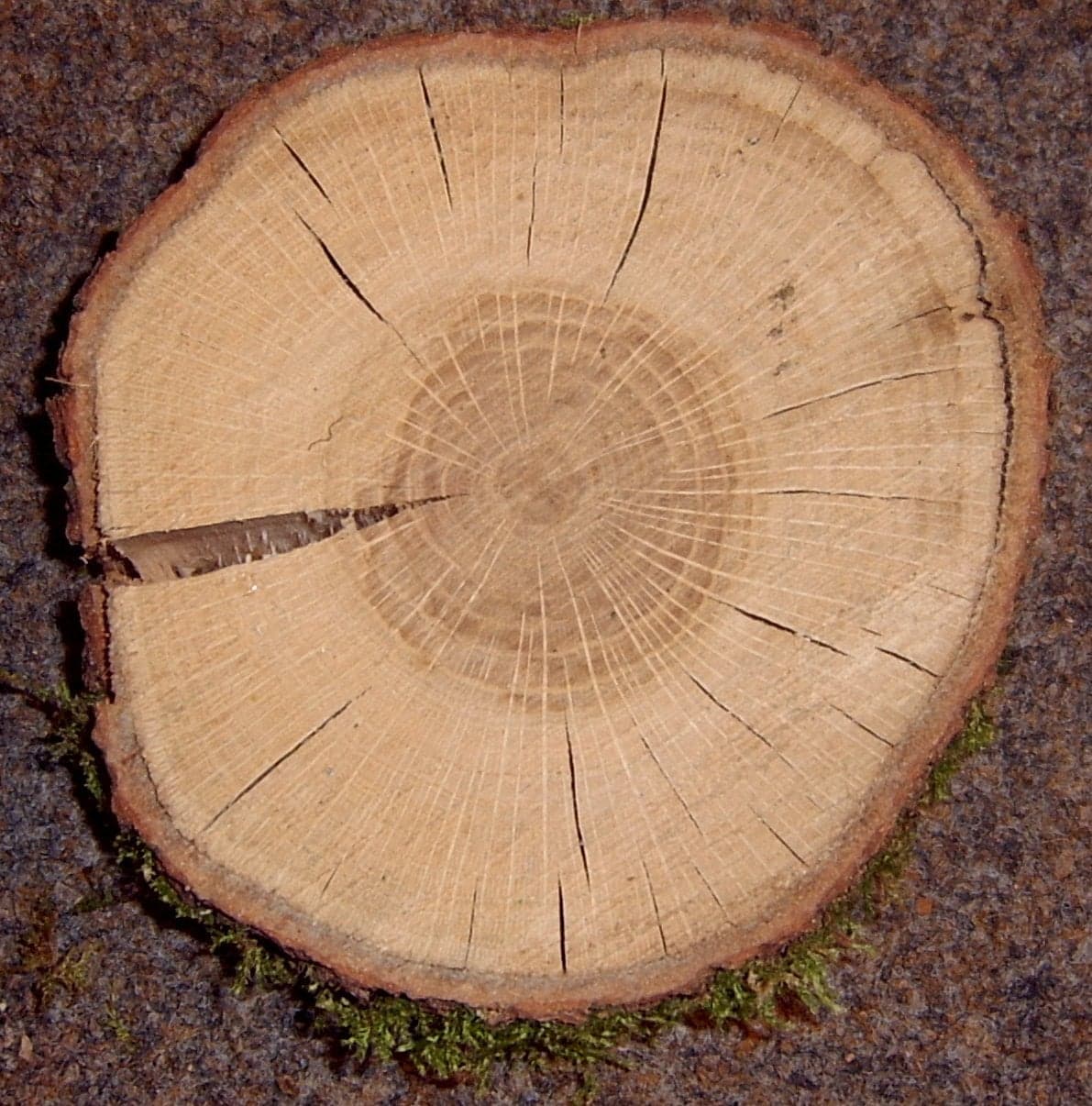
  • Veta de European Oak

    European Oak

    Quercus robur

    6 piezas

  • Veta de Saman

    Saman

    Samanea saman

    4 piezas

Recibe avisos sobre Hard Maple

Te enviamos un correo cuando lleguen a KORENA nuevas tablas de Hard Maple. Cada pieza es única, por lo que conviene enterarse pronto.

Unos pocos correos al mes. Sin spam; puedes darte de baja cuando quieras.

Aspecto de la madera

Qué aspecto tiene

Creamy white sapwood, often with a slight reddish-brown heart. Grain is usually straight and fine, with an even texture that takes detail crisply. A small share of logs throw figure: tight curl (fiddleback) or scattered bird's-eye dots, both highly sought for furniture fronts and instrument backs, including the classic Stradivari violin back. The pale surface yellows gently under UV over time.

  • Creamy white to pale off-white sapwood, the commercial face of the species
  • Light reddish or golden-brown heartwood, usually trimmed out for uniform pale stock
  • Yellows slightly and warmly under UV over months and years
  • Bird's-eye figure: scattered dark dots across a pale field
  • Curly figure: tight chatoyant ripples that shift under raking light
  • Generally straight; sometimes curly or birds-eye figure.

Cómo trabajarla

Cómo trabajarla

Hard and dense, so plan tooling accordingly. Saws and planes cleanly with sharp carbide; dull edges burn quickly, especially on router cuts and end-grain work. Turns superbly, one of the finest turning hardwoods available. Sands well once flat. Curly and bird's-eye stock is prone to tear-out under straight knives; use a high cutting angle or finish with a scraper or sander. Glues and screws reliably; pre-drill near edges. Steam-bends adequately, not as freely as Ash or Beech.

Acabado

Sands to a glassy surface and finishes beautifully under clear oil, hardwax oil, or lacquer, which lets the figure read. Be honest about stain: Hard Maple is famously blotchy. The dense, tight grain absorbs pigment unevenly, so dye stains and oil stains often land patchy. If you must stain, use a pre-stain conditioner or gel stain and test on offcuts. Most makers leave it clear or lightly toned. A water-pop before finishing helps consistency on figured stock.

Secado

Tangential shrinkage is high (roughly 9.5–10.5%) against modest radial movement, so the wood is dimensionally lively and prone to cup if rushed. Dry slowly, sticker carefully, and weigh the top of the stack. Once at EMC it stays put well in conditioned interiors. Acclimatise boards for at least a week in the shop before machining.

¿Cuánto se moverá?

La madera se hincha y se contrae a lo ancho cuando el aire gana o pierde humedad. Calcula el movimiento estacional de un tablero de Hard Maple antes de diseñar las fijaciones.

Corte
Dónde estará

Movimiento estacional previsto

unos 11,4 mm

Fija el tablero con lengüetas o soportes ranurados, no con cola ni tornillos apretados.

Modelo de contracción lineal: ancho × (contracción ÷ 28 % de saturación de la fibra) × variación estacional de humedad. Usa una contracción tangencial del 10 % para Hard Maple. Es una estimación para planificar, no una garantía.

Cuánto cuesta

Seguridad y abastecimiento

  • Cultivada fuera de Europa e importada a través de almacenes europeos.
  • Estado en la Lista Roja de la UICN: evaluación mundial de conservación de esta especie.
  • Food-contact safe, this is the wood butcher blocks and chopping boards are built from, and it has no known toxicity in service. Dust is the real concern: maple dust is a documented respiratory sensitiser, and all hardwood dust is IARC Group 1. Run extraction at the source, wear a fitted P3 mask when sanding or routing, and keep the shop clean.

Leer la guía completaNotas detalladas sobre el dibujo, el cambio de color, el trabajo y la estabilidad.+

What Hard Maple actually is#

Acer saccharum is the sugar maple, and it is the wood most kitchen and workshop surfaces should be made from.

The reasoning is specific. It is dense at 705 kg per cubic metre and hard at 6,450 N. It is closed grained, meaning no open pores for moisture and residue to lodge in. It is rated food safe. And it is essentially odourless and tasteless, so it does not transfer flavour.

No other species in this catalogue combines all four. Oak is food safe but open pored. Beech is food safe and closed grained but moves far more. Maple is the reason butchers blocks look the way they do.

Hard maple and soft maple#

This is the most common confusion in maple buying and it matters.

Hard maple is Acer saccharum specifically. Soft maple is a trade term covering several other Acer species, typically around 4,000 N Janka against hard maple's 6,450 N. They look broadly similar and are regularly conflated in listings.

For a decorative panel the difference is minor. For a chopping board, a workbench top or a floor, buying soft maple when you specified hard is a real downgrade. Check the botanical name rather than the trade name.

European Sycamore, Acer pseudoplatanus, is a third relative also sold as maple in some markets, and at 4,680 N it sits between the two.

Preguntas de compradores

Preguntas de compradores

Why is Hard Maple the standard for chopping boards?

+

It is dense at 705 kg per cubic metre, hard at 6,450 N, closed grained with no open pores for residue to lodge in, food safe, and almost odourless and tasteless. That combination is why it is the industry standard for butchers blocks and cutting boards, and why it is preferred over oak, which is open pored.

What is the difference between hard and soft maple?

+

Hard maple is Acer saccharum, the sugar maple. Soft maple covers several other Acer species that are lighter and softer, typically around 4,000 N Janka against 6,450 N. They look similar and are frequently confused in sale listings. For a work surface the difference matters a great deal.

What causes curly and birdseye figure?

+

Curly or flame figure is a wave in the grain that produces a rippling chatoyance across the board. Birdseye is a pattern of small swirled eyes whose cause is still not fully explained. Neither is predictable from the standing tree, both occur in a small proportion of trees, and both command large premiums over plain maple.

Does maple stain well?

+

Propiedades mecánicas

Datos técnicos

Valores de referencia publicados. Cuando las fuentes discrepan, se muestra el intervalo y se usa el valor habitual en las escalas anteriores.

Densidad (kg/m³)Masa por metro cúbico con aproximadamente un 12 % de humedad. La madera más pesada suele ser más dura y resistente.640–755 kg/m³habitual: 705 kg/m³
Dureza Janka (N)Fuerza necesaria para hundir una bola de acero hasta la mitad en la madera. Es la medida estándar de resistencia a las abolladuras.6,000–7,000 Nhabitual: 6450 N
MOR: módulo de rotura (MPa)Resistencia a la flexión: la carga a la que se rompe una viga.100–115 MPa
MOE: módulo de elasticidad (GPa)Rigidez a la flexión: cuánto se comba un estante o tablero bajo carga.11.5–13.0 GPa
Contracción radialContracción perpendicular a los anillos de crecimiento, desde verde hasta completamente seca. Es la que afecta a las tablas aserradas radialmente.4.5–5.5 %
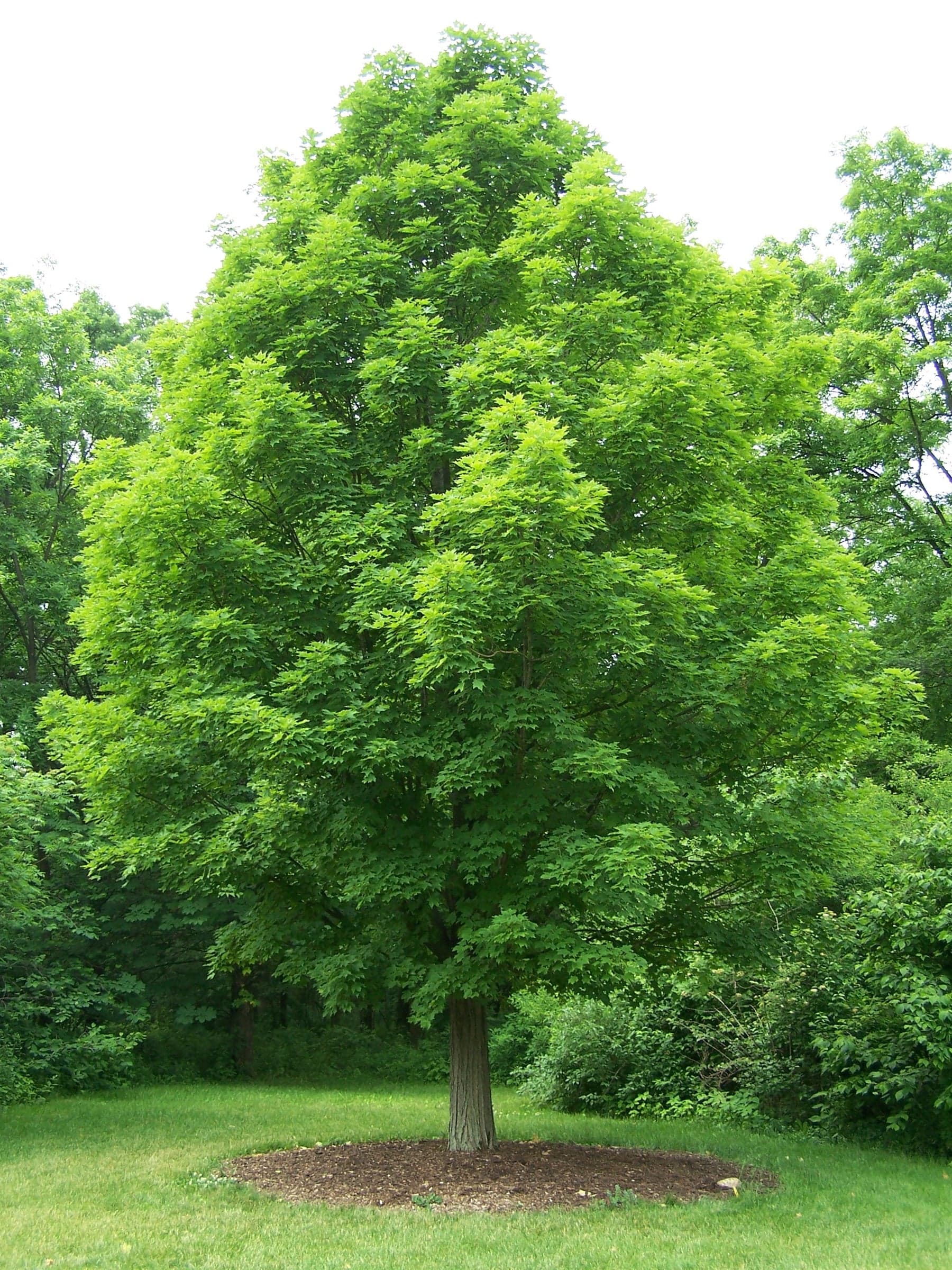
Árbol de Hard Maple

Bruce Marlin, via Wikimedia Commons

  • Sports goods: bowling pins, baseball bats, gym floors
  • Ventajas

    • Apta para alimentosAdecuada para tablas, cuencos y superficies que entran en contacto con alimentos.
    • Se curva bienValoración de 4 sobre 5 para el curvado al vapor. Admite curvas cerradas.

    Ten en cuenta

    Native to eastern North America, Canada and the northern United States, not to Europe. Imported as a furniture-grade hardwood with a long, well-established trade route into the EU. Sometimes sold as Sugar Maple or Rock Maple; all are Acer saccharum.

  • IUCN Least Concern, no CITES listing. Managed commercially across Canada and the northeastern US under long-standing forestry regimes. As a non-EU import it carries longer transport miles than European species and a fuller EUDR due-diligence trail through the supply chain. FSC and PEFC certified stock is widely available. Ask for it.

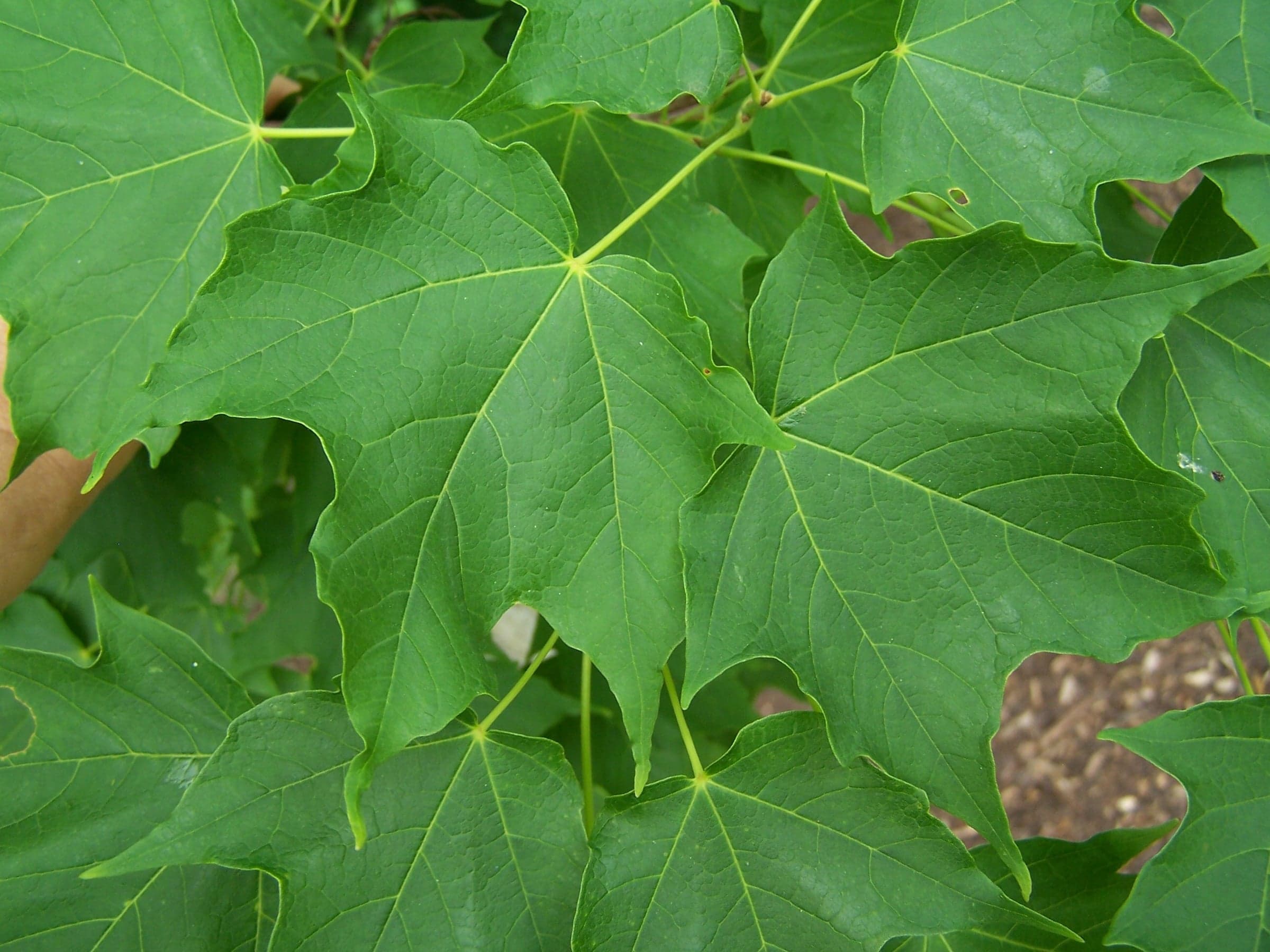
  • Hard Maple: Hoja
    Hoja
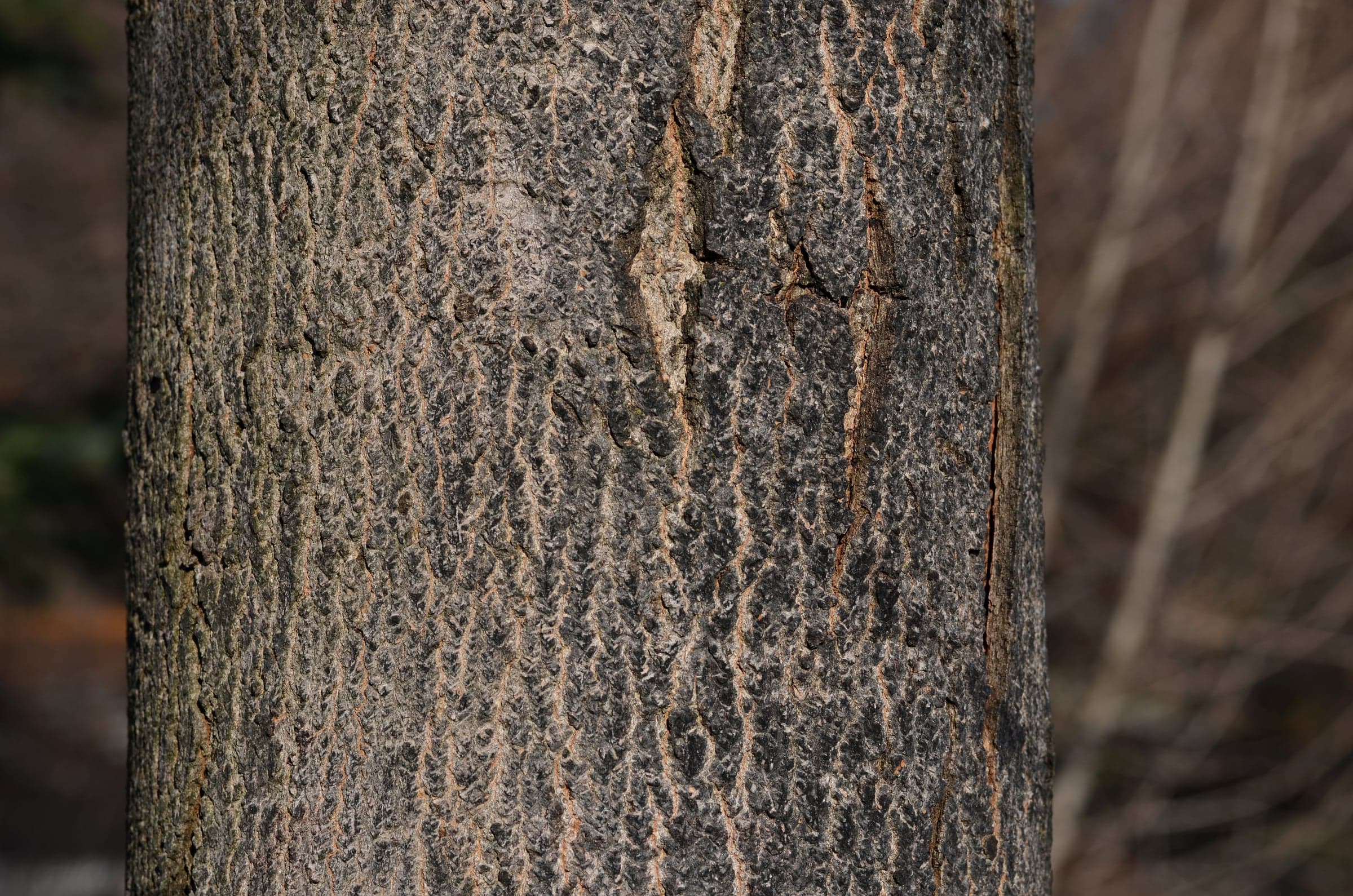
    Hard Maple: Corteza
    Corteza

    The figure premium#

    Plain hard maple is a quiet, pale, almost featureless wood. A small proportion of trees produce figure, and it is priced very differently.

    Curly or flame maple carries a wave in the grain that produces rippling chatoyance shifting with viewing angle. Birdseye maple shows a pattern of small swirled eyes across the surface, and its cause is still not fully explained.

    Neither is predictable from the standing tree, which is why figured maple is expensive: it is found rather than grown.

    The staining problem#

    Maple's main weakness is finishing. The dense closed grain that makes it hygienic makes it absorb stain unevenly, and it blotches badly, particularly on flatsawn faces and in figured stock where the grain wave changes absorption from millimetre to millimetre.

    Pigment stain on curly maple will produce a muddy, patchy result that obscures the very figure you paid for.

    Use a dye rather than a pigment stain, or a gel stain that sits on the surface, or seal first with a thin washcoat. Test on an offcut from the same board every time, because behaviour varies between boards of the same species.

    Most figured maple is best finished clear, with an oil or a water based finish, letting the chatoyance carry the surface.

    At the bench#

    It works cleanly with sharp tools and blunts them at a fair rate. It turns very well, holds crisp detail, glues reliably and takes fastenings securely with pilot holes.

    Figured stock tears out and wants light cuts, a high angle plane or a scraper.

    It sands to a very fine surface, which suits its usual clear finish.

    Movement#

    Volumetric shrinkage of 14.5 percent is on the high side, with tangential at 9.5 percent against radial at 4.5 percent, a wide differential. Flatsawn maple cups.

    For a chopping block this matters less than it sounds, because blocks are usually built as laminated end grain or edge grain constructions where movement is distributed and restrained. For a wide solid top, quartersawn is worth the cost.

    Where Hard Maple is the right answer#

    Chopping boards and butchers blocks, kitchen worktops, workbench tops, flooring, and any decorative work where curly or birdseye figure is the design.

    It is the wrong answer outdoors, being decay class 5, and wrong wherever a rich stained colour is the goal.

    Sourcing and EUDR#

    Not CITES listed and assessed as Least Concern. Native to eastern North America, so European buyers are usually importing, with the longer documentation chain that implies. Where a pale dense European alternative is acceptable, European Sycamore or beech cover similar ground with a shorter chain, though neither matches hard maple for a food surface.

    Spalted maple#

    Because maple is pale and perishable, it spalts readily, and spalted maple is a category in its own right.

    Spalting is the early stage of fungal decay. Different fungi competing within a log lay down black zone lines where their territories meet, producing fine dark tracery across a pale background. The effect is unlike any grain figure and cannot be imitated.

    The difficulty is that spalting is decay, and it does not stop by itself. Timber left too long goes soft, punky and structurally useless. Usable spalted maple is caught at a specific moment and then dried to kill the fungus.

    Buying spalted stock means checking soundness rather than just admiring the pattern. Press a fingernail into the palest zones: if it sinks easily the wood has gone too far. Punky areas can be stabilised with resin for turning but are not suitable for a work surface.

    Spalted dust also carries a higher fungal spore load than sound timber, so extraction and a mask matter more than usual.

    End grain against edge grain blocks#

    For a chopping block, the construction matters as much as the species.

    End grain blocks present the cut fibre ends upward, so a knife edge parts the fibres rather than severing them and the surface closes behind the cut. They are kinder to knives and self healing, but they absorb more moisture and need more maintenance.

    Edge grain blocks are simpler to build, more dimensionally stable and easier to keep dry, at the cost of showing knife marks sooner.

    Both work in hard maple. End grain is the traditional butchers block and the better performing surface if you will look after it.

    Poorly, and this is its main finishing weakness. The dense closed grain absorbs pigment unevenly and blotches badly, particularly on flatsawn faces and in figured stock. Use a dye, a gel stain, or a conditioner first, and always test on an offcut from the same board.

    Can it be used outdoors?

    +

    No. It is rated decay class 5, perishable, and offers no meaningful resistance to rot or insect attack. Maple is strictly interior. For exterior work choose robinia, oak or sweet chestnut.

    Contracción tangencialContracción paralela a los anillos de crecimiento. Es la que afecta a las tablas de aserrado tangencial y a la mayoría de las tablas.
    9.5–10.5 %
    Contracción volumétricaCambio total de volumen desde verde hasta completamente seca. Un valor menor indica más estabilidad.14.5–16.0 %
    Durabilidad natural (EN 350)Norma europea de resistencia natural a la pudrición, de 1 (muy duradera) a 5 (perecedera).Class 5 — Perishable

    Fuentes

    • The Wood Database(consultada el 2026-05-09)
    • USDA FPL Wood Handbook FPL-GTR-190 (2010)(consultada el 2026-05-09)
    • Meier, E. — WOOD! Identifying and Using Hundreds of Woods Worldwide (2015)(consultada el 2026-05-09)

    De un vistazo

    Los niveles usan intervalos fijos para todas las especies que ofrece KORENA, por lo que se pueden comparar directamente. Debajo de cada uno aparece el valor medido.
    DurezaResistencia a abolladuras y desgasteDura

    Dureza Janka: 6450 N

    Un 30 % más dura que el roble europeo

    PesoCuánto pesa una tabla al levantarlaPesada

    705 kg/m³

    EstabilidadCuánto se reduce su movimiento estacionalMucho movimiento

    15,3 % de contracción volumétrica

    TrabajoAserrado, cepillado, lijado y encoladoModerada

    3,7 / 5 de media en el banco

    Uso exteriorResistencia natural a la pudrición, EN 350Solo interior

    Clase 5 según EN 350

    • Aserrado · BuenaLa limpieza del corte y el desgaste que causa en las hojas.1 = difícil · 5 = excelente
    • Cepillado · BuenaLa suavidad de la superficie que deja y cuánto se desgarra la fibra.1 = difícil · 5 = excelente
    • Lijado · Muy buenaLa rapidez con la que queda lisa sin atascar el papel.1 = difícil · 5 = excelente
    • Torneado · ExcelenteCómo se corta y se acaba en el torno.1 = difícil · 5 = excelente
    • Tallado · BuenaLa nitidez con la que conserva los detalles al trabajarla con gubia.1 = difícil · 5 = excelente
    • Encolado · Muy buenaLa fiabilidad de las uniones encoladas.1 = difícil · 5 = excelente
    • Sujeción de tornillos / clavos · Muy buenaCómo sujeta tornillos y clavos sin rajarse.1 = difícil · 5 = excelente
    • Curvado al vapor · Muy buenaCómo admite las curvas después de aplicar vapor.1 = difícil · 5 = excelente

    Aún no hay una referencia de mercado para Hard Maple. Cada pieza de KORENA recibe un precio individual de su almacén asociado.

    No apta para exteriores sin tratar
    Su durabilidad natural es de clase 5 de 5 según EN 350. Mantenla en interiores o protégela con un acabado bien conservado.
  • Se mueve más que la mayoríaLos tableros anchos necesitan lengüetas o fijaciones ranuradas y espacio para moverse. Usa la calculadora de movimiento que aparece abajo.
  • El polvo es irritanteUsa extracción y mascarilla al lijar o mecanizar.
  • Pulsa una etiqueta para ver los detalles.