KORENA
MaderaFinished piecesMaterialesAlmacenesRevista

Recibe avisos

Cada tabla es única. Cuando se vende, ya no vuelve. Te avisamos cuando se publican nuevas piezas: nuevas llegadas, especies y tablas adecuadas para un proyecto.

Unos pocos correos al mes. Sin spam; puedes darte de baja cuando quieras.

KORENA, madera noble de primera calidad

Una pieza cada vez.

Madera noble de primera calidad verificada, vendida pieza a pieza. Cada tabla se fotografía, se mide y se envía desde el almacén asociado con un pasaporte de la madera.

Comprar

  • Ver productos
  • Archivo de piezas vendidas
  • Seguir pedido

Aprender

  • Revista
  • Guías de especies
  • Glosario
  • Comparar
  • Autores

Ayuda

  • Quiénes somos
  • Cómo funciona
  • Hazte almacén asociado
  • Solicitar una tabla
  • Asistencia
  • Plantillas de documentos
  • Prensa

Comprar

  • Condiciones de venta
  • Derecho de desistimiento
  • Devoluciones y garantía
  • Envío y entrega

Confianza

  • Política de privacidad
  • Política de cookies
  • Procedencia de la madera y EUDR
  • Accesibilidad

Aviso legal

  • Aviso legal
  • Uso aceptable
  • Propiedad intelectual y contenido

© 2026 KORENA. Todos los derechos reservados.

Gestionado por Martial Labs Ltd. (BG, EIK 207453941). KORENA es un nombre comercial de Martial Labs Ltd.

Respetamos tu privacidad

Usamos cookies esenciales para que el sitio funcione. Con tu permiso, también usaríamos cookies para análisis, contenido personalizado y publicidad. Puedes cambiar de opinión en cualquier momento en la página de preferencias de consentimiento. Consulta nuestra política de cookies y nuestra política de privacidad.

  1. Inicio
  2. /
  3. Especies
  4. /
  5. Norway Spruce

Picea abies

Norway Spruce

The most abundant conifer in Europe and the lightest slab material KORENA lists. Pale, even, easy at the bench, and soft enough that you should choose it deliberately.

  • Cultivada y aprovechada en Europa.
  • Grupo botánico. Las maderas blandas proceden de coníferas y las duras, de árboles frondosos.
  • Familia botánica a la que pertenece la especie.
Avísame cuando llegueEspecie de referencia. Ahora mismo no hay piezas en stock.
  • Adecuación al proyecto
  • En stock
  • Aspecto
  • Cómo trabajarla
  • Movimiento
  • Precio
  • Seguridad y abastecimiento
  • Preguntas
  • Datos técnicos

¿Es adecuada para tu proyecto?

Ideal para

  • Lightweight tabletops
  • Wall panelling
  • Shelving
  • Instrument soundboards
  • Interior joinery

No hay Norway Spruce en la selección actual

Especies similares en stock

Ahora mismo no hay Norway Spruce. Estas especies sirven para los mismos proyectos y tienen piezas disponibles.
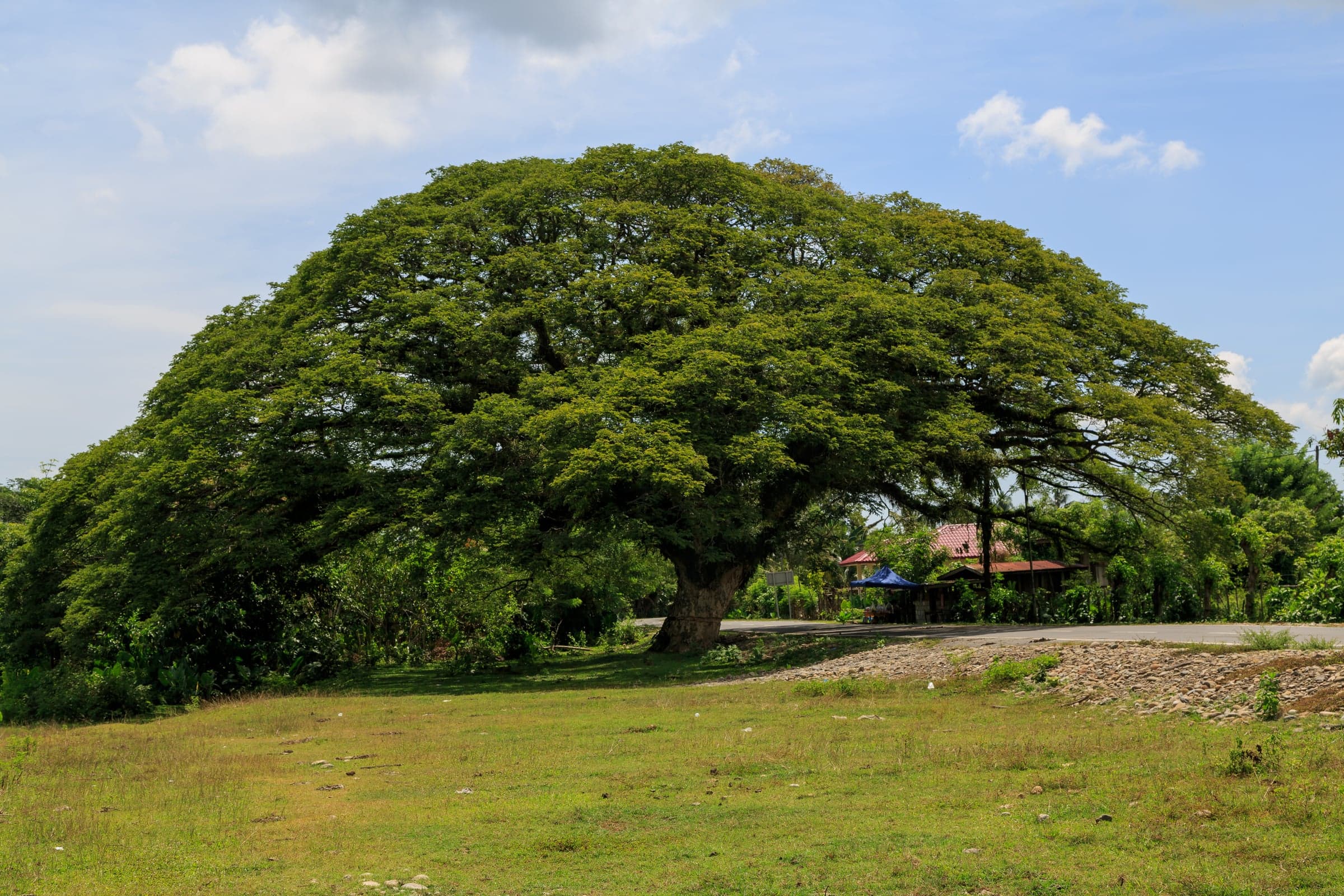
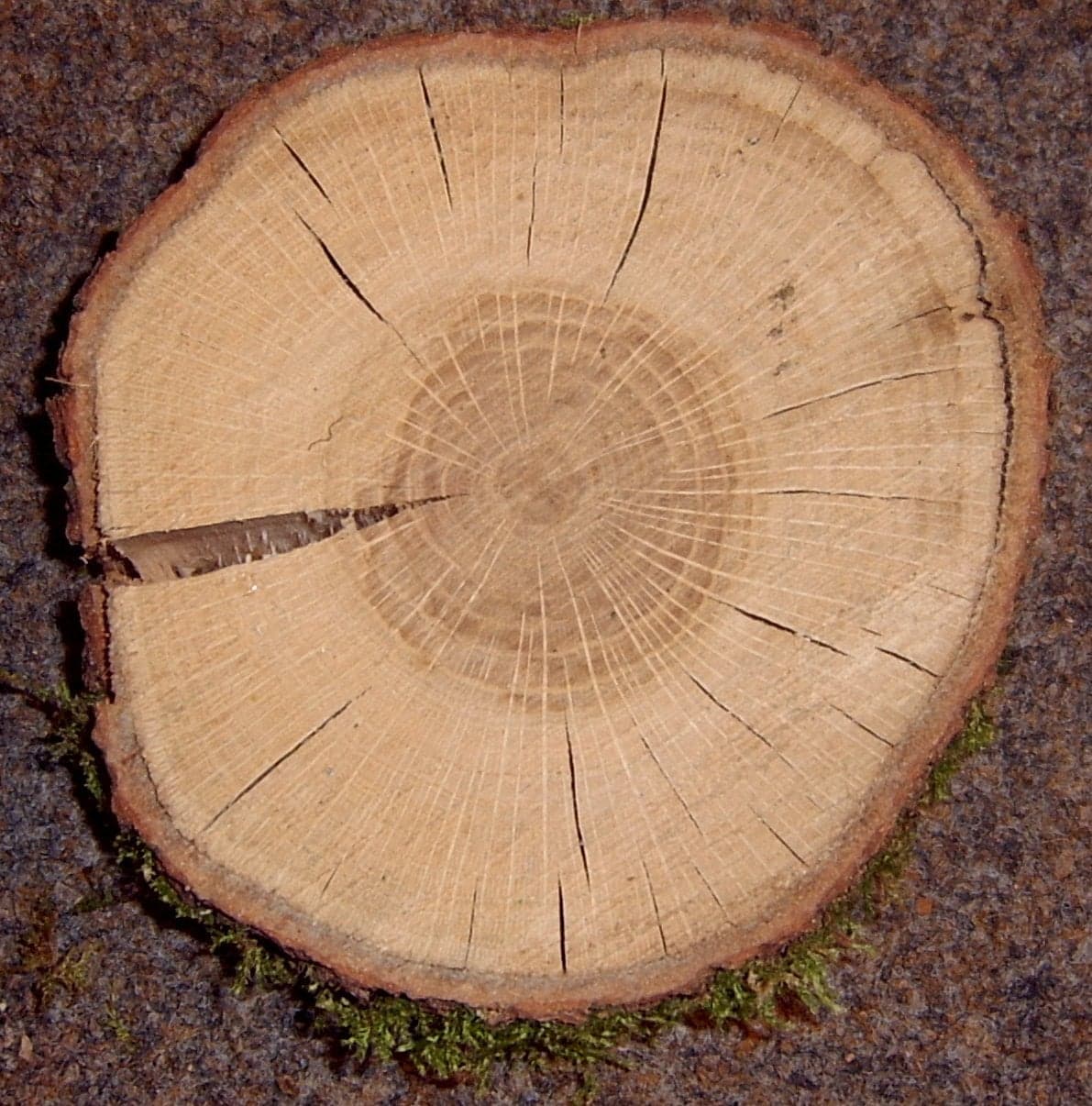
  • Veta de Saman

    Saman

    Samanea saman

    4 piezas

  • Veta de European Oak

    European Oak

    Quercus robur

    6 piezas

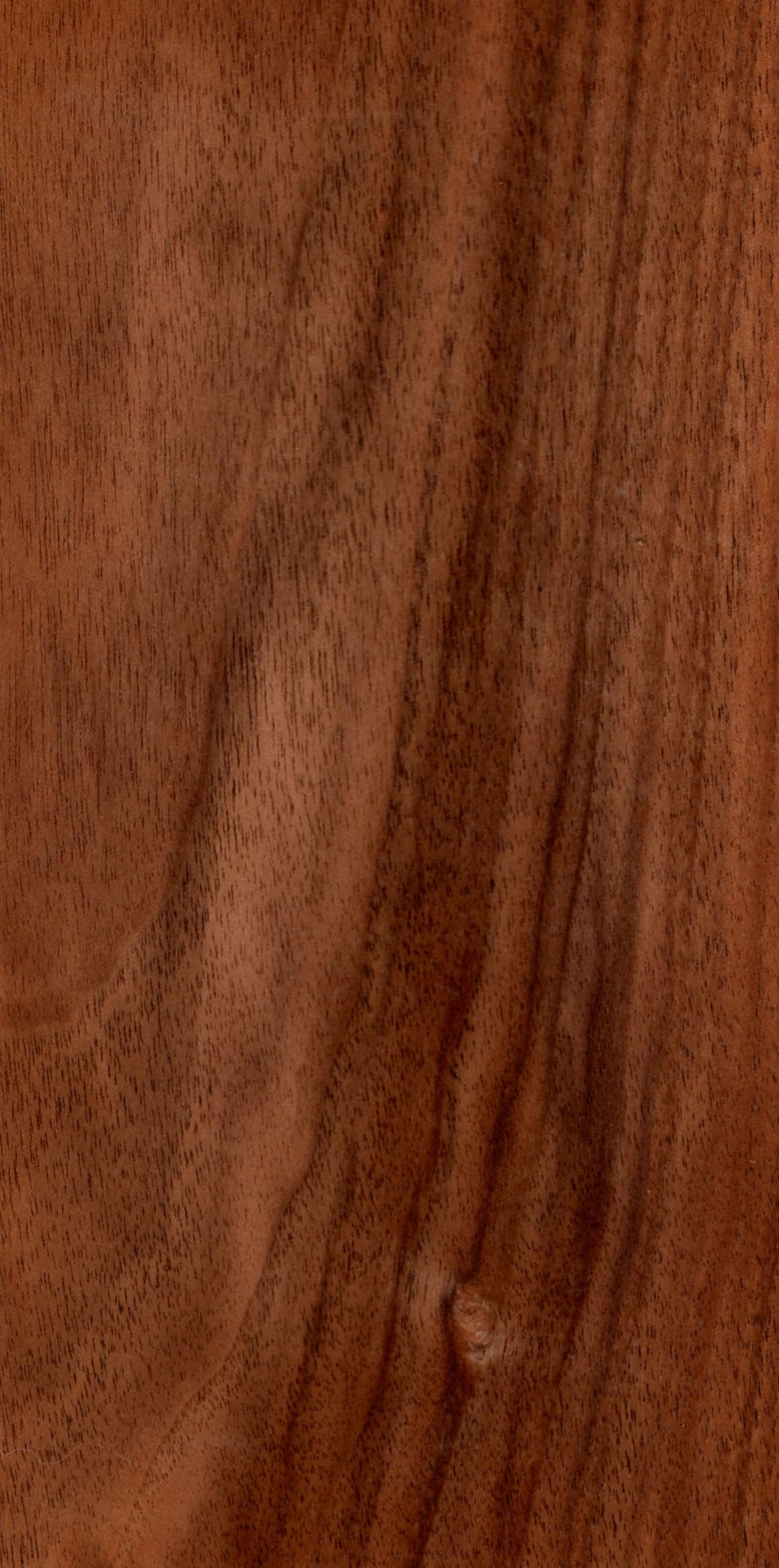
  • Veta de European Walnut

    European Walnut

    Juglans regia

    9 piezas

Recibe avisos sobre Norway Spruce

Te enviamos un correo cuando lleguen a KORENA nuevas tablas de Norway Spruce. Cada pieza es única, por lo que conviene enterarse pronto.

Unos pocos correos al mes. Sin spam; puedes darte de baja cuando quieras.

Aspecto de la madera

Qué aspecto tiene

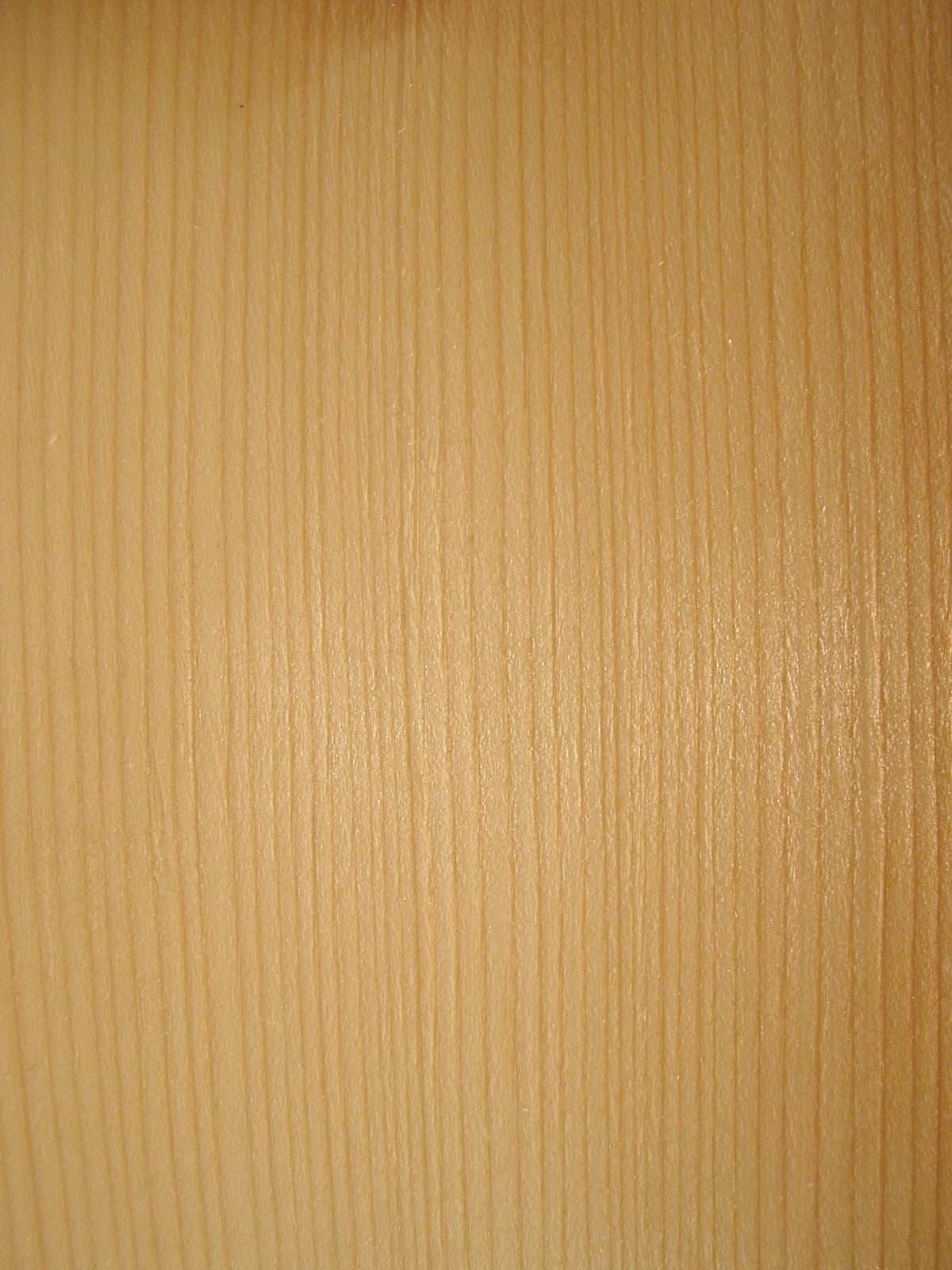
Pale cream to light yellow throughout, with almost no colour separation between heartwood and sapwood. The grain is straight and the texture fine and even. What makes a spruce slab worth looking at is rarely colour and almost always structure: tight annual rings, resin pockets that read as amber flecks, and the occasional cluster of small sound knots that a maker can either feature or cut around.

  • Cream to pale yellow, darkening slightly with age and UV
  • Little to no heartwood and sapwood contrast
  • Resin pockets show as translucent amber marks
  • Straight grain, even texture; resin canals.

Cómo trabajarla

Cómo trabajarla

Easy in every operation as long as you stay away from knots. Spruce is soft enough that sharp tools matter more than powerful ones: dull cutters crush the earlywood rather than slicing it, leaving a fuzzy surface that no amount of sanding fully recovers. Knots are hard, resinous and prone to tearing out, so plan cuts around them rather than through them. It glues reliably and takes screws well if you pilot near edges.

Acabado

The one genuine difficulty with spruce. Its uneven density between earlywood and latewood makes it absorb stain unevenly, so pigment stains blotch badly. Use a conditioner first, or skip stain entirely. Clear oils, hardwax oils and water-based lacquers all sit well and keep the pale colour. If you want warmth, a single coat of shellac before the topcoat evens absorption without muddying the grain.

Secado

Dries quickly and with relatively little degrade, which is one reason it dominates European construction timber. Slab stock still needs patience: at 50 mm and above, resin pockets can bleed if the kiln schedule runs hot, and case hardening shows up as cupping once you machine the first face. Air drying followed by a gentle kiln finish gives the cleanest result. Expect movement in service to be modest, since volumetric shrinkage is around 12.9 percent.

¿Cuánto se moverá?

La madera se hincha y se contrae a lo ancho cuando el aire gana o pierde humedad. Calcula el movimiento estacional de un tablero de Norway Spruce antes de diseñar las fijaciones.

Corte
Dónde estará

Movimiento estacional previsto

unos 9,4 mm

Fija el tablero con lengüetas o soportes ranurados, no con cola ni tornillos apretados.

Modelo de contracción lineal: ancho × (contracción ÷ 28 % de saturación de la fibra) × variación estacional de humedad. Usa una contracción tangencial del 8,2 % para Norway Spruce. Es una estimación para planificar, no una garantía.

Cuánto cuesta

Seguridad y abastecimiento

  • Cultivada y aprovechada en Europa.
  • Estado en la Lista Roja de la UICN: evaluación mundial de conservación de esta especie.
  • Spruce dust has been reported to cause skin irritation and asthma-like respiratory effects, which puts it in the same bracket as most softwood dust. Extraction at the machine and a P2 mask during extended sanding are sensible. No specific toxicity beyond that is documented.

Leer la guía completaNotas detalladas sobre el dibujo, el cambio de color, el trabajo y la estabilidad.+

What Norway Spruce actually is#

Picea abies is the default European conifer. It covers more forest area than any other species on the continent and supplies most of the structural timber used in EU construction. That ubiquity works against it when people shop for slabs, because a wood you can buy as a stud is easy to dismiss as a wood you cannot build furniture from. The dismissal is half right. Spruce is genuinely soft, and a spruce tabletop will carry the record of everything set down on it. What the reputation misses is that spruce is also stiff for its weight, dimensionally reasonable once dried, and capable of a pale, quiet surface that no hardwood can imitate.

Reading a spruce slab#

Colour tells you very little. Spruce runs cream to pale yellow with effectively no heartwood boundary, so unlike walnut or oak you cannot judge a board by its tonal range. Structure is what matters.

Look first at ring spacing. Slow-grown Alpine spruce with rings a millimetre or two apart is denser, stiffer and considerably more stable than fast-grown lowland stock with rings five millimetres apart. The difference in service is real: the tight-ringed board stays flatter and dents less.

Look next at the knots. Spruce knots are hard, resinous, and much darker than the surrounding wood. Small sound knots are a design feature and hold fine. Large knots, and especially knot clusters near an edge, are weak points that will move independently of the board around them.

Preguntas de compradores

Preguntas de compradores

Is Norway Spruce hard enough for a dining table?

+

It sits at 1,680 N on the Janka scale, which is soft for a tabletop that will see daily use. It works if you accept dents as part of the character, or if the top is protected by a hardwax oil that is easy to refresh. For a surface that must stay unmarked, European oak at 4,980 N or ash are better matched.

Why does my spruce slab look blotchy after staining?

+

Spruce has a large density difference between the pale earlywood and the darker latewood, so pigment lodges unevenly. Apply a wood conditioner or a thin shellac washcoat before staining, or leave it unstained and use a clear oil. Testing on an offcut from the same slab is the only reliable check, because blotching varies board to board.

What are the amber marks in the surface?

+

Resin pockets, which are normal in spruce and not a defect in the structural sense. They can weep slightly if the slab is warmed by sunlight or underfloor heating. Sealing with shellac before the topcoat locks them down. On a measured KORENA slab any pocket large enough to matter is mapped in the defect outline.

Is spruce suitable for outdoor use?

Propiedades mecánicas

Datos técnicos

Valores de referencia publicados. Cuando las fuentes discrepan, se muestra el intervalo y se usa el valor habitual en las escalas anteriores.

Densidad (kg/m³)Masa por metro cúbico con aproximadamente un 12 % de humedad. La madera más pesada suele ser más dura y resistente.405 kg/m³
Dureza Janka (N)Fuerza necesaria para hundir una bola de acero hasta la mitad en la madera. Es la medida estándar de resistencia a las abolladuras.1,680 N
MOR: módulo de rotura (MPa)Resistencia a la flexión: la carga a la que se rompe una viga.63 MPa
MOE: módulo de elasticidad (GPa)Rigidez a la flexión: cuánto se comba un estante o tablero bajo carga.9.7 GPa
Contracción radialContracción perpendicular a los anillos de crecimiento, desde verde hasta completamente seca. Es la que afecta a las tablas aserradas radialmente.3.9 %
Contracción tangencialContracción paralela a los anillos de crecimiento. Es la que afecta a las tablas de aserrado tangencial y a la mayoría de las tablas.
Veta de Norway Spruce

Wikimedia Commons contributor, via Wikimedia Commons

Picea abies covers the largest natural range of any European conifer, running from the Alps and Carpathians north through Scandinavia and east into Russia. Slab-grade stock reaching KORENA is nearly always from managed Alpine or Carpathian forests where FSC or PEFC certification is standard, which keeps EUDR documentation straightforward.

  • Not listed in the CITES Appendices and assessed by the IUCN as Least Concern. Supply across the EU is abundant and well certified, though bark beetle damage in central Europe has pushed large volumes of salvage timber into the market in recent years. Salvage stock is legitimate and often excellent value, but it should be declared as such because staining from blue fungus is common in it.

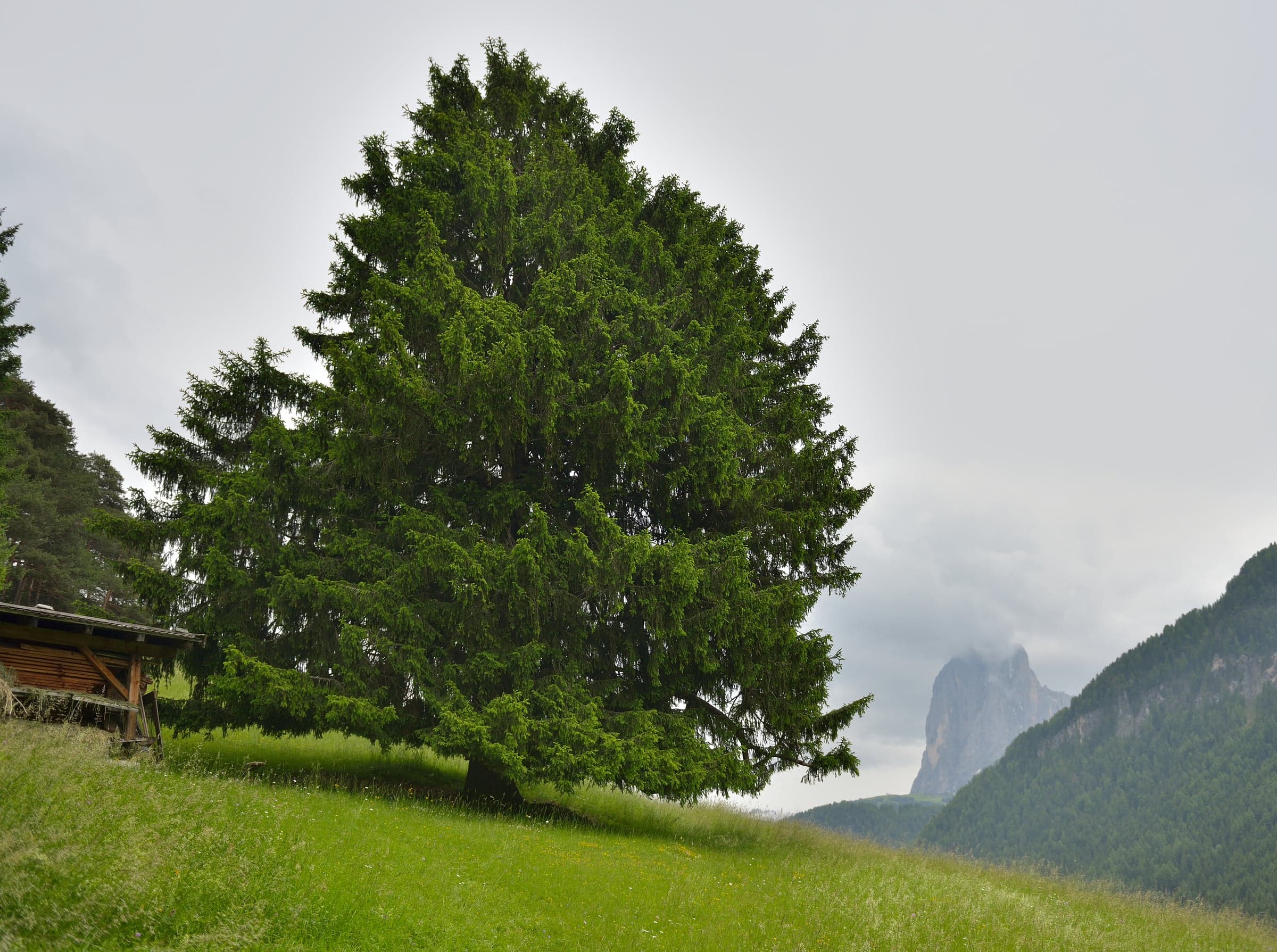
  • Árbol de Norway Spruce

    This Photo was taken by Wolfgang Moroder. Feel free to use my photos, but please mention me as the author a..., via Wikimedia Commons

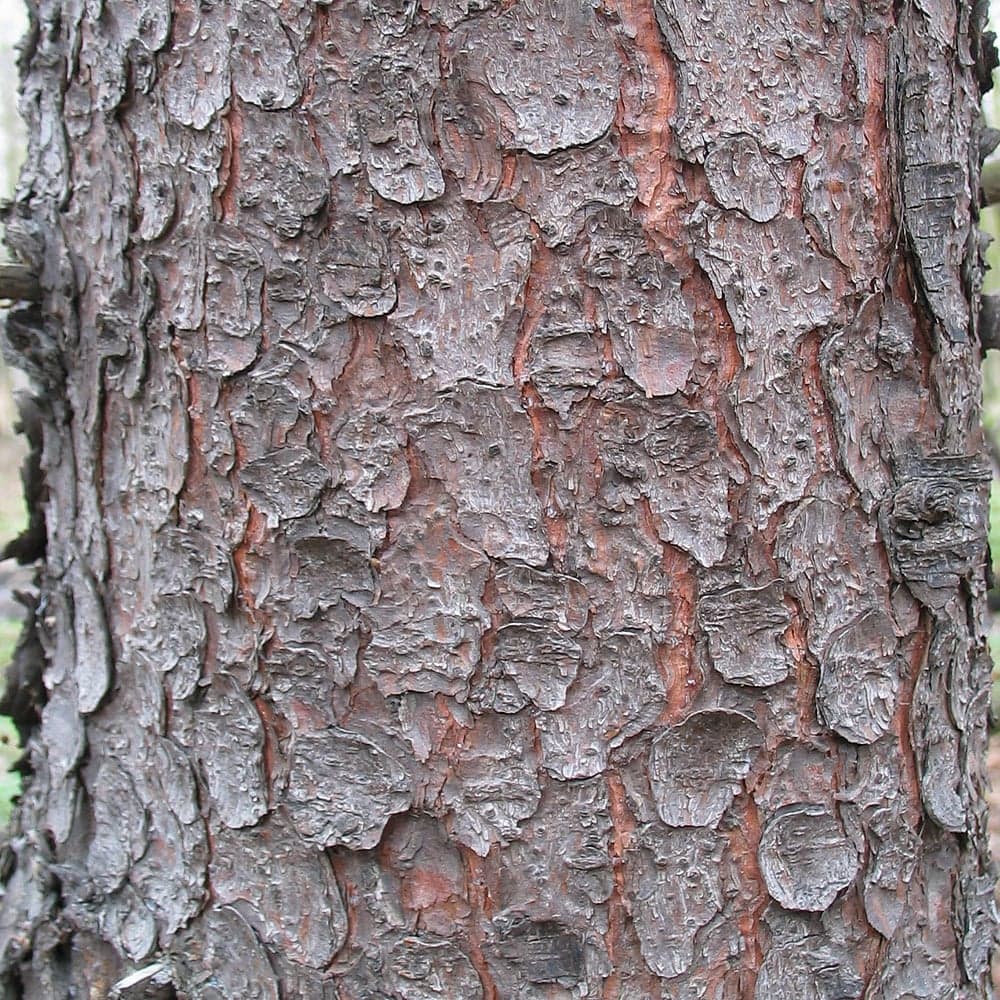
    Norway Spruce: Corteza
    Corteza

    Finally, look for resin pockets and blue stain. Pockets read as amber streaks and are harmless once sealed. Blue stain is a grey-blue discolouration caused by fungus, common in salvage timber from bark beetle damage, and it does not weaken the wood. It changes the look completely, which is either the point or a problem depending on the piece.

    At the bench#

    Spruce rewards sharp tools and punishes dull ones more than almost anything else KORENA lists. Because the earlywood is so much softer than the latewood, a blunt cutter compresses the soft bands instead of severing them. The surface that comes off looks acceptable until finish goes on, at which point the crushed fibres swell and the whole face turns fuzzy.

    Plane with a freshly honed iron and a tight mouth, take light cuts, and finish with a card scraper rather than aggressive sanding. If you must sand, stop at 180 grit. Going finer burnishes the latewood and makes the blotching problem worse.

    Glue-up is straightforward. Spruce takes PVA and polyurethane adhesives reliably, and its low density means clamping pressure should be moderate. Over-clamping starves the joint by crushing the fibres either side of it.

    Screws hold acceptably but not brilliantly. Pilot everything within 50 mm of an end grain edge, and prefer a coarse thread. For anything load bearing, through-bolts with washers distribute the load far better than screws into the face.

    Drying and movement#

    Spruce dries fast and relatively cleanly, which is exactly why it dominates commodity timber. Slabs behave differently from boards. At 50 mm and thicker, an aggressive kiln schedule drives moisture out of the surface much faster than the core can follow, and the result is case hardening: the slab looks flat until you machine one face, then cups as the internal stress releases.

    The safest route for slab stock is air drying under cover to roughly 20 percent, then a slow kiln finish to bring it to 8 to 10 percent for interior use. Ask the yard which schedule was used. On KORENA listings the drying method and measured moisture are recorded on the passport, so you are not guessing.

    In service, expect meaningful seasonal movement. Tangential shrinkage is around 8.2 percent against 3.9 percent radial, so a wide flatsawn top will want to cup toward the bark face as humidity drops. Quartersawn stock moves roughly half as much across its width and is worth seeking out for anything that must stay flat.

    Where spruce is the right answer#

    Spruce earns its place when weight matters, when the budget will not carry oak, or when the design wants a pale surface that stays pale. A three metre bench top in oak is a two person lift; in spruce one person can move it. Wall panelling in spruce reflects light in a way that darker species cannot. And for anything that will be painted, spending on a hardwood is money burnt.

    It is the wrong answer for a heavily used dining surface, for anything outdoors without treatment, and for a piece where a rich stained colour is the goal.

    Sourcing and EUDR#

    Supply is abundant and certification is the norm across Alpine and Carpathian sources, which makes the due diligence path short. One current wrinkle is worth knowing: bark beetle outbreaks across central Europe have pushed large volumes of salvage timber into the market. Salvage stock is entirely legitimate, often good value, and frequently carries blue stain. It should be declared rather than discovered, and any KORENA listing that is salvage says so.

    +

    Not without treatment. The heartwood is rated slightly resistant to non-resistant to decay, so untreated spruce outdoors will fail within a few seasons. European larch or Douglas fir are the better choices from this group when moisture exposure is part of the brief.

    How much will a spruce tabletop move through the year?

    +

    Volumetric shrinkage is around 12.9 percent with tangential movement roughly twice radial, so a wide flatsawn top will change noticeably between a humid summer and a heated winter. Allow the top to float on slotted fasteners rather than fixing it rigidly, and let the slab acclimatise in the room for two weeks before final flattening.

    8.2 %
    Contracción volumétricaCambio total de volumen desde verde hasta completamente seca. Un valor menor indica más estabilidad.12.9 %
    Durabilidad natural (EN 350)Norma europea de resistencia natural a la pudrición, de 1 (muy duradera) a 5 (perecedera).Class 4 — Slightly durable

    Fuentes

    • The Wood Database — Norway Spruce (Picea abies)(consultada el 2026-08-12)
    • USDA FPL Wood Handbook FPL-GTR-190 (2010)(consultada el 2026-08-12)
    • Meier, E. — WOOD! Identifying and Using Hundreds of Woods Worldwide (2015)(consultada el 2026-08-12)

    Ten en cuenta

    • No apta para exteriores sin tratarSu durabilidad natural es de clase 4 de 5 según EN 350. Mantenla en interiores o protégela con un acabado bien conservado.
    • El polvo es irritanteUsa extracción y mascarilla al lijar o mecanizar.

    Pulsa una etiqueta para ver los detalles.

    De un vistazo

    Los niveles usan intervalos fijos para todas las especies que ofrece KORENA, por lo que se pueden comparar directamente. Debajo de cada uno aparece el valor medido.
    DurezaResistencia a abolladuras y desgasteBlanda

    Dureza Janka: 1680 N

    Un 66 % más blanda que el roble europeo

    PesoCuánto pesa una tabla al levantarlaMuy ligera

    405 kg/m³

    EstabilidadCuánto se reduce su movimiento estacionalMedia

    12,9 % de contracción volumétrica

    TrabajoAserrado, cepillado, lijado y encoladoModerada

    3,7 / 5 de media en el banco

    Uso exteriorResistencia natural a la pudrición, EN 350Solo interior

    Clase 4 según EN 350

    • Aserrado · Muy buenaLa limpieza del corte y el desgaste que causa en las hojas.1 = difícil · 5 = excelente
    • Cepillado · Muy buenaLa suavidad de la superficie que deja y cuánto se desgarra la fibra.1 = difícil · 5 = excelente
    • Lijado · Muy buenaLa rapidez con la que queda lisa sin atascar el papel.1 = difícil · 5 = excelente
    • Torneado · BuenaCómo se corta y se acaba en el torno.1 = difícil · 5 = excelente
    • Tallado · BuenaLa nitidez con la que conserva los detalles al trabajarla con gubia.1 = difícil · 5 = excelente
    • Encolado · Muy buenaLa fiabilidad de las uniones encoladas.1 = difícil · 5 = excelente
    • Sujeción de tornillos / clavos · Muy buenaCómo sujeta tornillos y clavos sin rajarse.1 = difícil · 5 = excelente
    • Curvado al vapor · BuenaCómo admite las curvas después de aplicar vapor.1 = difícil · 5 = excelente

    Precio actual de venta de la madera de Norway Spruce en Europa, por metro cúbico antes del IVA. Pulsa cualquier precio para ver los detalles.

    • Troncos selectos en subastaTroncos seleccionados de alta calidad vendidos en subastas mediante ofertas, principalmente a fabricantes de chapa y muebles. De troncos así se cortan las tablas.La mayoría de los precios están entre 172 € y 313 €.Basado en 50 precios de 1 región.Últimos datos: 24 sept 2026
    • Troncos corrientesGrandes volúmenes de madera en rollo estándar vendidos por propietarios forestales y organismos forestales estatales, principalmente para la construcción y la industria.La mayoría de los precios están entre 22 € y 175 €.Basado en 9577 precios de 12 regiones.Últimos datos: 24 sept 2026

    Troncos corrientes por país

    • Francia · 120 € / m³Regiones: Bourgogne-Franche-Comté y Grand Est / Alsace12 preciosÚltimos datos: 15 sept 2026
    • Suecia · 90 € / m³Regiones: Sweden Central25 preciosÚltimos datos: 30 jun 2026
    • Rumanía · 79 € / m³Regiones: Banat / Crișana, Dobrogea, Moldavia (Romania), Transylvania y Wallachia9302 preciosÚltimos datos: 24 sept 2026

    ¿Por qué cuesta más una tabla?

    Estos son precios de madera en bruto. Una tabla es el mejor corte de un tronco, secado durante un año o más y después revisado y medido pieza por pieza. Solo una pequeña parte de cada tronco se convierte en tabla.

    Fuente: Índice de la madera de KORENA · Últimos datos: 24 sept 2026

    Ver todos los precios regionales
    Italia75 €
    Italia · 75 € / m³
    Regiones: Trentino-Alto Adige y Veneto
    232 precios
    Últimos datos: 10 sept 2026
  • Finlandia · 59 € / m³Regiones: Southern Finland (Etelä-Suomi)3 preciosÚltimos datos: 21 sept 2026
  • Noruega · 54 € / m³Regiones: Norway (national)3 preciosÚltimos datos: 21 sept 2026