KORENA
MaderaFinished piecesMaterialesAlmacenesRevista

Recibe avisos

Cada tabla es única. Cuando se vende, ya no vuelve. Te avisamos cuando se publican nuevas piezas: nuevas llegadas, especies y tablas adecuadas para un proyecto.

Unos pocos correos al mes. Sin spam; puedes darte de baja cuando quieras.

KORENA, madera noble de primera calidad

Una pieza cada vez.

Madera noble de primera calidad verificada, vendida pieza a pieza. Cada tabla se fotografía, se mide y se envía desde el almacén asociado con un pasaporte de la madera.

Comprar

  • Ver productos
  • Archivo de piezas vendidas
  • Seguir pedido

Aprender

  • Revista
  • Guías de especies
  • Glosario
  • Comparar
  • Autores

Ayuda

  • Quiénes somos
  • Cómo funciona
  • Hazte almacén asociado
  • Solicitar una tabla
  • Asistencia
  • Plantillas de documentos
  • Prensa

Comprar

  • Condiciones de venta
  • Derecho de desistimiento
  • Devoluciones y garantía
  • Envío y entrega

Confianza

  • Política de privacidad
  • Política de cookies
  • Procedencia de la madera y EUDR
  • Accesibilidad

Aviso legal

  • Aviso legal
  • Uso aceptable
  • Propiedad intelectual y contenido

© 2026 KORENA. Todos los derechos reservados.

Gestionado por Martial Labs Ltd. (BG, EIK 207453941). KORENA es un nombre comercial de Martial Labs Ltd.

Respetamos tu privacidad

Usamos cookies esenciales para que el sitio funcione. Con tu permiso, también usaríamos cookies para análisis, contenido personalizado y publicidad. Puedes cambiar de opinión en cualquier momento en la página de preferencias de consentimiento. Consulta nuestra política de cookies y nuestra política de privacidad.

  1. Inicio
  2. /
  3. Especies
  4. /
  5. Scots Pine

Pinus sylvestris

Scots Pine

The most widely distributed pine on earth and the most forgiving wood in this catalogue to build with. Soft, knotty, and it ambers into something far better than it starts as.

  • Cultivada y aprovechada en Europa.
  • Grupo botánico. Las maderas blandas proceden de coníferas y las duras, de árboles frondosos.
  • Familia botánica a la que pertenece la especie.
Avísame cuando llegueEspecie de referencia. Ahora mismo no hay piezas en stock.
  • Adecuación al proyecto
  • En stock
  • Aspecto
  • Cómo trabajarla
  • Movimiento
  • Precio
  • Seguridad y abastecimiento
  • Preguntas
  • Datos técnicos

¿Es adecuada para tu proyecto?

Ideal para

  • Farmhouse tables
  • Painted and waxed furniture
  • Flooring
  • Panelling
  • Carcass and shelving work

No hay Scots Pine en la selección actual

Especies similares en stock

Ahora mismo no hay Scots Pine. Estas especies sirven para los mismos proyectos y tienen piezas disponibles.


  • Veta de Saman

    Saman

    Samanea saman

    4 piezas

  • Veta de European Oak

    European Oak

    Quercus robur

    6 piezas

  • Veta de European Walnut

    European Walnut

    Juglans regia

    9 piezas

Recibe avisos sobre Scots Pine

Te enviamos un correo cuando lleguen a KORENA nuevas tablas de Scots Pine. Cada pieza es única, por lo que conviene enterarse pronto.

Unos pocos correos al mes. Sin spam; puedes darte de baja cuando quieras.

Aspecto de la madera

Qué aspecto tiene

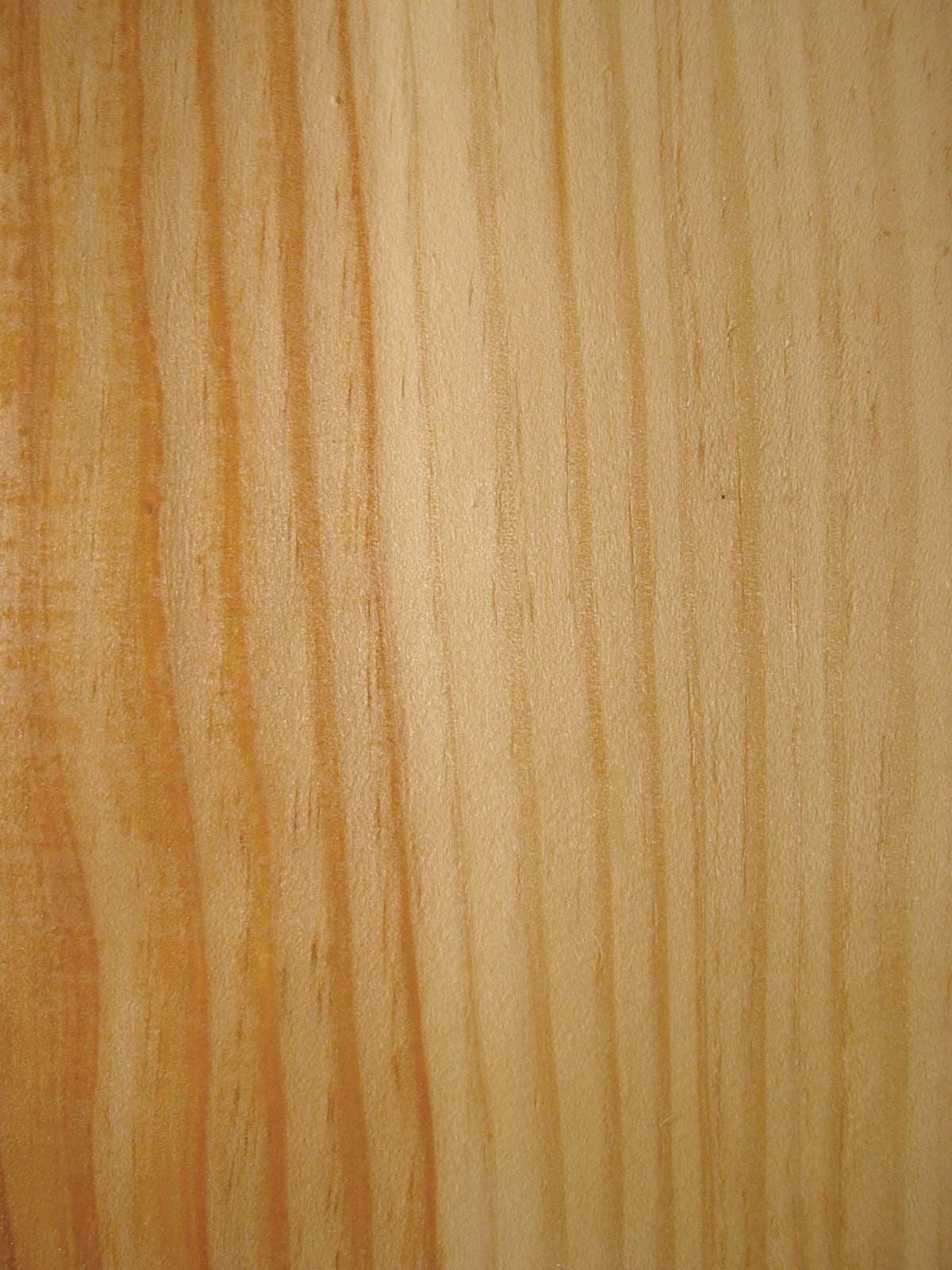
Pale yellow to light reddish brown heartwood that darkens considerably with age and light, against a wide band of near white sapwood. The ring figure is pronounced and the knots are a defining feature rather than an incidental one, since Scots Pine is naturally knotty and much of its character in furniture comes from that. Older slow grown stock develops a deep amber colour that is the reason antique pine looks nothing like new pine.

  • Pale yellow to light reddish brown heartwood
  • Wide near white sapwood band
  • Darkens markedly with age and UV toward deep amber
  • Generally straight; moderate resin.

Cómo trabajarla

Cómo trabajarla

Easy with both hand and machine tools and it glues and finishes well, which together make it one of the most forgiving woods to build in. Resin is present but less troublesome than in larch or maritime pine. Knots are the real machining consideration: they are hard, often loose, and can tear or spit out under a planer. Around large knots, take light cuts and consider hand work.

Acabado

Takes finish well and takes wax exceptionally, which is the traditional treatment and still the best one for the look most people want from pine. Pigment stains blotch on pine as they do on spruce, so use a conditioner or choose a dye. Resin around knots should be sealed with shellac before painting or it will bleed through the film. The natural ambering with age is substantial and generally considered the point.

Secado

Dries fairly quickly and easily with a low tendency to distort, one of its practical virtues. Blue stain from fungus develops fast in warm damp conditions on freshly felled logs and unseasoned boards, so stock that has sat before processing may carry grey blue discolouration through the sapwood. It does not weaken the wood. Volumetric shrinkage is around 13.6 percent, on the higher side for this group.

¿Cuánto se moverá?

La madera se hincha y se contrae a lo ancho cuando el aire gana o pierde humedad. Calcula el movimiento estacional de un tablero de Scots Pine antes de diseñar las fijaciones.

Corte
Dónde estará

Movimiento estacional previsto

unos 9,5 mm

Fija el tablero con lengüetas o soportes ranurados, no con cola ni tornillos apretados.

Modelo de contracción lineal: ancho × (contracción ÷ 28 % de saturación de la fibra) × variación estacional de humedad. Usa una contracción tangencial del 8,3 % para Scots Pine. Es una estimación para planificar, no una garantía.

Cuánto cuesta

Seguridad y abastecimiento

  • Cultivada y aprovechada en Europa.
  • Estado en la Lista Roja de la UICN: evaluación mundial de conservación de esta especie.
  • Working with pine has been reported to cause allergic skin reactions and asthma-like symptoms in some people. Resin contact sensitises some individuals over time. Normal extraction, a P2 mask for extended sanding, and gloves when handling resinous stock are appropriate.

Leer la guía completaNotas detalladas sobre el dibujo, el cambio de color, el trabajo y la estabilidad.+

What Scots Pine actually is#

Pinus sylvestris has the largest natural range of any pine species anywhere, stretching from the west of Scotland and the Iberian mountains across the whole of Eurasia to the Pacific coast. It is sold under several names that confuse buyers comparing quotes: redwood in the British trade, deal in older usage, and simply pine almost everywhere. They are the same species.

Its ubiquity has the same effect on its reputation as spruce suffers from. This is the wood of construction studs and cheap furniture, and that association hides the fact that Scots Pine is one of the most pleasant woods to build in that exists, and that it ages into a colour no finish can imitate.

Reading a Scots Pine slab#

Fresh Scots Pine is pale, a light yellow heartwood against a wide near-white sapwood band. What you are actually buying is what that will become. The species ambers dramatically under light and time, moving to a deep honey brown over years and decades. Stripped antique pine holds a colour that new pine stained to match will never quite reach, because the change is oxidation and resin migration through the whole thickness rather than pigment on the surface.

Knots are the second thing to read, and on this species they are not a defect to be tolerated so much as the material's defining texture. Scots Pine is naturally knotty. The question is whether the knots on a given slab are sound and tight, or loose and ringed with checking. Sound knots are a feature. Loose knots will eventually fall out and need filling or plugging.

Preguntas de compradores

Preguntas de compradores

Why does old pine furniture look so different from new pine?

+

Scots Pine ambers dramatically with age and light exposure. A freshly machined board is pale yellow; the same board after decades of daylight and wax is a deep honey brown. That colour is not a stain, it is oxidation and resin change through the wood, which is why stripped antique pine keeps its colour while new pine stained to match does not age the same way.

Is Scots Pine hard enough for flooring?

+

At 2,420 N Janka it is soft for a floor and will dent, which is precisely the look traditional pine flooring has. It has been used for floors across northern Europe for centuries on that understanding. If dents are unacceptable, oak or ash are the right answer; if a floor that records its use is wanted, pine does it honestly.

What causes the grey blue staining in the sapwood?

+

Blue stain fungus, which colonises freshly felled pine in warm damp conditions. It discolours the sapwood without weakening it structurally. Some makers avoid it and some feature it. It is a cosmetic grade issue, and any KORENA listing showing it will show it in the slab photography rather than describing it away.

Propiedades mecánicas

Datos técnicos

Valores de referencia publicados. Cuando las fuentes discrepan, se muestra el intervalo y se usa el valor habitual en las escalas anteriores.

Densidad (kg/m³)Masa por metro cúbico con aproximadamente un 12 % de humedad. La madera más pesada suele ser más dura y resistente.550 kg/m³
Dureza Janka (N)Fuerza necesaria para hundir una bola de acero hasta la mitad en la madera. Es la medida estándar de resistencia a las abolladuras.2,420 N
MOR: módulo de rotura (MPa)Resistencia a la flexión: la carga a la que se rompe una viga.83 MPa
MOE: módulo de elasticidad (GPa)Rigidez a la flexión: cuánto se comba un estante o tablero bajo carga.10.1 GPa
Contracción radialContracción perpendicular a los anillos de crecimiento, desde verde hasta completamente seca. Es la que afecta a las tablas aserradas radialmente.5.2 %
Contracción tangencialContracción paralela a los anillos de crecimiento. Es la que afecta a las tablas de aserrado tangencial y a la mayoría de las tablas.
Veta de Scots Pine

Wikimedia Commons contributor, via Wikimedia Commons

Pinus sylvestris has the widest natural range of any pine on earth, running from Scotland and Iberia across Eurasia to the Pacific. European slab stock comes mostly from Scandinavia, the Baltics and Poland, where certified managed forestry is the norm and EUDR documentation is well established.

  • Not listed in the CITES Appendices and assessed by the IUCN as Least Concern. It is among the most abundant and best certified timbers in Europe, with mature FSC and PEFC supply chains through Scandinavia and the Baltics. Of all the species KORENA lists, this is one of the simplest to document for EUDR purposes.

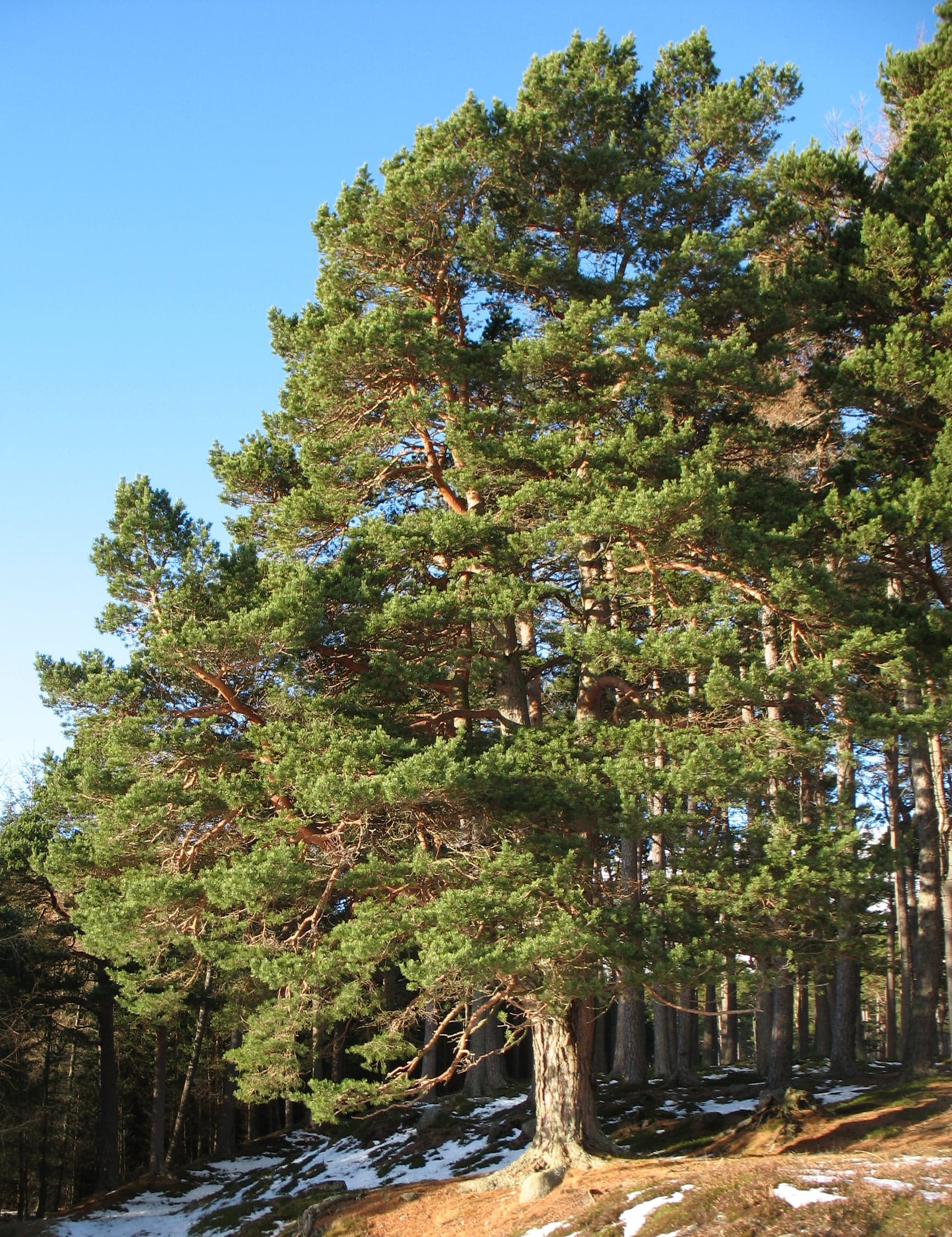
  • Árbol de Scots Pine

    Hello, I am Bruce on Flickr, via Wikimedia Commons

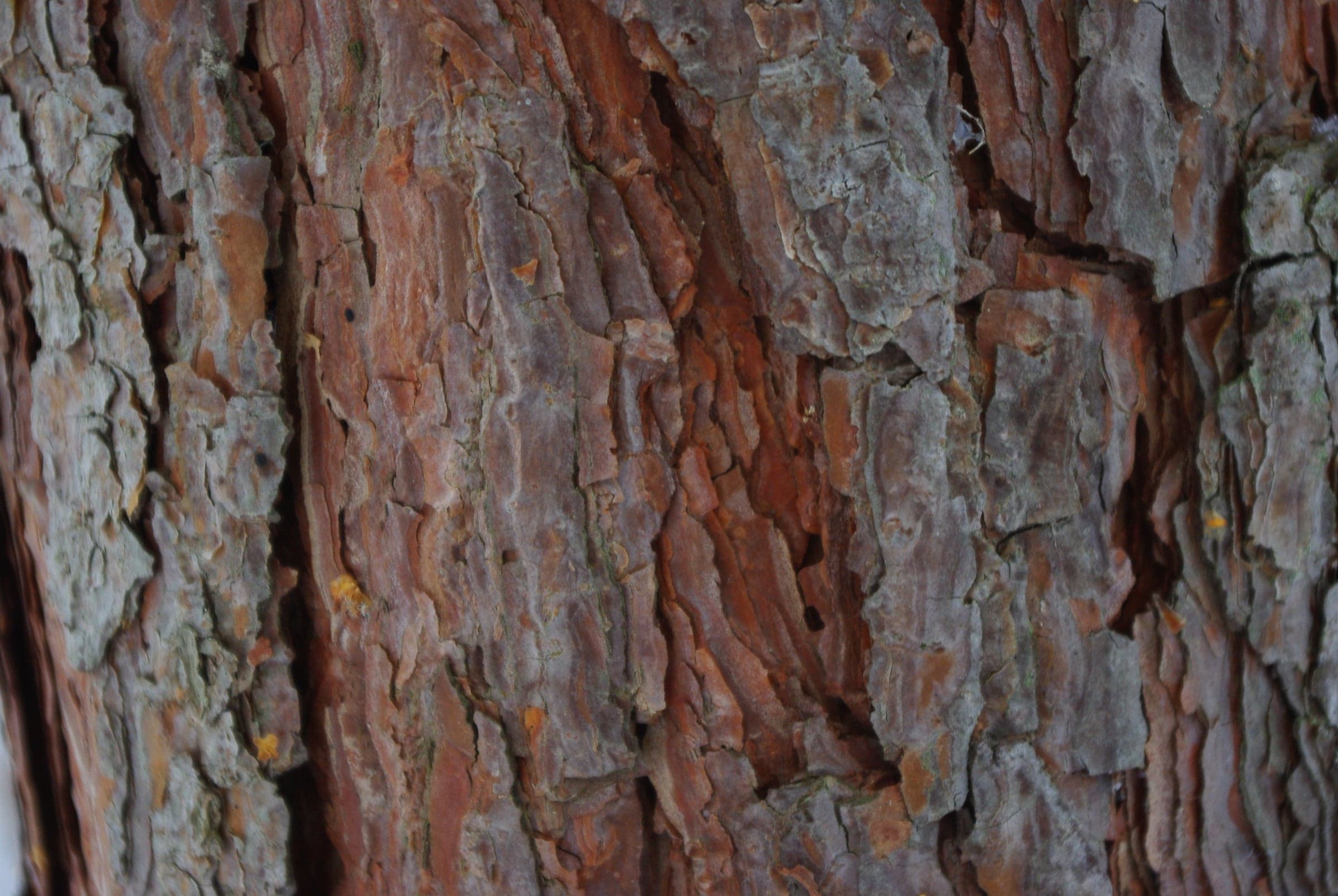
    Scots Pine: Corteza
    Corteza

    Ring spacing separates slow-grown northern stock, which is denser, more stable and considerably more attractive, from fast-grown material with wide soft bands. Baltic and Scandinavian slabs from higher latitudes tend toward the former.

    Blue stain shows as a grey-blue cast through the sapwood. It is a fungus that colonises freshly felled logs in warm damp conditions and it does not weaken the wood. Whether it is a flaw or a feature depends entirely on the piece.

    At the bench#

    This is the easiest wood in the catalogue to work. It cuts cleanly with hand and machine tools, it glues reliably, it takes fastenings well for a softwood, and it finishes without argument. For a first slab project, or for a maker working without a well equipped shop, it removes most of the ways a build can go wrong.

    The knots are where care is needed. They are much harder than the surrounding wood, frequently contain resin, and can tear out or spit under a planer knife. Take light cuts approaching a large knot, and be prepared to finish that area by hand or with a scraper. A helical cutterhead makes a substantial difference on knotty stock.

    Resin is present but far less troublesome than in larch or maritime pine. Blades will need occasional cleaning rather than constant attention.

    For gluing, ordinary PVA at moderate clamping pressure is sufficient. Avoid crushing the fibres by over-clamping, which starves the joint.

    Drying and movement#

    Scots Pine dries quickly and easily with a low tendency to distort, which is another reason it dominates commodity production. Slab stock in thick sections still benefits from air drying to around 20 percent followed by a controlled kiln finish.

    Volumetric shrinkage at roughly 13.6 percent is on the higher side for this group, with tangential movement at 8.3 percent against 5.2 percent radial. The ratio between the two is better than spruce or fir, which means flatsawn pine cups less aggressively than flatsawn spruce of the same width. It still moves, and a wide top should float rather than be fixed rigidly.

    Finishing, and the one trap#

    Pine takes wax exceptionally well, and wax over bare or lightly oiled pine is the traditional treatment that produces the look most people actually want from this wood. It also takes oils and modern hardwax finishes without difficulty.

    Pigment stains blotch, for the same reason they blotch on spruce: the density difference between earlywood and latewood makes absorption uneven. A conditioner or a dye rather than a pigment stain solves it.

    The trap is paint. Resin in and around knots stays mobile for years and will migrate straight through most primers, appearing as brown rings on a white surface months after the job looked finished. Seal every knot with shellac before priming. This is old advice and it is still the correct advice, because shellac remains the best barrier available for resin bleed.

    Where Scots Pine is the right answer#

    Farmhouse tables, painted and waxed furniture, panelling, carcass work, shelving, and traditional flooring where dents are understood as part of the character rather than a failure. It is the right answer whenever the budget is real, the shop is modest, or the piece is meant to look better in twenty years than it does on day one.

    It is the wrong answer for a surface that must stay unmarked, for exterior use without treatment, and for anything where a stained colour needs to stay exactly as applied.

    Sourcing and EUDR#

    Not CITES listed and assessed as Least Concern. Scots Pine has some of the most mature certified supply chains of any timber in Europe, with well established FSC and PEFC coverage through Scandinavia, the Baltics and Poland. Of everything in the KORENA catalogue, this is among the most straightforward species to document to EUDR standard, which is worth weighing if the paperwork burden on a project matters as much as the material.

    How do I stop resin bleeding through paint around knots?

    +

    Seal the knots with shellac before priming. Resin in and around knots stays mobile and will migrate through most primers and paints, showing as brown rings months later. Shellac is the traditional barrier for exactly this reason and it still works better than modern alternatives.

    Is Scots Pine the same as redwood or deal?

    +

    Yes. Redwood is the British trade name for Pinus sylvestris, and deal is an older term for pine boards of a particular size that came to be used loosely for the species. All three names refer to the same wood, which causes regular confusion when buyers compare quotes.

    8.3 %
    Contracción volumétricaCambio total de volumen desde verde hasta completamente seca. Un valor menor indica más estabilidad.13.6 %
    Durabilidad natural (EN 350)Norma europea de resistencia natural a la pudrición, de 1 (muy duradera) a 5 (perecedera).Class 4 — Slightly durable

    Fuentes

    • The Wood Database — Scots Pine (Pinus sylvestris)(consultada el 2026-08-12)
    • USDA FPL Wood Handbook FPL-GTR-190 (2010)(consultada el 2026-08-12)
    • Meier, E. — WOOD! Identifying and Using Hundreds of Woods Worldwide (2015)(consultada el 2026-08-12)

    Ventajas

    • Apta para principiantesFácil de trabajar en el banco y no tan dura como para castigar las herramientas.

    Ten en cuenta

    • No apta para exteriores sin tratarSu durabilidad natural es de clase 4 de 5 según EN 350. Mantenla en interiores o protégela con un acabado bien conservado.
    • Se mueve más que la mayoríaLos tableros anchos necesitan lengüetas o fijaciones ranuradas y espacio para moverse. Usa la calculadora de movimiento que aparece abajo.
    • El polvo es irritanteUsa extracción y mascarilla al lijar o mecanizar.

    Pulsa una etiqueta para ver los detalles.

    De un vistazo

    Los niveles usan intervalos fijos para todas las especies que ofrece KORENA, por lo que se pueden comparar directamente. Debajo de cada uno aparece el valor medido.
    DurezaResistencia a abolladuras y desgasteBlanda

    Dureza Janka: 2420 N

    Un 51 % más blanda que el roble europeo

    PesoCuánto pesa una tabla al levantarlaMedia

    550 kg/m³

    EstabilidadCuánto se reduce su movimiento estacionalInquieta

    13,6 % de contracción volumétrica

    TrabajoAserrado, cepillado, lijado y encoladoFácil

    4,0 / 5 de media en el banco

    Uso exteriorResistencia natural a la pudrición, EN 350Solo interior

    Clase 4 según EN 350

    • Aserrado · Muy buenaLa limpieza del corte y el desgaste que causa en las hojas.1 = difícil · 5 = excelente
    • Cepillado · Muy buenaLa suavidad de la superficie que deja y cuánto se desgarra la fibra.1 = difícil · 5 = excelente
    • Lijado · Muy buenaLa rapidez con la que queda lisa sin atascar el papel.1 = difícil · 5 = excelente
    • Torneado · Muy buenaCómo se corta y se acaba en el torno.1 = difícil · 5 = excelente
    • Tallado · BuenaLa nitidez con la que conserva los detalles al trabajarla con gubia.1 = difícil · 5 = excelente
    • Encolado · ExcelenteLa fiabilidad de las uniones encoladas.1 = difícil · 5 = excelente
    • Sujeción de tornillos / clavos · Muy buenaCómo sujeta tornillos y clavos sin rajarse.1 = difícil · 5 = excelente
    • Curvado al vapor · BuenaCómo admite las curvas después de aplicar vapor.1 = difícil · 5 = excelente

    Precio actual de venta de la madera de Scots Pine en Europa, por metro cúbico antes del IVA. Pulsa cualquier precio para ver los detalles.

    • Troncos selectos en subastaTroncos seleccionados de alta calidad vendidos en subastas mediante ofertas, principalmente a fabricantes de chapa y muebles. De troncos así se cortan las tablas.La mayoría de los precios están entre 108 € y 163 €.Basado en 71 precios de 2 regiones.Últimos datos: 21 sept 2026
    • Troncos corrientesGrandes volúmenes de madera en rollo estándar vendidos por propietarios forestales y organismos forestales estatales, principalmente para la construcción y la industria.La mayoría de los precios están entre 41 € y 125 €.Basado en 78 precios de 8 regiones.Últimos datos: 21 sept 2026

    Troncos selectos en subasta por país

    • Alemania · 153 € / m³Regiones: Bavaria44 preciosÚltimos datos: 21 sept 2026
    • Austria · 108 € / m³Regiones: Austria27 preciosÚltimos datos: 21 sept 2026

    Troncos corrientes por país

    • Bulgaria · 91 € / m³Regiones: North-West Bulgaria24 preciosÚltimos datos: 24 ago 2026
    • Suecia · 71 € / m³Regiones: Sweden Central25 preciosÚltimos datos: 30 jun 2026
    • Francia · 58 € / m³Regiones: Bourgogne-Franche-Comté y Grand Est / Alsace8 preciosÚltimos datos: 15 jun 2026

    ¿Por qué cuesta más una tabla?

    Estos son precios de madera en bruto. Una tabla es el mejor corte de un tronco, secado durante un año o más y después revisado y medido pieza por pieza. Solo una pequeña parte de cada tronco se convierte en tabla.

    Fuente: Índice de la madera de KORENA · Últimos datos: 21 sept 2026

    Ver todos los precios regionales
    Finlandia53 €
    Finlandia · 53 € / m³
    Regiones: Southern Finland (Etelä-Suomi)
    3 precios
    Últimos datos: 21 sept 2026
  • Noruega · 51 € / m³Regiones: Norway (national)3 preciosÚltimos datos: 21 sept 2026
  • Rumanía · 44 € / m³Regiones: Moldavia (Romania) y Transylvania15 preciosÚltimos datos: 14 sept 2026