KORENA
PuitFinished piecesTarvikudLaodAjakiri

Saa teavitus

Iga plank on ainulaadne. Kui see müüakse, on see läinud. Saadame teile kirja uute tükkide lisandumisel: värsked saabumised, uued puiduliigid ja projekti kirjeldusega sobivad lauad.

Mõni kiri kuus. Rämpsposti ei saada, loobuda saab igal ajal.

KORENA, kvaliteetne lehtpuit

Üks tükk korraga.

Kohapeal kontrollitud kvaliteetne lehtpuit, mida müüakse tükkhaaval. Iga plank pildistatakse, mõõdetakse ja saadetakse partnerlaost koos puidupassiga.

Pood

  • Sirvi tooteid
  • Müüdud plankude arhiiv
  • Jälgi tellimust

Teave

  • Ajakiri
  • Puuliikide juhendid
  • Sõnastik
  • Võrdle
  • Autorid

Abi

  • Meist
  • Kuidas see toimib
  • Muuda oma ladu partnerlaoks
  • Plangu hankimine
  • Klienditugi
  • Dokumendimallid
  • Meediale

Ostmine

  • Müügitingimused
  • Taganemisõigus
  • Tagastamine ja müüja vastutus lepingutingimustele mittevastavuse eest
  • Saatmine ja kohaletoimetamine

Usaldus

  • Privaatsuspoliitika
  • Küpsiste poliitika
  • Puidu päritolu ja EUDR
  • Ligipääsetavus

Rekvisiidid

  • Õigusteave ja rekvisiidid
  • Lubatud kasutus
  • Intellektuaalomand ja sisu

© 2026 KORENA. Kõik õigused kaitstud.

Teenust osutab Martial Labs Ltd. (Bulgaaria, EIK 207453941). KORENA on Martial Labs Ltd. ärinimi.

Austame sinu privaatsust

Kasutame vajalikke küpsiseid, et veebisait töötaks. Sinu loal kasutaksime küpsiseid ka analüütika, isikupärastatud sisu ja reklaamide jaoks. Saad oma valikut igal ajal muuta lehel nõusoleku eelistused. Vaata meie küpsiste poliitikat ja privaatsuspoliitikat.

  1. Avaleht
  2. /
  3. Puiduliigid
  4. /
  5. Douglas Fir

Pseudotsuga menziesii

Douglas Fir

Not a fir, and the stiffest softwood KORENA lists. Bold orange ring figure, structural strength, and a splinter you do not want to ignore.

  • Kasvatatud väljaspool Euroopat ja imporditud Euroopa ladude kaudu.
  • Botaaniline rühm. Okaspuid on paljasseemnetaimed, lehtpuid laialehised puud.
  • Botaaniline sugukond, kuhu liik kuulub.
Saa saabumisel teavitusVõrdluspuiduliik. Praegu pole tükke laos.
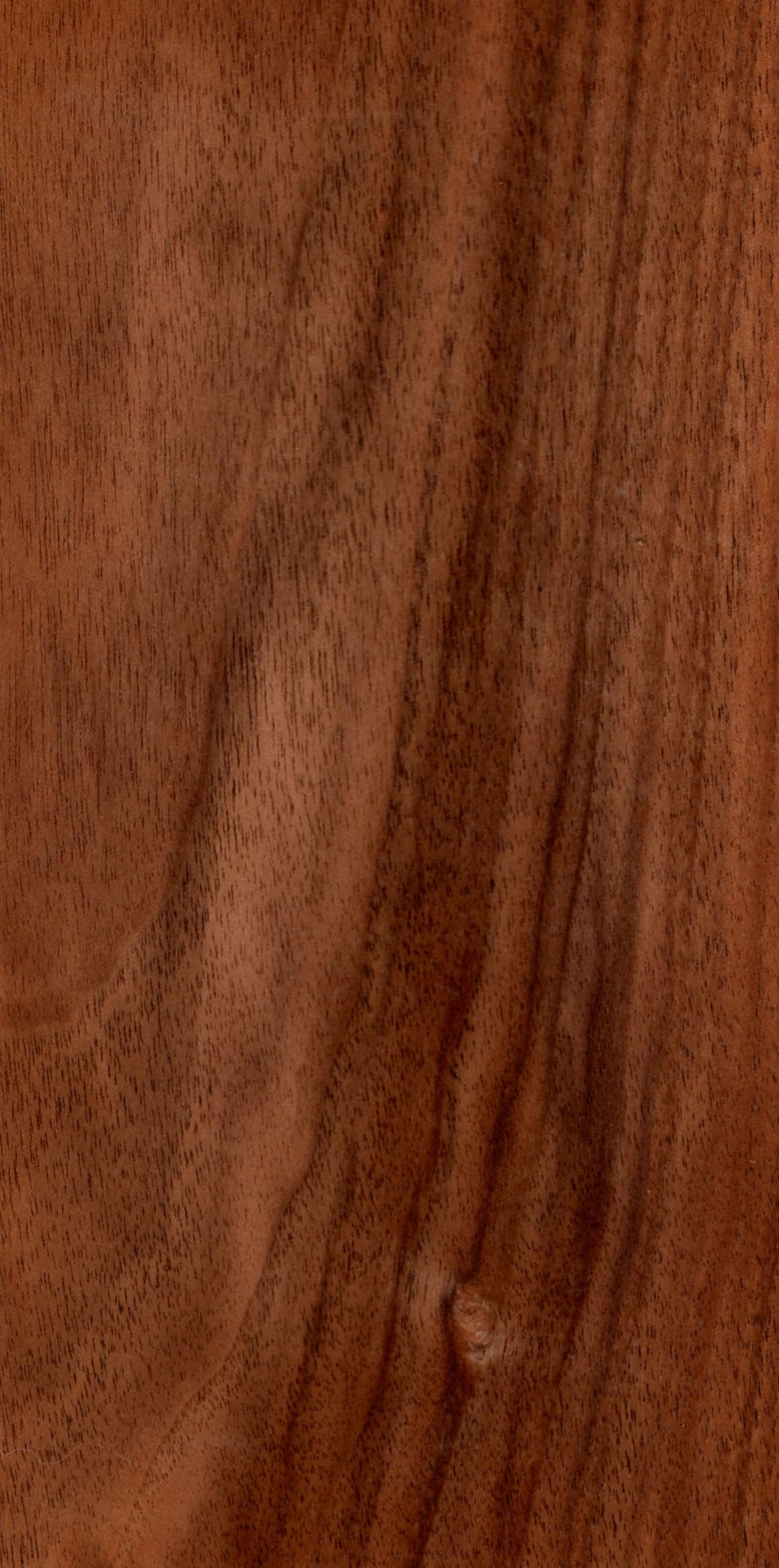
Puiduliigi Douglas Fir kiud
  • Sobivus projektile
  • Laos
  • Välimus
  • Töötlemine
  • Liikumine
  • Hind
  • Ohutus ja hankimine
  • Küsimused
  • Tehnilised andmed

Kas see sobib teie projektile?

Sobib hästi

  • Structural beams and exposed framing
  • Tabletops
  • Flooring
  • Exterior joinery
  • Shelving with long spans

Puiduliiki Douglas Fir praeguses valikus pole

Sarnased puiduliigid laos

Puiduliiki Douglas Fir praegu pole. Need puiduliigid sobivad samadeks projektideks ja neist on tükke saadaval.
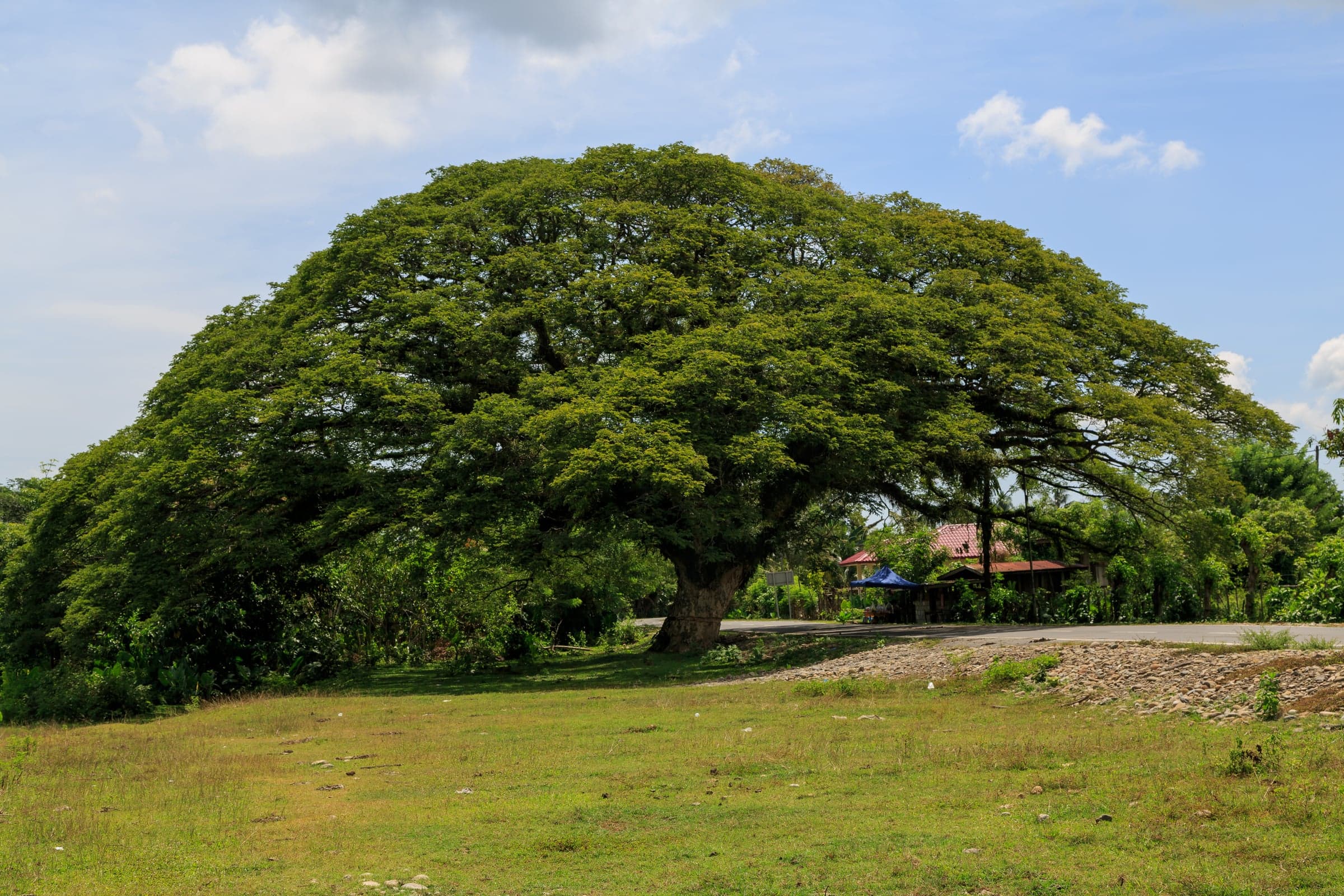
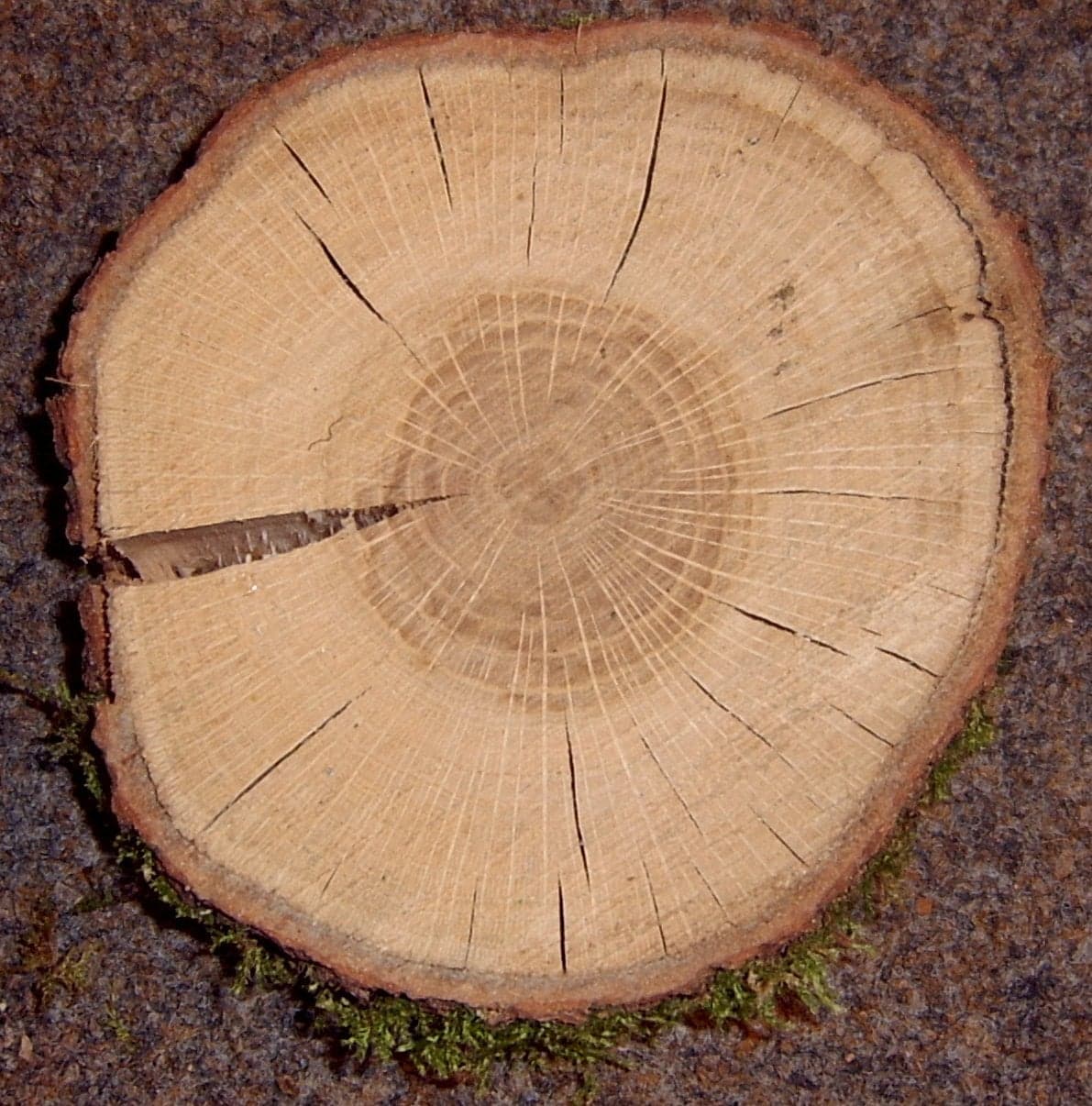
  • Puiduliigi Saman kiud

    Saman

    Samanea saman

    4 tükki

  • Puiduliigi European Oak kiud

    European Oak

    Quercus robur

    6 tükki

  • Puiduliigi European Walnut kiud

    European Walnut

    Juglans regia

    9 tükki

Saa teavitus puiduliigi Douglas Fir kohta

Saadame teile kirja, kui uued puiduliigi Douglas Fir plangud KORENAsse jõuavad. Iga tükk on ainulaadne, seega on varajasest teatest kasu.

Mõni kiri kuus. Rämpsposti ei saada, loobuda saab igal ajal.

Puidu välimus

Kuidas see välja näeb

Warm reddish tan to light brown heartwood with a distinctly orange cast, against pale sapwood. The ring figure is bold and high contrast because the latewood bands are dense and dark, giving flatsawn faces a strong flame pattern. It is one of the stiffest softwoods available, which is why it dominates structural engineered timber.

  • Reddish tan to light brown with a warm orange cast
  • Bold high contrast growth ring figure
  • Pale narrow sapwood, deepens with light exposure
  • Straight grain with bold, high-contrast growth rings from dense dark latewood. Reddish tan to light brown with a warm orange cast against pale sapwood.

Töötlemine

Töötlemine

Machines well but has a moderate blunting effect on cutters, noticeably more than spruce or pine. It accepts stains, glues and finishes well. The dense latewood bands are the machining challenge: they are much harder than the earlywood between them and can tear out where grain rises, leaving a ridged surface. Sharp tooling and light finishing cuts matter, and a helical head is a real advantage.

Viimistlus

Takes oil and clear finishes well and the colour deepens attractively toward a richer red brown. Like all species with strong density contrast between earlywood and latewood, it blotches under pigment stain, so a conditioner or dye is the safer route. Its natural colour is warm enough that most makers leave it clear.

Kuivatamine

Dries reasonably well but is prone to surface checking in thick sections if pushed, and European grown fast ring stock is more troublesome than slow grown material. Volumetric shrinkage at around 11.6 percent is the lowest in this group, which combined with a favourable tangential to radial ratio makes properly dried Douglas Fir one of the more stable softwoods in service.

Kui palju see liigub?

Puit paisub ja kahaneb laiuses, kui õhk muutub niiskemaks või kuivemaks. Hinnake puiduliigist Douglas Fir lauaplaadi hooajalist liikumist enne kinnituste kavandamist.

Lõige
Kus seda kasutatakse

Eeldatav hooajaline liikumine

umbes 8,3 mm

Kinnitage lauaplaat klotside või piluklambritega, mitte liimi ega pingul kruvidega.

Lineaarse kahanemise mudel: laius × (kahanemine ÷ 28% kiu küllastuspunkt) × niiskusesisalduse hooajaline muutus. Kasutab puiduliigi Douglas Fir puhul 7,3% tangentsiaalne kahanemist. Planeerimishinnang, mitte tagatis.

Kui palju see maksab

Ohutus ja hankimine

  • Kasvatatud väljaspool Euroopat ja imporditud Euroopa ladude kaudu.
  • IUCNi punase nimestiku seisund: selle liigi ülemaailmne looduskaitseline hinnang.
  • Reported to cause skin irritation, nausea, giddiness and runny nose, along with an increased likelihood of splinters becoming infected. That last point is worth taking seriously: Douglas Fir splinters are notorious for going septic. Gloves when handling rough stock and proper extraction during machining are advisable.

Loe täielikku juhenditPõhjalikud märkmed mustri, värvimuutuse, töötlemise ja stabiilsuse kohta.+

What Douglas Fir actually is#

Pseudotsuga menziesii is not a fir. It sits in its own genus, separate from the true firs of Abies, and the name is a historical accident that never got corrected. The distinction is not pedantry. Silver Fir is the softest wood in this catalogue at 1,420 N Janka; Douglas Fir is nearly twice as hard at 2,760 N, considerably stiffer, more durable, and much harder on cutting edges. Expecting one to behave like the other leads to bad decisions.

It is native to western North America and has been planted across Europe since the nineteenth century. That matters when buying, because European plantation stock and North American old growth are the same species performing quite differently.

Reading a Douglas Fir slab#

The colour is the immediate draw: a warm reddish tan with an orange cast that deepens under light toward a richer red brown. Against the pale narrow sapwood the contrast is clean.

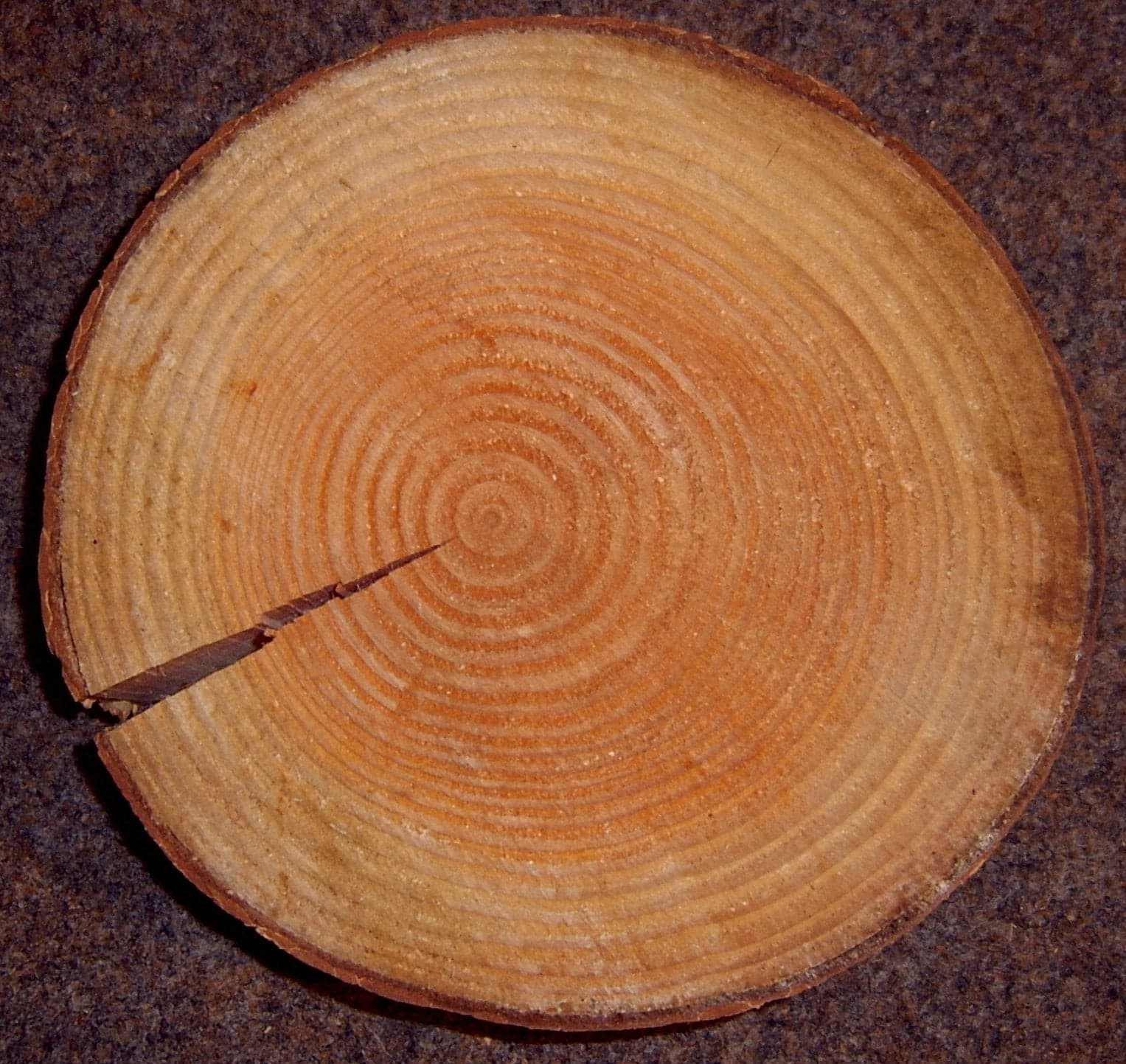
The ring figure is the real signature. Douglas Fir lays down dense dark latewood bands against much softer earlywood, and on a flatsawn face that produces a bold flame pattern with high contrast, closer to a ring-porous hardwood than to the quiet figure of spruce.

That same contrast is what you must read for quality. Ring spacing separates slow grown material, with a high proportion of dense latewood, from fast grown European plantation stock with wide soft earlywood bands. The slow grown board is stronger, more durable and more attractive. The fast grown one is neither wrong nor a bargain, it is simply a different material, and for structural or exterior work the difference is not cosmetic.

Ostjate küsimused

Ostjate küsimused

Is Douglas Fir actually a fir?

+

No. Pseudotsuga menziesii is its own genus, distinct from the true firs in Abies such as Silver Fir. The name is a historical misnomer that stuck. The practical consequence is that it behaves nothing like Silver Fir: it is far stiffer, harder, more durable and considerably more difficult on cutting edges.

How stiff is it compared to other softwoods?

+

Its elastic modulus is 12.17 GPa, the highest of any softwood KORENA lists and above European Larch at 11.80 GPa. Stiffness is why it dominates structural glulam and why it is the right choice for a long shelf or an unsupported span where deflection matters more than hardness.

Can I use it outdoors?

+

It is rated moderately durable regarding decay but is susceptible to insect attack, so it sits below European Larch for exterior work. It performs well in protected exterior joinery such as windows and doors under a maintained finish. For unprotected decking or ground contact, larch is the better choice from this group.

Why do Douglas Fir splinters get infected so often?

+

Mehaanilised omadused

Tehnilised andmed

Avaldatud võrdlusväärtused. Kui allikad erinevad, kuvatakse vahemik ja ülalolevatel skaaladel kasutatakse tüüpilist väärtust.

Tihedus (kg/m³)Mass kuupmeetri kohta umbes 12% niiskusesisalduse juures. Raskem puit on tavaliselt kõvem ja tugevam.510 kg/m³
Janka kõvadus (N)Jõud, mis on vajalik teraskuuli pooleldi puitu surumiseks. Standardne mõlgikindluse mõõt.2,760 N
MOR: paindetugevus (MPa)Paindetugevus: koormus, mille juures tala murdub.86 MPa
MOE: elastsusmoodul (GPa)Paindejäikus: kui palju riiul või lauaplaat koormuse all läbi paindub.12.2 GPa
Radiaalne kahanemineKahanemine risti kasvurõngastega toorest kuni täiesti kuivani. Nii liigub radiaalselt saetud saematerjal.4.5 %
Tangentsiaalne kahanemineKahanemine piki kasvurõngaid. Nii liiguvad tangentsiaalselt saetud lauad ja enamik planke.7.3 %

No machine-readable author provided. Lumbar~commonswiki assumed (based on copyright claims)., via Wikimedia Commons

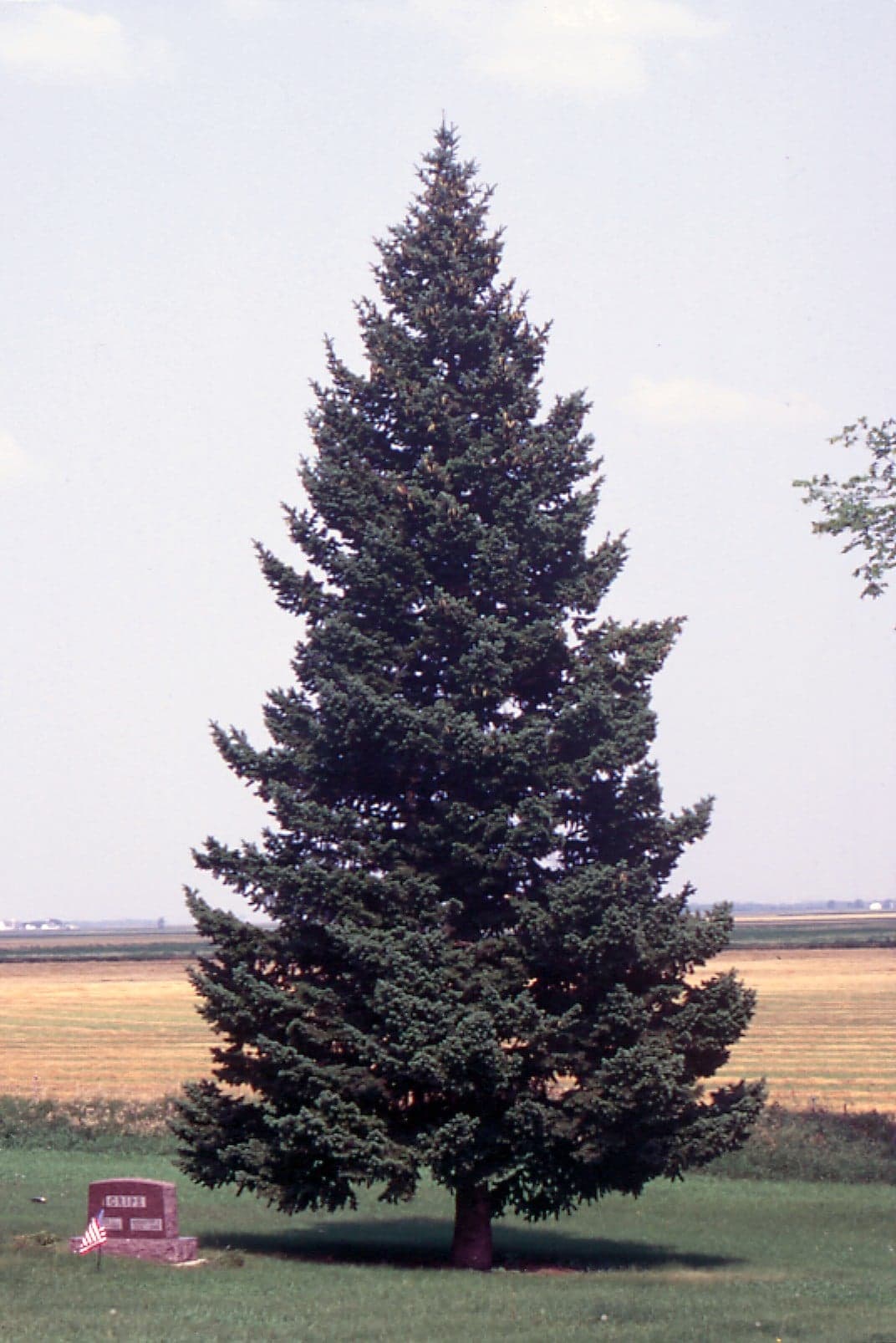
Pseudotsuga menziesii is native to western North America, from British Columbia to Mexico, and is not a European species. It has been planted extensively across Europe since the nineteenth century and much of the slab stock KORENA sees is European grown, which usually means faster growth and wider rings than old growth Pacific Northwest material.

  • Not listed in the CITES Appendices and assessed by the IUCN as Least Concern. It is not native to Europe, so European grown material is plantation stock rather than natural forest. Imported North American old growth carries a longer and more scrutinised supply chain under EUDR. European grown Douglas Fir is generally the simpler documentation path and the lower carbon one.

  • Puiduliigi Douglas Fir puu

    USDA-NRCS PLANTS Database / Herman, D.E. et al. 1996. North Dakota tree handbook. USDA NRCS ND State Soil C..., via Wikimedia Commons

    At the bench#

    Douglas Fir machines well but it will dull your tooling faster than any other softwood here. Plan for sharpening more often, and accept that a marginal blade produces a markedly worse result on this species than on pine.

    The density contrast between earlywood and latewood is the specific machining challenge. Where the grain rises, a hard latewood band can tear out while the soft earlywood either side cuts cleanly, leaving a ridged or stepped surface that a scraper must fix. Light finishing cuts help. A helical cutterhead helps a great deal more, and on wide slabs it is close to essential if you want a surface that needs minimal sanding.

    Gluing and fastening are straightforward. It takes stains, glues and finishes well, and it holds screws better than the softer conifers here, though pilot holes near end grain remain sensible.

    One practical warning that is not folklore: Douglas Fir splinters carry a documented increased likelihood of becoming infected. Wear gloves handling rough sawn stock, and deal with any splinter promptly rather than leaving it to work its way out.

    Stiffness, and why it matters#

    The number that distinguishes this species is its elastic modulus, 12.17 GPa, the highest of any softwood in the KORENA catalogue and above European Larch at 11.80 GPa. Stiffness is not hardness. Hardness resists denting; stiffness resists bending.

    For a slab that must span a distance without visible sag, a long shelf, an unsupported bench top, an exposed structural beam, stiffness is the property that governs the outcome, and Douglas Fir is the correct answer in this group. It is why the species dominates structural glulam and engineered timber worldwide.

    For a dining table that must resist a dropped pan, hardness governs, and Douglas Fir at 2,760 N is still soft. Choose on the property that matches the failure you actually care about.

    Drying and movement#

    It dries reasonably but is prone to surface checking in thick sections if the schedule is pushed, and fast grown European material is more troublesome in this respect than slow grown stock.

    The payoff is stability in service. Volumetric shrinkage at around 11.6 percent is the lowest of any species in this group, and the tangential to radial ratio at 7.3 against 4.5 percent is comparatively favourable. Properly dried Douglas Fir is one of the more dimensionally reliable softwoods once it is in the room.

    Where Douglas Fir is the right answer#

    Exposed structural work, long spans, tabletops where the orange ring figure is wanted, flooring, and protected exterior joinery such as windows and doors under a maintained finish.

    It is the wrong answer for unprotected exterior work in contact with ground or standing water, where it is rated moderately durable but insect susceptible and European Larch outperforms it. It is also the wrong answer if your tooling is marginal, because this species is unforgiving of dull edges in a way pine is not.

    Sourcing and EUDR#

    Not CITES listed and assessed as Least Concern. The EUDR consideration here is different from the rest of this group because the species is not European. Imported North American old growth carries a longer supply chain with more scrutiny attached. European grown plantation material generally offers both the simpler documentation path and the lower transport carbon, at the cost of the wider rings discussed above. KORENA listings record the yard and region, so which of the two you are buying is visible on the passport rather than inferred from price.

    This is a documented characteristic of the species rather than folklore. Splinters from Douglas Fir carry an increased likelihood of becoming infected, which is why gloves when handling rough sawn stock are worth the inconvenience. Clean and treat any splinter promptly rather than leaving it.

    Is European grown different from American?

    +

    Yes, materially. European plantation Douglas Fir grows faster, producing wider rings, a lower proportion of dense latewood, and lower strength and durability than old growth Pacific Northwest stock. Both are the same species and neither is wrong, but they are not interchangeable for structural or exterior work. Ring count is the thing to look at.

    Mahuline kahanemineMahu kogumuutus toorest kuni täiesti kuivani. Väiksem väärtus tähendab suuremat stabiilsust.11.6 %
    Loomulik vastupidavus (EN 350)Euroopa standard loomuliku mädanikukindluse kohta, 1 (väga vastupidav) kuni 5 (kergesti riknev).Class 3 — Moderately durable

    Allikad

    • The Wood Database — Douglas Fir (Pseudotsuga menziesii)(vaadatud 2026-08-12)
    • USDA FPL Wood Handbook FPL-GTR-190 (2010)(vaadatud 2026-08-12)
    • Meier, E. — WOOD! Identifying and Using Hundreds of Woods Worldwide (2015)(vaadatud 2026-08-12)

    Pange tähele

    • Ei sobi töötlemata kujul õueLoomulik vastupidavus on EN 350 järgi klass 3/5. Hoidke seda siseruumis või hooldatud viimistluskihi all.
    • Tolm ärritabKasutage väljatõmmet ning kandke lihvimisel või töötlemisel maski.

    Üksikasjade nägemiseks puudutage silti.

    Lühiülevaade

    Tasemed kasutavad kõigi KORENA puiduliikide jaoks samu vahemikke, seega saab neid otse võrrelda. Mõõdetud väärtus on iga taseme all.
    KõvadusVastupidavus mõlkidele ja kulumiseleÜsna pehme

    Janka kõvadus 2760 N

    45% pehmem kui tamm

    KaalKui raske on planku tõstaKerge

    510 kg/m³

    StabiilsusKui vähe see hooajati liigubKeskmine

    Mahuline kahanemine 11,6%

    TöötlemineSaagimine, hööveldamine, lihvimine ja liimimineKeskmine

    Töötlemise keskmine 3,7/5

    Kasutus õuesLoomulik mädanikukindlus, EN 350Õues katuse all

    EN 350 klass 3

    • Saagimine · Väga heaKui puhtalt see lõikub ja kui palju terasid kulutab.1 = raske · 5 = suurepärane
    • Hööveldamine · Väga heaKui sileda pinna jätab ja kui palju kiude välja rebib.1 = raske · 5 = suurepärane
    • Lihvimine · Väga heaKui kiiresti see siledaks lihvub ilma paberit ummistamata.1 = raske · 5 = suurepärane
    • Treimine · HeaKuidas see treipingil lõikub ja viimistletav on.1 = raske · 5 = suurepärane
    • Nikerdamine · HeaKui teravalt hoiab peitliga loodud detaile.1 = raske · 5 = suurepärane
    • Liimimine · Väga heaKui kindlalt liimliited peavad.1 = raske · 5 = suurepärane
    • Kruvi / naela pidavus · Väga heaKui hästi hoiab kruve ja naelu ilma lõhenemata.1 = raske · 5 = suurepärane
    • Aurupainutamine · HeaKui hästi võtab pärast aurutamist kaarja kuju.1 = raske · 5 = suurepärane

    Puiduliigi Douglas Fir praegune müügihind Euroopas kuupmeetri kohta enne käibemaksu. Üksikasjade nägemiseks puudutage hinda.

    • Parimad palgid oksjonilValitud kõrge sordi palgid, mida müüakse kirjaliku pakkumisega oksjonitel peamiselt spooni- ja mööblitootjatele. Sellistest palkidest lõigatakse planke.Enamik hindu jääb vahemikku 197 € kuni 203 €.Põhineb 52 hinnal 1 piirkonnast.Uusimad andmed 25. sept 2026
    • Tavalised palgidMetsaomanike ja riigimetsade müüdavad suured kogused tavalist ümarpuitu, peamiselt ehitusele ja tööstusele.Enamik hindu jääb vahemikku 28 € kuni 158 €.Põhineb 8 hinnal 2 piirkonnast.Uusimad andmed 15. sept 2026

    Miks maksab plank sellest rohkem?

    Need on toorpuidu hinnad. Plank on palgi parim lõige, mida kuivatatakse vähemalt aasta ning kontrollitakse ja mõõdetakse seejärel tükkhaaval. Igast palgist saab planguks vaid väike osa.

    Allikas: KORENA puiduindeks · Uusimad andmed 25. sept 2026

    Vaata kõiki piirkondlikke hindu