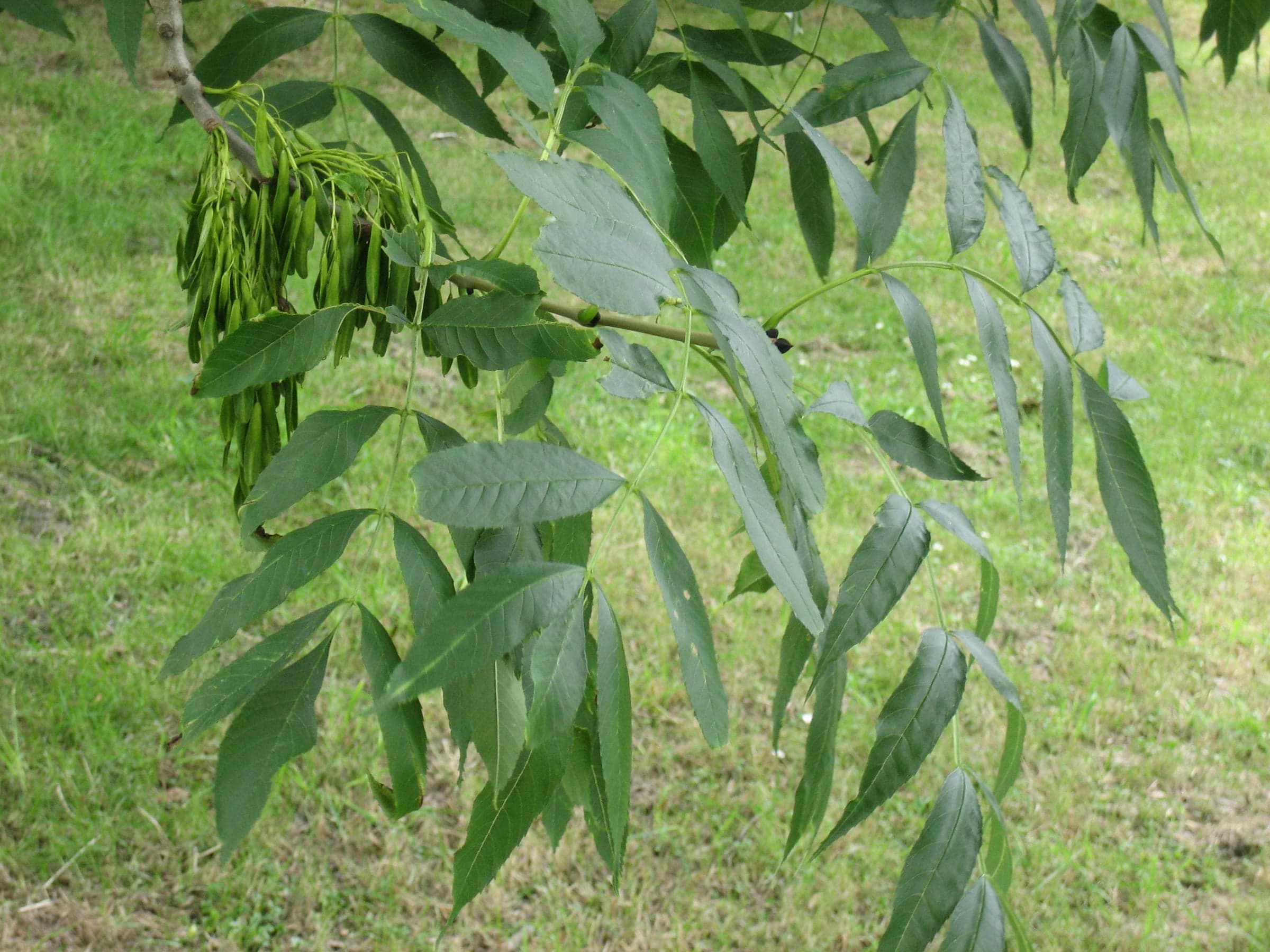
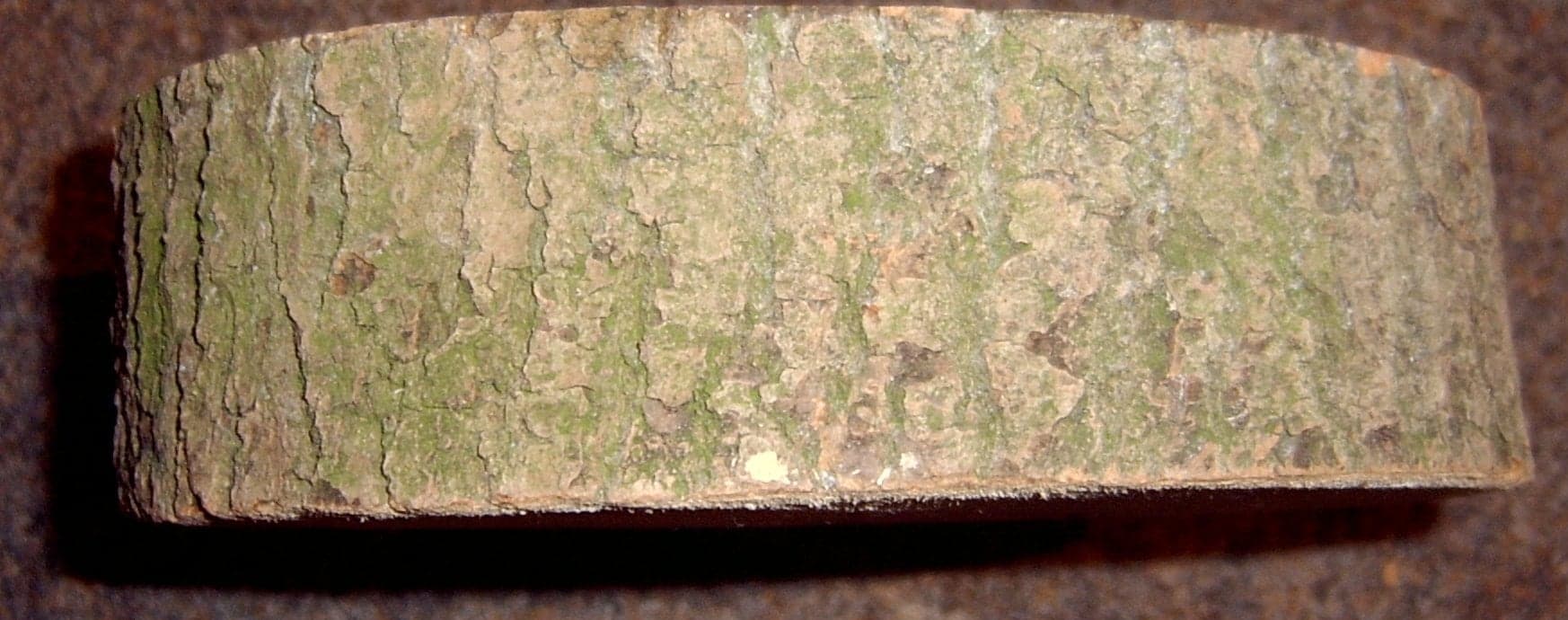
Fraxinus excelsior
European Ash
Pale, ring-porous hardwood with bold grain and the best steam-bending behaviour in Europe. Strong and tough, but strictly interior use.
- Kasvatatud ja raiutud Euroopas.
- Botaaniline rühm. Okaspuid on paljasseemnetaimed, lehtpuid laialehised puud.
- Botaaniline sugukond, kuhu liik kuulub.
Saa saabumisel teavitusVõrdluspuiduliik. Praegu pole tükke laos.
Kas see sobib teie projektile?
Sobib hästi
- Steam-bent chair frames and stools
- Dining tables and desks for interior use
- Cabinetry doors and drawer fronts
- Tool handles, sports equipment and shop fittings
- Wall panelling and architectural millwork
- Turned components and lighter-toned table legs
Puiduliiki European Ash praeguses valikus pole
Sarnased puiduliigid laos
Puiduliiki European Ash praegu pole. Need puiduliigid sobivad samadeks projektideks ja neist on tükke saadaval.



Saa teavitus puiduliigi European Ash kohta
Saadame teile kirja, kui uued puiduliigi European Ash plangud KORENAsse jõuavad. Iga tükk on ainulaadne, seega on varajasest teatest kasu.
Puidu välimus
Kuidas see välja näeb
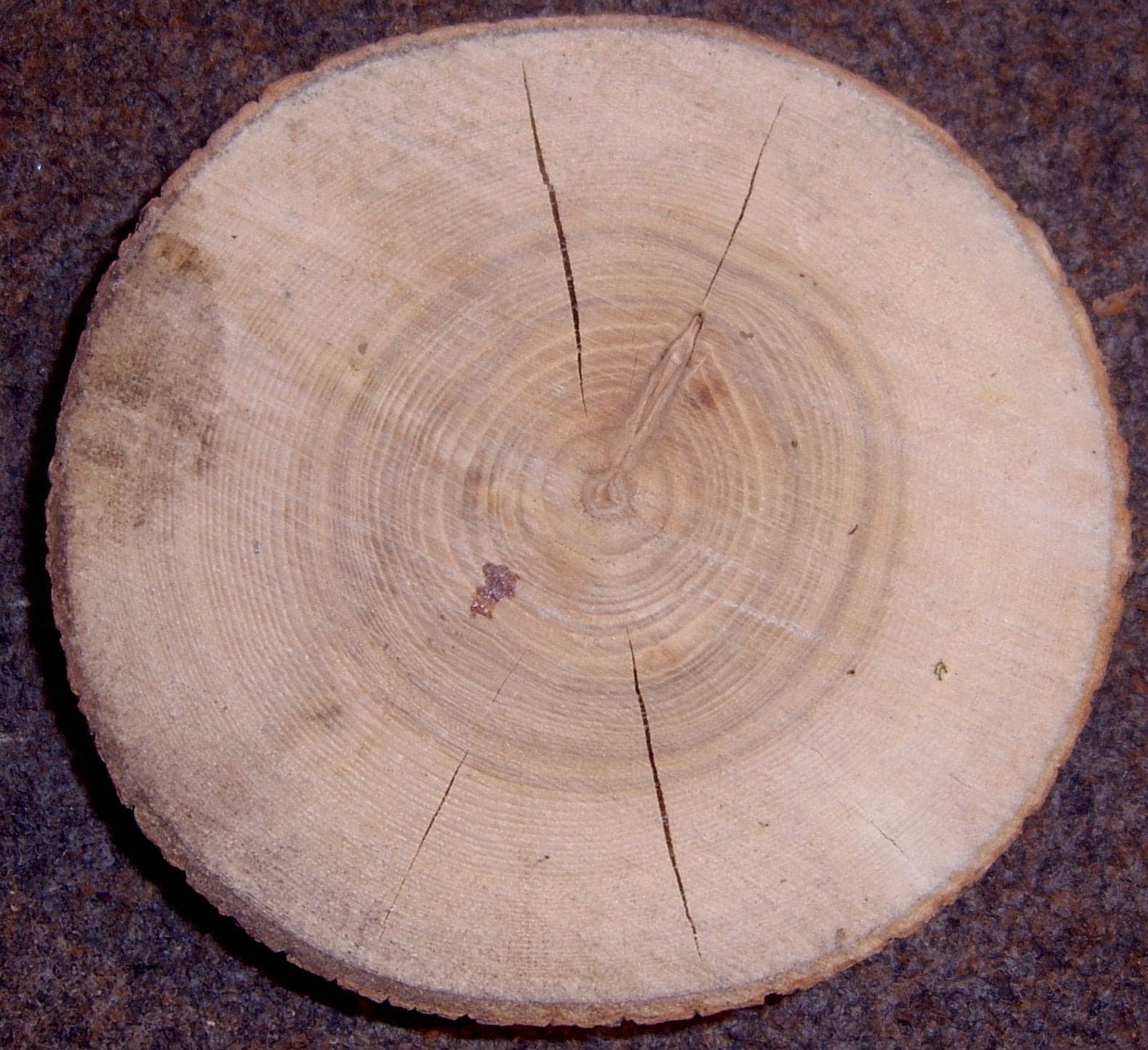
A pale hardwood with a creamy-white sapwood that blends into a light brown heartwood. Grain is straight and the texture coarse and uneven, with strong contrast between earlywood and latewood pores. Growth rings read clearly across a flat-sawn face, giving ash a bold, graphic look that suits modern furniture as much as traditional joinery. A lighter, more open-grained alternative to European oak, and a far cleaner, paler option than walnut.
- Creamy white to pale straw sapwood
- Light brown to olive-tinged heartwood
- Bold dark latewood lines against pale earlywood
- Mellows to a warmer honey tone with UV exposure
- Bleaches well for very pale, Nordic-style surfaces
- Straight grain, coarse uneven texture.
Töötlemine
Töötlemine
Works well with both hand and machine tools. Glues, screws and finishes predictably. Pre-drilling is sensible near edges given the density. Ash is one of the great steam-bending species, chair frames, tool handles and sports goods have relied on it for centuries, and it holds curves reliably once set. Sharp tooling matters: the coarse texture can tear out around knots and interlocked patches if blades are dull.
Viimistlus
Takes oils, hardwax, water-based and solvent finishes well. The open ring-porous structure benefits from grain filler if you want a glass-smooth surface, otherwise the texture stays visible and tactile. Stains evenly, but the porous earlywood drinks pigment faster than the dense latewood, which can exaggerate ring contrast. Test on offcuts before committing. Bleaches cleanly for very pale Scandinavian looks.
Kuivatamine
Dries at a moderate rate with a moderate risk of checking and minor distortion. Tangential shrinkage is roughly 1.6 times radial, so quarter-sawn stock stays flatter in service. Acclimatise to the workshop for at least two weeks before machining, and condition again before final assembly in heated interiors.
Kui palju see liigub?
Puit paisub ja kahaneb laiuses, kui õhk muutub niiskemaks või kuivemaks. Hinnake puiduliigist European Ash lauaplaadi hooajalist liikumist enne kinnituste kavandamist.
Eeldatav hooajaline liikumine
umbes 9,7 mm
Kinnitage lauaplaat klotside või piluklambritega, mitte liimi ega pingul kruvidega.
Lineaarse kahanemise mudel: laius × (kahanemine ÷ 28% kiu küllastuspunkt) × niiskusesisalduse hooajaline muutus. Kasutab puiduliigi European Ash puhul 8,5% tangentsiaalne kahanemist. Planeerimishinnang, mitte tagatis.
Kui palju see maksab
Ohutus ja hankimine
- Kasvatatud ja raiutud Euroopas.
- IUCNi punase nimestiku seisund: selle liigi ülemaailmne looduskaitseline hinnang.
Ash dust is a documented respiratory and skin sensitiser. Repeated exposure can trigger asthma-like symptoms and dermatitis in sensitive individuals. Use a P2/P3 mask, dust extraction at the tool, and long sleeves when sanding or routing. The wood itself is food-contact safe once cured and finished appropriately.
Loe täielikku juhenditPõhjalikud märkmed mustri, värvimuutuse, töötlemise ja stabiilsuse kohta.
What European Ash actually is#
Fraxinus excelsior is the tough one. At 6,580 N on the Janka scale it is harder than European oak by a third, and it combines that hardness with an elasticity that lets it absorb impact and spring back rather than splitting.
That combination is why ash became the handle wood of Europe. Hammer and axe handles, oars, hurleys, tennis racquets, cart frames and early aircraft structures were all ash, and the reason is a property that no single number captures: shock resistance.
The dieback situation#
Ash is the only species in this catalogue carrying an elevated IUCN status. It is assessed as Near Threatened, and the cause is Hymenoscyphus fraxineus, the fungus behind ash dieback, which has spread across Europe since the 1990s and killed a very large proportion of the standing population.
For a buyer today the effect is counterintuitive. Salvage felling has pushed volumes up and prices down, so ash is currently good value and widely available. The uncertainty is in the coming decades rather than this year.
The disease affects the living tree. Sound timber cut from an affected tree is sound timber, and there is no quality penalty in buying salvage ash provided it was converted and dried properly rather than left standing dead and allowed to spalt.
Reading an ash slab
Ostjate küsimused
Ostjate küsimused
Is ash affected by ash dieback, and does that matter for slabs?
Yes. Hymenoscyphus fraxineus has spread across Europe since the 1990s and the IUCN now assesses Fraxinus excelsior as Near Threatened, the only species in this catalogue with an elevated status. For buyers the practical effect is a lot of salvage felling: volumes are currently high and prices soft, but supply over the coming decades is uncertain. The disease affects the living tree, not the quality of sound timber cut from it.
Why is ash used for tool handles?
Shock resistance. Ash combines high hardness at 6,580 N with elasticity, so it absorbs impact and returns rather than splitting or shattering. That combination is why it has been the standard timber for hammer and axe handles, oars, hurleys and sports equipment for centuries, and why it steam bends so well.
Can ash be used outdoors?
No, not untreated. It is rated decay class 5, perishable, which is the lowest durability of any hardwood in this catalogue and a surprise given how tough it is mechanically. Strength and durability are unrelated properties. For exterior work choose oak, robinia or sweet chestnut.
What is olive ash?
Mehaanilised omadused
Tehnilised andmed
Avaldatud võrdlusväärtused. Kui allikad erinevad, kuvatakse vahemik ja ülalolevatel skaaladel kasutatakse tüüpilist väärtust.
| Tihedus (kg/m³)Mass kuupmeetri kohta umbes 12% niiskusesisalduse juures. Raskem puit on tavaliselt kõvem ja tugevam. | 620–740 kg/m³tüüpiline 680 kg/m³ |
|---|---|
| Janka kõvadus (N)Jõud, mis on vajalik teraskuuli pooleldi puitu surumiseks. Standardne mõlgikindluse mõõt. | 6,200–7,000 Ntüüpiline 6580 N |
| MOR: paindetugevus (MPa)Paindetugevus: koormus, mille juures tala murdub. | 105–130 MPa |
| MOE: elastsusmoodul (GPa)Paindejäikus: kui palju riiul või lauaplaat koormuse all läbi paindub. | 11.5–13.5 GPa |
| Radiaalne kahanemineKahanemine risti kasvurõngastega toorest kuni täiesti kuivani. Nii liigub radiaalselt saetud saematerjal. | 4.5–6.0 % |
| Tangentsiaalne kahanemineKahanemine piki kasvurõngaid. Nii liiguvad tangentsiaalselt saetud lauad ja enamik planke. |