KORENA
PuitFinished piecesTarvikudLaodAjakiri

Saa teavitus

Iga plank on ainulaadne. Kui see müüakse, on see läinud. Saadame teile kirja uute tükkide lisandumisel: värsked saabumised, uued puiduliigid ja projekti kirjeldusega sobivad lauad.

Mõni kiri kuus. Rämpsposti ei saada, loobuda saab igal ajal.

KORENA, kvaliteetne lehtpuit

Üks tükk korraga.

Kohapeal kontrollitud kvaliteetne lehtpuit, mida müüakse tükkhaaval. Iga plank pildistatakse, mõõdetakse ja saadetakse partnerlaost koos puidupassiga.

Pood

  • Sirvi tooteid
  • Müüdud plankude arhiiv
  • Jälgi tellimust

Teave

  • Ajakiri
  • Puuliikide juhendid
  • Sõnastik
  • Võrdle
  • Autorid

Abi

  • Meist
  • Kuidas see toimib
  • Muuda oma ladu partnerlaoks
  • Plangu hankimine
  • Klienditugi
  • Dokumendimallid
  • Meediale

Ostmine

  • Müügitingimused
  • Taganemisõigus
  • Tagastamine ja müüja vastutus lepingutingimustele mittevastavuse eest
  • Saatmine ja kohaletoimetamine

Usaldus

  • Privaatsuspoliitika
  • Küpsiste poliitika
  • Puidu päritolu ja EUDR
  • Ligipääsetavus

Rekvisiidid

  • Õigusteave ja rekvisiidid
  • Lubatud kasutus
  • Intellektuaalomand ja sisu

© 2026 KORENA. Kõik õigused kaitstud.

Teenust osutab Martial Labs Ltd. (Bulgaaria, EIK 207453941). KORENA on Martial Labs Ltd. ärinimi.

Austame sinu privaatsust

Kasutame vajalikke küpsiseid, et veebisait töötaks. Sinu loal kasutaksime küpsiseid ka analüütika, isikupärastatud sisu ja reklaamide jaoks. Saad oma valikut igal ajal muuta lehel nõusoleku eelistused. Vaata meie küpsiste poliitikat ja privaatsuspoliitikat.

  1. Avaleht
  2. /
  3. Puiduliigid
  4. /
  5. European Yew

Taxus baccata

European Yew

Rare, culturally significant, and exceptionally durable. Dramatic orange-red heartwood against cream sapwood, and the wood of the English longbow.

  • Kasvatatud ja raiutud Euroopas.
  • Botaaniline rühm. Okaspuid on paljasseemnetaimed, lehtpuid laialehised puud.
  • Botaaniline sugukond, kuhu liik kuulub.
Saa saabumisel teavitusVõrdluspuiduliik. Praegu pole tükke laos.
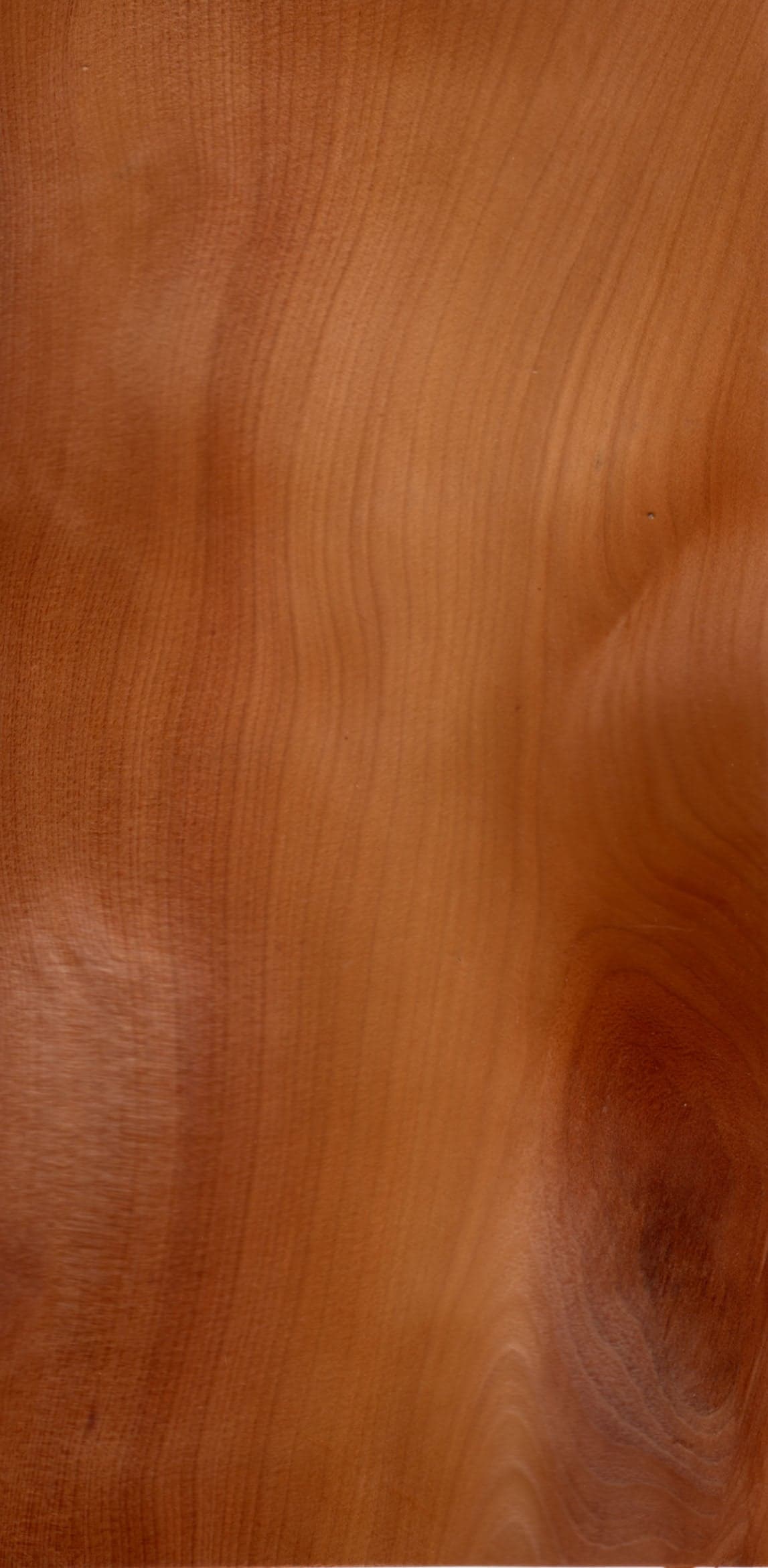
Puiduliigi European Yew kiud
  • Sobivus projektile
  • Laos
  • Välimus
  • Töötlemine
  • Liikumine
  • Hind
  • Ohutus ja hankimine
  • Küsimused
  • Tehnilised andmed

Kas see sobib teie projektile?

Sobib hästi

  • Turned bowls, vessels, and spindles (a traditional turner's wood)
  • Longbows and traditional archery stock
  • Decorative wall panels and feature surfaces
  • Cabinet accents, drawer fronts, and inlay
  • Small statement furniture, side tables, stools, lamp bases
  • Carved and sculptural pieces

Puiduliiki European Yew praeguses valikus pole

Sarnased puiduliigid laos

Puiduliiki European Yew praegu pole. Need puiduliigid sobivad samadeks projektideks ja neist on tükke saadaval.
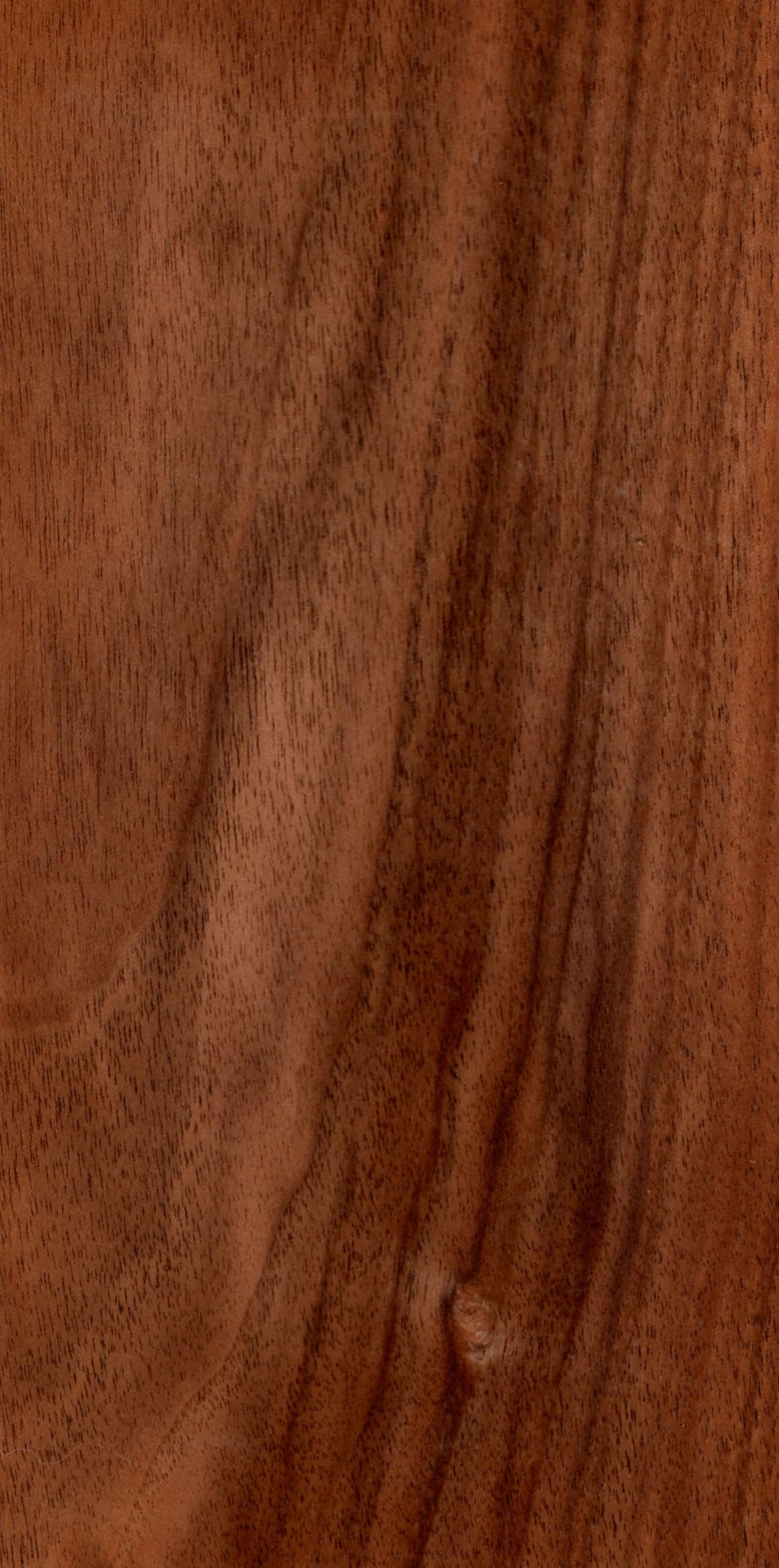
  • Puiduliigi European Walnut kiud

    European Walnut

    Juglans regia

    9 tükki

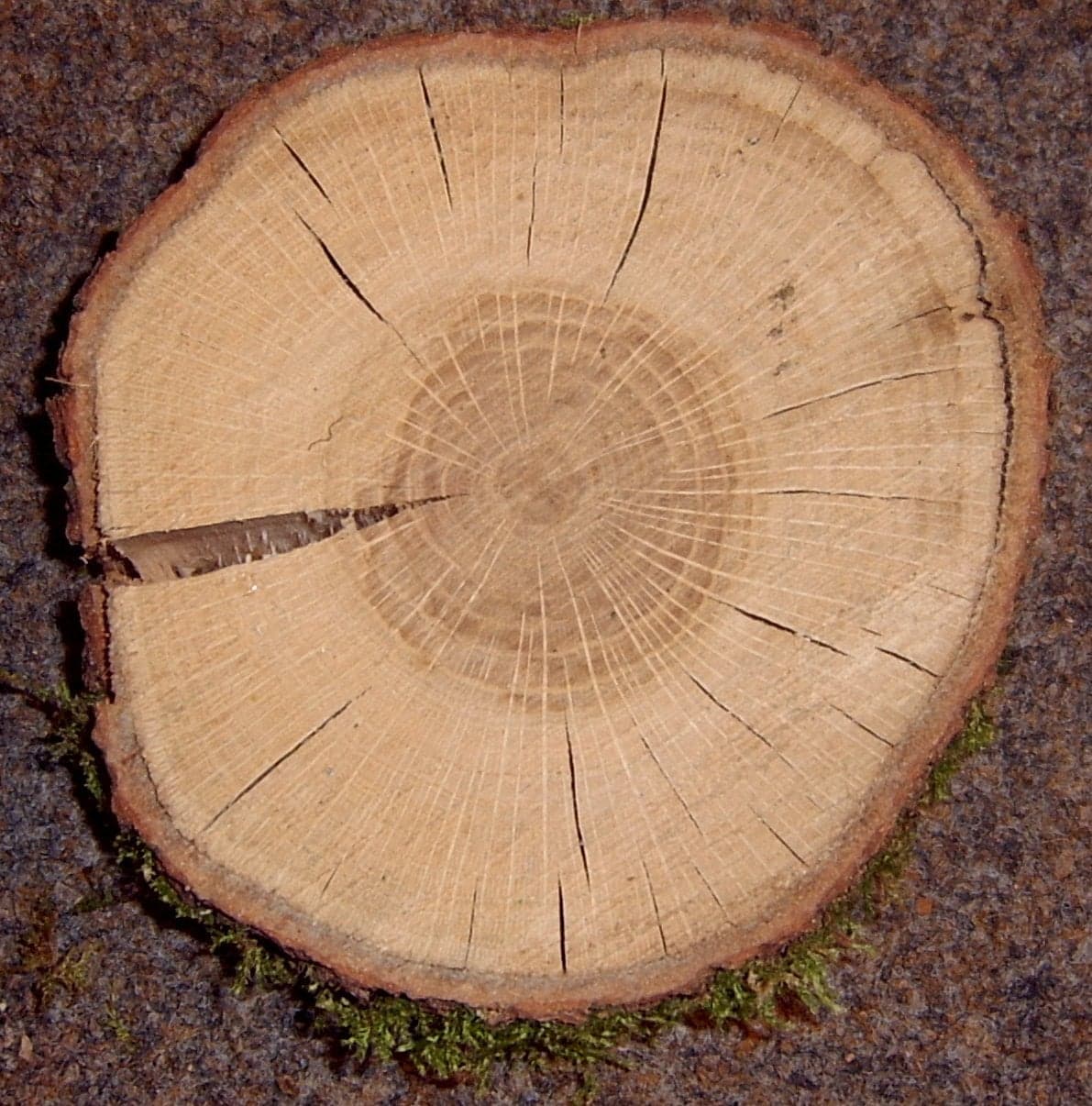
  • Puiduliigi European Oak kiud

    European Oak

    Quercus robur

    6 tükki

  • Puiduliigi Saman kiud

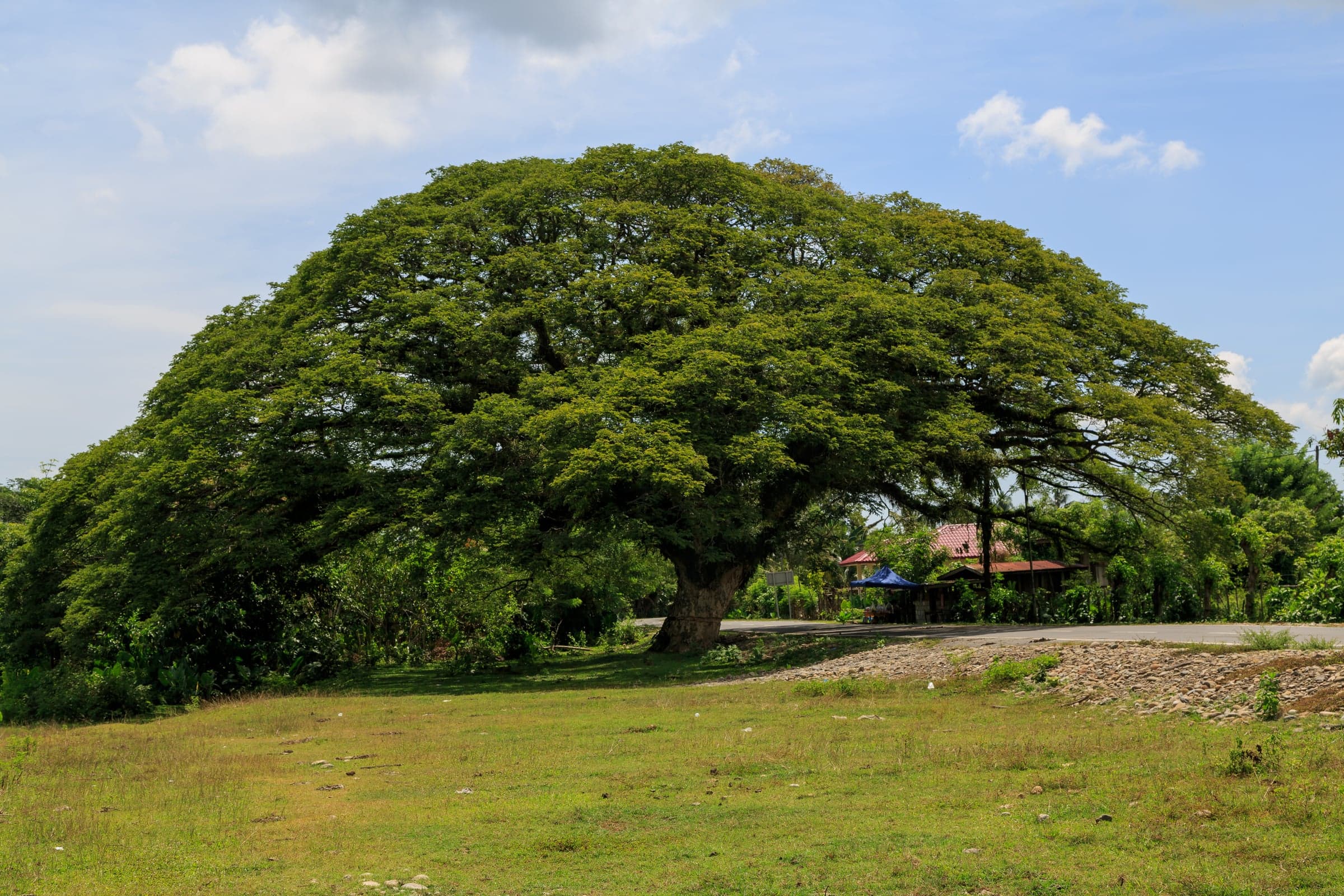
    Saman

    Samanea saman

    4 tükki

Saa teavitus puiduliigi European Yew kohta

Saadame teile kirja, kui uued puiduliigi European Yew plangud KORENAsse jõuavad. Iga tükk on ainulaadne, seega on varajasest teatest kasu.

Mõni kiri kuus. Rämpsposti ei saada, loobuda saab igal ajal.

Puidu välimus

Kuidas see välja näeb

Sharp two-tone contrast: warm orange-red to honey-brown heartwood beside pale cream sapwood. Grain is generally straight but often irregular around frequent pin knots and burl figure. Texture is fine and even, with a natural lustre that deepens under oil. Boards are typically narrow and full of incident, sweeping sapwood lines, knot clusters, and occasional burl pockets are the norm, not the exception.

  • Heartwood: warm orange-red to honey-brown, ambering over time
  • Sapwood: pale cream to near-white, sharply defined against the heart
  • Frequent pin knots and burl figure, often clustered
  • Natural lustre that deepens under oil and wax
  • Strong two-tone contrast that softens but never disappears with age
  • Generally straight, often irregular; fine even texture.

Töötlemine

Töötlemine

Turns superbly, one of the great turning woods, prized for centuries. Saws and sands cleanly. Planing is the catch: interlocked grain around knots tears easily, so take light passes with a sharp, high-angle iron or scrape. Holds detail well in carving. Glues and screws without fuss. Steam-bends well, which is why it became the longbow wood.

Viimistlus

Takes oil and wax beautifully, a thin oil coat ignites the orange-red heartwood without muddying the cream sapwood. Sands to a near-polished surface straight off the belt. Watch for resin pockets that can bleed under film finishes; seal first with shellac if you plan to lacquer. The colour darkens and ambers over time; UV-stable topcoats slow the shift but won't stop it.

Kuivatamine

Dries slowly but with very little movement once stable, shrinkage is among the lowest of any European species. End-checks and surface checks are the main risks during initial drying; slabs from fallen trees often arrive with existing checks that should be stabilised before milling final thickness.

Kui palju see liigub?

Puit paisub ja kahaneb laiuses, kui õhk muutub niiskemaks või kuivemaks. Hinnake puiduliigist European Yew lauaplaadi hooajalist liikumist enne kinnituste kavandamist.

Lõige
Kus seda kasutatakse

Eeldatav hooajaline liikumine

umbes 6,1 mm

Kinnitage lauaplaat klotside või piluklambritega, mitte liimi ega pingul kruvidega.

Lineaarse kahanemise mudel: laius × (kahanemine ÷ 28% kiu küllastuspunkt) × niiskusesisalduse hooajaline muutus. Kasutab puiduliigi European Yew puhul 5,3% tangentsiaalne kahanemist. Planeerimishinnang, mitte tagatis.

Kui palju see maksab

Ohutus ja hankimine

  • Kasvatatud ja raiutud Euroopas.
  • IUCNi punase nimestiku seisund: selle liigi ülemaailmne looduskaitseline hinnang.
  • Yew is toxic. Taxine alkaloids are present throughout the tree, needles, bark, and seeds are dangerous, and the wood itself is a documented sensitiser. Heavy dust exposure has been linked to cardiac and CNS effects. Wear a fitted respirator, run extraction, and keep offcuts away from animals and children. NOT food-safe. Do not use for cutting boards, chopping blocks, utensils, serving boards, or any surface in contact with food or drink. Treat it as a decorative and structural wood only.

Loe täielikku juhenditPõhjalikud märkmed mustri, värvimuutuse, töötlemise ja stabiilsuse kohta.+

What European Yew actually is#

Taxus baccata is a conifer that behaves like nothing else. At 6,760 N Janka it is harder than oak, ash or hard maple. At decay class 1 it is the most durable species in this catalogue alongside robinia. And it carries a colour that no other European timber approaches: vivid orange-red to purple-brown heartwood against narrow cream sapwood.

KORENA lists it as a hardwood on the basis of how it works and performs, though botanically it is a softwood. Treating it as a softwood at the bench would give you entirely the wrong expectations.

It is also poisonous, which governs a good deal of how it should be handled.

The toxicity, which is not a footnote#

Almost every part of the yew tree contains taxine alkaloids, which are cardiotoxic. The dust is a documented irritant and sensitiser, and the wood is recorded here as not food safe.

The practical rules are simple and worth following without exception. Run extraction and wear a mask when machining. Never use yew for chopping boards, food contact surfaces, drinking vessels or utensils. Keep shavings and offcuts away from animals, for which yew ingestion is frequently fatal, and never put them in bedding, mulch or compost.

None of this makes yew unsafe to own or to use in furniture. Finished, sealed yew is not a hazard. The risk is in the dust and the offcuts.

Ostjate küsimused

Ostjate küsimused

Is yew poisonous to work with?

+

Yes, and this needs taking seriously. Almost every part of the tree contains taxine alkaloids, which are cardiotoxic. The dust is a documented irritant and sensitiser, and yew is recorded here as not food safe. Run extraction, wear a mask, never use it for food contact or drinking vessels, and keep shavings away from animals, for which yew is often fatal.

Why is yew so expensive?

+

Slow growth, small sizes and high wastage. Yew grows very slowly, trunks are often hollow or fluted rather than round, and the proportion of clean usable timber from a log is low. Add high demand from turners and furniture makers for its colour and figure, and prices stay well above other European species.

How durable is it really?

+

Decay class 1, very durable, the highest rating in this catalogue alongside robinia. Yew heartwood is exceptionally resistant to rot and insect attack, which is why yew fence posts and structures survive for generations and why it was used for water pipes and boat parts.

Is it a softwood or a hardwood?

+

Botanically yew is a conifer and therefore a softwood, but it behaves nothing like one. At 6,760 N Janka it is harder than oak, ash or maple, and it is denser and more durable than most hardwoods here. KORENA classifies it as hardwood in the catalogue on the basis of how it works and performs rather than its botany.

Mehaanilised omadused

Tehnilised andmed

Avaldatud võrdlusväärtused. Kui allikad erinevad, kuvatakse vahemik ja ülalolevatel skaaladel kasutatakse tüüpilist väärtust.

Tihedus (kg/m³)Mass kuupmeetri kohta umbes 12% niiskusesisalduse juures. Raskem puit on tavaliselt kõvem ja tugevam.580–720 kg/m³tüüpiline 675 kg/m³
Janka kõvadus (N)Jõud, mis on vajalik teraskuuli pooleldi puitu surumiseks. Standardne mõlgikindluse mõõt.6,300–7,100 Ntüüpiline 6760 N
MOR: paindetugevus (MPa)Paindetugevus: koormus, mille juures tala murdub.90–115 MPa
MOE: elastsusmoodul (GPa)Paindejäikus: kui palju riiul või lauaplaat koormuse all läbi paindub.9.5–11.0 GPa
Radiaalne kahanemineKahanemine risti kasvurõngastega toorest kuni täiesti kuivani. Nii liigub radiaalselt saetud saematerjal.3.0–4.0 %
Tangentsiaalne kahanemineKahanemine piki kasvurõngaid. Nii liiguvad tangentsiaalselt saetud lauad ja enamik planke.

Achim Raschka (talk), via Wikimedia Commons

  • Veneers and book-matched panels
  • Tugevused

    • Õues vastupidavEN 350 klass 1/5: peab õues ilma töötluseta mädanikule vastu.
    • Väga stabiilneVäike hooajaline liikumine. Sobib laiade lauaplaatide ja täpsete ühenduste jaoks.

    Native across Europe, but standing yew is scarce. Ancient churchyard and estate yews are protected; commercial slabs come almost entirely from felled or fallen estate trees. Expect small, character-heavy boards rather than long clean stock.

  • IUCN Least Concern and not CITES-listed, but slow-grown and culturally protected across much of Europe. Most marketplace yew is salvage from estate fellings, storm-fall, or managed thinning of younger plantation stock. Ask about provenance, a clean DDS matters more here than with faster-growing species.

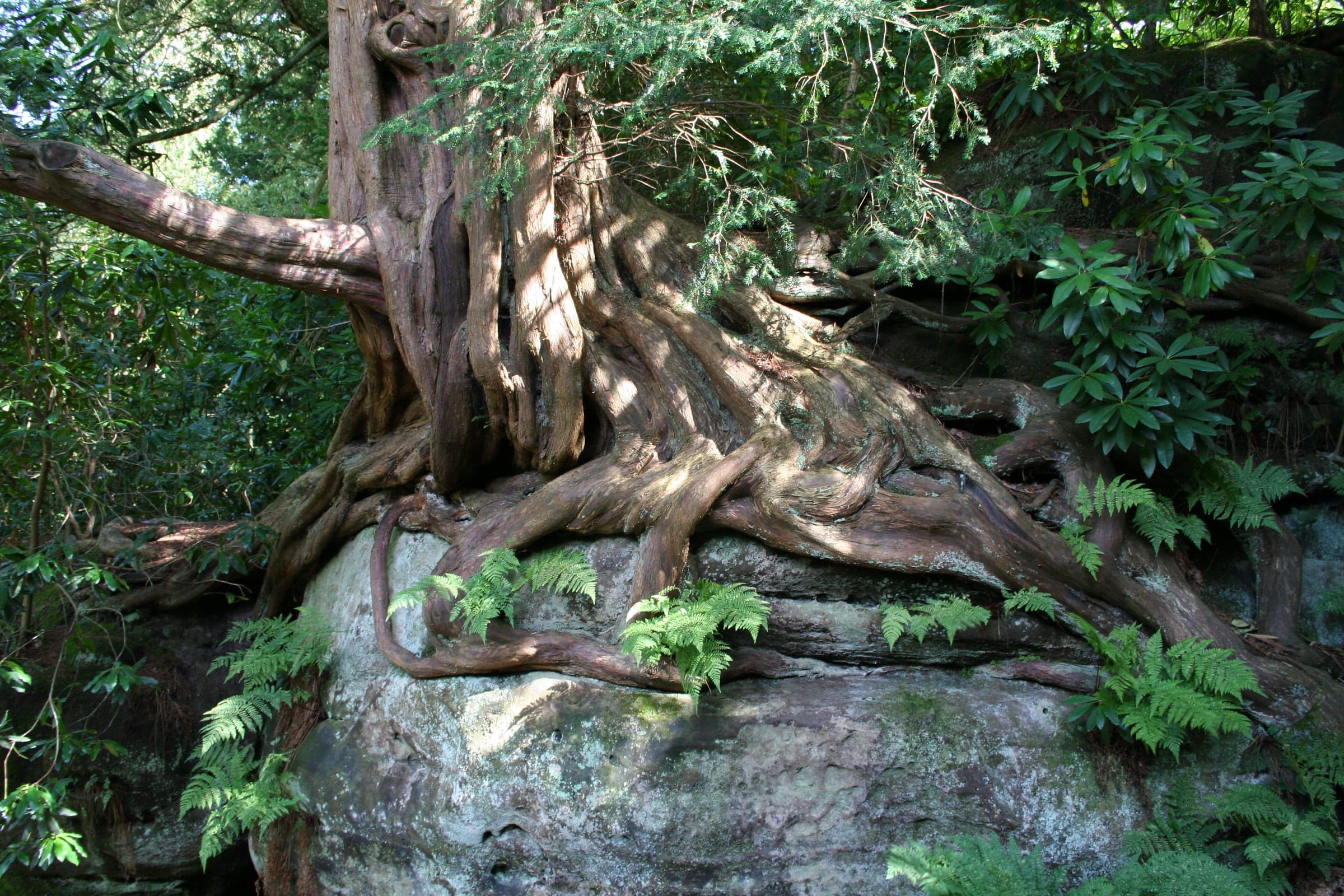
  • Puiduliigi European Yew puu

    Marco Schmidt [1], via Wikimedia Commons

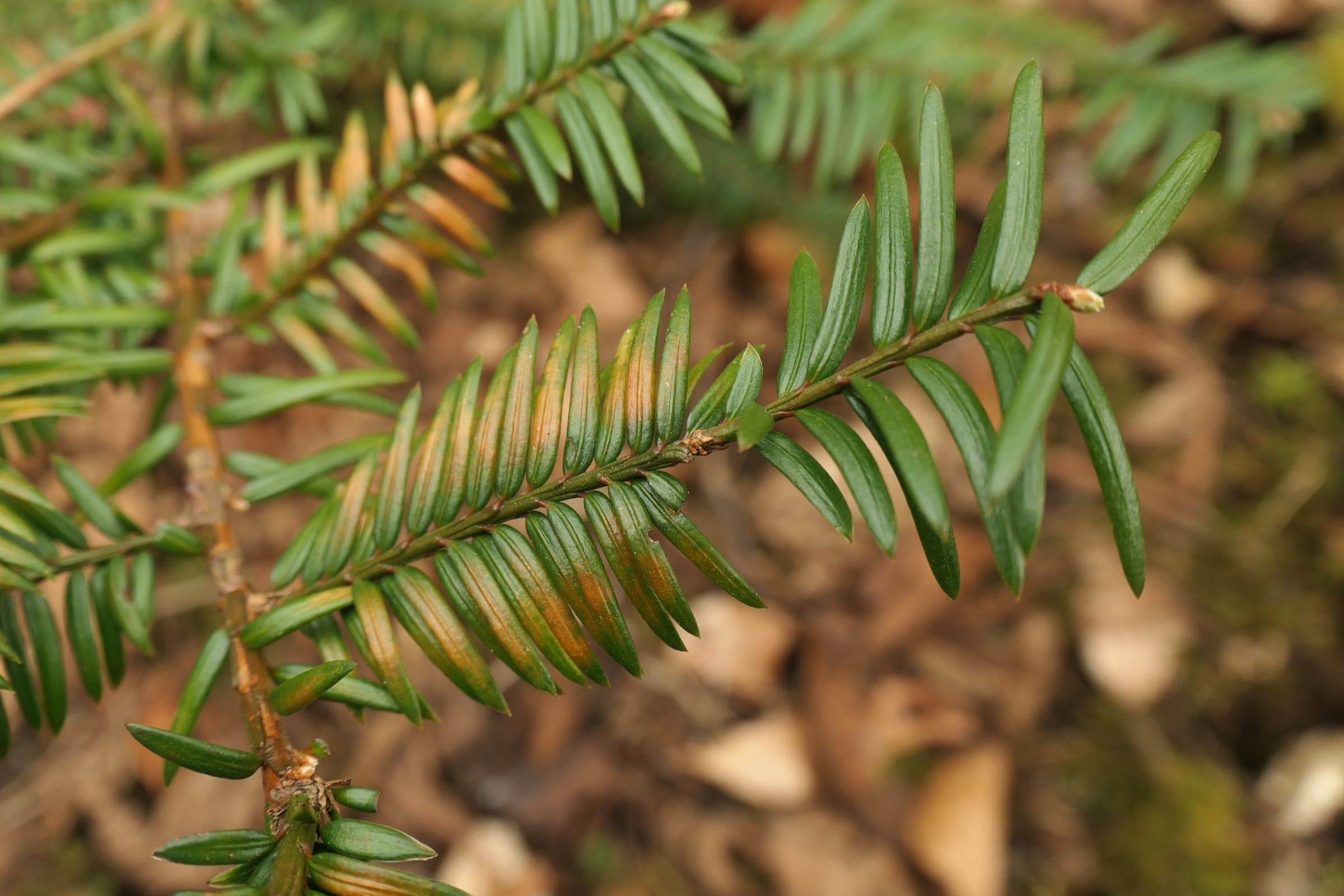
    European Yew: Leht
    Leht
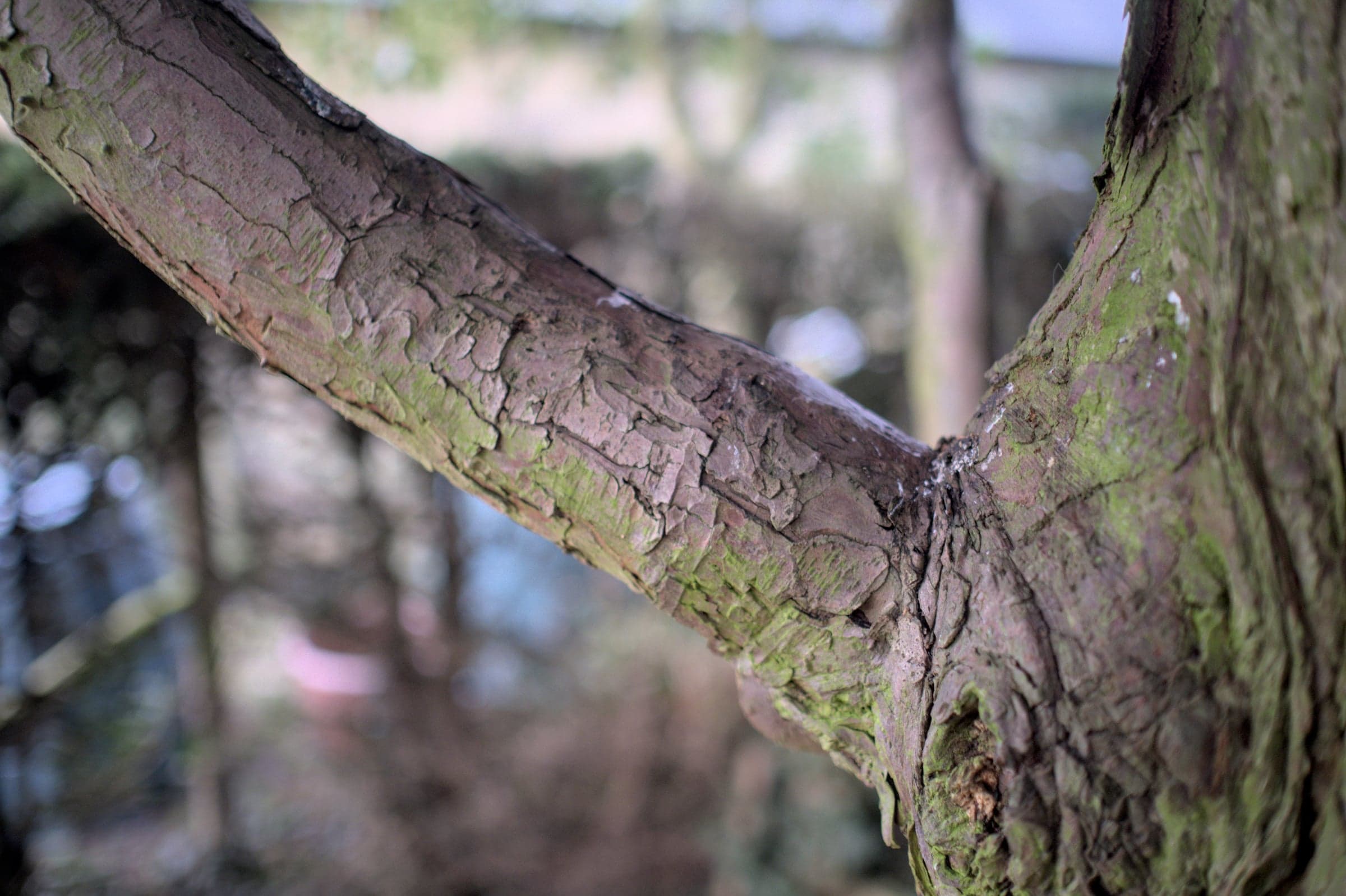
    European Yew: Koor
    Koor

    Reading a yew slab#

    The contrast is the point. Heartwood runs orange-red through to purple-brown, sometimes almost violet when freshly cut, against sapwood that is nearly white. On a live edge slab that pale band is usually left in place, and it is the defining feature.

    Yew is rarely plain. Expect frequent knots, wavy and interlocked grain, and pippy or burr sections. Trunks are often hollow or deeply fluted rather than round, so boards are irregular and wide clean lengths are genuinely scarce.

    That irregularity is most of the appeal and most of the price.

    At the bench#

    Yew works well for its hardness but the grain will fight you. Knots are frequent and hard, wavy grain reverses direction, and burr sections tear out readily.

    Light cuts, very sharp tooling, and a scraper or high angle plane for the final surface. On burr and pippy material, hand finishing is normal.

    It turns superbly, which is why yew is a favourite among bowl turners, and it takes a fine polished surface directly from the tool. It glues and finishes well, and oil finishes intensify the orange dramatically.

    The colour deepens and mellows with light exposure toward a richer red brown.

    Stability#

    Volumetric shrinkage of 7.8 percent is the second lowest in this catalogue after Saman, with tangential at 4.8 percent against radial at 3.0 percent. Both the total and the differential are low.

    That means yew is dimensionally very well behaved, which combined with its durability explains why it survives in structures and objects for centuries. Drying is slow given the density and irregular form, but the dried wood is stable.

    Where European Yew is the right answer#

    Turned work above all, plus fine furniture, decorative slabs, veneer and any piece where the colour carries the design. Its durability and stability also suit exterior work where the cost is justified, and it was historically used for gate posts, water pipes and boat parts.

    The longbow association is real: yew's combination of compressive strength in the heartwood and tensile strength in the sapwood is what made the English longbow work, with the two layers doing different jobs.

    It is the wrong answer for food contact, for large matched volumes, and for anyone unwilling to manage the dust properly.

    Sourcing and EUDR#

    Not CITES listed and assessed as Least Concern, though slow growth and small sizes mean supply is limited and much of it comes from garden, churchyard and estate felling rather than forestry. Provenance documentation deserves attention here, and KORENA records the yard and region on every listing.

    The sapwood, and why it stays#

    On almost every species in this catalogue, sapwood is the part you cut off. On yew it is usually the part you keep.

    Yew sapwood is narrow, near white, and sits in sharp contrast against orange-red heartwood. On a turned bowl or a slab edge that pale band is the single most striking feature the wood offers, and removing it removes most of the visual reason for choosing yew.

    It is also structurally interesting. Yew sapwood is elastic and strong in tension while the heartwood is strong in compression, and the English longbow exploited exactly that: the bow was cut so the sapwood formed the back and the heartwood the belly, giving a natural composite that no single layer could match.

    The one caution is durability. The decay class 1 rating applies to the heartwood. Yew sapwood is not durable, so on any exterior piece it is a sacrificial edge rather than a protected one.

    Hollow trunks and what they mean for slabs#

    Mature yew very commonly grows hollow, and old trees are often little more than a shell of living wood around an open centre.

    For the tree this is normal and not a sign of ill health. For the timber buyer it means yields are low, boards are irregular, and a wide clean yew slab is genuinely rare.

    It also means much yew comes to market in short, wide, irregular pieces rather than long boards, which suits turning, boxes and small slabs better than furniture in long lengths.

    What makes the figure so distinctive?

    +

    The sharp contrast between narrow cream sapwood and vivid orange-red to purple-brown heartwood, combined with frequent knots, wavy grain and pippy or burr sections. Yew is rarely plain. That irregularity is part of the appeal and part of why clean straight lengths are so scarce.

    4.8–5.8 %
    Mahuline kahanemineMahu kogumuutus toorest kuni täiesti kuivani. Väiksem väärtus tähendab suuremat stabiilsust.7.8–8.8 %
    Loomulik vastupidavus (EN 350)Euroopa standard loomuliku mädanikukindluse kohta, 1 (väga vastupidav) kuni 5 (kergesti riknev).Class 1 — Very durable

    Allikad

    • The Wood Database(vaadatud 2026-05-09)
    • USDA FPL Wood Handbook FPL-GTR-190 (2010)(vaadatud 2026-05-09)
    • Meier, E. — WOOD! Identifying and Using Hundreds of Woods Worldwide (2015)(vaadatud 2026-05-09)

    Lühiülevaade

    Tasemed kasutavad kõigi KORENA puiduliikide jaoks samu vahemikke, seega saab neid otse võrrelda. Mõõdetud väärtus on iga taseme all.
    KõvadusVastupidavus mõlkidele ja kulumiseleKõva

    Janka kõvadus 6760 N

    36% kõvem kui tamm

    KaalKui raske on planku tõstaRaske

    675 kg/m³

    StabiilsusKui vähe see hooajati liigubVäga stabiilne

    Mahuline kahanemine 8,3%

    TöötlemineSaagimine, hööveldamine, lihvimine ja liimimineLihtne

    Töötlemise keskmine 4,0/5

    Kasutus õuesLoomulik mädanikukindlus, EN 350Õues, pikk eluiga

    EN 350 klass 1

    • Saagimine · Väga heaKui puhtalt see lõikub ja kui palju terasid kulutab.1 = raske · 5 = suurepärane
    • Hööveldamine · HeaKui sileda pinna jätab ja kui palju kiude välja rebib.1 = raske · 5 = suurepärane
    • Lihvimine · Väga heaKui kiiresti see siledaks lihvub ilma paberit ummistamata.1 = raske · 5 = suurepärane
    • Treimine · SuurepäraneKuidas see treipingil lõikub ja viimistletav on.1 = raske · 5 = suurepärane
    • Nikerdamine · Väga heaKui teravalt hoiab peitliga loodud detaile.1 = raske · 5 = suurepärane
    • Liimimine · Väga heaKui kindlalt liimliited peavad.1 = raske · 5 = suurepärane
    • Kruvi / naela pidavus · Väga heaKui hästi hoiab kruve ja naelu ilma lõhenemata.1 = raske · 5 = suurepärane
    • Aurupainutamine · Väga heaKui hästi võtab pärast aurutamist kaarja kuju.1 = raske · 5 = suurepärane

    Puiduliigi European Yew turu võrdlushinda veel pole. Iga KORENA tüki hinna määrab partnerladu eraldi.

    Paindub hästi
    Aurupainutamise hinne 4/5. Võimaldab väikese raadiusega kaari.
  • Algajale sobivPingil lihtne töödelda ega ole nii kõva, et tööriistu liigselt kulutada.
  • Pange tähele

    • Tolm ärritabKasutage väljatõmmet ning kandke lihvimisel või töötlemisel maski.
    • Ei sobi toiduga kokkupuuteksLõikelaudade ja serveerimisnõude jaoks valige teine puiduliik.

    Üksikasjade nägemiseks puudutage silti.