KORENA
PuitFinished piecesTarvikudLaodAjakiri

Saa teavitus

Iga plank on ainulaadne. Kui see müüakse, on see läinud. Saadame teile kirja uute tükkide lisandumisel: värsked saabumised, uued puiduliigid ja projekti kirjeldusega sobivad lauad.

Mõni kiri kuus. Rämpsposti ei saada, loobuda saab igal ajal.

KORENA, kvaliteetne lehtpuit

Üks tükk korraga.

Kohapeal kontrollitud kvaliteetne lehtpuit, mida müüakse tükkhaaval. Iga plank pildistatakse, mõõdetakse ja saadetakse partnerlaost koos puidupassiga.

Pood

  • Sirvi tooteid
  • Müüdud plankude arhiiv
  • Jälgi tellimust

Teave

  • Ajakiri
  • Puuliikide juhendid
  • Sõnastik
  • Võrdle
  • Autorid

Abi

  • Meist
  • Kuidas see toimib
  • Muuda oma ladu partnerlaoks
  • Plangu hankimine
  • Klienditugi
  • Dokumendimallid
  • Meediale

Ostmine

  • Müügitingimused
  • Taganemisõigus
  • Tagastamine ja müüja vastutus lepingutingimustele mittevastavuse eest
  • Saatmine ja kohaletoimetamine

Usaldus

  • Privaatsuspoliitika
  • Küpsiste poliitika
  • Puidu päritolu ja EUDR
  • Ligipääsetavus

Rekvisiidid

  • Õigusteave ja rekvisiidid
  • Lubatud kasutus
  • Intellektuaalomand ja sisu

© 2026 KORENA. Kõik õigused kaitstud.

Teenust osutab Martial Labs Ltd. (Bulgaaria, EIK 207453941). KORENA on Martial Labs Ltd. ärinimi.

Austame sinu privaatsust

Kasutame vajalikke küpsiseid, et veebisait töötaks. Sinu loal kasutaksime küpsiseid ka analüütika, isikupärastatud sisu ja reklaamide jaoks. Saad oma valikut igal ajal muuta lehel nõusoleku eelistused. Vaata meie küpsiste poliitikat ja privaatsuspoliitikat.

  1. Avaleht
  2. /
  3. Puiduliigid
  4. /
  5. Norway Spruce

Picea abies

Norway Spruce

The most abundant conifer in Europe and the lightest slab material KORENA lists. Pale, even, easy at the bench, and soft enough that you should choose it deliberately.

  • Kasvatatud ja raiutud Euroopas.
  • Botaaniline rühm. Okaspuid on paljasseemnetaimed, lehtpuid laialehised puud.
  • Botaaniline sugukond, kuhu liik kuulub.
Saa saabumisel teavitusVõrdluspuiduliik. Praegu pole tükke laos.
  • Sobivus projektile
  • Laos
  • Välimus
  • Töötlemine
  • Liikumine
  • Hind
  • Ohutus ja hankimine
  • Küsimused
  • Tehnilised andmed

Kas see sobib teie projektile?

Sobib hästi

  • Lightweight tabletops
  • Wall panelling
  • Shelving
  • Instrument soundboards
  • Interior joinery

Puiduliiki Norway Spruce praeguses valikus pole

Sarnased puiduliigid laos

Puiduliiki Norway Spruce praegu pole. Need puiduliigid sobivad samadeks projektideks ja neist on tükke saadaval.


  • Puiduliigi Saman kiud

    Saman

    Samanea saman

    4 tükki

  • Puiduliigi European Oak kiud

    European Oak

    Quercus robur

    6 tükki

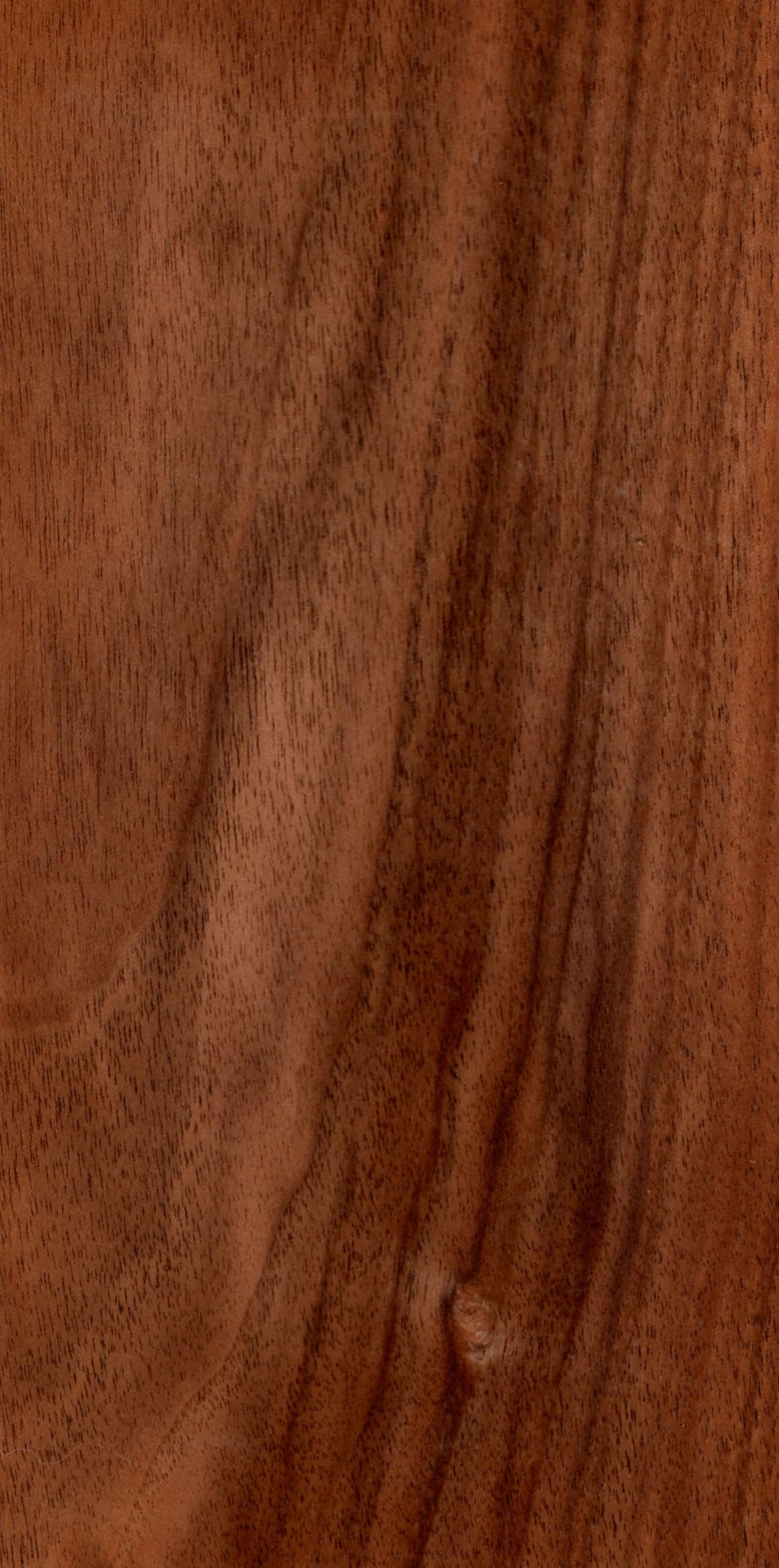
  • Puiduliigi European Walnut kiud

    European Walnut

    Juglans regia

    9 tükki

Saa teavitus puiduliigi Norway Spruce kohta

Saadame teile kirja, kui uued puiduliigi Norway Spruce plangud KORENAsse jõuavad. Iga tükk on ainulaadne, seega on varajasest teatest kasu.

Mõni kiri kuus. Rämpsposti ei saada, loobuda saab igal ajal.

Puidu välimus

Kuidas see välja näeb

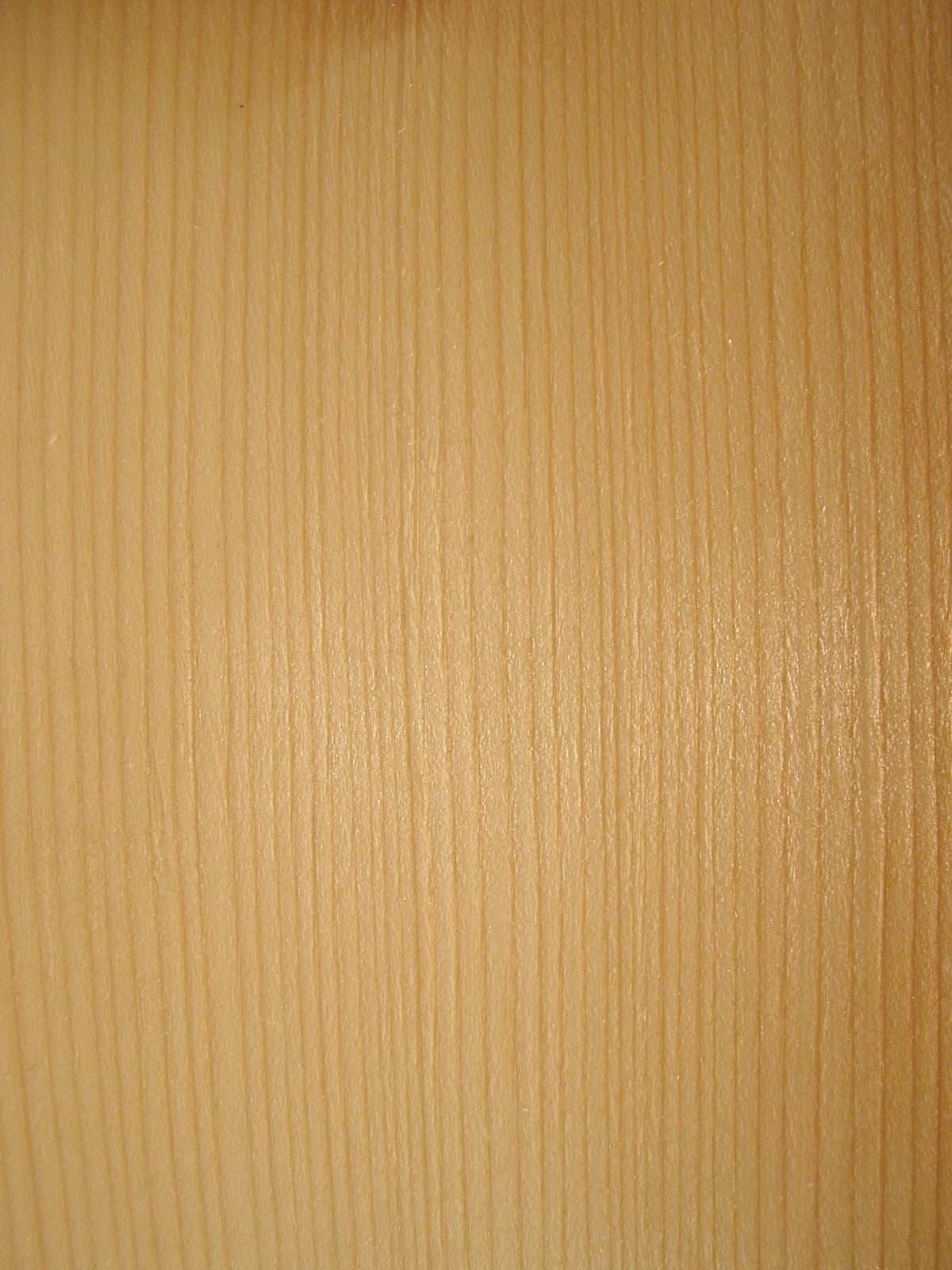
Pale cream to light yellow throughout, with almost no colour separation between heartwood and sapwood. The grain is straight and the texture fine and even. What makes a spruce slab worth looking at is rarely colour and almost always structure: tight annual rings, resin pockets that read as amber flecks, and the occasional cluster of small sound knots that a maker can either feature or cut around.

  • Cream to pale yellow, darkening slightly with age and UV
  • Little to no heartwood and sapwood contrast
  • Resin pockets show as translucent amber marks
  • Straight grain, even texture; resin canals.

Töötlemine

Töötlemine

Easy in every operation as long as you stay away from knots. Spruce is soft enough that sharp tools matter more than powerful ones: dull cutters crush the earlywood rather than slicing it, leaving a fuzzy surface that no amount of sanding fully recovers. Knots are hard, resinous and prone to tearing out, so plan cuts around them rather than through them. It glues reliably and takes screws well if you pilot near edges.

Viimistlus

The one genuine difficulty with spruce. Its uneven density between earlywood and latewood makes it absorb stain unevenly, so pigment stains blotch badly. Use a conditioner first, or skip stain entirely. Clear oils, hardwax oils and water-based lacquers all sit well and keep the pale colour. If you want warmth, a single coat of shellac before the topcoat evens absorption without muddying the grain.

Kuivatamine

Dries quickly and with relatively little degrade, which is one reason it dominates European construction timber. Slab stock still needs patience: at 50 mm and above, resin pockets can bleed if the kiln schedule runs hot, and case hardening shows up as cupping once you machine the first face. Air drying followed by a gentle kiln finish gives the cleanest result. Expect movement in service to be modest, since volumetric shrinkage is around 12.9 percent.

Kui palju see liigub?

Puit paisub ja kahaneb laiuses, kui õhk muutub niiskemaks või kuivemaks. Hinnake puiduliigist Norway Spruce lauaplaadi hooajalist liikumist enne kinnituste kavandamist.

Lõige
Kus seda kasutatakse

Eeldatav hooajaline liikumine

umbes 9,4 mm

Kinnitage lauaplaat klotside või piluklambritega, mitte liimi ega pingul kruvidega.

Lineaarse kahanemise mudel: laius × (kahanemine ÷ 28% kiu küllastuspunkt) × niiskusesisalduse hooajaline muutus. Kasutab puiduliigi Norway Spruce puhul 8,2% tangentsiaalne kahanemist. Planeerimishinnang, mitte tagatis.

Kui palju see maksab

Ohutus ja hankimine

  • Kasvatatud ja raiutud Euroopas.
  • IUCNi punase nimestiku seisund: selle liigi ülemaailmne looduskaitseline hinnang.
  • Spruce dust has been reported to cause skin irritation and asthma-like respiratory effects, which puts it in the same bracket as most softwood dust. Extraction at the machine and a P2 mask during extended sanding are sensible. No specific toxicity beyond that is documented.

Loe täielikku juhenditPõhjalikud märkmed mustri, värvimuutuse, töötlemise ja stabiilsuse kohta.+

What Norway Spruce actually is#

Picea abies is the default European conifer. It covers more forest area than any other species on the continent and supplies most of the structural timber used in EU construction. That ubiquity works against it when people shop for slabs, because a wood you can buy as a stud is easy to dismiss as a wood you cannot build furniture from. The dismissal is half right. Spruce is genuinely soft, and a spruce tabletop will carry the record of everything set down on it. What the reputation misses is that spruce is also stiff for its weight, dimensionally reasonable once dried, and capable of a pale, quiet surface that no hardwood can imitate.

Reading a spruce slab#

Colour tells you very little. Spruce runs cream to pale yellow with effectively no heartwood boundary, so unlike walnut or oak you cannot judge a board by its tonal range. Structure is what matters.

Look first at ring spacing. Slow-grown Alpine spruce with rings a millimetre or two apart is denser, stiffer and considerably more stable than fast-grown lowland stock with rings five millimetres apart. The difference in service is real: the tight-ringed board stays flatter and dents less.

Look next at the knots. Spruce knots are hard, resinous, and much darker than the surrounding wood. Small sound knots are a design feature and hold fine. Large knots, and especially knot clusters near an edge, are weak points that will move independently of the board around them.

Ostjate küsimused

Ostjate küsimused

Is Norway Spruce hard enough for a dining table?

+

It sits at 1,680 N on the Janka scale, which is soft for a tabletop that will see daily use. It works if you accept dents as part of the character, or if the top is protected by a hardwax oil that is easy to refresh. For a surface that must stay unmarked, European oak at 4,980 N or ash are better matched.

Why does my spruce slab look blotchy after staining?

+

Spruce has a large density difference between the pale earlywood and the darker latewood, so pigment lodges unevenly. Apply a wood conditioner or a thin shellac washcoat before staining, or leave it unstained and use a clear oil. Testing on an offcut from the same slab is the only reliable check, because blotching varies board to board.

What are the amber marks in the surface?

+

Resin pockets, which are normal in spruce and not a defect in the structural sense. They can weep slightly if the slab is warmed by sunlight or underfloor heating. Sealing with shellac before the topcoat locks them down. On a measured KORENA slab any pocket large enough to matter is mapped in the defect outline.

Is spruce suitable for outdoor use?

Mehaanilised omadused

Tehnilised andmed

Avaldatud võrdlusväärtused. Kui allikad erinevad, kuvatakse vahemik ja ülalolevatel skaaladel kasutatakse tüüpilist väärtust.

Tihedus (kg/m³)Mass kuupmeetri kohta umbes 12% niiskusesisalduse juures. Raskem puit on tavaliselt kõvem ja tugevam.405 kg/m³
Janka kõvadus (N)Jõud, mis on vajalik teraskuuli pooleldi puitu surumiseks. Standardne mõlgikindluse mõõt.1,680 N
MOR: paindetugevus (MPa)Paindetugevus: koormus, mille juures tala murdub.63 MPa
MOE: elastsusmoodul (GPa)Paindejäikus: kui palju riiul või lauaplaat koormuse all läbi paindub.9.7 GPa
Radiaalne kahanemineKahanemine risti kasvurõngastega toorest kuni täiesti kuivani. Nii liigub radiaalselt saetud saematerjal.3.9 %
Tangentsiaalne kahanemineKahanemine piki kasvurõngaid. Nii liiguvad tangentsiaalselt saetud lauad ja enamik planke.8.2 %
Puiduliigi Norway Spruce kiud

Wikimedia Commons contributor, via Wikimedia Commons

Picea abies covers the largest natural range of any European conifer, running from the Alps and Carpathians north through Scandinavia and east into Russia. Slab-grade stock reaching KORENA is nearly always from managed Alpine or Carpathian forests where FSC or PEFC certification is standard, which keeps EUDR documentation straightforward.

  • Not listed in the CITES Appendices and assessed by the IUCN as Least Concern. Supply across the EU is abundant and well certified, though bark beetle damage in central Europe has pushed large volumes of salvage timber into the market in recent years. Salvage stock is legitimate and often excellent value, but it should be declared as such because staining from blue fungus is common in it.

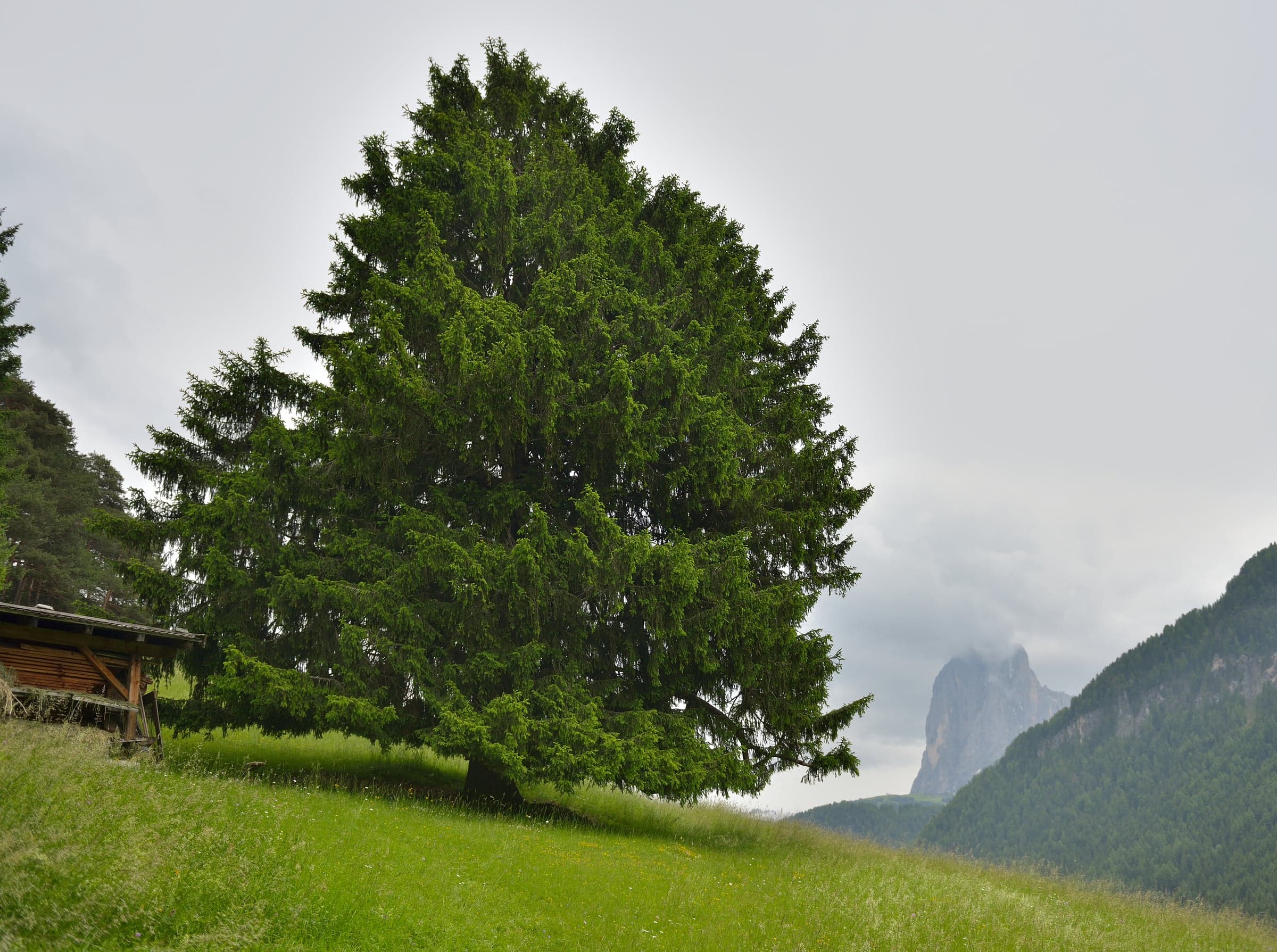
  • Puiduliigi Norway Spruce puu

    This Photo was taken by Wolfgang Moroder. Feel free to use my photos, but please mention me as the author a..., via Wikimedia Commons

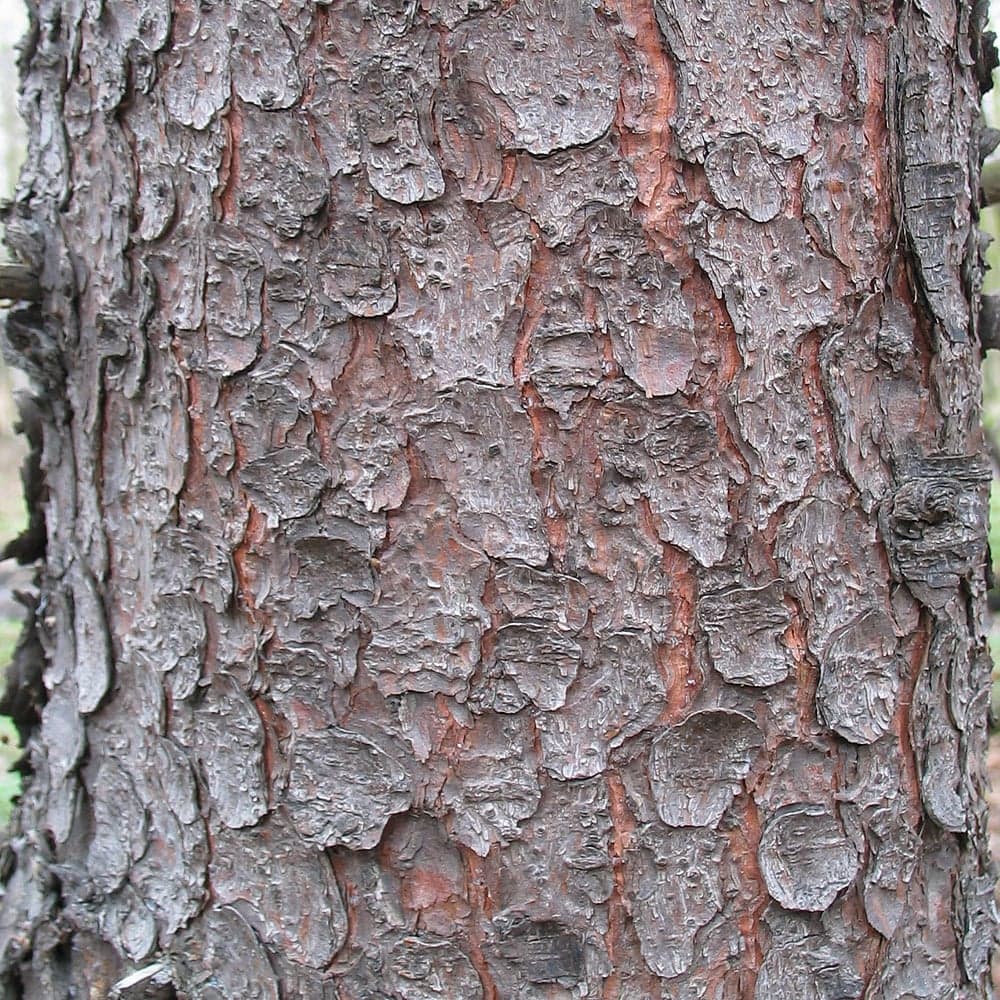
    Norway Spruce: Koor
    Koor

    Finally, look for resin pockets and blue stain. Pockets read as amber streaks and are harmless once sealed. Blue stain is a grey-blue discolouration caused by fungus, common in salvage timber from bark beetle damage, and it does not weaken the wood. It changes the look completely, which is either the point or a problem depending on the piece.

    At the bench#

    Spruce rewards sharp tools and punishes dull ones more than almost anything else KORENA lists. Because the earlywood is so much softer than the latewood, a blunt cutter compresses the soft bands instead of severing them. The surface that comes off looks acceptable until finish goes on, at which point the crushed fibres swell and the whole face turns fuzzy.

    Plane with a freshly honed iron and a tight mouth, take light cuts, and finish with a card scraper rather than aggressive sanding. If you must sand, stop at 180 grit. Going finer burnishes the latewood and makes the blotching problem worse.

    Glue-up is straightforward. Spruce takes PVA and polyurethane adhesives reliably, and its low density means clamping pressure should be moderate. Over-clamping starves the joint by crushing the fibres either side of it.

    Screws hold acceptably but not brilliantly. Pilot everything within 50 mm of an end grain edge, and prefer a coarse thread. For anything load bearing, through-bolts with washers distribute the load far better than screws into the face.

    Drying and movement#

    Spruce dries fast and relatively cleanly, which is exactly why it dominates commodity timber. Slabs behave differently from boards. At 50 mm and thicker, an aggressive kiln schedule drives moisture out of the surface much faster than the core can follow, and the result is case hardening: the slab looks flat until you machine one face, then cups as the internal stress releases.

    The safest route for slab stock is air drying under cover to roughly 20 percent, then a slow kiln finish to bring it to 8 to 10 percent for interior use. Ask the yard which schedule was used. On KORENA listings the drying method and measured moisture are recorded on the passport, so you are not guessing.

    In service, expect meaningful seasonal movement. Tangential shrinkage is around 8.2 percent against 3.9 percent radial, so a wide flatsawn top will want to cup toward the bark face as humidity drops. Quartersawn stock moves roughly half as much across its width and is worth seeking out for anything that must stay flat.

    Where spruce is the right answer#

    Spruce earns its place when weight matters, when the budget will not carry oak, or when the design wants a pale surface that stays pale. A three metre bench top in oak is a two person lift; in spruce one person can move it. Wall panelling in spruce reflects light in a way that darker species cannot. And for anything that will be painted, spending on a hardwood is money burnt.

    It is the wrong answer for a heavily used dining surface, for anything outdoors without treatment, and for a piece where a rich stained colour is the goal.

    Sourcing and EUDR#

    Supply is abundant and certification is the norm across Alpine and Carpathian sources, which makes the due diligence path short. One current wrinkle is worth knowing: bark beetle outbreaks across central Europe have pushed large volumes of salvage timber into the market. Salvage stock is entirely legitimate, often good value, and frequently carries blue stain. It should be declared rather than discovered, and any KORENA listing that is salvage says so.

    +

    Not without treatment. The heartwood is rated slightly resistant to non-resistant to decay, so untreated spruce outdoors will fail within a few seasons. European larch or Douglas fir are the better choices from this group when moisture exposure is part of the brief.

    How much will a spruce tabletop move through the year?

    +

    Volumetric shrinkage is around 12.9 percent with tangential movement roughly twice radial, so a wide flatsawn top will change noticeably between a humid summer and a heated winter. Allow the top to float on slotted fasteners rather than fixing it rigidly, and let the slab acclimatise in the room for two weeks before final flattening.

    Mahuline kahanemineMahu kogumuutus toorest kuni täiesti kuivani. Väiksem väärtus tähendab suuremat stabiilsust.12.9 %
    Loomulik vastupidavus (EN 350)Euroopa standard loomuliku mädanikukindluse kohta, 1 (väga vastupidav) kuni 5 (kergesti riknev).Class 4 — Slightly durable

    Allikad

    • The Wood Database — Norway Spruce (Picea abies)(vaadatud 2026-08-12)
    • USDA FPL Wood Handbook FPL-GTR-190 (2010)(vaadatud 2026-08-12)
    • Meier, E. — WOOD! Identifying and Using Hundreds of Woods Worldwide (2015)(vaadatud 2026-08-12)

    Pange tähele

    • Ei sobi töötlemata kujul õueLoomulik vastupidavus on EN 350 järgi klass 4/5. Hoidke seda siseruumis või hooldatud viimistluskihi all.
    • Tolm ärritabKasutage väljatõmmet ning kandke lihvimisel või töötlemisel maski.

    Üksikasjade nägemiseks puudutage silti.

    Lühiülevaade

    Tasemed kasutavad kõigi KORENA puiduliikide jaoks samu vahemikke, seega saab neid otse võrrelda. Mõõdetud väärtus on iga taseme all.
    KõvadusVastupidavus mõlkidele ja kulumiselePehme

    Janka kõvadus 1680 N

    66% pehmem kui tamm

    KaalKui raske on planku tõstaVäga kerge

    405 kg/m³

    StabiilsusKui vähe see hooajati liigubKeskmine

    Mahuline kahanemine 12,9%

    TöötlemineSaagimine, hööveldamine, lihvimine ja liimimineKeskmine

    Töötlemise keskmine 3,7/5

    Kasutus õuesLoomulik mädanikukindlus, EN 350Ainult siseruumis

    EN 350 klass 4

    • Saagimine · Väga heaKui puhtalt see lõikub ja kui palju terasid kulutab.1 = raske · 5 = suurepärane
    • Hööveldamine · Väga heaKui sileda pinna jätab ja kui palju kiude välja rebib.1 = raske · 5 = suurepärane
    • Lihvimine · Väga heaKui kiiresti see siledaks lihvub ilma paberit ummistamata.1 = raske · 5 = suurepärane
    • Treimine · HeaKuidas see treipingil lõikub ja viimistletav on.1 = raske · 5 = suurepärane
    • Nikerdamine · HeaKui teravalt hoiab peitliga loodud detaile.1 = raske · 5 = suurepärane
    • Liimimine · Väga heaKui kindlalt liimliited peavad.1 = raske · 5 = suurepärane
    • Kruvi / naela pidavus · Väga heaKui hästi hoiab kruve ja naelu ilma lõhenemata.1 = raske · 5 = suurepärane
    • Aurupainutamine · HeaKui hästi võtab pärast aurutamist kaarja kuju.1 = raske · 5 = suurepärane

    Puiduliigi Norway Spruce praegune müügihind Euroopas kuupmeetri kohta enne käibemaksu. Üksikasjade nägemiseks puudutage hinda.

    • Parimad palgid oksjonilValitud kõrge sordi palgid, mida müüakse kirjaliku pakkumisega oksjonitel peamiselt spooni- ja mööblitootjatele. Sellistest palkidest lõigatakse planke.Enamik hindu jääb vahemikku 172 € kuni 313 €.Põhineb 52 hinnal 1 piirkonnast.Uusimad andmed 25. sept 2026
    • Tavalised palgidMetsaomanike ja riigimetsade müüdavad suured kogused tavalist ümarpuitu, peamiselt ehitusele ja tööstusele.Enamik hindu jääb vahemikku 22 € kuni 175 €.Põhineb 10 013 hinnal 12 piirkonnast.Uusimad andmed 25. sept 2026

    Tavalised palgid riigiti

    • Prantsusmaa · 120 € / m³Piirkonnad: Bourgogne-Franche-Comté ja Grand Est / Alsace14 hindaUusimad andmed 15. sept 2026
    • Rootsi · 90 € / m³Piirkonnad: Sweden Central26 hindaUusimad andmed 30. juuni 2026
    • Rumeenia · 79 € / m³Piirkonnad: Banat / Crișana, Dobrogea, Moldavia (Romania), Transylvania ja Wallachia9724 hindaUusimad andmed 25. sept 2026

    Miks maksab plank sellest rohkem?

    Need on toorpuidu hinnad. Plank on palgi parim lõige, mida kuivatatakse vähemalt aasta ning kontrollitakse ja mõõdetakse seejärel tükkhaaval. Igast palgist saab planguks vaid väike osa.

    Allikas: KORENA puiduindeks · Uusimad andmed 25. sept 2026

    Vaata kõiki piirkondlikke hindu
    Itaalia75 €
    Itaalia · 75 € / m³
    Piirkonnad: Trentino-Alto Adige ja Veneto
    243 hinda
    Uusimad andmed 10. sept 2026
  • Soome · 59 € / m³Piirkonnad: Southern Finland (Etelä-Suomi)3 hindaUusimad andmed 21. sept 2026
  • Norra · 54 € / m³Piirkonnad: Norway (national)3 hindaUusimad andmed 21. sept 2026