Tilia cordata
The carving wood of Europe since the Gothic period. Uniform to the point of having no character at all, which is exactly the point.
Üksikasjade nägemiseks puudutage silti.
Puiduliiki Small-leaved Lime praegu pole. Need puiduliigid sobivad samadeks projektideks ja neist on tükke saadaval.
Saadame teile kirja, kui uued puiduliigi Small-leaved Lime plangud KORENAsse jõuavad. Iga tükk on ainulaadne, seega on varajasest teatest kasu.
Puidu välimus
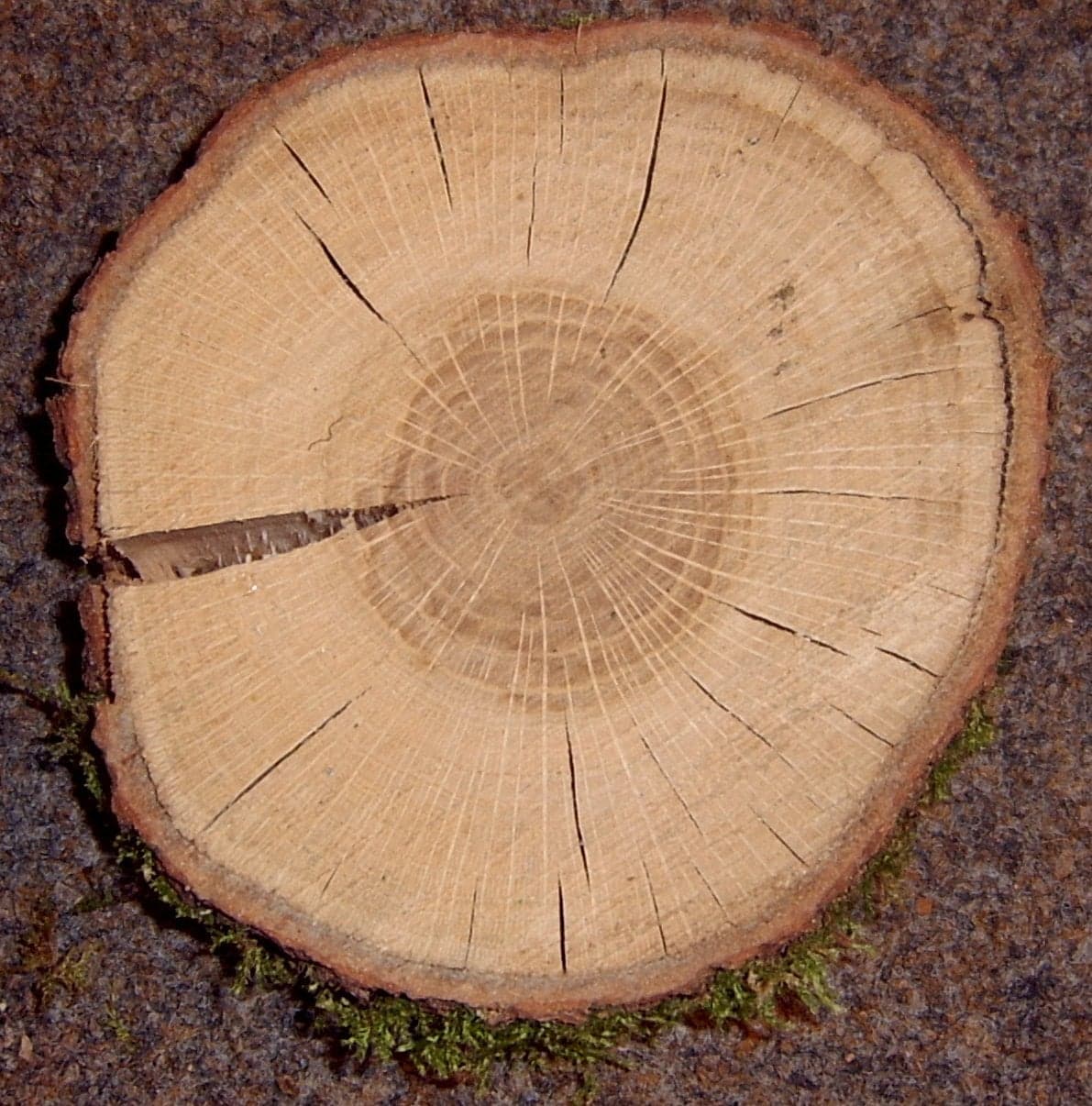
Pale creamy white to very light brown, sometimes with a faint pinkish or greenish tinge, and almost no figure at all. The texture is exceptionally fine, even and uniform, with no perceptible difference between earlywood and latewood. That uniformity, combined with moderate softness, is what makes it the carving wood of Europe and has done since the Gothic period.
Töötlemine
Easy to work, being soft and light, though sharp cutters are needed during planing to prevent fuzzy surfaces in the same way poplar demands them. It is described in the cited source as one of the most suitable wood species for hand carving, and that is its defining property: the fine uniform texture takes a cut in any direction and holds a crisp edge on fine detail that no other European species matches.
Takes paint and gilding exceptionally well, which is the historical treatment for carved limewood altarpieces and frames. Under a clear finish the pale colour is quiet and slightly waxy in appearance. It blotches badly under pigment stain given the uniform absorbency, so a dye or a clear finish is much safer. Carved work is often left bare or waxed so the tool marks read.
Dries fairly readily with a moderate tendency to distort. Volumetric shrinkage of 12.0 percent is unremarkable, and the tangential to radial ratio of 7.5 against 5.0 percent is one of the narrower ratios in this catalogue, which means flatsawn boards cup less than most. That relative stability is part of why it suits pattern making, where dimensional reliability matters.
Puit paisub ja kahaneb laiuses, kui õhk muutub niiskemaks või kuivemaks. Hinnake puiduliigist Small-leaved Lime lauaplaadi hooajalist liikumist enne kinnituste kavandamist.
Eeldatav hooajaline liikumine
umbes 8,6 mm
Kinnitage lauaplaat klotside või piluklambritega, mitte liimi ega pingul kruvidega.
Lineaarse kahanemise mudel: laius × (kahanemine ÷ 28% kiu küllastuspunkt) × niiskusesisalduse hooajaline muutus. Kasutab puiduliigi Small-leaved Lime puhul 7,5% tangentsiaalne kahanemist. Planeerimishinnang, mitte tagatis.
Puiduliigi Small-leaved Lime praegune müügihind Euroopas kuupmeetri kohta enne käibemaksu. Üksikasjade nägemiseks puudutage hinda.
Besides the standard health risks associated with any wood dust, no further health reactions are associated with European Lime in the source cited here. It is one of the least irritating woods in this catalogue to work, which is another reason it suits long carving sessions.
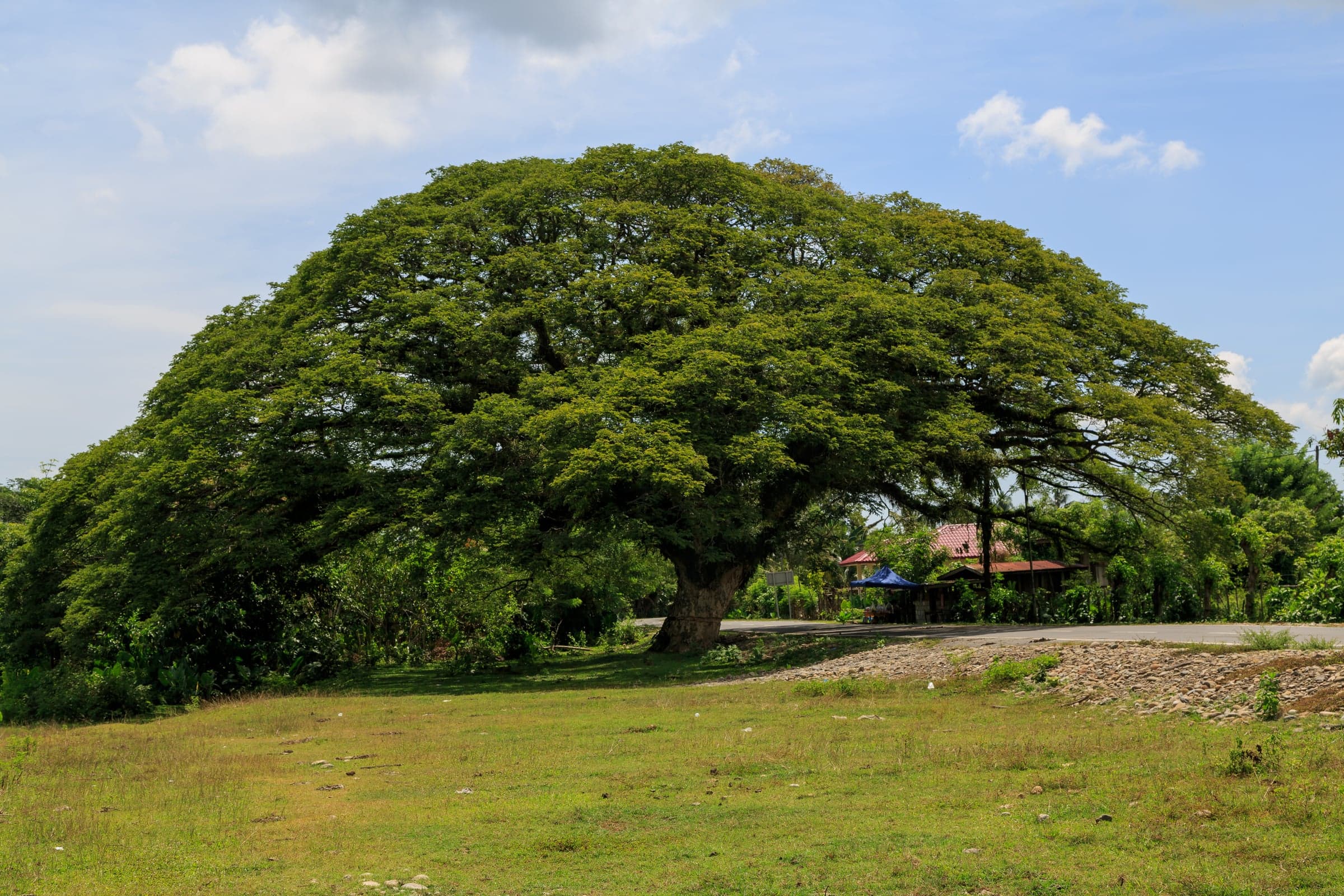
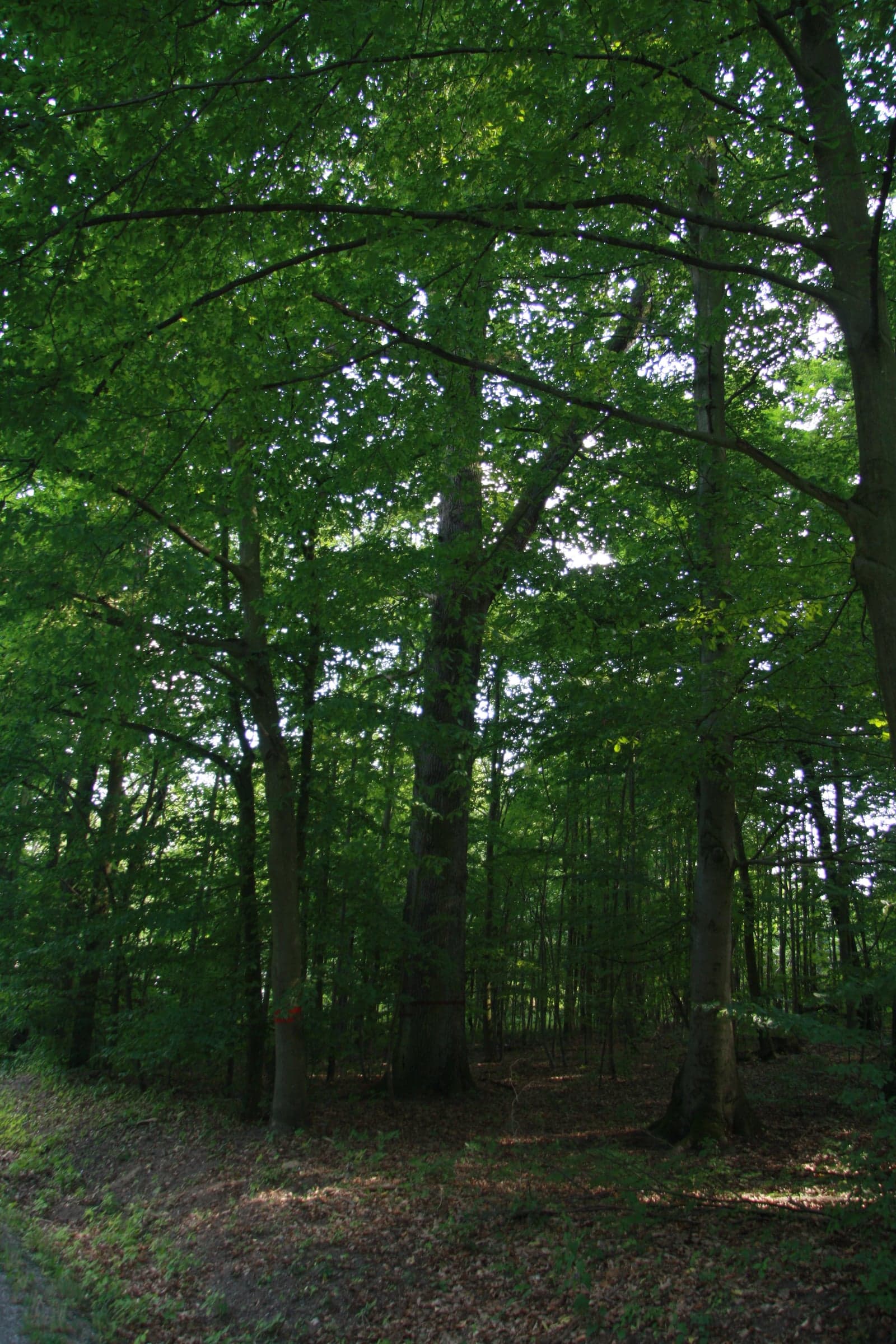
Tilia cordata grows across Europe from Britain to the Urals and is a common street and park tree as well as a forest species. Commercial supply comes largely from central and eastern European forestry. In the trade it is sold as lime in Britain, linden in continental Europe and basswood in North America, where the related Tilia americana takes the same role.
Not listed in the CITES Appendices, and reported by the source KORENA cites as not assessed on the IUCN Red List, so no IUCN status is displayed rather than one being assumed. It is common and widely distributed across Europe with no supply concerns, and documentation for EUDR purposes is straightforward.
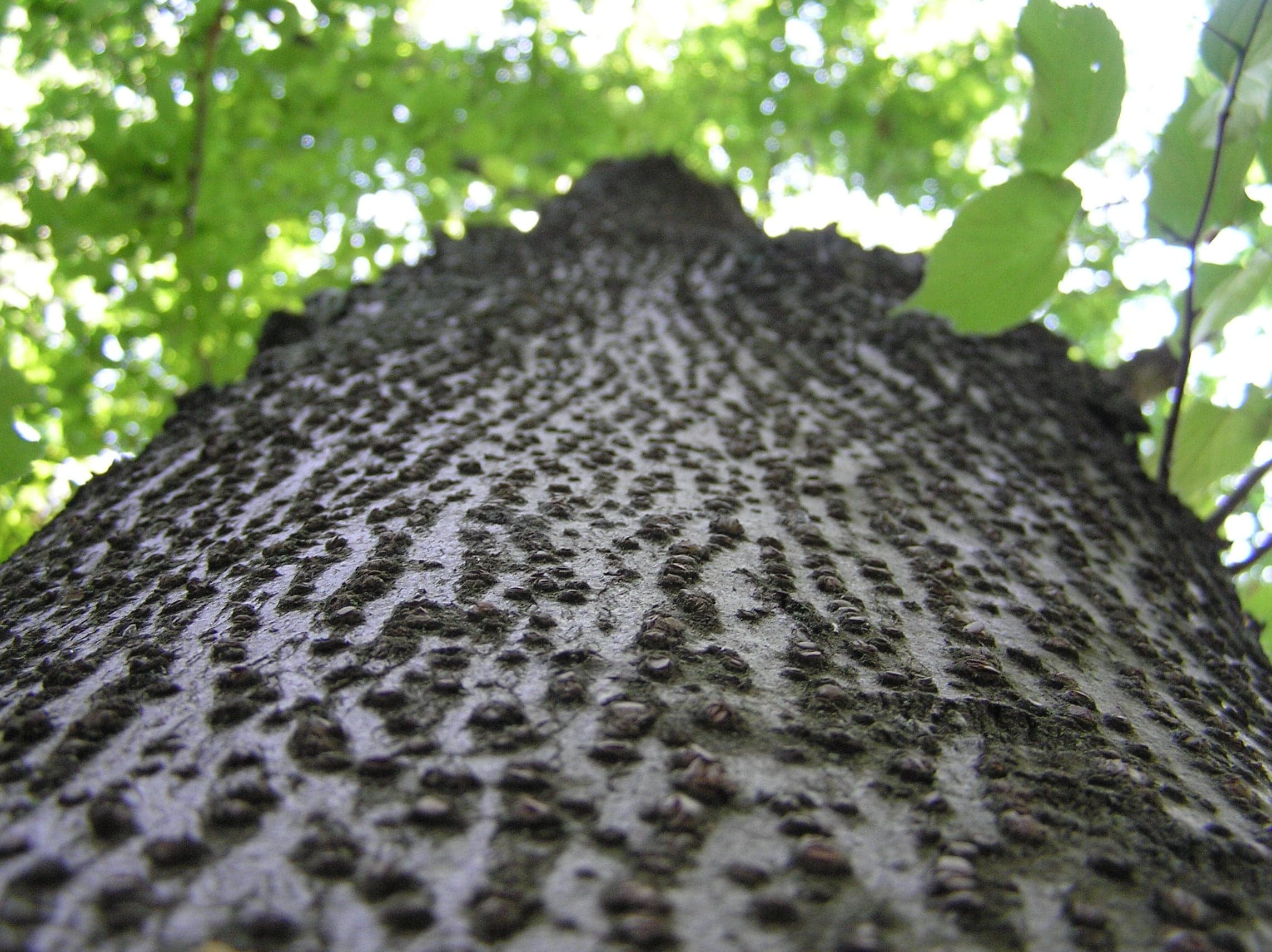
Tilia cordata grows from Britain to the Urals, as a forest tree and as one of the most planted street and park trees in Europe. In the timber trade it is lime in Britain, linden across continental Europe, and its close North American relative Tilia americana is basswood. Carvers treat all of them as the same material.
It has been the carving wood of Europe since the Gothic period. Limewood altarpieces, choir stalls and picture frames survive across the continent, and the reason they were carved in this species rather than oak is not that it was cheaper or more available. It is that lime does something no other European timber does.
Most woods have structure. Oak has coarse open pores and hard latewood bands. Spruce has soft earlywood and hard latewood in obvious alternation. Even a fine textured wood like birch has some directional character.
Lime has essentially none. The texture is exceptionally fine and completely uniform, with no perceptible difference between earlywood and latewood.
The consequence at the tool is that a cut behaves identically in any direction through the wood. There is no hard band waiting to deflect a gouge, no soft zone that crumbles under fine detail. An undercut, a pierced section, a face carved across the grain: all of them hold a crisp edge.
That is the property that made Tilman Riemenschneider's work possible, and it is unchanged today. The cited source describes lime as one of the most suitable wood species for hand carving, which understates it. For fine detail there is no European alternative.
The density, hardness and strength figures on the species record are labelled as coming from European Lime, Tilia x europaea, rather than from Tilia cordata specifically.
Tilia x europaea is the natural hybrid of T. platyphyllos and T. cordata. It shares the trade name, it is not separated from its parent species in commerce, and the woods are effectively interchangeable at the bench. Using its measurements for T. cordata is reasonable. Presenting them as though they were measured on T. cordata would not be, so the source is labelled for what it is.
There is deliberately little to read. Colour runs creamy white to very light brown, occasionally with a faint pink or green tinge. Figure is close to absent.
For carving stock, what matters is not appearance but clear working volume: an absence of knots, no shake, and consistent moisture through the thickness. A large clean block is worth considerably more than a figured one, which is the opposite of how most of this catalogue is priced.
It is soft and light and cuts easily. It shares one requirement with poplar: sharp cutters when planing, or the long soft fibres drag and leave a fuzzy surface. A keen edge and a light cut solve it entirely.
It turns well, holds fine detail in turning as it does in carving, and glues without difficulty.
At 3,100 N Janka it is soft, roughly level with European Larch. That softness is a feature in a carved panel and a liability in anything handled. A limewood wall panel lasts centuries; a limewood tabletop marks in the first week.
It dries fairly readily with a moderate tendency to distort.
The interesting figure is the ratio rather than the total. Volumetric shrinkage of 12.0 percent is unremarkable, but tangential at 7.5 percent against radial at 5.0 percent is one of the narrower ratios in this catalogue. Cupping is driven by that differential, so flatsawn lime stays flatter than flatsawn oak or maritime pine.
That relative dimensional reliability is part of why lime became the standard pattern making timber as well as the standard carving one.
Paint and gilding are the historical treatments, and lime takes both exceptionally. The fine uniform surface needs almost no preparation and holds gesso and gold leaf cleanly, which is why so much European gilded carving is limewood underneath.
Carved work is often simply waxed or left bare so the tool marks read as intended.
Pigment stain is the thing to avoid. The uniform absorbency that makes the wood carve well makes it take pigment patchily, and the result is blotchy. Use a dye, or seal with a thin shellac washcoat first.
Carving and sculpture above everything else. Also musical instrument parts, pattern making, turned work, and painted or gilded furniture.
It is the wrong answer for any work surface, for structural use, and for anything outdoors, being rated non-durable.
Not listed in the CITES Appendices, and reported by the cited source as not assessed on the IUCN Red List, so no status is shown rather than one assumed. The species is common and widely distributed across Europe with no supply constraint, and documentation for EUDR purposes is straightforward.
Ostjate küsimused
Because its texture is exceptionally fine and completely uniform, with no perceptible difference between earlywood and latewood. That means a cut behaves the same in any direction through the wood, so fine detail holds a crisp edge instead of crumbling where the tool crosses a hard band. It is soft enough to cut comfortably for hours and stable enough that carved detail does not move afterwards. European altarpieces and frames have been carved in it since the Gothic period.
No, and KORENA records that on the species page. The cited figures come from European Lime, Tilia x europaea, which is the natural hybrid of T. platyphyllos and T. cordata and shares the same trade name. The two are not separated in commerce and the woods are effectively interchangeable, but the source is labelled honestly rather than presented as a T. cordata specific measurement.
Not the same species, but the same role. Basswood is Tilia americana, the North American member of the same genus, and it is used for identical purposes. Lime, linden and basswood are regional names for closely related woods that carvers treat as equivalent. European lime is generally slightly denser and harder than American basswood.
At 3,100 N Janka it is soft, roughly level with European Larch and well below oak at 4,980 N. That softness is a feature for carving and a liability for anything that gets handled. A carved limewood panel on a wall lasts indefinitely; a limewood tabletop marks the first week.
The uniform texture that makes it carve well also makes it absorb stain very evenly in some areas and greedily in others where the grain rises, producing patchy colour. Use a dye rather than a pigment stain, or seal first with a thin shellac washcoat. Most carved limewood is painted, gilded, waxed or left bare rather than stained, which is a reasonable clue.
Mehaanilised omadused
Avaldatud võrdlusväärtused. Kui allikad erinevad, kuvatakse vahemik ja ülalolevatel skaaladel kasutatakse tüüpilist väärtust.
| Tihedus (kg/m³)Mass kuupmeetri kohta umbes 12% niiskusesisalduse juures. Raskem puit on tavaliselt kõvem ja tugevam. | 535 kg/m³ |
|---|---|
| Janka kõvadus (N)Jõud, mis on vajalik teraskuuli pooleldi puitu surumiseks. Standardne mõlgikindluse mõõt. | 3,100 N |
| MOR: paindetugevus (MPa)Paindetugevus: koormus, mille juures tala murdub. | 85 MPa |
| MOE: elastsusmoodul (GPa)Paindejäikus: kui palju riiul või lauaplaat koormuse all läbi paindub. | 11.7 GPa |
| Radiaalne kahanemineKahanemine risti kasvurõngastega toorest kuni täiesti kuivani. Nii liigub radiaalselt saetud saematerjal. | 5.0 % |
| Tangentsiaalne kahanemineKahanemine piki kasvurõngaid. Nii liiguvad tangentsiaalselt saetud lauad ja enamik planke. | 7.5 % |
| Mahuline kahanemineMahu kogumuutus toorest kuni täiesti kuivani. Väiksem väärtus tähendab suuremat stabiilsust. | 12.0 % |
| Loomulik vastupidavus (EN 350)Euroopa standard loomuliku mädanikukindluse kohta, 1 (väga vastupidav) kuni 5 (kergesti riknev). | Class 5 — Perishable |
Janka kõvadus 3100 N
38% pehmem kui tamm
535 kg/m³
Mahuline kahanemine 12,0%
Töötlemise keskmine 3,9/5
EN 350 klass 5
Miks maksab plank sellest rohkem?
Need on toorpuidu hinnad. Plank on palgi parim lõige, mida kuivatatakse vähemalt aasta ning kontrollitakse ja mõõdetakse seejärel tükkhaaval. Igast palgist saab planguks vaid väike osa.
Allikas: KORENA puiduindeks · Uusimad andmed 21. sept 2026
Vaata kõiki piirkondlikke hindu