KORENA
PuitFinished piecesTarvikudLaodAjakiri

Saa teavitus

Iga plank on ainulaadne. Kui see müüakse, on see läinud. Saadame teile kirja uute tükkide lisandumisel: värsked saabumised, uued puiduliigid ja projekti kirjeldusega sobivad lauad.

Mõni kiri kuus. Rämpsposti ei saada, loobuda saab igal ajal.

KORENA, kvaliteetne lehtpuit

Üks tükk korraga.

Kohapeal kontrollitud kvaliteetne lehtpuit, mida müüakse tükkhaaval. Iga plank pildistatakse, mõõdetakse ja saadetakse partnerlaost koos puidupassiga.

Pood

  • Sirvi tooteid
  • Müüdud plankude arhiiv
  • Jälgi tellimust

Teave

  • Ajakiri
  • Puuliikide juhendid
  • Sõnastik
  • Võrdle
  • Autorid

Abi

  • Meist
  • Kuidas see toimib
  • Muuda oma ladu partnerlaoks
  • Plangu hankimine
  • Klienditugi
  • Dokumendimallid
  • Meediale

Ostmine

  • Müügitingimused
  • Taganemisõigus
  • Tagastamine ja müüja vastutus lepingutingimustele mittevastavuse eest
  • Saatmine ja kohaletoimetamine

Usaldus

  • Privaatsuspoliitika
  • Küpsiste poliitika
  • Puidu päritolu ja EUDR
  • Ligipääsetavus

Rekvisiidid

  • Õigusteave ja rekvisiidid
  • Lubatud kasutus
  • Intellektuaalomand ja sisu

© 2026 KORENA. Kõik õigused kaitstud.

Teenust osutab Martial Labs Ltd. (Bulgaaria, EIK 207453941). KORENA on Martial Labs Ltd. ärinimi.

Austame sinu privaatsust

Kasutame vajalikke küpsiseid, et veebisait töötaks. Sinu loal kasutaksime küpsiseid ka analüütika, isikupärastatud sisu ja reklaamide jaoks. Saad oma valikut igal ajal muuta lehel nõusoleku eelistused. Vaata meie küpsiste poliitikat ja privaatsuspoliitikat.

  1. Avaleht
  2. /
  3. Puiduliigid
  4. /
  5. Turkey Oak

Quercus cerris

Turkey Oak

Harder than European oak and considerably cheaper, for one reason: it is difficult to dry. Buy it already stable and it is a bargain.

  • Kasvatatud ja raiutud Euroopas.
  • Botaaniline rühm. Okaspuid on paljasseemnetaimed, lehtpuid laialehised puud.
  • Botaaniline sugukond, kuhu liik kuulub.
Saa saabumisel teavitusVõrdluspuiduliik. Praegu pole tükke laos.
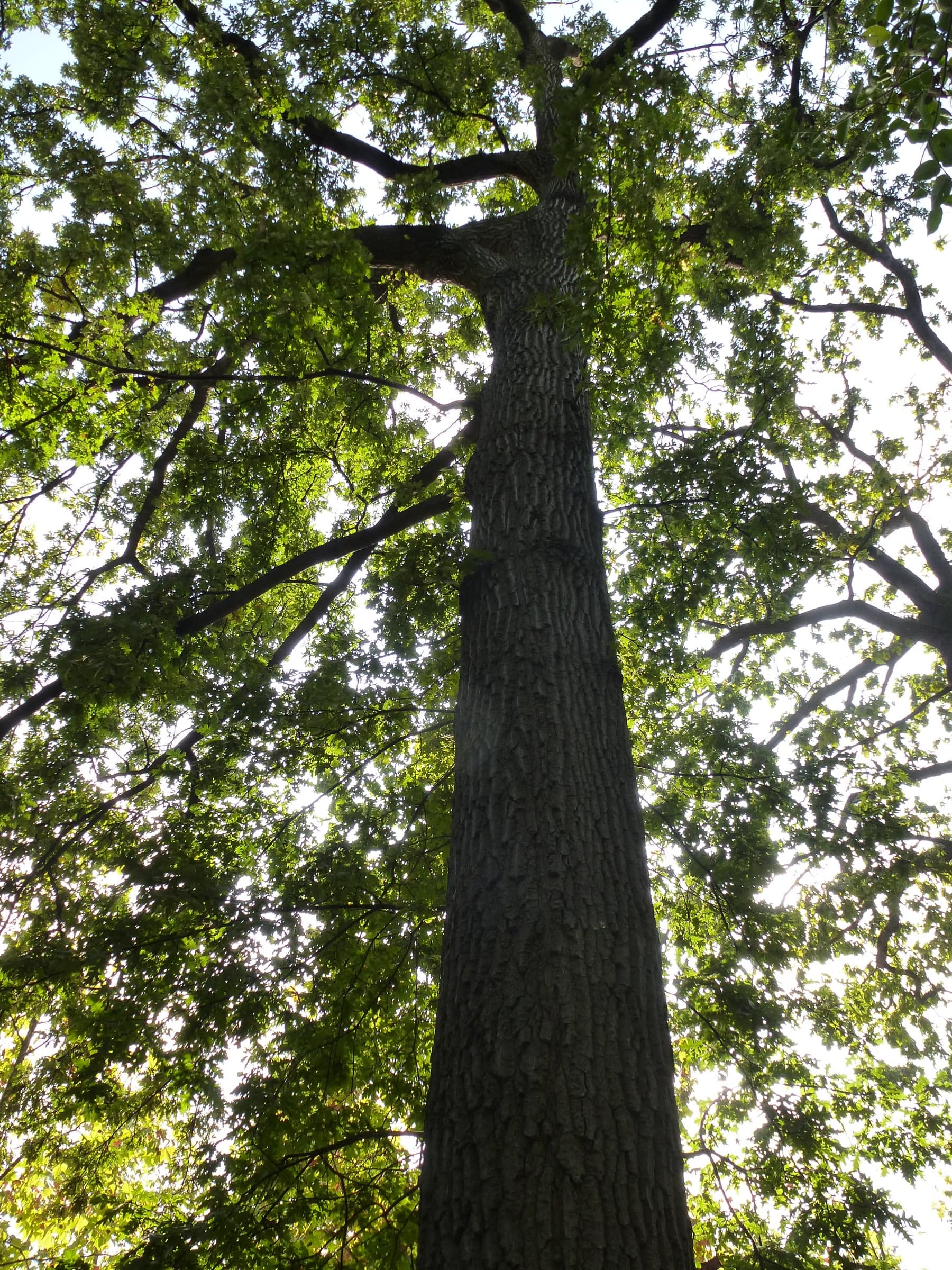
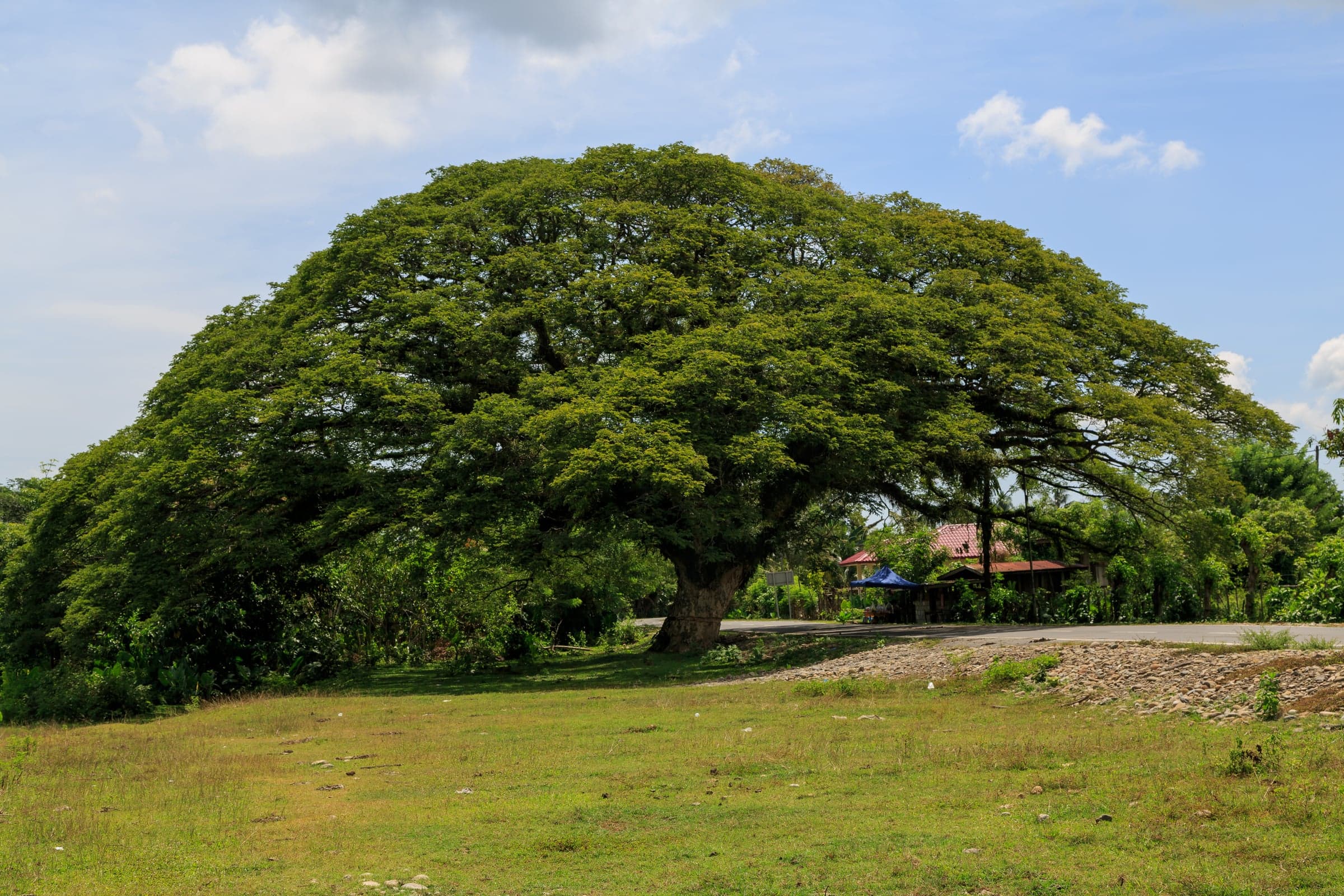
Puiduliigi Turkey Oak puu
  • Sobivus projektile
  • Laos
  • Välimus
  • Töötlemine
  • Liikumine
  • Hind
  • Ohutus ja hankimine
  • Küsimused
  • Tehnilised andmed

Kas see sobib teie projektile?

Sobib hästi

  • Rustic tabletops
  • Flooring
  • Interior joinery
  • Cladding under cover
  • Decorative slabs

Puiduliiki Turkey Oak praeguses valikus pole

Sarnased puiduliigid laos

Puiduliiki Turkey Oak praegu pole. Need puiduliigid sobivad samadeks projektideks ja neist on tükke saadaval.
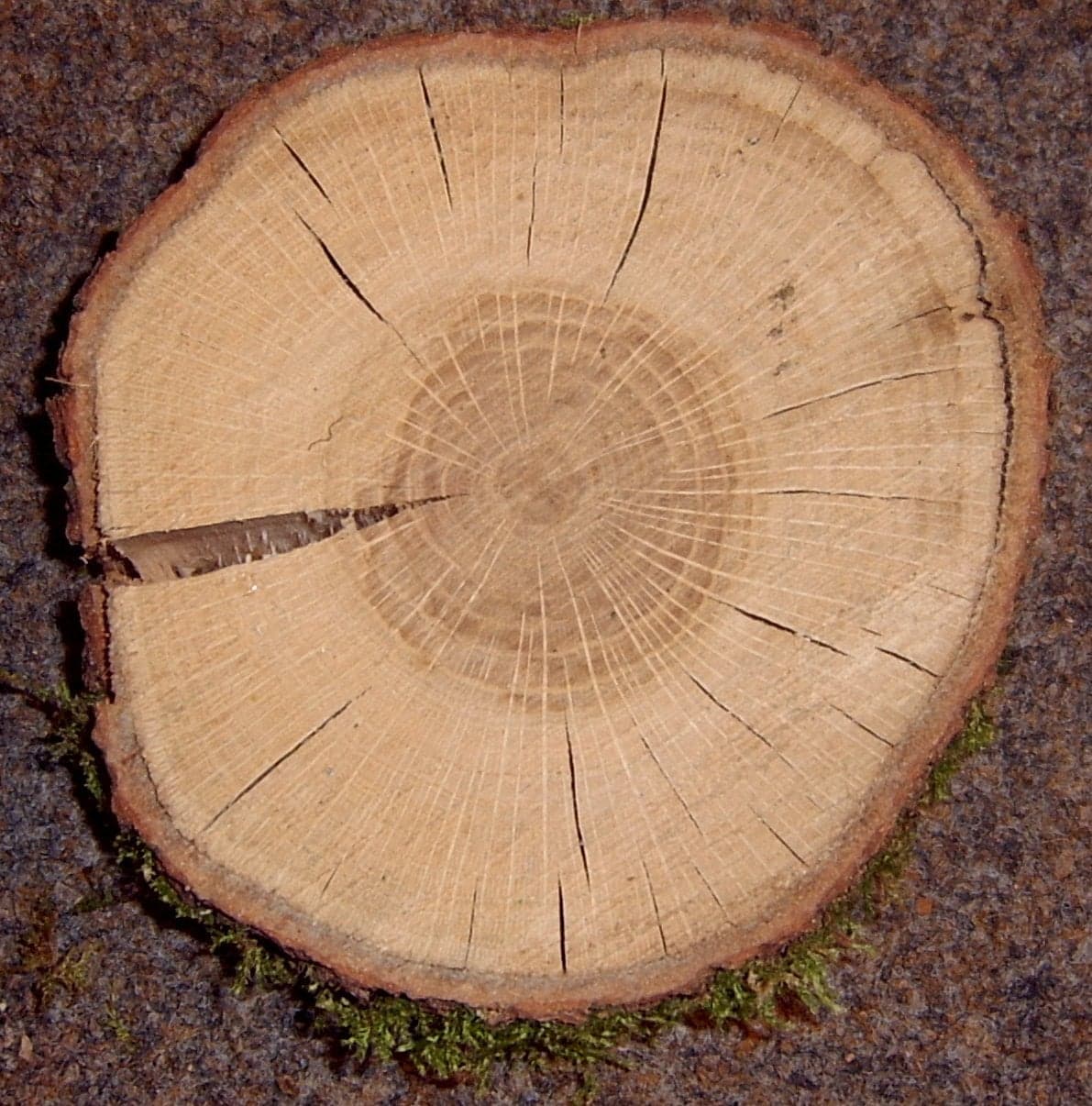
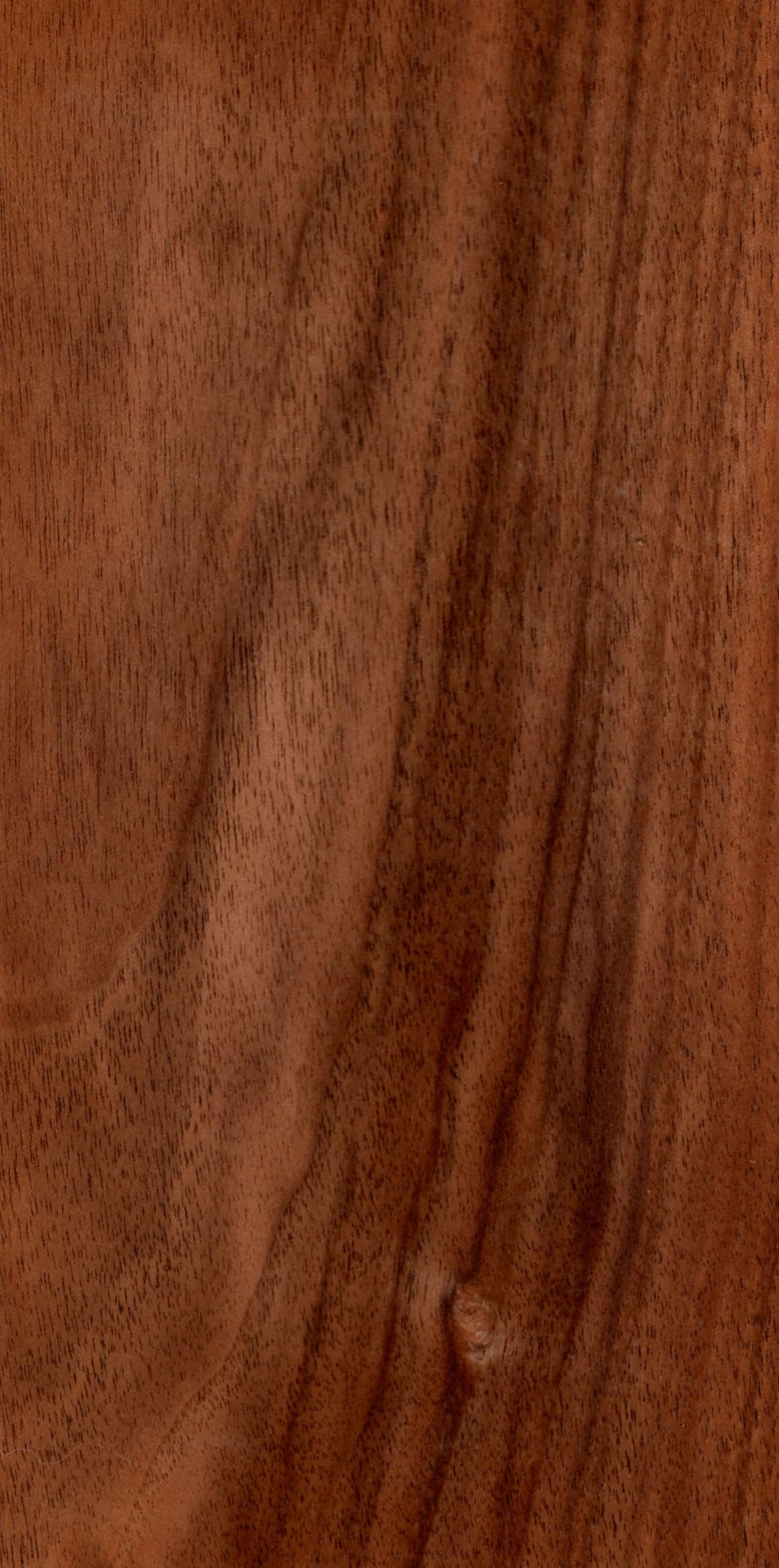
  • Puiduliigi European Oak kiud

    European Oak

    Quercus robur

    6 tükki

  • Puiduliigi European Walnut kiud

    European Walnut

    Juglans regia

    9 tükki

  • Puiduliigi Saman kiud

    Saman

    Samanea saman

    4 tükki

Saa teavitus puiduliigi Turkey Oak kohta

Saadame teile kirja, kui uued puiduliigi Turkey Oak plangud KORENAsse jõuavad. Iga tükk on ainulaadne, seega on varajasest teatest kasu.

Mõni kiri kuus. Rämpsposti ei saada, loobuda saab igal ajal.

Puidu välimus

Kuidas see välja näeb

Denser and harder than either European oak, with a coarser and more open texture. Colour is a light to mid brown, generally plainer and less olive than Quercus robur, with wide rays that produce a bold but less silvery fleck on quartersawn faces. Its reputation in the trade is poor, earned by a strong tendency to check and distort in drying rather than by any weakness in the finished wood.

  • Light to mid brown, plainer than European oak
  • Coarse open texture with very wide rays
  • Bold but less silvery ray fleck on quartersawn faces
  • Straight grain, coarse open texture with very wide rays. Light to mid brown, plainer than European oak, with a bold but less silvery quartersawn fleck.

Töötlemine

Töötlemine

Works similarly to the American oaks according to the source cited here. It is harder and denser than Quercus robur, so it blunts cutters faster and demands more power in the cut, but it machines cleanly once dry and stable. The very wide rays can lift on a quartersawn face if the cut is heavy. Grain filler is needed for a smooth finish given the coarse open pores.

Viimistlus

Takes stain and finish much as other oaks do, and the plainer colour actually accepts stain more evenly than the olive cast of European oak. The coarse open pores need filling for a smooth surface. The same tannin and iron reaction applies as in every oak, so brass or stainless fittings only and no steel wool.

Kuivatamine

This is the species specific problem and the reason Turkey Oak is cheap. It is markedly prone to checking, honeycombing and severe distortion during drying, considerably worse than Quercus robur or petraea, and volumetric shrinkage at 16 percent is the highest of any hardwood KORENA lists. Tangential shrinkage of 10 percent against 6 percent radial compounds it. Slowly air dried stock that has already stabilised is the only version of this timber worth buying.

Kui palju see liigub?

Puit paisub ja kahaneb laiuses, kui õhk muutub niiskemaks või kuivemaks. Hinnake puiduliigist Turkey Oak lauaplaadi hooajalist liikumist enne kinnituste kavandamist.

Lõige
Kus seda kasutatakse

Eeldatav hooajaline liikumine

umbes 11,4 mm

Kinnitage lauaplaat klotside või piluklambritega, mitte liimi ega pingul kruvidega.

Lineaarse kahanemise mudel: laius × (kahanemine ÷ 28% kiu küllastuspunkt) × niiskusesisalduse hooajaline muutus. Kasutab puiduliigi Turkey Oak puhul 10% tangentsiaalne kahanemist. Planeerimishinnang, mitte tagatis.

Kui palju see maksab

Ohutus ja hankimine

  • Kasvatatud ja raiutud Euroopas.
  • Oak is a documented sensitiser, with reactions typically including eye and skin irritation and asthma-like symptoms. Repeated exposure to oak dust carries elevated nasal cancer risk, so extraction is not optional in a production setting.

  • Quercus cerris is the oak of southeastern Europe and Asia Minor, dominant through the Balkans, Hungary, Italy and Turkey. It grows fast on poor dry soils where the northern oaks struggle, and it has been planted widely outside its range. Balkan sourced material is common and inexpensive in the EU market.

Loe täielikku juhenditPõhjalikud märkmed mustri, värvimuutuse, töötlemise ja stabiilsuse kohta.+

What Turkey Oak actually is#

Quercus cerris is the oak of southeastern Europe and Asia Minor. It dominates through the Balkans, Hungary, Italy and Turkey, growing fast on poor dry soils where the northern oaks struggle, and it has been planted well outside that range.

It has a poor reputation in the trade, and that reputation is worth understanding precisely, because it is only half deserved. The finished wood is not inferior. At 720 kg per cubic metre it is denser than European oak, and its modulus of rupture of 114.3 MPa is well above the 97.1 MPa of sessile oak. The problem is entirely in getting it from log to stable board.

The drying problem, which is the whole story#

Turkey Oak checks, honeycombs and distorts during drying far more readily than Quercus robur or petraea.

The numbers explain why. Volumetric shrinkage is 16 percent, the highest of any hardwood in this catalogue. Tangential shrinkage of 10 percent against 6 percent radial gives a ratio that guarantees flatsawn boards will cup hard. Combine high total movement with a wide differential and a fast schedule, and the wood tears itself apart.

A significant proportion of what is cut degrades before it becomes usable timber, and the price of the survivors carries that loss. That is why Turkey Oak is cheap.

The practical consequence for a buyer is simple and important: the risk lives in the drying, not in the service life. A slab that has already been slowly dried and has stabilised is a hard, dense, durable board at a fraction of European oak money. A slab that was rushed is firewood that has not finished failing yet.

Ostjate küsimused

Ostjate küsimused

Why is Turkey Oak so much cheaper than European Oak?

+

Not because the finished wood is weaker. It is denser and harder than Quercus robur. The discount reflects how badly it behaves in drying: it checks, honeycombs and distorts far more readily, and volumetric shrinkage at 16 percent is the highest of any hardwood in this catalogue. A large proportion of what is cut degrades before it is usable, and the price carries that loss.

Is the Janka figure reliable?

+

It is published as an estimate derived from specific gravity rather than a measured test, and KORENA records it that way in the source note on the species record. Treat 5,340 N as indicative. It places Turkey Oak above European oak at 4,980 N, which matches its higher density of 720 kg per cubic metre, but it is not a laboratory measurement.

Can I use it for a tabletop?

+

Yes, provided the slab is already properly dried and stable. Buy air dried stock that has had time to settle rather than freshly kilned material, check the measured moisture value on the listing, and let it acclimatise in the room before flattening. Once through drying it is a hard, durable surface. The risk is entirely in the drying, not the service life.

How does the figure compare with European Oak?

Mehaanilised omadused

Tehnilised andmed

Avaldatud võrdlusväärtused. Kui allikad erinevad, kuvatakse vahemik ja ülalolevatel skaaladel kasutatakse tüüpilist väärtust.

Tihedus (kg/m³)Mass kuupmeetri kohta umbes 12% niiskusesisalduse juures. Raskem puit on tavaliselt kõvem ja tugevam.720 kg/m³
Janka kõvadus (N)Jõud, mis on vajalik teraskuuli pooleldi puitu surumiseks. Standardne mõlgikindluse mõõt.5,340 N
MOR: paindetugevus (MPa)Paindetugevus: koormus, mille juures tala murdub.114 MPa
MOE: elastsusmoodul (GPa)Paindejäikus: kui palju riiul või lauaplaat koormuse all läbi paindub.10.8 GPa
Radiaalne kahanemineKahanemine risti kasvurõngastega toorest kuni täiesti kuivani. Nii liigub radiaalselt saetud saematerjal.6.0 %
Tangentsiaalne kahanemineKahanemine piki kasvurõngaid. Nii liiguvad tangentsiaalselt saetud lauad ja enamik planke.10.0 %

Salix, via Wikimedia Commons

Not listed in the CITES Appendices, and reported by the source KORENA cites as not assessed on the IUCN Red List, so no IUCN status is shown rather than one being assumed. It is abundant and fast growing across southeastern Europe and is often treated as a low value species, which makes it both inexpensive and easy to source with documentation.

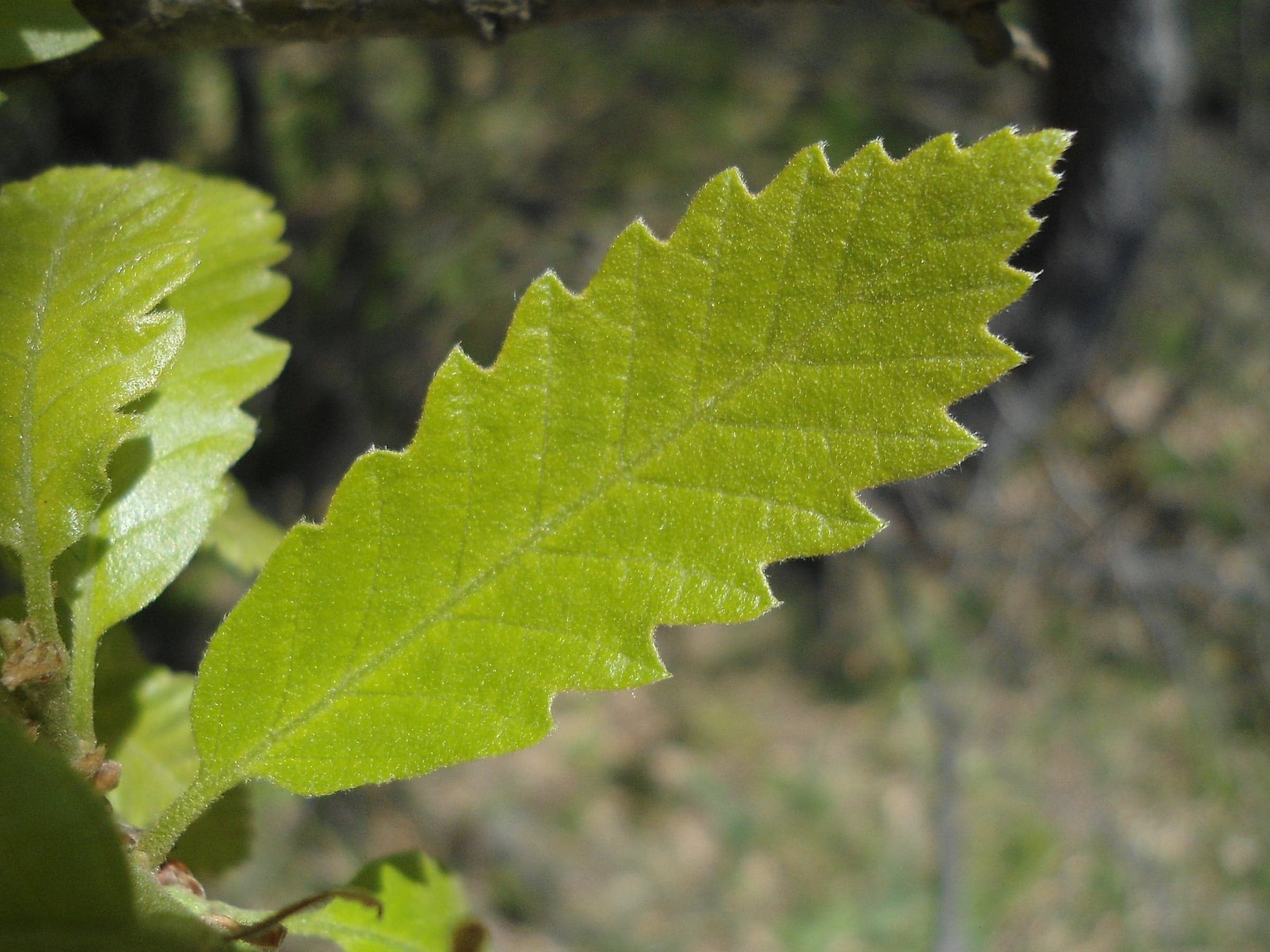
Turkey Oak: Leht
Leht
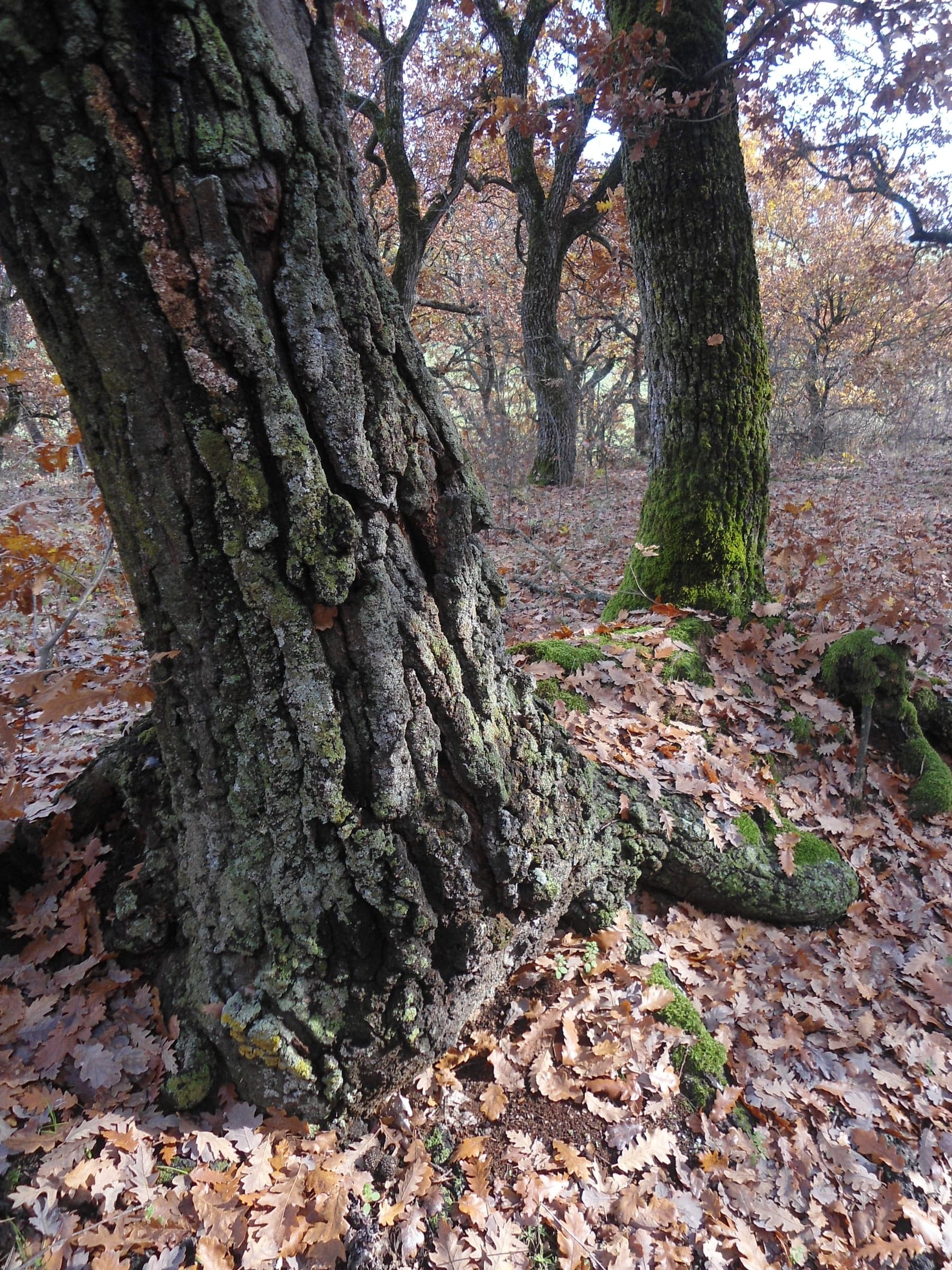
Turkey Oak: Koor
Koor

So buy stable stock. Prefer air dried material that has had time to settle over freshly kilned. Check the measured moisture value on the listing rather than trusting a description, and let the slab acclimatise in its final room before flattening.

Reading a Turkey Oak slab#

Colour is a light to mid brown, plainer and straighter than European oak, without the olive cast of robur. Texture is coarse and the pores are large and open.

The rays are very wide, wider than in the other oaks here, and on a quartersawn face they produce a bold fleck. It reads differently from the fine silvery ribbon of sessile oak: larger, more assertive, less lustrous. Whether that is better is a matter of taste, but they are not the same figure and one will not pass for the other.

Inspect the end grain for honeycomb, look along the length for cupping and twist, and check for surface checks. On this species those defects are common enough that they should be assumed present until ruled out.

At the bench#

The cited source describes it as working similarly to the American oaks. It is harder and denser than European oak, so it blunts cutters faster and asks more of a machine, but a dry stable board machines cleanly.

The very wide rays can lift on a quartersawn face under a heavy cut. Lighter passes and sharp tooling handle it.

As with all oak, the coarse open pores need a grain filler if a smooth surface is the goal, and the tannin content means iron contact produces blue black staining. Brass or stainless fittings only, no steel wool, and no steel clamp bars left on damp work.

A note on the hardness figure#

The Janka value shown for this species, 5,340 N, is published as an estimate derived from specific gravity rather than a measured laboratory test, and KORENA records that qualification in the source note on the species record rather than presenting the number bare.

Treat it as indicative. It places Turkey Oak above European oak, which is consistent with its higher density, but it is not the same class of evidence as a measured value.

Finishing#

It takes stain and finish much as other oaks do, and the plainer, less olive colour actually accepts stain more evenly than European oak, which can go muddy under a warm tone.

Grain filler for a smooth surface, standard oak finishing otherwise.

Where Turkey Oak is the right answer#

Rustic tabletops, flooring, interior joinery, cladding under cover, and decorative slabs where a hard dense oak is wanted and the budget will not carry European oak. At decay class 2 it is durable, so protected exterior use is reasonable.

It is the wrong answer if you are buying unseasoned or freshly kilned stock, if the project cannot absorb the risk of movement, or if the classic silvery quartersawn fleck of European oak is specifically what the design calls for.

Sourcing and EUDR#

Not listed in the CITES Appendices, and reported by the cited source as not assessed on the IUCN Red List, so no IUCN status is displayed rather than one being inferred.

It is abundant and fast growing across southeastern Europe and is often treated as a low value species locally, which makes it both inexpensive and straightforward to source with proper documentation. Balkan sourced material is common in the EU market, and KORENA listings record the originating yard and region.

+

Plainer overall. The colour is a straighter light to mid brown without the olive cast of Quercus robur, and while the rays are very wide, the quartersawn fleck reads bolder but less silvery. If you want the classic silvery ray fleck, sessile oak delivers it better.

Does it stain black on contact with iron?

+

Yes, exactly as every oak does. Tannins react with iron to form a blue black stain. Use brass or stainless fittings, keep steel wool away, and do not leave steel clamp bars in contact with a damp glue-up.

Mahuline kahanemineMahu kogumuutus toorest kuni täiesti kuivani. Väiksem väärtus tähendab suuremat stabiilsust.16.0 %
Loomulik vastupidavus (EN 350)Euroopa standard loomuliku mädanikukindluse kohta, 1 (väga vastupidav) kuni 5 (kergesti riknev).Class 2 — Durable

Allikad

  • The Wood Database — Turkey Oak (Quercus cerris). Janka value published as estimated from specific gravity, not measured.(vaadatud 2026-08-12)
  • Meier, E. — WOOD! Identifying and Using Hundreds of Woods Worldwide (2015)(vaadatud 2026-08-12)

Tugevused

  • Õues vastupidavEN 350 klass 2/5: peab õues ilma töötluseta mädanikule vastu.
  • Toidule ohutuSobib laudade, kausside ja toiduga kokkupuutuvate pindade jaoks.

Pange tähele

  • Liigub keskmisest rohkemLaiad lauaplaadid vajavad klotse või pilukinnitusi ja liikumisruumi. Kasutage allolevat liikumiskalkulaatorit.
  • Tolm ärritabKasutage väljatõmmet ning kandke lihvimisel või töötlemisel maski.

Üksikasjade nägemiseks puudutage silti.

Lühiülevaade

Tasemed kasutavad kõigi KORENA puiduliikide jaoks samu vahemikke, seega saab neid otse võrrelda. Mõõdetud väärtus on iga taseme all.
KõvadusVastupidavus mõlkidele ja kulumiseleKeskmiselt kõva

Janka kõvadus 5340 N

7% kõvem kui tamm

KaalKui raske on planku tõstaVäga raske

720 kg/m³

StabiilsusKui vähe see hooajati liigubLiigub palju

Mahuline kahanemine 16,0%

TöötlemineSaagimine, hööveldamine, lihvimine ja liimimineKeskmine

Töötlemise keskmine 3,7/5

Kasutus õuesLoomulik mädanikukindlus, EN 350Õues

EN 350 klass 2

  • Saagimine · Väga heaKui puhtalt see lõikub ja kui palju terasid kulutab.1 = raske · 5 = suurepärane
  • Hööveldamine · HeaKui sileda pinna jätab ja kui palju kiude välja rebib.1 = raske · 5 = suurepärane
  • Lihvimine · Väga heaKui kiiresti see siledaks lihvub ilma paberit ummistamata.1 = raske · 5 = suurepärane
  • Treimine · Väga heaKuidas see treipingil lõikub ja viimistletav on.1 = raske · 5 = suurepärane
  • Nikerdamine · HeaKui teravalt hoiab peitliga loodud detaile.1 = raske · 5 = suurepärane
  • Liimimine · Väga heaKui kindlalt liimliited peavad.1 = raske · 5 = suurepärane
  • Kruvi / naela pidavus · Väga heaKui hästi hoiab kruve ja naelu ilma lõhenemata.1 = raske · 5 = suurepärane
  • Aurupainutamine · HeaKui hästi võtab pärast aurutamist kaarja kuju.1 = raske · 5 = suurepärane

Puiduliigi Turkey Oak praegune müügihind Euroopas kuupmeetri kohta enne käibemaksu. Üksikasjade nägemiseks puudutage hinda.

  • Tavalised palgidMetsaomanike ja riigimetsade müüdavad suured kogused tavalist ümarpuitu, peamiselt ehitusele ja tööstusele.Enamik hindu jääb vahemikku 30 € kuni 110 €.Põhineb 17 845 hinnal 7 piirkonnast.Uusimad andmed 25. sept 2026

Tavalised palgid riigiti

  • Rumeenia · 76 € / m³Piirkonnad: Banat / Crișana, Dobrogea, Moldavia (Romania), Transylvania ja Wallachia17 796 hindaUusimad andmed 25. sept 2026
  • Bulgaaria · 50 € / m³Piirkonnad: North-West Bulgaria ja South-East Bulgaria49 hindaUusimad andmed 25. sept 2026

Miks maksab plank sellest rohkem?

Need on toorpuidu hinnad. Plank on palgi parim lõige, mida kuivatatakse vähemalt aasta ning kontrollitakse ja mõõdetakse seejärel tükkhaaval. Igast palgist saab planguks vaid väike osa.

Allikas: KORENA puiduindeks · Uusimad andmed 25. sept 2026

Vaata kõiki piirkondlikke hindu