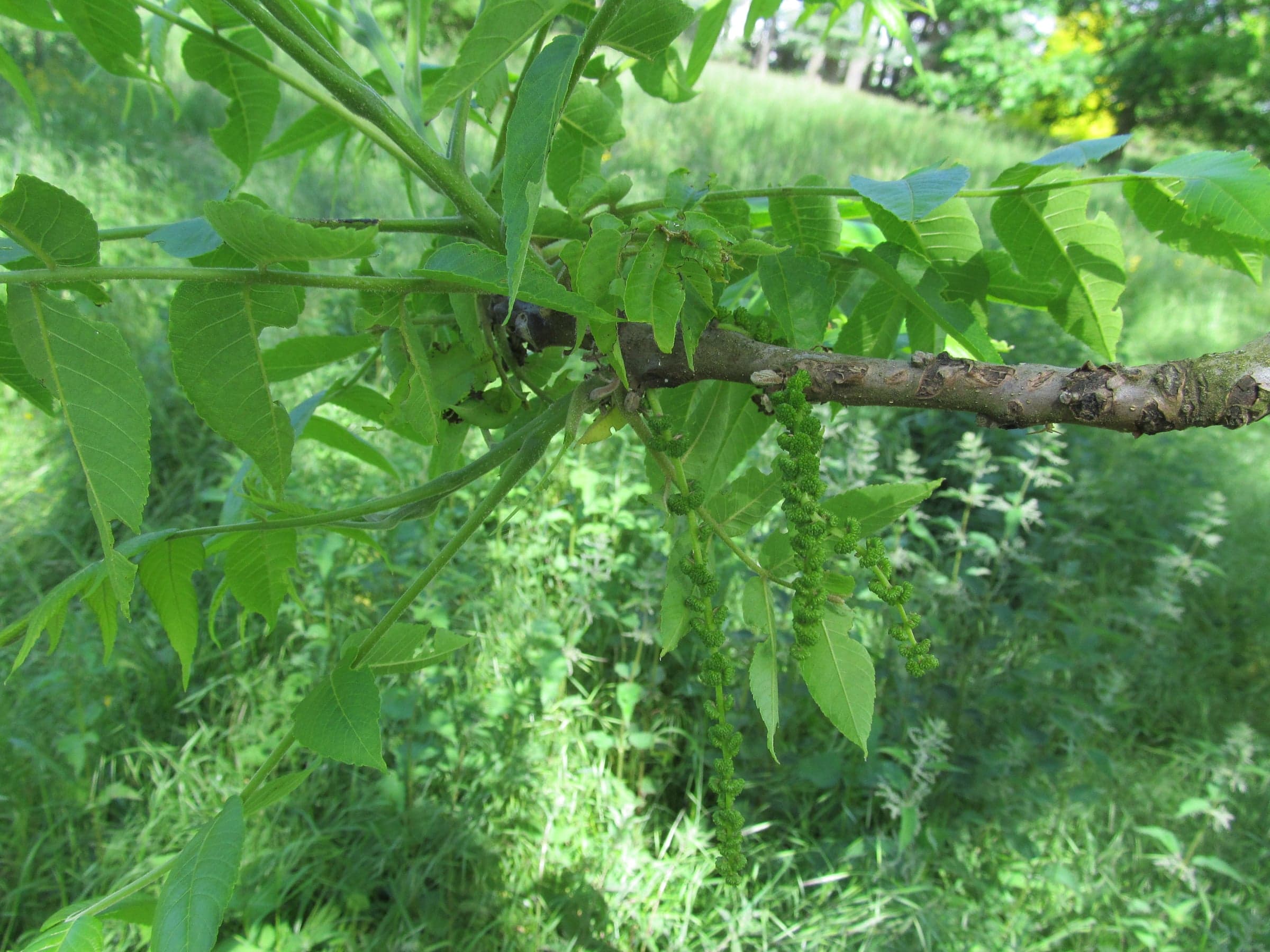
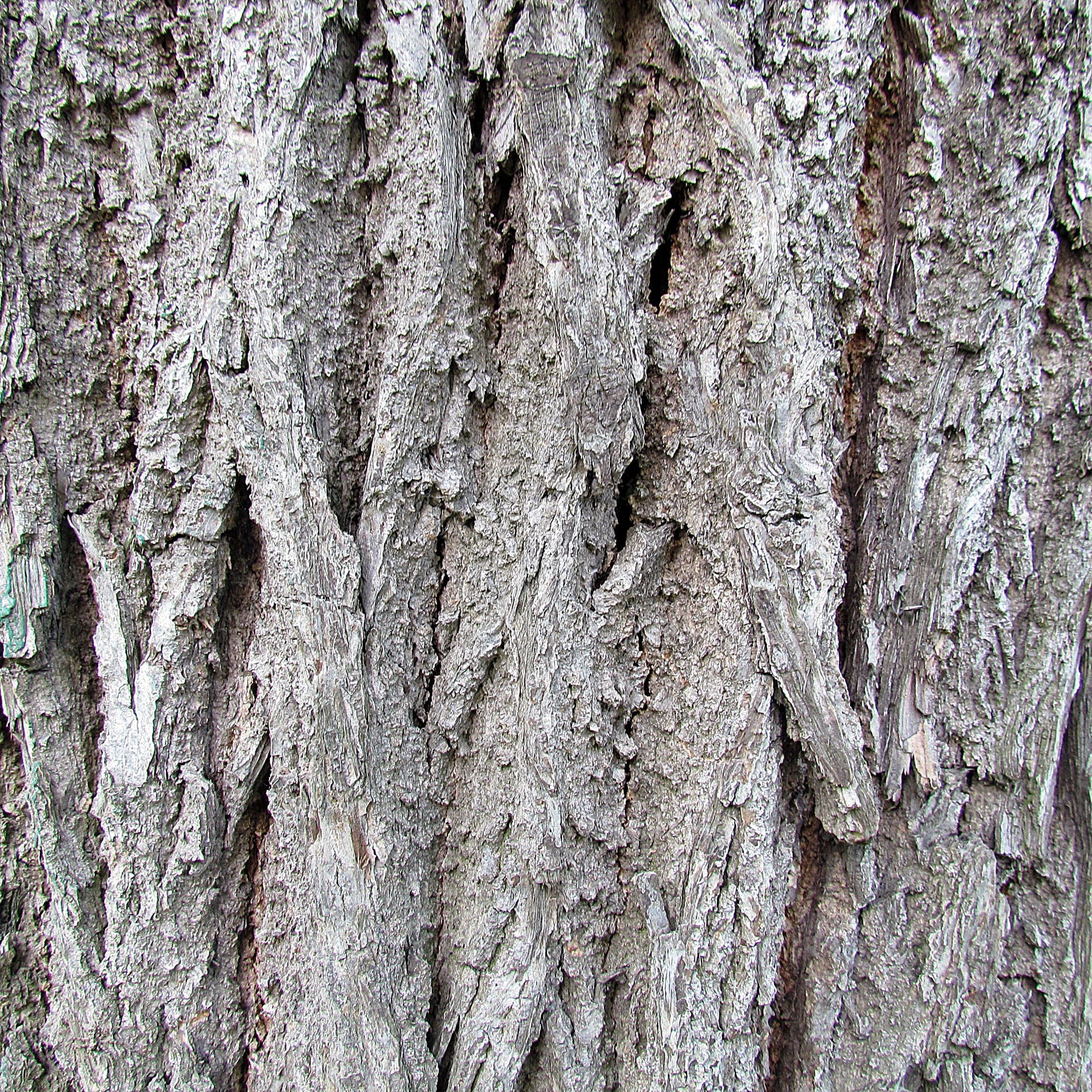
Juglans nigra
Black Walnut
American Black Walnut is the chocolate-brown hardwood that built mid-century furniture. Imported into European yards as kiln-dried slabs, it works cleanly and finishes to a deep, warm tone that ages well.
- Kasvatettu Euroopan ulkopuolella ja tuotu eurooppalaisten kumppanivarastojen kautta.
- Kasvitieteellinen ryhmä. Havupuut ovat paljassiemenisiä ja lehtipuut koppisiemenisiä puita.
- Kasvitieteellinen heimo, johon puulaji kuuluu.
Tilaa ilmoitus sen saapuessaViitepuulaji. Ei kappaleita varastossa juuri nyt.
Sopiiko se projektiisi?
Sopii hyvin
- Live-edge dining and conference tables
- Mid-century-style casework and credenzas
- Dark-toned kitchen islands and breakfast bars
- Desks and writing tables with figured tops
- Gunstocks, knife scales and high-end tool handles
- Turned bowls and hollow forms
Puulajia Black Walnut ei ole nykyisessä erässä
Samankaltaisia puulajeja varastossa
Puulajia Black Walnut ei ole juuri nyt. Nämä puulajit sopivat samoihin projekteihin, ja niitä on saatavilla.
Tilaa ilmoitus puulajista Black Walnut
Lähetämme sähköpostia, kun KORENAan saapuu uusia Black Walnut-lankkuja. Jokainen kappale on ainutlaatuinen, joten ennakkotiedosta on hyötyä.
Puun ulkonäkö
Miltä se näyttää
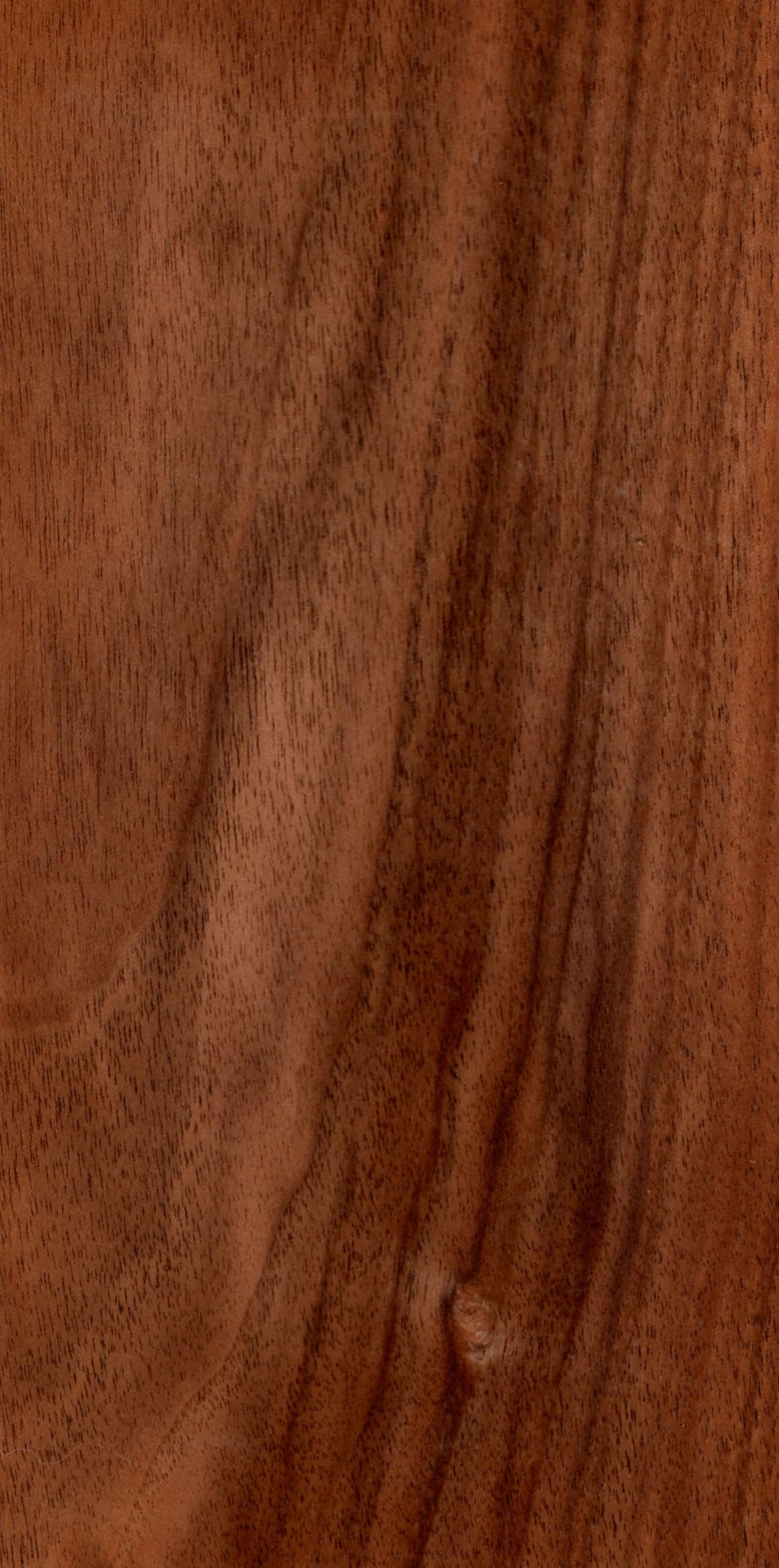
Heartwood ranges from chocolate brown to a purplish or greyish brown, often with darker streaks. Sapwood is pale cream, usually steamed at the mill to even out the contrast, but you'll still see some on wide slabs. Grain is generally straight, though figured boards (curl, crotch, burl) turn up regularly and command a premium. Medium, even texture takes detail well.
- Chocolate to purplish-brown heartwood
- Pale cream sapwood, often steamed for uniformity
- Darker streaks and figure on wider boards
- Lightens slightly under UV over the first year
- Deepens and warms under oil finishes
- Generally straight; can be irregular or wavy. Medium texture.
Työstäminen
Työstäminen
Easy across the board. Sawing, planing, sanding, turning and carving all rate 4 out of 5. Glues and screws without complaint. Steam bending is the one weak spot (3/5), workable for gentle curves, not the species you'd choose for tight bentwood seating. Sharp tooling keeps the surface clean; dull blades will burnish rather than tear.
Viimeistely
Finishes beautifully with very little fuss. Hard wax oil and Danish oil deepen the brown without muddying the grain; a thin shellac seal coat helps if you're spraying lacquer over oily patches. Sanded to 180–220 it feels silky in the hand. Black walnut lightens slightly with UV exposure over the first year, the opposite of cherry, so a UV-inhibiting topcoat helps on pieces near windows.
Kuivaus
Slabs arrive kiln-dried to roughly 8–10% MC. Movement in service is moderate, radial 5.0–6.0%, tangential 7.5–8.5%, so wide tops still want a breathable build (breadboard ends, slot-screwed cleats, or fixed-and-floating fasteners). Acclimatise to your shop for two to three weeks before final flattening.
Kuinka paljon se elää?
Puu turpoaa ja kutistuu leveyssuunnassa ilman kosteuden muuttuessa. Arvioi Black Walnut-tason vuodenaikaiseläminen ennen kiinnikkeiden suunnittelua.
Odotettu vuodenaikaiseläminen
noin 9,1 mm
Kiinnitä taso kiinnityspaloilla tai urallisilla kiinnikkeillä, älä liimalla tai tiukoilla ruuveilla.
Lineaarinen kutistumismalli: leveys × (kutistuminen ÷ 28 %:n puunsyiden kyllästymispiste) × kosteuden vuodenaikaisvaihtelu. Puulajin Black Walnut tangentin suuntaista kutistumisena käytetään arvoa 8 %. Tämä on suunnitteluarvio, ei takuu.
Mitä se maksaa
Turvallisuus ja hankinta
- Kasvatettu Euroopan ulkopuolella ja tuotu eurooppalaisten kumppanivarastojen kautta.
- IUCN:n punaisen listan luokitus: puulajin maailmanlaajuinen uhanalaisuusarvio.
Walnut dust contains juglone and is a known respiratory and skin sensitiser. Run a dust extractor at the source and wear a P3/FFP3 mask when sanding. Juglone-laden offcuts and shavings are toxic to horses and to some plants (tomatoes, apples), so don't compost or use as bedding. Cured finished surfaces are food-contact safe.
Lue koko opasTarkemmat tiedot kuviosta, värin muutoksesta, työstämisestä ja vakaudesta.
What Black Walnut actually is#
Juglans nigra is the darkest wood in this catalogue and the North American counterpart to European walnut. Where Juglans regia is a lighter grey brown full of streaking, black walnut is a deeper, more uniform chocolate.
The other significant difference is commercial rather than botanical. Black walnut is grown as a forestry species across eastern North America, so it comes in larger, straighter, more consistent sizes than European walnut, much of which is salvaged from orchards and gardens. If you need matched material across several wide boards, black walnut is the easier species to source.
The steaming question, which matters more than most people realise#
A large proportion of commercial black walnut is steamed during kiln drying.
Steaming drives colour out of the dark heartwood and into the pale sapwood. The result is a board that reads more uniformly brown, with the sapwood muddied to a dull tan rather than staying cream. For a factory producing matched furniture components, that uniformity is the point.
For a live edge slab it is usually the opposite of what you want. The sharp contrast between pale cream sapwood and near black heartwood is one of the most striking features this species offers, and steaming destroys it.
Unsteamed black walnut keeps that contrast. It is worth asking which you are being offered, because the difference is permanent and not visible from a description alone.
Ostajien kysymykset
Ostajien kysymykset
How is Black Walnut different from European Walnut?
Black walnut, Juglans nigra, is darker and more uniformly chocolate brown, where European walnut runs lighter grey brown with more streaking and marbling. Black walnut is slightly softer at 4,490 N against 5,410 N but slightly stiffer at 11.0 GPa. Black walnut also comes in larger, more consistent sizes because it is grown as a forestry species rather than an orchard tree.
Is Black Walnut steamed, and does it matter?
Much commercial American black walnut is steamed during drying, which drives colour from the dark heartwood into the pale sapwood and makes the board look more uniformly brown. Unsteamed walnut keeps a sharp contrast between cream sapwood and dark heartwood. For a live edge slab where the sapwood line is a feature, unsteamed is usually what you want, and it is worth asking.
Does Black Walnut fade?
Yes. Like European walnut it lightens with light exposure rather than darkening, mellowing from deep chocolate toward a warmer, lighter brown. This is the opposite of what oak and cherry do. A UV inhibiting finish slows it without stopping it.
Is walnut dust dangerous?
Mekaaniset ominaisuudet
Tekniset tiedot
Julkaistut viitearvot. Jos lähteet eroavat toisistaan, vaihteluväli näytetään ja yllä olevissa asteikoissa käytetään tyypillistä arvoa.
| Tiheys (kg/m³)Kuutiometrin massa noin 12 %:n kosteudessa. Painavampi puu on yleensä kovempaa ja vahvempaa. | 560–660 kg/m³tyypillinen 610 kg/m³ |
|---|---|
| Janka-kovuus (N)Voima, joka tarvitaan teräskuulan painamiseen puoliksi puuhun. Vakiintunut lommonkestävyyden mitta. | 4,100–4,900 Ntyypillinen 4 490 N |
| MOR: taivutuslujuus (MPa)Taivutuslujuus: kuorma, jolla palkki murtuu. | 100–110 MPa |
| MOE: kimmomoduuli (GPa)Taivutusjäykkyys: kuinka paljon hylly tai taso taipuu kuormitettuna. | 11.0–12.0 GPa |
| Säteensuuntainen kutistuminenKutistuminen kasvurenkaiden poikki tuoreesta uunikuivaksi. Neljännessahatut laudat elävät näin. | 5.0–6.0 % |
| Tangentin suuntainen kutistuminen |