KORENA
PuuFinished piecesTarvikkeetKumppanivarastotJulkaisut

Tilaa ilmoitukset

Jokainen lankku on ainutlaatuinen. Kun se myydään, sitä ei enää ole. Lähetämme sähköpostia, kun uusia kappaleita listataan: uudet saapumiset, uudet puulajit ja projektikuvaukseen sopivat lankut.

Muutama sähköposti kuukaudessa. Ei roskapostia, voit perua milloin tahansa.

KORENA, korkealaatuinen lehtipuu

Kappale kerrallaan.

Tarkastettua korkealaatuista lehtipuuta kappale kerrallaan. Jokainen lankku valokuvataan, mitataan ja toimitetaan kumppanivarastosta puupassin kanssa.

Kauppa

  • Selaa tuotteita
  • Myytyjen arkisto
  • Seuraa tilausta

Opi

  • Julkaisut
  • Puulajioppaat
  • Sanasto
  • Vertaa
  • Kirjoittajat

Ohjeet

  • Tietoa meistä
  • Näin se toimii
  • Ryhdy kumppanivarastoksi
  • Pyydä lankun hankintaa
  • Tuki
  • Asiakirjamallit
  • Lehdistö

Osta

  • Myyntiehdot
  • Peruuttamisoikeus
  • Palautukset ja takuu
  • Toimitus

Luottamus

  • Tietosuojakäytäntö
  • Evästekäytäntö
  • Puun alkuperä ja EUDR
  • Saavutettavuus

Yritystiedot

  • Oikeudellinen ilmoitus / yritystiedot
  • Hyväksyttävä käyttö
  • Immateriaalioikeudet ja sisältö

© 2026 KORENA. Kaikki oikeudet pidätetään.

Ylläpitäjä Martial Labs Ltd. (BG, EIK 207453941). KORENA on Martial Labs Ltd:n kauppanimi.

Kunnioitamme yksityisyyttäsi

Käytämme välttämättömiä evästeitä, jotta sivusto toimii. Luvallasi käyttäisimme evästeitä myös analytiikkaan, yksilölliseen sisältöön ja mainontaan. Voit muuttaa valintaasi milloin tahansa suostumusasetusten sivulla. Tutustu evästekäytäntöömme ja tietosuojakäytäntöömme.

  1. Etusivu
  2. /
  3. Puulajit
  4. /
  5. European Pear

Pyrus communis

European Pear

Master-grade carving and cabinet wood with a fine even texture. Slab-size pieces are rare and prized when they appear.

  • Kasvatettu ja korjattu Euroopassa.
  • Kasvitieteellinen ryhmä. Havupuut ovat paljassiemenisiä ja lehtipuut koppisiemenisiä puita.
  • Kasvitieteellinen heimo, johon puulaji kuuluu.
Tilaa ilmoitus sen saapuessaViitepuulaji. Ei kappaleita varastossa juuri nyt.
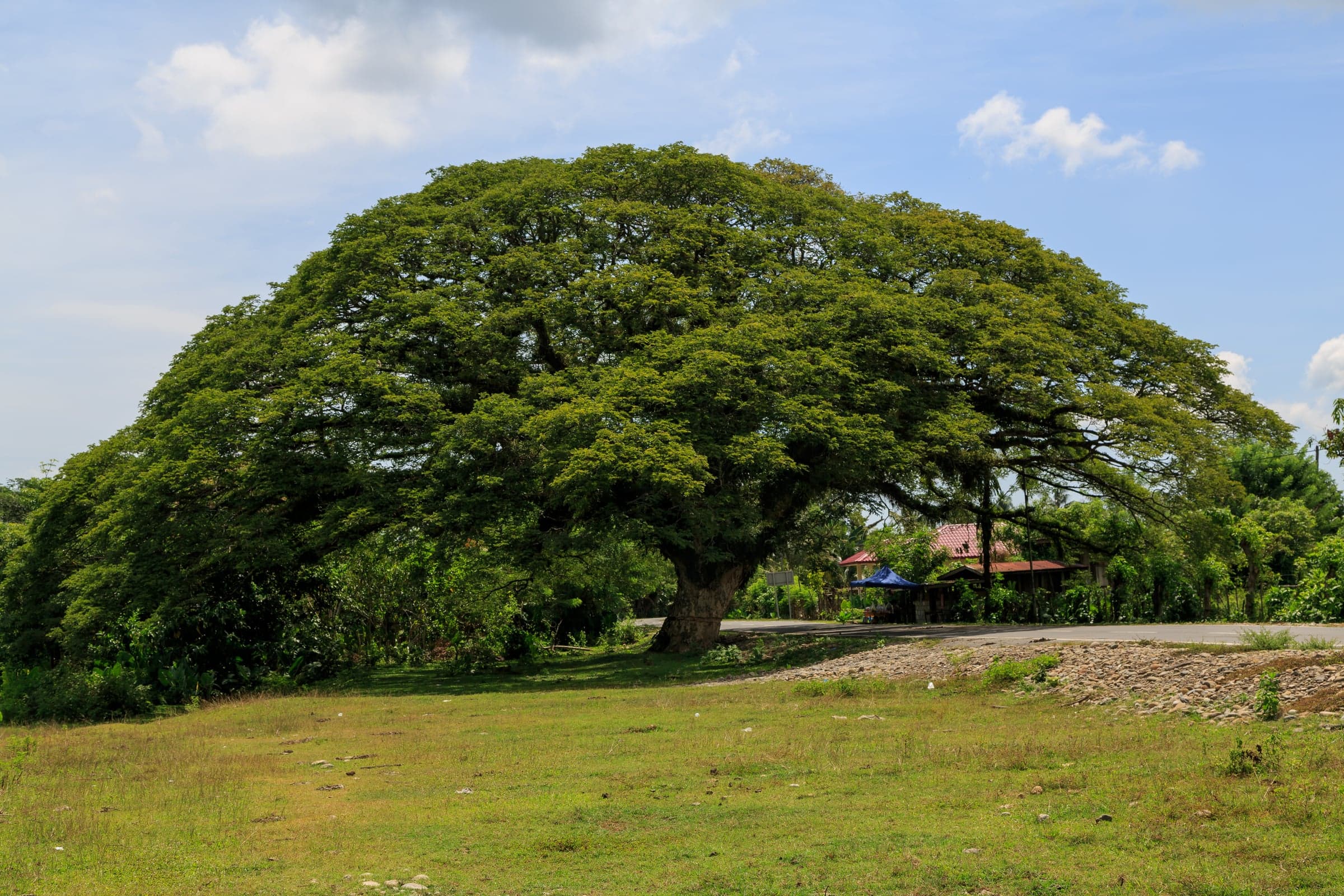
European Pear-puu
  • Sopivuus projektiin
  • Varastossa
  • Ulkonäkö
  • Työstäminen
  • Eläminen
  • Hinta
  • Turvallisuus ja hankinta
  • Kysymykset
  • Tekniset tiedot

Sopiiko se projektiisi?

Sopii hyvin

  • Heirloom carving and sculpture
  • Fine cabinetry and case pieces
  • Marquetry and inlay
  • Jewellery boxes and instrument cases
  • Small statement tables and side tables
  • Turned bowls and treen

Puulajia European Pear ei ole nykyisessä erässä

Samankaltaisia puulajeja varastossa

Puulajia European Pear ei ole juuri nyt. Nämä puulajit sopivat samoihin projekteihin, ja niitä on saatavilla.
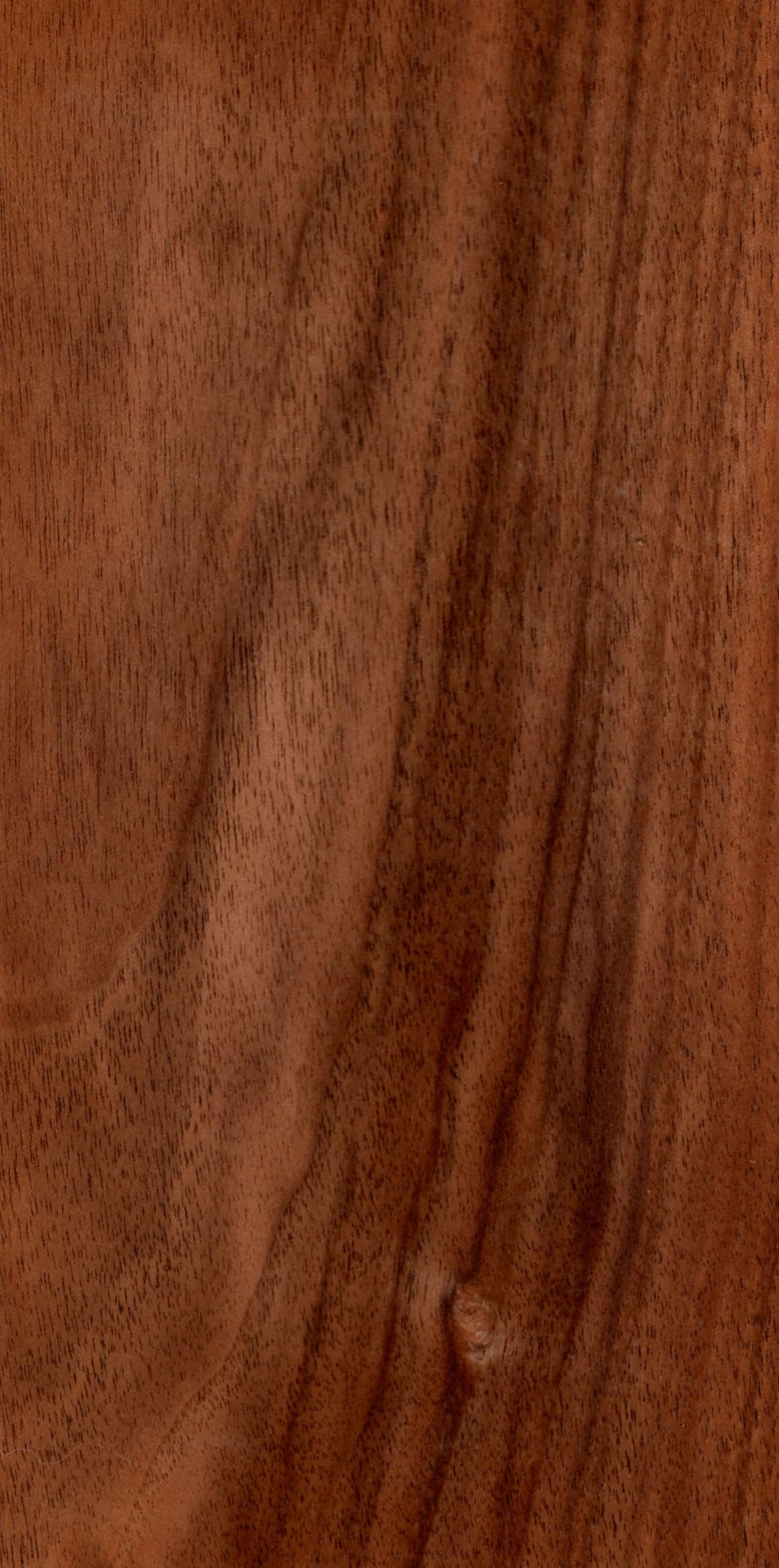
  • Puulajin European Walnut syykuvio

    European Walnut

    Juglans regia

    9 kappaletta

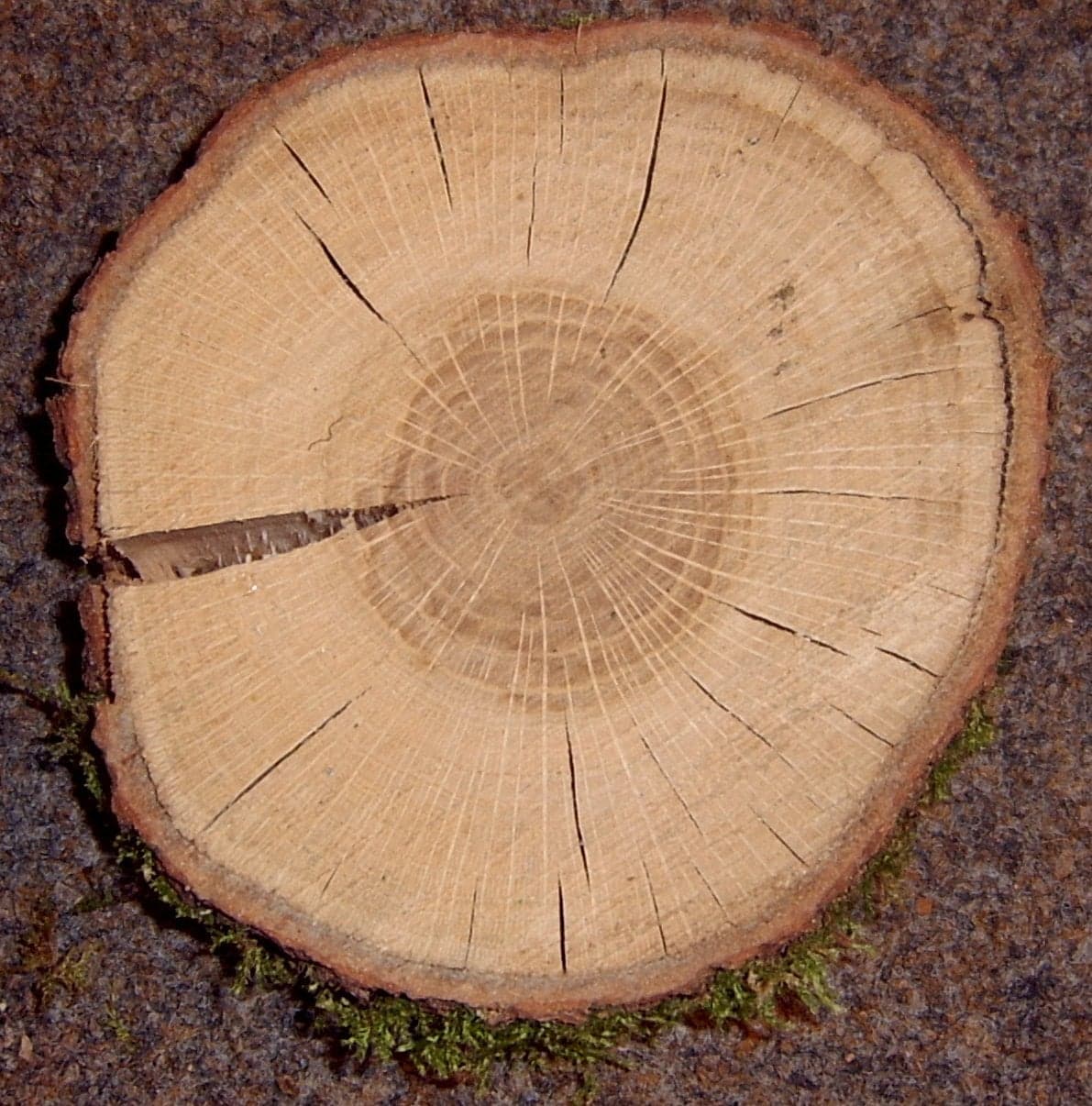
  • Puulajin European Oak syykuvio

    European Oak

    Quercus robur

    6 kappaletta

  • Puulajin Saman syykuvio

    Saman

    Samanea saman

    4 kappaletta

Tilaa ilmoitus puulajista European Pear

Lähetämme sähköpostia, kun KORENAan saapuu uusia European Pear-lankkuja. Jokainen kappale on ainutlaatuinen, joten ennakkotiedosta on hyötyä.

Muutama sähköposti kuukaudessa. Ei roskapostia, voit perua milloin tahansa.

Puun ulkonäkö

Miltä se näyttää

Pale pinkish-tan to warm salmon, deepening to a soft russet with age and light. Texture is dense, even, and almost poreless under the hand. Figure is quiet, gentle ribbon and the occasional fine fleck, which is exactly why carvers and marquetry workers prize it. The grain doesn't fight you, and detail holds crisply.

  • Pale pinkish-tan when fresh off the saw
  • Warm salmon to soft russet with age
  • Steamed pear takes a uniform pinkish hue
  • Stains evenly to deep black for ebonised work
  • Subtle ribbon figure; rarely dramatic
  • Mild UV warming, no harsh colour shift
  • Very fine even texture; subtle figure.

Työstäminen

Työstäminen

Carves, turns, and planes superbly, this is a benchmark wood for fine work. Cuts cleanly across the grain without tearing, holds knife-edge detail, and turns to crisp profiles. Sands to a near-polished surface straight off the tool. Glues and screws well. Steam bending is moderate. The low stiffness helps it bend, but it can compress unevenly, so test on offcuts.

Viimeistely

Sands to a glass-smooth surface, one of the cleanest finishes you can pull off any European hardwood. Takes oil, wax, and shellac evenly with no blotching. Steaming produces the uniform pinkish tone historically used to imitate ebony when stained black (the piano-key trick). For natural finishes, hard-wax oil holds the warm tone; lacquer can flatten it. Expect mild warming in UV.

Kuivaus

Honest tradeoff: tangential shrinkage is high (10.5–12%) against modest radial movement, so drying rate matters. Pear that's rushed will check, cup, and case-harden. Air-dry slowly under weight, then finish in a kiln on a gentle schedule. Once stable, it sits well indoors. Quartersawn or rift-sawn stock is the safer cut for wide panels.

Kuinka paljon se elää?

Puu turpoaa ja kutistuu leveyssuunnassa ilman kosteuden muuttuessa. Arvioi European Pear-tason vuodenaikaiseläminen ennen kiinnikkeiden suunnittelua.

Sahaustapa
Käyttöympäristö

Odotettu vuodenaikaiseläminen

noin 12,9 mm

Suuri. Käytä kiinnityspaloja tai urallisia kiinnikkeitä, jätä päätylistojen päihin liikkumavaraa ja anna lankun tasaantua ennen kokoamista.

Lineaarinen kutistumismalli: leveys × (kutistuminen ÷ 28 %:n puunsyiden kyllästymispiste) × kosteuden vuodenaikaisvaihtelu. Puulajin European Pear tangentin suuntaista kutistumisena käytetään arvoa 11,25 %. Tämä on suunnitteluarvio, ei takuu.

Mitä se maksaa

Turvallisuus ja hankinta

  • Kasvatettu ja korjattu Euroopassa.
  • IUCN:n punaisen listan luokitus: puulajin maailmanlaajuinen uhanalaisuusarvio.
  • Food-contact safe, pear has a long tradition as kitchen utensil and treen wood. Not a commonly reported dust sensitiser. Standard shop dust extraction is enough.

Lue koko opasTarkemmat tiedot kuviosta, värin muutoksesta, työstämisestä ja vakaudesta.+

What European Pear actually is#

Pyrus communis is the fine detail wood of Europe. Its texture is exceptionally close, even and dense, with essentially no visible grain direction, and at 7,420 N Janka it is one of the hardest species in this catalogue.

That pairing is unusual. Most woods that hold fine detail are soft, like lime. Most woods that are hard have pronounced grain that fights the tool, like oak. Pear is both hard and directionless, so carved detail is crisp and then survives being handled.

It is the traditional wood for woodcut printing blocks, recorders and wind instrument parts, drawing instruments, rulers, set squares and fine inlay, and all of those uses depend on the same property.

The orchard problem#

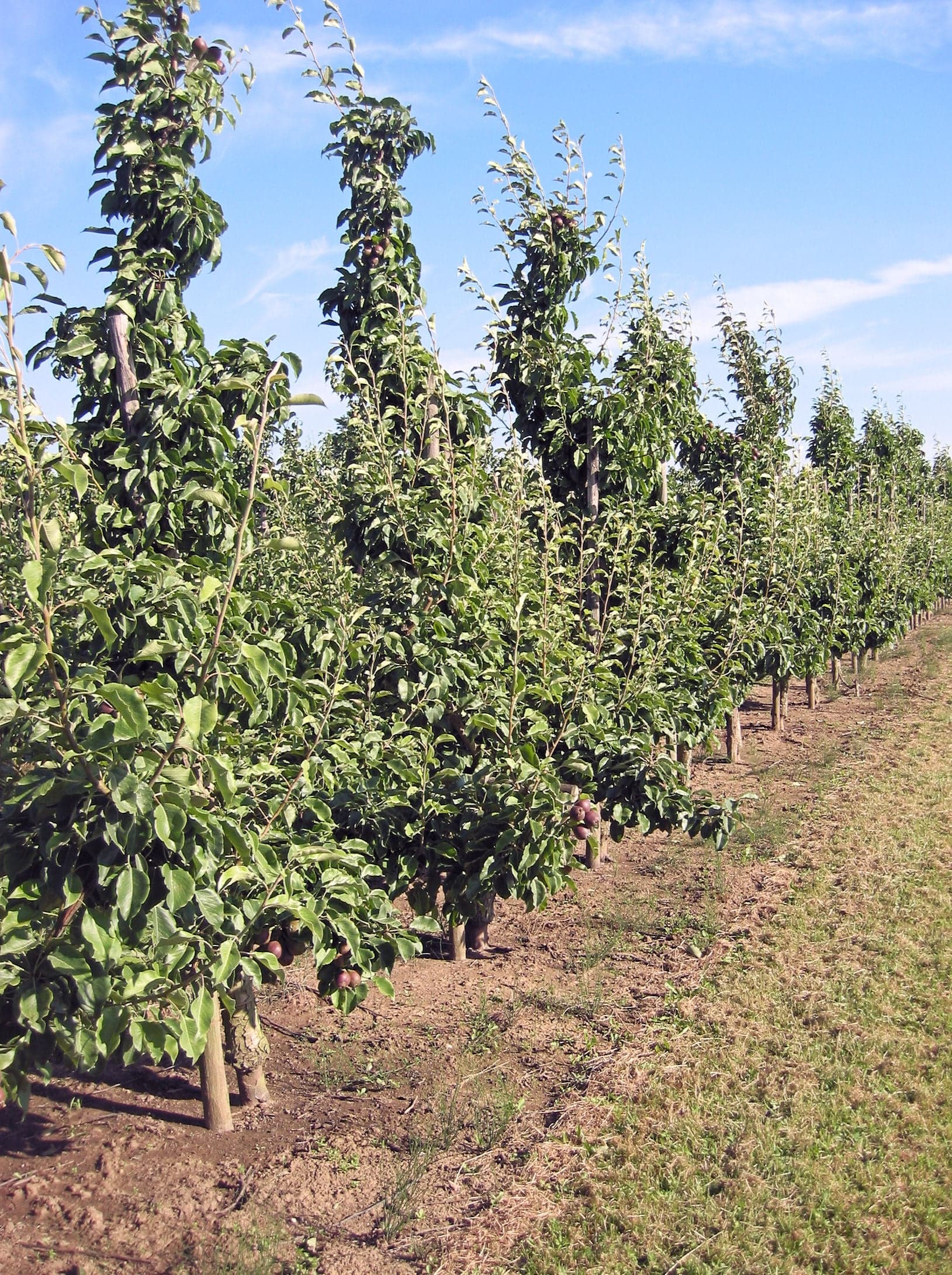
Pear is a fruit tree. It is grown for pears, and it reaches the timber market when an orchard tree comes to the end of its productive life.

The consequences are structural. Trunks are short and often irregular. Diameters are modest. Clean wide boards are genuinely scarce, and slab sized material is uncommon enough that finding it is the main constraint rather than affording it.

Expect narrow widths, short lengths, and a good deal of character.

Steamed and unsteamed

Ostajien kysymykset

Ostajien kysymykset

Why is pear so highly regarded for carving and instruments?

+

Its texture is exceptionally fine, even and dense, with essentially no visible grain direction, so it cuts equally well in any direction and holds very crisp detail. At 7,420 N Janka it is also hard, which means carved detail survives handling. That combination of fine texture and hardness is rare and is why pear has been the traditional wood for woodcuts, recorders, rulers and instrument parts.

What is steamed pear?

+

Pear that has been steamed during drying, which turns the pale pinkish wood a warm rose brown and evens the colour. It is the standard European commercial treatment and the colour most people associate with the species. Unsteamed pear is paler and more variable. The change is permanent.

Why are pear boards so small?

+

It is an orchard tree, grown for fruit and felled at the end of its productive life rather than for timber. Trunks are short, often irregular, and rarely large. Wide clean pear is genuinely scarce and priced accordingly, and slab sized material is uncommon.

How much does it move?

+

Mekaaniset ominaisuudet

Tekniset tiedot

Julkaistut viitearvot. Jos lähteet eroavat toisistaan, vaihteluväli näytetään ja yllä olevissa asteikoissa käytetään tyypillistä arvoa.

Tiheys (kg/m³)Kuutiometrin massa noin 12 %:n kosteudessa. Painavampi puu on yleensä kovempaa ja vahvempaa.650–740 kg/m³tyypillinen 700 kg/m³
Janka-kovuus (N)Voima, joka tarvitaan teräskuulan painamiseen puoliksi puuhun. Vakiintunut lommonkestävyyden mitta.6,800–7,800 Ntyypillinen 7 420 N
MOR: taivutuslujuus (MPa)Taivutuslujuus: kuorma, jolla palkki murtuu.75–90 MPa
MOE: kimmomoduuli (GPa)Taivutusjäykkyys: kuinka paljon hylly tai taso taipuu kuormitettuna.7.0–8.5 GPa
Säteensuuntainen kutistuminenKutistuminen kasvurenkaiden poikki tuoreesta uunikuivaksi. Neljännessahatut laudat elävät näin.4.0–5.0 %
Tangentin suuntainen kutistuminen

Rasbak, via Wikimedia Commons

  • Drawing instruments and tool handles
  • Ebonised detail work (piano-key tradition)
  • Vahvuudet

    • Sopii elintarvikkeilleSopii laudoille, kulhoille ja pinnoille, jotka koskettavat elintarvikkeita.

    Huomioi

    • Ei käsittelemättömään ulkokäyttöönLuontainen kestävyys on EN 350 -luokassa 5/5. Käytä sisällä tai pidä pinta suojakäsiteltynä.

    Native across Europe, from orchards and hedgerows. Most pear comes in small sections from old orchard trees, so a true slab is uncommon stock, usually a long-lived garden or estate tree that grew large enough to mill.

  • IUCN Least Concern, no CITES listing. Native European species, often sourced from orchard clearances and estate trees rather than dedicated forestry, which means supply is opportunistic and slabs are scarce. Decay class 5, perishable, so this is strictly interior wood.

  • #

    Most European commercial pear is steamed during drying.

    Steaming turns the pale pinkish natural colour to a warm rose brown and evens out variation. This is the colour most people picture when they think of pear, and it is the standard for instrument and cabinet work.

    Unsteamed pear is paler, closer to a pinkish cream, and more variable between boards. Both are the same species and the difference is permanent, so decide at the outset and buy accordingly.

    The movement problem#

    This is the one number that spoils an otherwise excellent wood.

    Tangential shrinkage of 10.5 percent against radial at 4.0 percent is among the widest differentials in this catalogue, wider than oak, wider than ash. Volumetric shrinkage of 11.5 percent is only moderate, so the total movement is unremarkable, but the distortion is severe because the two axes are so far apart.

    Flatsawn pear cups hard. Quartersawn stock is markedly better behaved and is worth seeking out for anything that must stay flat.

    Given the small sizes the species comes in, most pear ends up in components small enough that this matters less than it would in a wide top. If you do have a pear slab wide enough for a tabletop, that ratio is the thing to design around.

    At the bench#

    Pear works beautifully and it works hard. At 7,420 N it blunts tooling steadily and asks for power, but the fine texture means it cuts cleanly rather than tearing.

    It carves exceptionally, turns exceptionally, and takes a polished surface directly from the tool with very little abrasive work. It glues reliably and holds fine screws with pilot holes.

    It also bends reasonably well and takes a very crisp moulded profile, which is why it appears in period furniture as mouldings and edge details.

    Finishing#

    The fine dense surface takes finish evenly and needs no grain filling. Steamed pear under a clear oil is a warm rose brown that many makers consider among the most attractive surfaces in European furniture.

    It stains poorly and rarely needs to. Pear is often used precisely because its own colour is wanted.

    It is also the traditional substrate for ebonising, taking black stain evenly because there is no open grain to break up the surface, which is how pear was used as a substitute for ebony in period work.

    Where European Pear is the right answer#

    Carving and fine detail work, musical instrument parts, drawing and measuring instruments, inlay and marquetry, small cabinetry, turned work, and mouldings. Also ebonised work.

    It is the wrong answer for anything large, anything outdoors at decay class 5, and anything where a wide flatsawn surface must stay flat.

    Sourcing and EUDR#

    Not CITES listed and assessed as Least Concern. The tree is common across Europe but timber supply is limited by the orchard felling pattern rather than by scarcity of trees. Provenance chains are short and non-standardised, and KORENA records the yard and region on every listing.

    Tangential shrinkage of 10.5 percent against radial at 4.0 percent is a very wide differential, among the widest in this catalogue, so flatsawn pear cups strongly. Volumetric shrinkage of 11.5 percent is only moderate, so the total movement is not extreme but the distortion is. Quartersawn stock is markedly better behaved.

    Can pear be used outdoors?

    +

    No. It is rated decay class 5, perishable, despite being hard and dense. Hardness and durability are unrelated. Pear is an interior wood for fine work, and it is too scarce and valuable to put outside.

    Kutistuminen kasvurenkaiden suuntaisesti. Läpisahatut laudat ja useimmat lankut elävät näin.
    10.5–12.0 %
    TilavuuskutistuminenTilavuuden kokonaismuutos tuoreesta uunikuivaksi. Pienempi arvo tarkoittaa vakaampaa puuta.11.5–13.5 %
    Luontainen kestävyys (EN 350)Eurooppalainen luontaisen lahonkestävyyden standardi, jossa 1 tarkoittaa erittäin kestävää ja 5 helposti lahoavaa.Class 5 — Perishable

    Lähteet

    • The Wood Database(luettu 2026-05-09)
    • USDA FPL Wood Handbook FPL-GTR-190 (2010)(luettu 2026-05-09)
    • Meier, E. — WOOD! Identifying and Using Hundreds of Woods Worldwide (2015)(luettu 2026-05-09)

    Yhdellä silmäyksellä

    Tasot perustuvat samoihin rajoihin kaikilla KORENAn puulajeilla, joten niitä voi verrata suoraan. Mitattu arvo näkyy kunkin tason alla.
    KovuusLommojen ja kulumisen kestoErittäin kova

    Janka-kovuus 7 420 N

    49 % kovempi kuin euroopantammi

    PainoKuinka raskas lankku on nostaaPainava

    700 kg/m³

    VakausKuinka vähän puu elää vuodenaikojen mukaanKeskimääräinen

    12,5 % tilavuuskutistuminen

    TyöstettävyysSahaus, höyläys, hionta ja liimausErittäin helppo

    4,6 / 5 työstettävyyden keskiarvo

    UlkokäyttöLuontainen lahonkestävyys, EN 350Vain sisäkäyttöön

    EN 350 -luokka 5

    • Sahaus · ErinomainenKuinka siististi se leikkautuu ja kuinka paljon se kuluttaa teriä.1 = vaikea · 5 = erinomainen
    • Höyläys · Erittäin hyväKuinka sileäksi pinta höyläytyy ja kuinka helposti puu repeilee.1 = vaikea · 5 = erinomainen
    • Hionta · ErinomainenKuinka nopeasti pinta hioutuu sileäksi tukkimatta hiomapaperia.1 = vaikea · 5 = erinomainen
    • Sorvaus · ErinomainenKuinka se leikkautuu ja viimeistyy sorvissa.1 = vaikea · 5 = erinomainen
    • Kaiverrus · ErinomainenKuinka terävinä yksityiskohdat säilyvät kourutaltalla työstettäessä.1 = vaikea · 5 = erinomainen
    • Liimaus · Erittäin hyväKuinka luotettavasti liimaliitokset pitävät.1 = vaikea · 5 = erinomainen
    • Ruuvien ja naulojen pito · Erittäin hyväKuinka hyvin ruuvit ja naulat pysyvät halkaisematta puuta.1 = vaikea · 5 = erinomainen
    • Höyrytaivutus · HyväKuinka hyvin se taipuu höyrytyksen jälkeen.1 = vaikea · 5 = erinomainen

    Puulajille European Pear ei vielä ole markkinoiden viitehintaa. Kumppanivarasto hinnoittelee jokaisen KORENA-kappaleen erikseen.

    Kuluttaa teriä
    Erittäin kova ja tiheä. Pidä terät terävinä ja poraa esireikä jokaiselle ruuville.

    Avaa tiedot napauttamalla merkintää.