Roger Culos / Muséum de Toulouse, via Wikimedia Commons — Wikimedia scaled rendition (1920 px)
Gleditsia triacanthos
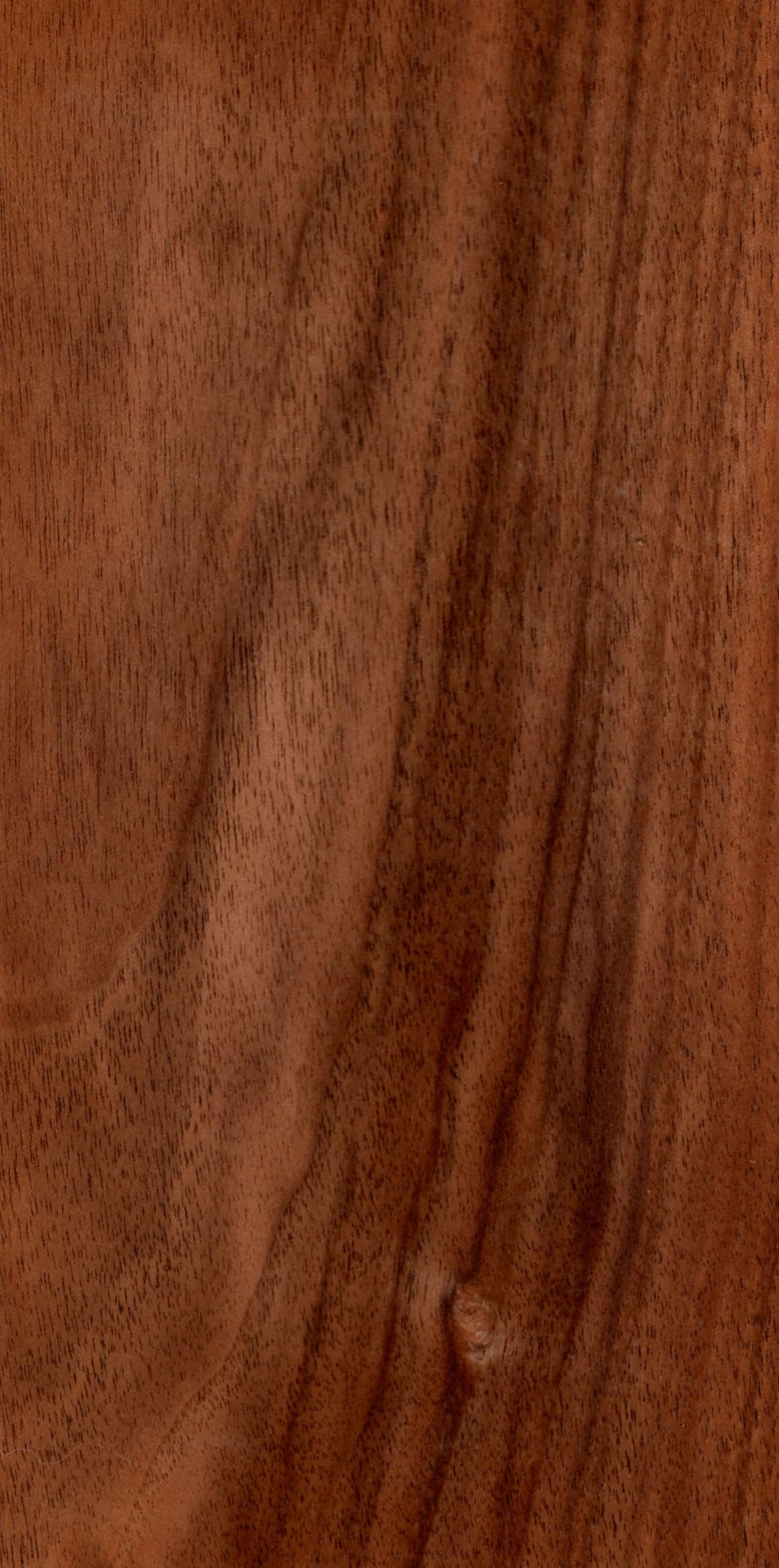
Hunajakorupuu on laji Gleditsia triacanthos -kovapuuta, joka on Pohjois-Amerikasta kotoisin oleva puu, jolla on punaruskea sydänpuu ja sitä kontrastoiva vaalea pintapuu.
Avaa tiedot napauttamalla merkintää.
Puulajia Hunajapiikkiakasia ei ole juuri nyt. Nämä puulajit sopivat samoihin projekteihin, ja niitä on saatavilla.
Lähetämme sähköpostia, kun KORENAan saapuu uusia Hunajapiikkiakasia-lankkuja. Jokainen kappale on ainutlaatuinen, joten ennakkotiedosta on hyötyä.
Puun ulkonäkö
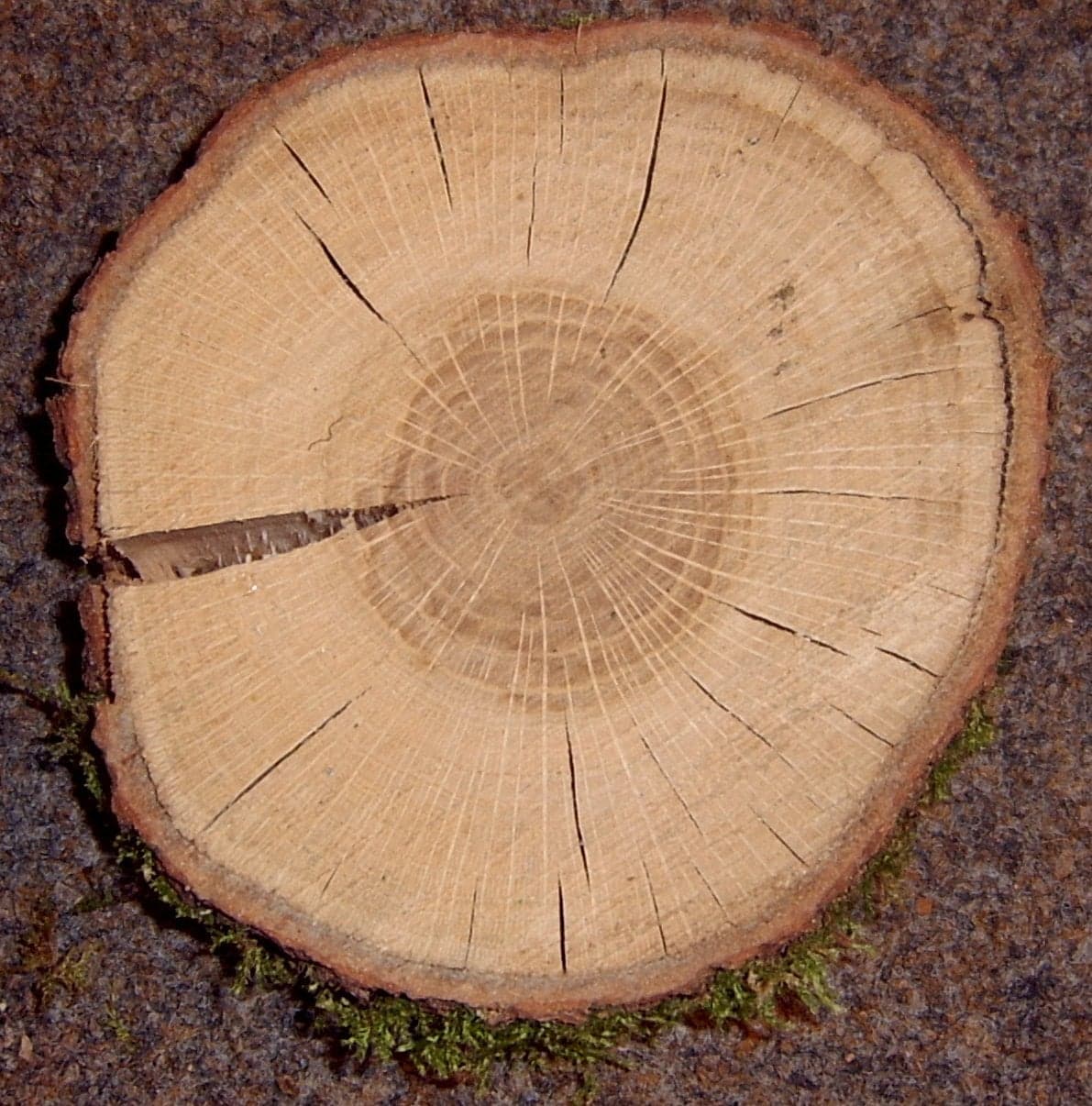
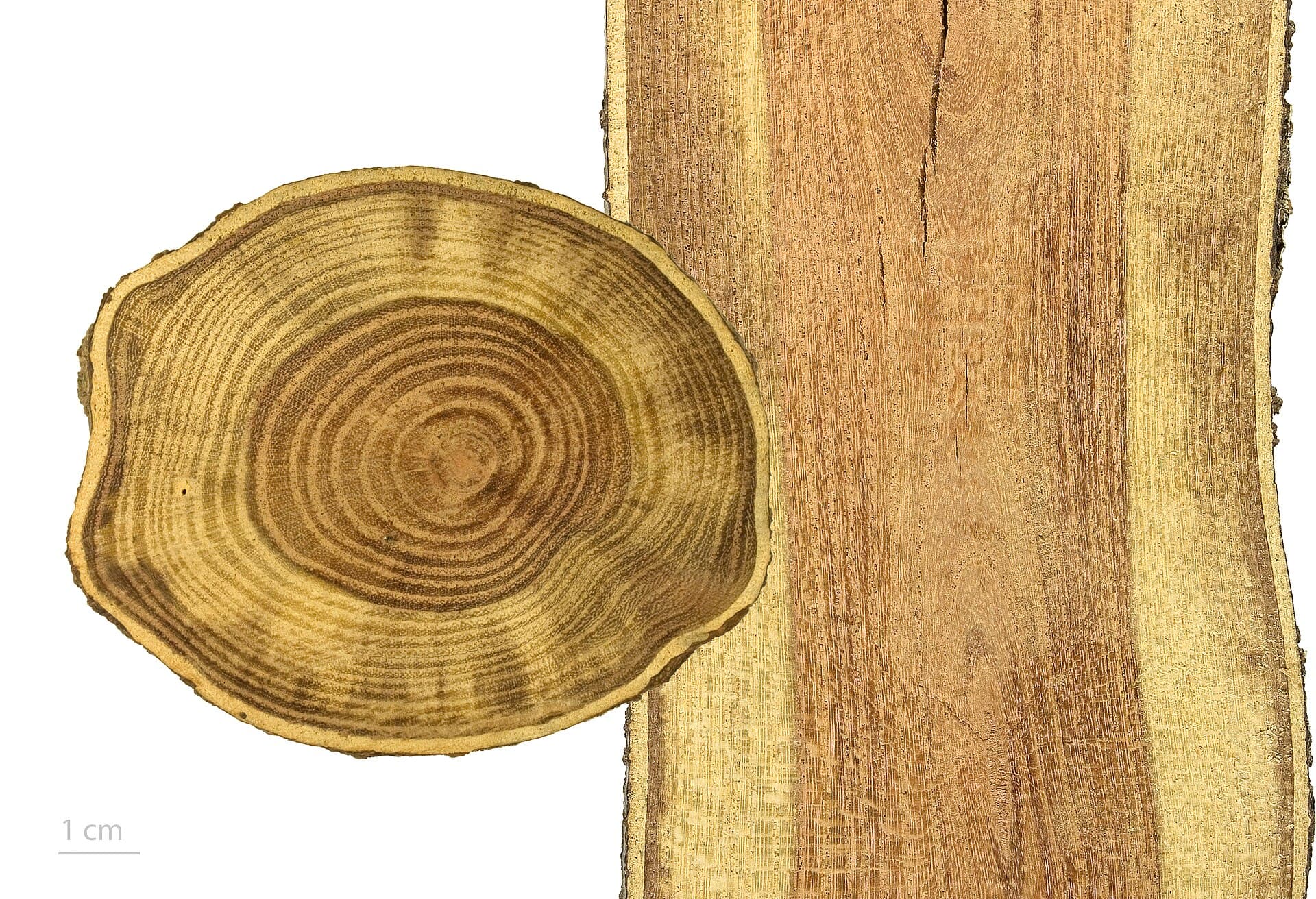
Honey locust has conspicuous growth-ring figure and a moderately coarse texture. Heartwood runs from pink or light red to reddish brown, framed by broad pale sapwood. Grain can be straight or irregular. Choose a board for its actual colour, grain direction and sound usable area; the species name does not predict the figure of an individual slab.
Työstäminen
Published descriptions differ: Purdue reports good machining, while the Alden wood fact sheet describes more difficult working but a smooth finish. Start with sharp tools and trial cuts on the actual board. A 2024 University of Ljubljana study included honey locust and found useful bonds with PVAc and one-component polyurethane; adhesive choice and moisture exposure mattered. This supports trial gluing, not a universal five-point operation score.
KORENA workshop guidance: compare finish samples on an offcut containing both heartwood and sapwood. Decide whether to retain the visible pore texture or use a compatible grain filler for a smoother surface. Follow the finish maker’s sanding and application instructions, and compare the fully cured sample in the light where the furniture will stand. A species-specific ranking of oils, waxes and lacquers has not been established.
Total shrinkage from green to oven-dry is 4.2% radial, 6.6% tangential and 10.8% volumetric (USDA). The tangential/radial ratio is approximately 1.57. These are reference totals, not the movement expected between seasons. Workshop guidance: measure the actual slab’s moisture, allow it to equilibrate with the intended environment, and use attachments that permit cross-grain movement. No universal drying time or thick-slab kiln schedule is specified here.
Puu turpoaa ja kutistuu leveyssuunnassa ilman kosteuden muuttuessa. Arvioi Hunajapiikkiakasia-tason vuodenaikaiseläminen ennen kiinnikkeiden suunnittelua.
Odotettu vuodenaikaiseläminen
noin 7,5 mm
Kiinnitä taso kiinnityspaloilla tai urallisilla kiinnikkeillä, älä liimalla tai tiukoilla ruuveilla.
Lineaarinen kutistumismalli: leveys × (kutistuminen ÷ 28 %:n puunsyiden kyllästymispiste) × kosteuden vuodenaikaisvaihtelu. Puulajin Hunajapiikkiakasia tangentin suuntaista kutistumisena käytetään arvoa 6,6 %. Tämä on suunnitteluarvio, ei takuu.
Control dust from sawing and sanding with extraction at the tool and suitable respiratory protection where required. HSE identifies wood dust as a health hazard; a missing species-specific sensitisation report does not mean the dust is harmless. Food-contact suitability has not been established for this species entry and should not be inferred from a clear finish.
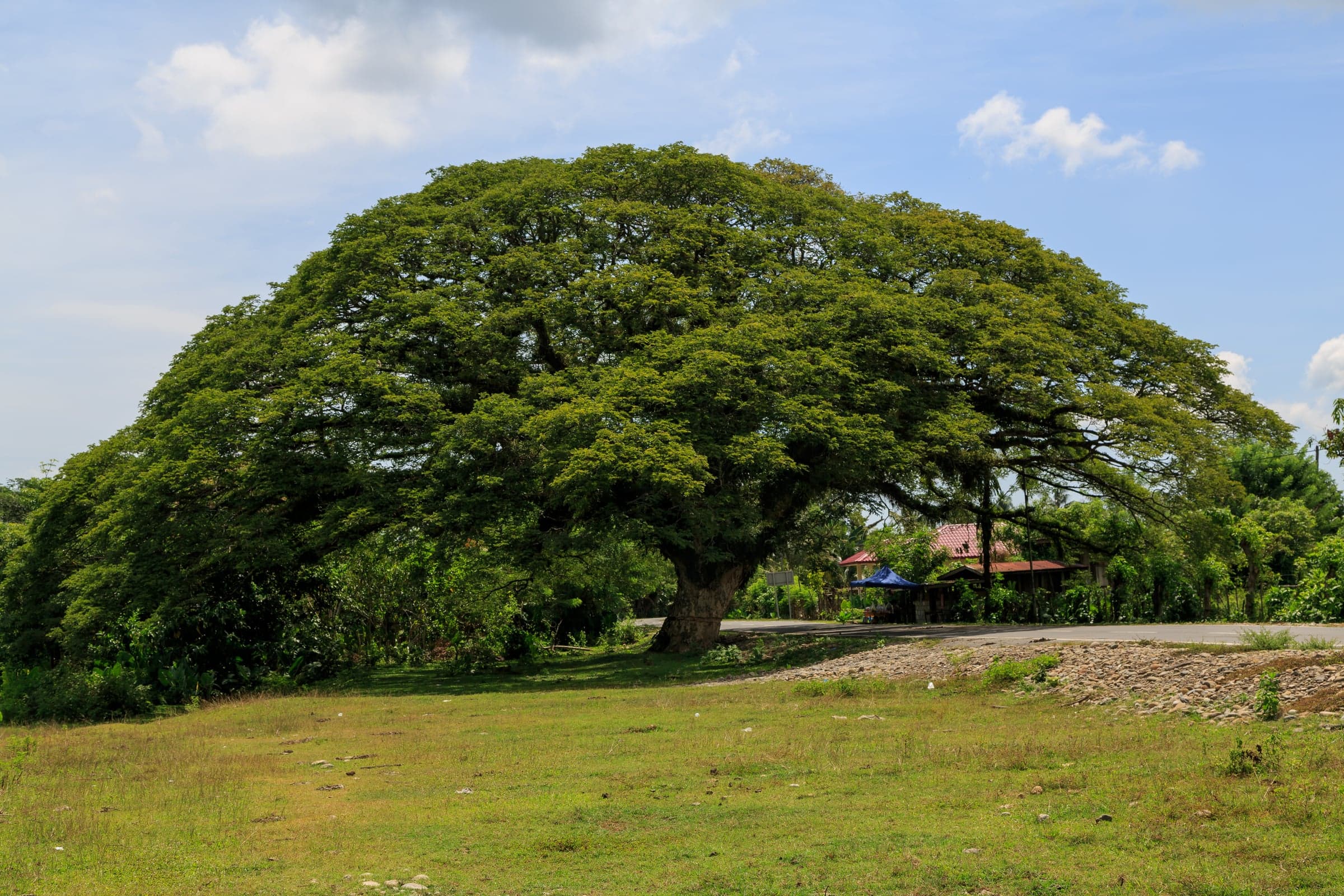
Gleditsia triacanthos is native to west-central and eastern USA and parts of northeastern Mexico. Kew records it as introduced in Bulgaria. A particular slab’s harvest origin must come from its own provenance record.
IUCN lists Gleditsia triacanthos as Least Concern in its 2018 global assessment, checked on 2 October 2026. This describes the species, not the legality or sustainability of an individual lot. Kew records introduced occurrence in Bulgaria. Confirm harvest location and chain of custody from the board’s documents; neither North American botanical origin nor occurrence in Europe proves where the board was grown.
Ostajien kysymykset
No. Honey locust is Gleditsia triacanthos; black locust is Robinia pseudoacacia. Their similar common names are not a basis for transferring durability or woodworking claims between them.
Furniture is an established use, and its pronounced grain can suit a substantial tabletop. Inspect the actual slab for soundness, moisture and usable dimensions, and design its base and fixings for weight and seasonal movement.
The reference density is about 750 kg/m³ at 12% moisture content. A rectangular 2.0 × 0.9 × 0.04 m top would contain 0.072 m³ and weigh approximately 54 kg before hardware. Live edges, voids and actual moisture change that estimate.
A 2024 study tested honey locust with PVAc and one-component polyurethane adhesives and found useful bonding performance. Results depended on adhesive and conditioning. Test your stock and follow the adhesive maker’s preparation, pressure and curing instructions.
Published descriptions of decay resistance differ, and an EN 350 durability class has not been verified here. Historical use for posts is not a guarantee of service life. Choose exterior material against the actual exposure and applicable product requirements.
No. The radial 4.2%, tangential 6.6% and volumetric 10.8% figures describe green-to-oven-dry shrinkage. Seasonal movement depends on the moisture change, board width and grain orientation.
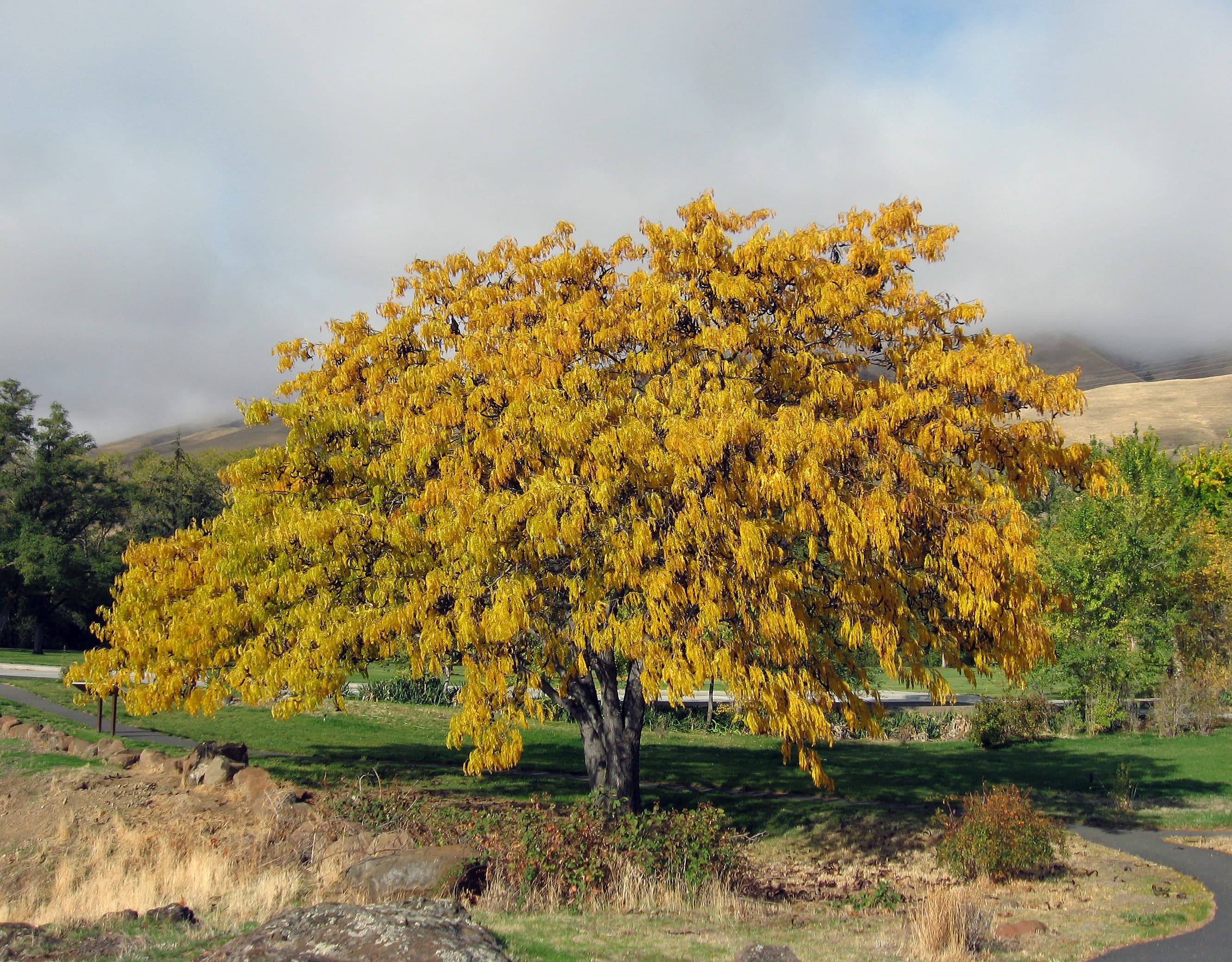
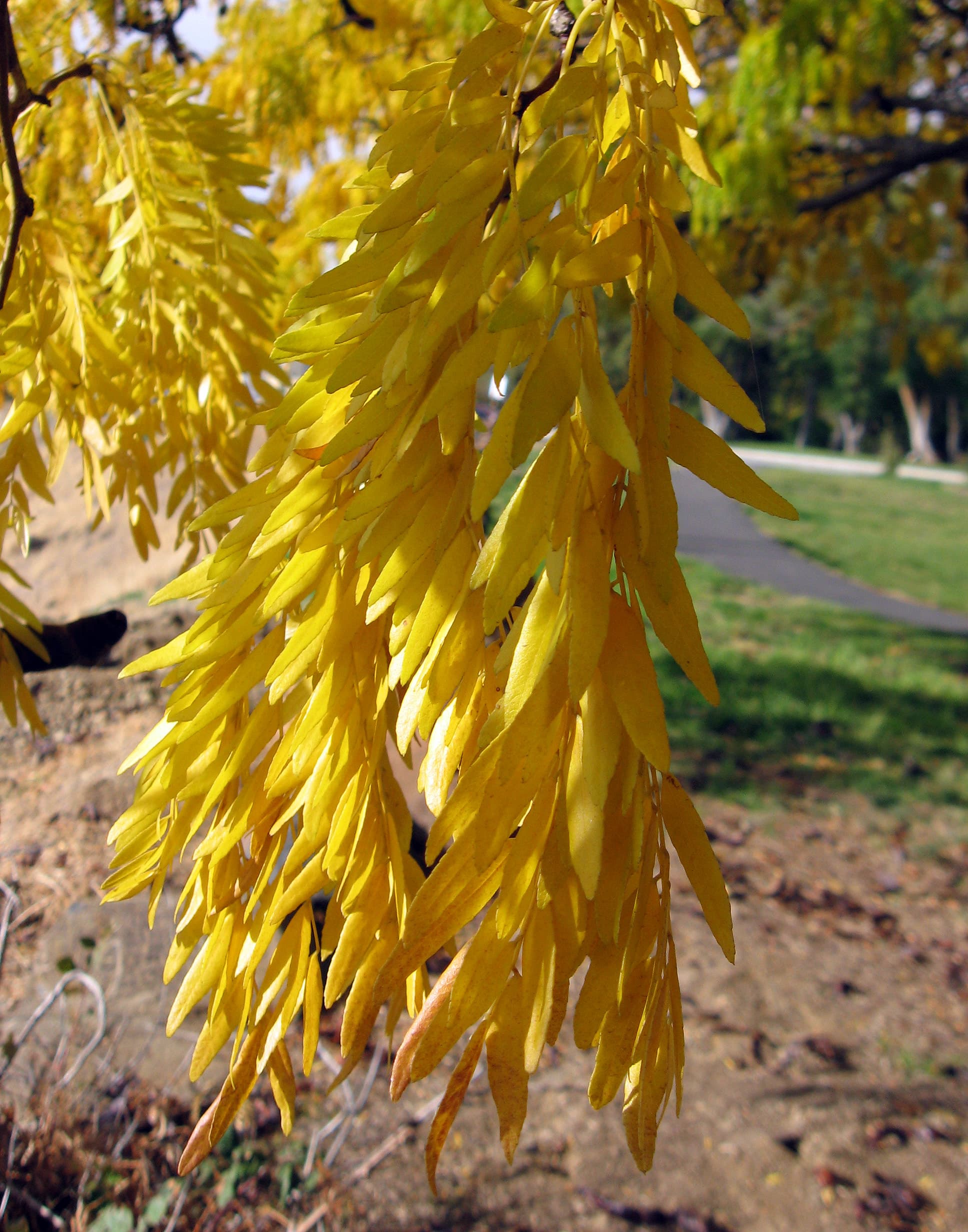
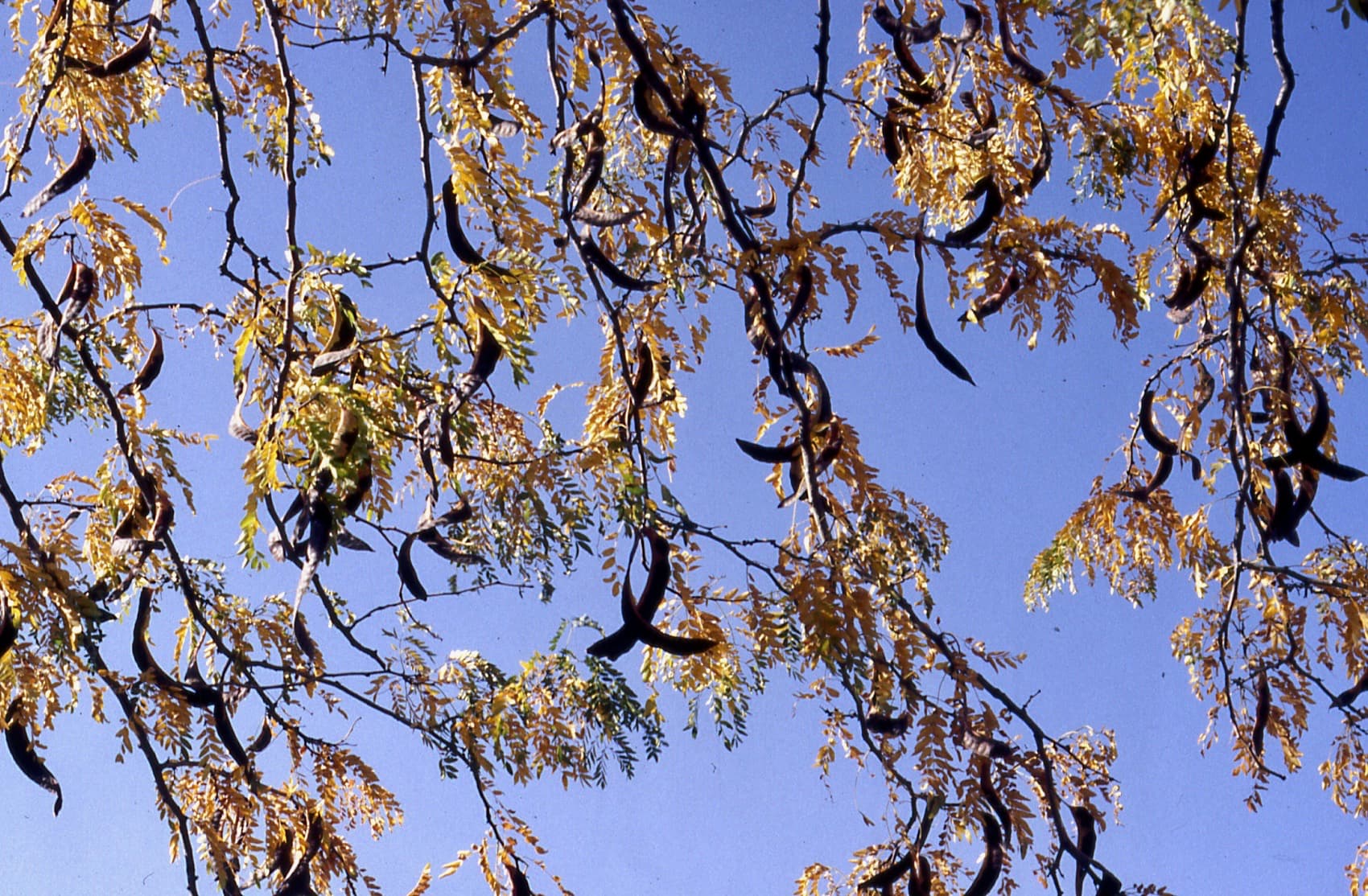
No. Thornless cultivated forms exist. Absence of thorns alone does not rule out honey locust; check leaves, pods and the recorded botanical identity.
No. The species is native to North America but has been introduced elsewhere, including Bulgaria. The harvest location must come from the particular board’s provenance record.
Mekaaniset ominaisuudet
Julkaistut viitearvot. Jos lähteet eroavat toisistaan, vaihteluväli näytetään ja yllä olevissa asteikoissa käytetään tyypillistä arvoa.
| Tiheys (kg/m³)Kuutiometrin massa noin 12 %:n kosteudessa. Painavampi puu on yleensä kovempaa ja vahvempaa. | 750 kg/m³ |
|---|---|
| Janka-kovuus (N)Voima, joka tarvitaan teräskuulan painamiseen puoliksi puuhun. Vakiintunut lommonkestävyyden mitta. | 7,000 N |
| MOR: taivutuslujuus (MPa)Taivutuslujuus: kuorma, jolla palkki murtuu. | 101 MPa |
| MOE: kimmomoduuli (GPa)Taivutusjäykkyys: kuinka paljon hylly tai taso taipuu kuormitettuna. | 11.2 GPa |
| Säteensuuntainen kutistuminenKutistuminen kasvurenkaiden poikki tuoreesta uunikuivaksi. Neljännessahatut laudat elävät näin. | 4.2 % |
| Tangentin suuntainen kutistuminenKutistuminen kasvurenkaiden suuntaisesti. Läpisahatut laudat ja useimmat lankut elävät näin. | 6.6 % |
| TilavuuskutistuminenTilavuuden kokonaismuutos tuoreesta uunikuivaksi. Pienempi arvo tarkoittaa vakaampaa puuta. | 10.8 % |
Janka-kovuus 7 000 N
41 % kovempi kuin euroopantammi
750 kg/m³
10,8 % tilavuuskutistuminen
Puulajille Hunajapiikkiakasia ei vielä ole markkinoiden viitehintaa. Kumppanivarasto hinnoittelee jokaisen KORENA-kappaleen erikseen.