KORENA
PuuFinished piecesTarvikkeetKumppanivarastotJulkaisut

Tilaa ilmoitukset

Jokainen lankku on ainutlaatuinen. Kun se myydään, sitä ei enää ole. Lähetämme sähköpostia, kun uusia kappaleita listataan: uudet saapumiset, uudet puulajit ja projektikuvaukseen sopivat lankut.

Muutama sähköposti kuukaudessa. Ei roskapostia, voit perua milloin tahansa.

KORENA, korkealaatuinen lehtipuu

Kappale kerrallaan.

Tarkastettua korkealaatuista lehtipuuta kappale kerrallaan. Jokainen lankku valokuvataan, mitataan ja toimitetaan kumppanivarastosta puupassin kanssa.

Kauppa

  • Selaa tuotteita
  • Myytyjen arkisto
  • Seuraa tilausta

Opi

  • Julkaisut
  • Puulajioppaat
  • Sanasto
  • Vertaa
  • Kirjoittajat

Ohjeet

  • Tietoa meistä
  • Näin se toimii
  • Ryhdy kumppanivarastoksi
  • Pyydä lankun hankintaa
  • Tuki
  • Asiakirjamallit
  • Lehdistö

Osta

  • Myyntiehdot
  • Peruuttamisoikeus
  • Palautukset ja takuu
  • Toimitus

Luottamus

  • Tietosuojakäytäntö
  • Evästekäytäntö
  • Puun alkuperä ja EUDR
  • Saavutettavuus

Yritystiedot

  • Oikeudellinen ilmoitus / yritystiedot
  • Hyväksyttävä käyttö
  • Immateriaalioikeudet ja sisältö

© 2026 KORENA. Kaikki oikeudet pidätetään.

Ylläpitäjä Martial Labs Ltd. (BG, EIK 207453941). KORENA on Martial Labs Ltd:n kauppanimi.

Kunnioitamme yksityisyyttäsi

Käytämme välttämättömiä evästeitä, jotta sivusto toimii. Luvallasi käyttäisimme evästeitä myös analytiikkaan, yksilölliseen sisältöön ja mainontaan. Voit muuttaa valintaasi milloin tahansa suostumusasetusten sivulla. Tutustu evästekäytäntöömme ja tietosuojakäytäntöömme.

  1. Etusivu
  2. /
  3. Puulajit
  4. /
  5. Hornbeam

Carpinus betulus

Hornbeam

Pale, ruthlessly dense, and famously hard. The wood old joiners reached for when they needed plane bodies, mallet heads, and water-mill cogs that would not give up.

  • Kasvatettu ja korjattu Euroopassa.
  • Kasvitieteellinen ryhmä. Havupuut ovat paljassiemenisiä ja lehtipuut koppisiemenisiä puita.
  • Kasvitieteellinen heimo, johon puulaji kuuluu.
Tilaa ilmoitus sen saapuessaViitepuulaji. Ei kappaleita varastossa juuri nyt.
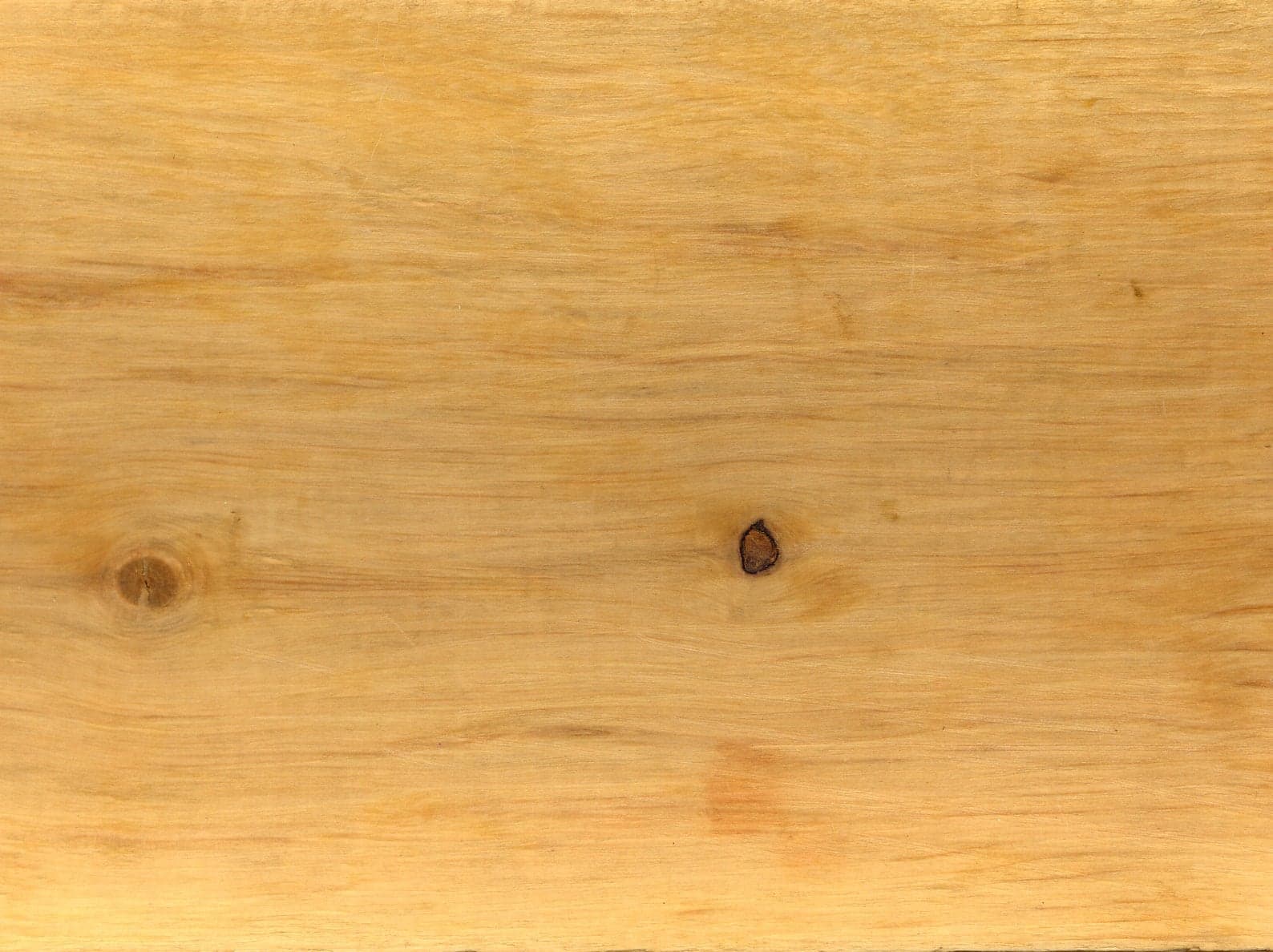
Puulajin Hornbeam syykuvio
  • Sopivuus projektiin
  • Varastossa
  • Ulkonäkö
  • Työstäminen
  • Eläminen
  • Hinta
  • Turvallisuus ja hankinta
  • Kysymykset
  • Tekniset tiedot

Sopiiko se projektiisi?

Sopii hyvin

  • Plane bodies and mallet heads
  • Tool handles and chisel handles
  • Turned work, bowls, finials, pepper mills, fine spindles
  • Joinery accents, wedges, splines, drawbore pins, dovetail keys
  • High-wear surfaces, chopping boards, butcher blocks, jig faces
  • Gear teeth, cogs, and replacement parts in restored mills

Puulajia Hornbeam ei ole nykyisessä erässä

Samankaltaisia puulajeja varastossa

Puulajia Hornbeam ei ole juuri nyt. Nämä puulajit sopivat samoihin projekteihin, ja niitä on saatavilla.
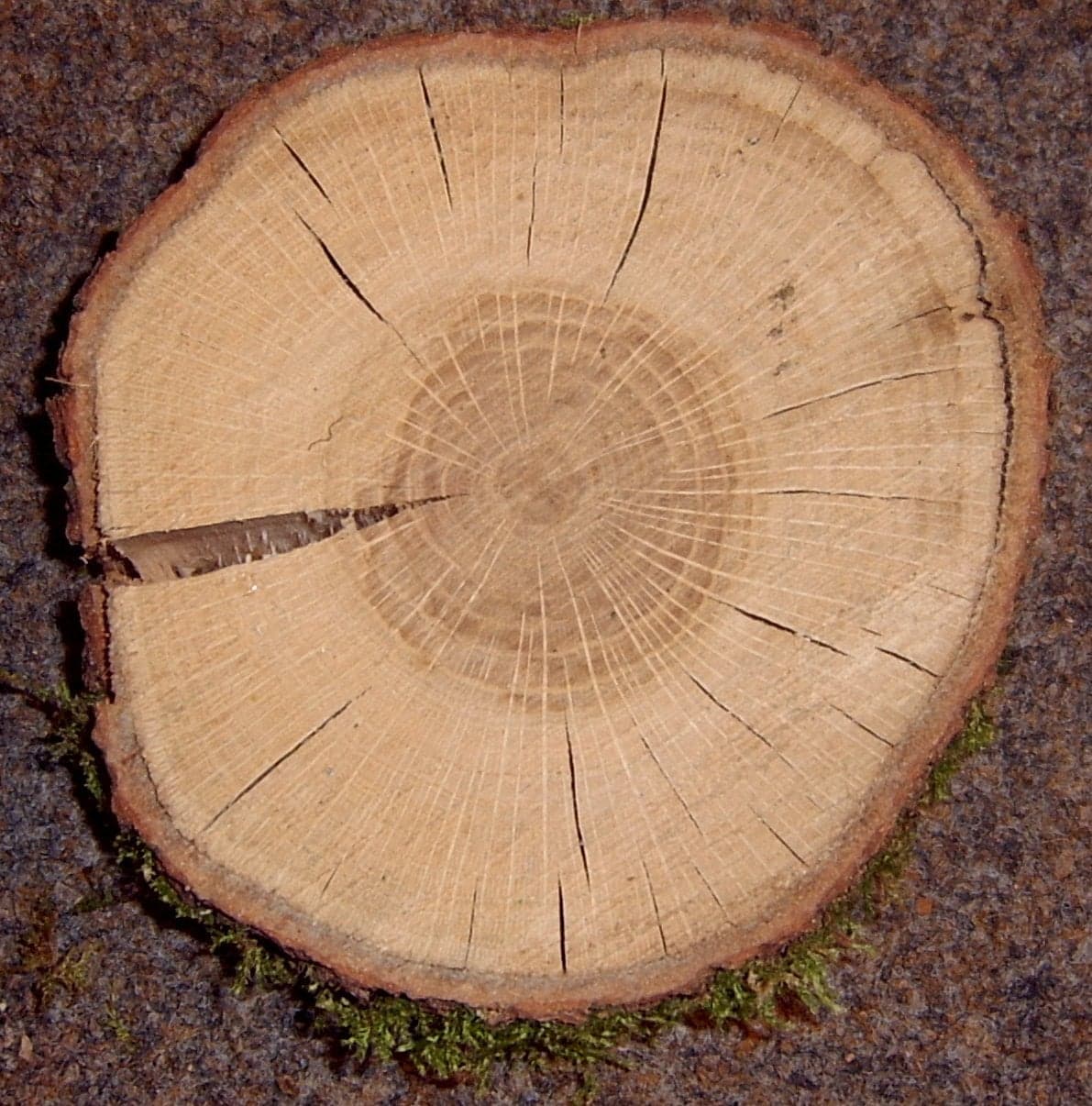
  • Puulajin European Oak syykuvio

    European Oak

    Quercus robur

    6 kappaletta

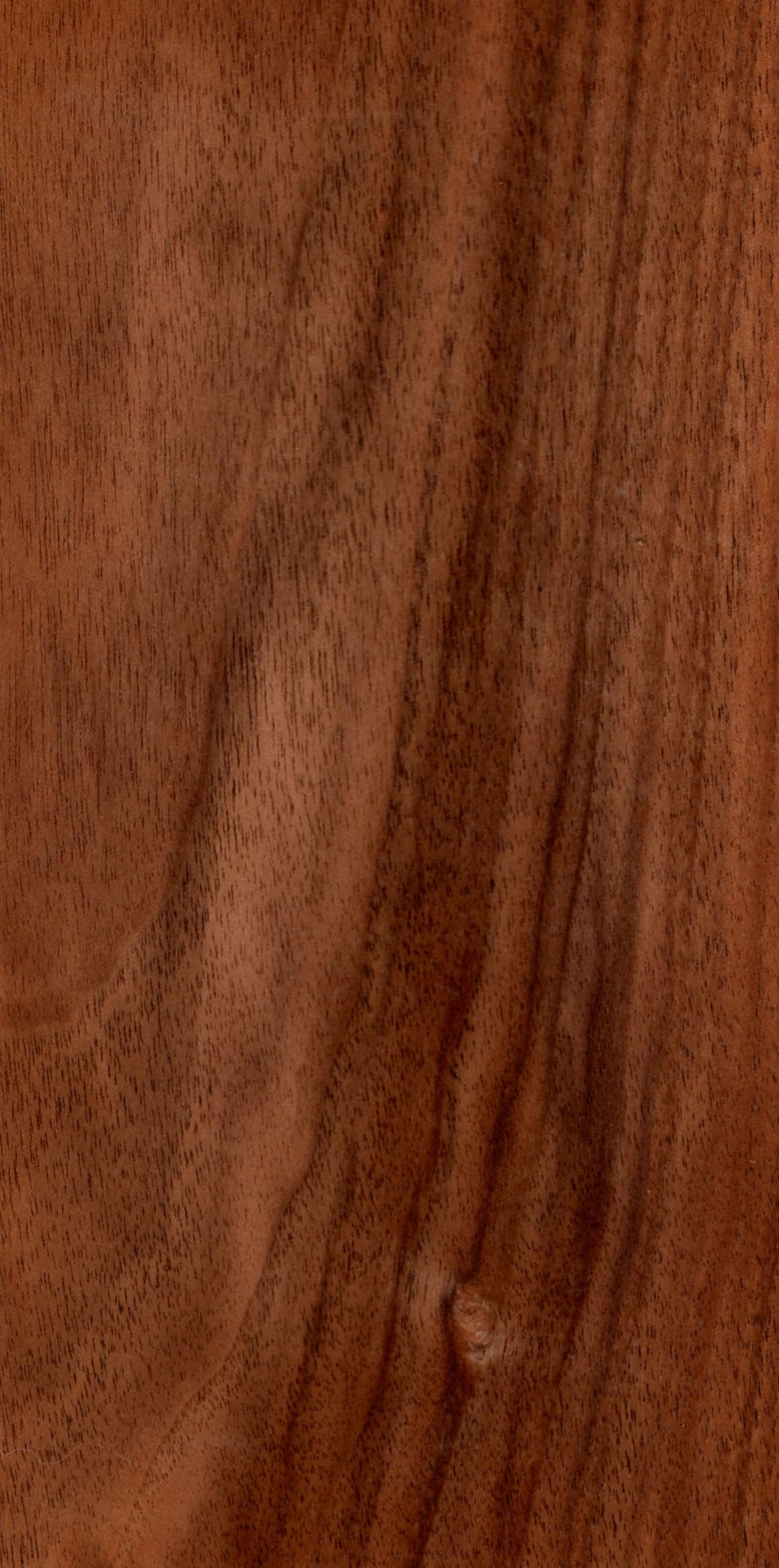
  • Puulajin European Walnut syykuvio

    European Walnut

    Juglans regia

    9 kappaletta

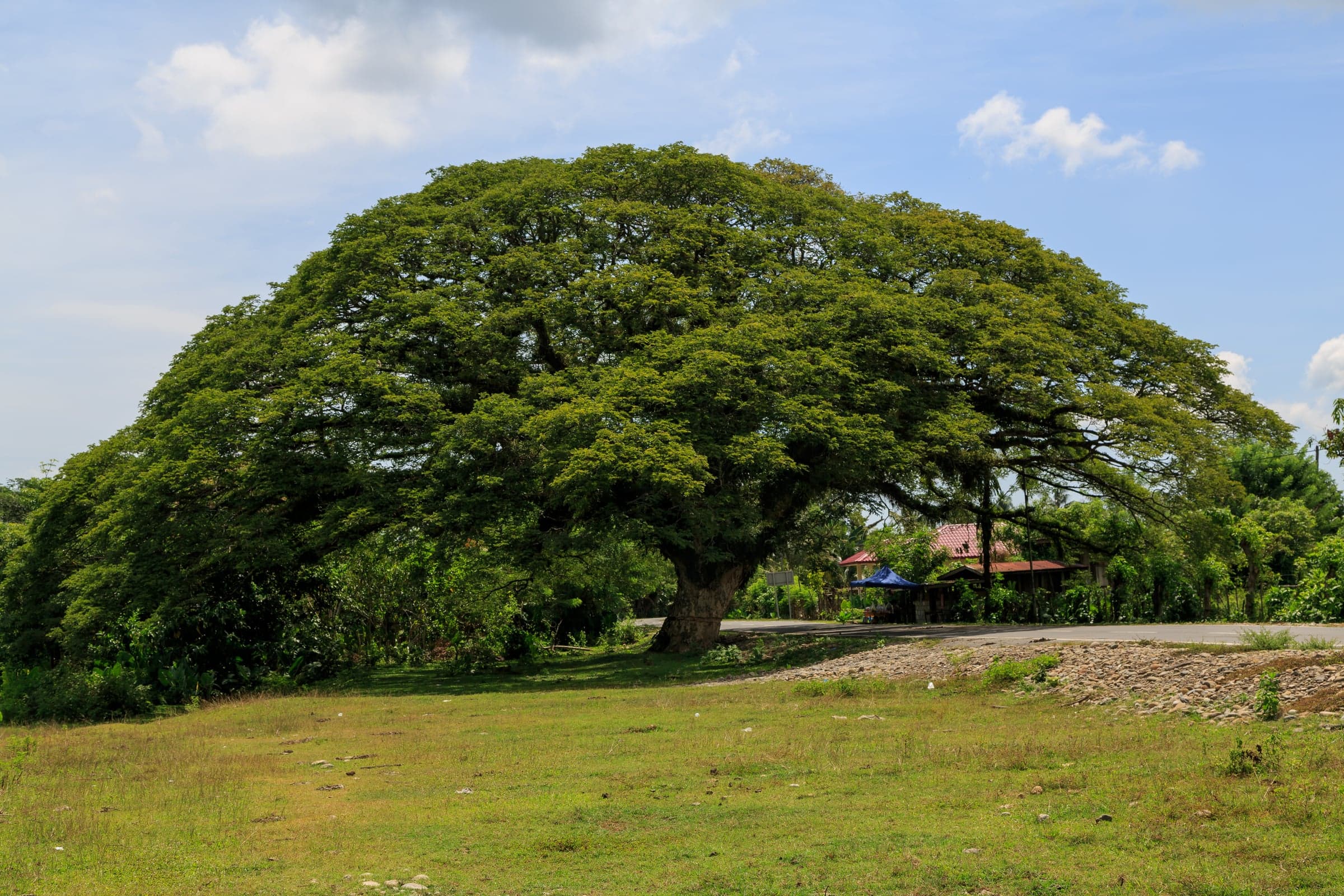
  • Puulajin Saman syykuvio

    Saman

    Samanea saman

    4 kappaletta

Tilaa ilmoitus puulajista Hornbeam

Lähetämme sähköpostia, kun KORENAan saapuu uusia Hornbeam-lankkuja. Jokainen kappale on ainutlaatuinen, joten ennakkotiedosta on hyötyä.

Muutama sähköposti kuukaudessa. Ei roskapostia, voit perua milloin tahansa.

Puun ulkonäkö

Miltä se näyttää

Creamy white to pale straw, sometimes drifting to light grey-brown with age. Grain is irregular and often interlocked; texture is fine and even. Almost no figure, no drama, its character is in the surface itself, which polishes to a hard, near-ceramic feel that softer pale woods cannot match.

  • Creamy white to pale straw when fresh
  • Drifts to light grey-brown with age and UV
  • Occasional grey streaking on slower-grown stock
  • Almost figureless, reads as a clean, even pale ground
  • Polishes to a hard, near-ceramic surface sheen
  • Irregular grain, fine even texture.

Työstäminen

Työstäminen

A specialist wood. Density and interlocked grain blunt edges fast. Expect to sharpen often and feed slowly. Planing tears out unless irons are keen and the cut is light; a scraper or sander often finishes better than a plane. Drilling and routing demand sharp carbide. The reward is on the lathe, where it turns to a fine, crisp surface and holds detail other woods crush. Glues and screws well once pre-bored. Steam-bends reasonably for such a dense species.

Viimeistely

Sands to a glassy surface if you stay patient and step through the grits. Takes hard waxes, oils, and lacquers cleanly. Stains can blotch on the interlocked patches. Test first. Burnishes beautifully on the lathe; many turners leave it bare or oil-only.

Kuivaus

Dries slowly and moves a lot, tangential shrinkage of 11 to 13 percent puts it among the most mobile European hardwoods. Prone to distortion, surface checks, and case-hardening if rushed. Air-dry under weight, then finish in a kiln on a gentle schedule. Acclimatise in the workshop for several weeks before machining, and design for movement in any wider piece.

Kuinka paljon se elää?

Puu turpoaa ja kutistuu leveyssuunnassa ilman kosteuden muuttuessa. Arvioi Hornbeam-tason vuodenaikaiseläminen ennen kiinnikkeiden suunnittelua.

Sahaustapa
Käyttöympäristö

Odotettu vuodenaikaiseläminen

noin 13,7 mm

Suuri. Käytä kiinnityspaloja tai urallisia kiinnikkeitä, jätä päätylistojen päihin liikkumavaraa ja anna lankun tasaantua ennen kokoamista.

Lineaarinen kutistumismalli: leveys × (kutistuminen ÷ 28 %:n puunsyiden kyllästymispiste) × kosteuden vuodenaikaisvaihtelu. Puulajin Hornbeam tangentin suuntaista kutistumisena käytetään arvoa 12 %. Tämä on suunnitteluarvio, ei takuu.

Mitä se maksaa

Turvallisuus ja hankinta

  • Kasvatettu ja korjattu Euroopassa.
  • IUCN:n punaisen listan luokitus: puulajin maailmanlaajuinen uhanalaisuusarvio.
  • Food-contact safe once finished, which is why it has a long history in kitchen tools and chopping blocks. The dust is a known skin irritant and can sensitise on repeated exposure. Wear long sleeves, run good extraction, and mask up when sanding.

Lue koko opasTarkemmat tiedot kuviosta, värin muutoksesta, työstämisestä ja vakaudesta.+

What Hornbeam actually is#

Carpinus betulus is the wear wood. At 735 kg per cubic metre and 7,260 N Janka it is the second hardest measured species in this catalogue, behind only robinia, and it has a fine even texture with no strong grain direction.

That combination, hardness without a pronounced grain to split along, is what made it the traditional wood for things that get hit, rubbed and worn: plane soles, mallet heads, gear teeth in windmill and watermill machinery, butchers blocks, and cogs.

It is not a decorative wood and it was never used as one.

Reading a hornbeam slab#

Colour is pale, near white to light cream, sometimes with grey streaking. Figure is minimal. The texture is fine and even and the surface has a slight natural lustre.

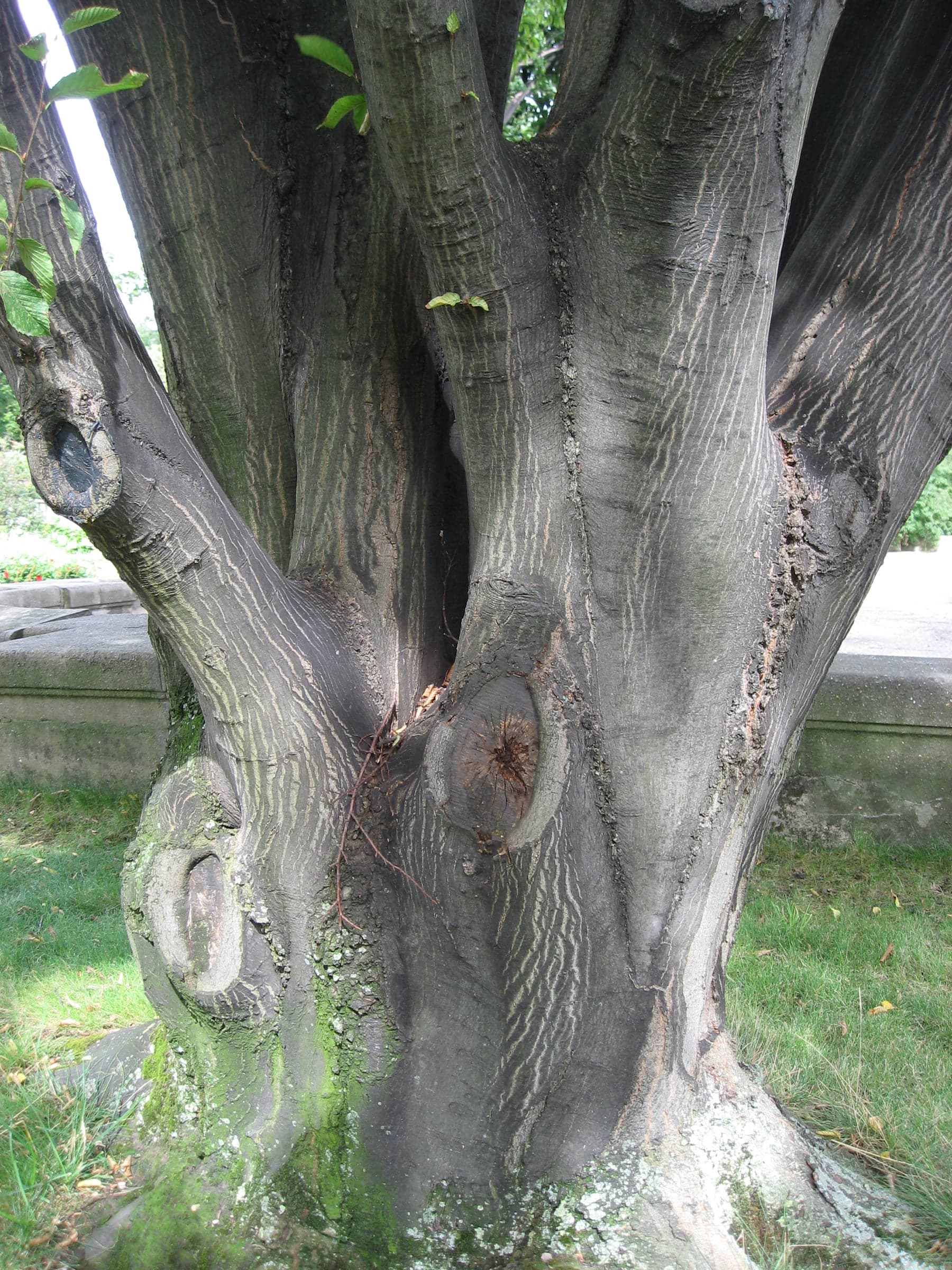
The characteristic feature of the tree is fluting: the trunk grows with pronounced longitudinal ridges rather than round, which is why hornbeam logs look twisted and why converting them to wide clean boards is awkward. Expect irregular widths and a good deal of waste.

Grain is frequently interlocked, following the fluting.

The movement problem#

Ostajien kysymykset

Ostajien kysymykset

Why is Hornbeam used for tool parts and machinery?

+

It is exceptionally hard at 7,260 N, second only to robinia among measured species here, with a fine even texture and no pronounced grain direction. That combination resists wear without splitting, which is why it was the traditional wood for plane soles, mallet heads, gear teeth in mill machinery, and butchers blocks.

How much does it move?

+

A great deal. Volumetric shrinkage of 17.0 percent ties with beech for the highest in this catalogue, and tangential shrinkage of 11.0 percent against 5.5 percent radial is a very wide differential. Hornbeam is not a wood for wide solid tops in a variable environment. It is a wood for small dense components.

Is it hard to work?

+

Yes. The density and interlocked grain blunt tooling quickly and cause tear-out, and it is heavy going by hand. The fine texture that makes it wear so well is the same thing that makes it resist cutting. Sharp carbide tooling and light cuts are the practical answer.

Can it be used outdoors?

+

No. Despite its hardness it is rated decay class 5, perishable, and it will rot readily if exposed. Hardness and durability are unrelated properties. For exterior work use robinia, oak or sweet chestnut.

Mekaaniset ominaisuudet

Tekniset tiedot

Julkaistut viitearvot. Jos lähteet eroavat toisistaan, vaihteluväli näytetään ja yllä olevissa asteikoissa käytetään tyypillistä arvoa.

Tiheys (kg/m³)Kuutiometrin massa noin 12 %:n kosteudessa. Painavampi puu on yleensä kovempaa ja vahvempaa.700–820 kg/m³tyypillinen 735 kg/m³
Janka-kovuus (N)Voima, joka tarvitaan teräskuulan painamiseen puoliksi puuhun. Vakiintunut lommonkestävyyden mitta.6,900–7,700 Ntyypillinen 7 260 N
MOR: taivutuslujuus (MPa)Taivutuslujuus: kuorma, jolla palkki murtuu.110–130 MPa
MOE: kimmomoduuli (GPa)Taivutusjäykkyys: kuinka paljon hylly tai taso taipuu kuormitettuna.12.0–14.0 GPa
Säteensuuntainen kutistuminenKutistuminen kasvurenkaiden poikki tuoreesta uunikuivaksi. Neljännessahatut laudat elävät näin.5.5–7.0 %
Tangentin suuntainen kutistuminen

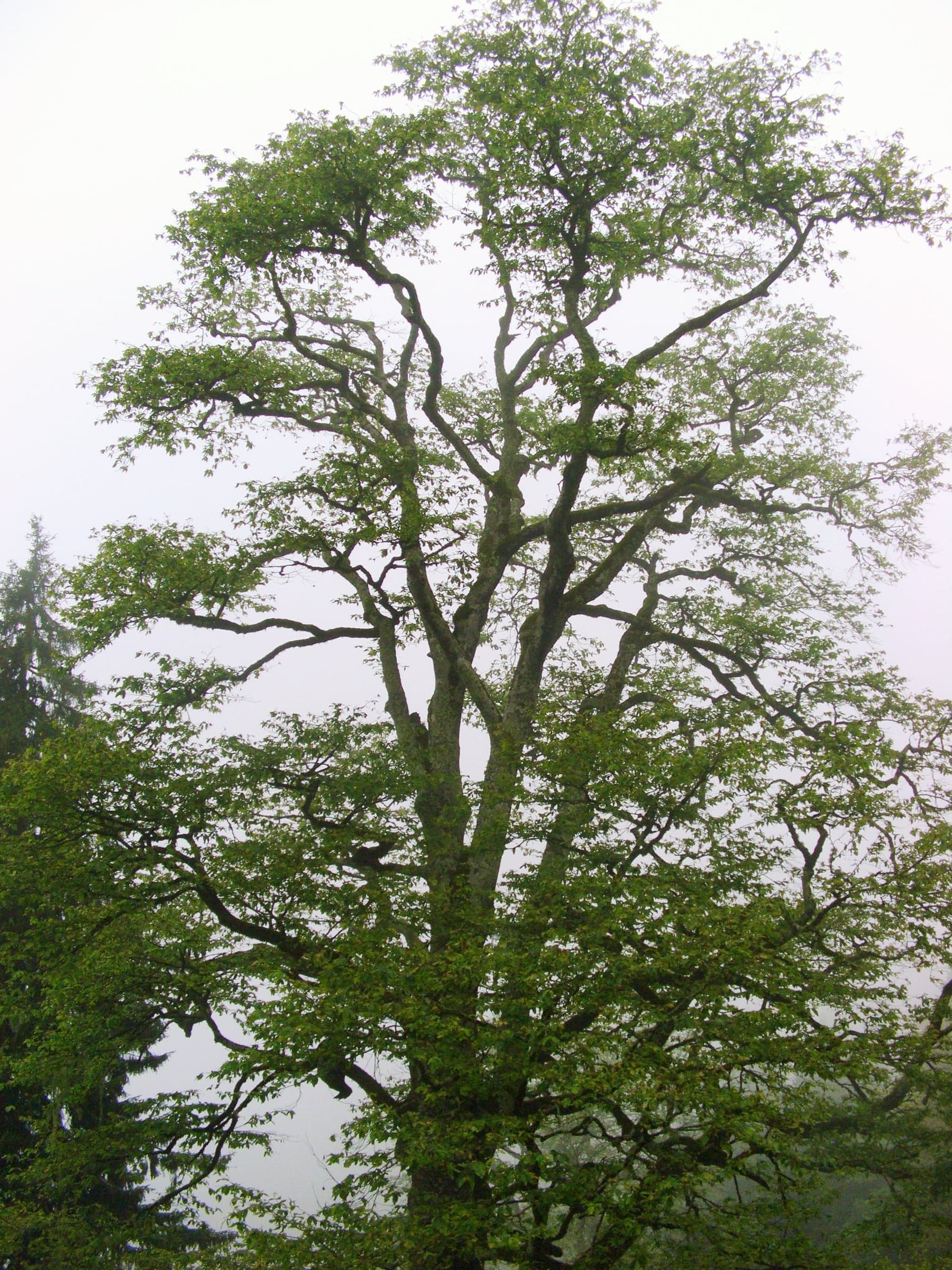
Beentree, via Wikimedia Commons

  • Piano and harpsichord action parts
  • Inlay and contrast bandings against dark woods
  • Vahvuudet

    • Sopii elintarvikkeilleSopii laudoille, kulhoille ja pinnoille, jotka koskettavat elintarvikkeita.
    • Taipuu hyvinHöyrytaivutuksen arvosana 4/5. Taipuu tiukoille kaarille.

    Huomioi

    Native to central and eastern Europe. Slow-growing, often coppiced, and recognisable in the forest by its fluted, muscle-like trunk, the reason for the folk names ironwood and musclewood.

  • Native, abundant across central and eastern European forests, and listed Least Concern by the IUCN with no CITES restriction. Often a by-product of broadleaf woodland and hedgerow management, so volumes are smaller and more local than oak or beech but the supply is genuinely sustainable.

  • Hornbeam-puu

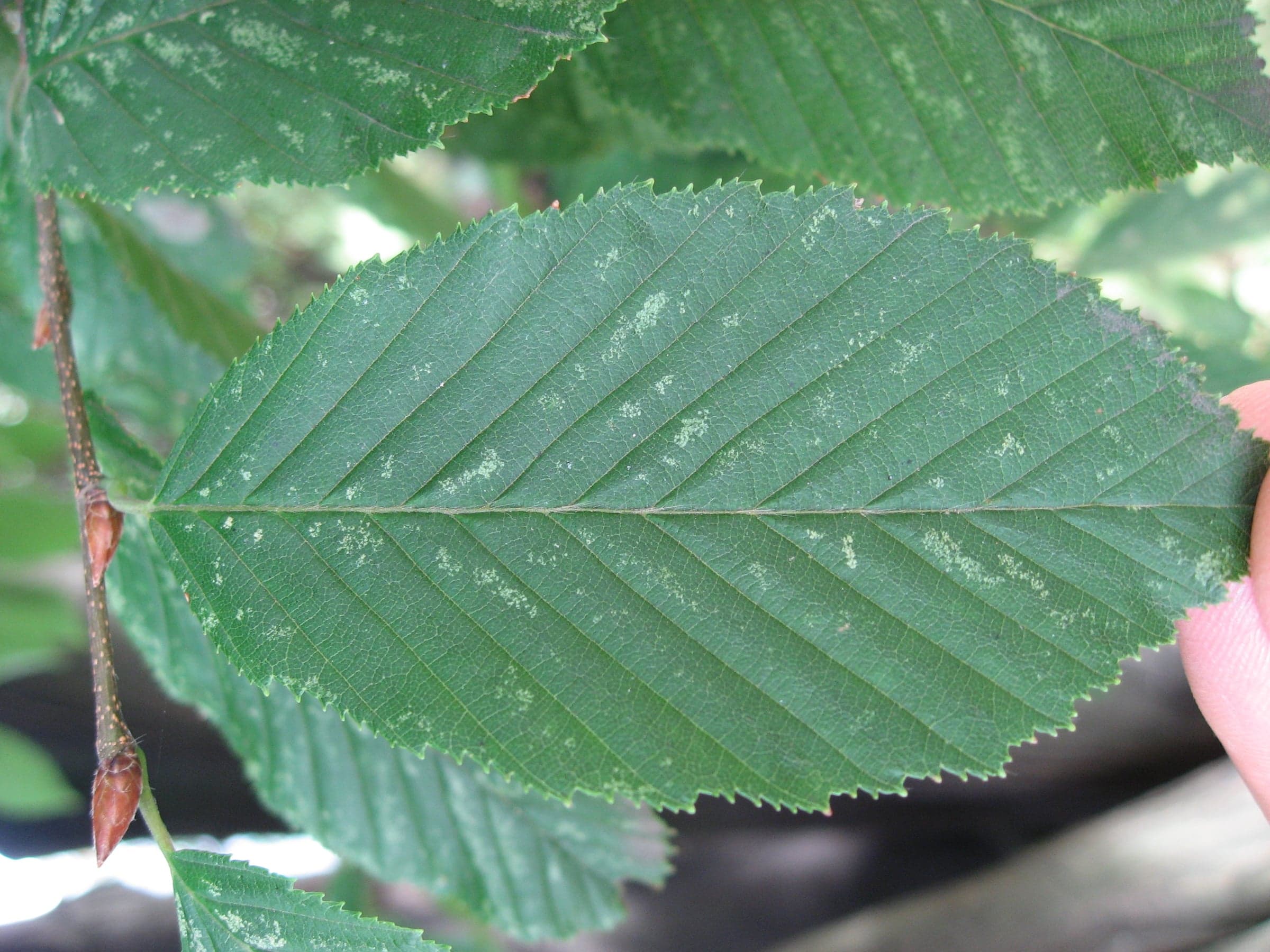
    Dr. Zeynel Cebeci, via Wikimedia Commons

    Hornbeam: Lehti
    Lehti
    Hornbeam: Kaarna
    Kaarna

    Hornbeam ties with beech for the highest volumetric shrinkage in this catalogue at 17.0 percent, and its tangential to radial differential of 11.0 against 5.5 percent is very wide.

    This is a wood that reacts strongly to humidity. A wide solid hornbeam top in a room with underfloor heating will not stay flat.

    That is entirely consistent with its traditional applications. Plane soles, mallet heads and gear teeth are small dense components where movement is restrained by geometry or simply does not matter at that scale. Nobody historically made wide hornbeam tabletops, and the reason was not fashion.

    If you are buying a hornbeam slab, buy it for a workbench top, a butchers block, or small components, and let it float rather than fixing it.

    At the bench#

    Hornbeam is hard work. The density blunts tooling quickly, the interlocked grain tears out, and hand tools make slow progress.

    The fine texture that gives such good wear resistance is exactly what resists cutting. Sharp carbide tooling, light cuts, and a scraper or high angle plane for the final surface are the practical approach.

    It turns very well and holds crisp detail, and it takes a burnished finish straight off the tool. It glues reliably. Pilot every fastening.

    The durability trap#

    Hornbeam is decay class 5, perishable, despite being one of the hardest woods here.

    This catches people out repeatedly, and it is the same trap ash sets. Hardness and decay resistance are unrelated: one is about cell wall structure, the other about extractive chemistry. Hornbeam has excellent structure and essentially no protective extractives.

    Untreated hornbeam outdoors will rot. For exterior work use robinia at decay class 1, oak at 2, or sweet chestnut at 2.

    Kitchen and workshop use#

    It is rated food safe and is the traditional European butchers block timber. The fine dense texture resists knife scarring and cleans well, which is the whole reason it was chosen for that job.

    In the workshop it makes excellent bench tops, vice jaws, mallet heads and plane soles. A hornbeam bench top takes decades of abuse.

    Where Hornbeam is the right answer#

    Butchers blocks, workbench tops, tool parts, mallets, plane soles, gear and machine components, and turned work where wear resistance matters.

    It is the wrong answer for wide decorative tops, for anything outdoors, and where your tooling or your patience is limited.

    Sourcing and EUDR#

    Not CITES listed and assessed as Least Concern. Common across central Europe and widely grown as hedging and coppice. Timber sized material is less common than the tree's abundance suggests because of the fluted trunk form, so wide clean slabs carry a premium relative to the species' status.

    Telling hornbeam from beech#

    These two get confused constantly. Both are pale, dense, fine textured European hardwoods sold for similar workshop uses, and a machined board of either looks much like the other.

    The reliable difference is in the rays. Beech has broad, conspicuous rays that show clearly on a quartersawn face as distinct flecks and on the end grain as obvious lines. Hornbeam has fine, inconspicuous rays and shows no comparable fleck.

    Weight is the second check. Hornbeam is denser at 735 kg per cubic metre against beech at 710, and noticeably harder at 7,260 N against 6,460 N. In the hand the difference is subtle; under a plane it is not.

    The third is the trunk. Hornbeam grows with pronounced longitudinal fluting, so the log is ridged rather than round. Beech logs are round and regular.

    What the fluting costs you#

    That fluted trunk form is the reason hornbeam is expensive relative to how common the tree is.

    Converting a fluted log to square edged boards throws away a great deal of material, and the deeper the fluting the worse the yield. Wide clean hornbeam boards are correspondingly scarce.

    For slab work, the fluting is sometimes an asset rather than a loss. A slab cut to follow the natural ridged outline keeps a wavy live edge that is characteristic of the species and impossible to fake.

    Is it suitable for a chopping block?

    +

    It is rated food safe and it is the traditional European butchers block timber, chosen for exactly that use because the fine dense texture resists knife scarring and cleans well. The movement caveat applies in a kitchen, so keep it oiled and away from standing water.

    Kutistuminen kasvurenkaiden suuntaisesti. Läpisahatut laudat ja useimmat lankut elävät näin.
    11.0–13.0 %
    TilavuuskutistuminenTilavuuden kokonaismuutos tuoreesta uunikuivaksi. Pienempi arvo tarkoittaa vakaampaa puuta.17.0–19.0 %
    Luontainen kestävyys (EN 350)Eurooppalainen luontaisen lahonkestävyyden standardi, jossa 1 tarkoittaa erittäin kestävää ja 5 helposti lahoavaa.Class 5 — Perishable

    Lähteet

    • The Wood Database(luettu 2026-05-09)
    • USDA FPL Wood Handbook FPL-GTR-190 (2010)(luettu 2026-05-09)
    • Meier, E. — WOOD! Identifying and Using Hundreds of Woods Worldwide (2015)(luettu 2026-05-09)

    Yhdellä silmäyksellä

    Tasot perustuvat samoihin rajoihin kaikilla KORENAn puulajeilla, joten niitä voi verrata suoraan. Mitattu arvo näkyy kunkin tason alla.
    KovuusLommojen ja kulumisen kestoErittäin kova

    Janka-kovuus 7 260 N

    46 % kovempi kuin euroopantammi

    PainoKuinka raskas lankku on nostaaErittäin painava

    735 kg/m³

    VakausKuinka vähän puu elää vuodenaikojen mukaanElää paljon

    18,0 % tilavuuskutistuminen

    TyöstettävyysSahaus, höyläys, hionta ja liimausKohtalainen

    3,6 / 5 työstettävyyden keskiarvo

    UlkokäyttöLuontainen lahonkestävyys, EN 350Vain sisäkäyttöön

    EN 350 -luokka 5

    • Sahaus · HyväKuinka siististi se leikkautuu ja kuinka paljon se kuluttaa teriä.1 = vaikea · 5 = erinomainen
    • Höyläys · HyväKuinka sileäksi pinta höyläytyy ja kuinka helposti puu repeilee.1 = vaikea · 5 = erinomainen
    • Hionta · HyväKuinka nopeasti pinta hioutuu sileäksi tukkimatta hiomapaperia.1 = vaikea · 5 = erinomainen
    • Sorvaus · ErinomainenKuinka se leikkautuu ja viimeistyy sorvissa.1 = vaikea · 5 = erinomainen
    • Kaiverrus · HyväKuinka terävinä yksityiskohdat säilyvät kourutaltalla työstettäessä.1 = vaikea · 5 = erinomainen
    • Liimaus · Erittäin hyväKuinka luotettavasti liimaliitokset pitävät.1 = vaikea · 5 = erinomainen
    • Ruuvien ja naulojen pito · Erittäin hyväKuinka hyvin ruuvit ja naulat pysyvät halkaisematta puuta.1 = vaikea · 5 = erinomainen
    • Höyrytaivutus · Erittäin hyväKuinka hyvin se taipuu höyrytyksen jälkeen.1 = vaikea · 5 = erinomainen

    Puutavaran Hornbeam nykyiset myyntihinnat eri puolilla Eurooppaa kuutiometriä kohti ennen ALV:tä. Avaa tiedot napauttamalla hintaa.

    • Parhaat tukit huutokaupassaValikoidut korkealaatuiset tukit, jotka myydään tarjoushuutokaupoissa pääasiassa viilun ja huonekalujen valmistajille. Tällaisista tukeista sahataan lankkuja.Useimmat hinnat ovat välillä 92 €–108 €.Perustuu 55 hintaan 2 alueelta.Uusimmat tiedot 24.9.2026
    • Tavanomaiset tukitMetsänomistajien ja valtion metsätalouden suurina erinä myymä tavallinen raakapuu, joka käytetään pääasiassa rakentamiseen ja teollisuuteen.Useimmat hinnat ovat välillä 30 €–114 €.Perustuu 1 255 hintaan 7 alueelta.Uusimmat tiedot 24.9.2026

    Parhaat tukit huutokaupassa maittain

    • Saksa · 108 € / m³Alueet: Bavaria25 hintaaUusimmat tiedot 24.9.2026
    • Itävalta · 92 € / m³Alueet: Austria30 hintaaUusimmat tiedot 24.9.2026

    Tavanomaiset tukit maittain

    • Romania · 82 € / m³Alueet: Banat / Crișana, Moldavia (Romania), Transylvania ja Wallachia1 225 hintaaUusimmat tiedot 24.9.2026
    • Ranska · 64 € / m³Alueet: Grand Est / Alsace6 hintaaUusimmat tiedot 15.9.2026
    • Bulgaria · 50 € / m³Alueet: North-West Bulgaria ja South-East Bulgaria24 hintaaUusimmat tiedot 21.9.2026

    Miksi lankku maksaa tätä enemmän?

    Nämä ovat raakapuun hintoja. Lankku on tukin paras sahauspala. Sitä kuivataan vähintään vuoden ajan, minkä jälkeen jokainen kappale tarkastetaan ja mitataan. Vain pieni osa kustakin tukista päätyy lankuksi.

    Lähde: KORENA Timber Index · Uusimmat tiedot 24.9.2026

    Katso kaikki alueelliset hinnat
    Ei käsittelemättömään ulkokäyttöön
    Luontainen kestävyys on EN 350 -luokassa 5/5. Käytä sisällä tai pidä pinta suojakäsiteltynä.
  • Elää tavallista enemmänLeveät tasot tarvitsevat kiinnityspalat tai uralliset kiinnikkeet sekä tilaa elää. Käytä alla olevaa elämislaskuria.
  • Pöly ärsyttääKäytä pölynpoistoa ja hengityssuojainta hioessa tai koneistaessa.
  • Kuluttaa teriäErittäin kova ja tiheä. Pidä terät terävinä ja poraa esireikä jokaiselle ruuville.
  • Avaa tiedot napauttamalla merkintää.