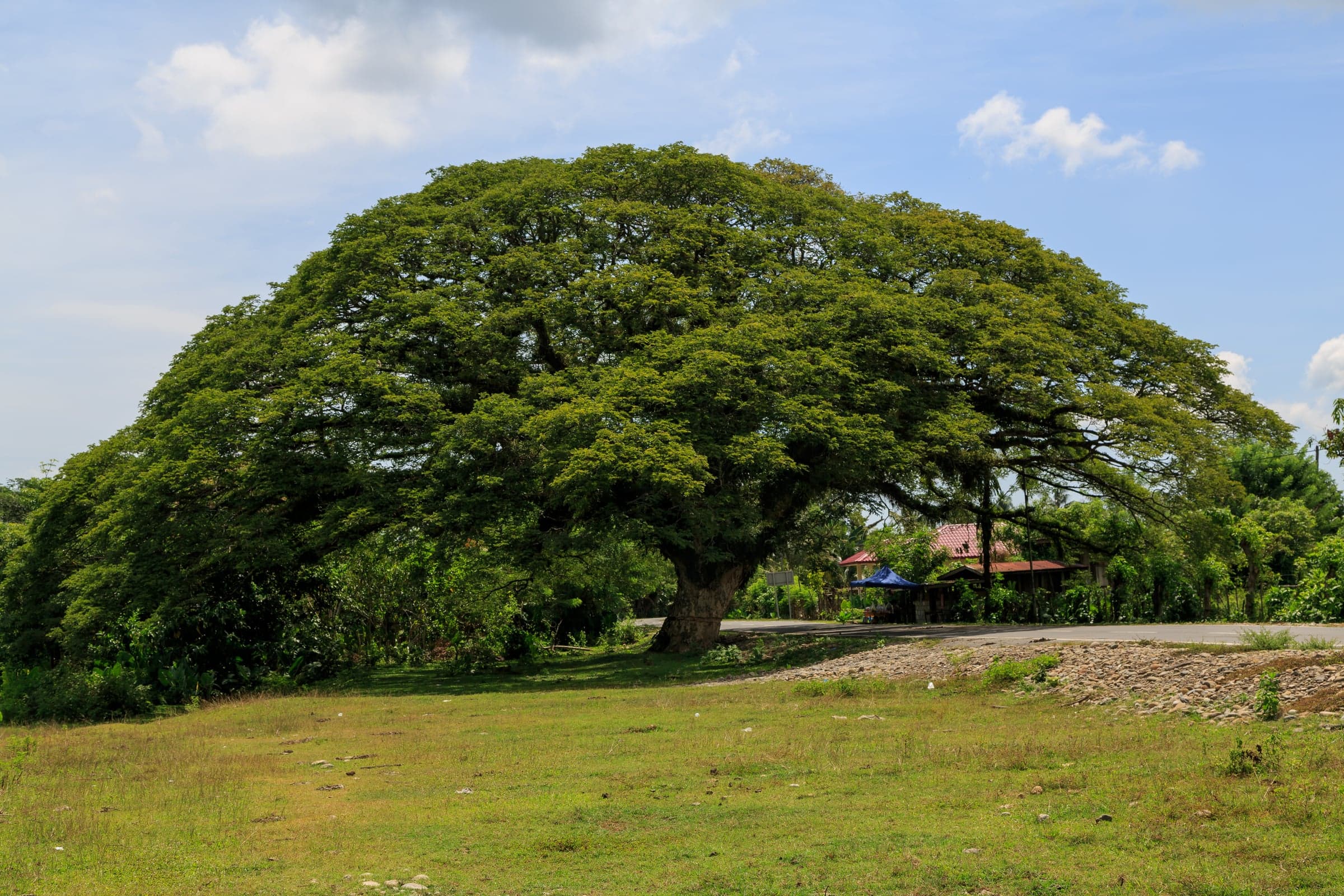
Platanus × acerifolia
London Plane
Quartersawn London Plane reveals lacewood: large medullary rays catch the light in dense, scaly flecks. The slab's signature, and its whole reason for being on this list.
- Kasvatettu ja korjattu Euroopassa.
- Kasvitieteellinen ryhmä. Havupuut ovat paljassiemenisiä ja lehtipuut koppisiemenisiä puita.
- Kasvitieteellinen heimo, johon puulaji kuuluu.
Tilaa ilmoitus sen saapuessaViitepuulaji. Ei kappaleita varastossa juuri nyt.
Sopiiko se projektiisi?
Sopii hyvin
- Quartersawn tabletops where the lacewood figure is the feature
- Cabinet door panels and drawer fronts
- Wall panelling and feature joinery
- Turned bowls and hollow forms
- Serving boards and kitchen pieces (interior, finished)
- Veneer-look solid furniture
Puulajia London Plane ei ole nykyisessä erässä
Samankaltaisia puulajeja varastossa
Puulajia London Plane ei ole juuri nyt. Nämä puulajit sopivat samoihin projekteihin, ja niitä on saatavilla.
Tilaa ilmoitus puulajista London Plane
Lähetämme sähköpostia, kun KORENAan saapuu uusia London Plane-lankkuja. Jokainen kappale on ainutlaatuinen, joten ennakkotiedosta on hyötyä.
Puun ulkonäkö
Miltä se näyttää
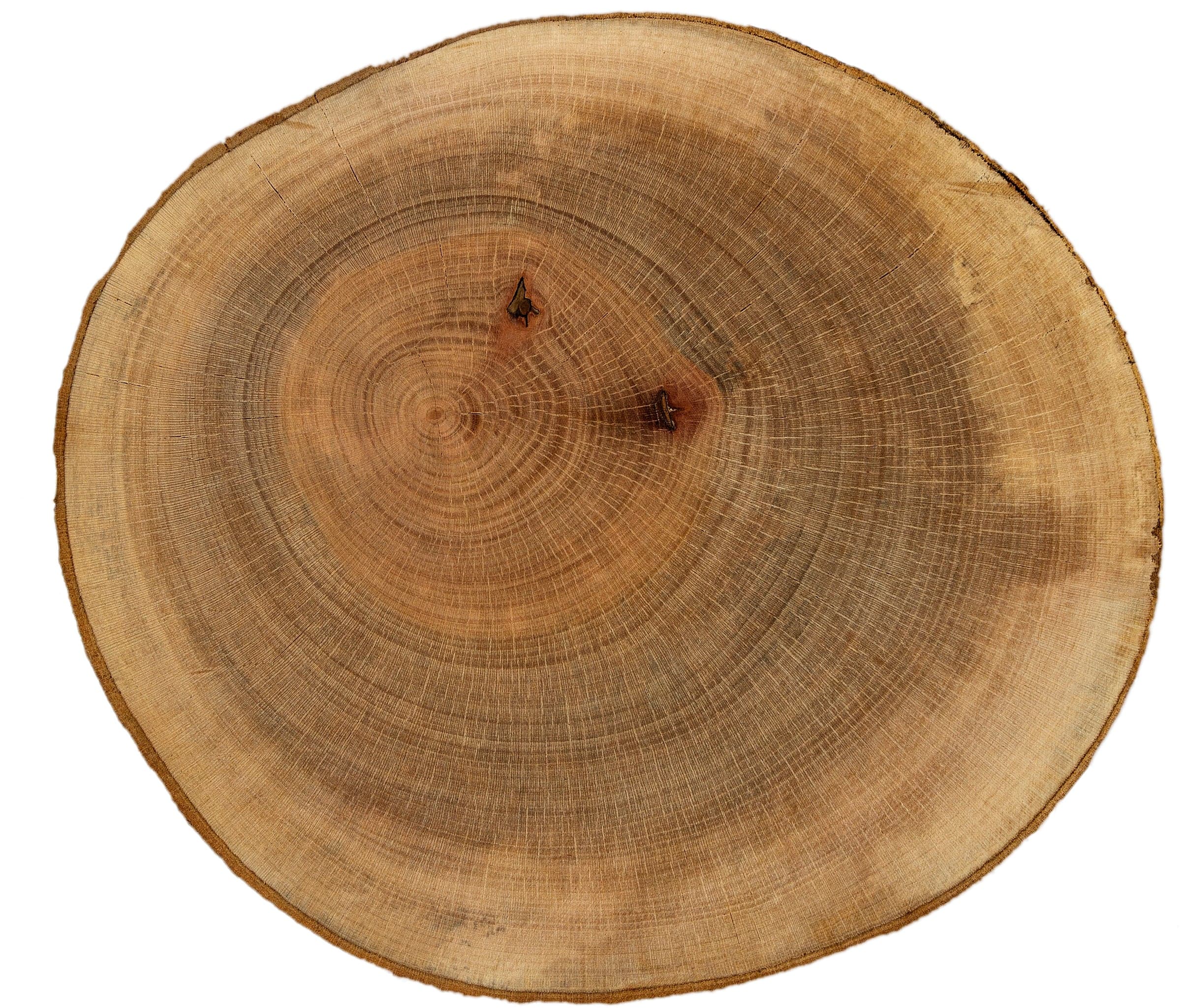
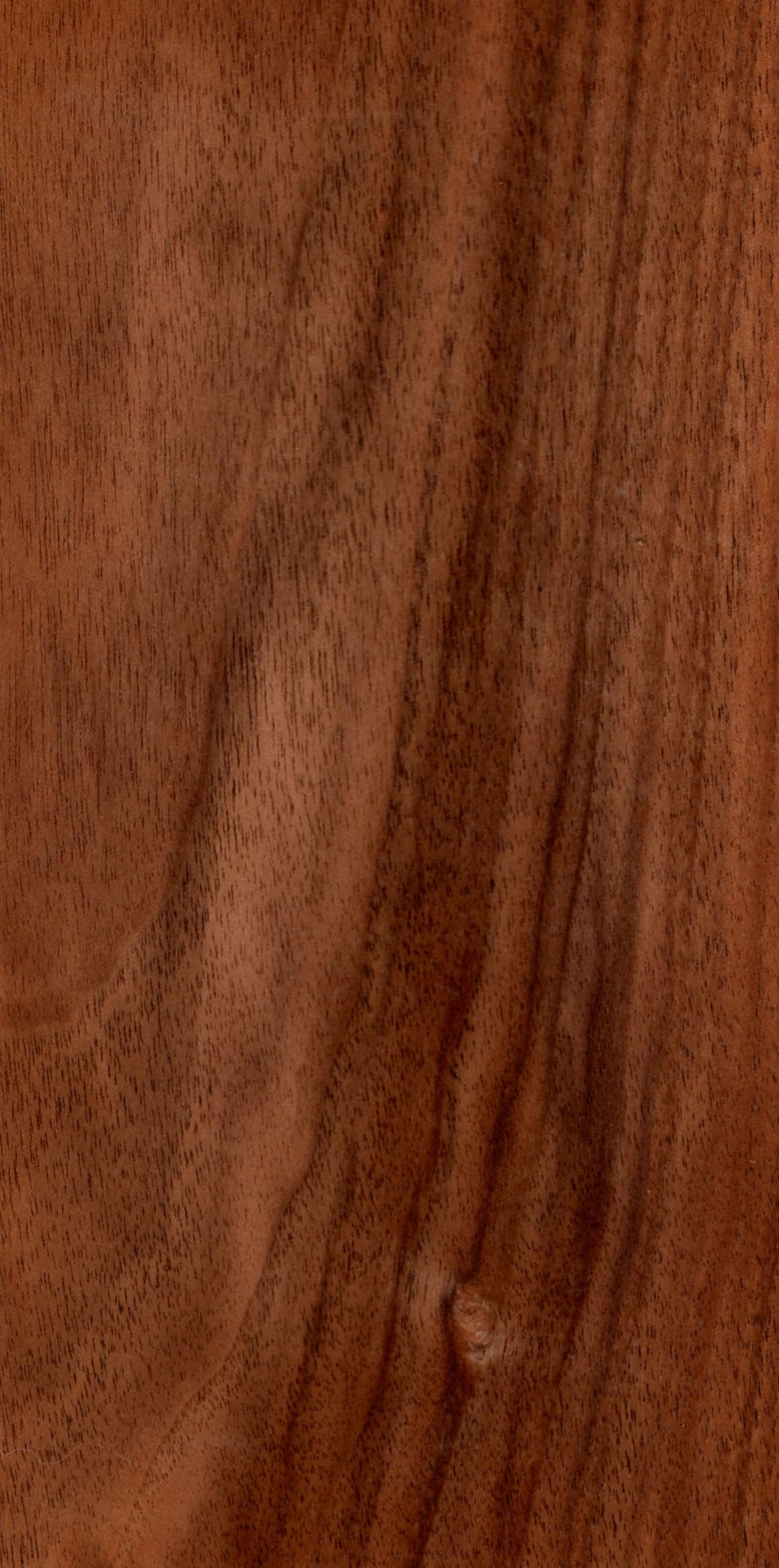
Straight grain, fine-to-medium texture, pinkish-brown heartwood that warms with age. Flatsawn faces are quiet and clean. Quartersawn is where it earns its name in the trade, lacewood, with broad ray flecks that read almost like snakeskin under finish. Two faces of the same board can look like two different woods.
- Heartwood pinkish-brown to light reddish-tan
- Sapwood pale cream, often left in for contrast
- Quartersawn rays appear as darker flecks against the background
- Warms and deepens under oil; ambers slightly with age
- Flatsawn and quartersawn faces of one board can look like different species
- Straight; lacewood figure on quartersawn faces.
Työstäminen
Työstäminen
Saws, sands, turns, and carves well. Planing is the one to watch: the medullary rays that make quartersawn faces beautiful also tear out under dull blades. Sharp tools, light cuts, and a finish scraper or 220-grit pass to clean up. Glues and screws without drama.
Viimeistely
Takes oil and hardwax oil cleanly. The lacewood figure deepens dramatically under any clear finish. Test on an offcut before committing, because the contrast jumps. Stains can muddy the rays; we'd avoid them. Sand to 180–220 and stop.
Kuivaus
Tangential shrinkage is high (around 10%) and roughly twice the radial figure, so cup and distortion are real risks. Dries best slowly, well-stickered, with weight on top. Once stable it holds shape indoors, but it's not a wood to rush through a kiln.
Kuinka paljon se elää?
Puu turpoaa ja kutistuu leveyssuunnassa ilman kosteuden muuttuessa. Arvioi London Plane-tason vuodenaikaiseläminen ennen kiinnikkeiden suunnittelua.
Odotettu vuodenaikaiseläminen
noin 11,7 mm
Kiinnitä taso kiinnityspaloilla tai urallisilla kiinnikkeillä, älä liimalla tai tiukoilla ruuveilla.
Lineaarinen kutistumismalli: leveys × (kutistuminen ÷ 28 %:n puunsyiden kyllästymispiste) × kosteuden vuodenaikaisvaihtelu. Puulajin London Plane tangentin suuntaista kutistumisena käytetään arvoa 10,25 %. Tämä on suunnitteluarvio, ei takuu.
Mitä se maksaa
Turvallisuus ja hankinta
- Kasvatettu ja korjattu Euroopassa.
- IUCN:n punaisen listan luokitus: puulajin maailmanlaajuinen uhanalaisuusarvio.
Not commonly flagged as a dust irritant or sensitiser. Standard shop dust extraction is enough. Food-contact safe once finished, fine for boards and serving pieces.
Lue koko opasTarkemmat tiedot kuviosta, värin muutoksesta, työstämisestä ja vakaudesta.
What London Plane actually is#
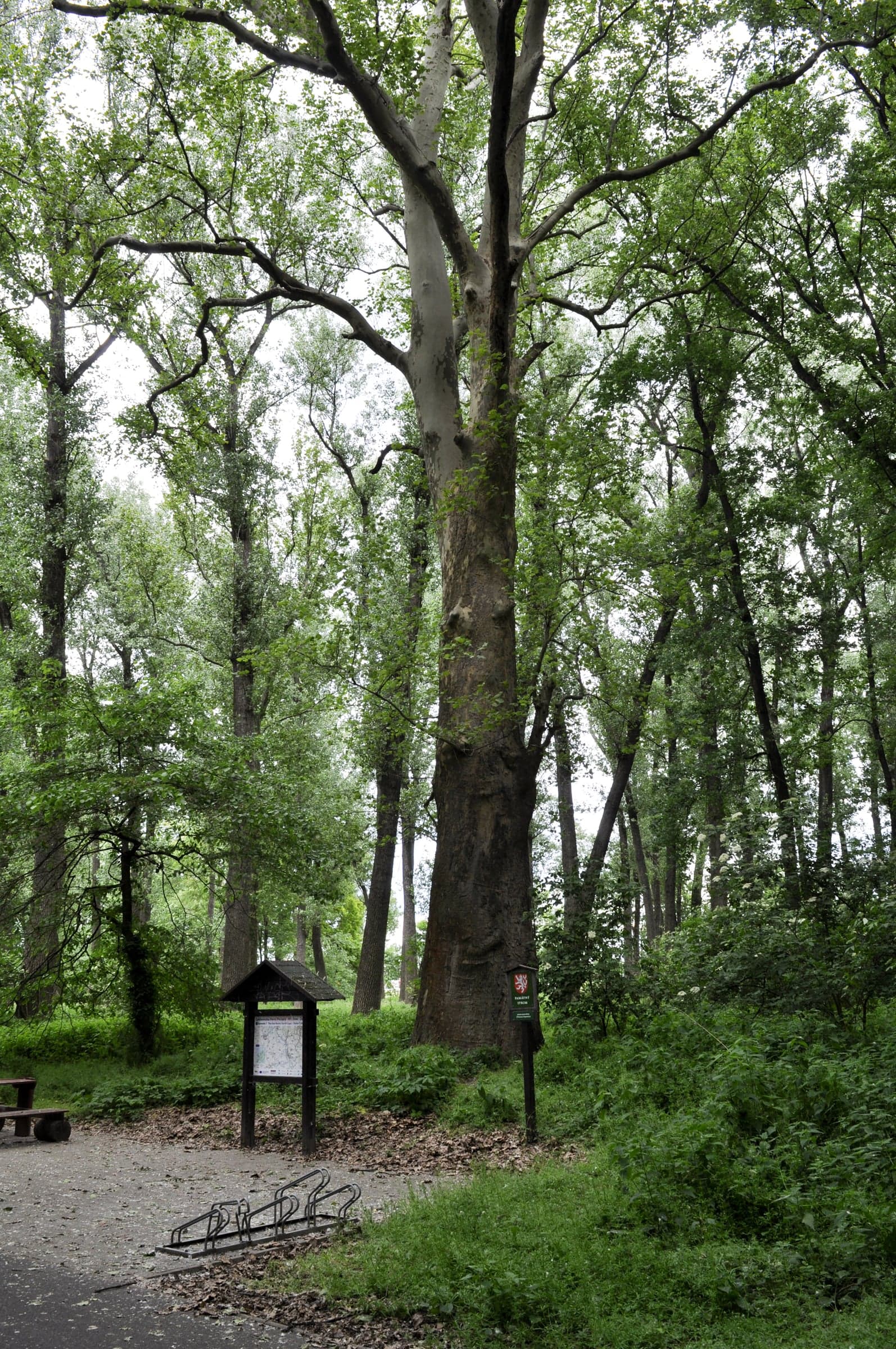
Platanus x acerifolia is bought for one thing: lacewood.
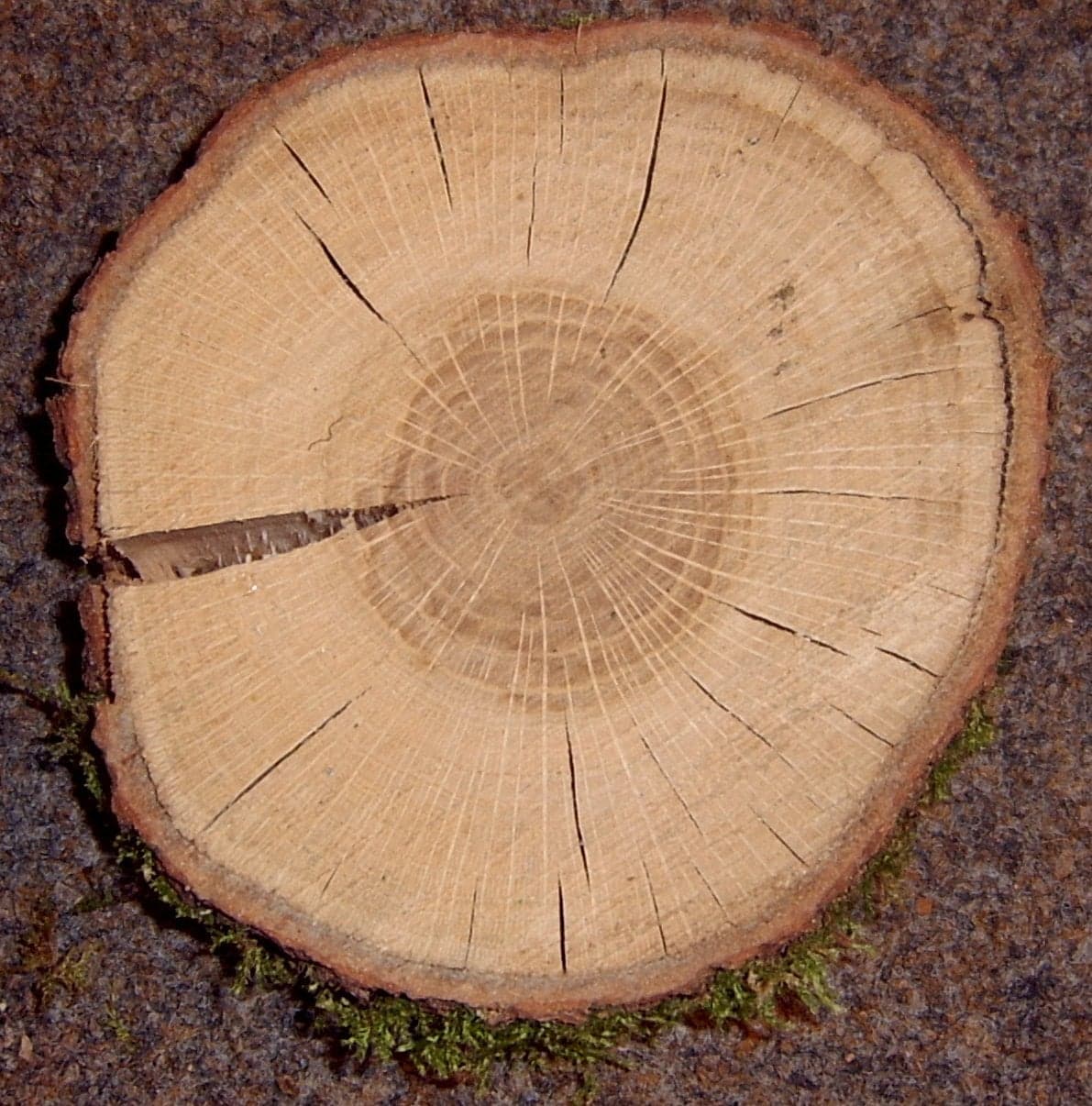
The species has exceptionally large rays, the ribbons of cells that run radially through a trunk. In most timbers the rays are small enough to be barely visible, and in oak they show as the familiar silvery fleck on quartersawn faces. In London Plane they are so large that a quartersawn face is covered in a dense, regular flecked pattern across the entire surface.
That figure is called lacewood, and it exists only on the quarter. A flatsawn London Plane board is comparatively plain, a light reddish brown with modest figure. The same log cut differently is one of the most distinctive decorative surfaces in European timber.
If you are buying this species, you are buying quartersawn stock, and if you are offered flatsawn plane at a lacewood price, the cut is the thing to check.
The naming confusion#
Three species get called sycamore in different places and they are not related.
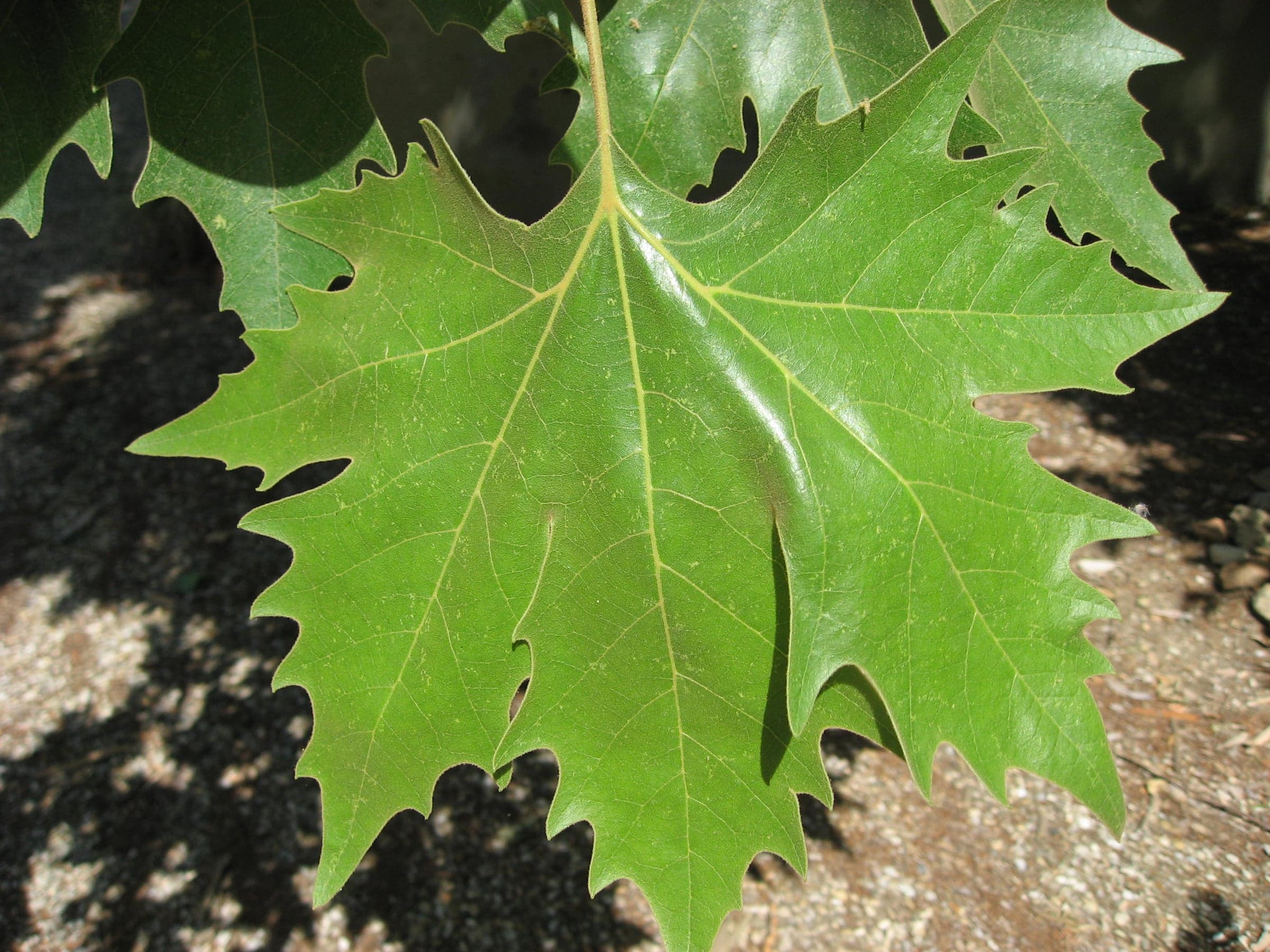
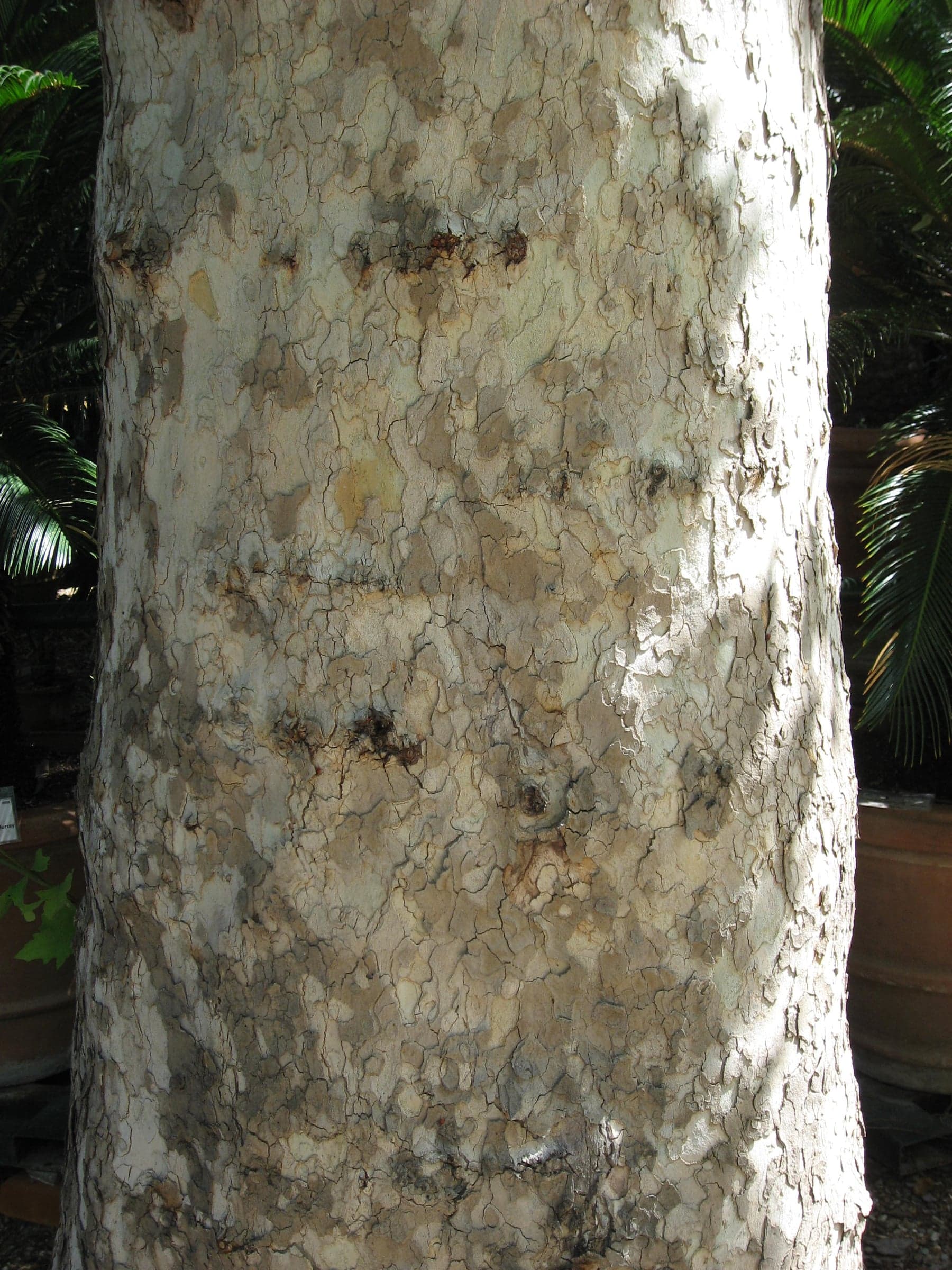
London Plane is Platanus x acerifolia, a hybrid plane. American sycamore is Platanus occidentalis, its close relative and also a source of lacewood. European Sycamore is Acer pseudoplatanus, a maple, and has nothing to do with either.
They look different, work differently and cost differently. Buy on the botanical name.
Ostajien kysymykset
Ostajien kysymykset
What is lacewood?
Lacewood is quartersawn London Plane. The species has exceptionally large rays, and cutting on the quarter exposes them as a dense flecked pattern across the whole surface that looks like lace. It is one of the most distinctive figures available from any European species, and it exists only on the quartersawn face. Flatsawn plane is comparatively plain.
Is London Plane the same as sycamore?
No, and the naming is a mess. London Plane is Platanus x acerifolia, a plane tree. American sycamore is Platanus occidentalis, its close relative. European Sycamore is Acer pseudoplatanus, a maple, and unrelated to both. All three are sometimes called sycamore somewhere. Check the botanical name.
How stable is it?
Not very. Volumetric shrinkage of 15.0 percent is high and tangential shrinkage of 9.5 percent against radial at 5.5 percent is a wide differential, so flatsawn boards cup. Since the reason to buy this species is the quartersawn lacewood figure, and quartersawn stock is much more stable, the figure and the stability come together.
Can it be used outdoors?
No. It is rated decay class 5, perishable, with poor insect resistance. London Plane is an interior decorative timber only.
Mekaaniset ominaisuudet
Tekniset tiedot
Julkaistut viitearvot. Jos lähteet eroavat toisistaan, vaihteluväli näytetään ja yllä olevissa asteikoissa käytetään tyypillistä arvoa.
| Tiheys (kg/m³)Kuutiometrin massa noin 12 %:n kosteudessa. Painavampi puu on yleensä kovempaa ja vahvempaa. | 500–620 kg/m³tyypillinen 560 kg/m³ |
|---|---|
| Janka-kovuus (N)Voima, joka tarvitaan teräskuulan painamiseen puoliksi puuhun. Vakiintunut lommonkestävyyden mitta. | 3,800–4,600 Ntyypillinen 4 180 N |
| MOR: taivutuslujuus (MPa)Taivutuslujuus: kuorma, jolla palkki murtuu. | 70–80 MPa |
| MOE: kimmomoduuli (GPa)Taivutusjäykkyys: kuinka paljon hylly tai taso taipuu kuormitettuna. | 8.0–10.0 GPa |
| Säteensuuntainen kutistuminenKutistuminen kasvurenkaiden poikki tuoreesta uunikuivaksi. Neljännessahatut laudat elävät näin. | 5.5–6.5 % |
| Tangentin suuntainen kutistuminen |