KORENA
PuuFinished piecesTarvikkeetKumppanivarastotJulkaisut

Tilaa ilmoitukset

Jokainen lankku on ainutlaatuinen. Kun se myydään, sitä ei enää ole. Lähetämme sähköpostia, kun uusia kappaleita listataan: uudet saapumiset, uudet puulajit ja projektikuvaukseen sopivat lankut.

Muutama sähköposti kuukaudessa. Ei roskapostia, voit perua milloin tahansa.

KORENA, korkealaatuinen lehtipuu

Kappale kerrallaan.

Tarkastettua korkealaatuista lehtipuuta kappale kerrallaan. Jokainen lankku valokuvataan, mitataan ja toimitetaan kumppanivarastosta puupassin kanssa.

Kauppa

  • Selaa tuotteita
  • Myytyjen arkisto
  • Seuraa tilausta

Opi

  • Julkaisut
  • Puulajioppaat
  • Sanasto
  • Vertaa
  • Kirjoittajat

Ohjeet

  • Tietoa meistä
  • Näin se toimii
  • Ryhdy kumppanivarastoksi
  • Pyydä lankun hankintaa
  • Tuki
  • Asiakirjamallit
  • Lehdistö

Osta

  • Myyntiehdot
  • Peruuttamisoikeus
  • Palautukset ja takuu
  • Toimitus

Luottamus

  • Tietosuojakäytäntö
  • Evästekäytäntö
  • Puun alkuperä ja EUDR
  • Saavutettavuus

Yritystiedot

  • Oikeudellinen ilmoitus / yritystiedot
  • Hyväksyttävä käyttö
  • Immateriaalioikeudet ja sisältö

© 2026 KORENA. Kaikki oikeudet pidätetään.

Ylläpitäjä Martial Labs Ltd. (BG, EIK 207453941). KORENA on Martial Labs Ltd:n kauppanimi.

Kunnioitamme yksityisyyttäsi

Käytämme välttämättömiä evästeitä, jotta sivusto toimii. Luvallasi käyttäisimme evästeitä myös analytiikkaan, yksilölliseen sisältöön ja mainontaan. Voit muuttaa valintaasi milloin tahansa suostumusasetusten sivulla. Tutustu evästekäytäntöömme ja tietosuojakäytäntöömme.

  1. Etusivu
  2. /
  3. Puulajit
  4. /
  5. Norway Spruce

Picea abies

Norway Spruce

The most abundant conifer in Europe and the lightest slab material KORENA lists. Pale, even, easy at the bench, and soft enough that you should choose it deliberately.

  • Kasvatettu ja korjattu Euroopassa.
  • Kasvitieteellinen ryhmä. Havupuut ovat paljassiemenisiä ja lehtipuut koppisiemenisiä puita.
  • Kasvitieteellinen heimo, johon puulaji kuuluu.
Tilaa ilmoitus sen saapuessaViitepuulaji. Ei kappaleita varastossa juuri nyt.
  • Sopivuus projektiin
  • Varastossa
  • Ulkonäkö
  • Työstäminen
  • Eläminen
  • Hinta
  • Turvallisuus ja hankinta
  • Kysymykset
  • Tekniset tiedot

Sopiiko se projektiisi?

Sopii hyvin

  • Lightweight tabletops
  • Wall panelling
  • Shelving
  • Instrument soundboards
  • Interior joinery

Puulajia Norway Spruce ei ole nykyisessä erässä

Samankaltaisia puulajeja varastossa

Puulajia Norway Spruce ei ole juuri nyt. Nämä puulajit sopivat samoihin projekteihin, ja niitä on saatavilla.
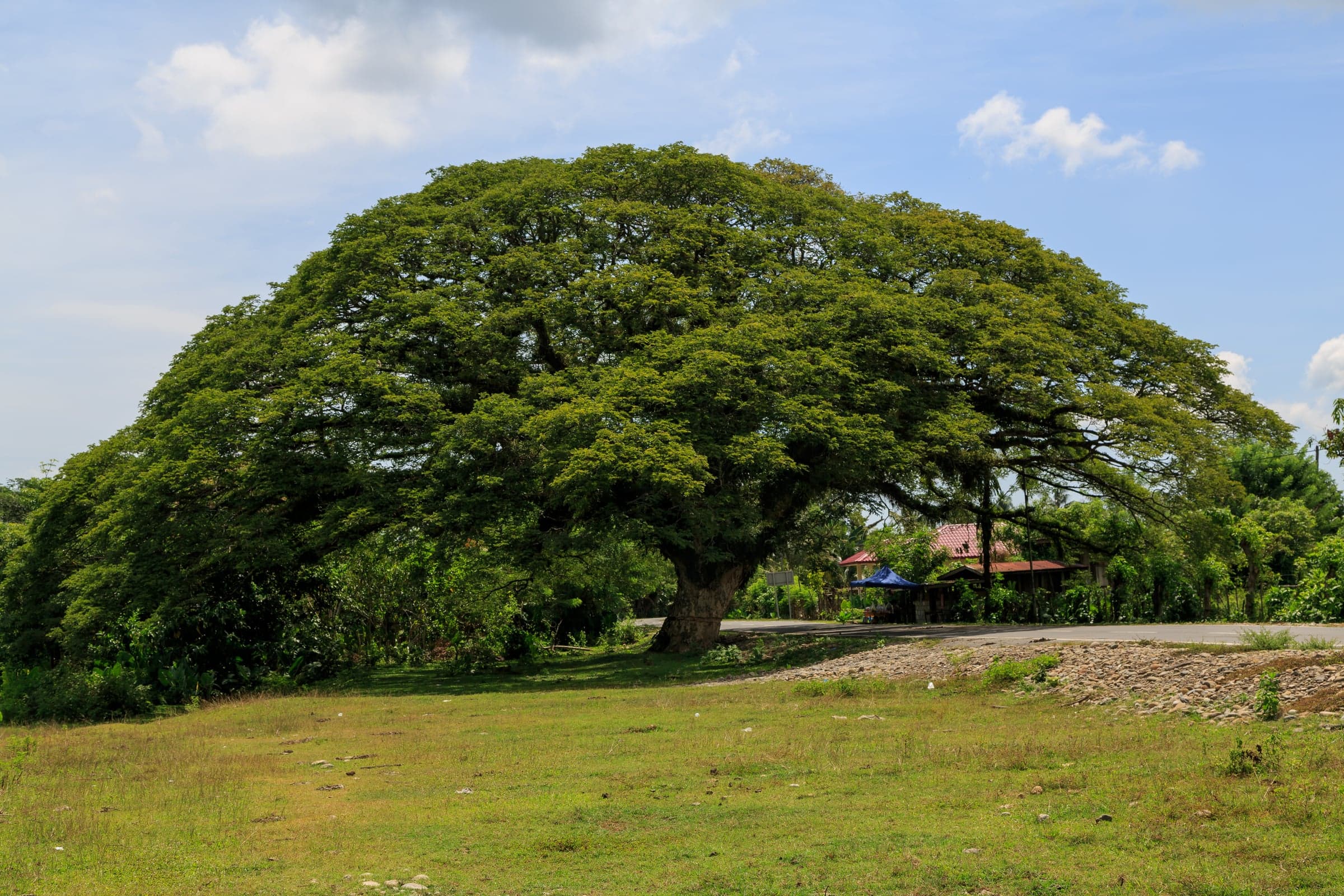
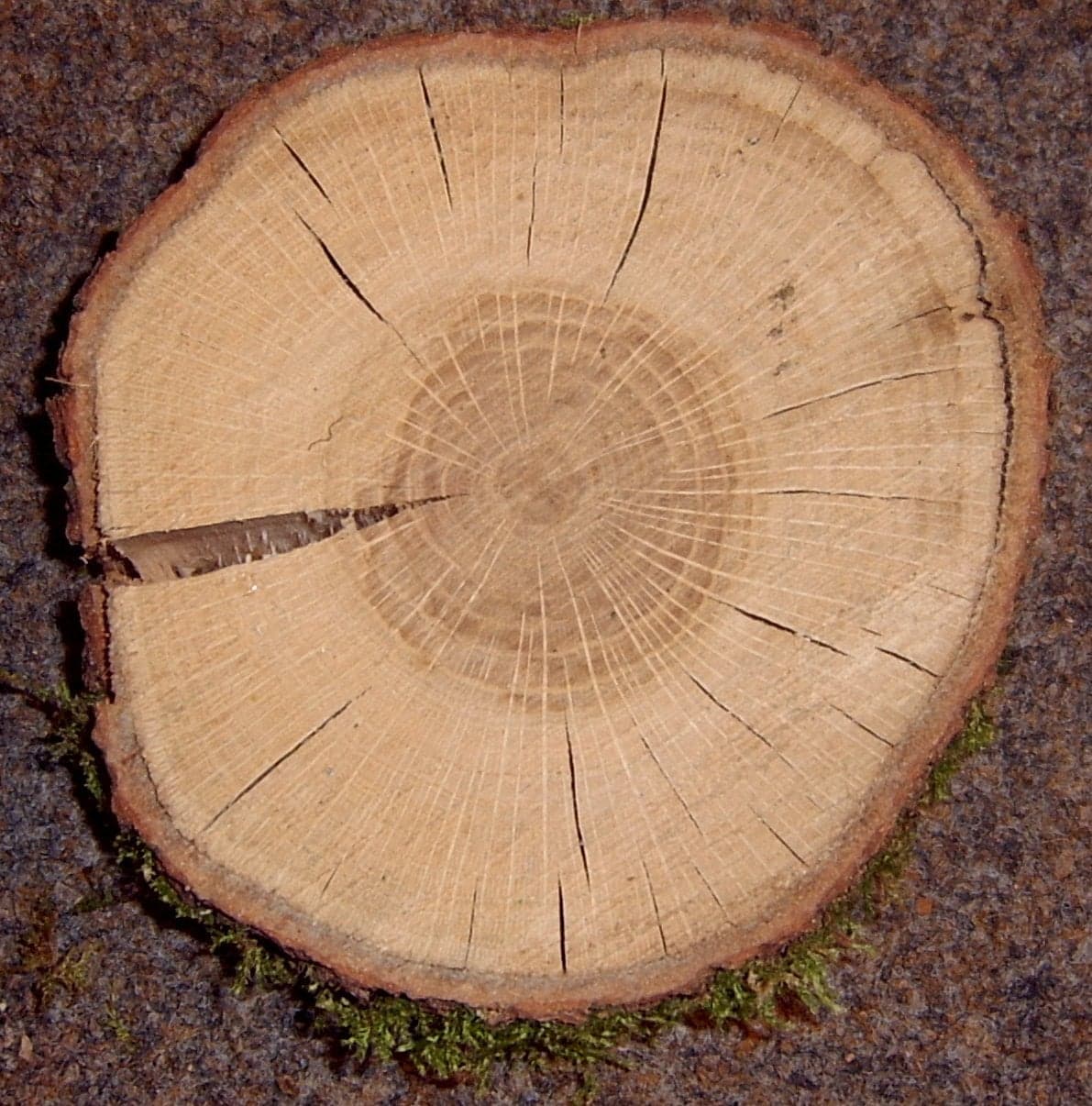
  • Puulajin Saman syykuvio

    Saman

    Samanea saman

    4 kappaletta

  • Puulajin European Oak syykuvio

    European Oak

    Quercus robur

    6 kappaletta

  • Puulajin European Walnut syykuvio

    European Walnut

    Juglans regia

    9 kappaletta

Tilaa ilmoitus puulajista Norway Spruce

Lähetämme sähköpostia, kun KORENAan saapuu uusia Norway Spruce-lankkuja. Jokainen kappale on ainutlaatuinen, joten ennakkotiedosta on hyötyä.

Muutama sähköposti kuukaudessa. Ei roskapostia, voit perua milloin tahansa.

Puun ulkonäkö

Miltä se näyttää

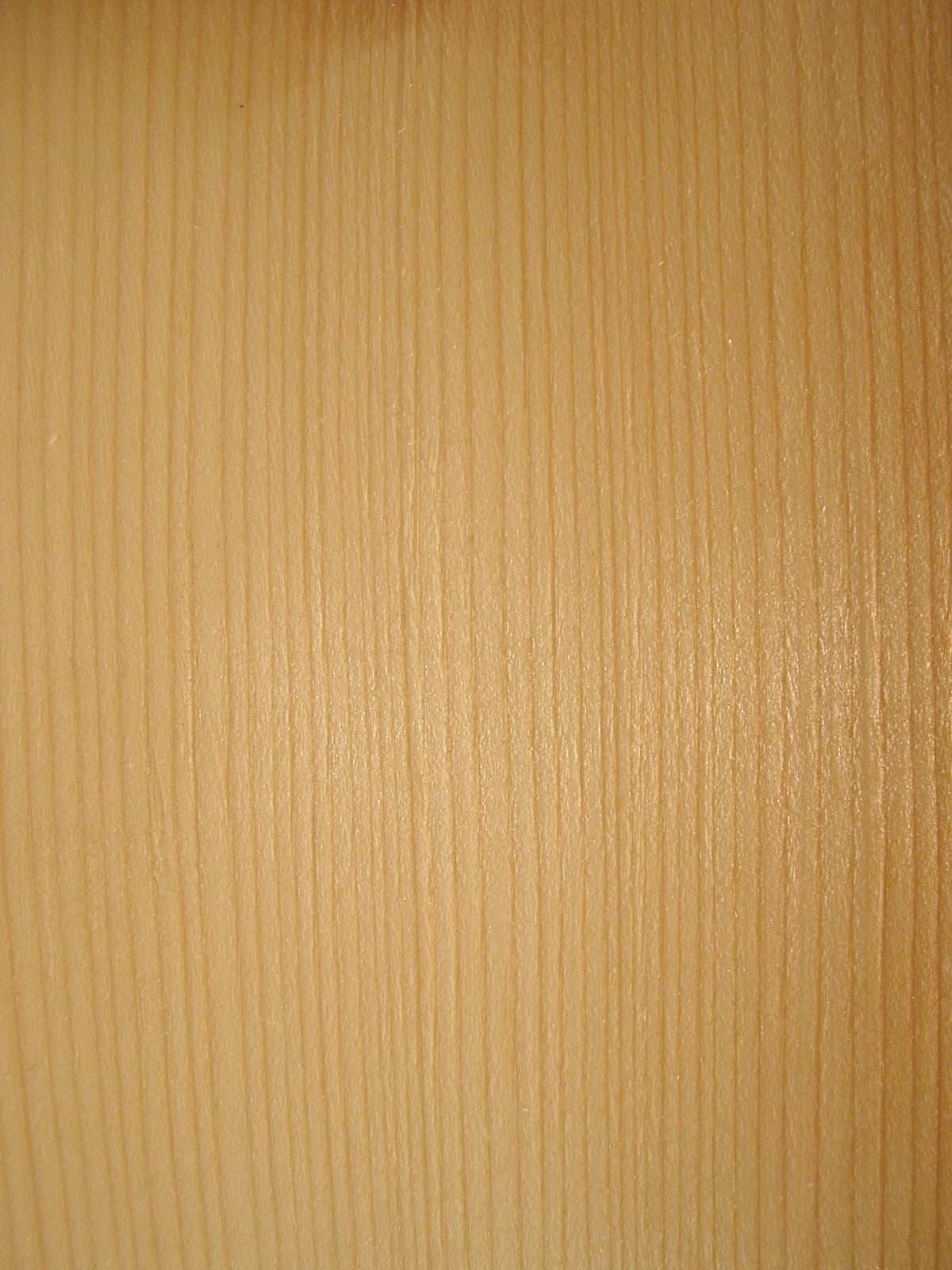
Pale cream to light yellow throughout, with almost no colour separation between heartwood and sapwood. The grain is straight and the texture fine and even. What makes a spruce slab worth looking at is rarely colour and almost always structure: tight annual rings, resin pockets that read as amber flecks, and the occasional cluster of small sound knots that a maker can either feature or cut around.

  • Cream to pale yellow, darkening slightly with age and UV
  • Little to no heartwood and sapwood contrast
  • Resin pockets show as translucent amber marks
  • Straight grain, even texture; resin canals.

Työstäminen

Työstäminen

Easy in every operation as long as you stay away from knots. Spruce is soft enough that sharp tools matter more than powerful ones: dull cutters crush the earlywood rather than slicing it, leaving a fuzzy surface that no amount of sanding fully recovers. Knots are hard, resinous and prone to tearing out, so plan cuts around them rather than through them. It glues reliably and takes screws well if you pilot near edges.

Viimeistely

The one genuine difficulty with spruce. Its uneven density between earlywood and latewood makes it absorb stain unevenly, so pigment stains blotch badly. Use a conditioner first, or skip stain entirely. Clear oils, hardwax oils and water-based lacquers all sit well and keep the pale colour. If you want warmth, a single coat of shellac before the topcoat evens absorption without muddying the grain.

Kuivaus

Dries quickly and with relatively little degrade, which is one reason it dominates European construction timber. Slab stock still needs patience: at 50 mm and above, resin pockets can bleed if the kiln schedule runs hot, and case hardening shows up as cupping once you machine the first face. Air drying followed by a gentle kiln finish gives the cleanest result. Expect movement in service to be modest, since volumetric shrinkage is around 12.9 percent.

Kuinka paljon se elää?

Puu turpoaa ja kutistuu leveyssuunnassa ilman kosteuden muuttuessa. Arvioi Norway Spruce-tason vuodenaikaiseläminen ennen kiinnikkeiden suunnittelua.

Sahaustapa
Käyttöympäristö

Odotettu vuodenaikaiseläminen

noin 9,4 mm

Kiinnitä taso kiinnityspaloilla tai urallisilla kiinnikkeillä, älä liimalla tai tiukoilla ruuveilla.

Lineaarinen kutistumismalli: leveys × (kutistuminen ÷ 28 %:n puunsyiden kyllästymispiste) × kosteuden vuodenaikaisvaihtelu. Puulajin Norway Spruce tangentin suuntaista kutistumisena käytetään arvoa 8,2 %. Tämä on suunnitteluarvio, ei takuu.

Mitä se maksaa

Turvallisuus ja hankinta

  • Kasvatettu ja korjattu Euroopassa.
  • IUCN:n punaisen listan luokitus: puulajin maailmanlaajuinen uhanalaisuusarvio.
  • Spruce dust has been reported to cause skin irritation and asthma-like respiratory effects, which puts it in the same bracket as most softwood dust. Extraction at the machine and a P2 mask during extended sanding are sensible. No specific toxicity beyond that is documented.

Lue koko opasTarkemmat tiedot kuviosta, värin muutoksesta, työstämisestä ja vakaudesta.+

What Norway Spruce actually is#

Picea abies is the default European conifer. It covers more forest area than any other species on the continent and supplies most of the structural timber used in EU construction. That ubiquity works against it when people shop for slabs, because a wood you can buy as a stud is easy to dismiss as a wood you cannot build furniture from. The dismissal is half right. Spruce is genuinely soft, and a spruce tabletop will carry the record of everything set down on it. What the reputation misses is that spruce is also stiff for its weight, dimensionally reasonable once dried, and capable of a pale, quiet surface that no hardwood can imitate.

Reading a spruce slab#

Colour tells you very little. Spruce runs cream to pale yellow with effectively no heartwood boundary, so unlike walnut or oak you cannot judge a board by its tonal range. Structure is what matters.

Look first at ring spacing. Slow-grown Alpine spruce with rings a millimetre or two apart is denser, stiffer and considerably more stable than fast-grown lowland stock with rings five millimetres apart. The difference in service is real: the tight-ringed board stays flatter and dents less.

Look next at the knots. Spruce knots are hard, resinous, and much darker than the surrounding wood. Small sound knots are a design feature and hold fine. Large knots, and especially knot clusters near an edge, are weak points that will move independently of the board around them.

Ostajien kysymykset

Ostajien kysymykset

Is Norway Spruce hard enough for a dining table?

+

It sits at 1,680 N on the Janka scale, which is soft for a tabletop that will see daily use. It works if you accept dents as part of the character, or if the top is protected by a hardwax oil that is easy to refresh. For a surface that must stay unmarked, European oak at 4,980 N or ash are better matched.

Why does my spruce slab look blotchy after staining?

+

Spruce has a large density difference between the pale earlywood and the darker latewood, so pigment lodges unevenly. Apply a wood conditioner or a thin shellac washcoat before staining, or leave it unstained and use a clear oil. Testing on an offcut from the same slab is the only reliable check, because blotching varies board to board.

What are the amber marks in the surface?

+

Resin pockets, which are normal in spruce and not a defect in the structural sense. They can weep slightly if the slab is warmed by sunlight or underfloor heating. Sealing with shellac before the topcoat locks them down. On a measured KORENA slab any pocket large enough to matter is mapped in the defect outline.

Is spruce suitable for outdoor use?

Mekaaniset ominaisuudet

Tekniset tiedot

Julkaistut viitearvot. Jos lähteet eroavat toisistaan, vaihteluväli näytetään ja yllä olevissa asteikoissa käytetään tyypillistä arvoa.

Tiheys (kg/m³)Kuutiometrin massa noin 12 %:n kosteudessa. Painavampi puu on yleensä kovempaa ja vahvempaa.405 kg/m³
Janka-kovuus (N)Voima, joka tarvitaan teräskuulan painamiseen puoliksi puuhun. Vakiintunut lommonkestävyyden mitta.1,680 N
MOR: taivutuslujuus (MPa)Taivutuslujuus: kuorma, jolla palkki murtuu.63 MPa
MOE: kimmomoduuli (GPa)Taivutusjäykkyys: kuinka paljon hylly tai taso taipuu kuormitettuna.9.7 GPa
Säteensuuntainen kutistuminenKutistuminen kasvurenkaiden poikki tuoreesta uunikuivaksi. Neljännessahatut laudat elävät näin.3.9 %
Tangentin suuntainen kutistuminenKutistuminen kasvurenkaiden suuntaisesti. Läpisahatut laudat ja useimmat lankut elävät näin.8.2 %
Puulajin Norway Spruce syykuvio

Wikimedia Commons contributor, via Wikimedia Commons

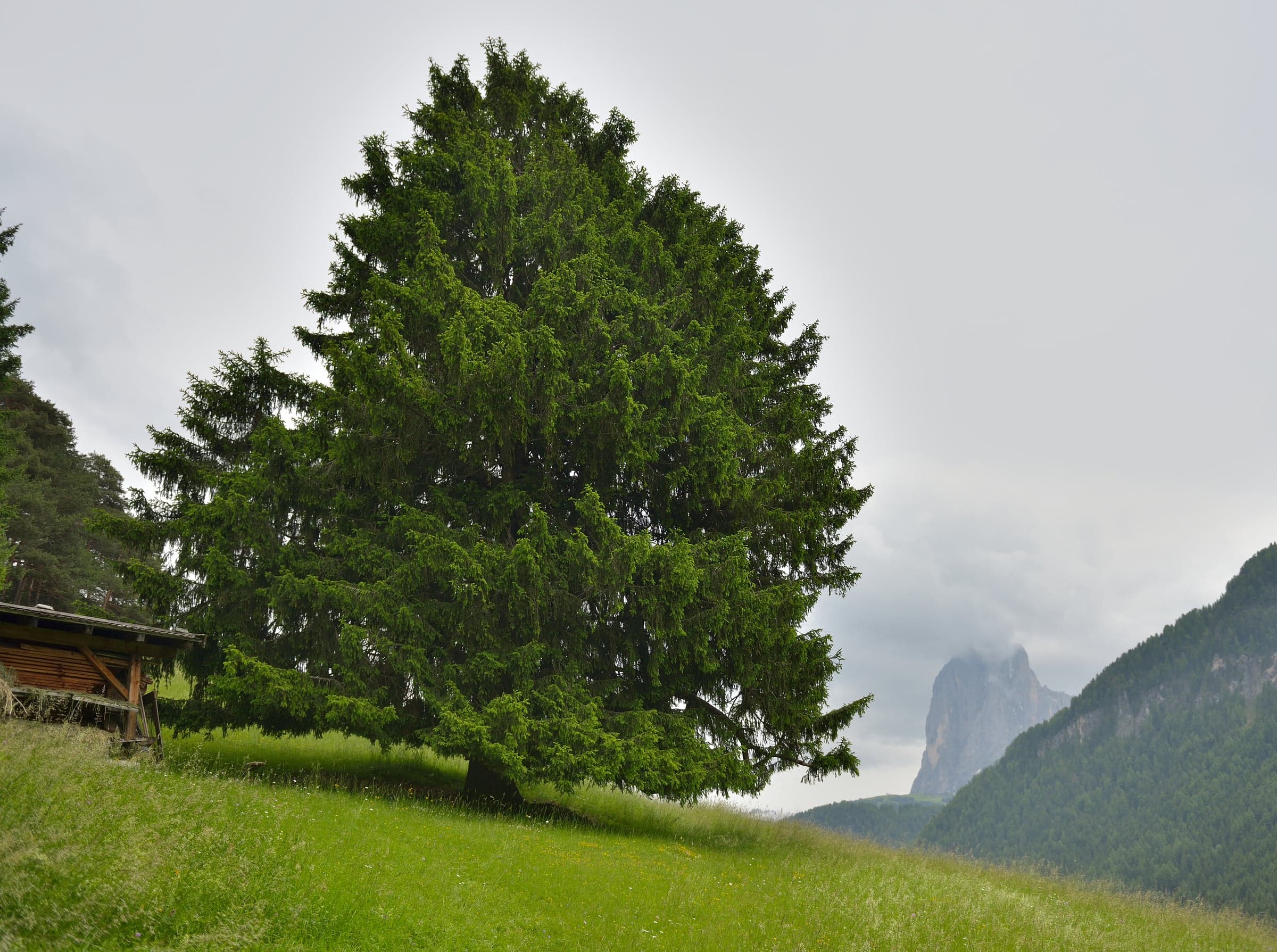
Picea abies covers the largest natural range of any European conifer, running from the Alps and Carpathians north through Scandinavia and east into Russia. Slab-grade stock reaching KORENA is nearly always from managed Alpine or Carpathian forests where FSC or PEFC certification is standard, which keeps EUDR documentation straightforward.

  • Not listed in the CITES Appendices and assessed by the IUCN as Least Concern. Supply across the EU is abundant and well certified, though bark beetle damage in central Europe has pushed large volumes of salvage timber into the market in recent years. Salvage stock is legitimate and often excellent value, but it should be declared as such because staining from blue fungus is common in it.

  • Norway Spruce-puu

    This Photo was taken by Wolfgang Moroder. Feel free to use my photos, but please mention me as the author a..., via Wikimedia Commons

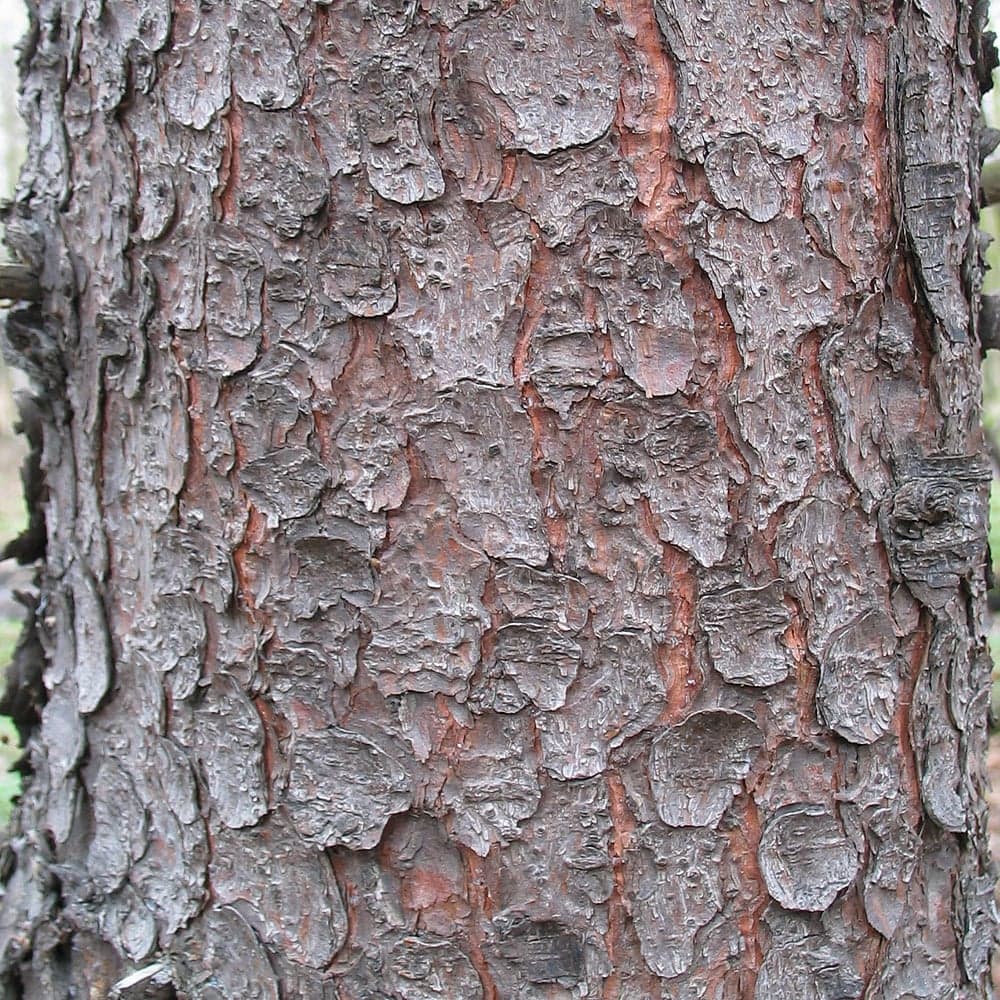
    Norway Spruce: Kaarna
    Kaarna

    Finally, look for resin pockets and blue stain. Pockets read as amber streaks and are harmless once sealed. Blue stain is a grey-blue discolouration caused by fungus, common in salvage timber from bark beetle damage, and it does not weaken the wood. It changes the look completely, which is either the point or a problem depending on the piece.

    At the bench#

    Spruce rewards sharp tools and punishes dull ones more than almost anything else KORENA lists. Because the earlywood is so much softer than the latewood, a blunt cutter compresses the soft bands instead of severing them. The surface that comes off looks acceptable until finish goes on, at which point the crushed fibres swell and the whole face turns fuzzy.

    Plane with a freshly honed iron and a tight mouth, take light cuts, and finish with a card scraper rather than aggressive sanding. If you must sand, stop at 180 grit. Going finer burnishes the latewood and makes the blotching problem worse.

    Glue-up is straightforward. Spruce takes PVA and polyurethane adhesives reliably, and its low density means clamping pressure should be moderate. Over-clamping starves the joint by crushing the fibres either side of it.

    Screws hold acceptably but not brilliantly. Pilot everything within 50 mm of an end grain edge, and prefer a coarse thread. For anything load bearing, through-bolts with washers distribute the load far better than screws into the face.

    Drying and movement#

    Spruce dries fast and relatively cleanly, which is exactly why it dominates commodity timber. Slabs behave differently from boards. At 50 mm and thicker, an aggressive kiln schedule drives moisture out of the surface much faster than the core can follow, and the result is case hardening: the slab looks flat until you machine one face, then cups as the internal stress releases.

    The safest route for slab stock is air drying under cover to roughly 20 percent, then a slow kiln finish to bring it to 8 to 10 percent for interior use. Ask the yard which schedule was used. On KORENA listings the drying method and measured moisture are recorded on the passport, so you are not guessing.

    In service, expect meaningful seasonal movement. Tangential shrinkage is around 8.2 percent against 3.9 percent radial, so a wide flatsawn top will want to cup toward the bark face as humidity drops. Quartersawn stock moves roughly half as much across its width and is worth seeking out for anything that must stay flat.

    Where spruce is the right answer#

    Spruce earns its place when weight matters, when the budget will not carry oak, or when the design wants a pale surface that stays pale. A three metre bench top in oak is a two person lift; in spruce one person can move it. Wall panelling in spruce reflects light in a way that darker species cannot. And for anything that will be painted, spending on a hardwood is money burnt.

    It is the wrong answer for a heavily used dining surface, for anything outdoors without treatment, and for a piece where a rich stained colour is the goal.

    Sourcing and EUDR#

    Supply is abundant and certification is the norm across Alpine and Carpathian sources, which makes the due diligence path short. One current wrinkle is worth knowing: bark beetle outbreaks across central Europe have pushed large volumes of salvage timber into the market. Salvage stock is entirely legitimate, often good value, and frequently carries blue stain. It should be declared rather than discovered, and any KORENA listing that is salvage says so.

    +

    Not without treatment. The heartwood is rated slightly resistant to non-resistant to decay, so untreated spruce outdoors will fail within a few seasons. European larch or Douglas fir are the better choices from this group when moisture exposure is part of the brief.

    How much will a spruce tabletop move through the year?

    +

    Volumetric shrinkage is around 12.9 percent with tangential movement roughly twice radial, so a wide flatsawn top will change noticeably between a humid summer and a heated winter. Allow the top to float on slotted fasteners rather than fixing it rigidly, and let the slab acclimatise in the room for two weeks before final flattening.

    TilavuuskutistuminenTilavuuden kokonaismuutos tuoreesta uunikuivaksi. Pienempi arvo tarkoittaa vakaampaa puuta.12.9 %
    Luontainen kestävyys (EN 350)Eurooppalainen luontaisen lahonkestävyyden standardi, jossa 1 tarkoittaa erittäin kestävää ja 5 helposti lahoavaa.Class 4 — Slightly durable

    Lähteet

    • The Wood Database — Norway Spruce (Picea abies)(luettu 2026-08-12)
    • USDA FPL Wood Handbook FPL-GTR-190 (2010)(luettu 2026-08-12)
    • Meier, E. — WOOD! Identifying and Using Hundreds of Woods Worldwide (2015)(luettu 2026-08-12)

    Huomioi

    • Ei käsittelemättömään ulkokäyttöönLuontainen kestävyys on EN 350 -luokassa 4/5. Käytä sisällä tai pidä pinta suojakäsiteltynä.
    • Pöly ärsyttääKäytä pölynpoistoa ja hengityssuojainta hioessa tai koneistaessa.

    Avaa tiedot napauttamalla merkintää.

    Yhdellä silmäyksellä

    Tasot perustuvat samoihin rajoihin kaikilla KORENAn puulajeilla, joten niitä voi verrata suoraan. Mitattu arvo näkyy kunkin tason alla.
    KovuusLommojen ja kulumisen kestoPehmeä

    Janka-kovuus 1 680 N

    66 % pehmeämpi kuin euroopantammi

    PainoKuinka raskas lankku on nostaaErittäin kevyt

    405 kg/m³

    VakausKuinka vähän puu elää vuodenaikojen mukaanKeskimääräinen

    12,9 % tilavuuskutistuminen

    TyöstettävyysSahaus, höyläys, hionta ja liimausKohtalainen

    3,7 / 5 työstettävyyden keskiarvo

    UlkokäyttöLuontainen lahonkestävyys, EN 350Vain sisäkäyttöön

    EN 350 -luokka 4

    • Sahaus · Erittäin hyväKuinka siististi se leikkautuu ja kuinka paljon se kuluttaa teriä.1 = vaikea · 5 = erinomainen
    • Höyläys · Erittäin hyväKuinka sileäksi pinta höyläytyy ja kuinka helposti puu repeilee.1 = vaikea · 5 = erinomainen
    • Hionta · Erittäin hyväKuinka nopeasti pinta hioutuu sileäksi tukkimatta hiomapaperia.1 = vaikea · 5 = erinomainen
    • Sorvaus · HyväKuinka se leikkautuu ja viimeistyy sorvissa.1 = vaikea · 5 = erinomainen
    • Kaiverrus · HyväKuinka terävinä yksityiskohdat säilyvät kourutaltalla työstettäessä.1 = vaikea · 5 = erinomainen
    • Liimaus · Erittäin hyväKuinka luotettavasti liimaliitokset pitävät.1 = vaikea · 5 = erinomainen
    • Ruuvien ja naulojen pito · Erittäin hyväKuinka hyvin ruuvit ja naulat pysyvät halkaisematta puuta.1 = vaikea · 5 = erinomainen
    • Höyrytaivutus · HyväKuinka hyvin se taipuu höyrytyksen jälkeen.1 = vaikea · 5 = erinomainen

    Puutavaran Norway Spruce nykyiset myyntihinnat eri puolilla Eurooppaa kuutiometriä kohti ennen ALV:tä. Avaa tiedot napauttamalla hintaa.

    • Parhaat tukit huutokaupassaValikoidut korkealaatuiset tukit, jotka myydään tarjoushuutokaupoissa pääasiassa viilun ja huonekalujen valmistajille. Tällaisista tukeista sahataan lankkuja.Useimmat hinnat ovat välillä 172 €–313 €.Perustuu 50 hintaan 1 alueelta.Uusimmat tiedot 24.9.2026
    • Tavanomaiset tukitMetsänomistajien ja valtion metsätalouden suurina erinä myymä tavallinen raakapuu, joka käytetään pääasiassa rakentamiseen ja teollisuuteen.Useimmat hinnat ovat välillä 22 €–175 €.Perustuu 9 577 hintaan 12 alueelta.Uusimmat tiedot 24.9.2026

    Tavanomaiset tukit maittain

    • Ranska · 120 € / m³Alueet: Bourgogne-Franche-Comté ja Grand Est / Alsace12 hintaaUusimmat tiedot 15.9.2026
    • Ruotsi · 90 € / m³Alueet: Sweden Central25 hintaaUusimmat tiedot 30.6.2026
    • Romania · 79 € / m³Alueet: Banat / Crișana, Dobrogea, Moldavia (Romania), Transylvania ja Wallachia9 302 hintaaUusimmat tiedot 24.9.2026

    Miksi lankku maksaa tätä enemmän?

    Nämä ovat raakapuun hintoja. Lankku on tukin paras sahauspala. Sitä kuivataan vähintään vuoden ajan, minkä jälkeen jokainen kappale tarkastetaan ja mitataan. Vain pieni osa kustakin tukista päätyy lankuksi.

    Lähde: KORENA Timber Index · Uusimmat tiedot 24.9.2026

    Katso kaikki alueelliset hinnat
    Italia75 €
    Italia · 75 € / m³
    Alueet: Trentino-Alto Adige ja Veneto
    232 hintaa
    Uusimmat tiedot 10.9.2026
  • Suomi · 59 € / m³Alueet: Southern Finland (Etelä-Suomi)3 hintaaUusimmat tiedot 21.9.2026
  • Norja · 54 € / m³Alueet: Norway (national)3 hintaaUusimmat tiedot 21.9.2026