KORENA
DrvoFinished piecesMaterijalSkladištaČasopis

Primajte obavijesti

Svaka je masivna ploča jedinstvena. Kad se proda, više je nema. Šaljemo vam e-poruku kada se objave novi komadi: novi dolasci, nove vrste i daske koje odgovaraju opisu projekta.

Nekoliko poruka mjesečno. Bez neželjene pošte, odjavite se kada želite.

KORENA, vrhunsko tvrdo drvo

Komad po komad.

Provjereno vrhunsko tvrdo drvo, komad po komad. Svaka se daska fotografira, mjeri i šalje iz partnerskog skladišta s putovnicom drva.

Trgovina

  • Pregledaj proizvode
  • Arhiva prodanih dasaka
  • Prati narudžbu

Saznajte više

  • Časopis
  • Vodiči kroz vrste
  • Pojmovnik
  • Usporedba
  • Autori

Pomoć

  • O nama
  • Kako funkcionira
  • Postanite partnersko skladište
  • Pronađite dasku
  • Podrška
  • Predlošci dokumenata
  • Mediji

Kupnja

  • Uvjeti prodaje
  • Pravo na odustajanje
  • Povrati i jamstvo
  • Otprema i dostava

Povjerenje

  • Pravila privatnosti
  • Pravila o kolačićima
  • Podrijetlo drva i EUDR
  • Pristupačnost

Impresum

  • Pravna obavijest / Impresum
  • Prihvatljiva upotreba
  • Intelektualno vlasništvo i sadržaj

© 2026 KORENA. Sva prava pridržana.

Stranicom upravlja Martial Labs Ltd. (BG, EIK 207453941). KORENA je trgovački naziv društva Martial Labs Ltd.

Poštujemo vašu privatnost

Upotrebljavamo nužne kolačiće kako bi stranica radila. Uz vaše dopuštenje upotrebljavali bismo i kolačiće za analitiku, prilagođeni sadržaj i oglase. Svoj izbor možete bilo kada promijeniti na stranici postavki privole. Pročitajte naša pravila o kolačićima i pravila privatnosti.

  1. Početna
  2. /
  3. Vrste
  4. /
  5. Aleppo Pine

Pinus halepensis

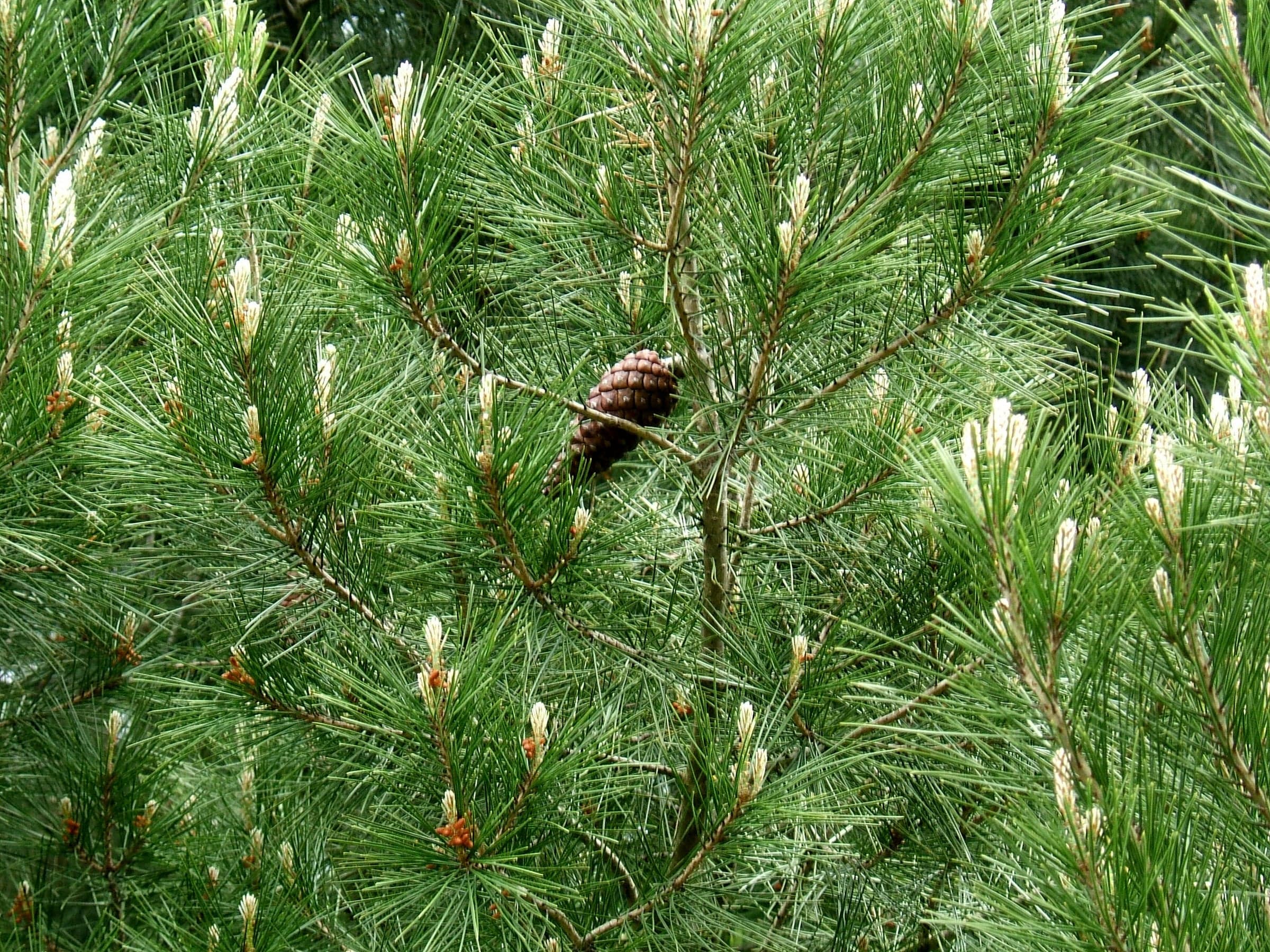
Aleppo Pine

The pine of dry Mediterranean coasts. Irregular, resinous and awkward to machine, with the lowest measured shrinkage of anything KORENA lists.

  • Uzgaja se i siječe u Europi.
  • Botanička skupina. Meko drvo potječe od četinjača, a tvrdo od listača.
  • Botanička porodica kojoj vrsta pripada.
Obavijestite me kada stigneReferentna vrsta. Trenutačno nema komada na zalihi.
  • Prikladnost za projekt
  • Na zalihi
  • Izgled
  • Obrada
  • Pomicanje
  • Cijena
  • Sigurnost i nabava
  • Pitanja
  • Tehnički podaci

Odgovara li vašem projektu?

Izvrsno za

  • Rustic furniture
  • Panelling
  • Carcass work
  • Shelving
  • Decorative slabs

Prednosti

  • Vrlo stabilnoMalo sezonsko pomicanje. Dobro za široke plohe i tijesne spojeve.

Obratite pozornost

  • Prašina nadražujeUključite odsis i nosite masku tijekom brušenja ili strojne obrade.

Dodirnite oznaku za pojedinosti.

Nema vrste Aleppo Pine u trenutačnoj ponudi

Slične vrste na zalihi

Vrsta Aleppo Pine trenutačno nije dostupna. Ove vrste odgovaraju istim projektima i imaju dostupne komade.

  • Tekstura vrste European Oak

    European Oak

    Quercus robur

    6 komada

  • Tekstura vrste European Walnut

    European Walnut

    Juglans regia

    9 komada

  • Tekstura vrste Saman

    Saman

    Samanea saman

    4 komada

Primajte obavijesti o vrsti Aleppo Pine

Poslat ćemo vam poruku e-pošte kada nove daske vrste Aleppo Pine stignu u KORENA ponudu. Svaki je komad jedinstven pa je rana obavijest važna.

Nekoliko poruka mjesečno. Bez neželjene pošte, odjavite se kada želite.

Izgled drva

Kako izgleda

Pale yellow to light brown, often with an orange tint in the heartwood, against wide pale sapwood. Growth is fast and irregular where conditions are dry, so ring width varies noticeably within a single board and the grain is frequently wavy rather than straight. Knots are common. It reads as a rougher, more variable wood than the northern pines.

  • Pale yellow to light brown with an orange tint
  • Wide and irregular growth rings reflecting drought driven growth
  • Frequently wavy grain rather than straight
  • Straight grain with irregular ring width from drought-driven growth; frequently wavy. Coarse texture, pale yellow to light brown with an orange tint against wide pale sapwood.

Obrada

Obrada

  • Piljenje · DobroKoliko se čisto reže i koliko troši oštrice.1 = teško · 5 = izvrsno

Resinous and variable. The wavy and irregular grain typical of drought grown stock causes tear-out where the grain direction reverses, which it does often. Light cuts, sharp tooling and a scraper for the final surface are the practical answer. Resin loads blades and abrasives as it does in the other Mediterranean pines. It glues acceptably once surfaces are clean of resin.

Završna obrada

Wipe with denatured alcohol or acetone before finishing to lift surface resin. Pigment stains blotch, as in all the pines, so a dye or a clear finish is safer. Seal knots with shellac before painting. The orange tint in the heartwood deepens with light exposure.

Sušenje

Prone to distortion because the grain is irregular and ring width uneven, so expect more spring and bow on ripping than in a northern pine. Measured shrinkage from the cited study is comparatively low at around 8.3 percent volumetric, with radial at 3.8 and tangential at 4.8 percent, and the unusually narrow gap between those two figures suggests good dimensional behaviour once dry. Those values come from Algerian material and regional variation in this species is wide.

Koliko će se pomicati?

Drvo bubri i skuplja se po širini kako zrak postaje vlažniji i suši. Procijenite sezonsko pomicanje plohe od vrste Aleppo Pine prije projektiranja pričvrsnica.

Rez
Gdje će se nalaziti

Očekivano sezonsko pomicanje

oko 5,4 mm

Plohu pričvrstite pričvrsnicama ili nosačima s utorima, a ne ljepilom ili čvrsto zategnutim vijcima.

Model linearnog skupljanja: širina × (skupljanje ÷ 28 % zasićenosti vlakana) × sezonska promjena vlažnosti. Za vrstu Aleppo Pine rabi se 4,76 % tangencijalnog skupljanja. Ovo je procjena za planiranje, ne jamstvo.

Koliko košta

Još nema tržišne reference za vrstu Aleppo Pine. Svaki KORENA komad zasebno cijeni njegovo partnersko skladište.

Sigurnost i nabava

  • Uzgaja se i siječe u Europi.
  • Working with pine has been reported to cause allergic skin reactions and asthma-like symptoms in some people. This species is resinous, so skin contact sensitisation over repeated exposure is a realistic risk. Gloves and good extraction are appropriate.

  • Pinus halepensis is the characteristic pine of the Mediterranean basin, growing from Spain and southern France across Italy, Greece and the Balkans to North Africa and the Levant. It tolerates drought and poor limestone soils better than any other pine here, which is why it dominates dry coastal landscapes and is planted heavily for erosion control.

  • Not listed in the CITES Appendices. Aleppo Pine is abundant across the Mediterranean and widely planted for erosion control on degraded land, so supply is not constrained. Fire is the dominant pressure on these forests, and large burn events regularly push salvage material into regional markets. The species is fire adapted and regenerates readily, but salvage stock should be identified as such.

Aleppo Pine: List
List
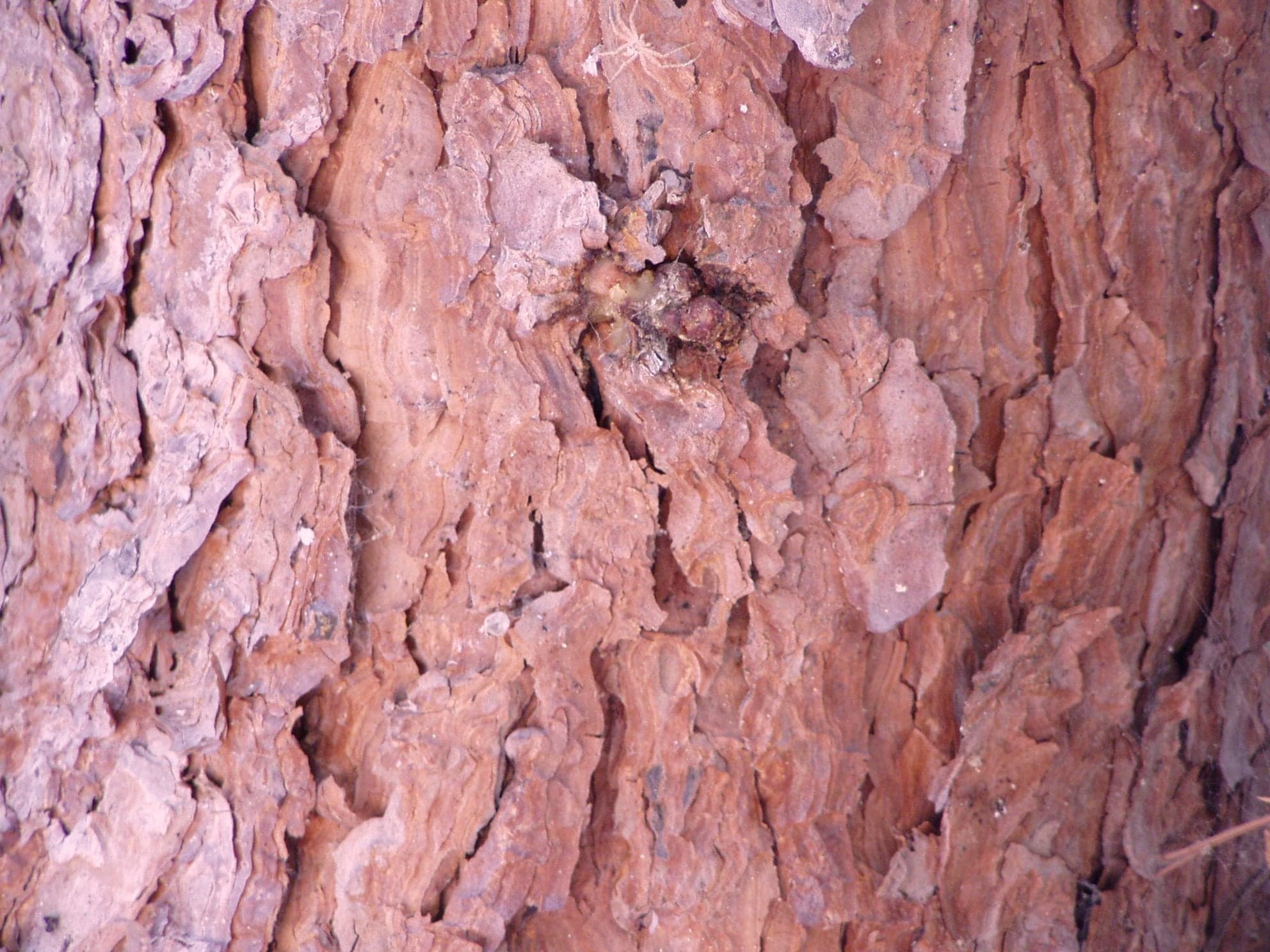
Aleppo Pine: Kora
Kora
Pročitajte cijeli vodičDetaljne bilješke o šari, promjeni boje, obradi i stabilnosti.+

What Aleppo Pine actually is#

Pinus halepensis is the pine you have seen on every dry Mediterranean hillside, from Spain and southern France across Italy, Greece and the Balkans to North Africa and the Levant. It tolerates drought and thin limestone soils better than any other pine in this catalogue, which is why it dominates degraded coastal landscapes and is planted heavily for erosion control.

That toughness in the field translates into an awkward timber. Growing under water stress produces irregular ring width, frequently wavy grain, and a lot of knots. It is a rougher and more variable wood than the northern pines, and it should be chosen for what it looks like rather than in spite of it.

What the numbers do and do not cover#

This species has partial data, and the gaps are worth explaining.

Density is listed at 540 kg per cubic metre, which sits between Maritime Pine at 500 and Scots Pine at 550. Modulus of rupture and shrinkage are also listed. All of these come from a single peer-reviewed study of Algerian material, cited on the species record.

There is no Janka hardness value and no elastic modulus. The general reference works do not publish a Janka figure for this species, and the study that measured stiffness did so under EN 310, a panel testing standard whose results are not comparable to the clear-wood values published for the other species here. Presenting 17.5 GPa next to Scots Pine at 10.08 GPa would imply a stiffness ranking that the test basis does not support, so the field is left empty rather than filled misleadingly.

There is also no durability rating, which matters practically: it means there is no sourced basis for recommending this wood outdoors.

The shrinkage figure is the interesting one#

The cited study measured volumetric shrinkage at around 8.3 percent, radial at 3.8 percent and tangential at 4.8 percent. That volumetric figure is the lowest in the entire KORENA catalogue, well below Maritime Pine at 14.4 percent.

More important than the headline number is the gap between radial and tangential. Cupping in a flatsawn board is driven by the difference between those two, and most species here run a ratio close to two to one. Aleppo Pine at 3.8 against 4.8 is far closer to one to one, which predicts unusually good behaviour across a wide flatsawn face.

Two caveats. The values come from Algerian material and this species varies widely across a very large range. And low shrinkage does not compensate for irregular grain, which causes its own distortion on drying regardless of how little the wood shrinks overall.

At the bench#

Expect tear-out. The wavy and irregular grain reverses direction within a single pass more often than in a northern pine, and a heavy cut will lift fibres wherever it does.

The working method that suits this wood is light cuts, sharp tooling, and a final surface produced with a card scraper or a high angle plane rather than by machining flat in one go. A helical cutterhead earns its cost here.

Resin loads blades and abrasives at roughly the level of Maritime Pine, which is to say constantly. Clean blades between operations and treat sandpaper as consumable. Wipe joint faces with acetone before glue-up, because resin on a jointed surface will compromise the bond.

Finishing#

Solvent wipe first, as with the other resinous Mediterranean pines: denatured alcohol or acetone, allowed to flash off, before any oil goes on. Skipping it produces patchy curing that only becomes visible after the work is finished.

Pigment stains blotch, so use a dye or leave it clear. Seal every knot with shellac before a painted finish. The orange tint in the heartwood deepens with light exposure.

Where Aleppo Pine is the right answer#

Rustic furniture, panelling, carcass work, shelving and decorative slabs where the irregular figure and knot pattern are wanted, and where the excellent flatsawn stability is useful.

It is the wrong answer for fine work, for anything requiring a calculated load path given the missing stiffness data, and for exterior use, where no durability rating exists to support the decision.

Sourcing and EUDR#

Not listed in the CITES Appendices. Supply is not constrained: the species is abundant across the Mediterranean and planted extensively on degraded land. Fire is the dominant pressure on these forests, and large burn events regularly push salvage volumes into regional markets. Aleppo Pine is fire adapted and regenerates readily, so salvage material is legitimate, but it should be identified rather than discovered. KORENA listings record the originating yard and region.

Pitanja kupaca

Pitanja kupaca

Why is there no Janka hardness listed for Aleppo Pine?

+

KORENA publishes a figure only where a cited source supports it. The general reference works do not carry a Janka value for Pinus halepensis, and the one peer-reviewed dataset available covers density, bending strength and shrinkage but not hardness. Rather than borrow a number from another Mediterranean pine, the field is left empty. Density is listed at 540 kg per cubic metre, which places it between Maritime Pine and Scots Pine.

How stable is it?

+

Better than its rough appearance suggests. The cited study measured volumetric shrinkage at around 8.3 percent, the lowest figure in this catalogue, with radial at 3.8 and tangential at 4.8 percent. That narrow gap between radial and tangential is what governs cupping, and it is unusually favourable. The caveat is that these values come from Algerian material and this species varies widely across its range.

Why does it tear out so much when I plane it?

+

Drought driven growth produces irregular ring width and frequently wavy grain, so the grain direction reverses within a single pass more often than in a northern pine. Take light cuts, keep tooling sharp, and produce the final surface with a scraper or a high angle plane rather than trying to machine it flat in one go.

Is the bending strength figure really that high?

+

The cited study reports 116.4 MPa modulus of rupture for clear wood specimens under DIN 52186, which is higher than Scots Pine at 83.3 MPa and worth treating with appropriate care. It was measured on defect free samples of Algerian material, and the same paper notes that defects reduce mechanical properties by roughly 11 to 15 percent. Real boards have knots.

Can it be used outdoors?

+

No durability rating is established for this species in the sources KORENA cites, so there is no honest basis for recommending it outdoors. Mediterranean pines generally are not durable untreated. European Larch is the species in this catalogue with a sourced durability rating suitable for exterior use.

Mehanička svojstva

Tehnički podaci

Objavljene referentne vrijednosti. Kada se izvori ne slažu, prikazuje se raspon, a uobičajena vrijednost rabi se za gornje ljestvice.

Gustoća (kg/m³)Masa po kubičnom metru pri približno 12 % vlažnosti. Teže drvo obično je tvrđe i čvršće.500–580 kg/m³uobičajeno 540 kg/m³
MOR: modul loma (MPa)Čvrstoća na savijanje: opterećenje pri kojem greda puca.116 MPa
Radijalno skupljanjeSkupljanje preko godova, od sirovog do potpuno suhog drva. Tako se pomiču radijalno rezane daske.3.8 %
Tangencijalno skupljanjeSkupljanje duž godova. Tako se pomiču tangencijalno rezane daske i većina širokih dasaka.4.8 %
Volumno skupljanjeUkupna promjena volumena od sirovog do potpuno suhog drva. Niža vrijednost znači veću stabilnost.8.3 %

Izvori

  • Bourahla et al. — The physicomechanical and thermal properties of Algerian Aleppo pine (Pinus halepensis) wood, iForest 15: 106-111 (2022). Clear-wood specimens; density per NF B51-005, bending per DIN-52186, shrinkage per NF B51-006.(pristupljeno 2026-08-12)

Ukratko

Razine rabe jednake raspone za sve vrste koje KORENA navodi pa se mogu izravno uspoređivati. Izmjerena vrijednost nalazi se ispod svake razine.
MasaKoliko je daska teška za podizanjeLagano

540 kg/m³

StabilnostKoliko se malo pomiče kroz godišnja dobaVrlo stabilno

8,3 % volumnog skupljanja

ObradaPiljenje, blanjanje, brušenje, lijepljenjeZahtjevno

3,1 / 5 prosjek obrade

Blanjanje · Dobro
Koliko glatku površinu ostavlja i koliko se vlakna čupaju.
1 = teško · 5 = izvrsno
  • Brušenje · DovoljnoKoliko se brzo može glatko izbrusiti bez začepljenja brusnog papira.1 = teško · 5 = izvrsno
  • Tokarenje · DobroKako se reže i obrađuje na tokarilici.1 = teško · 5 = izvrsno
  • Rezbarenje · DobroKoliko oštro zadržava detalje pod dlijetom.1 = teško · 5 = izvrsno
  • Lijepljenje · Vrlo dobroKoliko pouzdano drže lijepljeni spojevi.1 = teško · 5 = izvrsno
  • Držanje vijaka / čavala · Vrlo dobroKoliko dobro drži vijke i čavle bez pucanja.1 = teško · 5 = izvrsno
  • Savijanje parom · DobroKoliko dobro prima krivulje nakon parenja.1 = teško · 5 = izvrsno