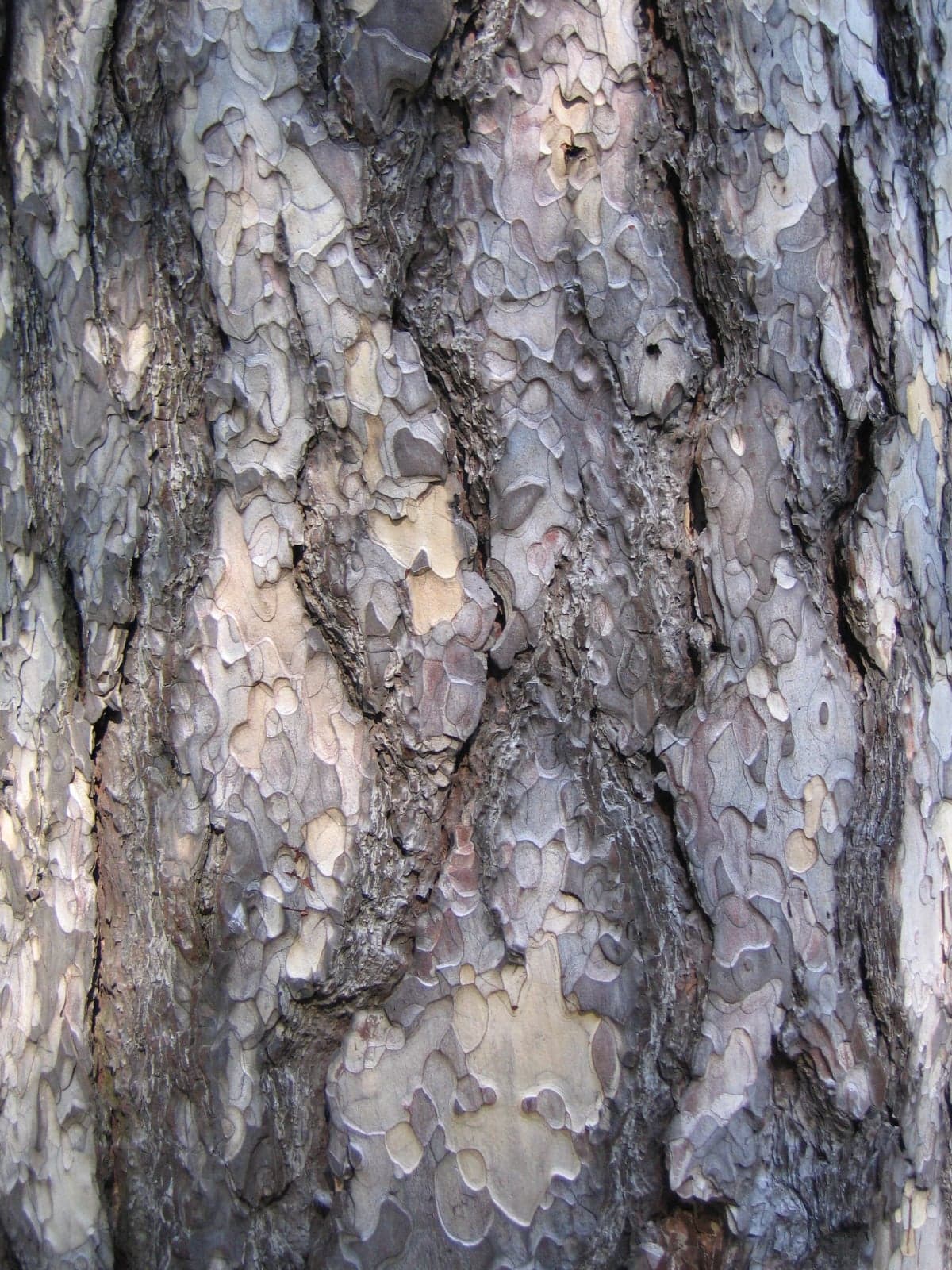
Pinus nigra
Black Pine
A pale timber from a dark tree. Works like Scots Pine, stays lighter with age, and moves less than any pine here.
- Uzgaja se i siječe u Europi.
- Botanička skupina. Meko drvo potječe od četinjača, a tvrdo od listača.
- Botanička porodica kojoj vrsta pripada.
Obavijestite me kada stigneReferentna vrsta. Trenutačno nema komada na zalihi.
Odgovara li vašem projektu?
Izvrsno za
- Painted furniture
- Panelling
- Carcass work
- Shelving
- Interior joinery
Nema vrste Black Pine u trenutačnoj ponudi
Slične vrste na zalihi
Vrsta Black Pine trenutačno nije dostupna. Ove vrste odgovaraju istim projektima i imaju dostupne komade.
Primajte obavijesti o vrsti Black Pine
Poslat ćemo vam poruku e-pošte kada nove daske vrste Black Pine stignu u KORENA ponudu. Svaki je komad jedinstven pa je rana obavijest važna.
Izgled drva
Kako izgleda
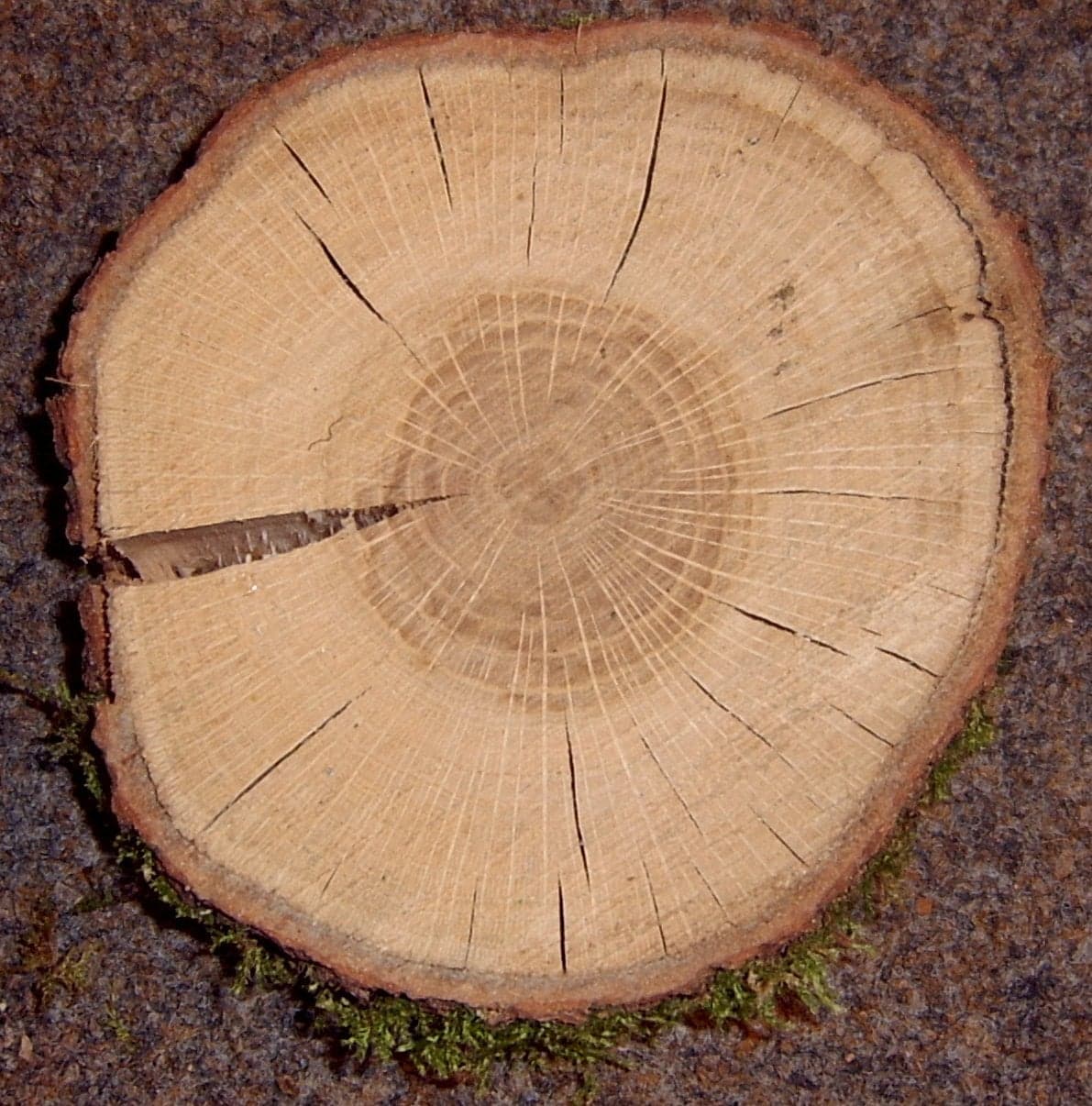
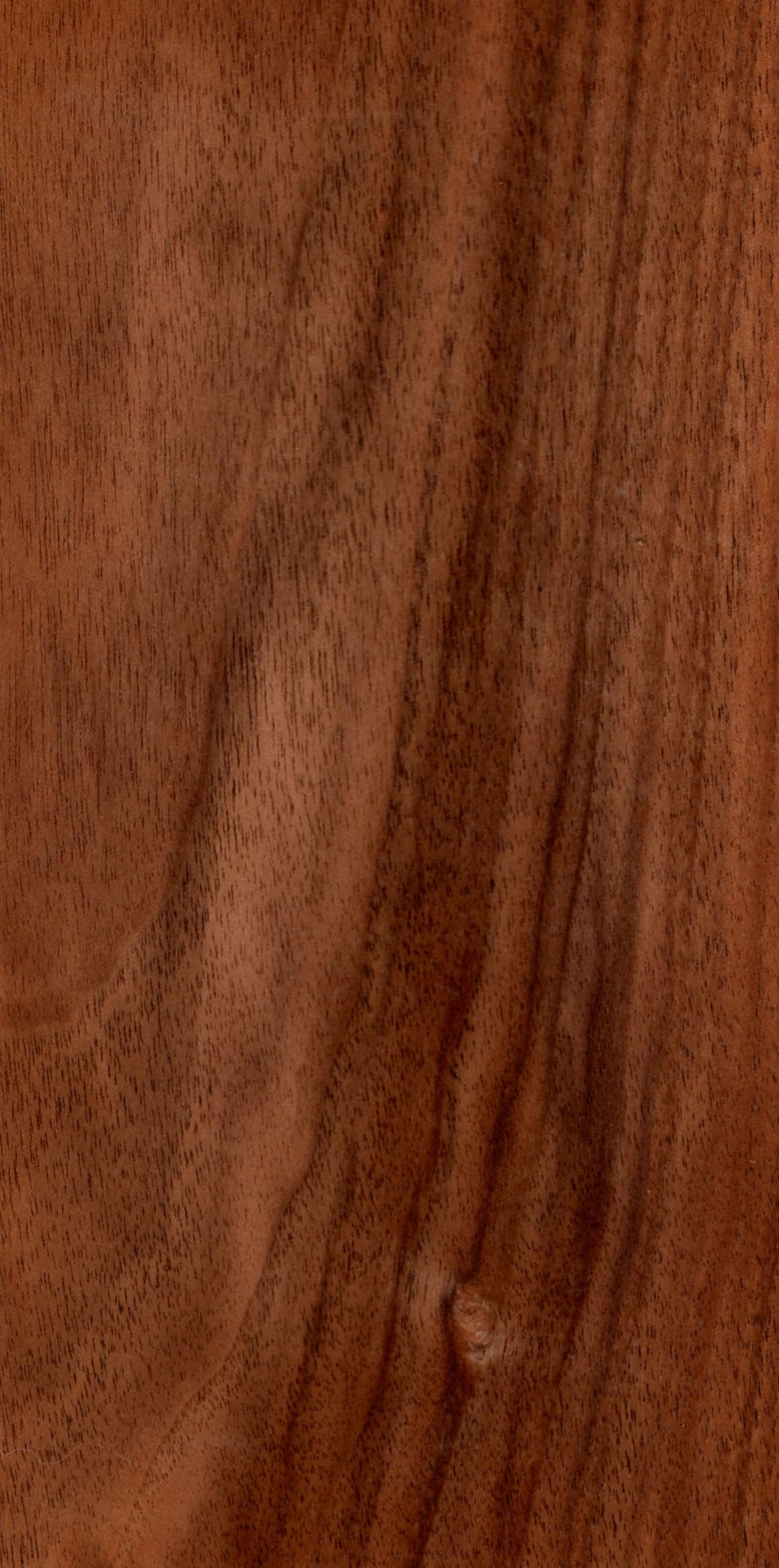
Pale yellow to light brown heartwood against wide pale sapwood, closely resembling Scots Pine but generally a shade paler and with tighter, more regular growth rings. Knots tend to be smaller and more evenly distributed than in Scots Pine, which gives a calmer overall surface. The name refers to the dark bark and foliage of the tree, not to the timber, which regularly surprises buyers.
- Pale yellow to light brown, slightly paler than Scots Pine
- Wide pale sapwood with modest heartwood contrast
- Ambers with age, though less dramatically than Scots Pine
- Straight, regular grain with tighter and more even rings than Scots Pine. Pale yellow to light brown, with smaller and more evenly distributed knots.
Obrada
Obrada
Easy with both hand and machine tools, and it glues and finishes well. It behaves almost identically to Scots Pine at the bench, which makes it an easy substitution. Resin is present and blades will need periodic cleaning. Its slightly lower density than Scots Pine means edges bruise a little more readily, so sharp tools and light finishing cuts matter.
Završna obrada
Takes finish well and takes wax as well as Scots Pine does. The same blotching caution applies to pigment stains, so use a conditioner or a dye. Seal knots with shellac before painting to stop resin bleeding through the film. Because it ambers less than Scots Pine, it holds a pale finished colour more faithfully over time, which is useful when a design depends on staying light.
Sušenje
Dries without much difficulty and with a low tendency to distort. Volumetric shrinkage is around 11.4 percent, the second lowest in this group after Douglas Fir, and the tangential to radial ratio at 7.3 against 4.1 percent is comparatively favourable. Properly dried Black Pine is more dimensionally stable in service than Scots Pine, which is its quiet advantage.
Koliko će se pomicati?
Drvo bubri i skuplja se po širini kako zrak postaje vlažniji i suši. Procijenite sezonsko pomicanje plohe od vrste Black Pine prije projektiranja pričvrsnica.
Očekivano sezonsko pomicanje
oko 8,3 mm
Plohu pričvrstite pričvrsnicama ili nosačima s utorima, a ne ljepilom ili čvrsto zategnutim vijcima.
Model linearnog skupljanja: širina × (skupljanje ÷ 28 % zasićenosti vlakana) × sezonska promjena vlažnosti. Za vrstu Black Pine rabi se 7,3 % tangencijalnog skupljanja. Ovo je procjena za planiranje, ne jamstvo.
Koliko košta
Sigurnost i nabava
- Uzgaja se i siječe u Europi.
- Status na Crvenom popisu IUCN-a: globalna procjena očuvanosti ove vrste.
Working with pine has been reported to cause allergic skin reactions and asthma-like symptoms in some people. Normal extraction, a P2 mask during extended sanding, and gloves when handling resinous stock are appropriate.
Pročitajte cijeli vodičDetaljne bilješke o šari, promjeni boje, obradi i stabilnosti.
What Black Pine actually is#
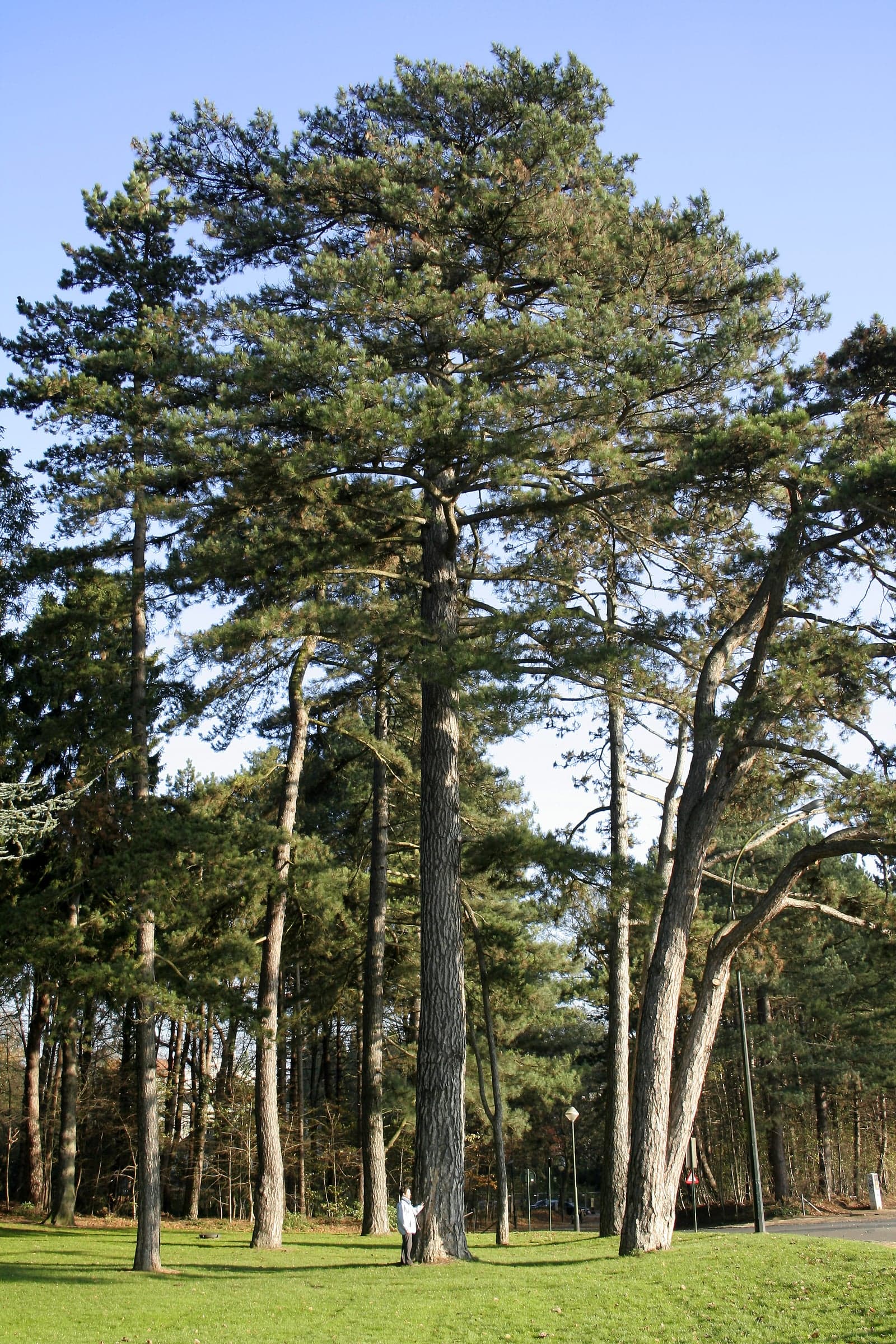
Pinus nigra is named for the tree, not the wood. The bark is dark and the foliage almost black-green, and buyers ordering by name regularly expect something like walnut and receive a pale yellow board. The timber is light, close in appearance to Scots Pine, and frequently a shade paler still.
The species grows across southern Europe and Asia Minor in several regional subspecies, from Spain and Corsica through the Alps and Balkans into Turkey, and it has been planted far outside that range as a tough reforestation species tolerant of poor soil and drought. Slab stock reaching the EU market is usually Balkan or Austrian grown.
Why it is worth choosing over Scots Pine#
These two are genuinely close substitutes, so the case for Black Pine rests on two measurable differences.
The first is stability. Volumetric shrinkage is around 11.4 percent against 13.6 percent for Scots Pine, and the tangential to radial ratio at 7.3 against 4.1 percent is more favourable. In practice that means a flatsawn Black Pine panel cups less across a humidity swing than the equivalent Scots Pine or spruce board. For a wide panel or a door, that is the difference that matters.
The second is colour stability. Scots Pine ambers dramatically, which is its charm in a farmhouse table and a problem in a design that needs to stay pale. Black Pine ambers noticeably less. If a piece is specified light and must still read light in a decade, this is the better pine.
Pitanja kupaca
Pitanja kupaca
Why is it called Black Pine when the wood is pale?
The name describes the tree, not the timber. Pinus nigra has notably dark bark and very dark green foliage, which is what earned it the name. The wood itself is pale yellow to light brown and is often slightly lighter than Scots Pine, which regularly catches out buyers ordering by name alone.
How does it compare with Scots Pine?
Very closely at the bench, and the two are reasonable substitutes. Black Pine is a little harder at 2,920 N against 2,420 N Janka, slightly lower in density at 475 kg per cubic metre, and noticeably more dimensionally stable with volumetric shrinkage of 11.4 percent against 13.6 percent. It also ambers less with age, so it holds a pale finish better.
Is it stable enough for a wide panel?
It is one of the better softwood choices here for that. Its volumetric shrinkage of 11.4 percent is second only to Douglas Fir in this group, and the tangential to radial ratio is comparatively favourable, so flatsawn boards cup less than the equivalent in spruce or Scots Pine. A wide top should still float on slotted fasteners.
Can it be used outdoors?
Mehanička svojstva
Tehnički podaci
Objavljene referentne vrijednosti. Kada se izvori ne slažu, prikazuje se raspon, a uobičajena vrijednost rabi se za gornje ljestvice.
| Gustoća (kg/m³)Masa po kubičnom metru pri približno 12 % vlažnosti. Teže drvo obično je tvrđe i čvršće. | 475 kg/m³ |
|---|---|
| Tvrdoća prema Janki (N)Sila potrebna da se čelična kuglica utisne do polovice u drvo. Standardna mjera otpornosti na udubljenja. | 2,920 N |
| MOR: modul loma (MPa)Čvrstoća na savijanje: opterećenje pri kojem greda puca. | 64 MPa |
| MOE: modul elastičnosti (GPa)Krutost na savijanje: koliko se polica ili ploha progiba pod opterećenjem. | 10.8 GPa |
| Radijalno skupljanjeSkupljanje preko godova, od sirovog do potpuno suhog drva. Tako se pomiču radijalno rezane daske. | 4.1 % |
| Tangencijalno skupljanjeSkupljanje duž godova. Tako se pomiču tangencijalno rezane daske i većina širokih dasaka. | 7.3 % |