KORENA
DrvoFinished piecesMaterijalSkladištaČasopis

Primajte obavijesti

Svaka je masivna ploča jedinstvena. Kad se proda, više je nema. Šaljemo vam e-poruku kada se objave novi komadi: novi dolasci, nove vrste i daske koje odgovaraju opisu projekta.

Nekoliko poruka mjesečno. Bez neželjene pošte, odjavite se kada želite.

KORENA, vrhunsko tvrdo drvo

Komad po komad.

Provjereno vrhunsko tvrdo drvo, komad po komad. Svaka se daska fotografira, mjeri i šalje iz partnerskog skladišta s putovnicom drva.

Trgovina

  • Pregledaj proizvode
  • Arhiva prodanih dasaka
  • Prati narudžbu

Saznajte više

  • Časopis
  • Vodiči kroz vrste
  • Pojmovnik
  • Usporedba
  • Autori

Pomoć

  • O nama
  • Kako funkcionira
  • Postanite partnersko skladište
  • Pronađite dasku
  • Podrška
  • Predlošci dokumenata
  • Mediji

Kupnja

  • Uvjeti prodaje
  • Pravo na odustajanje
  • Povrati i jamstvo
  • Otprema i dostava

Povjerenje

  • Pravila privatnosti
  • Pravila o kolačićima
  • Podrijetlo drva i EUDR
  • Pristupačnost

Impresum

  • Pravna obavijest / Impresum
  • Prihvatljiva upotreba
  • Intelektualno vlasništvo i sadržaj

© 2026 KORENA. Sva prava pridržana.

Stranicom upravlja Martial Labs Ltd. (BG, EIK 207453941). KORENA je trgovački naziv društva Martial Labs Ltd.

Poštujemo vašu privatnost

Upotrebljavamo nužne kolačiće kako bi stranica radila. Uz vaše dopuštenje upotrebljavali bismo i kolačiće za analitiku, prilagođeni sadržaj i oglase. Svoj izbor možete bilo kada promijeniti na stranici postavki privole. Pročitajte naša pravila o kolačićima i pravila privatnosti.

  1. Početna
  2. /
  3. Vrste
  4. /
  5. European Cherry

Prunus avium

European Cherry

A refined cabinet wood with fine, even grain that ages from pinkish-tan to a deep reddish-brown.

  • Uzgaja se i siječe u Europi.
  • Botanička skupina. Meko drvo potječe od četinjača, a tvrdo od listača.
  • Botanička porodica kojoj vrsta pripada.
Obavijestite me kada stigneReferentna vrsta. Trenutačno nema komada na zalihi.
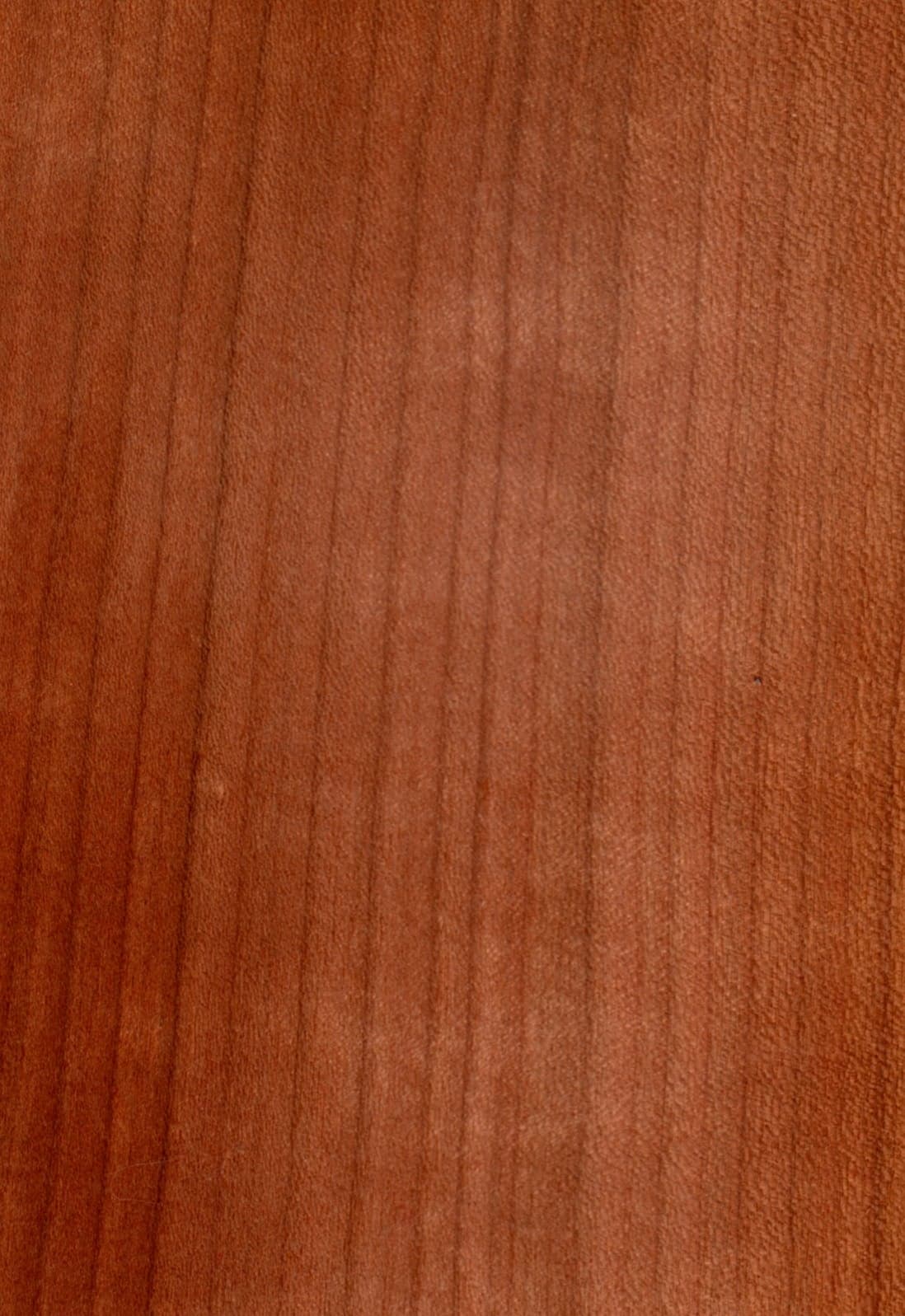
Tekstura vrste European Cherry
  • Prikladnost za projekt
  • Na zalihi
  • Izgled
  • Obrada
  • Pomicanje
  • Cijena
  • Sigurnost i nabava
  • Pitanja
  • Tehnički podaci

Odgovara li vašem projektu?

Izvrsno za

  • Fine cabinetry and built-ins
  • Dining and occasional tables
  • Chairs and bench seats
  • Boxes, trays, and small casework
  • Turned bowls and handles
  • Interior architectural joinery
  • Musical instrument parts

Nema vrste European Cherry u trenutačnoj ponudi

Slične vrste na zalihi

Vrsta European Cherry trenutačno nije dostupna. Ove vrste odgovaraju istim projektima i imaju dostupne komade.
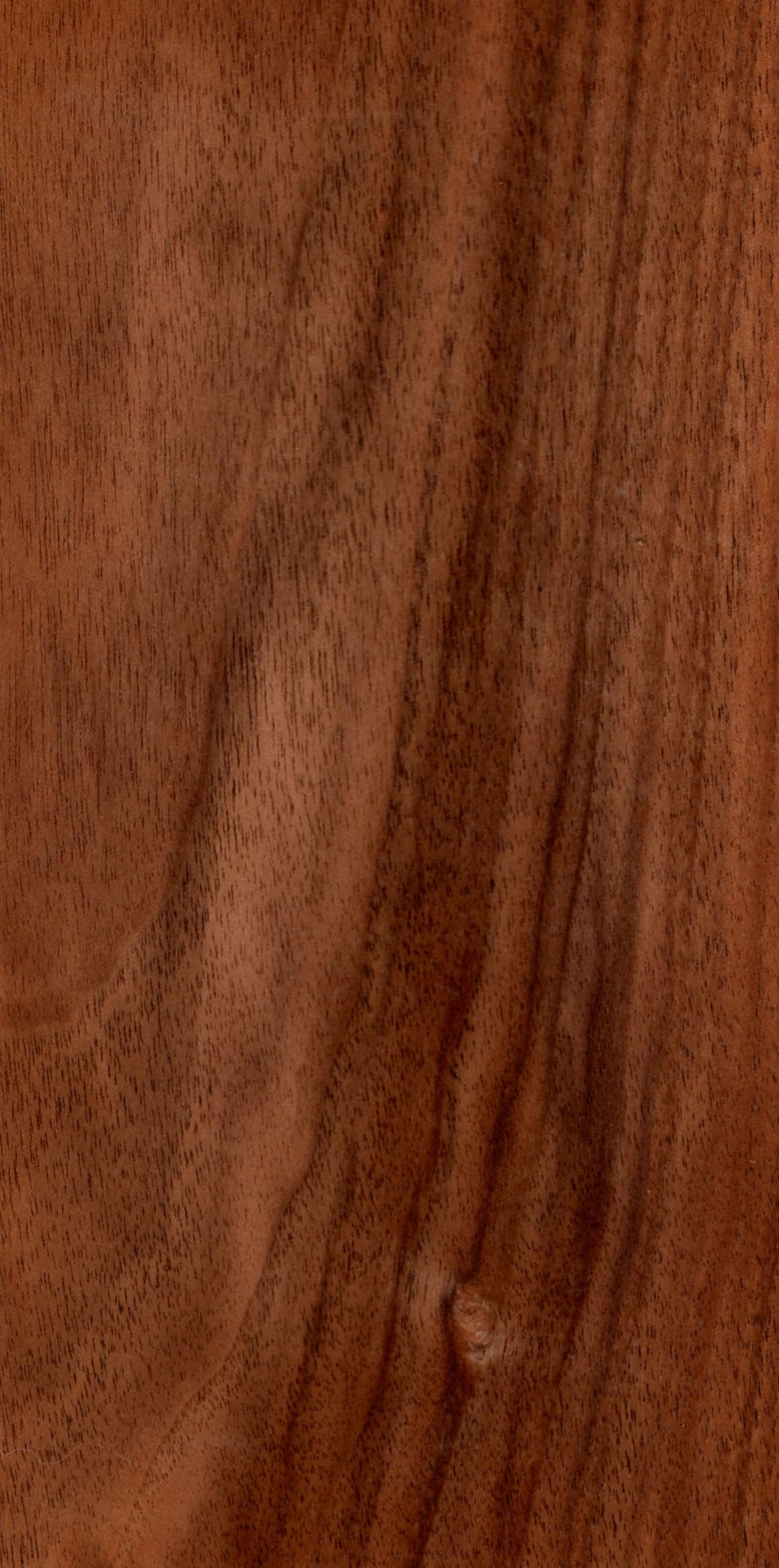
  • Tekstura vrste European Walnut

    European Walnut

    Juglans regia

    9 komada

  • Tekstura vrste European Oak

    European Oak

    Quercus robur

    6 komada

  • Tekstura vrste Saman

    Saman

    Samanea saman

    4 komada

Primajte obavijesti o vrsti European Cherry

Poslat ćemo vam poruku e-pošte kada nove daske vrste European Cherry stignu u KORENA ponudu. Svaki je komad jedinstven pa je rana obavijest važna.

Nekoliko poruka mjesečno. Bez neželjene pošte, odjavite se kada želite.

Izgled drva

Kako izgleda

Fine, straight grain with a smooth, even texture. Heartwood opens pinkish-tan to warm salmon, with a paler cream sapwood that is usually distinct. Figure is generally quiet, occasional gum streaks, small pin knots, and the odd ribbon or curl. The headline trait is its colour shift: under light and over a few months, the wood deepens through honey to a rich reddish-brown, and continues to mature for years. Boards stored unevenly will tan unevenly, so rotate stock during storage.

  • Fresh heartwood: pinkish-tan to warm salmon
  • Pale cream sapwood, usually distinct from heartwood
  • Ages through honey to deep reddish-brown over months and years
  • Light exposure drives the colour shift, uneven storage gives uneven tan
  • Occasional gum streaks and small pin knots
  • Quiet figure overall, with the odd ribbon or curl
  • Fine, straight grain.

Obrada

Obrada

Easy to work with hand and machine tools. Planes and sands cleanly with sharp edges; gum pockets can clog cutters, so check stock before milling. Glues and screws well. Steam-bending is moderate, workable for gentle curves, less reliable for tight radii. Turns and carves predictably.

Završna obrada

Sands to a glassy surface at 180–220 grit. Takes oil, hardwax, shellac, and water-based finishes cleanly. A thin seal coat of dewaxed shellac or sanding sealer evens out any blotch on flat-sawn faces before topcoats. Avoid heavy stains, they fight the wood's own colour development. For commissions, expose offcuts to daylight alongside the finished piece so clients can see how the colour will move.

Sušenje

Dries fairly quickly but is prone to warp, cup, and surface checking if rushed. Sticker carefully and weight the top of the stack. End-seal green stock. Once at EMC, it is stable in service with moderate tangential movement.

Koliko će se pomicati?

Drvo bubri i skuplja se po širini kako zrak postaje vlažniji i suši. Procijenite sezonsko pomicanje plohe od vrste European Cherry prije projektiranja pričvrsnica.

Rez
Gdje će se nalaziti

Očekivano sezonsko pomicanje

oko 9,1 mm

Plohu pričvrstite pričvrsnicama ili nosačima s utorima, a ne ljepilom ili čvrsto zategnutim vijcima.

Model linearnog skupljanja: širina × (skupljanje ÷ 28 % zasićenosti vlakana) × sezonska promjena vlažnosti. Za vrstu European Cherry rabi se 8 % tangencijalnog skupljanja. Ovo je procjena za planiranje, ne jamstvo.

Koliko košta

Sigurnost i nabava

  • Uzgaja se i siječe u Europi.
  • Status na Crvenom popisu IUCN-a: globalna procjena očuvanosti ove vrste.
  • Not commonly flagged as a dust sensitiser, and considered food-contact safe once finished appropriately. Standard fine-dust extraction and a mask are still sensible at the sander.

Pročitajte cijeli vodičDetaljne bilješke o šari, promjeni boje, obradi i stabilnosti.+

What European Cherry actually is#

Prunus avium is bought for a colour it does not yet have.

Fresh cherry is a pale pinkish tan, unremarkable and easily mistaken for a lesser wood. Within six months of light exposure it deepens substantially, and within a year it reaches the rich reddish brown that people actually mean when they say cherry. The change continues, more slowly, for years.

This single behaviour governs almost every decision about buying, finishing and using the species.

Working with the darkening rather than against it#

Three practical consequences follow.

First, do not choose a slab on its current colour. What you see on the bench is a stage, not the result. Two boards that look different today may match in a year, and two that match today may not.

Second, uneven light exposure prints permanently. A rug on a cherry floor, a lamp base on a cherry table, a stack of books left in one place: each leaves a lighter patch as the surrounding wood darkens around it. The patch does eventually even out if the object is moved, but it takes months. The sensible approach is to let a new piece darken evenly for the first few months before putting anything on it permanently.

Third, a UV inhibiting finish slows the process but does not stop it, and it will not preserve the pale fresh colour indefinitely. If you want pale, choose a different species.

Pitanja kupaca

Pitanja kupaca

How much does cherry darken?

+

A great deal, and quickly. Fresh cherry is pale pinkish tan and within a year of light exposure it deepens to a rich reddish brown. Most of the change happens in the first six months. This is why cherry furniture looks nothing like cherry lumber, and why buying on the freshly machined colour misleads.

Why does my cherry have patchy colour after finishing?

+

Two causes. Cherry blotches badly under pigment stain because of its fine uneven density, so use a dye, a gel stain or a washcoat. The other is uneven light exposure: anything covering part of a surface, a rug, a lamp base, a stack of books, will leave a permanently lighter patch as the rest darkens around it. Let a piece darken evenly before placing objects on it.

How is European Cherry different from American Black Cherry?

+

European cherry, Prunus avium, is harder at 5,120 N against 4,226 N and slightly denser. American black cherry, Prunus serotina, is available in larger and more consistent sizes because it is grown as a forestry species. Colour and figure are similar and both darken dramatically. European cherry tends to have more gum pockets.

What are the small dark flecks in the wood?

Mehanička svojstva

Tehnički podaci

Objavljene referentne vrijednosti. Kada se izvori ne slažu, prikazuje se raspon, a uobičajena vrijednost rabi se za gornje ljestvice.

Gustoća (kg/m³)Masa po kubičnom metru pri približno 12 % vlažnosti. Teže drvo obično je tvrđe i čvršće.550–650 kg/m³uobičajeno 600 kg/m³
Tvrdoća prema Janki (N)Sila potrebna da se čelična kuglica utisne do polovice u drvo. Standardna mjera otpornosti na udubljenja.4,700–5,500 Nuobičajeno 5.120 N
MOR: modul loma (MPa)Čvrstoća na savijanje: opterećenje pri kojem greda puca.95–110 MPa
MOE: modul elastičnosti (GPa)Krutost na savijanje: koliko se polica ili ploha progiba pod opterećenjem.9.5–11.0 GPa
Radijalno skupljanjeSkupljanje preko godova, od sirovog do potpuno suhog drva. Tako se pomiču radijalno rezane daske.4.5–5.5 %
Tangencijalno skupljanje

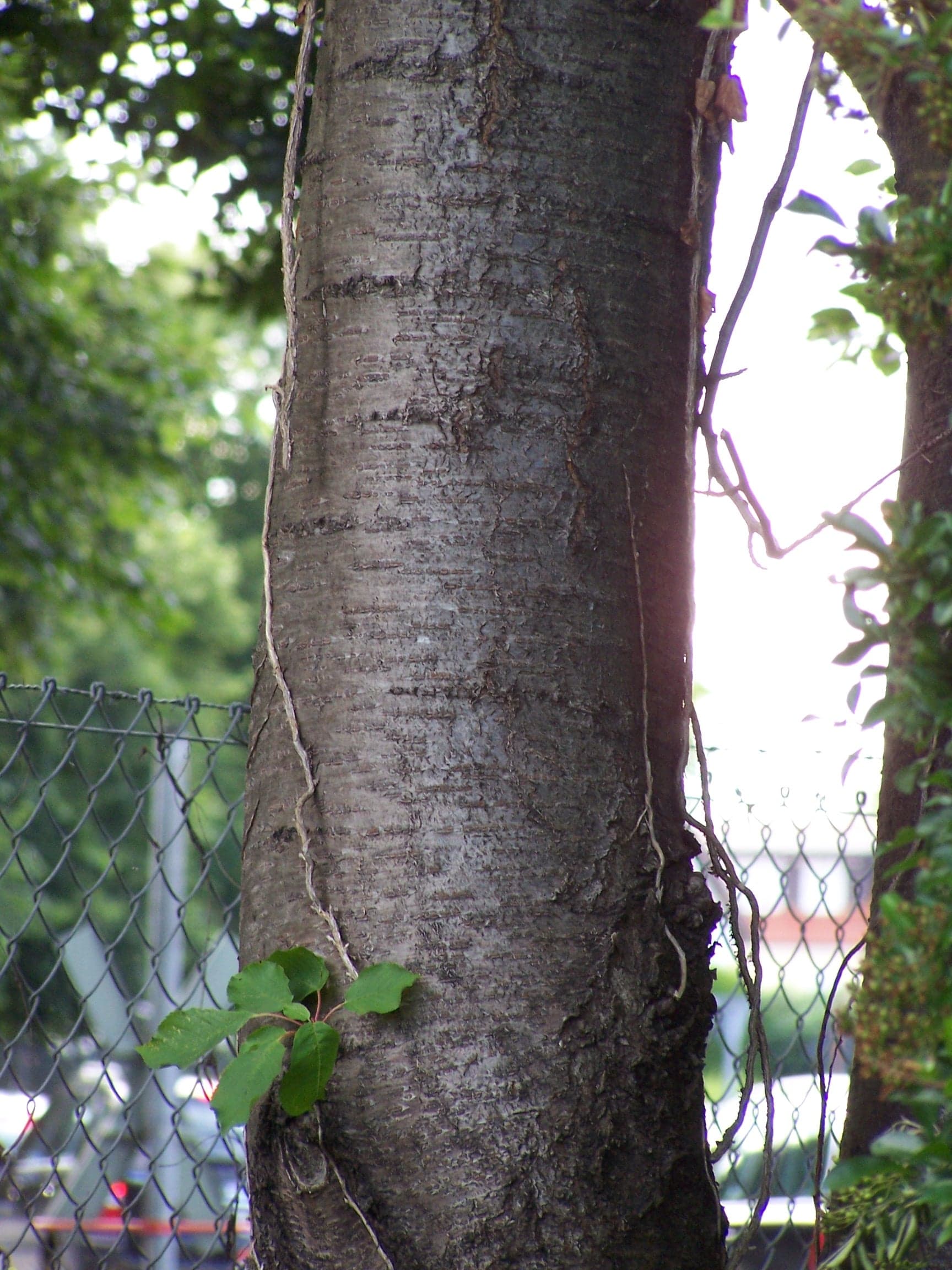
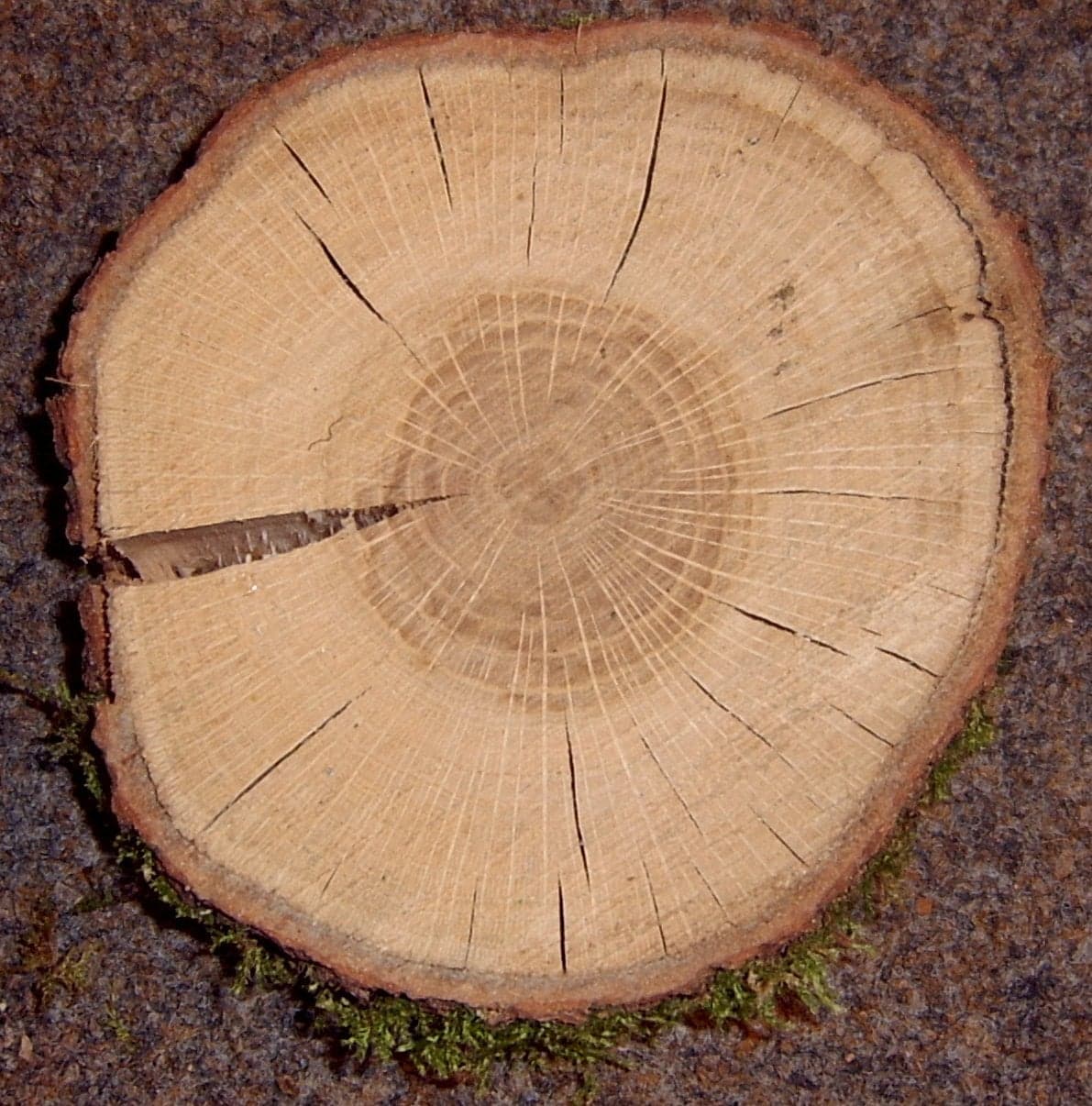
Achim Raschka (talk), via Wikimedia Commons

Prednosti

  • Sigurno za hranuPrikladno za daske, zdjele i površine koje dodiruju hranu.
  • Prikladno za početnikeJednostavno za obradu i nije toliko tvrdo da brzo troši alat.

Obratite pozornost

Native across Europe and into western Asia. Grown in mixed hardwood forests from the UK and France through Germany, Austria, Italy, and the Balkans. Most commercial stock comes from central European yards, often from orchard thinnings or managed woodlots.

  • Native European hardwood, IUCN Least Concern, no CITES listing. Often sourced from small woodlots and orchard clearance, so volumes per parcel can be modest. Decay class 3, moderately durable, means it is an interior wood; not for ground contact or unprotected exterior use. Ask for FSC or PEFC chain-of-custody where the project requires it.

  • European Cherry: Kora
    Kora

    Reading a cherry slab#

    Colour runs pale pinkish tan when fresh, deepening to reddish brown. Sapwood is narrow and pale cream, and it does not darken at the same rate as the heartwood, so contrast changes over time.

    The grain is fine, close and usually straight, with a satiny lustre that is characteristic of the species.

    Gum pockets are the thing to look for: small resin filled cavities that occur in all Prunus species and are more frequent in European cherry than in American. They are not structural defects and many makers consider them part of the character. Larger ones can be filled.

    At the bench#

    Cherry is one of the most pleasant woods in this catalogue to work. At 5,120 N it is moderately hard, it cuts cleanly, it turns and carves well, it glues reliably and it takes fastenings securely.

    The fine close grain holds crisp detail and sands to an excellent surface.

    The one difficulty is burning. Cherry scorches easily under a router bit or a dull saw blade, and the burn marks are dark and stubborn on a wood this pale. Sharp tooling, appropriate feed rates and light final passes avoid it.

    The finishing trap#

    Cherry blotches badly under pigment stain. The fine uneven density makes absorption patchy, and the result is a mottled surface that looks like a mistake because it is one.

    Use a dye, a gel stain that sits on the surface, or seal with a thin washcoat first. Test on an offcut every time.

    The better answer is usually to skip stain entirely. Cherry is going to arrive at a rich reddish brown by itself, and staining it to get there early tends to produce a muddier colour than patience would.

    Movement#

    Volumetric shrinkage of 11.5 percent is moderate, with tangential at 7.5 percent against radial at 4.5 percent. That differential is reasonable and cherry behaves acceptably in wide boards.

    Decay class 3 makes it moderately durable, adequate for protected exterior joinery but not for exposure.

    Where European Cherry is the right answer#

    Fine furniture, tabletops, cabinetry, turned and carved work, and interior joinery where warmth is the design intent. It is one of the most rewarding species here for a piece intended to be lived with for decades, because it genuinely improves.

    It is the wrong answer where a stable pale colour is needed, and wrong outdoors.

    Sourcing and EUDR#

    Not CITES listed and assessed as Least Concern. Common across Europe and often felled from orchards and gardens as well as forestry, so sizes are variable and provenance chains are shorter and less standardised than for a commodity species.

    Orchard cherry against forest cherry#

    Prunus avium reaches the timber market from two quite different places, and the wood differs accordingly.

    Forest grown cherry, drawn up among other trees, produces straighter trunks with fewer low branches, longer clean lengths and more uniform colour. It is the better material for matched furniture components.

    Orchard cherry, grown in the open for fruit and felled at the end of its productive life, branches low and spreads. Trunks are shorter and more irregular, knots are more frequent, and figure is more variable. It also produces more gum pockets.

    Neither is better in the abstract. For a run of matched drawer fronts, forest grown is far easier to work with. For a single characterful slab, the orchard tree usually has more to look at.

    Steaming, and whether you want it#

    Some European cherry is steamed during drying, which deepens and evens the colour toward a more uniform reddish brown and reduces the contrast with the sapwood.

    Unsteamed cherry starts paler and develops its colour naturally through light exposure, which produces a more luminous result over time but requires patience and even exposure.

    For a piece intended to be lived with, unsteamed and patient is generally the better outcome. For a commission that has to look finished on delivery, steamed stock gets there sooner.

    +

    Gum pockets, small resin filled cavities that are characteristic of Prunus species and more common in European cherry than American. They are not a structural defect and many makers regard them as part of the character. Larger ones can be filled. On a measured KORENA slab, any pocket large enough to matter appears in the defect outline.

    Can cherry be used outdoors?

    +

    Not really. At decay class 3 it is moderately durable, which is adequate for protected exterior joinery under a maintained finish but not for exposure or ground contact. It is also far too valuable a furniture timber to put outside.

    Skupljanje duž godova. Tako se pomiču tangencijalno rezane daske i većina širokih dasaka.
    7.5–8.5 %
    Volumno skupljanjeUkupna promjena volumena od sirovog do potpuno suhog drva. Niža vrijednost znači veću stabilnost.11.5–13.0 %
    Prirodna trajnost (EN 350)Europska norma za prirodnu otpornost na propadanje, od 1 (vrlo trajno) do 5 (netrajno).Class 3 — Moderately durable

    Izvori

    • The Wood Database(pristupljeno 2026-05-09)
    • USDA FPL Wood Handbook FPL-GTR-190 (2010)(pristupljeno 2026-05-09)
    • Meier, E. — WOOD! Identifying and Using Hundreds of Woods Worldwide (2015)(pristupljeno 2026-05-09)

    Ukratko

    Razine rabe jednake raspone za sve vrste koje KORENA navodi pa se mogu izravno uspoređivati. Izmjerena vrijednost nalazi se ispod svake razine.
    TvrdoćaOtpornost na udubljenja i trošenjeSrednje tvrdo

    Tvrdoća po Janki 5.120 N

    3 % tvrđe od europskog hrasta

    MasaKoliko je daska teška za podizanjeSrednje

    600 kg/m³

    StabilnostKoliko se malo pomiče kroz godišnja dobaProsječno

    12,3 % volumnog skupljanja

    ObradaPiljenje, blanjanje, brušenje, lijepljenjeLako

    4,0 / 5 prosjek obrade

    Uporaba na otvorenomPrirodna otpornost na propadanje, EN 350Natkriveno na otvorenom

    EN 350 razred 3

    • Piljenje · Vrlo dobroKoliko se čisto reže i koliko troši oštrice.1 = teško · 5 = izvrsno
    • Blanjanje · Vrlo dobroKoliko glatku površinu ostavlja i koliko se vlakna čupaju.1 = teško · 5 = izvrsno
    • Brušenje · Vrlo dobroKoliko se brzo može glatko izbrusiti bez začepljenja brusnog papira.1 = teško · 5 = izvrsno
    • Tokarenje · Vrlo dobroKako se reže i obrađuje na tokarilici.1 = teško · 5 = izvrsno
    • Rezbarenje · Vrlo dobroKoliko oštro zadržava detalje pod dlijetom.1 = teško · 5 = izvrsno
    • Lijepljenje · Vrlo dobroKoliko pouzdano drže lijepljeni spojevi.1 = teško · 5 = izvrsno
    • Držanje vijaka / čavala · Vrlo dobroKoliko dobro drži vijke i čavle bez pucanja.1 = teško · 5 = izvrsno
    • Savijanje parom · DobroKoliko dobro prima krivulje nakon parenja.1 = teško · 5 = izvrsno

    Trenutačne prodajne cijene drva vrste European Cherry diljem Europe, po kubičnom metru bez PDV-a. Dodirnite bilo koju cijenu za pojedinosti.

    • Najbolji trupci na dražbiOdabrani trupci visoke kvalitete prodani na dražbama ponudama, uglavnom proizvođačima furnira i namještaja. Od takvih se trupaca režu daske.Većina cijena kreće se između 319 € i 408 €.Na temelju 55 cijena iz 2 regije.Najnoviji podaci: 24. ruj 2026.

    Najbolji trupci na dražbi prema zemlji

    • Njemačka · 408 € / m³Regije: Bavaria25 cijenaNajnoviji podaci: 24. ruj 2026.
    • Austrija · 319 € / m³Regije: Austria30 cijenaNajnoviji podaci: 24. ruj 2026.

    Zašto daska stoji više od ovoga?

    Ovo su cijene sirovog drva. Daska je najbolji rez trupca, sušen godinu dana ili dulje, zatim provjeren i izmjeren komad po komad. Samo mali dio svakog trupca postane daska.

    Izvor: KORENA Timber Index · Najnoviji podaci: 24. ruj 2026.

    Pogledajte sve regionalne cijene
    Nije za nezaštićenu uporabu na otvorenom
    Prirodna trajnost odgovara razredu 3 od 5 prema EN 350. Držite je u zatvorenom ili pod održavanom završnom obradom.

    Dodirnite oznaku za pojedinosti.