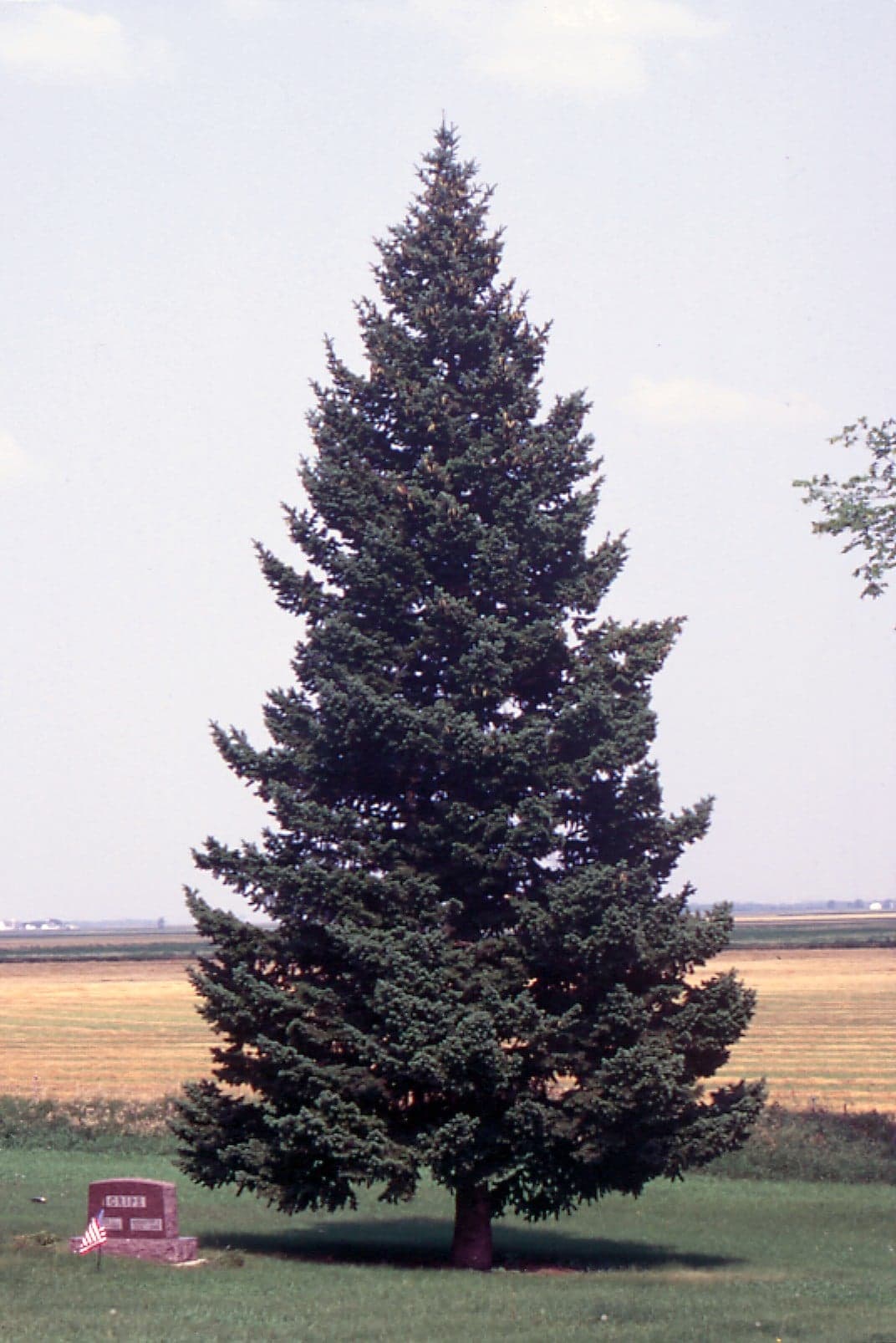
Pseudotsuga menziesii
Douglas Fir
Not a fir, and the stiffest softwood KORENA lists. Bold orange ring figure, structural strength, and a splinter you do not want to ignore.
- Uzgaja se izvan Europe i uvozi preko europskih partnerskih skladišta.
- Botanička skupina. Meko drvo potječe od četinjača, a tvrdo od listača.
- Botanička porodica kojoj vrsta pripada.
Obavijestite me kada stigneReferentna vrsta. Trenutačno nema komada na zalihi.
Odgovara li vašem projektu?
Izvrsno za
- Structural beams and exposed framing
- Tabletops
- Flooring
- Exterior joinery
- Shelving with long spans
Nema vrste Douglas Fir u trenutačnoj ponudi
Slične vrste na zalihi
Vrsta Douglas Fir trenutačno nije dostupna. Ove vrste odgovaraju istim projektima i imaju dostupne komade.
Primajte obavijesti o vrsti Douglas Fir
Poslat ćemo vam poruku e-pošte kada nove daske vrste Douglas Fir stignu u KORENA ponudu. Svaki je komad jedinstven pa je rana obavijest važna.
Izgled drva
Kako izgleda
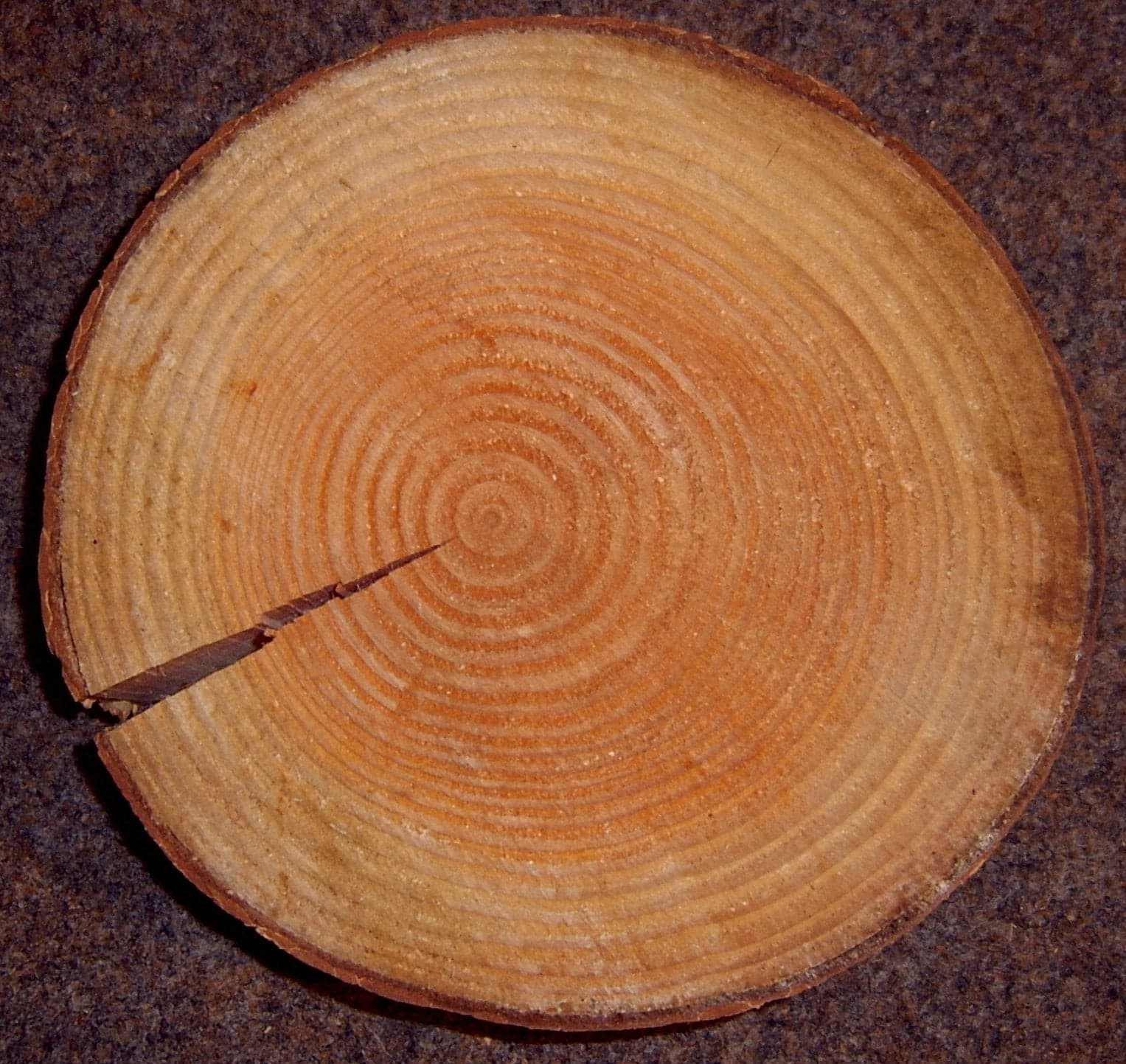
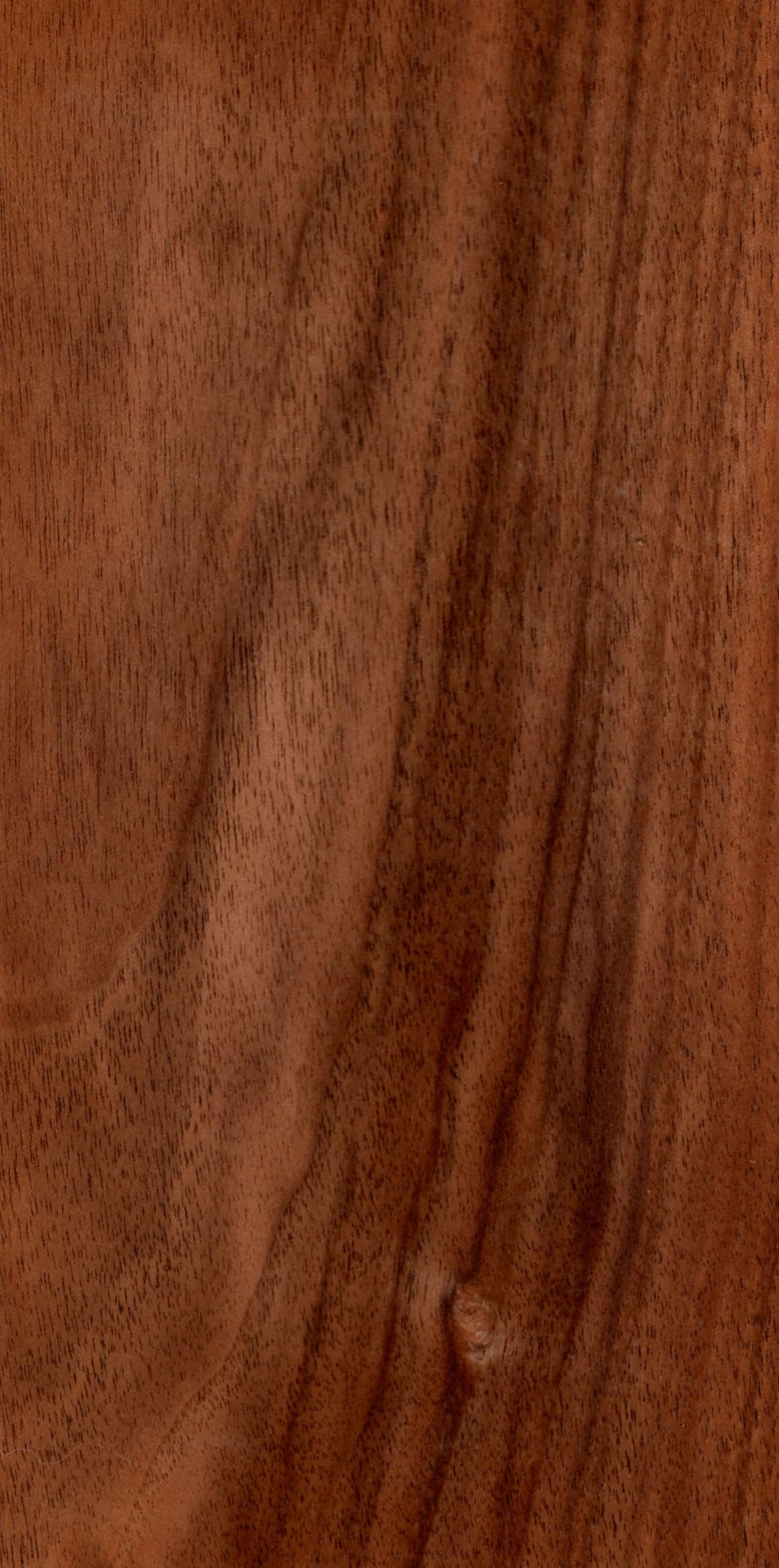
Warm reddish tan to light brown heartwood with a distinctly orange cast, against pale sapwood. The ring figure is bold and high contrast because the latewood bands are dense and dark, giving flatsawn faces a strong flame pattern. It is one of the stiffest softwoods available, which is why it dominates structural engineered timber.
- Reddish tan to light brown with a warm orange cast
- Bold high contrast growth ring figure
- Pale narrow sapwood, deepens with light exposure
- Straight grain with bold, high-contrast growth rings from dense dark latewood. Reddish tan to light brown with a warm orange cast against pale sapwood.
Obrada
Obrada
Machines well but has a moderate blunting effect on cutters, noticeably more than spruce or pine. It accepts stains, glues and finishes well. The dense latewood bands are the machining challenge: they are much harder than the earlywood between them and can tear out where grain rises, leaving a ridged surface. Sharp tooling and light finishing cuts matter, and a helical head is a real advantage.
Završna obrada
Takes oil and clear finishes well and the colour deepens attractively toward a richer red brown. Like all species with strong density contrast between earlywood and latewood, it blotches under pigment stain, so a conditioner or dye is the safer route. Its natural colour is warm enough that most makers leave it clear.
Sušenje
Dries reasonably well but is prone to surface checking in thick sections if pushed, and European grown fast ring stock is more troublesome than slow grown material. Volumetric shrinkage at around 11.6 percent is the lowest in this group, which combined with a favourable tangential to radial ratio makes properly dried Douglas Fir one of the more stable softwoods in service.
Koliko će se pomicati?
Drvo bubri i skuplja se po širini kako zrak postaje vlažniji i suši. Procijenite sezonsko pomicanje plohe od vrste Douglas Fir prije projektiranja pričvrsnica.
Očekivano sezonsko pomicanje
oko 8,3 mm
Plohu pričvrstite pričvrsnicama ili nosačima s utorima, a ne ljepilom ili čvrsto zategnutim vijcima.
Model linearnog skupljanja: širina × (skupljanje ÷ 28 % zasićenosti vlakana) × sezonska promjena vlažnosti. Za vrstu Douglas Fir rabi se 7,3 % tangencijalnog skupljanja. Ovo je procjena za planiranje, ne jamstvo.
Koliko košta
Sigurnost i nabava
- Uzgaja se izvan Europe i uvozi preko europskih partnerskih skladišta.
- Status na Crvenom popisu IUCN-a: globalna procjena očuvanosti ove vrste.
Reported to cause skin irritation, nausea, giddiness and runny nose, along with an increased likelihood of splinters becoming infected. That last point is worth taking seriously: Douglas Fir splinters are notorious for going septic. Gloves when handling rough stock and proper extraction during machining are advisable.
Pročitajte cijeli vodičDetaljne bilješke o šari, promjeni boje, obradi i stabilnosti.
What Douglas Fir actually is#
Pseudotsuga menziesii is not a fir. It sits in its own genus, separate from the true firs of Abies, and the name is a historical accident that never got corrected. The distinction is not pedantry. Silver Fir is the softest wood in this catalogue at 1,420 N Janka; Douglas Fir is nearly twice as hard at 2,760 N, considerably stiffer, more durable, and much harder on cutting edges. Expecting one to behave like the other leads to bad decisions.
It is native to western North America and has been planted across Europe since the nineteenth century. That matters when buying, because European plantation stock and North American old growth are the same species performing quite differently.
Reading a Douglas Fir slab#
The colour is the immediate draw: a warm reddish tan with an orange cast that deepens under light toward a richer red brown. Against the pale narrow sapwood the contrast is clean.
The ring figure is the real signature. Douglas Fir lays down dense dark latewood bands against much softer earlywood, and on a flatsawn face that produces a bold flame pattern with high contrast, closer to a ring-porous hardwood than to the quiet figure of spruce.
That same contrast is what you must read for quality. Ring spacing separates slow grown material, with a high proportion of dense latewood, from fast grown European plantation stock with wide soft earlywood bands. The slow grown board is stronger, more durable and more attractive. The fast grown one is neither wrong nor a bargain, it is simply a different material, and for structural or exterior work the difference is not cosmetic.
Pitanja kupaca
Pitanja kupaca
Is Douglas Fir actually a fir?
No. Pseudotsuga menziesii is its own genus, distinct from the true firs in Abies such as Silver Fir. The name is a historical misnomer that stuck. The practical consequence is that it behaves nothing like Silver Fir: it is far stiffer, harder, more durable and considerably more difficult on cutting edges.
How stiff is it compared to other softwoods?
Its elastic modulus is 12.17 GPa, the highest of any softwood KORENA lists and above European Larch at 11.80 GPa. Stiffness is why it dominates structural glulam and why it is the right choice for a long shelf or an unsupported span where deflection matters more than hardness.
Can I use it outdoors?
It is rated moderately durable regarding decay but is susceptible to insect attack, so it sits below European Larch for exterior work. It performs well in protected exterior joinery such as windows and doors under a maintained finish. For unprotected decking or ground contact, larch is the better choice from this group.
Why do Douglas Fir splinters get infected so often?
Mehanička svojstva
Tehnički podaci
Objavljene referentne vrijednosti. Kada se izvori ne slažu, prikazuje se raspon, a uobičajena vrijednost rabi se za gornje ljestvice.
| Gustoća (kg/m³)Masa po kubičnom metru pri približno 12 % vlažnosti. Teže drvo obično je tvrđe i čvršće. | 510 kg/m³ |
|---|---|
| Tvrdoća prema Janki (N)Sila potrebna da se čelična kuglica utisne do polovice u drvo. Standardna mjera otpornosti na udubljenja. | 2,760 N |
| MOR: modul loma (MPa)Čvrstoća na savijanje: opterećenje pri kojem greda puca. | 86 MPa |
| MOE: modul elastičnosti (GPa)Krutost na savijanje: koliko se polica ili ploha progiba pod opterećenjem. | 12.2 GPa |
| Radijalno skupljanjeSkupljanje preko godova, od sirovog do potpuno suhog drva. Tako se pomiču radijalno rezane daske. | 4.5 % |
| Tangencijalno skupljanjeSkupljanje duž godova. Tako se pomiču tangencijalno rezane daske i većina širokih dasaka. | 7.3 % |