KORENA
DrvoFinished piecesMaterijalSkladištaČasopis

Primajte obavijesti

Svaka je masivna ploča jedinstvena. Kad se proda, više je nema. Šaljemo vam e-poruku kada se objave novi komadi: novi dolasci, nove vrste i daske koje odgovaraju opisu projekta.

Nekoliko poruka mjesečno. Bez neželjene pošte, odjavite se kada želite.

KORENA, vrhunsko tvrdo drvo

Komad po komad.

Provjereno vrhunsko tvrdo drvo, komad po komad. Svaka se daska fotografira, mjeri i šalje iz partnerskog skladišta s putovnicom drva.

Trgovina

  • Pregledaj proizvode
  • Arhiva prodanih dasaka
  • Prati narudžbu

Saznajte više

  • Časopis
  • Vodiči kroz vrste
  • Pojmovnik
  • Usporedba
  • Autori

Pomoć

  • O nama
  • Kako funkcionira
  • Postanite partnersko skladište
  • Pronađite dasku
  • Podrška
  • Predlošci dokumenata
  • Mediji

Kupnja

  • Uvjeti prodaje
  • Pravo na odustajanje
  • Povrati i jamstvo
  • Otprema i dostava

Povjerenje

  • Pravila privatnosti
  • Pravila o kolačićima
  • Podrijetlo drva i EUDR
  • Pristupačnost

Impresum

  • Pravna obavijest / Impresum
  • Prihvatljiva upotreba
  • Intelektualno vlasništvo i sadržaj

© 2026 KORENA. Sva prava pridržana.

Stranicom upravlja Martial Labs Ltd. (BG, EIK 207453941). KORENA je trgovački naziv društva Martial Labs Ltd.

Poštujemo vašu privatnost

Upotrebljavamo nužne kolačiće kako bi stranica radila. Uz vaše dopuštenje upotrebljavali bismo i kolačiće za analitiku, prilagođeni sadržaj i oglase. Svoj izbor možete bilo kada promijeniti na stranici postavki privole. Pročitajte naša pravila o kolačićima i pravila privatnosti.

  1. Početna
  2. /
  3. Vrste
  4. /
  5. Sycamore Maple

Acer pseudoplatanus

Sycamore Maple

Pale, lustrous European hardwood with a creamy near-white surface. Often quartersawn to bring out ray fleck, and prized in curly form for violin and cello backs.

  • Uzgaja se i siječe u Europi.
  • Botanička skupina. Meko drvo potječe od četinjača, a tvrdo od listača.
  • Botanička porodica kojoj vrsta pripada.
Obavijestite me kada stigneReferentna vrsta. Trenutačno nema komada na zalihi.
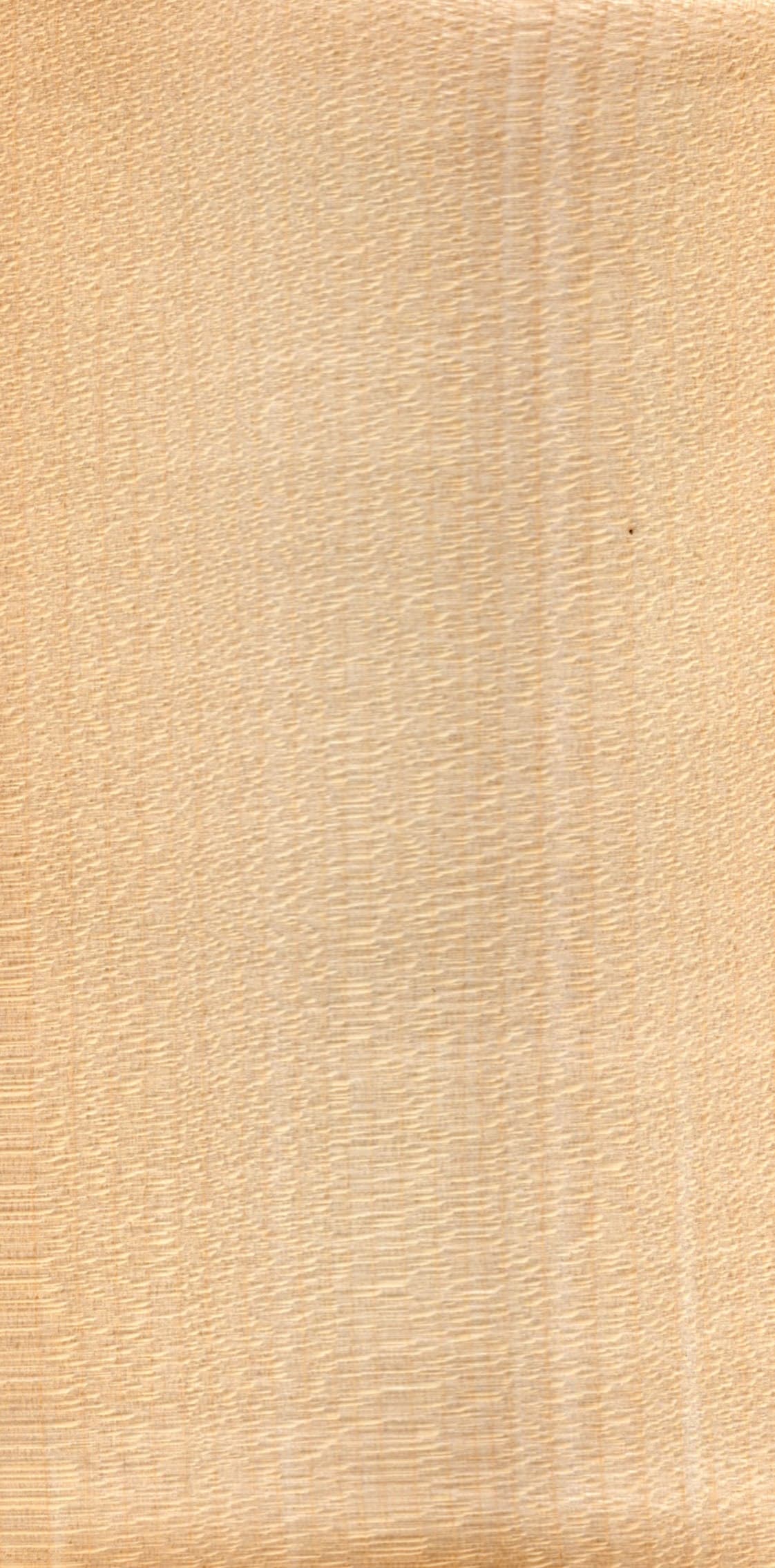
Tekstura vrste Sycamore Maple
  • Prikladnost za projekt
  • Na zalihi
  • Izgled
  • Obrada
  • Pomicanje
  • Cijena
  • Sigurnost i nabava
  • Pitanja
  • Tehnički podaci

Odgovara li vašem projektu?

Izvrsno za

  • Violin, viola and cello backs, sides and necks (fiddleback stock)
  • Kitchen worktops, butcher blocks and chopping boards
  • Light-toned furniture, cabinetry and shelving
  • Turned bowls, treen and tool handles
  • Interior joinery, stair parts and panelling
  • Marquetry and inlay where a near-white ground is needed

Nema vrste Sycamore Maple u trenutačnoj ponudi

Slične vrste na zalihi

Vrsta Sycamore Maple trenutačno nije dostupna. Ove vrste odgovaraju istim projektima i imaju dostupne komade.
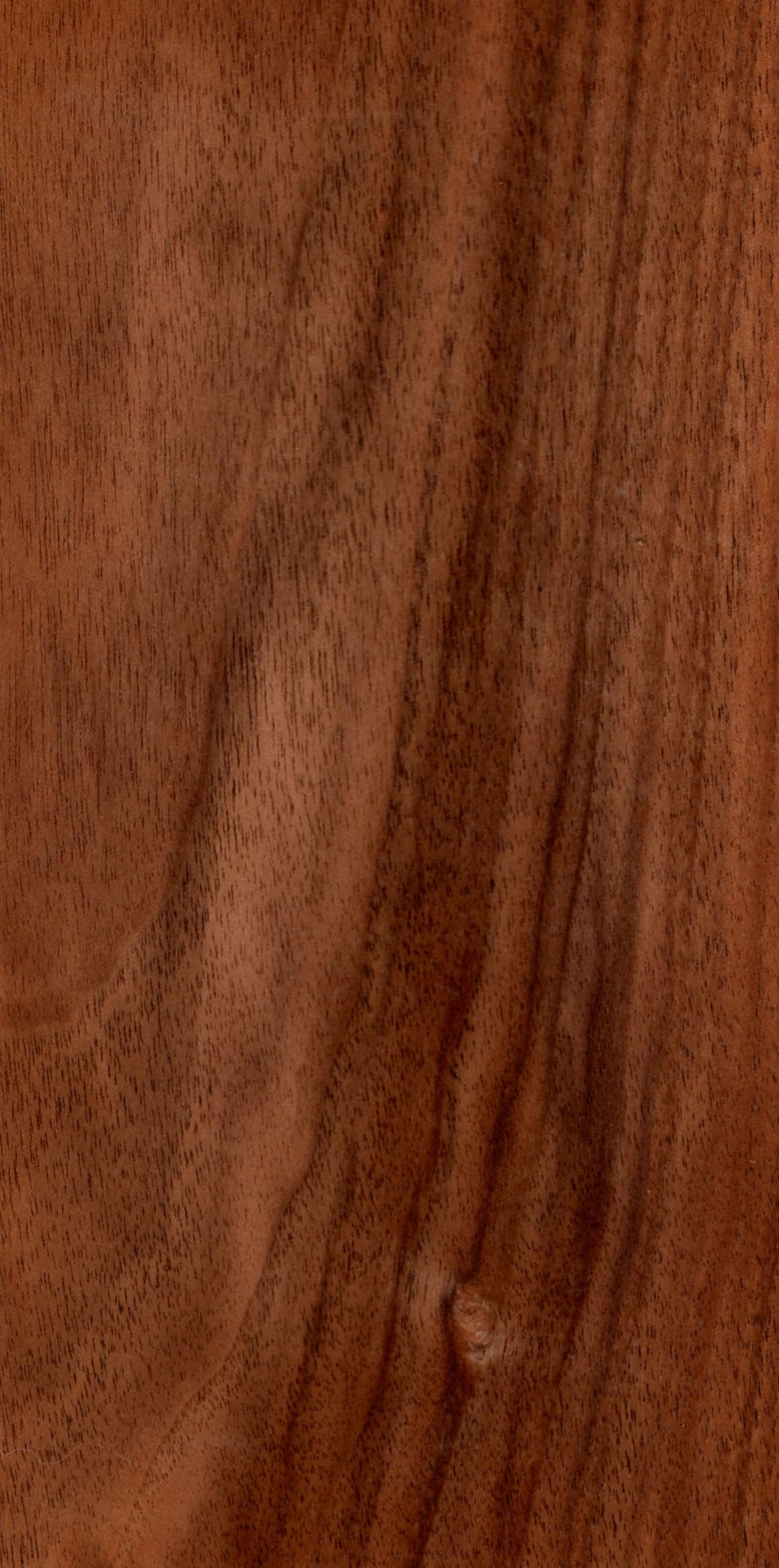
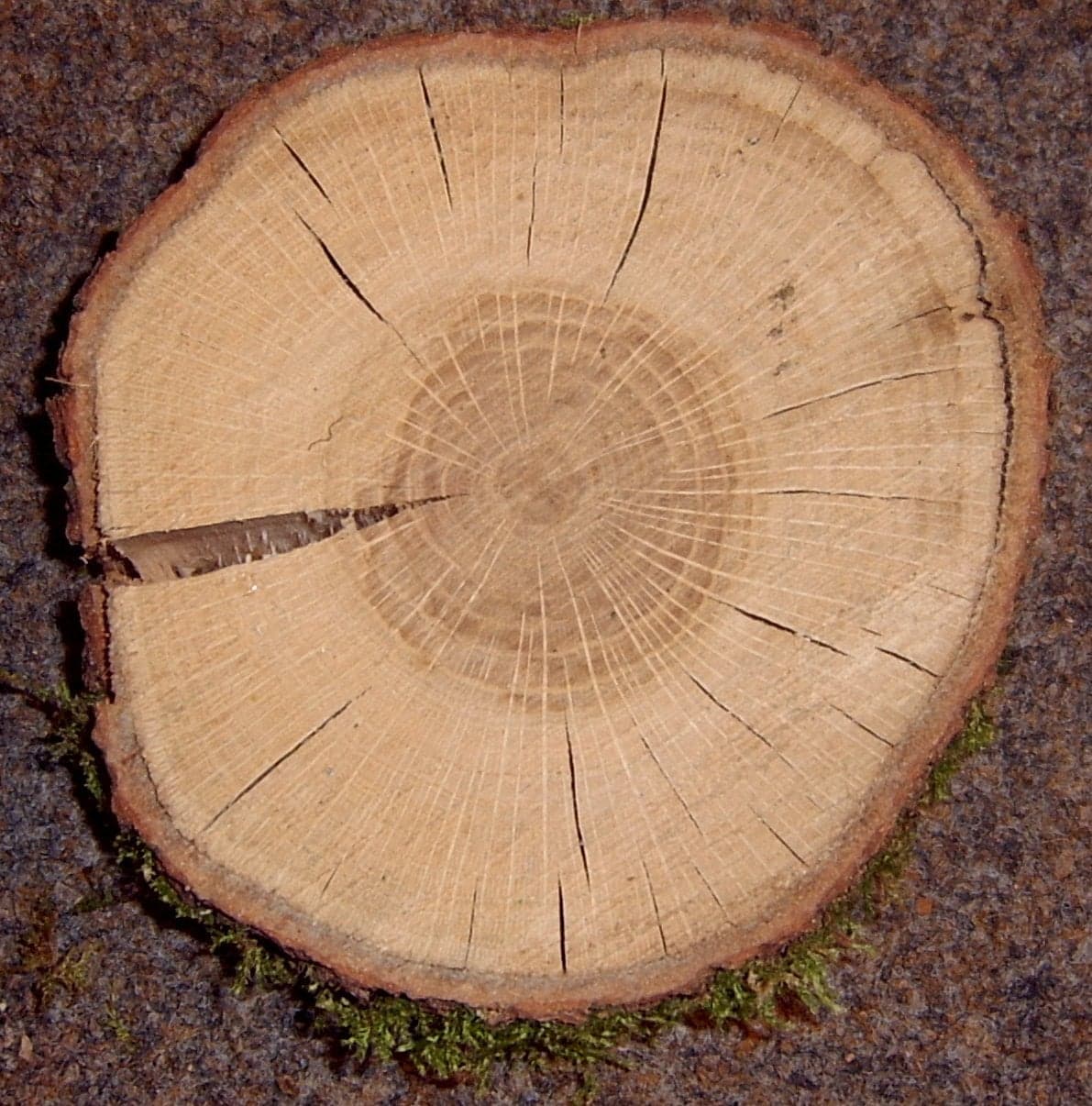
  • Tekstura vrste European Walnut

    European Walnut

    Juglans regia

    9 komada

  • Tekstura vrste European Oak

    European Oak

    Quercus robur

    6 komada

  • Tekstura vrste Saman

    Saman

    Samanea saman

    4 komada

Primajte obavijesti o vrsti Sycamore Maple

Poslat ćemo vam poruku e-pošte kada nove daske vrste Sycamore Maple stignu u KORENA ponudu. Svaki je komad jedinstven pa je rana obavijest važna.

Nekoliko poruka mjesečno. Bez neželjene pošte, odjavite se kada želite.

Izgled drva

Kako izgleda

Sycamore maple runs creamy white to pale yellow with a fine, even texture and a soft natural sheen. Grain is usually straight, with occasional wavy or interlocked sections. Quartersawn boards show small ray fleck. The most sought-after cut is fiddleback, a tight, rippled curl that catches light across the board and has been used for violin, viola and cello backs since the Cremonese workshops of Stradivari and Guarneri.

  • Creamy white to pale yellow when freshly machined
  • Soft natural lustre, especially on quartersawn faces
  • Small ray fleck on quartersawn boards
  • Fiddleback or curly figure in select boards, three-dimensional ripple under light
  • Ambers gently toward warm straw under UV exposure
  • Pale, lustrous; often quartersawn for ray fleck.

Obrada

Obrada

Works well across the board. Saws, planes, sands and glues cleanly, and turns excellently, it is a long-standing choice for treen, bowls and tool handles. Curly and fiddleback stock will tear out under straight blades; use sharp tooling, light cuts and a high cutting angle, or sand through grits. Screws and holds fastenings without splitting at sensible pilot sizes.

Završna obrada

The pale colour is part of the appeal, so most makers stay with water-based or hardwax oil finishes that keep the surface near-white. Oil-based and polyurethane finishes warm the wood toward straw yellow. Expect a slow ambering shift under UV regardless, pieces stored in shade stay paler for longer. Sands cleanly to a high polish. On figured stock, a thin coat of dilute shellac before the topcoat lifts the chatoyance.

Sušenje

Dries fairly quickly but is prone to fungal staining and grey discolouration if left in stick during warm, humid weather. The traditional remedy is to fell in winter and end-rack boards vertically so air moves across both faces. Tangential shrinkage of 7.5–9.0% against radial 4.0–5.5% gives a moderate T/R ratio, so quartersawn stock stays flatter in service. Acclimatise indoors before machining final dimensions.

Koliko će se pomicati?

Drvo bubri i skuplja se po širini kako zrak postaje vlažniji i suši. Procijenite sezonsko pomicanje plohe od vrste Sycamore Maple prije projektiranja pričvrsnica.

Rez
Gdje će se nalaziti

Očekivano sezonsko pomicanje

oko 9,4 mm

Plohu pričvrstite pričvrsnicama ili nosačima s utorima, a ne ljepilom ili čvrsto zategnutim vijcima.

Model linearnog skupljanja: širina × (skupljanje ÷ 28 % zasićenosti vlakana) × sezonska promjena vlažnosti. Za vrstu Sycamore Maple rabi se 8,25 % tangencijalnog skupljanja. Ovo je procjena za planiranje, ne jamstvo.

Koliko košta

Sigurnost i nabava

  • Uzgaja se i siječe u Europi.
  • Status na Crvenom popisu IUCN-a: globalna procjena očuvanosti ove vrste.
  • Food-contact safe and a classic European choice for butcher blocks, chopping boards and kitchen treen. Maple dust is a known respiratory sensitiser and is listed as a carcinogen in some jurisdictions, extract at the tool and wear a fitted P3 mask when sanding or routing.

Pročitajte cijeli vodičDetaljne bilješke o šari, promjeni boje, obradi i stabilnosti.+

What European Sycamore actually is#

Acer pseudoplatanus is a maple, despite the name. It is the whitest timber in this catalogue and the traditional European choice wherever a pale, clean, food-safe surface is wanted.

The naming causes real confusion. European Sycamore is a maple. American sycamore is Platanus occidentalis, a plane tree. London Plane, which KORENA also lists, is Platanus x acerifolia and is the European plane. The three are unrelated and work differently. Buy on the botanical name.

Keeping it white#

The pale colour is the whole point of this species and it is fragile.

Freshly converted sycamore stains easily. If boards are flat stacked and left, fungal staining greys them within weeks. The traditional handling is end rearing, standing the boards on end so air moves freely and moisture drains, and prompt drying after conversion.

A greyed or blue stained sycamore board is not structurally damaged but it has lost the property you were buying.

In use, the threat is the finish. Oil finishes amber pale woods, and sycamore starts whiter than anything else here so it shows the shift most. A clear water based finish or a low yellowing hardwax oil preserves the colour; a standard oil turns it distinctly yellow, permanently.

The figure

Pitanja kupaca

Pitanja kupaca

Is European Sycamore the same as American sycamore?

+

No, and the naming is genuinely confusing. European Sycamore is Acer pseudoplatanus, a maple. American sycamore is Platanus occidentalis, a plane tree, and its European counterpart is London Plane, Platanus x acerifolia, which KORENA also lists. The three are unrelated and behave differently. Check the botanical name.

Why is sycamore used for violin backs?

+

Its fine even texture, good stiffness and frequent curly figure suit it acoustically and visually, and it has been the traditional back, ribs and neck timber for violins since the Cremonese makers. Figured sycamore with strong flame is still sold specifically as fiddleback for this purpose.

How do I keep it white?

+

Sycamore is prized for being one of the whitest European timbers and it discolours easily. It must be dried promptly and end reared rather than flat stacked, or fungal staining greys it. In use, avoid oil finishes, which pull it yellow, and use a clear water based finish or a low yellowing hardwax oil instead.

What is rippled or fiddleback sycamore?

+

Mehanička svojstva

Tehnički podaci

Objavljene referentne vrijednosti. Kada se izvori ne slažu, prikazuje se raspon, a uobičajena vrijednost rabi se za gornje ljestvice.

Gustoća (kg/m³)Masa po kubičnom metru pri približno 12 % vlažnosti. Teže drvo obično je tvrđe i čvršće.570–660 kg/m³uobičajeno 615 kg/m³
Tvrdoća prema Janki (N)Sila potrebna da se čelična kuglica utisne do polovice u drvo. Standardna mjera otpornosti na udubljenja.4,400–5,000 Nuobičajeno 4.680 N
MOR: modul loma (MPa)Čvrstoća na savijanje: opterećenje pri kojem greda puca.95–115 MPa
MOE: modul elastičnosti (GPa)Krutost na savijanje: koliko se polica ili ploha progiba pod opterećenjem.9.5–11.5 GPa
Radijalno skupljanjeSkupljanje preko godova, od sirovog do potpuno suhog drva. Tako se pomiču radijalno rezane daske.4.0–5.5 %
Tangencijalno skupljanje

Achim Raschka (talk), via Wikimedia Commons

Prednosti

  • Sigurno za hranuPrikladno za daske, zdjele i površine koje dodiruju hranu.
  • Dobro se savijaOcjena 4 od 5 za savijanje parom. Podnosi uske krivulje.

Native to central and southern European mountain regions and broadly available across the EU. Acer pseudoplatanus is the species behind 'European sycamore' and 'great maple', and is the same tree sold in the UK timber trade as English sycamore. It is not related to American sycamore (Platanus).

  • IUCN Least Concern, no CITES listing, and grown across European managed forests, so FSC or PEFC stock is straightforward to source. Decay class 5 under EN 350 means it is perishable and strictly an interior timber, no exterior joinery, no ground contact, no wet rooms without a sealed assembly.

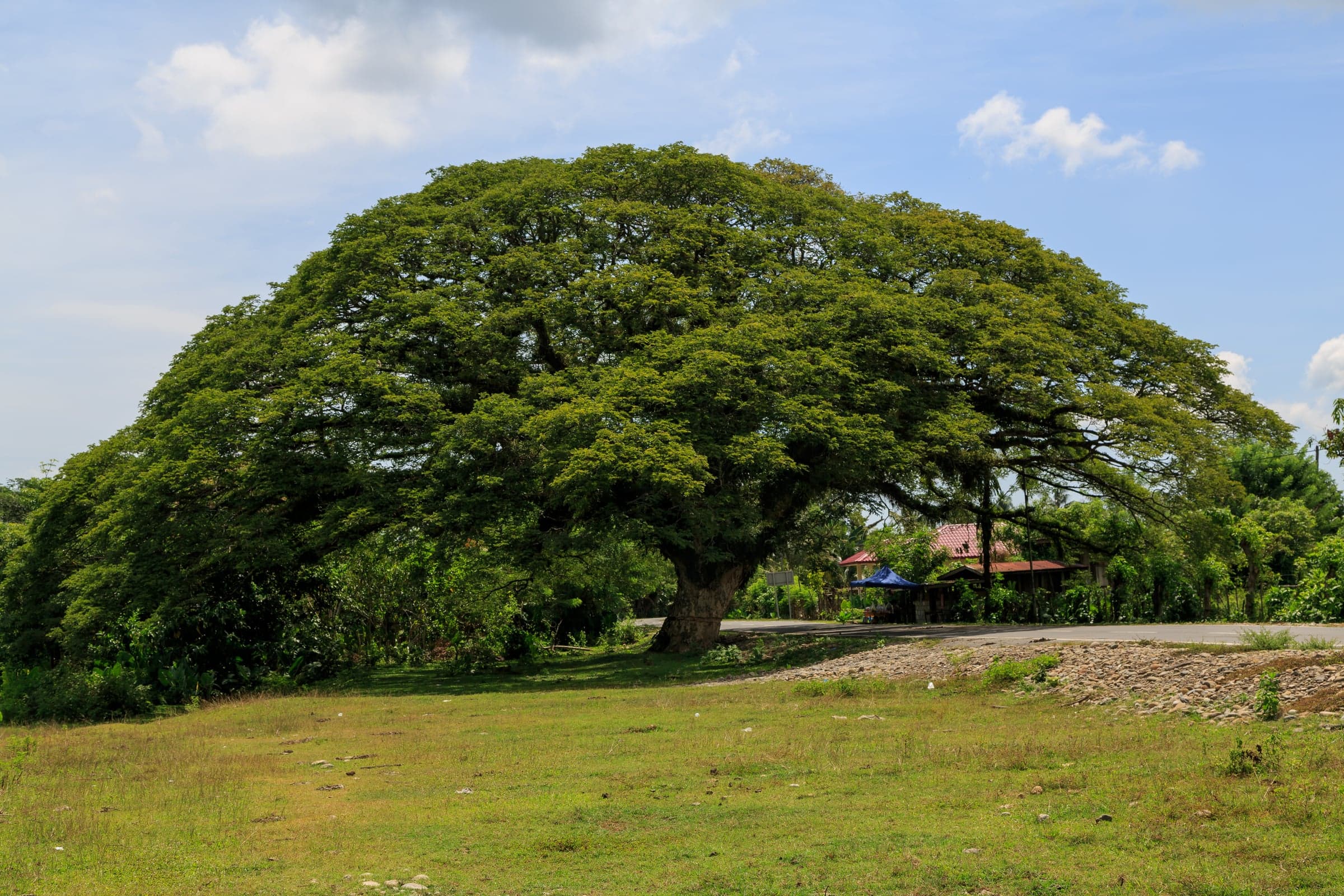
  • Stablo vrste Sycamore Maple

    Willow, via Wikimedia Commons

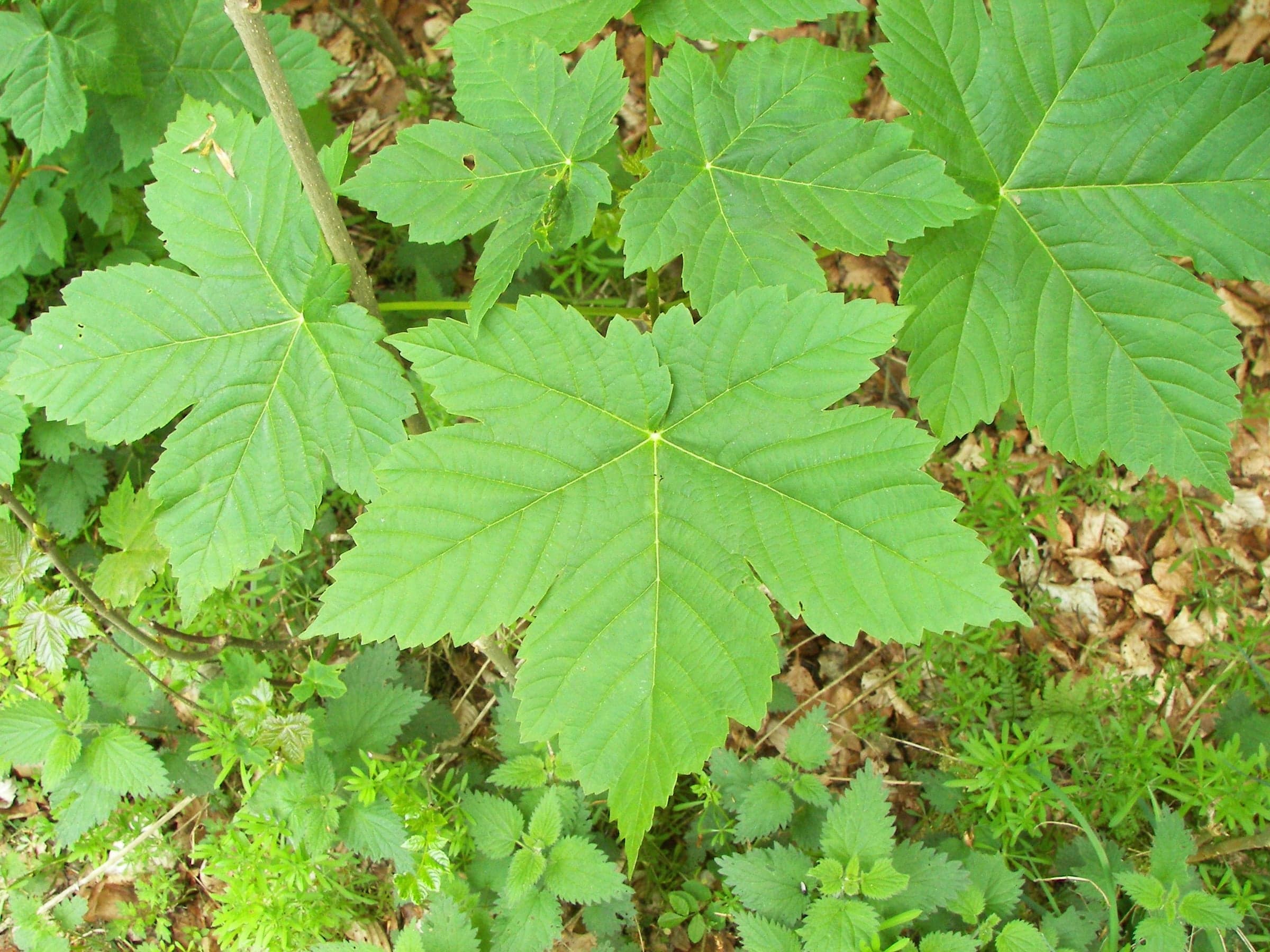
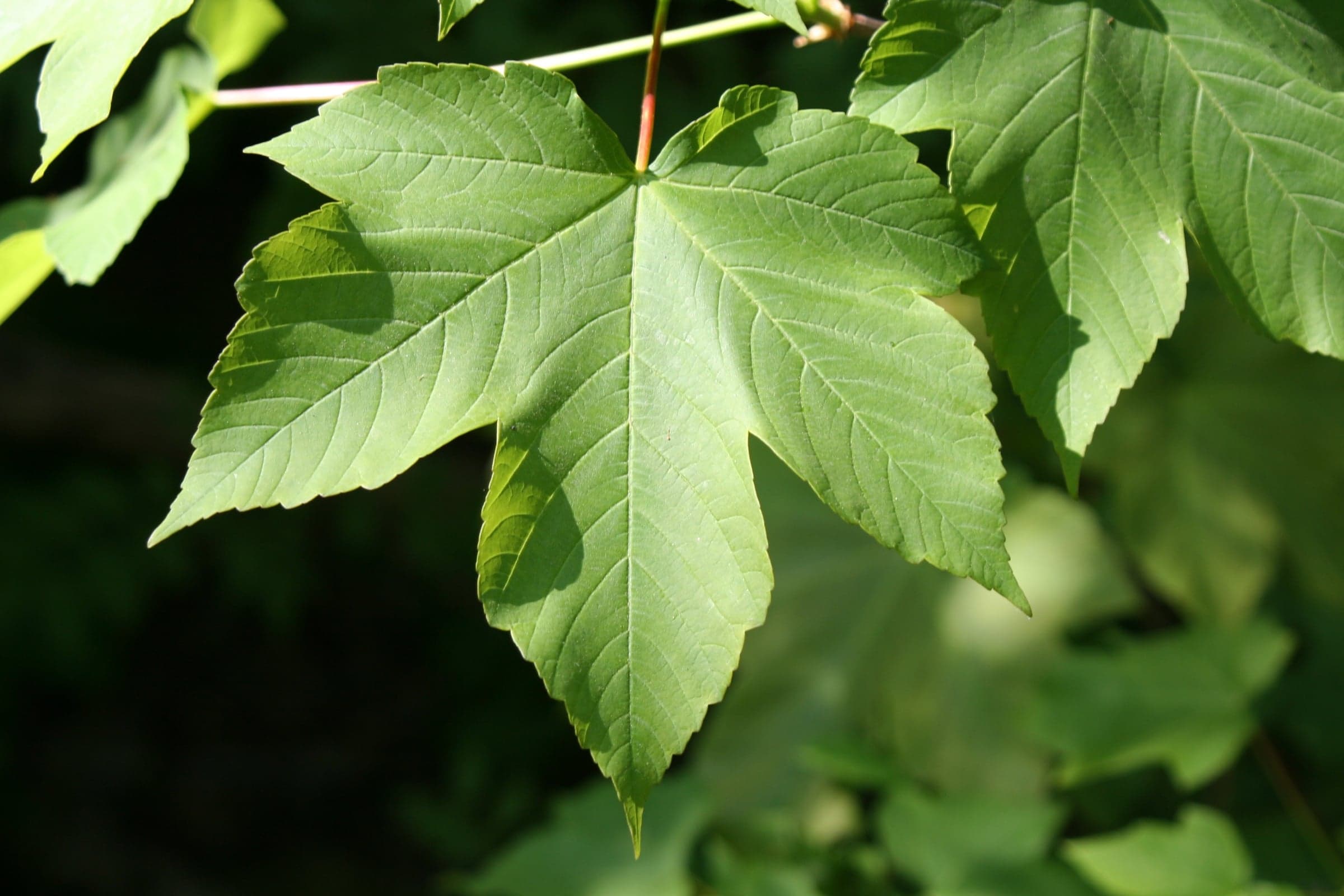
    Sycamore Maple: List
    List
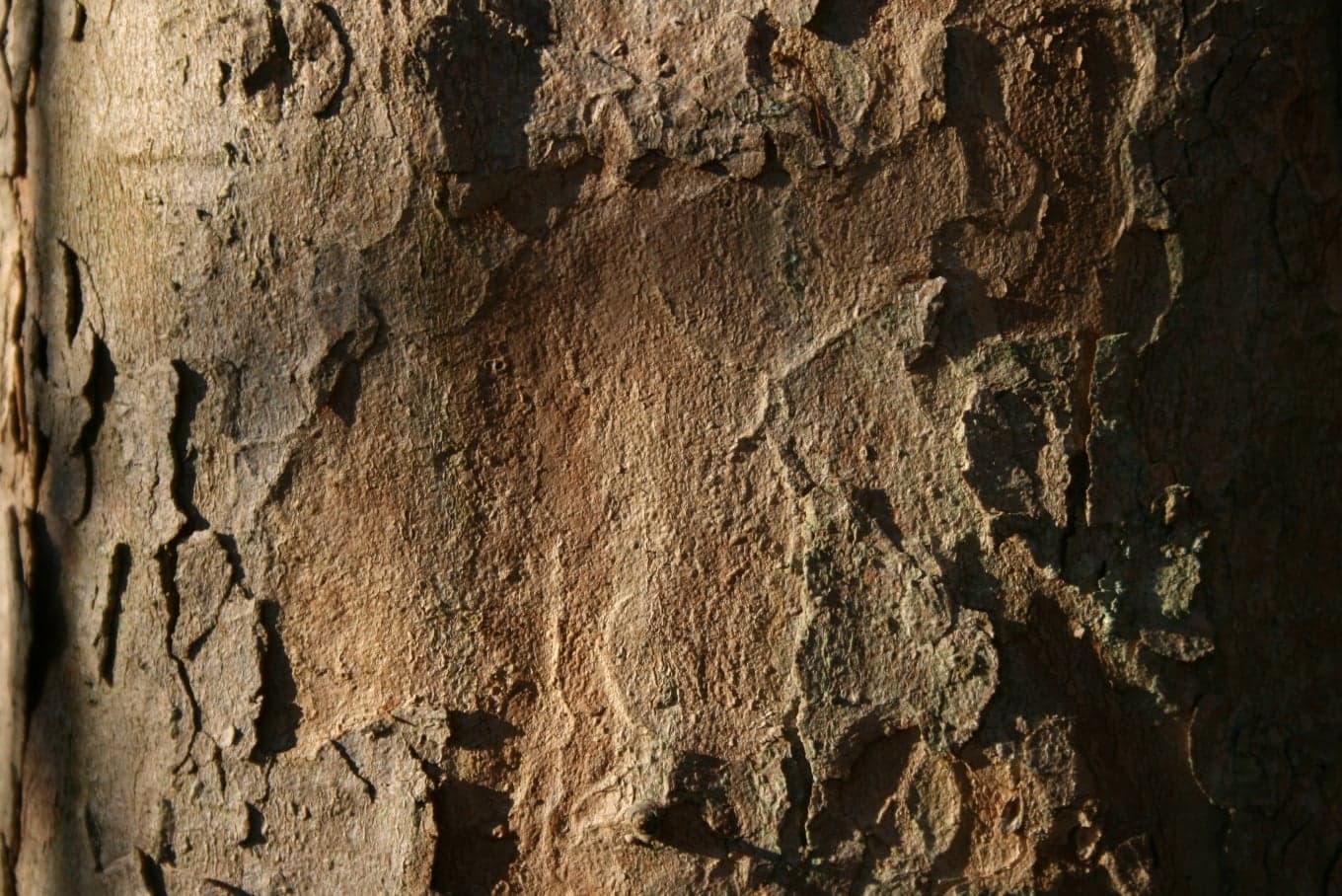
    Sycamore Maple: Kora
    Kora
    #

    Rippled or fiddleback sycamore carries a wave in the grain that produces strong horizontal chatoyance shifting with viewing angle. It is the same phenomenon as curly maple.

    It occurs in a minority of trees, cannot be predicted before felling, and carries a substantial premium.

    This is the timber of violin backs, ribs and necks, and has been since the Cremonese makers. Fiddleback sycamore is still sold under that name specifically for instrument work, where the combination of acoustic properties and appearance has never been bettered.

    At the bench#

    Sycamore works cleanly and pleasantly. At 4,680 N it is moderately hard, sitting just below European oak at 4,980 N, and it blunts tooling at a modest rate.

    The fine even texture takes crisp detail and it turns very well. It glues reliably and takes fastenings securely.

    Figured stock tears out readily. Light cuts, sharp tooling and a scraper or high angle plane for the final surface, particularly on fiddleback where the grain reverses continuously.

    It sands to a very fine surface.

    Finishing#

    The staining behaviour is the same trap that maple sets. The dense closed grain absorbs pigment unevenly and blotches, worse on figured stock.

    Use a dye or a gel stain, or leave it clear, which is what most sycamore work calls for anyway given that the colour is the reason for choosing it.

    Kitchen and dairy use#

    Sycamore is rated food safe, closed grained, and has been the traditional European dairy and kitchen timber, used for butter pats, bowls, spoons and worktops because it does not taint food and cleans well.

    It is softer than hard maple at 4,680 N against 6,450 N, so it scars more readily under a knife, and at decay class 5 it must be kept dry.

    Movement#

    Volumetric shrinkage of 11.5 percent is moderate, with tangential at 7.5 percent against radial at 4.0 percent. That is a reasonable differential and sycamore behaves acceptably in wide boards, better than maple or beech.

    Where European Sycamore is the right answer#

    Instrument work, particularly violin backs and ribs. Also pale furniture, kitchen and dairy ware, turned work, marquetry and inlay, and decorative panels where fiddleback figure is the design.

    It is the wrong answer outdoors, and wrong under an oil finish if the white colour is what you are paying for.

    Sourcing and EUDR#

    Not CITES listed and assessed as Least Concern. Common across central and northern Europe and widely planted, with straightforward supply and documentation.

    Drying sycamore, which is where most of it is lost#

    More sycamore is spoiled in the first three weeks after felling than at any other stage, and the cause is always the same: it was stacked flat and left.

    Freshly converted sycamore is wet, pale and full of sugars, which makes it ideal food for the fungi that cause blue and grey staining. Flat stacked in still air, boards discolour from the inside out within weeks, and the grey never comes out.

    The traditional answer is end rearing. Boards are stood on end, leaning, so air moves across both faces and moisture drains rather than pooling. It looks like an odd way to treat timber and it is the difference between white sycamore and grey sycamore.

    If you are buying sycamore, ask how it was dried. If you are drying it yourself, get it standing within days of conversion.

    What figured sycamore is worth checking for#

    Rippled figure is not uniform through a log. It is usually strongest near the base and can fade out entirely further up, so a slab cut from the same tree as a strongly figured one may be plain.

    Look at the figure in raking light from two directions before committing. Ripple that reads strongly from one angle and disappears from another is shallow and may not survive final thicknessing.

    A wave in the grain producing strong horizontal rippling chatoyance across the board, the same phenomenon as curly maple. It occurs in a minority of trees, cannot be predicted from the standing tree, and commands a substantial premium. It is the most sought after form of the species.

    Is it suitable for kitchen surfaces?

    +

    It is rated food safe, closed grained and traditionally used for dairy and kitchen ware precisely because it does not taint food and cleans well. It is softer than hard maple at 4,680 N against 6,450 N, so it will scar more readily, and at decay class 5 it must be kept dry.

    Skupljanje duž godova. Tako se pomiču tangencijalno rezane daske i većina širokih dasaka.
    7.5–9.0 %
    Volumno skupljanjeUkupna promjena volumena od sirovog do potpuno suhog drva. Niža vrijednost znači veću stabilnost.11.5–13.5 %
    Prirodna trajnost (EN 350)Europska norma za prirodnu otpornost na propadanje, od 1 (vrlo trajno) do 5 (netrajno).Class 5 — Perishable

    Izvori

    • The Wood Database(pristupljeno 2026-05-09)
    • USDA FPL Wood Handbook FPL-GTR-190 (2010)(pristupljeno 2026-05-09)
    • Meier, E. — WOOD! Identifying and Using Hundreds of Woods Worldwide (2015)(pristupljeno 2026-05-09)

    Ukratko

    Razine rabe jednake raspone za sve vrste koje KORENA navodi pa se mogu izravno uspoređivati. Izmjerena vrijednost nalazi se ispod svake razine.
    TvrdoćaOtpornost na udubljenja i trošenjeSrednje tvrdo

    Tvrdoća po Janki 4.680 N

    6 % mekše od europskog hrasta

    MasaKoliko je daska teška za podizanjeSrednje

    615 kg/m³

    StabilnostKoliko se malo pomiče kroz godišnja dobaProsječno

    12,5 % volumnog skupljanja

    ObradaPiljenje, blanjanje, brušenje, lijepljenjeLako

    4,1 / 5 prosjek obrade

    Uporaba na otvorenomPrirodna otpornost na propadanje, EN 350Samo u zatvorenom

    EN 350 razred 5

    • Piljenje · Vrlo dobroKoliko se čisto reže i koliko troši oštrice.1 = teško · 5 = izvrsno
    • Blanjanje · Vrlo dobroKoliko glatku površinu ostavlja i koliko se vlakna čupaju.1 = teško · 5 = izvrsno
    • Brušenje · Vrlo dobroKoliko se brzo može glatko izbrusiti bez začepljenja brusnog papira.1 = teško · 5 = izvrsno
    • Tokarenje · IzvrsnoKako se reže i obrađuje na tokarilici.1 = teško · 5 = izvrsno
    • Rezbarenje · Vrlo dobroKoliko oštro zadržava detalje pod dlijetom.1 = teško · 5 = izvrsno
    • Lijepljenje · Vrlo dobroKoliko pouzdano drže lijepljeni spojevi.1 = teško · 5 = izvrsno
    • Držanje vijaka / čavala · Vrlo dobroKoliko dobro drži vijke i čavle bez pucanja.1 = teško · 5 = izvrsno
    • Savijanje parom · Vrlo dobroKoliko dobro prima krivulje nakon parenja.1 = teško · 5 = izvrsno
    Prikladno za početnike
    Jednostavno za obradu i nije toliko tvrdo da brzo troši alat.

    Obratite pozornost

    • Nije za nezaštićenu uporabu na otvorenomPrirodna trajnost odgovara razredu 5 od 5 prema EN 350. Držite je u zatvorenom ili pod održavanom završnom obradom.
    • Prašina nadražujeUključite odsis i nosite masku tijekom brušenja ili strojne obrade.

    Dodirnite oznaku za pojedinosti.

    Trenutačne prodajne cijene drva vrste Sycamore Maple diljem Europe, po kubičnom metru bez PDV-a. Dodirnite bilo koju cijenu za pojedinosti.

    • Najbolji trupci na dražbiOdabrani trupci visoke kvalitete prodani na dražbama ponudama, uglavnom proizvođačima furnira i namještaja. Od takvih se trupaca režu daske.Većina cijena kreće se između 153 € i 485 €.Na temelju 80 cijena iz 2 regije.Najnoviji podaci: 24. ruj 2026.
    • Standardni trupciVelike količine standardnog oblog drva koje prodaju vlasnici šuma i državne šumarije, uglavnom za graditeljstvo i industriju.Većina cijena kreće se između 46 € i 110 €.Na temelju 1.175 cijena iz 5 regija.Najnoviji podaci: 24. ruj 2026.

    Najbolji trupci na dražbi prema zemlji

    • Austrija · 368 € / m³Regije: Austria30 cijenaNajnoviji podaci: 24. ruj 2026.
    • Njemačka · 319 € / m³Regije: Bavaria50 cijenaNajnoviji podaci: 24. ruj 2026.

    Standardni trupci prema zemlji

    • Bugarska · 102 € / m³Regije: North-West Bulgaria12 cijenaNajnoviji podaci: 24. kol 2026.
    • Rumunjska · 74 € / m³Regije: Banat / Crișana, Moldavia (Romania), Transylvania i Wallachia1.163 cijeneNajnoviji podaci: 24. ruj 2026.

    Zašto daska stoji više od ovoga?

    Ovo su cijene sirovog drva. Daska je najbolji rez trupca, sušen godinu dana ili dulje, zatim provjeren i izmjeren komad po komad. Samo mali dio svakog trupca postane daska.

    Izvor: KORENA Timber Index · Najnoviji podaci: 24. ruj 2026.

    Pogledajte sve regionalne cijene