KORENA
DrvoFinished piecesMaterijalSkladištaČasopis

Primajte obavijesti

Svaka je masivna ploča jedinstvena. Kad se proda, više je nema. Šaljemo vam e-poruku kada se objave novi komadi: novi dolasci, nove vrste i daske koje odgovaraju opisu projekta.

Nekoliko poruka mjesečno. Bez neželjene pošte, odjavite se kada želite.

KORENA, vrhunsko tvrdo drvo

Komad po komad.

Provjereno vrhunsko tvrdo drvo, komad po komad. Svaka se daska fotografira, mjeri i šalje iz partnerskog skladišta s putovnicom drva.

Trgovina

  • Pregledaj proizvode
  • Arhiva prodanih dasaka
  • Prati narudžbu

Saznajte više

  • Časopis
  • Vodiči kroz vrste
  • Pojmovnik
  • Usporedba
  • Autori

Pomoć

  • O nama
  • Kako funkcionira
  • Postanite partnersko skladište
  • Pronađite dasku
  • Podrška
  • Predlošci dokumenata
  • Mediji

Kupnja

  • Uvjeti prodaje
  • Pravo na odustajanje
  • Povrati i jamstvo
  • Otprema i dostava

Povjerenje

  • Pravila privatnosti
  • Pravila o kolačićima
  • Podrijetlo drva i EUDR
  • Pristupačnost

Impresum

  • Pravna obavijest / Impresum
  • Prihvatljiva upotreba
  • Intelektualno vlasništvo i sadržaj

© 2026 KORENA. Sva prava pridržana.

Stranicom upravlja Martial Labs Ltd. (BG, EIK 207453941). KORENA je trgovački naziv društva Martial Labs Ltd.

Poštujemo vašu privatnost

Upotrebljavamo nužne kolačiće kako bi stranica radila. Uz vaše dopuštenje upotrebljavali bismo i kolačiće za analitiku, prilagođeni sadržaj i oglase. Svoj izbor možete bilo kada promijeniti na stranici postavki privole. Pročitajte naša pravila o kolačićima i pravila privatnosti.

  1. Početna
  2. /
  3. Vrste
  4. /
  5. Hornbeam

Carpinus betulus

Hornbeam

Pale, ruthlessly dense, and famously hard. The wood old joiners reached for when they needed plane bodies, mallet heads, and water-mill cogs that would not give up.

  • Uzgaja se i siječe u Europi.
  • Botanička skupina. Meko drvo potječe od četinjača, a tvrdo od listača.
  • Botanička porodica kojoj vrsta pripada.
Obavijestite me kada stigneReferentna vrsta. Trenutačno nema komada na zalihi.
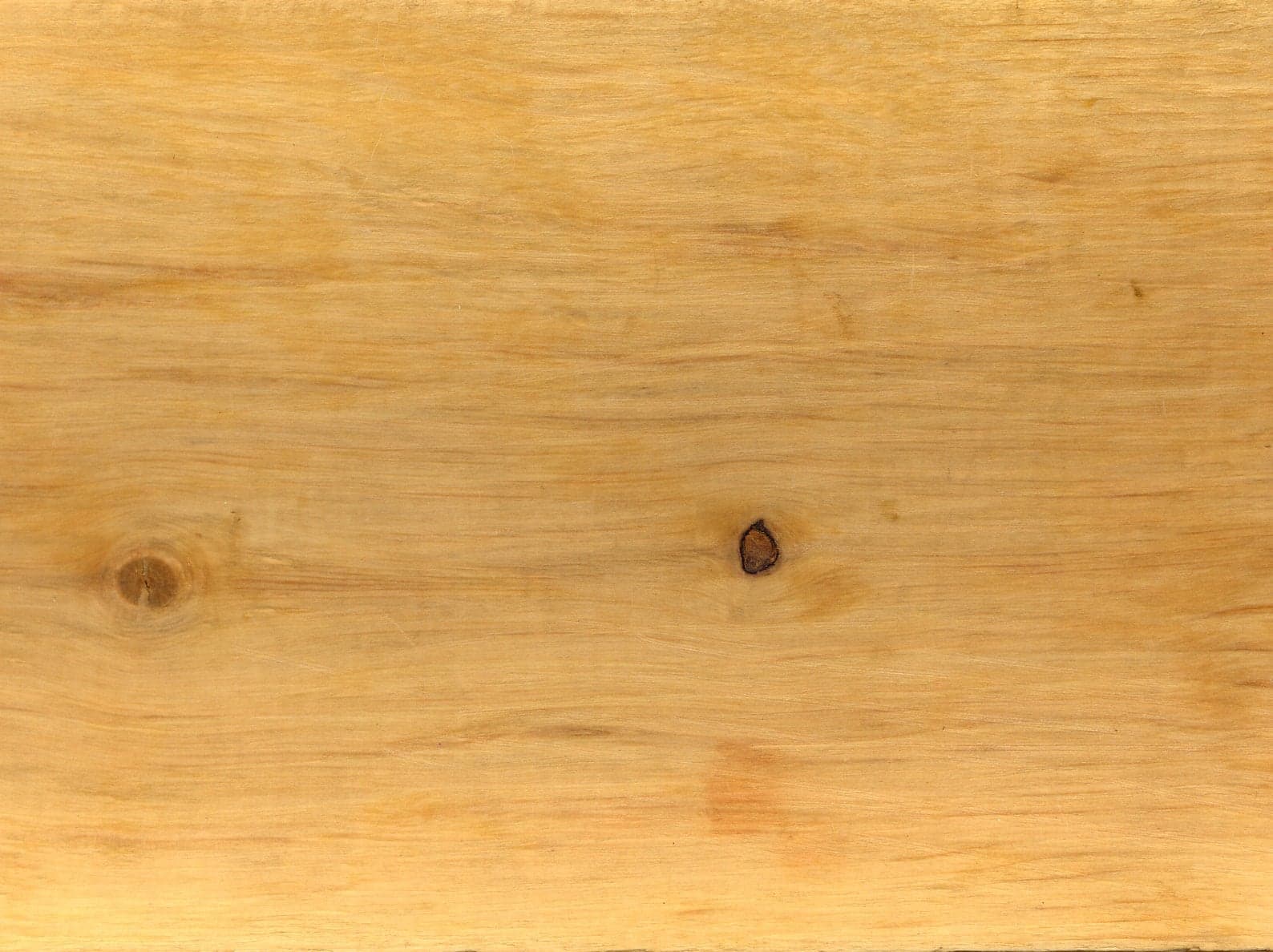
Tekstura vrste Hornbeam
  • Prikladnost za projekt
  • Na zalihi
  • Izgled
  • Obrada
  • Pomicanje
  • Cijena
  • Sigurnost i nabava
  • Pitanja
  • Tehnički podaci

Odgovara li vašem projektu?

Izvrsno za

  • Plane bodies and mallet heads
  • Tool handles and chisel handles
  • Turned work, bowls, finials, pepper mills, fine spindles
  • Joinery accents, wedges, splines, drawbore pins, dovetail keys
  • High-wear surfaces, chopping boards, butcher blocks, jig faces
  • Gear teeth, cogs, and replacement parts in restored mills

Nema vrste Hornbeam u trenutačnoj ponudi

Slične vrste na zalihi

Vrsta Hornbeam trenutačno nije dostupna. Ove vrste odgovaraju istim projektima i imaju dostupne komade.
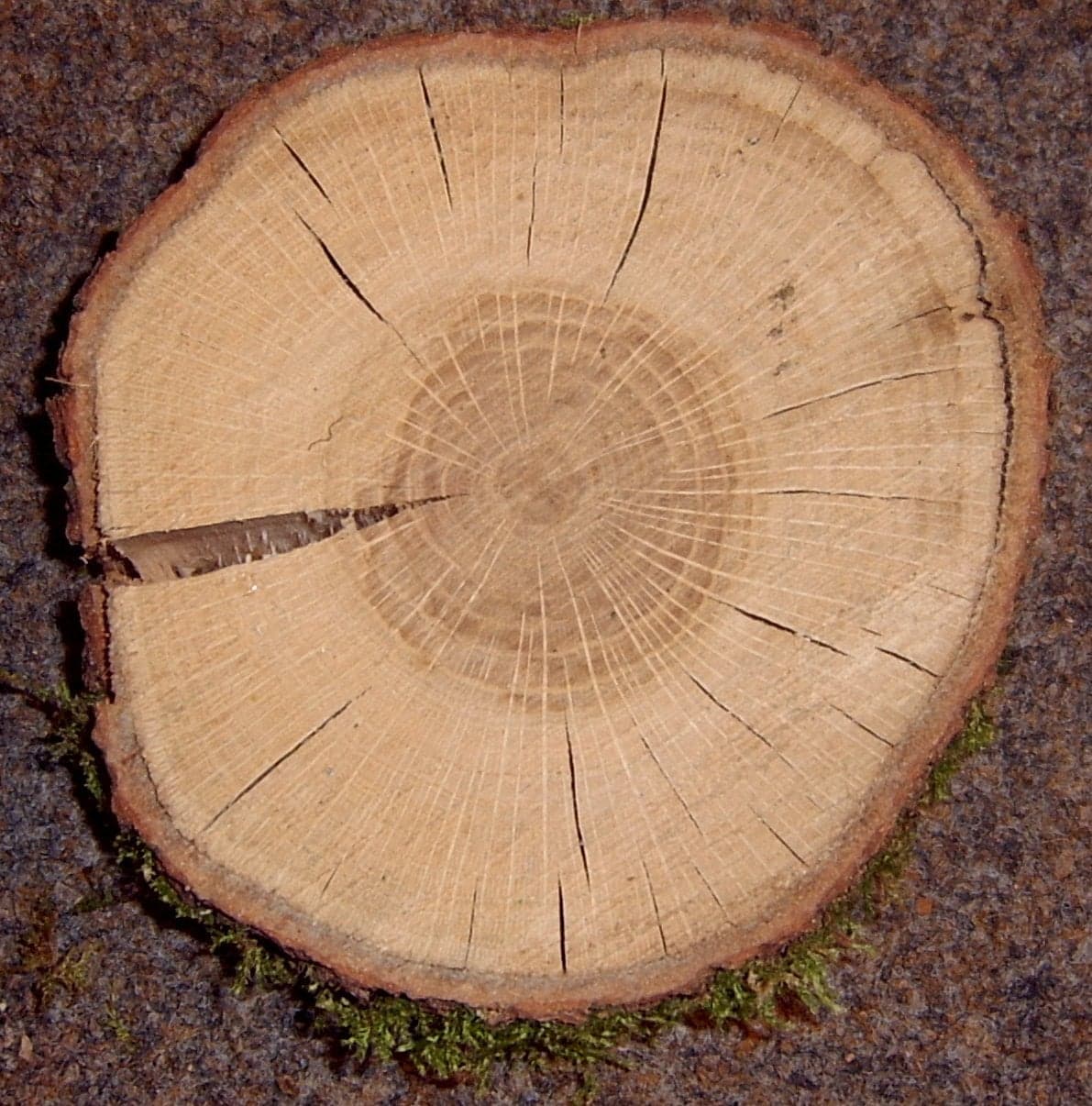
  • Tekstura vrste European Oak

    European Oak

    Quercus robur

    6 komada

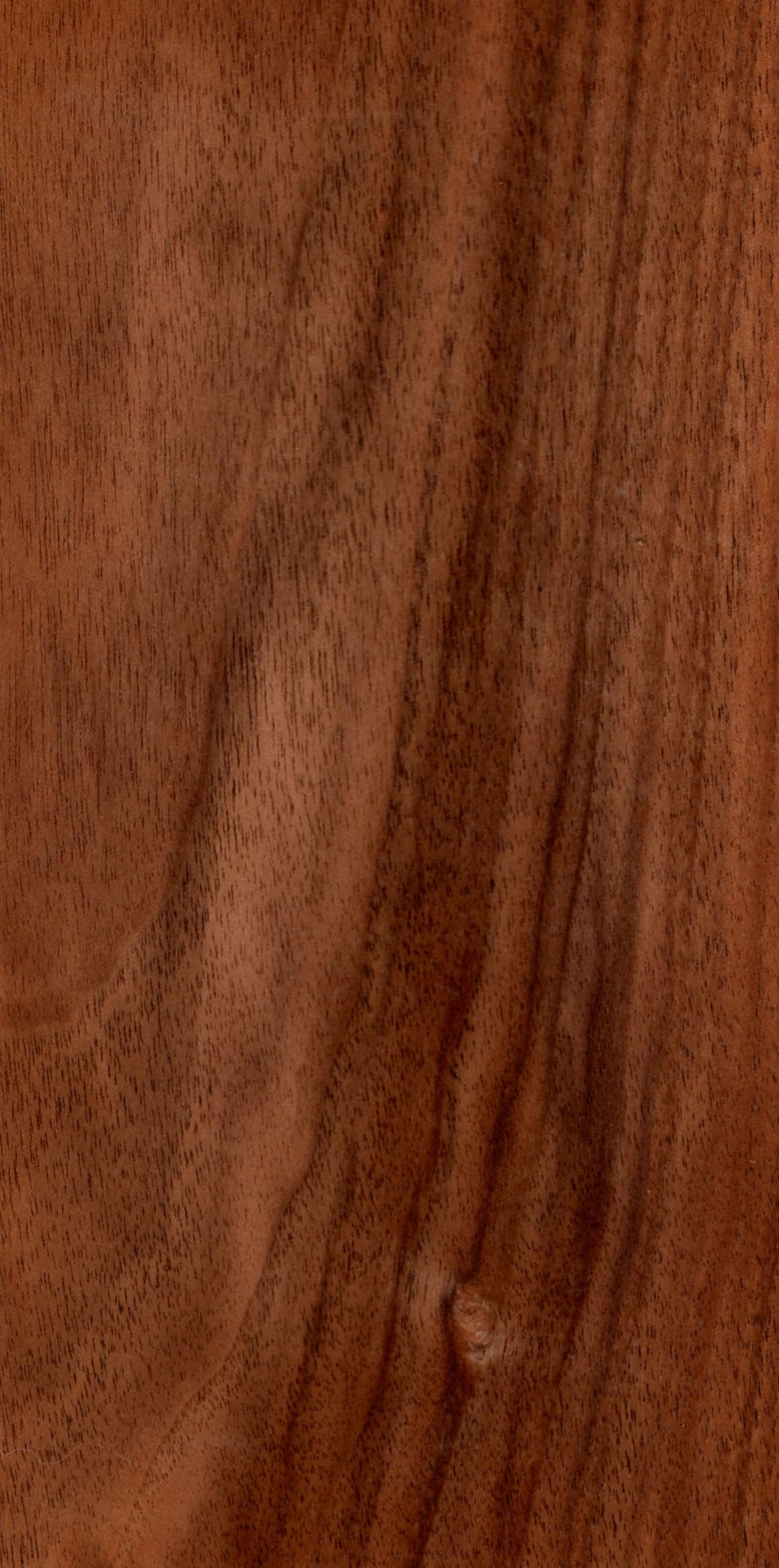
  • Tekstura vrste European Walnut

    European Walnut

    Juglans regia

    9 komada

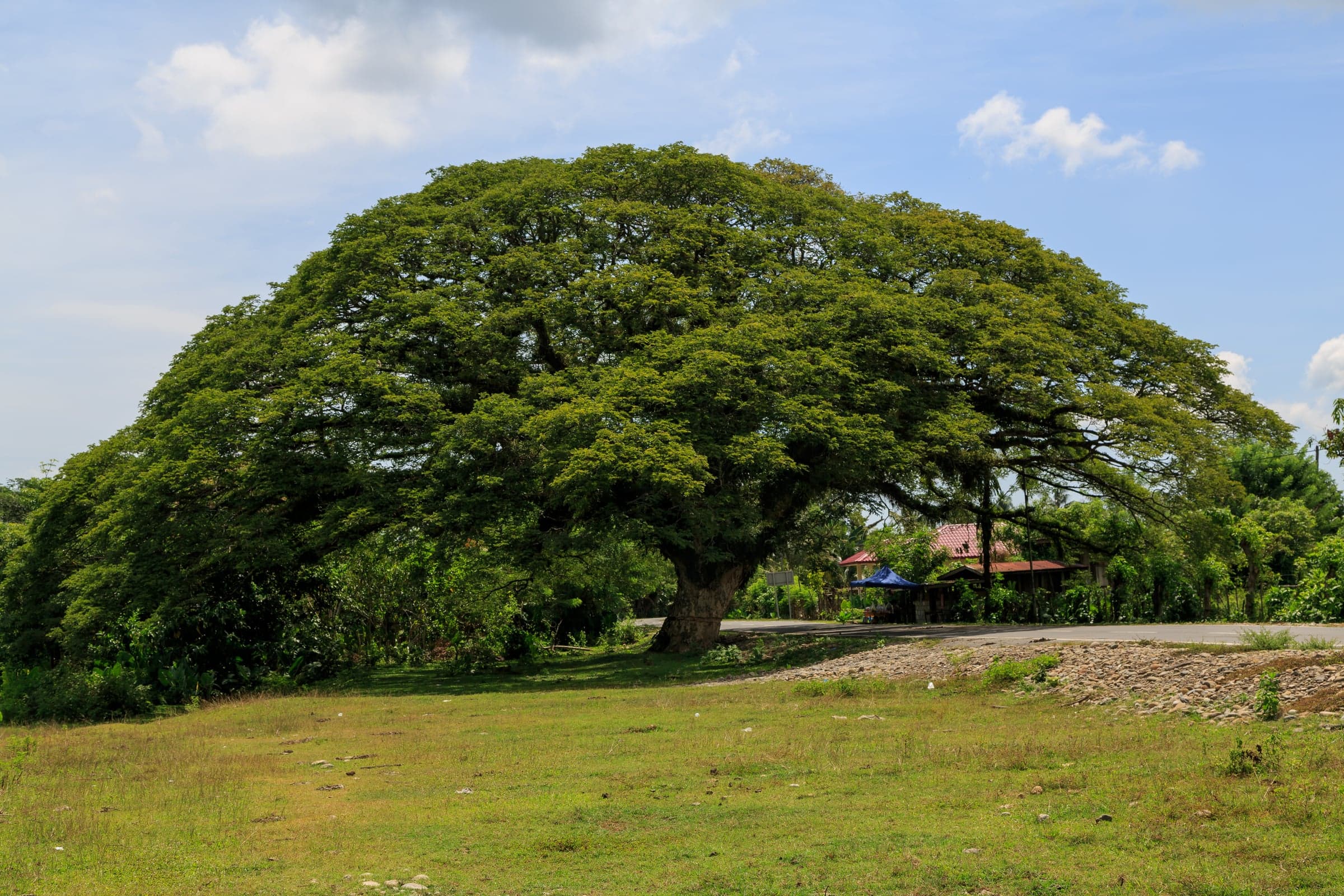
  • Tekstura vrste Saman

    Saman

    Samanea saman

    4 komada

Primajte obavijesti o vrsti Hornbeam

Poslat ćemo vam poruku e-pošte kada nove daske vrste Hornbeam stignu u KORENA ponudu. Svaki je komad jedinstven pa je rana obavijest važna.

Nekoliko poruka mjesečno. Bez neželjene pošte, odjavite se kada želite.

Izgled drva

Kako izgleda

Creamy white to pale straw, sometimes drifting to light grey-brown with age. Grain is irregular and often interlocked; texture is fine and even. Almost no figure, no drama, its character is in the surface itself, which polishes to a hard, near-ceramic feel that softer pale woods cannot match.

  • Creamy white to pale straw when fresh
  • Drifts to light grey-brown with age and UV
  • Occasional grey streaking on slower-grown stock
  • Almost figureless, reads as a clean, even pale ground
  • Polishes to a hard, near-ceramic surface sheen
  • Irregular grain, fine even texture.

Obrada

Obrada

A specialist wood. Density and interlocked grain blunt edges fast. Expect to sharpen often and feed slowly. Planing tears out unless irons are keen and the cut is light; a scraper or sander often finishes better than a plane. Drilling and routing demand sharp carbide. The reward is on the lathe, where it turns to a fine, crisp surface and holds detail other woods crush. Glues and screws well once pre-bored. Steam-bends reasonably for such a dense species.

Završna obrada

Sands to a glassy surface if you stay patient and step through the grits. Takes hard waxes, oils, and lacquers cleanly. Stains can blotch on the interlocked patches. Test first. Burnishes beautifully on the lathe; many turners leave it bare or oil-only.

Sušenje

Dries slowly and moves a lot, tangential shrinkage of 11 to 13 percent puts it among the most mobile European hardwoods. Prone to distortion, surface checks, and case-hardening if rushed. Air-dry under weight, then finish in a kiln on a gentle schedule. Acclimatise in the workshop for several weeks before machining, and design for movement in any wider piece.

Koliko će se pomicati?

Drvo bubri i skuplja se po širini kako zrak postaje vlažniji i suši. Procijenite sezonsko pomicanje plohe od vrste Hornbeam prije projektiranja pričvrsnica.

Rez
Gdje će se nalaziti

Očekivano sezonsko pomicanje

oko 13,7 mm

Veliko. Upotrijebite pričvrsnice ili nosače s utorima, ostavite zazor na krajevima poprečnih letvi i pustite dasku da se aklimatizira prije sastavljanja.

Model linearnog skupljanja: širina × (skupljanje ÷ 28 % zasićenosti vlakana) × sezonska promjena vlažnosti. Za vrstu Hornbeam rabi se 12 % tangencijalnog skupljanja. Ovo je procjena za planiranje, ne jamstvo.

Koliko košta

Sigurnost i nabava

  • Uzgaja se i siječe u Europi.
  • Status na Crvenom popisu IUCN-a: globalna procjena očuvanosti ove vrste.
  • Food-contact safe once finished, which is why it has a long history in kitchen tools and chopping blocks. The dust is a known skin irritant and can sensitise on repeated exposure. Wear long sleeves, run good extraction, and mask up when sanding.

Pročitajte cijeli vodičDetaljne bilješke o šari, promjeni boje, obradi i stabilnosti.+

What Hornbeam actually is#

Carpinus betulus is the wear wood. At 735 kg per cubic metre and 7,260 N Janka it is the second hardest measured species in this catalogue, behind only robinia, and it has a fine even texture with no strong grain direction.

That combination, hardness without a pronounced grain to split along, is what made it the traditional wood for things that get hit, rubbed and worn: plane soles, mallet heads, gear teeth in windmill and watermill machinery, butchers blocks, and cogs.

It is not a decorative wood and it was never used as one.

Reading a hornbeam slab#

Colour is pale, near white to light cream, sometimes with grey streaking. Figure is minimal. The texture is fine and even and the surface has a slight natural lustre.

The characteristic feature of the tree is fluting: the trunk grows with pronounced longitudinal ridges rather than round, which is why hornbeam logs look twisted and why converting them to wide clean boards is awkward. Expect irregular widths and a good deal of waste.

Grain is frequently interlocked, following the fluting.

The movement problem#

Pitanja kupaca

Pitanja kupaca

Why is Hornbeam used for tool parts and machinery?

+

It is exceptionally hard at 7,260 N, second only to robinia among measured species here, with a fine even texture and no pronounced grain direction. That combination resists wear without splitting, which is why it was the traditional wood for plane soles, mallet heads, gear teeth in mill machinery, and butchers blocks.

How much does it move?

+

A great deal. Volumetric shrinkage of 17.0 percent ties with beech for the highest in this catalogue, and tangential shrinkage of 11.0 percent against 5.5 percent radial is a very wide differential. Hornbeam is not a wood for wide solid tops in a variable environment. It is a wood for small dense components.

Is it hard to work?

+

Yes. The density and interlocked grain blunt tooling quickly and cause tear-out, and it is heavy going by hand. The fine texture that makes it wear so well is the same thing that makes it resist cutting. Sharp carbide tooling and light cuts are the practical answer.

Can it be used outdoors?

+

No. Despite its hardness it is rated decay class 5, perishable, and it will rot readily if exposed. Hardness and durability are unrelated properties. For exterior work use robinia, oak or sweet chestnut.

Mehanička svojstva

Tehnički podaci

Objavljene referentne vrijednosti. Kada se izvori ne slažu, prikazuje se raspon, a uobičajena vrijednost rabi se za gornje ljestvice.

Gustoća (kg/m³)Masa po kubičnom metru pri približno 12 % vlažnosti. Teže drvo obično je tvrđe i čvršće.700–820 kg/m³uobičajeno 735 kg/m³
Tvrdoća prema Janki (N)Sila potrebna da se čelična kuglica utisne do polovice u drvo. Standardna mjera otpornosti na udubljenja.6,900–7,700 Nuobičajeno 7.260 N
MOR: modul loma (MPa)Čvrstoća na savijanje: opterećenje pri kojem greda puca.110–130 MPa
MOE: modul elastičnosti (GPa)Krutost na savijanje: koliko se polica ili ploha progiba pod opterećenjem.12.0–14.0 GPa
Radijalno skupljanjeSkupljanje preko godova, od sirovog do potpuno suhog drva. Tako se pomiču radijalno rezane daske.5.5–7.0 %
Tangencijalno skupljanje

Beentree, via Wikimedia Commons

  • Piano and harpsichord action parts
  • Inlay and contrast bandings against dark woods
  • Prednosti

    • Sigurno za hranuPrikladno za daske, zdjele i površine koje dodiruju hranu.
    • Dobro se savijaOcjena 4 od 5 za savijanje parom. Podnosi uske krivulje.

    Obratite pozornost

    Native to central and eastern Europe. Slow-growing, often coppiced, and recognisable in the forest by its fluted, muscle-like trunk, the reason for the folk names ironwood and musclewood.

  • Native, abundant across central and eastern European forests, and listed Least Concern by the IUCN with no CITES restriction. Often a by-product of broadleaf woodland and hedgerow management, so volumes are smaller and more local than oak or beech but the supply is genuinely sustainable.

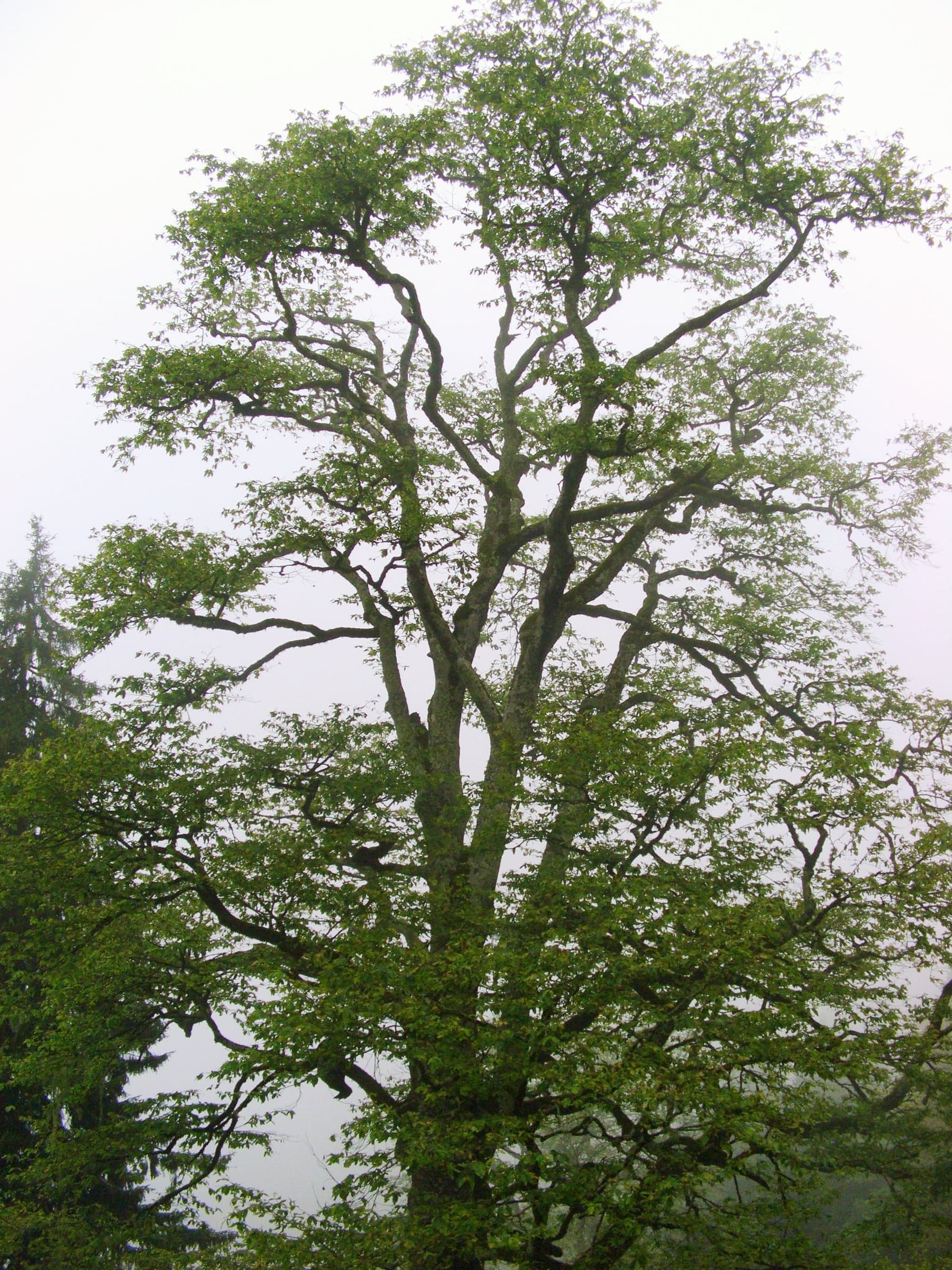
  • Stablo vrste Hornbeam

    Dr. Zeynel Cebeci, via Wikimedia Commons

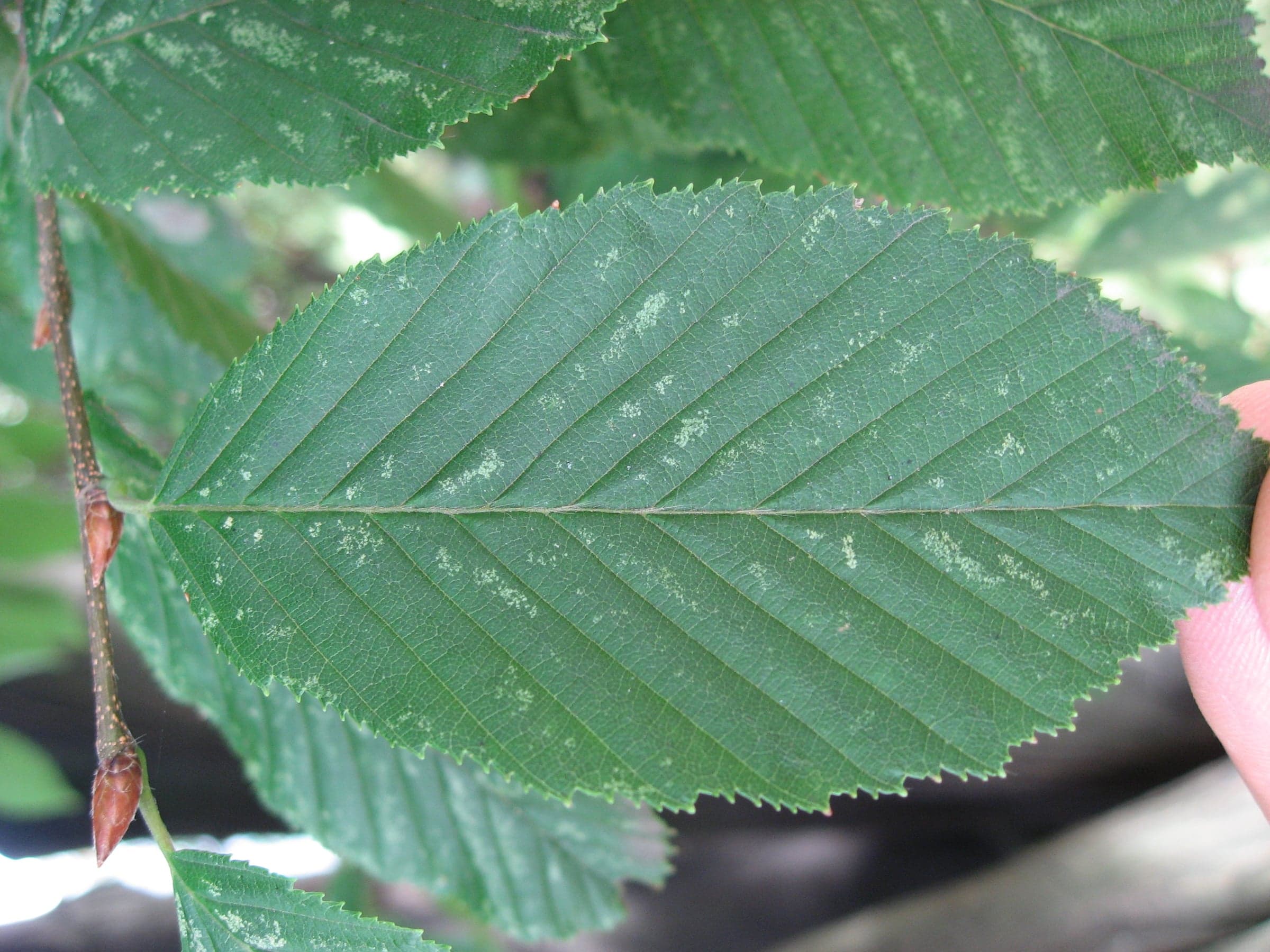
    Hornbeam: List
    List
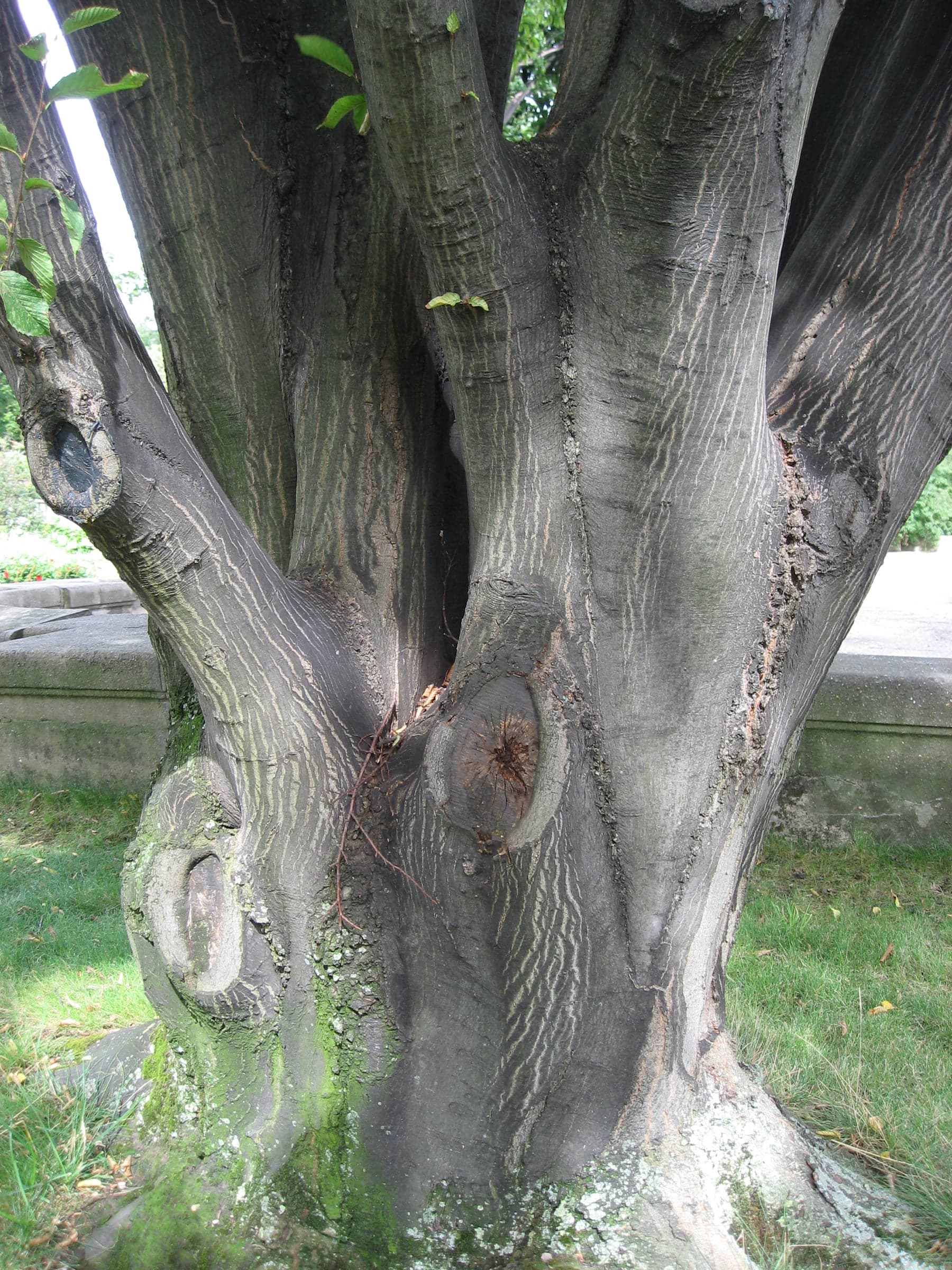
    Hornbeam: Kora
    Kora

    Hornbeam ties with beech for the highest volumetric shrinkage in this catalogue at 17.0 percent, and its tangential to radial differential of 11.0 against 5.5 percent is very wide.

    This is a wood that reacts strongly to humidity. A wide solid hornbeam top in a room with underfloor heating will not stay flat.

    That is entirely consistent with its traditional applications. Plane soles, mallet heads and gear teeth are small dense components where movement is restrained by geometry or simply does not matter at that scale. Nobody historically made wide hornbeam tabletops, and the reason was not fashion.

    If you are buying a hornbeam slab, buy it for a workbench top, a butchers block, or small components, and let it float rather than fixing it.

    At the bench#

    Hornbeam is hard work. The density blunts tooling quickly, the interlocked grain tears out, and hand tools make slow progress.

    The fine texture that gives such good wear resistance is exactly what resists cutting. Sharp carbide tooling, light cuts, and a scraper or high angle plane for the final surface are the practical approach.

    It turns very well and holds crisp detail, and it takes a burnished finish straight off the tool. It glues reliably. Pilot every fastening.

    The durability trap#

    Hornbeam is decay class 5, perishable, despite being one of the hardest woods here.

    This catches people out repeatedly, and it is the same trap ash sets. Hardness and decay resistance are unrelated: one is about cell wall structure, the other about extractive chemistry. Hornbeam has excellent structure and essentially no protective extractives.

    Untreated hornbeam outdoors will rot. For exterior work use robinia at decay class 1, oak at 2, or sweet chestnut at 2.

    Kitchen and workshop use#

    It is rated food safe and is the traditional European butchers block timber. The fine dense texture resists knife scarring and cleans well, which is the whole reason it was chosen for that job.

    In the workshop it makes excellent bench tops, vice jaws, mallet heads and plane soles. A hornbeam bench top takes decades of abuse.

    Where Hornbeam is the right answer#

    Butchers blocks, workbench tops, tool parts, mallets, plane soles, gear and machine components, and turned work where wear resistance matters.

    It is the wrong answer for wide decorative tops, for anything outdoors, and where your tooling or your patience is limited.

    Sourcing and EUDR#

    Not CITES listed and assessed as Least Concern. Common across central Europe and widely grown as hedging and coppice. Timber sized material is less common than the tree's abundance suggests because of the fluted trunk form, so wide clean slabs carry a premium relative to the species' status.

    Telling hornbeam from beech#

    These two get confused constantly. Both are pale, dense, fine textured European hardwoods sold for similar workshop uses, and a machined board of either looks much like the other.

    The reliable difference is in the rays. Beech has broad, conspicuous rays that show clearly on a quartersawn face as distinct flecks and on the end grain as obvious lines. Hornbeam has fine, inconspicuous rays and shows no comparable fleck.

    Weight is the second check. Hornbeam is denser at 735 kg per cubic metre against beech at 710, and noticeably harder at 7,260 N against 6,460 N. In the hand the difference is subtle; under a plane it is not.

    The third is the trunk. Hornbeam grows with pronounced longitudinal fluting, so the log is ridged rather than round. Beech logs are round and regular.

    What the fluting costs you#

    That fluted trunk form is the reason hornbeam is expensive relative to how common the tree is.

    Converting a fluted log to square edged boards throws away a great deal of material, and the deeper the fluting the worse the yield. Wide clean hornbeam boards are correspondingly scarce.

    For slab work, the fluting is sometimes an asset rather than a loss. A slab cut to follow the natural ridged outline keeps a wavy live edge that is characteristic of the species and impossible to fake.

    Is it suitable for a chopping block?

    +

    It is rated food safe and it is the traditional European butchers block timber, chosen for exactly that use because the fine dense texture resists knife scarring and cleans well. The movement caveat applies in a kitchen, so keep it oiled and away from standing water.

    Skupljanje duž godova. Tako se pomiču tangencijalno rezane daske i većina širokih dasaka.
    11.0–13.0 %
    Volumno skupljanjeUkupna promjena volumena od sirovog do potpuno suhog drva. Niža vrijednost znači veću stabilnost.17.0–19.0 %
    Prirodna trajnost (EN 350)Europska norma za prirodnu otpornost na propadanje, od 1 (vrlo trajno) do 5 (netrajno).Class 5 — Perishable

    Izvori

    • The Wood Database(pristupljeno 2026-05-09)
    • USDA FPL Wood Handbook FPL-GTR-190 (2010)(pristupljeno 2026-05-09)
    • Meier, E. — WOOD! Identifying and Using Hundreds of Woods Worldwide (2015)(pristupljeno 2026-05-09)

    Ukratko

    Razine rabe jednake raspone za sve vrste koje KORENA navodi pa se mogu izravno uspoređivati. Izmjerena vrijednost nalazi se ispod svake razine.
    TvrdoćaOtpornost na udubljenja i trošenjeVrlo tvrdo

    Tvrdoća po Janki 7.260 N

    46 % tvrđe od europskog hrasta

    MasaKoliko je daska teška za podizanjeVrlo teško

    735 kg/m³

    StabilnostKoliko se malo pomiče kroz godišnja dobaMnogo se pomiče

    18,0 % volumnog skupljanja

    ObradaPiljenje, blanjanje, brušenje, lijepljenjeUmjereno

    3,6 / 5 prosjek obrade

    Uporaba na otvorenomPrirodna otpornost na propadanje, EN 350Samo u zatvorenom

    EN 350 razred 5

    • Piljenje · DobroKoliko se čisto reže i koliko troši oštrice.1 = teško · 5 = izvrsno
    • Blanjanje · DobroKoliko glatku površinu ostavlja i koliko se vlakna čupaju.1 = teško · 5 = izvrsno
    • Brušenje · DobroKoliko se brzo može glatko izbrusiti bez začepljenja brusnog papira.1 = teško · 5 = izvrsno
    • Tokarenje · IzvrsnoKako se reže i obrađuje na tokarilici.1 = teško · 5 = izvrsno
    • Rezbarenje · DobroKoliko oštro zadržava detalje pod dlijetom.1 = teško · 5 = izvrsno
    • Lijepljenje · Vrlo dobroKoliko pouzdano drže lijepljeni spojevi.1 = teško · 5 = izvrsno
    • Držanje vijaka / čavala · Vrlo dobroKoliko dobro drži vijke i čavle bez pucanja.1 = teško · 5 = izvrsno
    • Savijanje parom · Vrlo dobroKoliko dobro prima krivulje nakon parenja.1 = teško · 5 = izvrsno

    Trenutačne prodajne cijene drva vrste Hornbeam diljem Europe, po kubičnom metru bez PDV-a. Dodirnite bilo koju cijenu za pojedinosti.

    • Najbolji trupci na dražbiOdabrani trupci visoke kvalitete prodani na dražbama ponudama, uglavnom proizvođačima furnira i namještaja. Od takvih se trupaca režu daske.Većina cijena kreće se između 92 € i 108 €.Na temelju 55 cijena iz 2 regije.Najnoviji podaci: 24. ruj 2026.
    • Standardni trupciVelike količine standardnog oblog drva koje prodaju vlasnici šuma i državne šumarije, uglavnom za graditeljstvo i industriju.Većina cijena kreće se između 30 € i 114 €.Na temelju 1.255 cijena iz 7 regija.Najnoviji podaci: 24. ruj 2026.

    Najbolji trupci na dražbi prema zemlji

    • Njemačka · 108 € / m³Regije: Bavaria25 cijenaNajnoviji podaci: 24. ruj 2026.
    • Austrija · 92 € / m³Regije: Austria30 cijenaNajnoviji podaci: 24. ruj 2026.

    Standardni trupci prema zemlji

    • Rumunjska · 82 € / m³Regije: Banat / Crișana, Moldavia (Romania), Transylvania i Wallachia1.225 cijenaNajnoviji podaci: 24. ruj 2026.
    • Francuska · 64 € / m³Regije: Grand Est / Alsace6 cijenaNajnoviji podaci: 15. ruj 2026.
    • Bugarska · 50 € / m³Regije: North-West Bulgaria i South-East Bulgaria24 cijeneNajnoviji podaci: 21. ruj 2026.

    Zašto daska stoji više od ovoga?

    Ovo su cijene sirovog drva. Daska je najbolji rez trupca, sušen godinu dana ili dulje, zatim provjeren i izmjeren komad po komad. Samo mali dio svakog trupca postane daska.

    Izvor: KORENA Timber Index · Najnoviji podaci: 24. ruj 2026.

    Pogledajte sve regionalne cijene
    Nije za nezaštićenu uporabu na otvorenom
    Prirodna trajnost odgovara razredu 5 od 5 prema EN 350. Držite je u zatvorenom ili pod održavanom završnom obradom.
  • Pomiče se više od većineŠiroke plohe trebaju pričvrsnice ili nosače s utorima te prostor za pomicanje. Upotrijebite izračun pomicanja u nastavku.
  • Prašina nadražujeUključite odsis i nosite masku tijekom brušenja ili strojne obrade.
  • Brzo tupi oštriceVrlo je tvrdo i gusto. Alat držite oštrim i za svaki vijak izbušite vodeću rupu.
  • Dodirnite oznaku za pojedinosti.