KORENA
DrvoFinished piecesMaterijalSkladištaČasopis

Primajte obavijesti

Svaka je masivna ploča jedinstvena. Kad se proda, više je nema. Šaljemo vam e-poruku kada se objave novi komadi: novi dolasci, nove vrste i daske koje odgovaraju opisu projekta.

Nekoliko poruka mjesečno. Bez neželjene pošte, odjavite se kada želite.

KORENA, vrhunsko tvrdo drvo

Komad po komad.

Provjereno vrhunsko tvrdo drvo, komad po komad. Svaka se daska fotografira, mjeri i šalje iz partnerskog skladišta s putovnicom drva.

Trgovina

  • Pregledaj proizvode
  • Arhiva prodanih dasaka
  • Prati narudžbu

Saznajte više

  • Časopis
  • Vodiči kroz vrste
  • Pojmovnik
  • Usporedba
  • Autori

Pomoć

  • O nama
  • Kako funkcionira
  • Postanite partnersko skladište
  • Pronađite dasku
  • Podrška
  • Predlošci dokumenata
  • Mediji

Kupnja

  • Uvjeti prodaje
  • Pravo na odustajanje
  • Povrati i jamstvo
  • Otprema i dostava

Povjerenje

  • Pravila privatnosti
  • Pravila o kolačićima
  • Podrijetlo drva i EUDR
  • Pristupačnost

Impresum

  • Pravna obavijest / Impresum
  • Prihvatljiva upotreba
  • Intelektualno vlasništvo i sadržaj

© 2026 KORENA. Sva prava pridržana.

Stranicom upravlja Martial Labs Ltd. (BG, EIK 207453941). KORENA je trgovački naziv društva Martial Labs Ltd.

Poštujemo vašu privatnost

Upotrebljavamo nužne kolačiće kako bi stranica radila. Uz vaše dopuštenje upotrebljavali bismo i kolačiće za analitiku, prilagođeni sadržaj i oglase. Svoj izbor možete bilo kada promijeniti na stranici postavki privole. Pročitajte naša pravila o kolačićima i pravila privatnosti.

  1. Početna
  2. /
  3. Vrste
  4. /
  5. Norway Spruce

Picea abies

Norway Spruce

The most abundant conifer in Europe and the lightest slab material KORENA lists. Pale, even, easy at the bench, and soft enough that you should choose it deliberately.

  • Uzgaja se i siječe u Europi.
  • Botanička skupina. Meko drvo potječe od četinjača, a tvrdo od listača.
  • Botanička porodica kojoj vrsta pripada.
Obavijestite me kada stigneReferentna vrsta. Trenutačno nema komada na zalihi.
  • Prikladnost za projekt
  • Na zalihi
  • Izgled
  • Obrada
  • Pomicanje
  • Cijena
  • Sigurnost i nabava
  • Pitanja
  • Tehnički podaci

Odgovara li vašem projektu?

Izvrsno za

  • Lightweight tabletops
  • Wall panelling
  • Shelving
  • Instrument soundboards
  • Interior joinery

Nema vrste Norway Spruce u trenutačnoj ponudi

Slične vrste na zalihi

Vrsta Norway Spruce trenutačno nije dostupna. Ove vrste odgovaraju istim projektima i imaju dostupne komade.
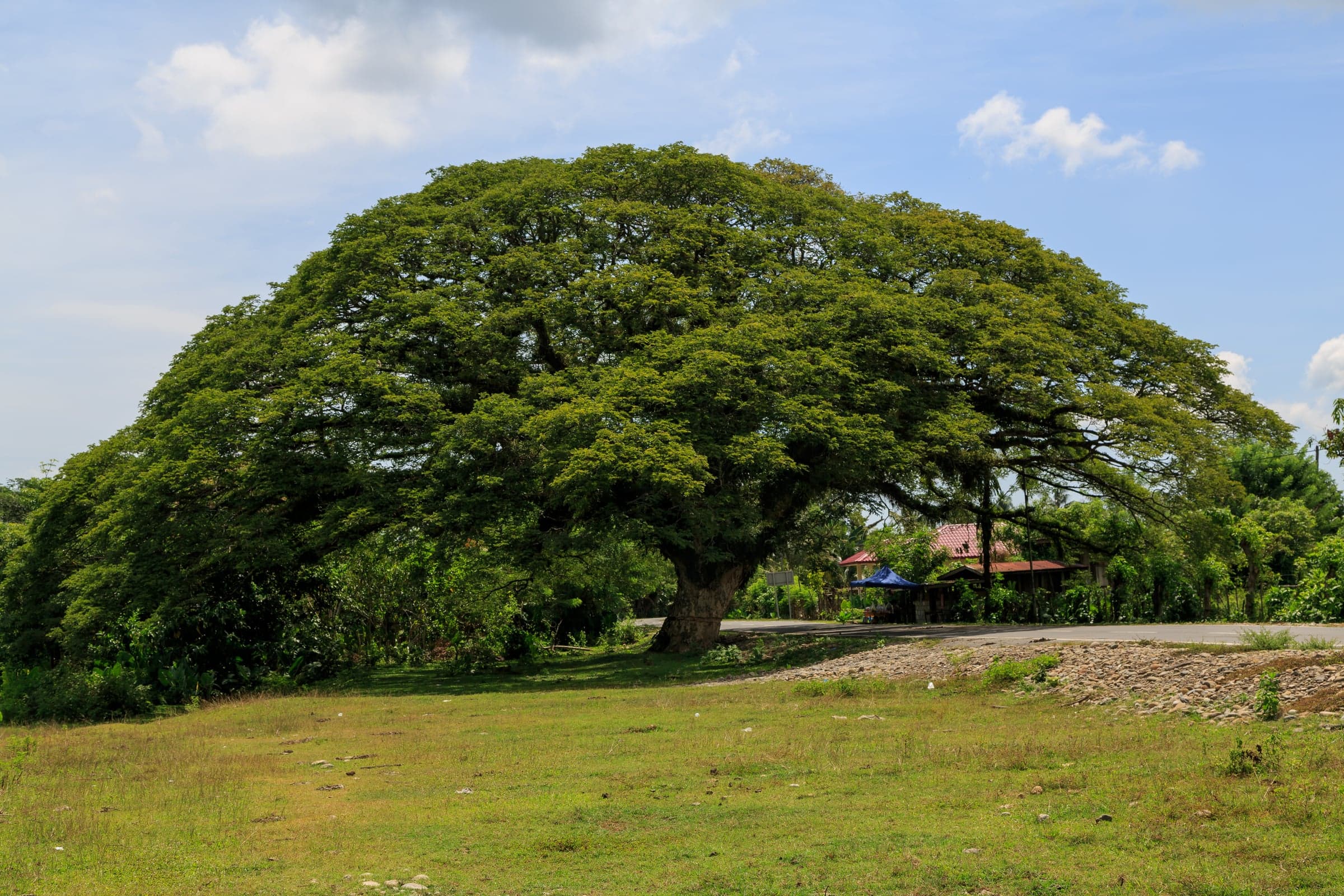
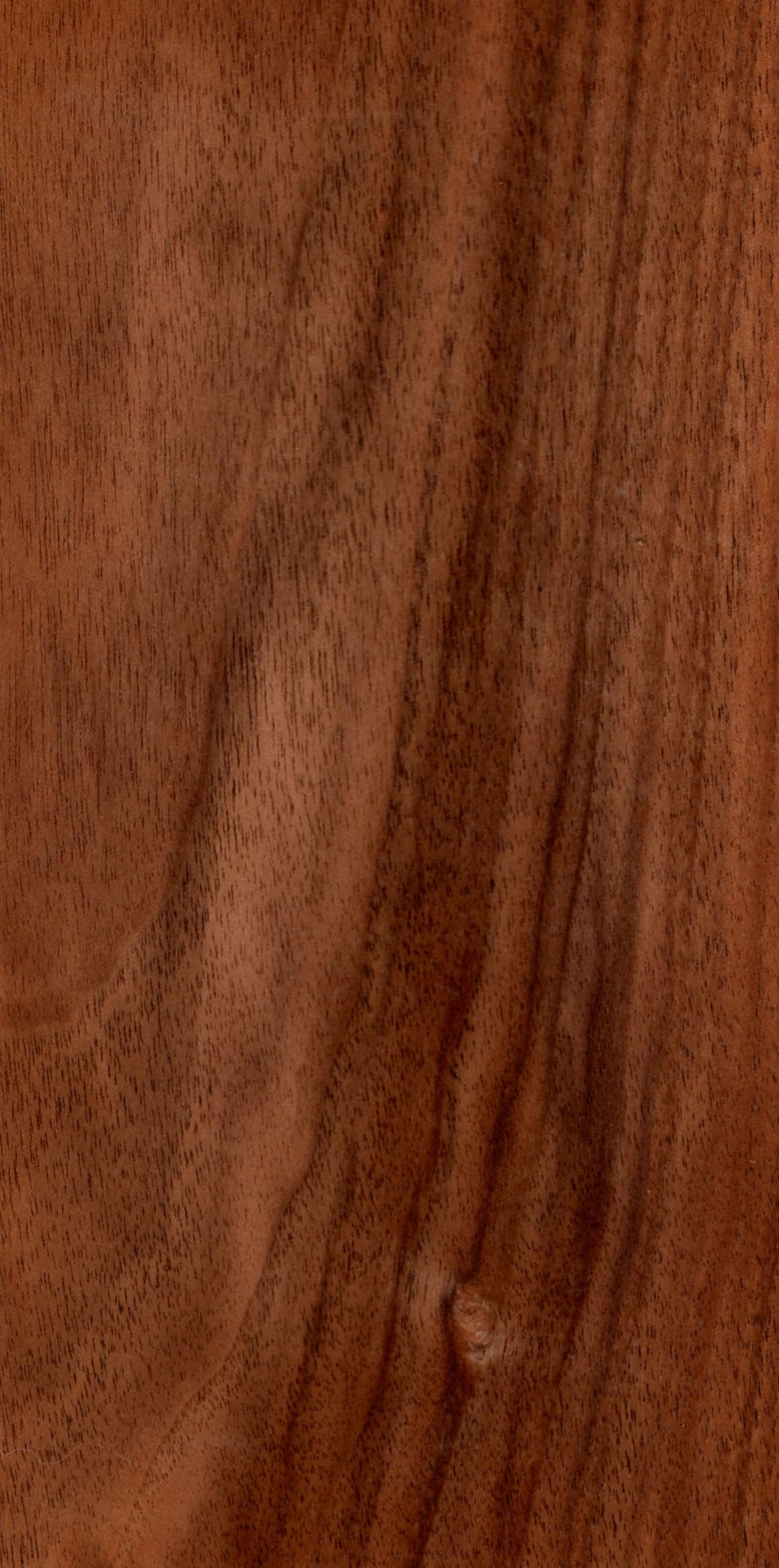
  • Tekstura vrste Saman

    Saman

    Samanea saman

    4 komada

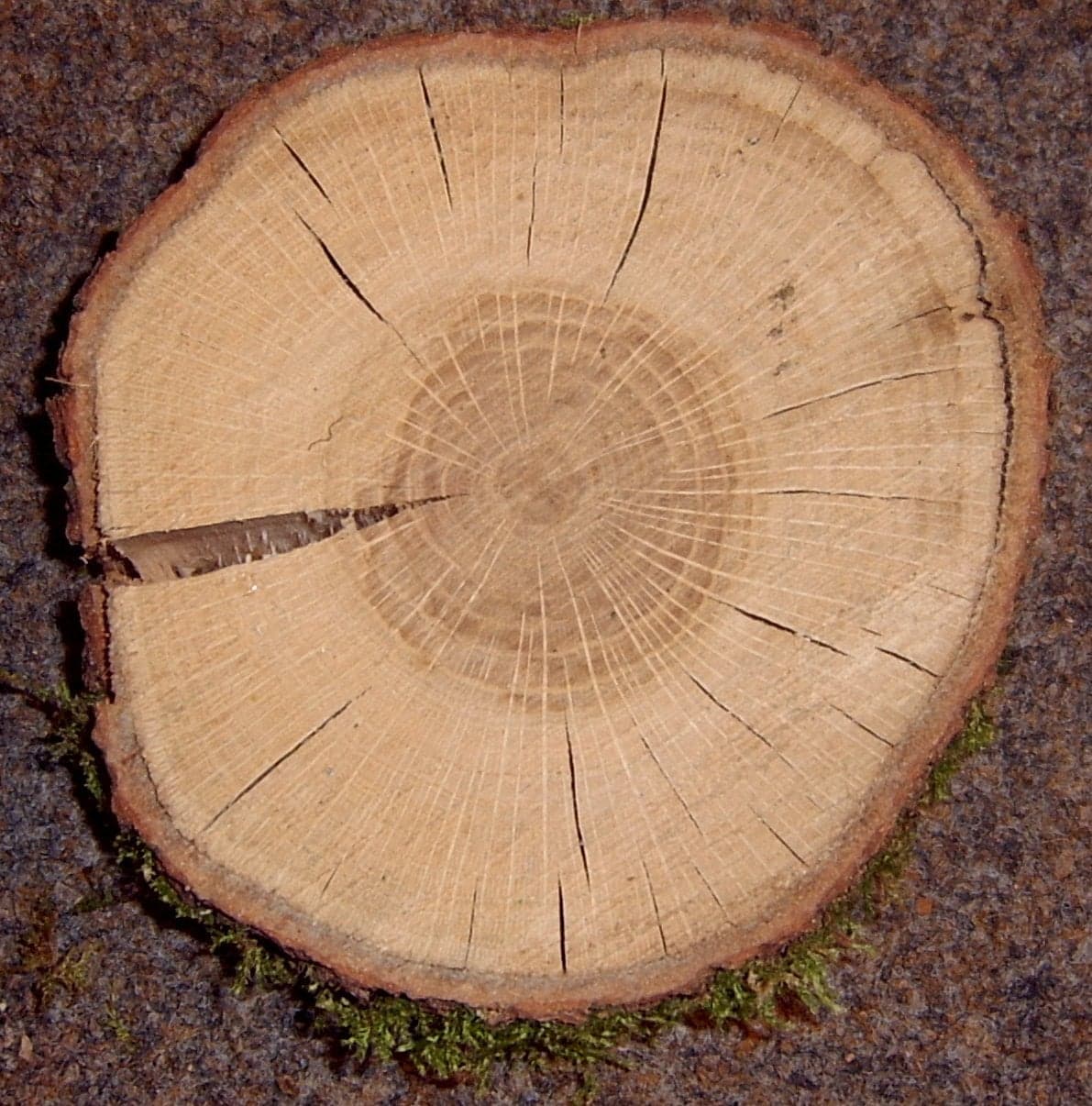
  • Tekstura vrste European Oak

    European Oak

    Quercus robur

    6 komada

  • Tekstura vrste European Walnut

    European Walnut

    Juglans regia

    9 komada

Primajte obavijesti o vrsti Norway Spruce

Poslat ćemo vam poruku e-pošte kada nove daske vrste Norway Spruce stignu u KORENA ponudu. Svaki je komad jedinstven pa je rana obavijest važna.

Nekoliko poruka mjesečno. Bez neželjene pošte, odjavite se kada želite.

Izgled drva

Kako izgleda

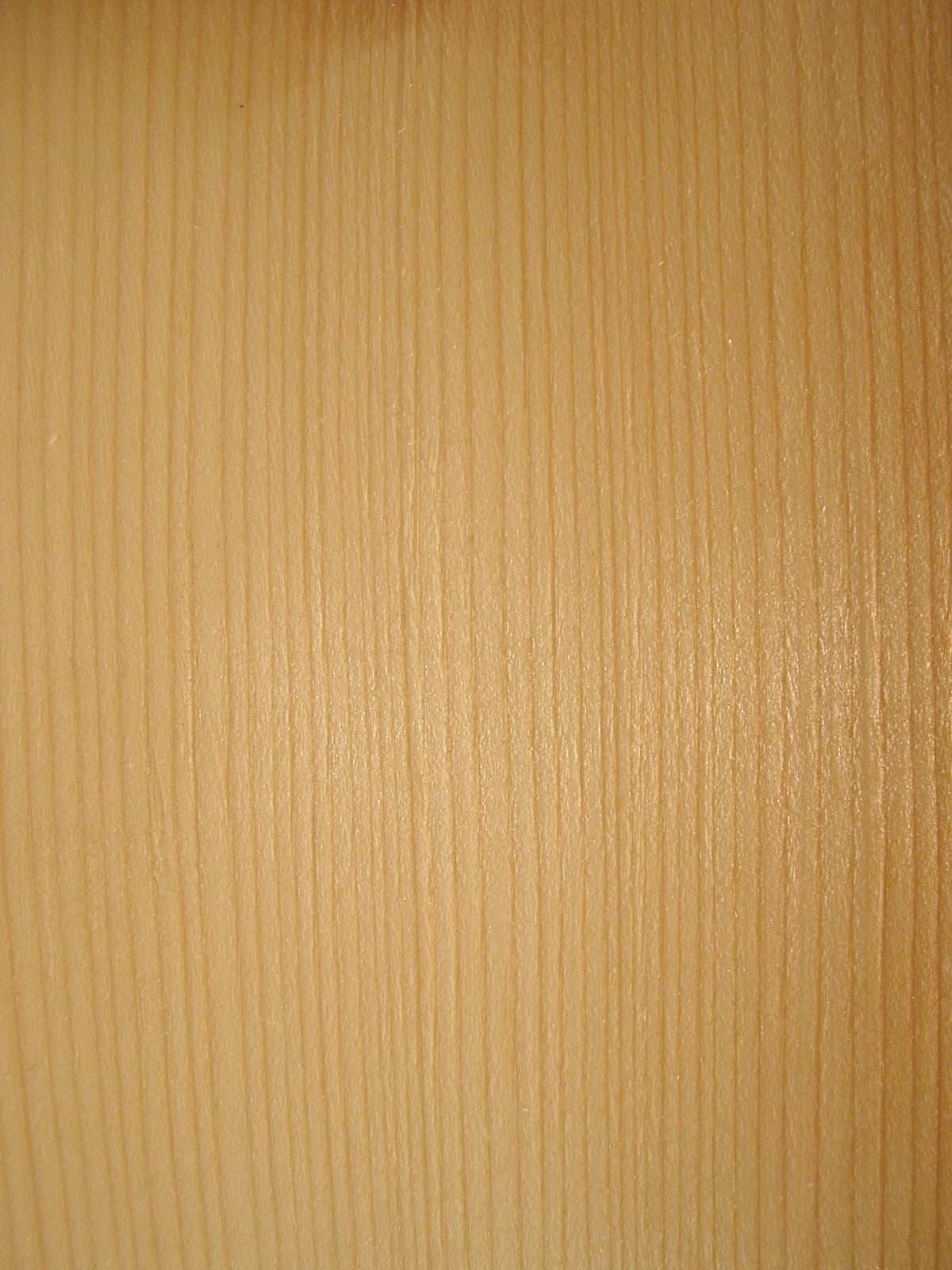
Pale cream to light yellow throughout, with almost no colour separation between heartwood and sapwood. The grain is straight and the texture fine and even. What makes a spruce slab worth looking at is rarely colour and almost always structure: tight annual rings, resin pockets that read as amber flecks, and the occasional cluster of small sound knots that a maker can either feature or cut around.

  • Cream to pale yellow, darkening slightly with age and UV
  • Little to no heartwood and sapwood contrast
  • Resin pockets show as translucent amber marks
  • Straight grain, even texture; resin canals.

Obrada

Obrada

Easy in every operation as long as you stay away from knots. Spruce is soft enough that sharp tools matter more than powerful ones: dull cutters crush the earlywood rather than slicing it, leaving a fuzzy surface that no amount of sanding fully recovers. Knots are hard, resinous and prone to tearing out, so plan cuts around them rather than through them. It glues reliably and takes screws well if you pilot near edges.

Završna obrada

The one genuine difficulty with spruce. Its uneven density between earlywood and latewood makes it absorb stain unevenly, so pigment stains blotch badly. Use a conditioner first, or skip stain entirely. Clear oils, hardwax oils and water-based lacquers all sit well and keep the pale colour. If you want warmth, a single coat of shellac before the topcoat evens absorption without muddying the grain.

Sušenje

Dries quickly and with relatively little degrade, which is one reason it dominates European construction timber. Slab stock still needs patience: at 50 mm and above, resin pockets can bleed if the kiln schedule runs hot, and case hardening shows up as cupping once you machine the first face. Air drying followed by a gentle kiln finish gives the cleanest result. Expect movement in service to be modest, since volumetric shrinkage is around 12.9 percent.

Koliko će se pomicati?

Drvo bubri i skuplja se po širini kako zrak postaje vlažniji i suši. Procijenite sezonsko pomicanje plohe od vrste Norway Spruce prije projektiranja pričvrsnica.

Rez
Gdje će se nalaziti

Očekivano sezonsko pomicanje

oko 9,4 mm

Plohu pričvrstite pričvrsnicama ili nosačima s utorima, a ne ljepilom ili čvrsto zategnutim vijcima.

Model linearnog skupljanja: širina × (skupljanje ÷ 28 % zasićenosti vlakana) × sezonska promjena vlažnosti. Za vrstu Norway Spruce rabi se 8,2 % tangencijalnog skupljanja. Ovo je procjena za planiranje, ne jamstvo.

Koliko košta

Sigurnost i nabava

  • Uzgaja se i siječe u Europi.
  • Status na Crvenom popisu IUCN-a: globalna procjena očuvanosti ove vrste.
  • Spruce dust has been reported to cause skin irritation and asthma-like respiratory effects, which puts it in the same bracket as most softwood dust. Extraction at the machine and a P2 mask during extended sanding are sensible. No specific toxicity beyond that is documented.

Pročitajte cijeli vodičDetaljne bilješke o šari, promjeni boje, obradi i stabilnosti.+

What Norway Spruce actually is#

Picea abies is the default European conifer. It covers more forest area than any other species on the continent and supplies most of the structural timber used in EU construction. That ubiquity works against it when people shop for slabs, because a wood you can buy as a stud is easy to dismiss as a wood you cannot build furniture from. The dismissal is half right. Spruce is genuinely soft, and a spruce tabletop will carry the record of everything set down on it. What the reputation misses is that spruce is also stiff for its weight, dimensionally reasonable once dried, and capable of a pale, quiet surface that no hardwood can imitate.

Reading a spruce slab#

Colour tells you very little. Spruce runs cream to pale yellow with effectively no heartwood boundary, so unlike walnut or oak you cannot judge a board by its tonal range. Structure is what matters.

Look first at ring spacing. Slow-grown Alpine spruce with rings a millimetre or two apart is denser, stiffer and considerably more stable than fast-grown lowland stock with rings five millimetres apart. The difference in service is real: the tight-ringed board stays flatter and dents less.

Look next at the knots. Spruce knots are hard, resinous, and much darker than the surrounding wood. Small sound knots are a design feature and hold fine. Large knots, and especially knot clusters near an edge, are weak points that will move independently of the board around them.

Pitanja kupaca

Pitanja kupaca

Is Norway Spruce hard enough for a dining table?

+

It sits at 1,680 N on the Janka scale, which is soft for a tabletop that will see daily use. It works if you accept dents as part of the character, or if the top is protected by a hardwax oil that is easy to refresh. For a surface that must stay unmarked, European oak at 4,980 N or ash are better matched.

Why does my spruce slab look blotchy after staining?

+

Spruce has a large density difference between the pale earlywood and the darker latewood, so pigment lodges unevenly. Apply a wood conditioner or a thin shellac washcoat before staining, or leave it unstained and use a clear oil. Testing on an offcut from the same slab is the only reliable check, because blotching varies board to board.

What are the amber marks in the surface?

+

Resin pockets, which are normal in spruce and not a defect in the structural sense. They can weep slightly if the slab is warmed by sunlight or underfloor heating. Sealing with shellac before the topcoat locks them down. On a measured KORENA slab any pocket large enough to matter is mapped in the defect outline.

Is spruce suitable for outdoor use?

Mehanička svojstva

Tehnički podaci

Objavljene referentne vrijednosti. Kada se izvori ne slažu, prikazuje se raspon, a uobičajena vrijednost rabi se za gornje ljestvice.

Gustoća (kg/m³)Masa po kubičnom metru pri približno 12 % vlažnosti. Teže drvo obično je tvrđe i čvršće.405 kg/m³
Tvrdoća prema Janki (N)Sila potrebna da se čelična kuglica utisne do polovice u drvo. Standardna mjera otpornosti na udubljenja.1,680 N
MOR: modul loma (MPa)Čvrstoća na savijanje: opterećenje pri kojem greda puca.63 MPa
MOE: modul elastičnosti (GPa)Krutost na savijanje: koliko se polica ili ploha progiba pod opterećenjem.9.7 GPa
Radijalno skupljanjeSkupljanje preko godova, od sirovog do potpuno suhog drva. Tako se pomiču radijalno rezane daske.3.9 %
Tangencijalno skupljanjeSkupljanje duž godova. Tako se pomiču tangencijalno rezane daske i većina širokih dasaka.8.2 %
Tekstura vrste Norway Spruce

Wikimedia Commons contributor, via Wikimedia Commons

Picea abies covers the largest natural range of any European conifer, running from the Alps and Carpathians north through Scandinavia and east into Russia. Slab-grade stock reaching KORENA is nearly always from managed Alpine or Carpathian forests where FSC or PEFC certification is standard, which keeps EUDR documentation straightforward.

  • Not listed in the CITES Appendices and assessed by the IUCN as Least Concern. Supply across the EU is abundant and well certified, though bark beetle damage in central Europe has pushed large volumes of salvage timber into the market in recent years. Salvage stock is legitimate and often excellent value, but it should be declared as such because staining from blue fungus is common in it.

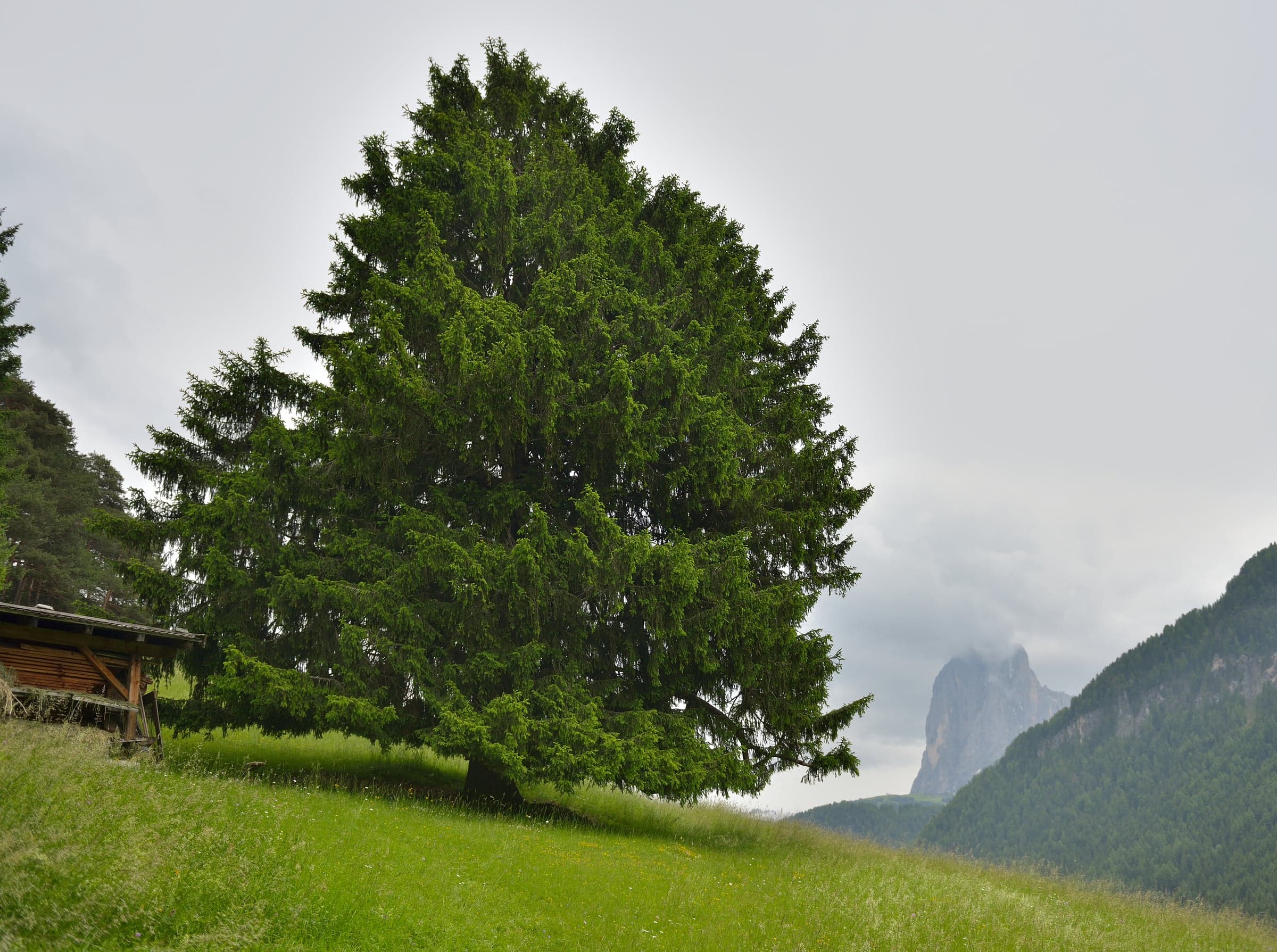
  • Stablo vrste Norway Spruce

    This Photo was taken by Wolfgang Moroder. Feel free to use my photos, but please mention me as the author a..., via Wikimedia Commons

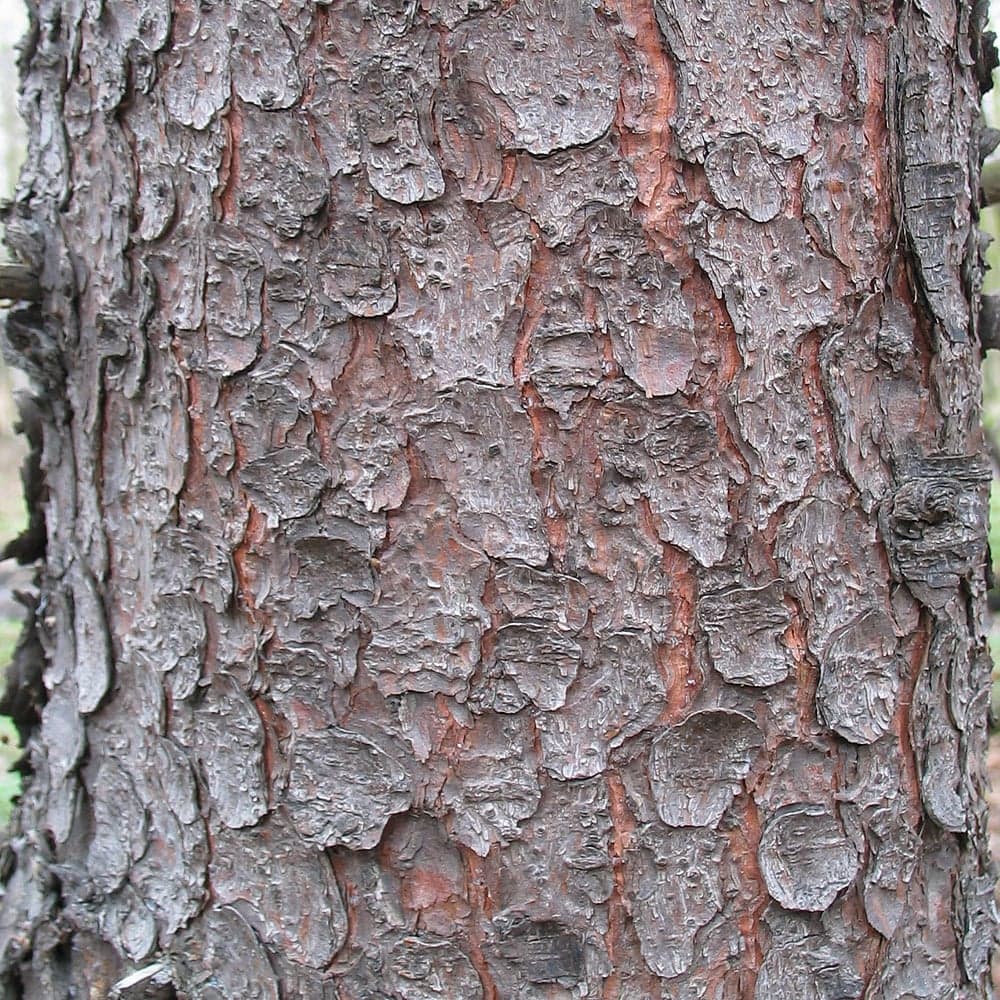
    Norway Spruce: Kora
    Kora

    Finally, look for resin pockets and blue stain. Pockets read as amber streaks and are harmless once sealed. Blue stain is a grey-blue discolouration caused by fungus, common in salvage timber from bark beetle damage, and it does not weaken the wood. It changes the look completely, which is either the point or a problem depending on the piece.

    At the bench#

    Spruce rewards sharp tools and punishes dull ones more than almost anything else KORENA lists. Because the earlywood is so much softer than the latewood, a blunt cutter compresses the soft bands instead of severing them. The surface that comes off looks acceptable until finish goes on, at which point the crushed fibres swell and the whole face turns fuzzy.

    Plane with a freshly honed iron and a tight mouth, take light cuts, and finish with a card scraper rather than aggressive sanding. If you must sand, stop at 180 grit. Going finer burnishes the latewood and makes the blotching problem worse.

    Glue-up is straightforward. Spruce takes PVA and polyurethane adhesives reliably, and its low density means clamping pressure should be moderate. Over-clamping starves the joint by crushing the fibres either side of it.

    Screws hold acceptably but not brilliantly. Pilot everything within 50 mm of an end grain edge, and prefer a coarse thread. For anything load bearing, through-bolts with washers distribute the load far better than screws into the face.

    Drying and movement#

    Spruce dries fast and relatively cleanly, which is exactly why it dominates commodity timber. Slabs behave differently from boards. At 50 mm and thicker, an aggressive kiln schedule drives moisture out of the surface much faster than the core can follow, and the result is case hardening: the slab looks flat until you machine one face, then cups as the internal stress releases.

    The safest route for slab stock is air drying under cover to roughly 20 percent, then a slow kiln finish to bring it to 8 to 10 percent for interior use. Ask the yard which schedule was used. On KORENA listings the drying method and measured moisture are recorded on the passport, so you are not guessing.

    In service, expect meaningful seasonal movement. Tangential shrinkage is around 8.2 percent against 3.9 percent radial, so a wide flatsawn top will want to cup toward the bark face as humidity drops. Quartersawn stock moves roughly half as much across its width and is worth seeking out for anything that must stay flat.

    Where spruce is the right answer#

    Spruce earns its place when weight matters, when the budget will not carry oak, or when the design wants a pale surface that stays pale. A three metre bench top in oak is a two person lift; in spruce one person can move it. Wall panelling in spruce reflects light in a way that darker species cannot. And for anything that will be painted, spending on a hardwood is money burnt.

    It is the wrong answer for a heavily used dining surface, for anything outdoors without treatment, and for a piece where a rich stained colour is the goal.

    Sourcing and EUDR#

    Supply is abundant and certification is the norm across Alpine and Carpathian sources, which makes the due diligence path short. One current wrinkle is worth knowing: bark beetle outbreaks across central Europe have pushed large volumes of salvage timber into the market. Salvage stock is entirely legitimate, often good value, and frequently carries blue stain. It should be declared rather than discovered, and any KORENA listing that is salvage says so.

    +

    Not without treatment. The heartwood is rated slightly resistant to non-resistant to decay, so untreated spruce outdoors will fail within a few seasons. European larch or Douglas fir are the better choices from this group when moisture exposure is part of the brief.

    How much will a spruce tabletop move through the year?

    +

    Volumetric shrinkage is around 12.9 percent with tangential movement roughly twice radial, so a wide flatsawn top will change noticeably between a humid summer and a heated winter. Allow the top to float on slotted fasteners rather than fixing it rigidly, and let the slab acclimatise in the room for two weeks before final flattening.

    Volumno skupljanjeUkupna promjena volumena od sirovog do potpuno suhog drva. Niža vrijednost znači veću stabilnost.12.9 %
    Prirodna trajnost (EN 350)Europska norma za prirodnu otpornost na propadanje, od 1 (vrlo trajno) do 5 (netrajno).Class 4 — Slightly durable

    Izvori

    • The Wood Database — Norway Spruce (Picea abies)(pristupljeno 2026-08-12)
    • USDA FPL Wood Handbook FPL-GTR-190 (2010)(pristupljeno 2026-08-12)
    • Meier, E. — WOOD! Identifying and Using Hundreds of Woods Worldwide (2015)(pristupljeno 2026-08-12)

    Obratite pozornost

    • Nije za nezaštićenu uporabu na otvorenomPrirodna trajnost odgovara razredu 4 od 5 prema EN 350. Držite je u zatvorenom ili pod održavanom završnom obradom.
    • Prašina nadražujeUključite odsis i nosite masku tijekom brušenja ili strojne obrade.

    Dodirnite oznaku za pojedinosti.

    Ukratko

    Razine rabe jednake raspone za sve vrste koje KORENA navodi pa se mogu izravno uspoređivati. Izmjerena vrijednost nalazi se ispod svake razine.
    TvrdoćaOtpornost na udubljenja i trošenjeMeko

    Tvrdoća po Janki 1.680 N

    66 % mekše od europskog hrasta

    MasaKoliko je daska teška za podizanjeVrlo lagano

    405 kg/m³

    StabilnostKoliko se malo pomiče kroz godišnja dobaProsječno

    12,9 % volumnog skupljanja

    ObradaPiljenje, blanjanje, brušenje, lijepljenjeUmjereno

    3,7 / 5 prosjek obrade

    Uporaba na otvorenomPrirodna otpornost na propadanje, EN 350Samo u zatvorenom

    EN 350 razred 4

    • Piljenje · Vrlo dobroKoliko se čisto reže i koliko troši oštrice.1 = teško · 5 = izvrsno
    • Blanjanje · Vrlo dobroKoliko glatku površinu ostavlja i koliko se vlakna čupaju.1 = teško · 5 = izvrsno
    • Brušenje · Vrlo dobroKoliko se brzo može glatko izbrusiti bez začepljenja brusnog papira.1 = teško · 5 = izvrsno
    • Tokarenje · DobroKako se reže i obrađuje na tokarilici.1 = teško · 5 = izvrsno
    • Rezbarenje · DobroKoliko oštro zadržava detalje pod dlijetom.1 = teško · 5 = izvrsno
    • Lijepljenje · Vrlo dobroKoliko pouzdano drže lijepljeni spojevi.1 = teško · 5 = izvrsno
    • Držanje vijaka / čavala · Vrlo dobroKoliko dobro drži vijke i čavle bez pucanja.1 = teško · 5 = izvrsno
    • Savijanje parom · DobroKoliko dobro prima krivulje nakon parenja.1 = teško · 5 = izvrsno

    Trenutačne prodajne cijene drva vrste Norway Spruce diljem Europe, po kubičnom metru bez PDV-a. Dodirnite bilo koju cijenu za pojedinosti.

    • Najbolji trupci na dražbiOdabrani trupci visoke kvalitete prodani na dražbama ponudama, uglavnom proizvođačima furnira i namještaja. Od takvih se trupaca režu daske.Većina cijena kreće se između 172 € i 313 €.Na temelju 50 cijena iz 1 regije.Najnoviji podaci: 24. ruj 2026.
    • Standardni trupciVelike količine standardnog oblog drva koje prodaju vlasnici šuma i državne šumarije, uglavnom za graditeljstvo i industriju.Većina cijena kreće se između 22 € i 175 €.Na temelju 9.577 cijena iz 12 regija.Najnoviji podaci: 24. ruj 2026.

    Standardni trupci prema zemlji

    • Francuska · 120 € / m³Regije: Bourgogne-Franche-Comté i Grand Est / Alsace12 cijenaNajnoviji podaci: 15. ruj 2026.
    • Švedska · 90 € / m³Regije: Sweden Central25 cijenaNajnoviji podaci: 30. lip 2026.
    • Rumunjska · 79 € / m³Regije: Banat / Crișana, Dobrogea, Moldavia (Romania), Transylvania i Wallachia9.302 cijeneNajnoviji podaci: 24. ruj 2026.

    Zašto daska stoji više od ovoga?

    Ovo su cijene sirovog drva. Daska je najbolji rez trupca, sušen godinu dana ili dulje, zatim provjeren i izmjeren komad po komad. Samo mali dio svakog trupca postane daska.

    Izvor: KORENA Timber Index · Najnoviji podaci: 24. ruj 2026.

    Pogledajte sve regionalne cijene
    Italija75 €
    Italija · 75 € / m³
    Regije: Trentino-Alto Adige i Veneto
    232 cijene
    Najnoviji podaci: 10. ruj 2026.
  • Finska · 59 € / m³Regije: Southern Finland (Etelä-Suomi)3 cijeneNajnoviji podaci: 21. ruj 2026.
  • Norveška · 54 € / m³Regije: Norway (national)3 cijeneNajnoviji podaci: 21. ruj 2026.