KORENA
LegnoFinished piecesMaterialiDepositiDiario

Ricevi un avviso

Ogni tavola è unica. Quando viene venduta, non torna. Ti inviamo un’email quando pubblichiamo nuovi pezzi, specie e tavole adatte a un progetto.

Poche email al mese. Niente spam, puoi annullare in qualsiasi momento.

KORENA, legno duro di pregio

Un pezzo alla volta.

Legno duro di pregio verificato, venduto pezzo per pezzo. Ogni tavola viene fotografata, misurata e spedita dal deposito partner con un passaporto del legno.

Negozio

  • Sfoglia i prodotti
  • Archivio delle vendute
  • Traccia l’ordine

Scopri

  • Diario
  • Guide alle specie
  • Glossario
  • Confronta
  • Autori

Aiuto

  • Chi siamo
  • Come funziona
  • Diventa deposito partner
  • Trova una tavola
  • Assistenza
  • Modelli di documenti
  • Stampa

Acquisto

  • Condizioni di vendita
  • Diritto di recesso
  • Resi e garanzia
  • Spedizione e consegna

Fiducia

  • Informativa sulla privacy
  • Informativa sui cookie
  • Provenienza del legno ed EUDR
  • Accessibilità

Note legali

  • Note legali / Imprint
  • Uso accettabile
  • Proprietà intellettuale e contenuti

© 2026 KORENA. Tutti i diritti riservati.

Gestito da Martial Labs Ltd. (BG, EIK 207453941). KORENA è un nome commerciale di Martial Labs Ltd.

Rispettiamo la tua privacy

Usiamo cookie essenziali per il funzionamento del sito. Con il tuo consenso useremo anche cookie per analisi, contenuti personalizzati e pubblicità. Puoi cambiare idea in qualsiasi momento nella pagina delle preferenze di consenso. Consulta l’informativa sui cookie e l’informativa sulla privacy.

  1. Pagina iniziale
  2. /
  3. Specie
  4. /
  5. Black Cherry

Prunus serotina

Black Cherry

The cabinet-maker's favourite. Easy to machine, ages beautifully into a deep reddish-brown.

  • Coltivato fuori dall’Europa e importato tramite depositi europei.
  • Gruppo botanico. Le conifere hanno foglie aghiformi, le latifoglie hanno foglie larghe.
  • La famiglia botanica a cui appartiene la specie.
Avvisami quando arrivaSpecie di riferimento. Al momento non ci sono pezzi disponibili.
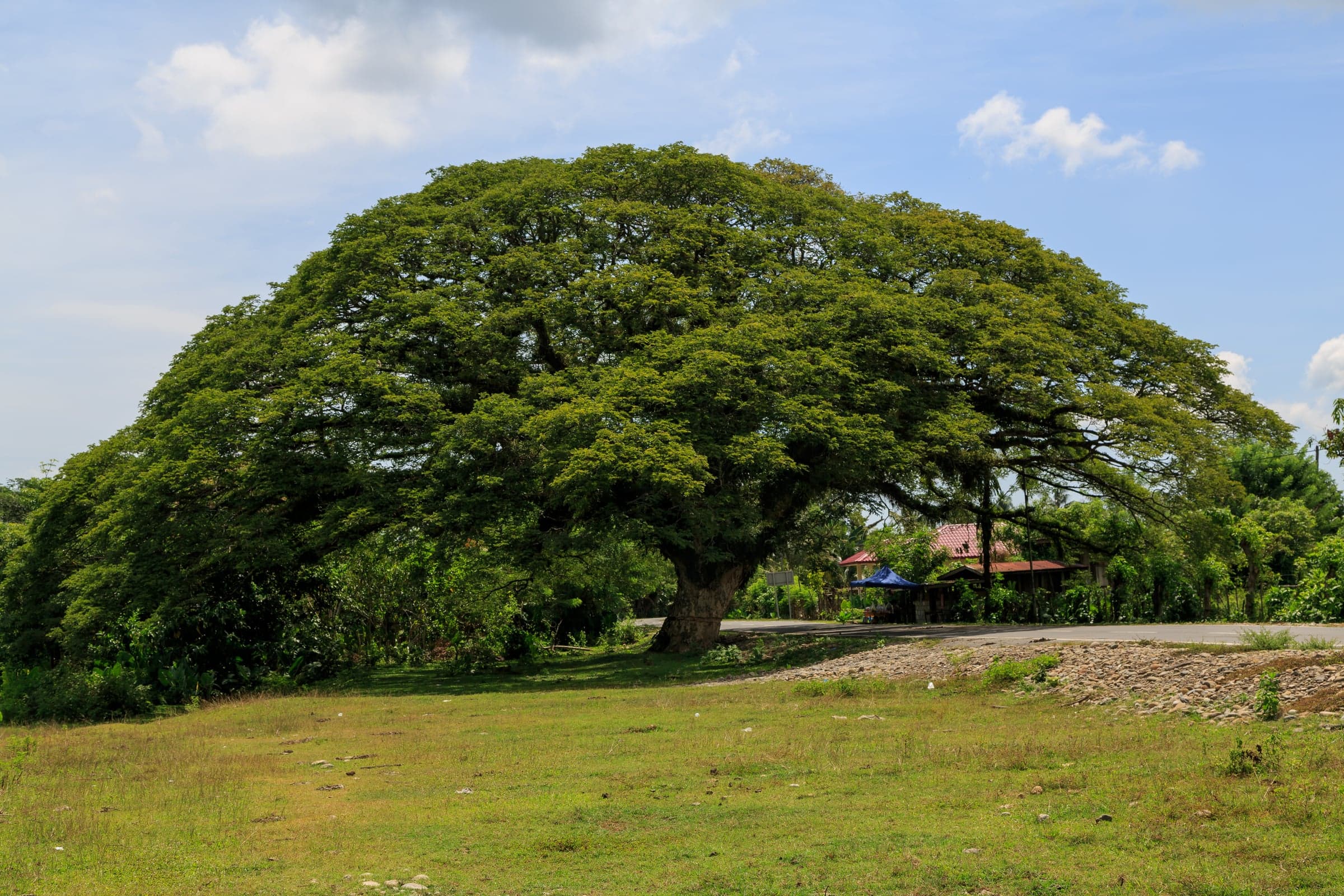
Albero di Black Cherry
  • Adatto al progetto
  • Disponibilità
  • Aspetto
  • Lavorazione
  • Movimento
  • Prezzo
  • Sicurezza e provenienza
  • Domande
  • Dati tecnici

È adatto al tuo progetto?

Ideale per

  • Kitchen and dining tables
  • Cabinet doors and fronts
  • Chairs and benches
  • Wall panelling and built-ins
  • Turned bowls and small objects
  • Interior joinery

Nessun pezzo di Black Cherry nel lancio attuale

Specie simili disponibili

Al momento non è disponibile Black Cherry. Queste specie sono adatte agli stessi progetti e hanno pezzi disponibili.

  • Venatura di European Walnut

    European Walnut

    Juglans regia

    9 pezzi

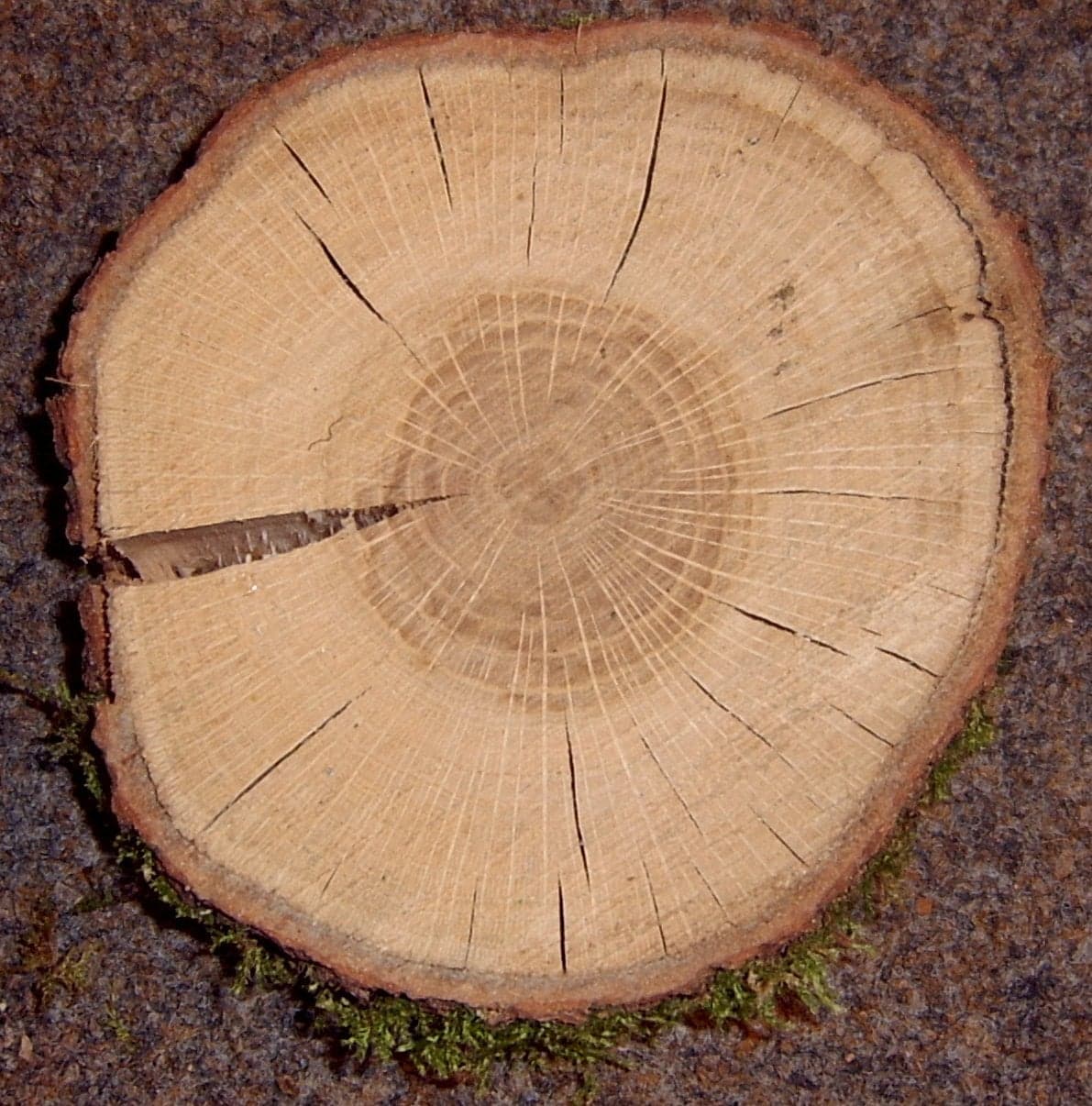
  • Venatura di European Oak

    European Oak

    Quercus robur

    6 pezzi

  • Venatura di Saman

    Saman

    Samanea saman

    4 pezzi

Ricevi avvisi per Black Cherry

Ti inviamo un’email quando arrivano nuove tavole di Black Cherry su KORENA. Ogni pezzo è unico, quindi conviene saperlo in anticipo.

Poche email al mese. Niente spam, puoi annullare in qualsiasi momento.

Aspetto del legno

Che aspetto ha

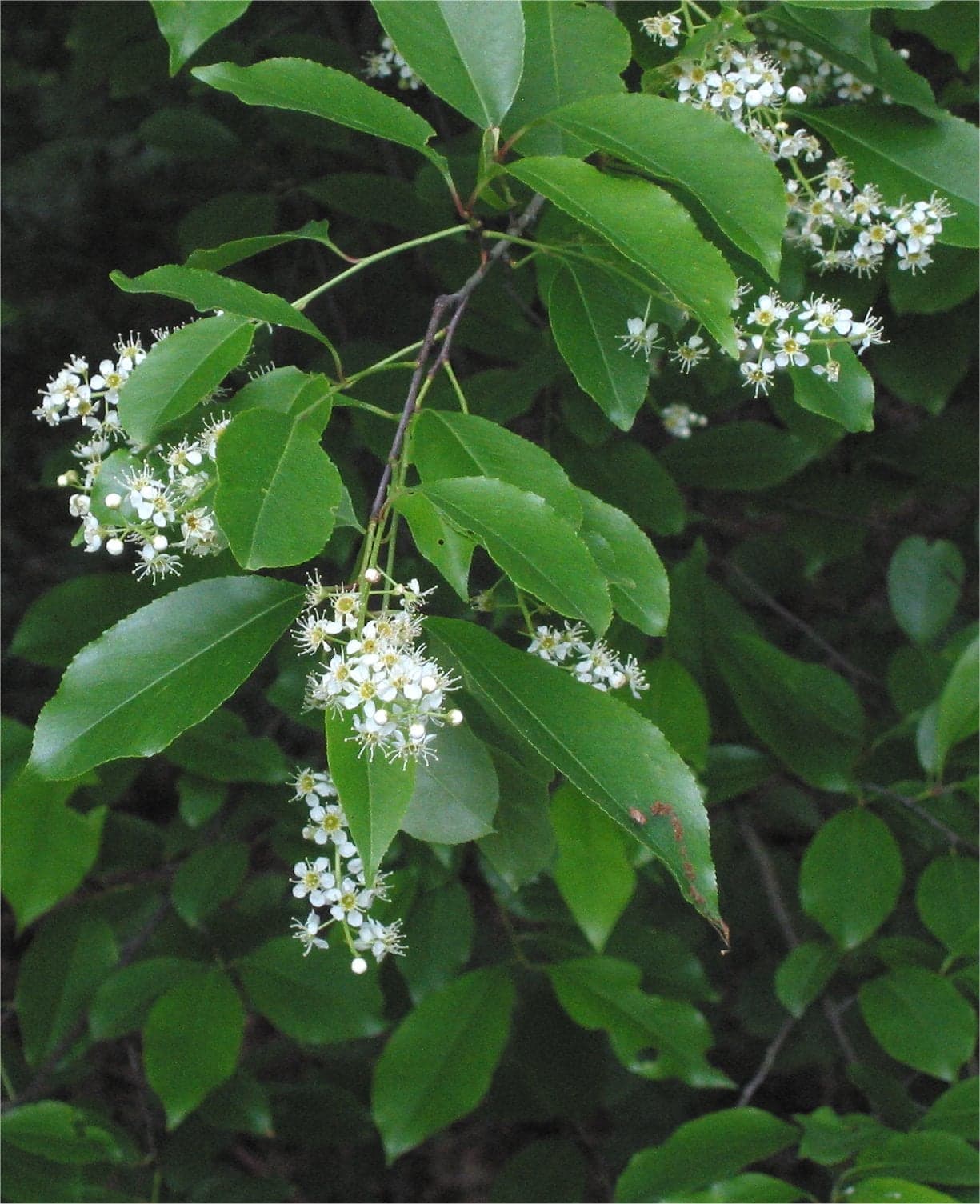
Fine, mostly straight grain with a smooth, even texture. Plain-sawn boards show a soft, flowing figure; quarter-sawn faces are calmer. Small gum pockets and pin knots are common and accepted as part of the look. Fresh-cut wood is pinkish-tan and lighter than buyers expect.

  • Fresh-cut: pinkish-tan to pale salmon, lighter than most buyers expect
  • After a few weeks of light: shifts to warm amber
  • After 6–12 months: deep reddish-brown, the classic cherry tone
  • Sapwood stays pale cream and does not darken at the same rate
  • Light exposure is uneven, anything covered (rugs, books, lamps) leaves a lighter ghost on the surface for months
  • Fine straight grain, smooth texture; warms with age.

Lavorazione

Come si lavora

One of the most forgiving hardwoods to machine. Saws, planes and sands beautifully with sharp tooling. Turns and carves well. Glues and screws without drama, though it's softer than European cherry so pre-drill near edges. Steam-bending is workable but not a strength.

Finitura

Sands to a glassy surface with little effort. Takes oils, hard-wax oils, shellac and waterborne finishes cleanly. Stains can blotch on flat-sawn faces. Use a washcoat or gel stain if you're matching a tone. Most makers skip stain entirely and let the wood do the work, because it darkens on its own.

Essiccazione

Dries at a moderate rate with a mild tendency to warp and surface-check if pushed. Tangential shrinkage (6.5–8.0%) is roughly twice radial, so flat-sawn wide stock moves more than quarter-sawn. Sticker carefully and let kiln-dried slabs acclimatise in the workshop before flattening.

Quanto si muoverà?

Il legno si gonfia e si ritira in larghezza al variare dell’umidità dell’aria. Stima il movimento stagionale di un piano in Black Cherry prima di progettare i fissaggi.

Taglio
Ambiente di destinazione

Movimento stagionale previsto

circa 8,3 mm

Fissa il piano con nottolini o staffe asolate, non con colla o viti serrate.

Modello di ritiro lineare: larghezza × (ritiro ÷ 28 % di saturazione delle fibre) × variazione stagionale dell’umidità. Usa un ritiro tangenziale del 7,25 % per Black Cherry. È una stima di progetto, non una garanzia.

Quanto costa

Sicurezza e provenienza

  • Coltivato fuori dall’Europa e importato tramite depositi europei.
  • Stato nella Lista rossa IUCN: la valutazione globale dello stato di conservazione di questa specie.
  • Food-contact safe once finished, which is why it's a long-standing choice for kitchen and dining work. Cherry dust is a known irritant and some woodworkers develop sensitisation over time. Run extraction and wear a mask when sanding.

Leggi la guida completaNote approfondite su marezzatura, variazione del colore, lavorazione e stabilità.+

What Black Cherry actually is#

Prunus serotina is the American counterpart to European cherry, and it is the more practical of the two for large work.

Both species darken dramatically, both have the same satiny fine grain, and both are excellent to work. The difference is supply. Black cherry is grown as a forestry species across eastern North America, so it arrives in larger, straighter, more consistent sizes. European cherry is often salvaged from orchards and gardens, and matched wide boards are correspondingly harder to find.

If a project needs several wide boards that look like each other, black cherry is the easier answer.

The darkening#

This is the defining property of both cherries and it needs planning for.

Fresh black cherry is pale pinkish tan. Within six months of light exposure it has moved most of the way to a rich reddish brown, and it continues deepening more slowly for years.

Three consequences follow. Do not choose stock on its current colour, because it is a stage rather than a result. Do not leave objects sitting on a new cherry surface, because uneven exposure prints permanently lighter patches that take months to even out. And do not expect a UV inhibiting finish to hold the pale fresh colour, because it slows the change without preventing it.

The stability advantage

Domande degli acquirenti

Domande degli acquirenti

Does Black Cherry darken like European Cherry?

+

Yes, dramatically and in the same way. Fresh stock is pale pinkish tan and deepens to a rich reddish brown within a year of light exposure, with most of the change in the first six months. Uneven light exposure leaves permanent lighter patches under anything left in place, so let a new piece darken evenly before placing objects on it.

How does it compare with European Cherry?

+

Softer at 4,226 N against 5,120 N and slightly less dense at 560 against 600 kg per cubic metre. The main practical difference is supply: black cherry is grown as a forestry species in eastern North America and comes in larger, straighter, more consistent sizes, so matched wide boards are much easier to source than in European cherry.

Why does it burn so easily?

+

Cherry scorches readily under routers and dull blades, and the marks are dark and obvious on pale wood. Its fine close grain and moderate density concentrate heat at the cutting edge. Sharp tooling, correct feed rates and light final passes prevent it. Burns must be cut or scraped out rather than sanded, which usually just polishes them in.

Is it stable enough for a wide tabletop?

Proprietà meccaniche

Dati tecnici

Valori di riferimento pubblicati. Quando le fonti non concordano, viene mostrato l’intervallo e il valore tipico è usato per le scale sopra.

Densità (kg/m³)Massa per metro cubo con circa il 12 % di umidità. In genere, un legno più pesante è anche più duro e resistente.500–620 kg/m³valore tipico 560 kg/m³
Durezza Janka (N)Forza necessaria per spingere una sfera d’acciaio fino a metà nel legno. È la misura standard della resistenza alle ammaccature.3,800–4,500 Nvalore tipico 4226 N
MOR: modulo di rottura (MPa)Resistenza alla flessione: il carico al quale una trave si rompe.80–95 MPa
MOE: modulo elastico (GPa)Rigidità alla flessione: quanto si incurva una mensola o un piano sotto carico.9.5–11.0 GPa
Ritiro radialeRitiro trasversale agli anelli di crescita, dal legno verde a quello anidro. È il movimento delle tavole a taglio radiale.3.5–4.5 %

Wikimedia Commons contributor, via Wikimedia Commons

Native to eastern North America, not Europe. Imported in volume into EU furniture-grade channels for decades, where it sits alongside European cherry as a familiar, well-stocked hardwood.

  • IUCN Least Concern, no CITES listing. Supply from US hardwood forests is well-established and FSC-certified stock is widely available. As a North American import it carries shipping miles a European species doesn't, worth weighing if low-carbon sourcing matters to your client.

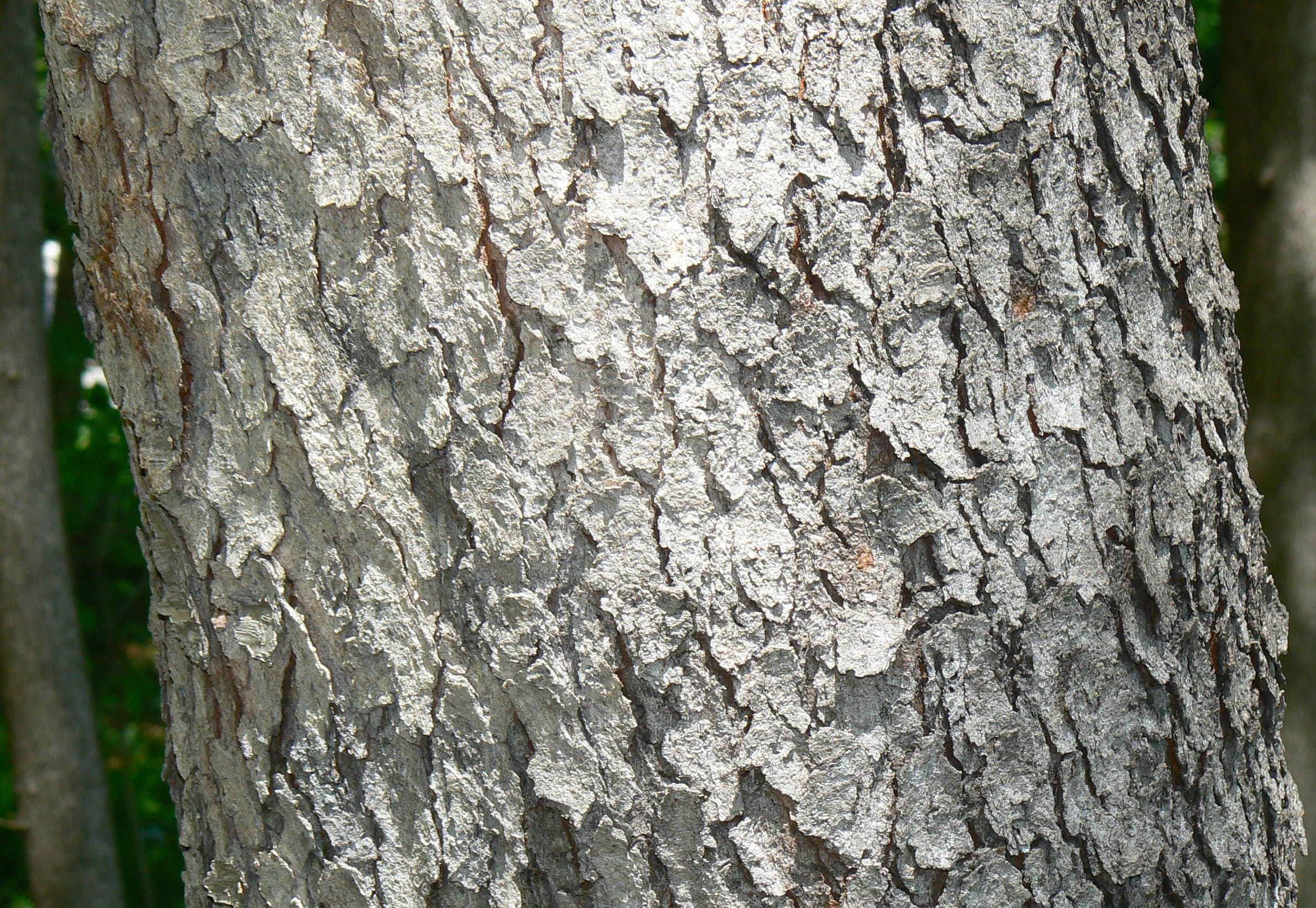
  • Black Cherry: Corteccia
    Corteccia
    #

    Black cherry is one of the better behaved woods in this catalogue dimensionally.

    Volumetric shrinkage of 11.0 percent is low, and more importantly the tangential to radial differential of 6.5 against 3.5 percent is narrow. Cupping in a flatsawn board is driven by that differential, so a wide flatsawn cherry top stays flatter than the equivalent in oak, ash, beech or maple.

    Combine that with the species' availability in wide boards and it becomes a strong candidate for a large solid tabletop, which is exactly what many buyers want a slab for.

    At the bench#

    Cherry is a pleasure to work. At 4,226 N it is moderately soft, easy on tooling, and it machines cleanly, turns and carves well, glues reliably and sands to an excellent surface.

    The one real difficulty is burning. Cherry scorches under routers and dull blades more readily than most species, and on pale wood the marks are dark and obvious.

    Worse, burns cannot be sanded out easily. Sanding tends to polish the scorched fibres rather than remove them. The mark has to be cut or scraped away, which on a finished surface means removing more material than you wanted to.

    Sharp tooling, correct feed rates, and light final passes are the prevention, and they are worth the discipline.

    Finishing#

    Black cherry blotches under pigment stain exactly as European cherry does. Use a dye, a gel stain, or a washcoat first, and test on an offcut.

    The better approach in most cases is no stain at all. The wood will reach a rich reddish brown on its own, and staining to accelerate that usually produces a muddier and less luminous colour than waiting would.

    Gum pockets occur, though less frequently than in European cherry. They are characteristic rather than defective.

    Where Black Cherry is the right answer#

    Wide solid tabletops, fine furniture, cabinetry, turned work, and interior joinery. It is among the best combinations in this catalogue of good looks, easy working, wide availability and genuine dimensional stability.

    It is the wrong answer where a pale colour must be maintained, and wrong outdoors beyond protected joinery.

    Sourcing and EUDR#

    Not CITES listed and assessed as Least Concern. Native to eastern North America, so European buyers are usually importing, with the longer documentation chain and higher transport carbon that implies. Where a European alternative is acceptable, Prunus avium covers the same appearance with a shorter chain, at the cost of harder-to-match sizes.

    Gum pockets and pith flecks#

    Two features turn up in almost every cherry board and neither is a fault.

    Gum pockets are small resin filled cavities, usually a few millimetres long, appearing as dark flecks or short streaks. They are characteristic of Prunus species. Small ones are simply part of the surface; larger ones can be filled with epoxy or a matching filler if they will catch on a work surface.

    Pith flecks are short irregular streaks caused by insect larvae tunnelling in the growing tree, later grown over. They read as fine darker lines and are purely cosmetic.

    Both are more common in orchard grown material than in forest grown, and both are among the reasons cherry is graded on appearance rather than strength.

    Matching cherry across a project#

    Because cherry darkens so fast and so far, matching boards is a moving target.

    Two boards that look different when freshly machined often converge as they darken, because the darkening tends to compress the range. Two boards that match on the bench may diverge if one is a different age or was stored in light.

    The practical approach for a multi board top is to lay the boards out, leave them exposed to daylight together for a week, and then decide the arrangement. A week of exposure reveals more about how they will look together than any amount of inspection on day one.

    +

    Yes, unusually so. Volumetric shrinkage of 11.0 percent is among the lower figures in this catalogue and the tangential to radial differential of 6.5 against 3.5 percent is narrow. Combined with its availability in wide boards, that makes black cherry one of the better choices here for a large solid top.

    Can it be used outdoors?

    +

    Not for exposure. At decay class 3 it is moderately durable, which suits protected exterior joinery under a maintained finish but not weather or ground contact.

    Ritiro tangenzialeRitiro lungo gli anelli di crescita. È il movimento delle tavole a taglio tangenziale e della maggior parte delle tavole KORENA.
    6.5–8.0 %
    Ritiro volumetricoVariazione totale del volume dal legno verde a quello anidro. Un valore più basso indica maggiore stabilità.11.0–12.5 %
    Durabilità naturale (EN 350)Norma europea per la resistenza naturale al deterioramento, da 1 (molto durevole) a 5 (non durevole).Class 3 — Moderately durable

    Fonti

    • The Wood Database(consultata il 2026-05-09)
    • USDA FPL Wood Handbook FPL-GTR-190 (2010)(consultata il 2026-05-09)
    • Meier, E. — WOOD! Identifying and Using Hundreds of Woods Worldwide (2015)(consultata il 2026-05-09)

    Punti di forza

    • Adatto agli alimentiAdatto a taglieri, ciotole e superfici a contatto con gli alimenti.
    • Adatto ai principiantiFacile da lavorare al banco e non così duro da mettere a dura prova gli utensili.

    Attenzione

    • Non adatto all’esterno senza trattamentoLa durabilità naturale è di classe EN 350 3 su 5. Usalo all’interno o proteggilo con una finitura sottoposta a manutenzione.
    • Polvere irritanteUsa l’aspirazione e indossa una maschera durante la levigatura o la lavorazione.

    Tocca un’etichetta per i dettagli.

    In breve

    I livelli usano fasce fisse per tutte le specie elencate da KORENA, quindi sono direttamente confrontabili. Sotto ciascuno è indicato il valore misurato.
    DurezzaResistenza ad ammaccature e usuraMediamente duro

    Durezza Janka: 4226 N

    15 % più tenero della quercia europea

    PesoQuanto è pesante una tavola da sollevareMedio

    560 kg/m³

    StabilitàQuanto poco si muove con le stagioniNella media

    Ritiro volumetrico 11,8 %

    LavorazioneSegatura, piallatura, levigatura e incollaggioMolto facile

    4,4 / 5 media di lavorazione

    Uso esternoResistenza naturale al deterioramento, EN 350Esterno coperto

    Classe EN 350 3

    • Segatura · EccellenteQuanto è netto il taglio e quanto usura le lame.1 = difficile · 5 = eccellente
    • Piallatura · EccellenteQuanto è liscia la superficie ottenuta e quanto tende a strappare le fibre.1 = difficile · 5 = eccellente
    • Levigatura · EccellenteQuanto rapidamente si leviga senza intasare la carta abrasiva.1 = difficile · 5 = eccellente
    • Tornitura · Molto buonaCome si taglia e si rifinisce al tornio.1 = difficile · 5 = eccellente
    • Intaglio · Molto buonaQuanto nitidamente conserva i dettagli sotto la sgorbia.1 = difficile · 5 = eccellente
    • Incollaggio · Molto buonaQuanto sono affidabili le giunzioni incollate.1 = difficile · 5 = eccellente
    • Tenuta di viti / chiodi · Molto buonaQuanto trattiene viti e chiodi senza spaccarsi.1 = difficile · 5 = eccellente
    • Curvatura a vapore · BuonaQuanto bene assume una curvatura dopo il trattamento a vapore.1 = difficile · 5 = eccellente

    Non esiste ancora un riferimento di mercato per Black Cherry. Ogni pezzo KORENA ha un prezzo individuale stabilito dal deposito partner.