KORENA
LegnoFinished piecesMaterialiDepositiDiario

Ricevi un avviso

Ogni tavola è unica. Quando viene venduta, non torna. Ti inviamo un’email quando pubblichiamo nuovi pezzi, specie e tavole adatte a un progetto.

Poche email al mese. Niente spam, puoi annullare in qualsiasi momento.

KORENA, legno duro di pregio

Un pezzo alla volta.

Legno duro di pregio verificato, venduto pezzo per pezzo. Ogni tavola viene fotografata, misurata e spedita dal deposito partner con un passaporto del legno.

Negozio

  • Sfoglia i prodotti
  • Archivio delle vendute
  • Traccia l’ordine

Scopri

  • Diario
  • Guide alle specie
  • Glossario
  • Confronta
  • Autori

Aiuto

  • Chi siamo
  • Come funziona
  • Diventa deposito partner
  • Trova una tavola
  • Assistenza
  • Modelli di documenti
  • Stampa

Acquisto

  • Condizioni di vendita
  • Diritto di recesso
  • Resi e garanzia
  • Spedizione e consegna

Fiducia

  • Informativa sulla privacy
  • Informativa sui cookie
  • Provenienza del legno ed EUDR
  • Accessibilità

Note legali

  • Note legali / Imprint
  • Uso accettabile
  • Proprietà intellettuale e contenuti

© 2026 KORENA. Tutti i diritti riservati.

Gestito da Martial Labs Ltd. (BG, EIK 207453941). KORENA è un nome commerciale di Martial Labs Ltd.

Rispettiamo la tua privacy

Usiamo cookie essenziali per il funzionamento del sito. Con il tuo consenso useremo anche cookie per analisi, contenuti personalizzati e pubblicità. Puoi cambiare idea in qualsiasi momento nella pagina delle preferenze di consenso. Consulta l’informativa sui cookie e l’informativa sulla privacy.

  1. Pagina iniziale
  2. /
  3. Specie
  4. /
  5. Black Walnut

Juglans nigra

Black Walnut

American Black Walnut is the chocolate-brown hardwood that built mid-century furniture. Imported into European yards as kiln-dried slabs, it works cleanly and finishes to a deep, warm tone that ages well.

  • Coltivato fuori dall’Europa e importato tramite depositi europei.
  • Gruppo botanico. Le conifere hanno foglie aghiformi, le latifoglie hanno foglie larghe.
  • La famiglia botanica a cui appartiene la specie.
Avvisami quando arrivaSpecie di riferimento. Al momento non ci sono pezzi disponibili.
  • Adatto al progetto
  • Disponibilità
  • Aspetto
  • Lavorazione
  • Movimento
  • Prezzo
  • Sicurezza e provenienza
  • Domande
  • Dati tecnici

È adatto al tuo progetto?

Ideale per

  • Live-edge dining and conference tables
  • Mid-century-style casework and credenzas
  • Dark-toned kitchen islands and breakfast bars
  • Desks and writing tables with figured tops
  • Gunstocks, knife scales and high-end tool handles
  • Turned bowls and hollow forms

Nessun pezzo di Black Walnut nel lancio attuale

Specie simili disponibili

Al momento non è disponibile Black Walnut. Queste specie sono adatte agli stessi progetti e hanno pezzi disponibili.
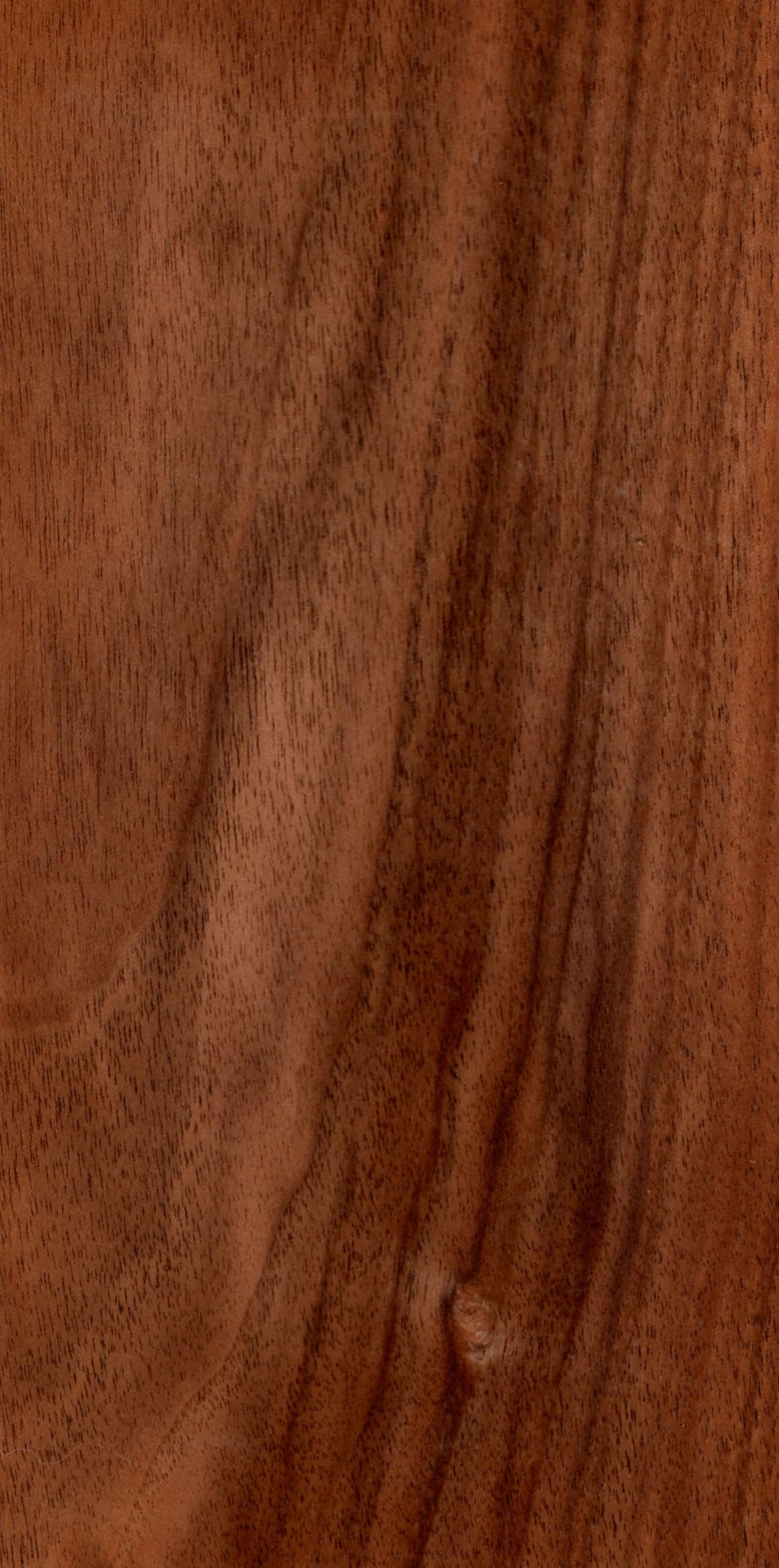
  • Venatura di European Walnut

    European Walnut

    Juglans regia

    9 pezzi

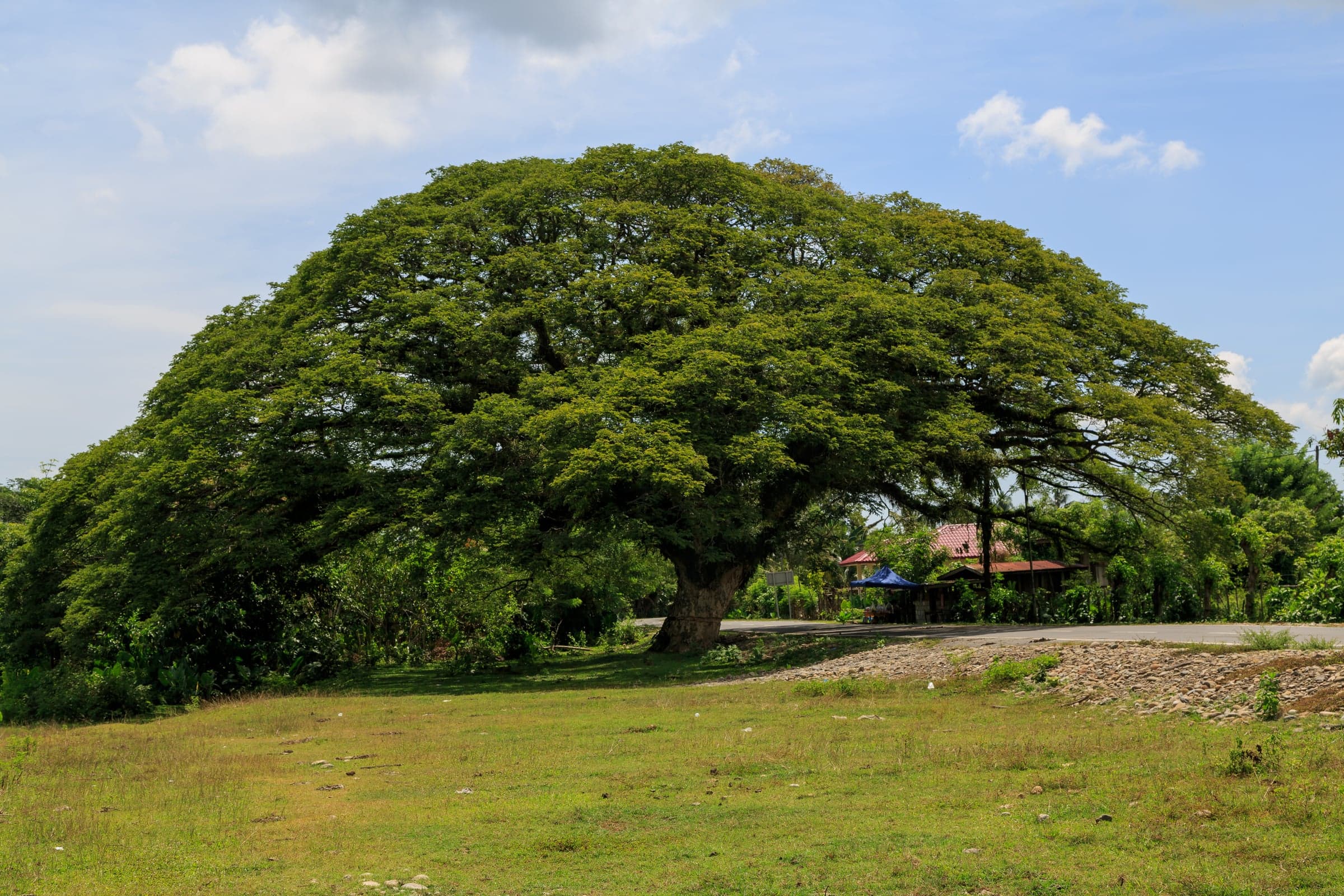
  • Venatura di Saman

    Saman

    Samanea saman

    4 pezzi

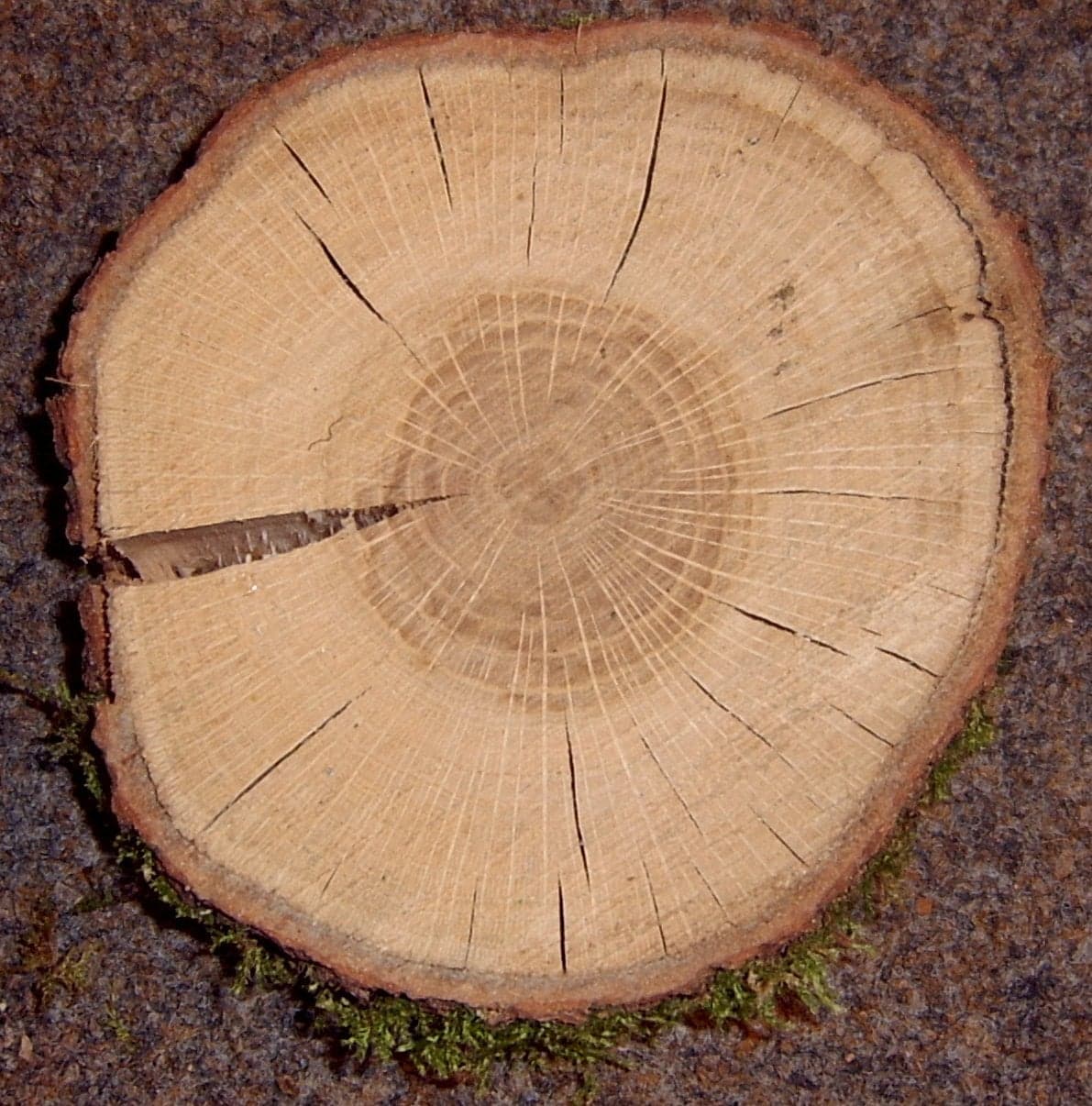
  • Venatura di European Oak

    European Oak

    Quercus robur

    6 pezzi

Ricevi avvisi per Black Walnut

Ti inviamo un’email quando arrivano nuove tavole di Black Walnut su KORENA. Ogni pezzo è unico, quindi conviene saperlo in anticipo.

Poche email al mese. Niente spam, puoi annullare in qualsiasi momento.

Aspetto del legno

Che aspetto ha

Heartwood ranges from chocolate brown to a purplish or greyish brown, often with darker streaks. Sapwood is pale cream, usually steamed at the mill to even out the contrast, but you'll still see some on wide slabs. Grain is generally straight, though figured boards (curl, crotch, burl) turn up regularly and command a premium. Medium, even texture takes detail well.

  • Chocolate to purplish-brown heartwood
  • Pale cream sapwood, often steamed for uniformity
  • Darker streaks and figure on wider boards
  • Lightens slightly under UV over the first year
  • Deepens and warms under oil finishes
  • Generally straight; can be irregular or wavy. Medium texture.

Lavorazione

Come si lavora

Easy across the board. Sawing, planing, sanding, turning and carving all rate 4 out of 5. Glues and screws without complaint. Steam bending is the one weak spot (3/5), workable for gentle curves, not the species you'd choose for tight bentwood seating. Sharp tooling keeps the surface clean; dull blades will burnish rather than tear.

Finitura

Finishes beautifully with very little fuss. Hard wax oil and Danish oil deepen the brown without muddying the grain; a thin shellac seal coat helps if you're spraying lacquer over oily patches. Sanded to 180–220 it feels silky in the hand. Black walnut lightens slightly with UV exposure over the first year, the opposite of cherry, so a UV-inhibiting topcoat helps on pieces near windows.

Essiccazione

Slabs arrive kiln-dried to roughly 8–10% MC. Movement in service is moderate, radial 5.0–6.0%, tangential 7.5–8.5%, so wide tops still want a breathable build (breadboard ends, slot-screwed cleats, or fixed-and-floating fasteners). Acclimatise to your shop for two to three weeks before final flattening.

Quanto si muoverà?

Il legno si gonfia e si ritira in larghezza al variare dell’umidità dell’aria. Stima il movimento stagionale di un piano in Black Walnut prima di progettare i fissaggi.

Taglio
Ambiente di destinazione

Movimento stagionale previsto

circa 9,1 mm

Fissa il piano con nottolini o staffe asolate, non con colla o viti serrate.

Modello di ritiro lineare: larghezza × (ritiro ÷ 28 % di saturazione delle fibre) × variazione stagionale dell’umidità. Usa un ritiro tangenziale del 8 % per Black Walnut. È una stima di progetto, non una garanzia.

Quanto costa

Sicurezza e provenienza

  • Coltivato fuori dall’Europa e importato tramite depositi europei.
  • Stato nella Lista rossa IUCN: la valutazione globale dello stato di conservazione di questa specie.
  • Walnut dust contains juglone and is a known respiratory and skin sensitiser. Run a dust extractor at the source and wear a P3/FFP3 mask when sanding. Juglone-laden offcuts and shavings are toxic to horses and to some plants (tomatoes, apples), so don't compost or use as bedding. Cured finished surfaces are food-contact safe.

Leggi la guida completaNote approfondite su marezzatura, variazione del colore, lavorazione e stabilità.+

What Black Walnut actually is#

Juglans nigra is the darkest wood in this catalogue and the North American counterpart to European walnut. Where Juglans regia is a lighter grey brown full of streaking, black walnut is a deeper, more uniform chocolate.

The other significant difference is commercial rather than botanical. Black walnut is grown as a forestry species across eastern North America, so it comes in larger, straighter, more consistent sizes than European walnut, much of which is salvaged from orchards and gardens. If you need matched material across several wide boards, black walnut is the easier species to source.

The steaming question, which matters more than most people realise#

A large proportion of commercial black walnut is steamed during kiln drying.

Steaming drives colour out of the dark heartwood and into the pale sapwood. The result is a board that reads more uniformly brown, with the sapwood muddied to a dull tan rather than staying cream. For a factory producing matched furniture components, that uniformity is the point.

For a live edge slab it is usually the opposite of what you want. The sharp contrast between pale cream sapwood and near black heartwood is one of the most striking features this species offers, and steaming destroys it.

Unsteamed black walnut keeps that contrast. It is worth asking which you are being offered, because the difference is permanent and not visible from a description alone.

Domande degli acquirenti

Domande degli acquirenti

How is Black Walnut different from European Walnut?

+

Black walnut, Juglans nigra, is darker and more uniformly chocolate brown, where European walnut runs lighter grey brown with more streaking and marbling. Black walnut is slightly softer at 4,490 N against 5,410 N but slightly stiffer at 11.0 GPa. Black walnut also comes in larger, more consistent sizes because it is grown as a forestry species rather than an orchard tree.

Is Black Walnut steamed, and does it matter?

+

Much commercial American black walnut is steamed during drying, which drives colour from the dark heartwood into the pale sapwood and makes the board look more uniformly brown. Unsteamed walnut keeps a sharp contrast between cream sapwood and dark heartwood. For a live edge slab where the sapwood line is a feature, unsteamed is usually what you want, and it is worth asking.

Does Black Walnut fade?

+

Yes. Like European walnut it lightens with light exposure rather than darkening, mellowing from deep chocolate toward a warmer, lighter brown. This is the opposite of what oak and cherry do. A UV inhibiting finish slows it without stopping it.

Is walnut dust dangerous?

Proprietà meccaniche

Dati tecnici

Valori di riferimento pubblicati. Quando le fonti non concordano, viene mostrato l’intervallo e il valore tipico è usato per le scale sopra.

Densità (kg/m³)Massa per metro cubo con circa il 12 % di umidità. In genere, un legno più pesante è anche più duro e resistente.560–660 kg/m³valore tipico 610 kg/m³
Durezza Janka (N)Forza necessaria per spingere una sfera d’acciaio fino a metà nel legno. È la misura standard della resistenza alle ammaccature.4,100–4,900 Nvalore tipico 4490 N
MOR: modulo di rottura (MPa)Resistenza alla flessione: il carico al quale una trave si rompe.100–110 MPa
MOE: modulo elastico (GPa)Rigidità alla flessione: quanto si incurva una mensola o un piano sotto carico.11.0–12.0 GPa
Ritiro radialeRitiro trasversale agli anelli di crescita, dal legno verde a quello anidro. È il movimento delle tavole a taglio radiale.5.0–6.0 %
  • Hand-carved sculpture and relief panels
  • Food-safe serving boards and charcuterie platters
  • Punti di forza

    • Durevole all’esternoClasse EN 350 2 su 5: resiste al deterioramento all’esterno senza trattamento.
    • Adatto agli alimentiAdatto a taglieri, ciotole e superfici a contatto con gli alimenti.

    Native to the eastern United States, not Europe. KORENA sources kiln-dried slabs through established North American timber channels and lands them in EU yards already at furniture moisture content. Expect FAS or better grading on slab stock, with provenance tied to a specific US mill or broker.

  • IUCN Least Concern, no CITES listing. Decay class 2 (durable) but this is an indoor wood, the value is in the colour and workability, not outdoor performance. As a North American import, the supplier chain-of-custody back to the mill travels with the slab. EUDR due diligence is in preparation and becomes mandatory for large operators from 30 December 2026, and KORENA is building each slab passport to carry the provenance evidence a buyer will need.

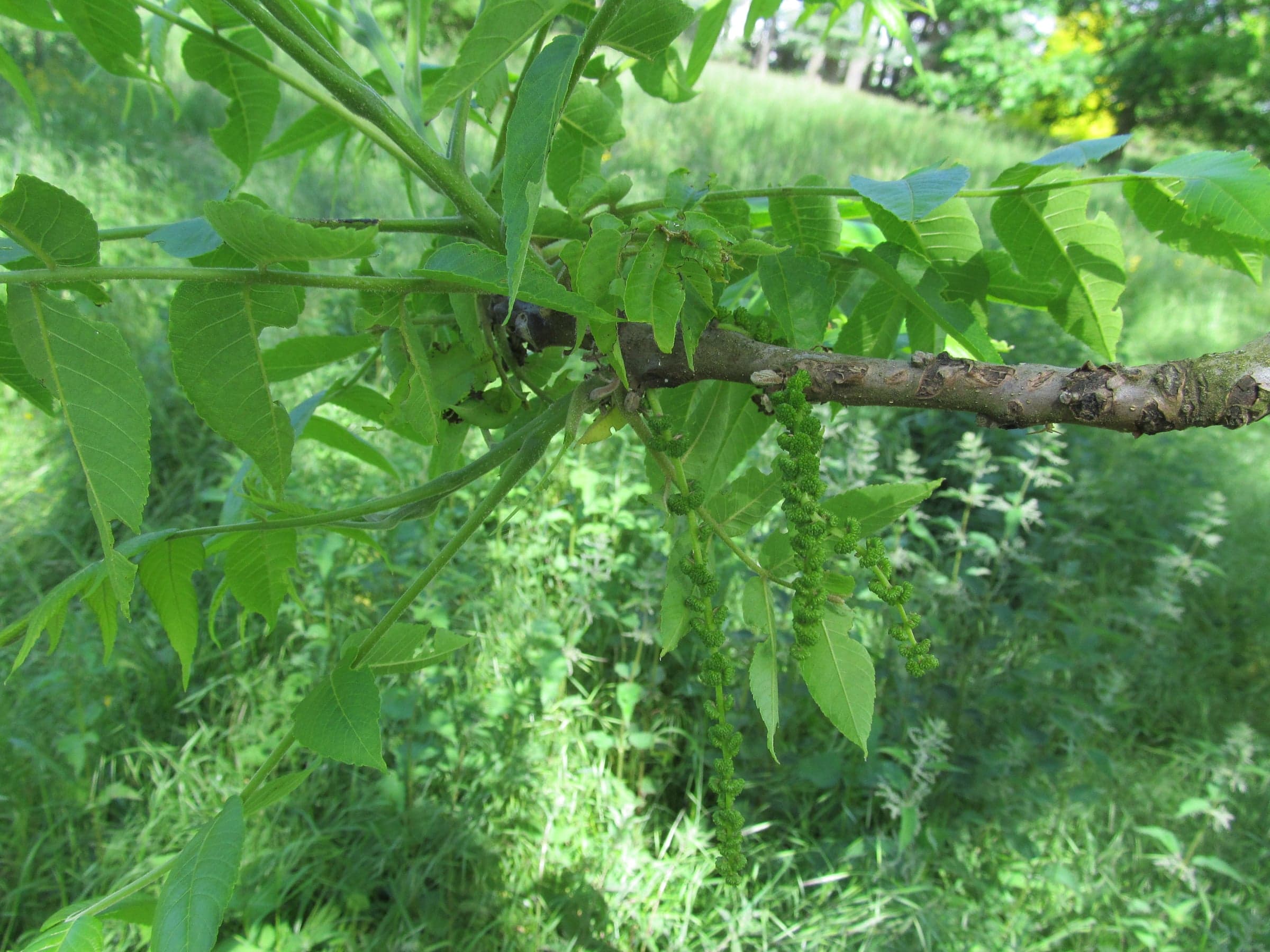
  • Black Walnut: Foglia
    Foglia
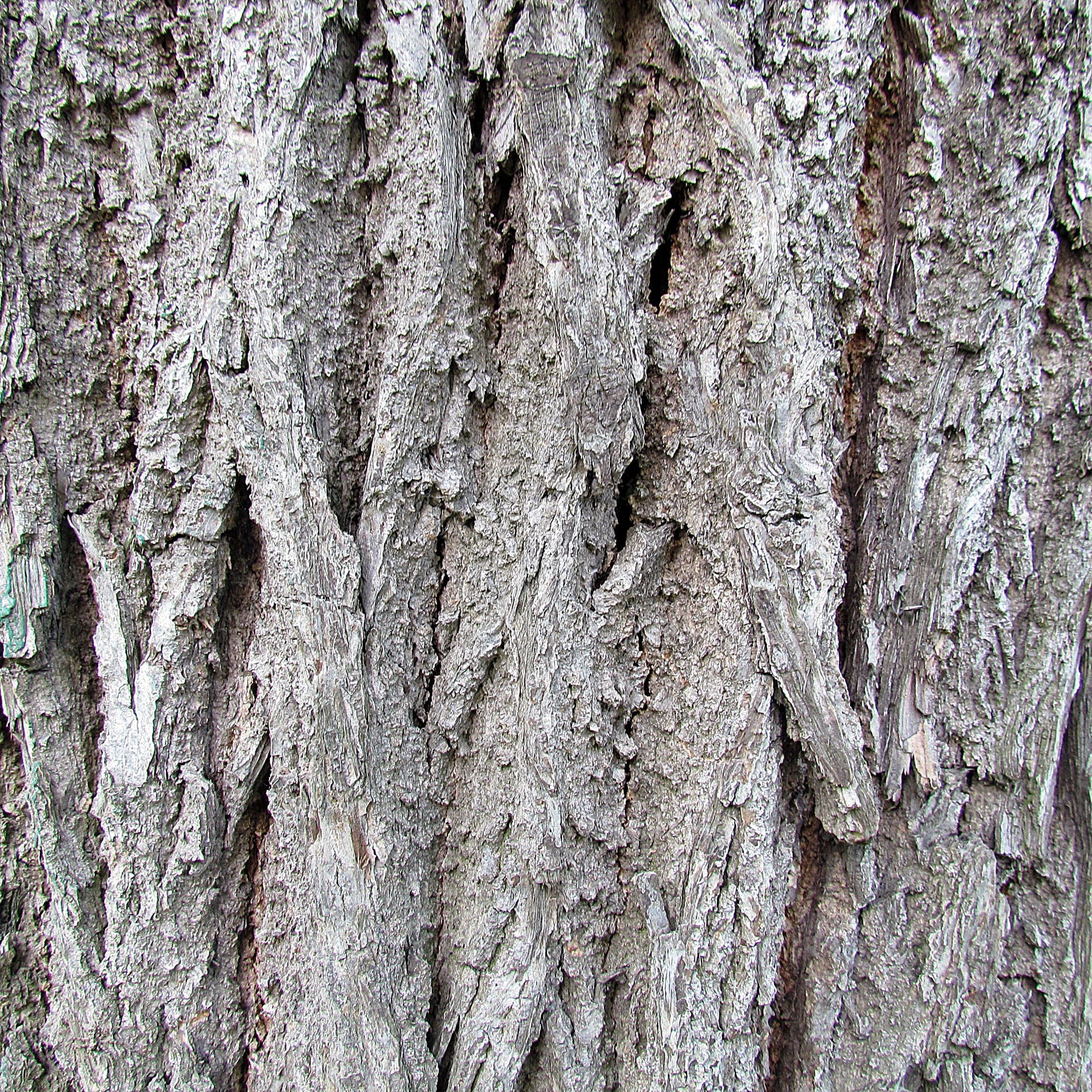
    Black Walnut: Corteccia
    Corteccia

    Reading a Black Walnut slab#

    Heartwood runs mid to dark chocolate brown, sometimes with purple or grey undertones when freshly cut. Sapwood is pale cream and, if unsteamed, sharply demarcated.

    Grain is usually straight, which makes plain black walnut easier to machine than figured European walnut. Crotch, burl and curly figure occurs and is priced accordingly.

    Check whether the sapwood has been steamed by looking at the transition: a sharp line means unsteamed, a blurred or muddy gradient means steamed.

    The fading direction#

    Black walnut lightens with light exposure. It does not darken.

    This is the opposite of oak, cherry and most other furniture timbers, and it consistently surprises people. A slab chosen for its deep near black colour on the day it was surfaced will mellow over the following years toward a warmer, lighter brown, and the contrast with the sapwood will soften as it does.

    Plan for the wood the piece will become rather than the wood it is on the bench.

    At the bench#

    At 4,490 N it is softer than European walnut and noticeably easier on tooling than oak or ash. It machines cleanly, turns and carves well, glues reliably and finishes beautifully.

    Straight grained stock gives very little trouble. Figured crotch and burl material tears out and wants light cuts, sharp tooling and a scraper for the final surface.

    Oil finishes suit it particularly well and deepen the colour, though bear the fading in mind: an oil that looks perfect on day one is sitting on wood that will lighten underneath it.

    The juglone issue#

    Black walnut contains juglone and is a documented sensitiser. Skin and respiratory irritation are reported and some woodworkers sensitise over repeated exposure, so extraction and a mask are worth the habit.

    Juglone is toxic to many plants, so shavings should not go into mulch or compost. They must never be used as animal bedding, and walnut shavings are specifically associated with laminitis in horses.

    Durability and stability#

    Decay class 2 makes black walnut genuinely durable, better than European walnut at class 3 and on a par with oak. That is unusual for a furniture hardwood and is part of why it was used for gunstocks and exterior joinery.

    Volumetric shrinkage of 11.0 percent is low for this catalogue, with tangential at 7.5 against radial at 5.0 percent. A comparatively narrow differential means it behaves well in wide flatsawn tops.

    Where Black Walnut is the right answer#

    Fine furniture, wide tabletops, cabinetry, turned and carved work, and any piece where a dark timber is the design intent and consistency across boards matters.

    It is the wrong answer where a European supply chain is required, and where the lightening over time would undermine the design.

    Sourcing and EUDR#

    Not CITES listed and assessed as Least Concern. It is native to eastern North America, so European buyers are generally importing, with the longer documentation chain and higher transport carbon that implies. European grown Juglans nigra exists in small quantities. Where a dark European alternative is acceptable, Juglans regia covers similar ground with a shorter chain.

    +

    It contains juglone and is a documented sensitiser, with skin and respiratory irritation reported and sensitisation developing in some woodworkers over time. Run extraction and wear a mask. Walnut shavings are also toxic to many plants and must never be used as animal bedding, particularly for horses.

    How durable is it?

    +

    Decay class 2, which is genuinely durable and better than most furniture hardwoods, including European walnut at class 3. It has been used for exterior joinery and gunstocks partly for that reason. It is still not a species to put in ground contact.

    Ritiro tangenzialeRitiro lungo gli anelli di crescita. È il movimento delle tavole a taglio tangenziale e della maggior parte delle tavole KORENA.
    7.5–8.5 %
    Ritiro volumetricoVariazione totale del volume dal legno verde a quello anidro. Un valore più basso indica maggiore stabilità.11.0–12.5 %
    Durabilità naturale (EN 350)Norma europea per la resistenza naturale al deterioramento, da 1 (molto durevole) a 5 (non durevole).Class 2 — Durable

    Fonti

    • The Wood Database(consultata il 2026-05-09)
    • USDA FPL Wood Handbook FPL-GTR-190 (2010)(consultata il 2026-05-09)
    • Meier, E. — WOOD! Identifying and Using Hundreds of Woods Worldwide (2015)(consultata il 2026-05-09)

    In breve

    I livelli usano fasce fisse per tutte le specie elencate da KORENA, quindi sono direttamente confrontabili. Sotto ciascuno è indicato il valore misurato.
    DurezzaResistenza ad ammaccature e usuraMediamente duro

    Durezza Janka: 4490 N

    10 % più tenero della quercia europea

    PesoQuanto è pesante una tavola da sollevareMedio

    610 kg/m³

    StabilitàQuanto poco si muove con le stagioniNella media

    Ritiro volumetrico 11,8 %

    LavorazioneSegatura, piallatura, levigatura e incollaggioFacile

    4,0 / 5 media di lavorazione

    Uso esternoResistenza naturale al deterioramento, EN 350Esterno

    Classe EN 350 2

    • Segatura · Molto buonaQuanto è netto il taglio e quanto usura le lame.1 = difficile · 5 = eccellente
    • Piallatura · Molto buonaQuanto è liscia la superficie ottenuta e quanto tende a strappare le fibre.1 = difficile · 5 = eccellente
    • Levigatura · Molto buonaQuanto rapidamente si leviga senza intasare la carta abrasiva.1 = difficile · 5 = eccellente
    • Tornitura · Molto buonaCome si taglia e si rifinisce al tornio.1 = difficile · 5 = eccellente
    • Intaglio · Molto buonaQuanto nitidamente conserva i dettagli sotto la sgorbia.1 = difficile · 5 = eccellente
    • Incollaggio · Molto buonaQuanto sono affidabili le giunzioni incollate.1 = difficile · 5 = eccellente
    • Tenuta di viti / chiodi · Molto buonaQuanto trattiene viti e chiodi senza spaccarsi.1 = difficile · 5 = eccellente
    • Curvatura a vapore · BuonaQuanto bene assume una curvatura dopo il trattamento a vapore.1 = difficile · 5 = eccellente

    Il prezzo attuale del legname di Black Walnut in Europa, al metro cubo IVA esclusa. Tocca un prezzo per i dettagli.

    • Tronchi migliori all’astaTronchi selezionati di alta qualità venduti tramite aste con offerte, soprattutto a produttori di impiallacciature e mobili. Le tavole si ricavano da tronchi come questi.La maggior parte dei prezzi è compresa tra 1330 € e 1330 €.Basato su 30 prezzi di 1 regione.Dati più recenti: 24 set 2026

    Perché una tavola costa più di questo?

    Questi sono prezzi del legname grezzo. Una tavola è il taglio migliore di un tronco, essiccato per almeno un anno e poi controllato e misurato pezzo per pezzo. Solo una piccola parte di ogni tronco diventa una tavola.

    Fonte: KORENA Timber Index · Dati più recenti: 24 set 2026

    Vedi tutti i prezzi regionali
    Adatto ai principianti
    Facile da lavorare al banco e non così duro da mettere a dura prova gli utensili.

    Attenzione

    • Polvere irritanteUsa l’aspirazione e indossa una maschera durante la levigatura o la lavorazione.

    Tocca un’etichetta per i dettagli.