KORENA
LegnoFinished piecesMaterialiDepositiDiario

Ricevi un avviso

Ogni tavola è unica. Quando viene venduta, non torna. Ti inviamo un’email quando pubblichiamo nuovi pezzi, specie e tavole adatte a un progetto.

Poche email al mese. Niente spam, puoi annullare in qualsiasi momento.

KORENA, legno duro di pregio

Un pezzo alla volta.

Legno duro di pregio verificato, venduto pezzo per pezzo. Ogni tavola viene fotografata, misurata e spedita dal deposito partner con un passaporto del legno.

Negozio

  • Sfoglia i prodotti
  • Archivio delle vendute
  • Traccia l’ordine

Scopri

  • Diario
  • Guide alle specie
  • Glossario
  • Confronta
  • Autori

Aiuto

  • Chi siamo
  • Come funziona
  • Diventa deposito partner
  • Trova una tavola
  • Assistenza
  • Modelli di documenti
  • Stampa

Acquisto

  • Condizioni di vendita
  • Diritto di recesso
  • Resi e garanzia
  • Spedizione e consegna

Fiducia

  • Informativa sulla privacy
  • Informativa sui cookie
  • Provenienza del legno ed EUDR
  • Accessibilità

Note legali

  • Note legali / Imprint
  • Uso accettabile
  • Proprietà intellettuale e contenuti

© 2026 KORENA. Tutti i diritti riservati.

Gestito da Martial Labs Ltd. (BG, EIK 207453941). KORENA è un nome commerciale di Martial Labs Ltd.

Rispettiamo la tua privacy

Usiamo cookie essenziali per il funzionamento del sito. Con il tuo consenso useremo anche cookie per analisi, contenuti personalizzati e pubblicità. Puoi cambiare idea in qualsiasi momento nella pagina delle preferenze di consenso. Consulta l’informativa sui cookie e l’informativa sulla privacy.

  1. Pagina iniziale
  2. /
  3. Specie
  4. /
  5. European Pear

Pyrus communis

European Pear

Master-grade carving and cabinet wood with a fine even texture. Slab-size pieces are rare and prized when they appear.

  • Coltivato e raccolto in Europa.
  • Gruppo botanico. Le conifere hanno foglie aghiformi, le latifoglie hanno foglie larghe.
  • La famiglia botanica a cui appartiene la specie.
Avvisami quando arrivaSpecie di riferimento. Al momento non ci sono pezzi disponibili.
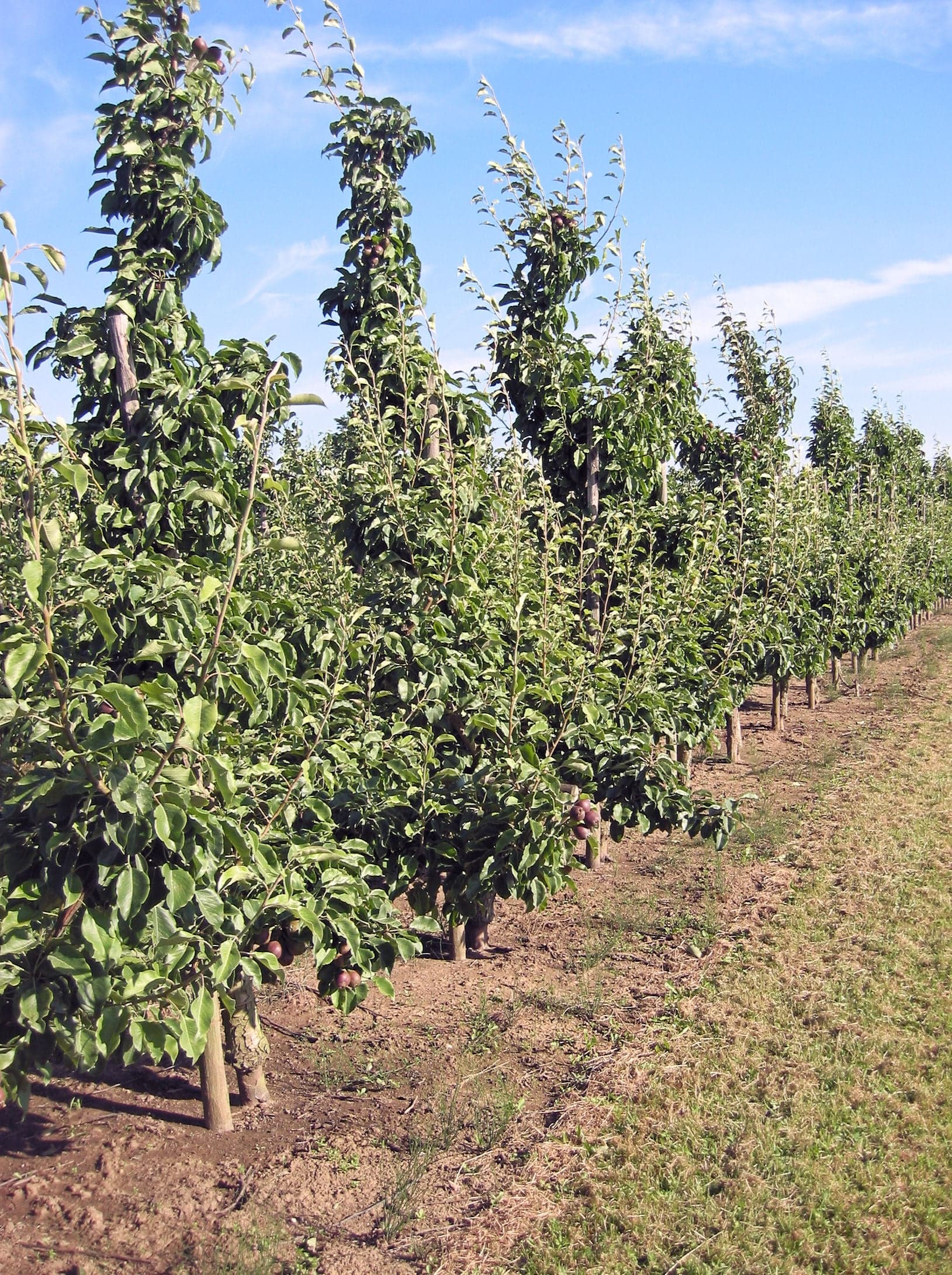
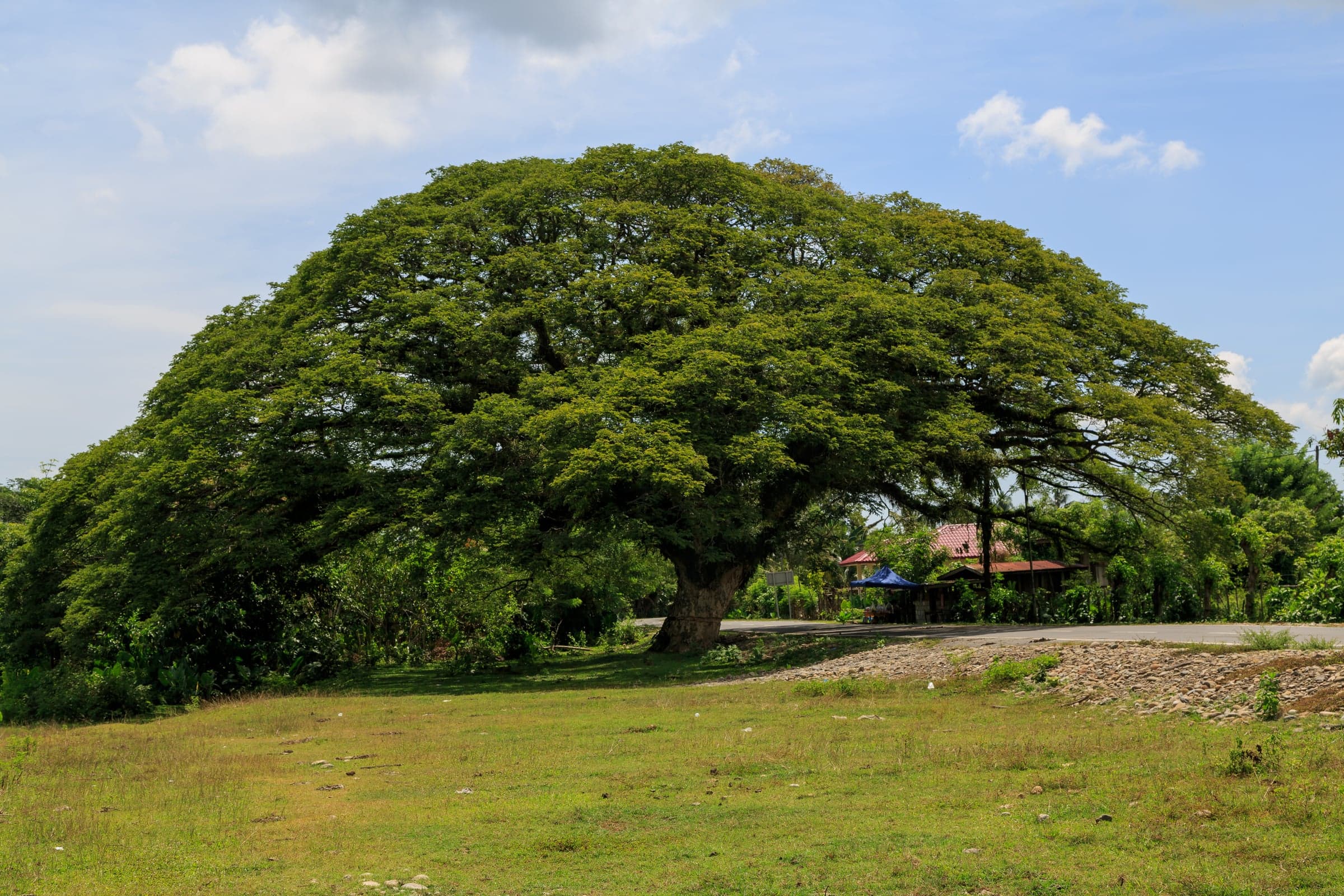
Albero di European Pear
  • Adatto al progetto
  • Disponibilità
  • Aspetto
  • Lavorazione
  • Movimento
  • Prezzo
  • Sicurezza e provenienza
  • Domande
  • Dati tecnici

È adatto al tuo progetto?

Ideale per

  • Heirloom carving and sculpture
  • Fine cabinetry and case pieces
  • Marquetry and inlay
  • Jewellery boxes and instrument cases
  • Small statement tables and side tables
  • Turned bowls and treen

Nessun pezzo di European Pear nel lancio attuale

Specie simili disponibili

Al momento non è disponibile European Pear. Queste specie sono adatte agli stessi progetti e hanno pezzi disponibili.
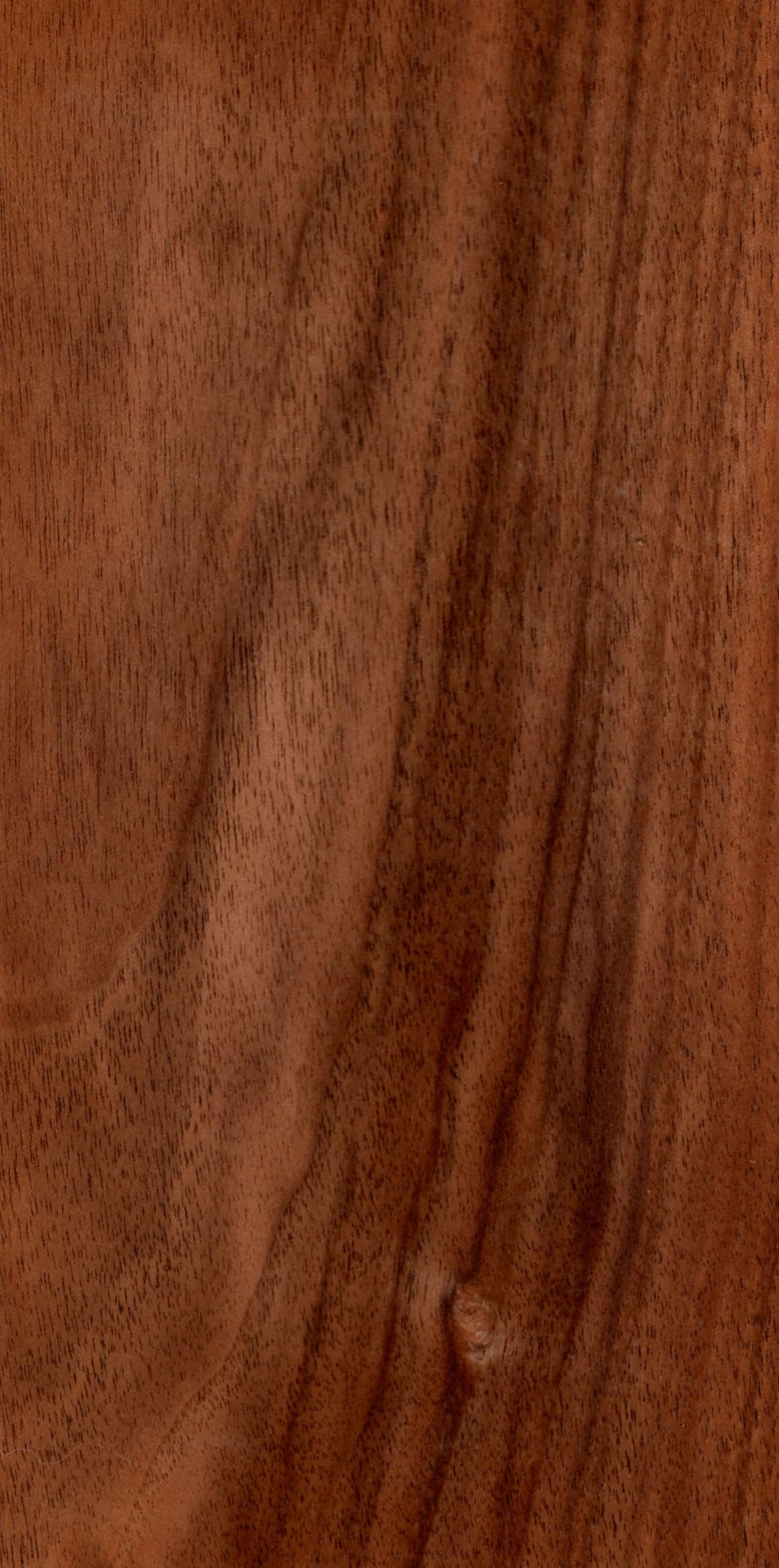
  • Venatura di European Walnut

    European Walnut

    Juglans regia

    9 pezzi

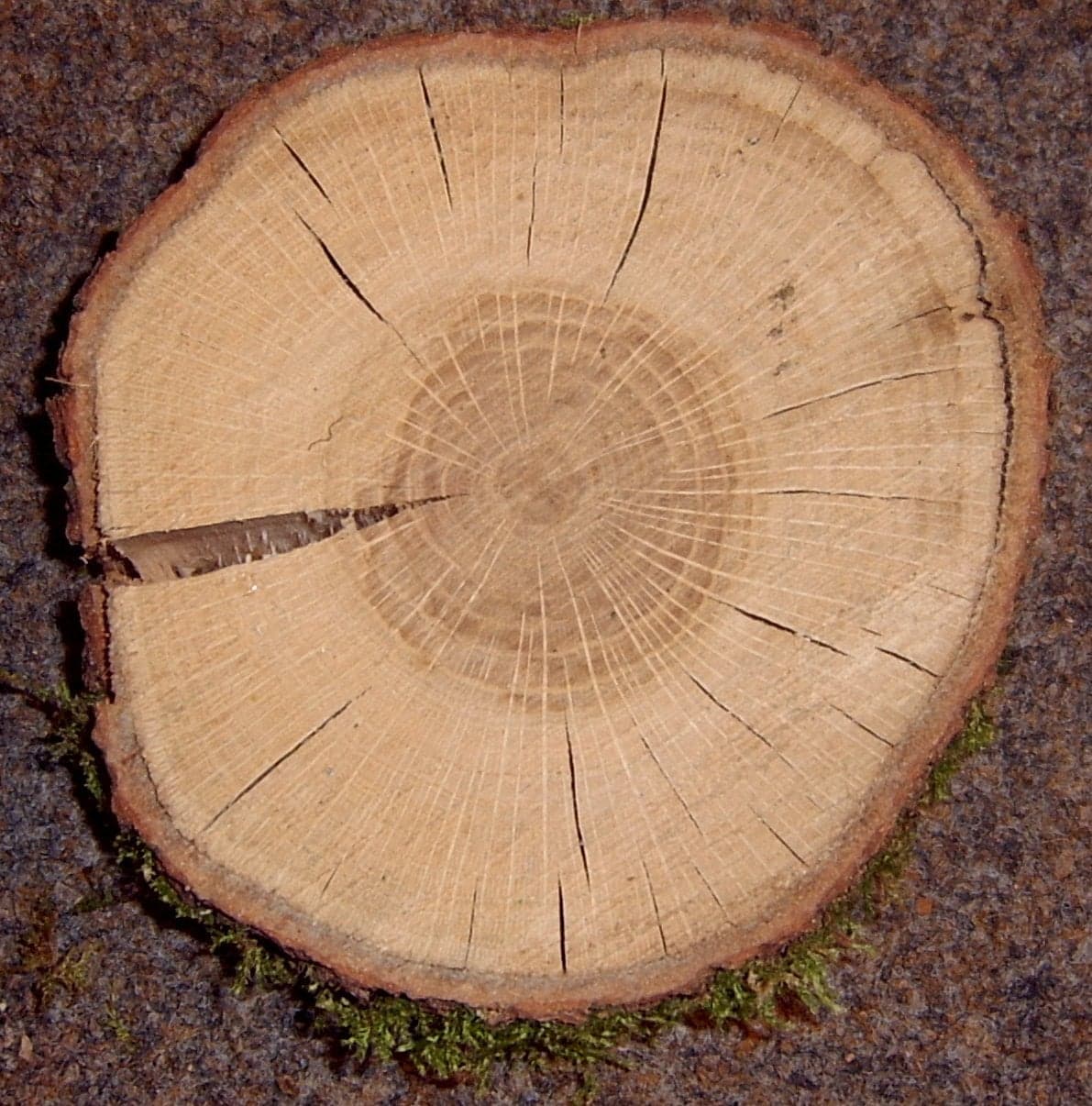
  • Venatura di European Oak

    European Oak

    Quercus robur

    6 pezzi

  • Venatura di Saman

    Saman

    Samanea saman

    4 pezzi

Ricevi avvisi per European Pear

Ti inviamo un’email quando arrivano nuove tavole di European Pear su KORENA. Ogni pezzo è unico, quindi conviene saperlo in anticipo.

Poche email al mese. Niente spam, puoi annullare in qualsiasi momento.

Aspetto del legno

Che aspetto ha

Pale pinkish-tan to warm salmon, deepening to a soft russet with age and light. Texture is dense, even, and almost poreless under the hand. Figure is quiet, gentle ribbon and the occasional fine fleck, which is exactly why carvers and marquetry workers prize it. The grain doesn't fight you, and detail holds crisply.

  • Pale pinkish-tan when fresh off the saw
  • Warm salmon to soft russet with age
  • Steamed pear takes a uniform pinkish hue
  • Stains evenly to deep black for ebonised work
  • Subtle ribbon figure; rarely dramatic
  • Mild UV warming, no harsh colour shift
  • Very fine even texture; subtle figure.

Lavorazione

Come si lavora

Carves, turns, and planes superbly, this is a benchmark wood for fine work. Cuts cleanly across the grain without tearing, holds knife-edge detail, and turns to crisp profiles. Sands to a near-polished surface straight off the tool. Glues and screws well. Steam bending is moderate. The low stiffness helps it bend, but it can compress unevenly, so test on offcuts.

Finitura

Sands to a glass-smooth surface, one of the cleanest finishes you can pull off any European hardwood. Takes oil, wax, and shellac evenly with no blotching. Steaming produces the uniform pinkish tone historically used to imitate ebony when stained black (the piano-key trick). For natural finishes, hard-wax oil holds the warm tone; lacquer can flatten it. Expect mild warming in UV.

Essiccazione

Honest tradeoff: tangential shrinkage is high (10.5–12%) against modest radial movement, so drying rate matters. Pear that's rushed will check, cup, and case-harden. Air-dry slowly under weight, then finish in a kiln on a gentle schedule. Once stable, it sits well indoors. Quartersawn or rift-sawn stock is the safer cut for wide panels.

Quanto si muoverà?

Il legno si gonfia e si ritira in larghezza al variare dell’umidità dell’aria. Stima il movimento stagionale di un piano in European Pear prima di progettare i fissaggi.

Taglio
Ambiente di destinazione

Movimento stagionale previsto

circa 12,9 mm

Elevato. Usa nottolini o staffe asolate, lascia gioco alle estremità di eventuali traverse e fai acclimatare la tavola prima del montaggio.

Modello di ritiro lineare: larghezza × (ritiro ÷ 28 % di saturazione delle fibre) × variazione stagionale dell’umidità. Usa un ritiro tangenziale del 11,25 % per European Pear. È una stima di progetto, non una garanzia.

Quanto costa

Sicurezza e provenienza

  • Coltivato e raccolto in Europa.
  • Stato nella Lista rossa IUCN: la valutazione globale dello stato di conservazione di questa specie.
  • Food-contact safe, pear has a long tradition as kitchen utensil and treen wood. Not a commonly reported dust sensitiser. Standard shop dust extraction is enough.

Leggi la guida completaNote approfondite su marezzatura, variazione del colore, lavorazione e stabilità.+

What European Pear actually is#

Pyrus communis is the fine detail wood of Europe. Its texture is exceptionally close, even and dense, with essentially no visible grain direction, and at 7,420 N Janka it is one of the hardest species in this catalogue.

That pairing is unusual. Most woods that hold fine detail are soft, like lime. Most woods that are hard have pronounced grain that fights the tool, like oak. Pear is both hard and directionless, so carved detail is crisp and then survives being handled.

It is the traditional wood for woodcut printing blocks, recorders and wind instrument parts, drawing instruments, rulers, set squares and fine inlay, and all of those uses depend on the same property.

The orchard problem#

Pear is a fruit tree. It is grown for pears, and it reaches the timber market when an orchard tree comes to the end of its productive life.

The consequences are structural. Trunks are short and often irregular. Diameters are modest. Clean wide boards are genuinely scarce, and slab sized material is uncommon enough that finding it is the main constraint rather than affording it.

Expect narrow widths, short lengths, and a good deal of character.

Steamed and unsteamed

Domande degli acquirenti

Domande degli acquirenti

Why is pear so highly regarded for carving and instruments?

+

Its texture is exceptionally fine, even and dense, with essentially no visible grain direction, so it cuts equally well in any direction and holds very crisp detail. At 7,420 N Janka it is also hard, which means carved detail survives handling. That combination of fine texture and hardness is rare and is why pear has been the traditional wood for woodcuts, recorders, rulers and instrument parts.

What is steamed pear?

+

Pear that has been steamed during drying, which turns the pale pinkish wood a warm rose brown and evens the colour. It is the standard European commercial treatment and the colour most people associate with the species. Unsteamed pear is paler and more variable. The change is permanent.

Why are pear boards so small?

+

It is an orchard tree, grown for fruit and felled at the end of its productive life rather than for timber. Trunks are short, often irregular, and rarely large. Wide clean pear is genuinely scarce and priced accordingly, and slab sized material is uncommon.

How much does it move?

+

Proprietà meccaniche

Dati tecnici

Valori di riferimento pubblicati. Quando le fonti non concordano, viene mostrato l’intervallo e il valore tipico è usato per le scale sopra.

Densità (kg/m³)Massa per metro cubo con circa il 12 % di umidità. In genere, un legno più pesante è anche più duro e resistente.650–740 kg/m³valore tipico 700 kg/m³
Durezza Janka (N)Forza necessaria per spingere una sfera d’acciaio fino a metà nel legno. È la misura standard della resistenza alle ammaccature.6,800–7,800 Nvalore tipico 7420 N
MOR: modulo di rottura (MPa)Resistenza alla flessione: il carico al quale una trave si rompe.75–90 MPa
MOE: modulo elastico (GPa)Rigidità alla flessione: quanto si incurva una mensola o un piano sotto carico.7.0–8.5 GPa
Ritiro radialeRitiro trasversale agli anelli di crescita, dal legno verde a quello anidro. È il movimento delle tavole a taglio radiale.4.0–5.0 %

Rasbak, via Wikimedia Commons

  • Drawing instruments and tool handles
  • Ebonised detail work (piano-key tradition)
  • Punti di forza

    • Adatto agli alimentiAdatto a taglieri, ciotole e superfici a contatto con gli alimenti.

    Attenzione

    • Non adatto all’esterno senza trattamentoLa durabilità naturale è di classe EN 350 5 su 5. Usalo all’interno o proteggilo con una finitura sottoposta a manutenzione.

    Native across Europe, from orchards and hedgerows. Most pear comes in small sections from old orchard trees, so a true slab is uncommon stock, usually a long-lived garden or estate tree that grew large enough to mill.

  • IUCN Least Concern, no CITES listing. Native European species, often sourced from orchard clearances and estate trees rather than dedicated forestry, which means supply is opportunistic and slabs are scarce. Decay class 5, perishable, so this is strictly interior wood.

  • #

    Most European commercial pear is steamed during drying.

    Steaming turns the pale pinkish natural colour to a warm rose brown and evens out variation. This is the colour most people picture when they think of pear, and it is the standard for instrument and cabinet work.

    Unsteamed pear is paler, closer to a pinkish cream, and more variable between boards. Both are the same species and the difference is permanent, so decide at the outset and buy accordingly.

    The movement problem#

    This is the one number that spoils an otherwise excellent wood.

    Tangential shrinkage of 10.5 percent against radial at 4.0 percent is among the widest differentials in this catalogue, wider than oak, wider than ash. Volumetric shrinkage of 11.5 percent is only moderate, so the total movement is unremarkable, but the distortion is severe because the two axes are so far apart.

    Flatsawn pear cups hard. Quartersawn stock is markedly better behaved and is worth seeking out for anything that must stay flat.

    Given the small sizes the species comes in, most pear ends up in components small enough that this matters less than it would in a wide top. If you do have a pear slab wide enough for a tabletop, that ratio is the thing to design around.

    At the bench#

    Pear works beautifully and it works hard. At 7,420 N it blunts tooling steadily and asks for power, but the fine texture means it cuts cleanly rather than tearing.

    It carves exceptionally, turns exceptionally, and takes a polished surface directly from the tool with very little abrasive work. It glues reliably and holds fine screws with pilot holes.

    It also bends reasonably well and takes a very crisp moulded profile, which is why it appears in period furniture as mouldings and edge details.

    Finishing#

    The fine dense surface takes finish evenly and needs no grain filling. Steamed pear under a clear oil is a warm rose brown that many makers consider among the most attractive surfaces in European furniture.

    It stains poorly and rarely needs to. Pear is often used precisely because its own colour is wanted.

    It is also the traditional substrate for ebonising, taking black stain evenly because there is no open grain to break up the surface, which is how pear was used as a substitute for ebony in period work.

    Where European Pear is the right answer#

    Carving and fine detail work, musical instrument parts, drawing and measuring instruments, inlay and marquetry, small cabinetry, turned work, and mouldings. Also ebonised work.

    It is the wrong answer for anything large, anything outdoors at decay class 5, and anything where a wide flatsawn surface must stay flat.

    Sourcing and EUDR#

    Not CITES listed and assessed as Least Concern. The tree is common across Europe but timber supply is limited by the orchard felling pattern rather than by scarcity of trees. Provenance chains are short and non-standardised, and KORENA records the yard and region on every listing.

    Tangential shrinkage of 10.5 percent against radial at 4.0 percent is a very wide differential, among the widest in this catalogue, so flatsawn pear cups strongly. Volumetric shrinkage of 11.5 percent is only moderate, so the total movement is not extreme but the distortion is. Quartersawn stock is markedly better behaved.

    Can pear be used outdoors?

    +

    No. It is rated decay class 5, perishable, despite being hard and dense. Hardness and durability are unrelated. Pear is an interior wood for fine work, and it is too scarce and valuable to put outside.

    Ritiro tangenzialeRitiro lungo gli anelli di crescita. È il movimento delle tavole a taglio tangenziale e della maggior parte delle tavole KORENA.
    10.5–12.0 %
    Ritiro volumetricoVariazione totale del volume dal legno verde a quello anidro. Un valore più basso indica maggiore stabilità.11.5–13.5 %
    Durabilità naturale (EN 350)Norma europea per la resistenza naturale al deterioramento, da 1 (molto durevole) a 5 (non durevole).Class 5 — Perishable

    Fonti

    • The Wood Database(consultata il 2026-05-09)
    • USDA FPL Wood Handbook FPL-GTR-190 (2010)(consultata il 2026-05-09)
    • Meier, E. — WOOD! Identifying and Using Hundreds of Woods Worldwide (2015)(consultata il 2026-05-09)

    In breve

    I livelli usano fasce fisse per tutte le specie elencate da KORENA, quindi sono direttamente confrontabili. Sotto ciascuno è indicato il valore misurato.
    DurezzaResistenza ad ammaccature e usuraMolto duro

    Durezza Janka: 7420 N

    49 % più duro della quercia europea

    PesoQuanto è pesante una tavola da sollevarePesante

    700 kg/m³

    StabilitàQuanto poco si muove con le stagioniNella media

    Ritiro volumetrico 12,5 %

    LavorazioneSegatura, piallatura, levigatura e incollaggioMolto facile

    4,6 / 5 media di lavorazione

    Uso esternoResistenza naturale al deterioramento, EN 350Solo interni

    Classe EN 350 5

    • Segatura · EccellenteQuanto è netto il taglio e quanto usura le lame.1 = difficile · 5 = eccellente
    • Piallatura · Molto buonaQuanto è liscia la superficie ottenuta e quanto tende a strappare le fibre.1 = difficile · 5 = eccellente
    • Levigatura · EccellenteQuanto rapidamente si leviga senza intasare la carta abrasiva.1 = difficile · 5 = eccellente
    • Tornitura · EccellenteCome si taglia e si rifinisce al tornio.1 = difficile · 5 = eccellente
    • Intaglio · EccellenteQuanto nitidamente conserva i dettagli sotto la sgorbia.1 = difficile · 5 = eccellente
    • Incollaggio · Molto buonaQuanto sono affidabili le giunzioni incollate.1 = difficile · 5 = eccellente
    • Tenuta di viti / chiodi · Molto buonaQuanto trattiene viti e chiodi senza spaccarsi.1 = difficile · 5 = eccellente
    • Curvatura a vapore · BuonaQuanto bene assume una curvatura dopo il trattamento a vapore.1 = difficile · 5 = eccellente

    Non esiste ancora un riferimento di mercato per European Pear. Ogni pezzo KORENA ha un prezzo individuale stabilito dal deposito partner.

    Usura i taglienti
    È molto duro e denso. Mantieni gli utensili affilati e pratica fori pilota per ogni vite.

    Tocca un’etichetta per i dettagli.