KORENA
LegnoFinished piecesMaterialiDepositiDiario

Ricevi un avviso

Ogni tavola è unica. Quando viene venduta, non torna. Ti inviamo un’email quando pubblichiamo nuovi pezzi, specie e tavole adatte a un progetto.

Poche email al mese. Niente spam, puoi annullare in qualsiasi momento.

KORENA, legno duro di pregio

Un pezzo alla volta.

Legno duro di pregio verificato, venduto pezzo per pezzo. Ogni tavola viene fotografata, misurata e spedita dal deposito partner con un passaporto del legno.

Negozio

  • Sfoglia i prodotti
  • Archivio delle vendute
  • Traccia l’ordine

Scopri

  • Diario
  • Guide alle specie
  • Glossario
  • Confronta
  • Autori

Aiuto

  • Chi siamo
  • Come funziona
  • Diventa deposito partner
  • Trova una tavola
  • Assistenza
  • Modelli di documenti
  • Stampa

Acquisto

  • Condizioni di vendita
  • Diritto di recesso
  • Resi e garanzia
  • Spedizione e consegna

Fiducia

  • Informativa sulla privacy
  • Informativa sui cookie
  • Provenienza del legno ed EUDR
  • Accessibilità

Note legali

  • Note legali / Imprint
  • Uso accettabile
  • Proprietà intellettuale e contenuti

© 2026 KORENA. Tutti i diritti riservati.

Gestito da Martial Labs Ltd. (BG, EIK 207453941). KORENA è un nome commerciale di Martial Labs Ltd.

Rispettiamo la tua privacy

Usiamo cookie essenziali per il funzionamento del sito. Con il tuo consenso useremo anche cookie per analisi, contenuti personalizzati e pubblicità. Puoi cambiare idea in qualsiasi momento nella pagina delle preferenze di consenso. Consulta l’informativa sui cookie e l’informativa sulla privacy.

  1. Pagina iniziale
  2. /
  3. Specie
  4. /
  5. Sycamore Maple

Acer pseudoplatanus

Sycamore Maple

Pale, lustrous European hardwood with a creamy near-white surface. Often quartersawn to bring out ray fleck, and prized in curly form for violin and cello backs.

  • Coltivato e raccolto in Europa.
  • Gruppo botanico. Le conifere hanno foglie aghiformi, le latifoglie hanno foglie larghe.
  • La famiglia botanica a cui appartiene la specie.
Avvisami quando arrivaSpecie di riferimento. Al momento non ci sono pezzi disponibili.
  • Adatto al progetto
  • Disponibilità
  • Aspetto
  • Lavorazione
  • Movimento
  • Prezzo
  • Sicurezza e provenienza
  • Domande
  • Dati tecnici

È adatto al tuo progetto?

Ideale per

  • Violin, viola and cello backs, sides and necks (fiddleback stock)
  • Kitchen worktops, butcher blocks and chopping boards
  • Light-toned furniture, cabinetry and shelving
  • Turned bowls, treen and tool handles
  • Interior joinery, stair parts and panelling
  • Marquetry and inlay where a near-white ground is needed

Nessun pezzo di Sycamore Maple nel lancio attuale

Specie simili disponibili

Al momento non è disponibile Sycamore Maple. Queste specie sono adatte agli stessi progetti e hanno pezzi disponibili.
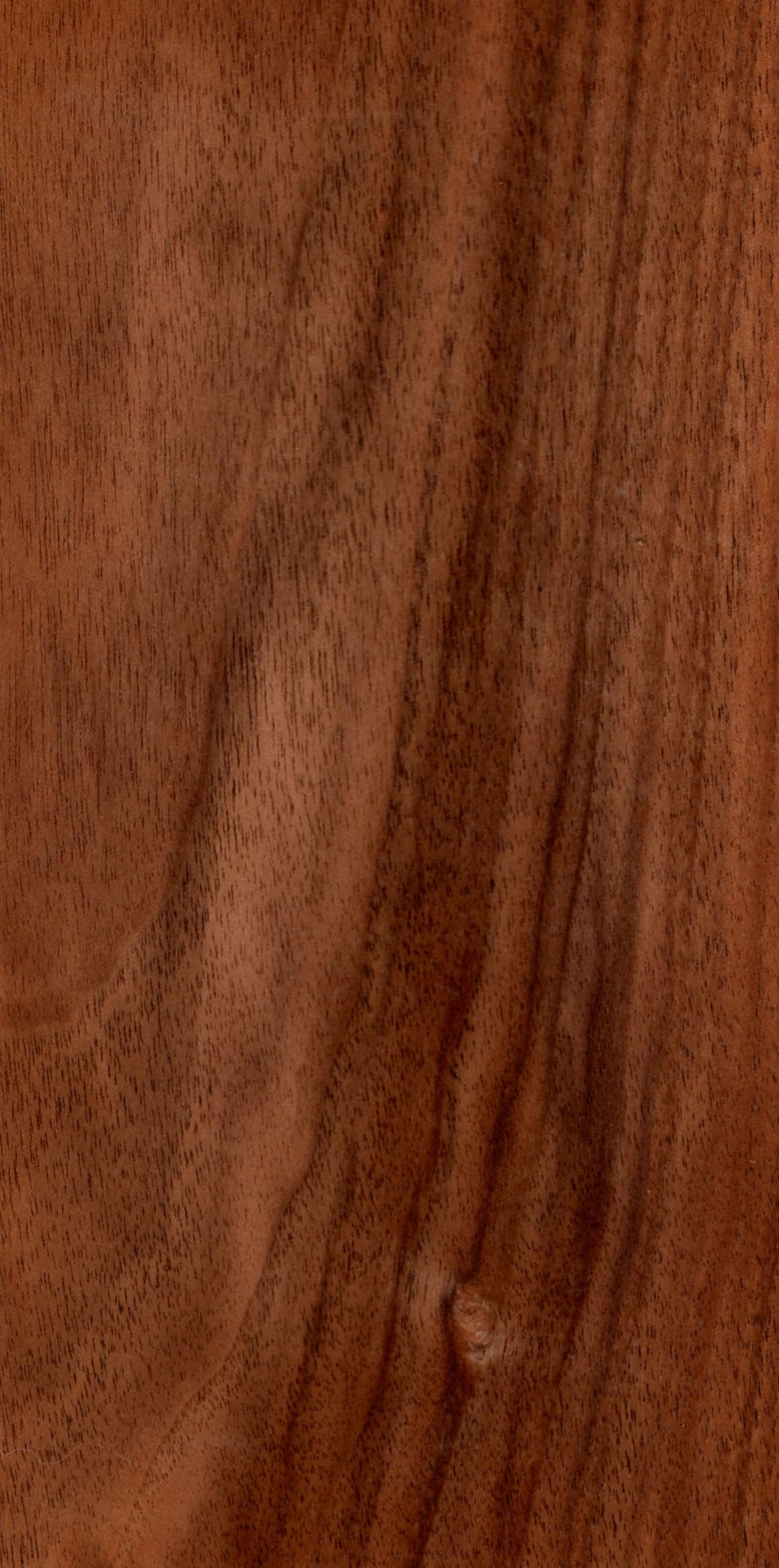

  • Venatura di European Walnut

    European Walnut

    Juglans regia

    9 pezzi

  • Venatura di European Oak

    European Oak

    Quercus robur

    6 pezzi

  • Venatura di Saman

    Saman

    Samanea saman

    4 pezzi

Ricevi avvisi per Sycamore Maple

Ti inviamo un’email quando arrivano nuove tavole di Sycamore Maple su KORENA. Ogni pezzo è unico, quindi conviene saperlo in anticipo.

Poche email al mese. Niente spam, puoi annullare in qualsiasi momento.

Aspetto del legno

Che aspetto ha

Sycamore maple runs creamy white to pale yellow with a fine, even texture and a soft natural sheen. Grain is usually straight, with occasional wavy or interlocked sections. Quartersawn boards show small ray fleck. The most sought-after cut is fiddleback, a tight, rippled curl that catches light across the board and has been used for violin, viola and cello backs since the Cremonese workshops of Stradivari and Guarneri.

  • Creamy white to pale yellow when freshly machined
  • Soft natural lustre, especially on quartersawn faces
  • Small ray fleck on quartersawn boards
  • Fiddleback or curly figure in select boards, three-dimensional ripple under light
  • Ambers gently toward warm straw under UV exposure
  • Pale, lustrous; often quartersawn for ray fleck.

Lavorazione

Come si lavora

Works well across the board. Saws, planes, sands and glues cleanly, and turns excellently, it is a long-standing choice for treen, bowls and tool handles. Curly and fiddleback stock will tear out under straight blades; use sharp tooling, light cuts and a high cutting angle, or sand through grits. Screws and holds fastenings without splitting at sensible pilot sizes.

Finitura

The pale colour is part of the appeal, so most makers stay with water-based or hardwax oil finishes that keep the surface near-white. Oil-based and polyurethane finishes warm the wood toward straw yellow. Expect a slow ambering shift under UV regardless, pieces stored in shade stay paler for longer. Sands cleanly to a high polish. On figured stock, a thin coat of dilute shellac before the topcoat lifts the chatoyance.

Essiccazione

Dries fairly quickly but is prone to fungal staining and grey discolouration if left in stick during warm, humid weather. The traditional remedy is to fell in winter and end-rack boards vertically so air moves across both faces. Tangential shrinkage of 7.5–9.0% against radial 4.0–5.5% gives a moderate T/R ratio, so quartersawn stock stays flatter in service. Acclimatise indoors before machining final dimensions.

Quanto si muoverà?

Il legno si gonfia e si ritira in larghezza al variare dell’umidità dell’aria. Stima il movimento stagionale di un piano in Sycamore Maple prima di progettare i fissaggi.

Taglio
Ambiente di destinazione

Movimento stagionale previsto

circa 9,4 mm

Fissa il piano con nottolini o staffe asolate, non con colla o viti serrate.

Modello di ritiro lineare: larghezza × (ritiro ÷ 28 % di saturazione delle fibre) × variazione stagionale dell’umidità. Usa un ritiro tangenziale del 8,25 % per Sycamore Maple. È una stima di progetto, non una garanzia.

Quanto costa

Sicurezza e provenienza

  • Coltivato e raccolto in Europa.
  • Stato nella Lista rossa IUCN: la valutazione globale dello stato di conservazione di questa specie.
  • Food-contact safe and a classic European choice for butcher blocks, chopping boards and kitchen treen. Maple dust is a known respiratory sensitiser and is listed as a carcinogen in some jurisdictions, extract at the tool and wear a fitted P3 mask when sanding or routing.

Leggi la guida completaNote approfondite su marezzatura, variazione del colore, lavorazione e stabilità.+

What European Sycamore actually is#

Acer pseudoplatanus is a maple, despite the name. It is the whitest timber in this catalogue and the traditional European choice wherever a pale, clean, food-safe surface is wanted.

The naming causes real confusion. European Sycamore is a maple. American sycamore is Platanus occidentalis, a plane tree. London Plane, which KORENA also lists, is Platanus x acerifolia and is the European plane. The three are unrelated and work differently. Buy on the botanical name.

Keeping it white#

The pale colour is the whole point of this species and it is fragile.

Freshly converted sycamore stains easily. If boards are flat stacked and left, fungal staining greys them within weeks. The traditional handling is end rearing, standing the boards on end so air moves freely and moisture drains, and prompt drying after conversion.

A greyed or blue stained sycamore board is not structurally damaged but it has lost the property you were buying.

In use, the threat is the finish. Oil finishes amber pale woods, and sycamore starts whiter than anything else here so it shows the shift most. A clear water based finish or a low yellowing hardwax oil preserves the colour; a standard oil turns it distinctly yellow, permanently.

The figure

Domande degli acquirenti

Domande degli acquirenti

Is European Sycamore the same as American sycamore?

+

No, and the naming is genuinely confusing. European Sycamore is Acer pseudoplatanus, a maple. American sycamore is Platanus occidentalis, a plane tree, and its European counterpart is London Plane, Platanus x acerifolia, which KORENA also lists. The three are unrelated and behave differently. Check the botanical name.

Why is sycamore used for violin backs?

+

Its fine even texture, good stiffness and frequent curly figure suit it acoustically and visually, and it has been the traditional back, ribs and neck timber for violins since the Cremonese makers. Figured sycamore with strong flame is still sold specifically as fiddleback for this purpose.

How do I keep it white?

+

Sycamore is prized for being one of the whitest European timbers and it discolours easily. It must be dried promptly and end reared rather than flat stacked, or fungal staining greys it. In use, avoid oil finishes, which pull it yellow, and use a clear water based finish or a low yellowing hardwax oil instead.

What is rippled or fiddleback sycamore?

+

Proprietà meccaniche

Dati tecnici

Valori di riferimento pubblicati. Quando le fonti non concordano, viene mostrato l’intervallo e il valore tipico è usato per le scale sopra.

Densità (kg/m³)Massa per metro cubo con circa il 12 % di umidità. In genere, un legno più pesante è anche più duro e resistente.570–660 kg/m³valore tipico 615 kg/m³
Durezza Janka (N)Forza necessaria per spingere una sfera d’acciaio fino a metà nel legno. È la misura standard della resistenza alle ammaccature.4,400–5,000 Nvalore tipico 4680 N
MOR: modulo di rottura (MPa)Resistenza alla flessione: il carico al quale una trave si rompe.95–115 MPa
MOE: modulo elastico (GPa)Rigidità alla flessione: quanto si incurva una mensola o un piano sotto carico.9.5–11.5 GPa
Ritiro radialeRitiro trasversale agli anelli di crescita, dal legno verde a quello anidro. È il movimento delle tavole a taglio radiale.4.0–5.5 %
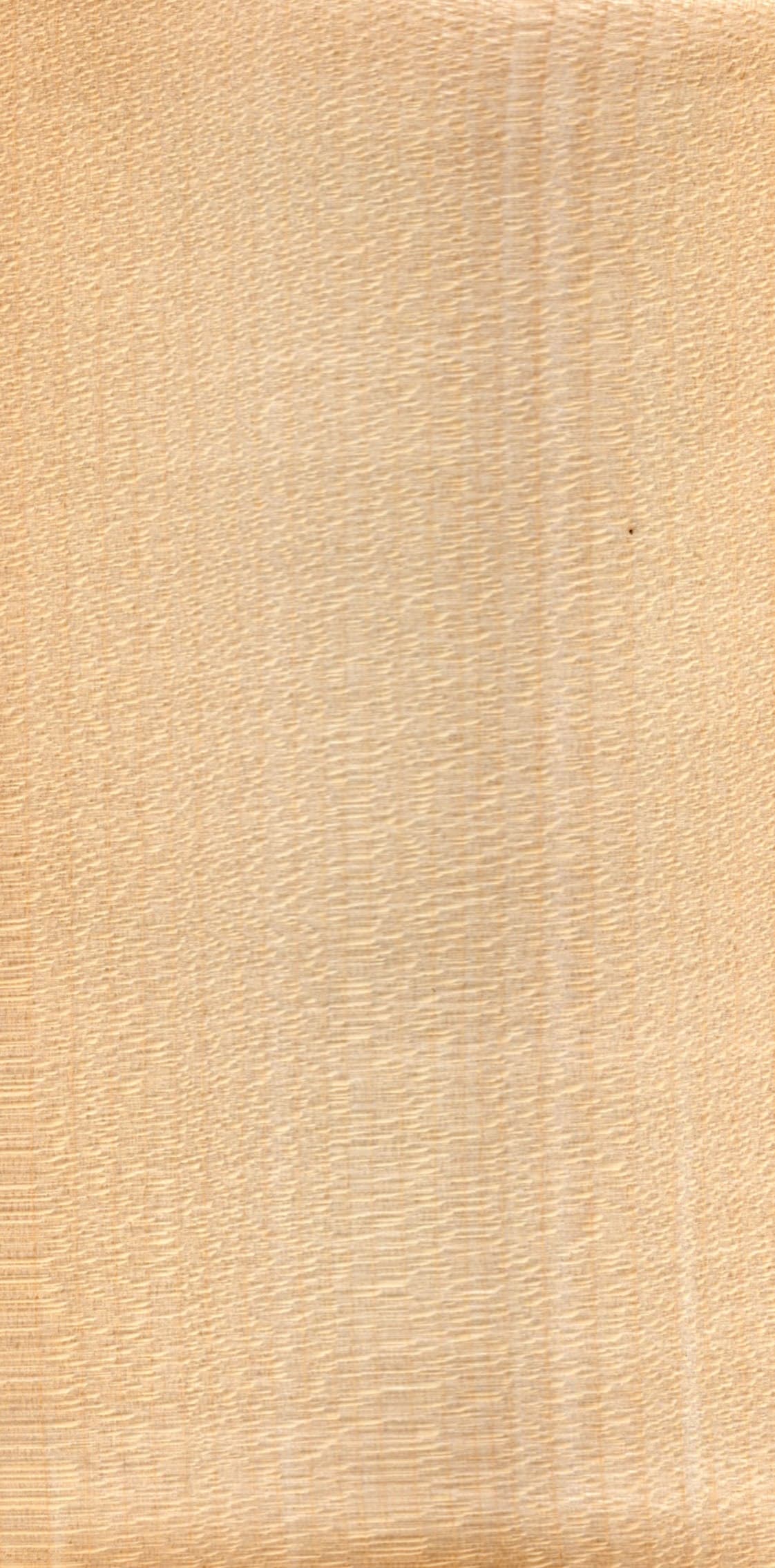
Venatura di Sycamore Maple

Achim Raschka (talk), via Wikimedia Commons

Punti di forza

  • Adatto agli alimentiAdatto a taglieri, ciotole e superfici a contatto con gli alimenti.
  • Si curva beneValutazione 4 su 5 per la curvatura a vapore. Consente curve strette.

Native to central and southern European mountain regions and broadly available across the EU. Acer pseudoplatanus is the species behind 'European sycamore' and 'great maple', and is the same tree sold in the UK timber trade as English sycamore. It is not related to American sycamore (Platanus).

  • IUCN Least Concern, no CITES listing, and grown across European managed forests, so FSC or PEFC stock is straightforward to source. Decay class 5 under EN 350 means it is perishable and strictly an interior timber, no exterior joinery, no ground contact, no wet rooms without a sealed assembly.

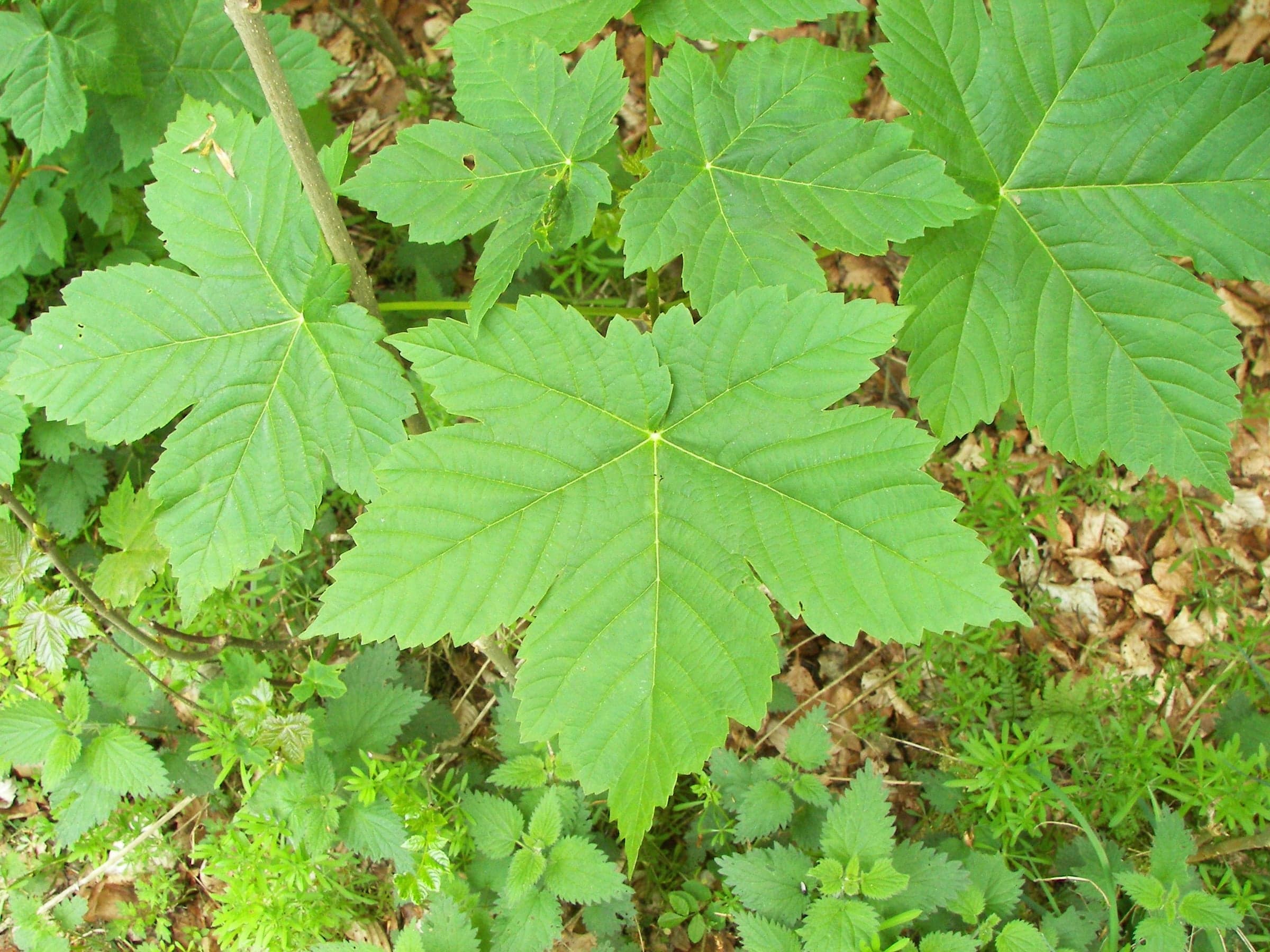
  • Albero di Sycamore Maple

    Willow, via Wikimedia Commons

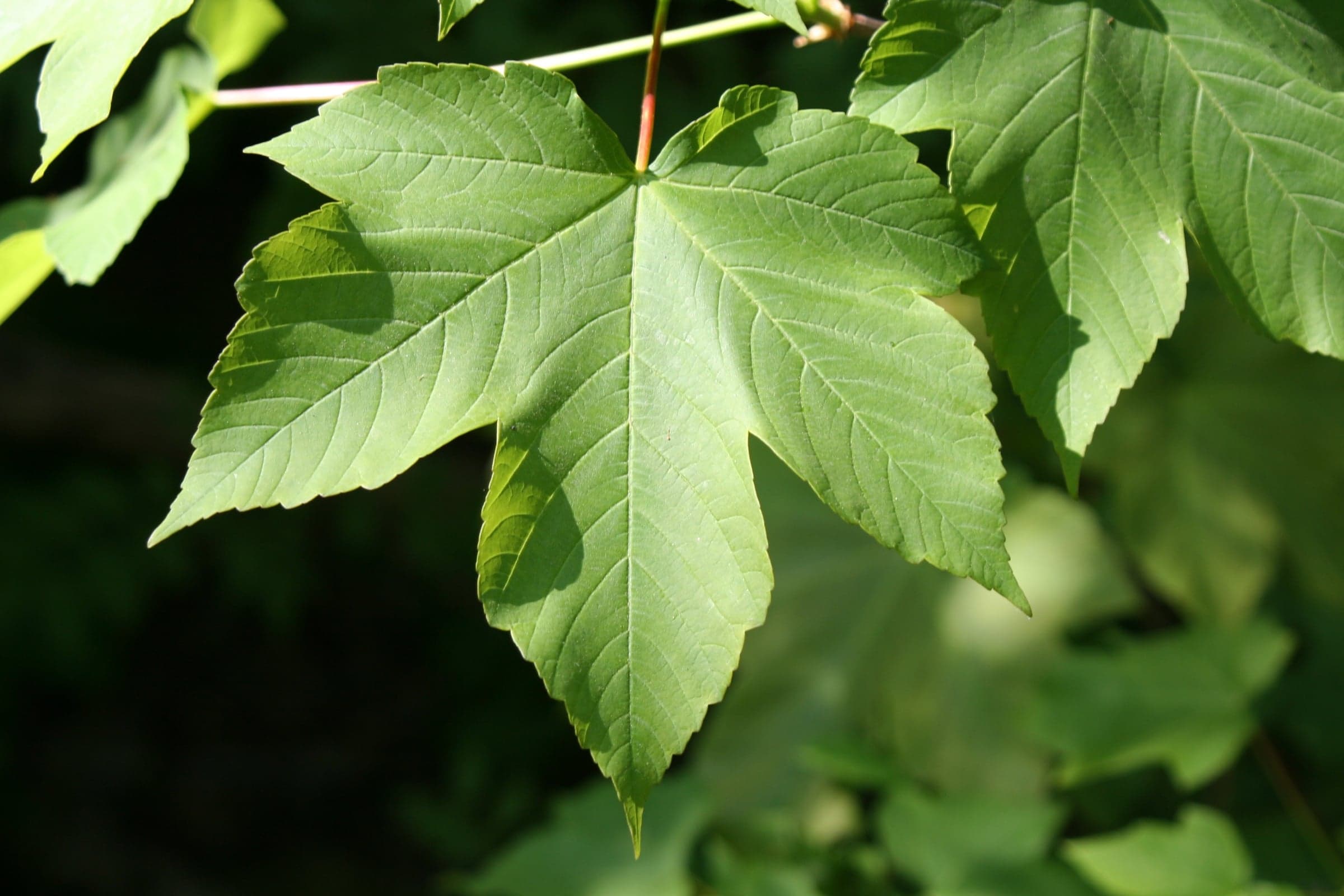
    Sycamore Maple: Foglia
    Foglia
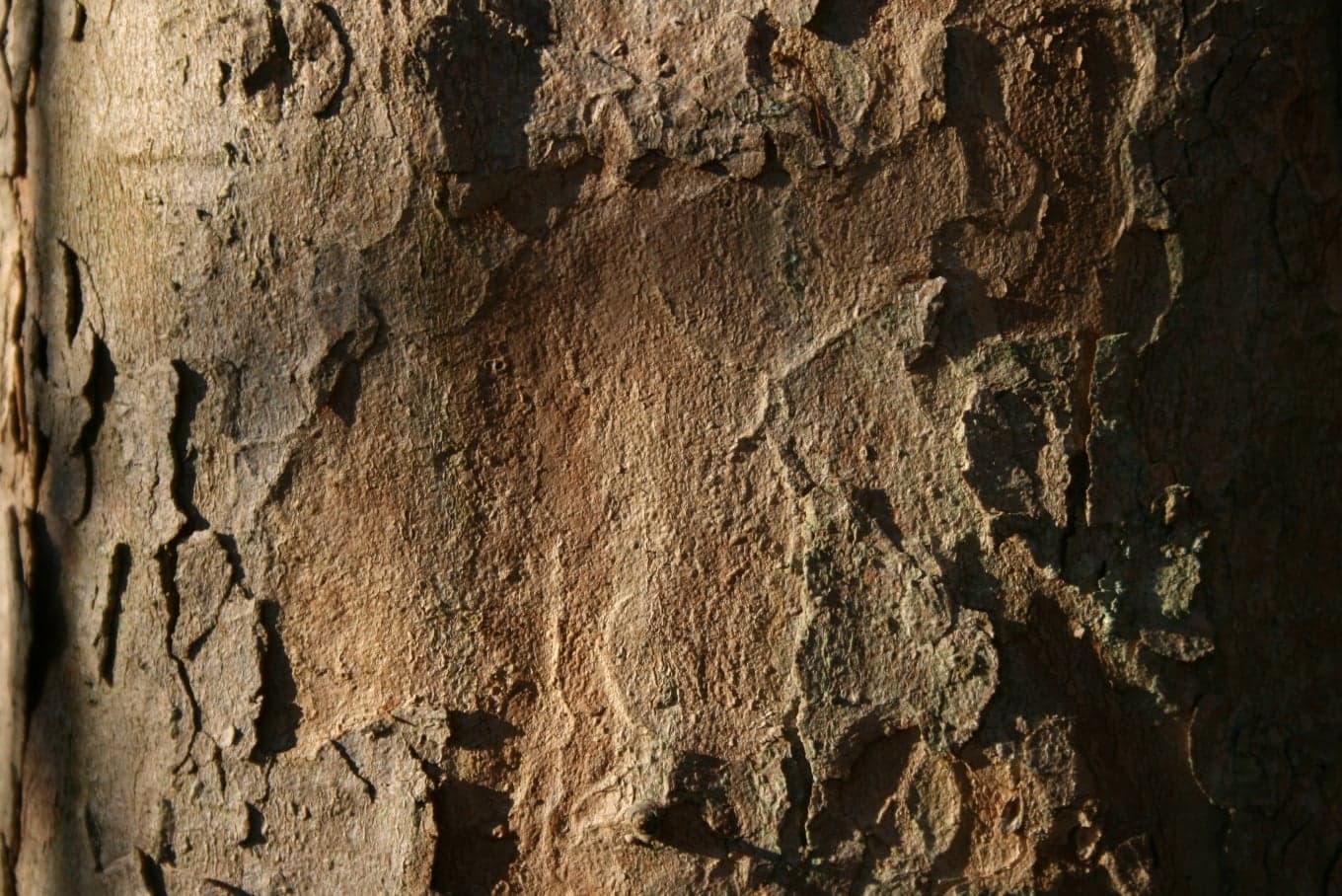
    Sycamore Maple: Corteccia
    Corteccia
    #

    Rippled or fiddleback sycamore carries a wave in the grain that produces strong horizontal chatoyance shifting with viewing angle. It is the same phenomenon as curly maple.

    It occurs in a minority of trees, cannot be predicted before felling, and carries a substantial premium.

    This is the timber of violin backs, ribs and necks, and has been since the Cremonese makers. Fiddleback sycamore is still sold under that name specifically for instrument work, where the combination of acoustic properties and appearance has never been bettered.

    At the bench#

    Sycamore works cleanly and pleasantly. At 4,680 N it is moderately hard, sitting just below European oak at 4,980 N, and it blunts tooling at a modest rate.

    The fine even texture takes crisp detail and it turns very well. It glues reliably and takes fastenings securely.

    Figured stock tears out readily. Light cuts, sharp tooling and a scraper or high angle plane for the final surface, particularly on fiddleback where the grain reverses continuously.

    It sands to a very fine surface.

    Finishing#

    The staining behaviour is the same trap that maple sets. The dense closed grain absorbs pigment unevenly and blotches, worse on figured stock.

    Use a dye or a gel stain, or leave it clear, which is what most sycamore work calls for anyway given that the colour is the reason for choosing it.

    Kitchen and dairy use#

    Sycamore is rated food safe, closed grained, and has been the traditional European dairy and kitchen timber, used for butter pats, bowls, spoons and worktops because it does not taint food and cleans well.

    It is softer than hard maple at 4,680 N against 6,450 N, so it scars more readily under a knife, and at decay class 5 it must be kept dry.

    Movement#

    Volumetric shrinkage of 11.5 percent is moderate, with tangential at 7.5 percent against radial at 4.0 percent. That is a reasonable differential and sycamore behaves acceptably in wide boards, better than maple or beech.

    Where European Sycamore is the right answer#

    Instrument work, particularly violin backs and ribs. Also pale furniture, kitchen and dairy ware, turned work, marquetry and inlay, and decorative panels where fiddleback figure is the design.

    It is the wrong answer outdoors, and wrong under an oil finish if the white colour is what you are paying for.

    Sourcing and EUDR#

    Not CITES listed and assessed as Least Concern. Common across central and northern Europe and widely planted, with straightforward supply and documentation.

    Drying sycamore, which is where most of it is lost#

    More sycamore is spoiled in the first three weeks after felling than at any other stage, and the cause is always the same: it was stacked flat and left.

    Freshly converted sycamore is wet, pale and full of sugars, which makes it ideal food for the fungi that cause blue and grey staining. Flat stacked in still air, boards discolour from the inside out within weeks, and the grey never comes out.

    The traditional answer is end rearing. Boards are stood on end, leaning, so air moves across both faces and moisture drains rather than pooling. It looks like an odd way to treat timber and it is the difference between white sycamore and grey sycamore.

    If you are buying sycamore, ask how it was dried. If you are drying it yourself, get it standing within days of conversion.

    What figured sycamore is worth checking for#

    Rippled figure is not uniform through a log. It is usually strongest near the base and can fade out entirely further up, so a slab cut from the same tree as a strongly figured one may be plain.

    Look at the figure in raking light from two directions before committing. Ripple that reads strongly from one angle and disappears from another is shallow and may not survive final thicknessing.

    A wave in the grain producing strong horizontal rippling chatoyance across the board, the same phenomenon as curly maple. It occurs in a minority of trees, cannot be predicted from the standing tree, and commands a substantial premium. It is the most sought after form of the species.

    Is it suitable for kitchen surfaces?

    +

    It is rated food safe, closed grained and traditionally used for dairy and kitchen ware precisely because it does not taint food and cleans well. It is softer than hard maple at 4,680 N against 6,450 N, so it will scar more readily, and at decay class 5 it must be kept dry.

    Ritiro tangenzialeRitiro lungo gli anelli di crescita. È il movimento delle tavole a taglio tangenziale e della maggior parte delle tavole KORENA.
    7.5–9.0 %
    Ritiro volumetricoVariazione totale del volume dal legno verde a quello anidro. Un valore più basso indica maggiore stabilità.11.5–13.5 %
    Durabilità naturale (EN 350)Norma europea per la resistenza naturale al deterioramento, da 1 (molto durevole) a 5 (non durevole).Class 5 — Perishable

    Fonti

    • The Wood Database(consultata il 2026-05-09)
    • USDA FPL Wood Handbook FPL-GTR-190 (2010)(consultata il 2026-05-09)
    • Meier, E. — WOOD! Identifying and Using Hundreds of Woods Worldwide (2015)(consultata il 2026-05-09)

    In breve

    I livelli usano fasce fisse per tutte le specie elencate da KORENA, quindi sono direttamente confrontabili. Sotto ciascuno è indicato il valore misurato.
    DurezzaResistenza ad ammaccature e usuraMediamente duro

    Durezza Janka: 4680 N

    6 % più tenero della quercia europea

    PesoQuanto è pesante una tavola da sollevareMedio

    615 kg/m³

    StabilitàQuanto poco si muove con le stagioniNella media

    Ritiro volumetrico 12,5 %

    LavorazioneSegatura, piallatura, levigatura e incollaggioFacile

    4,1 / 5 media di lavorazione

    Uso esternoResistenza naturale al deterioramento, EN 350Solo interni

    Classe EN 350 5

    • Segatura · Molto buonaQuanto è netto il taglio e quanto usura le lame.1 = difficile · 5 = eccellente
    • Piallatura · Molto buonaQuanto è liscia la superficie ottenuta e quanto tende a strappare le fibre.1 = difficile · 5 = eccellente
    • Levigatura · Molto buonaQuanto rapidamente si leviga senza intasare la carta abrasiva.1 = difficile · 5 = eccellente
    • Tornitura · EccellenteCome si taglia e si rifinisce al tornio.1 = difficile · 5 = eccellente
    • Intaglio · Molto buonaQuanto nitidamente conserva i dettagli sotto la sgorbia.1 = difficile · 5 = eccellente
    • Incollaggio · Molto buonaQuanto sono affidabili le giunzioni incollate.1 = difficile · 5 = eccellente
    • Tenuta di viti / chiodi · Molto buonaQuanto trattiene viti e chiodi senza spaccarsi.1 = difficile · 5 = eccellente
    • Curvatura a vapore · Molto buonaQuanto bene assume una curvatura dopo il trattamento a vapore.1 = difficile · 5 = eccellente

    Il prezzo attuale del legname di Sycamore Maple in Europa, al metro cubo IVA esclusa. Tocca un prezzo per i dettagli.

    • Tronchi migliori all’astaTronchi selezionati di alta qualità venduti tramite aste con offerte, soprattutto a produttori di impiallacciature e mobili. Le tavole si ricavano da tronchi come questi.La maggior parte dei prezzi è compresa tra 153 € e 485 €.Basato su 80 prezzi di 2 regioni.Dati più recenti: 24 set 2026
    • Tronchi comuniGrandi quantità di tondame standard vendute da proprietari forestali e aziende forestali statali, soprattutto per l’edilizia e l’industria.La maggior parte dei prezzi è compresa tra 46 € e 110 €.Basato su 1175 prezzi di 5 regioni.Dati più recenti: 24 set 2026

    Tronchi migliori all’asta per paese

    • Austria · 368 € / m³Regioni: Austria30 prezziDati più recenti: 24 set 2026
    • Germania · 319 € / m³Regioni: Bavaria50 prezziDati più recenti: 24 set 2026

    Tronchi comuni per paese

    • Bulgaria · 102 € / m³Regioni: North-West Bulgaria12 prezziDati più recenti: 24 ago 2026
    • Romania · 74 € / m³Regioni: Banat / Crișana, Moldavia (Romania), Transylvania e Wallachia1163 prezziDati più recenti: 24 set 2026

    Perché una tavola costa più di questo?

    Questi sono prezzi del legname grezzo. Una tavola è il taglio migliore di un tronco, essiccato per almeno un anno e poi controllato e misurato pezzo per pezzo. Solo una piccola parte di ogni tronco diventa una tavola.

    Fonte: KORENA Timber Index · Dati più recenti: 24 set 2026

    Vedi tutti i prezzi regionali
    Adatto ai principianti
    Facile da lavorare al banco e non così duro da mettere a dura prova gli utensili.

    Attenzione

    • Non adatto all’esterno senza trattamentoLa durabilità naturale è di classe EN 350 5 su 5. Usalo all’interno o proteggilo con una finitura sottoposta a manutenzione.
    • Polvere irritanteUsa l’aspirazione e indossa una maschera durante la levigatura o la lavorazione.

    Tocca un’etichetta per i dettagli.