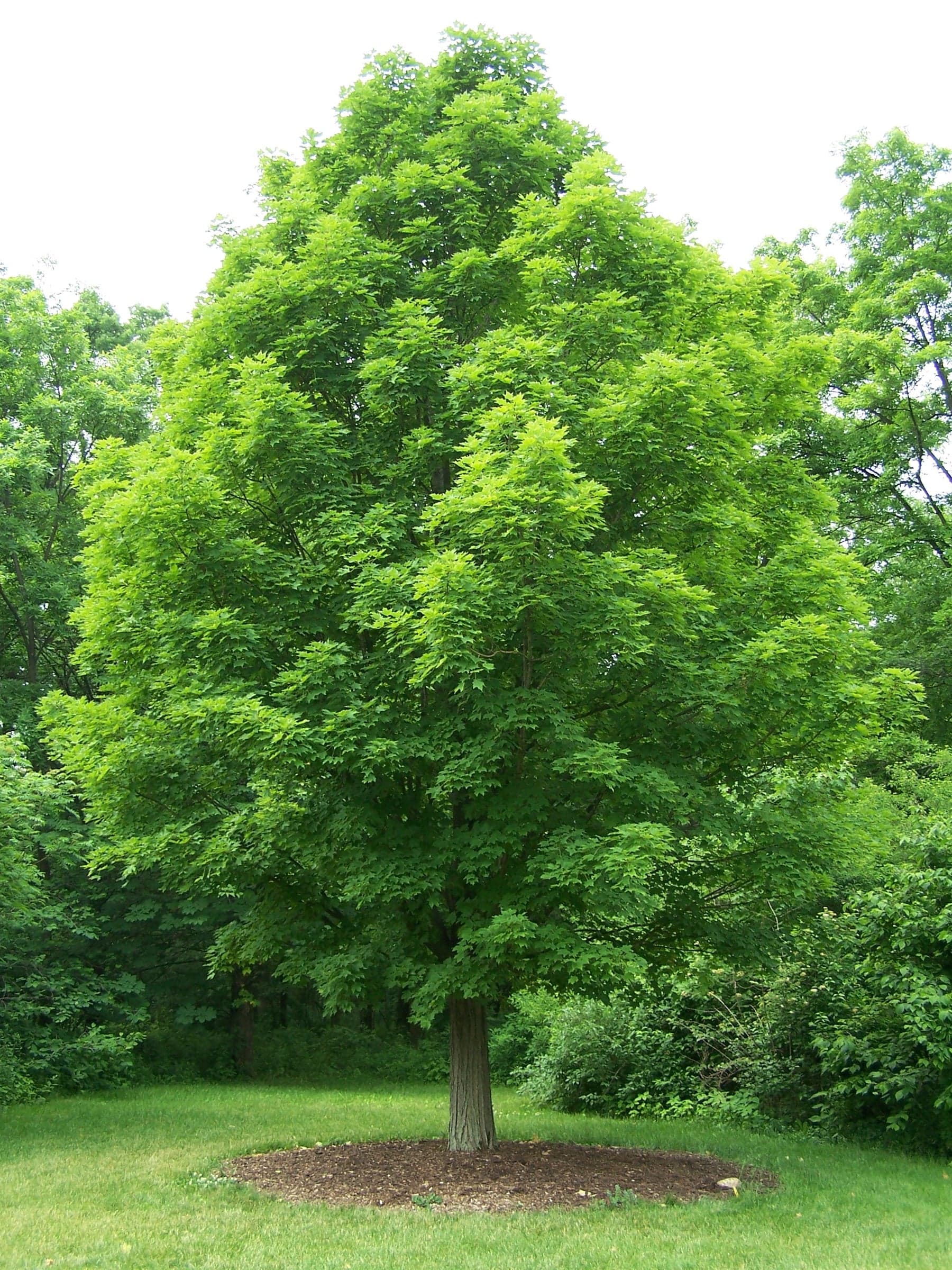
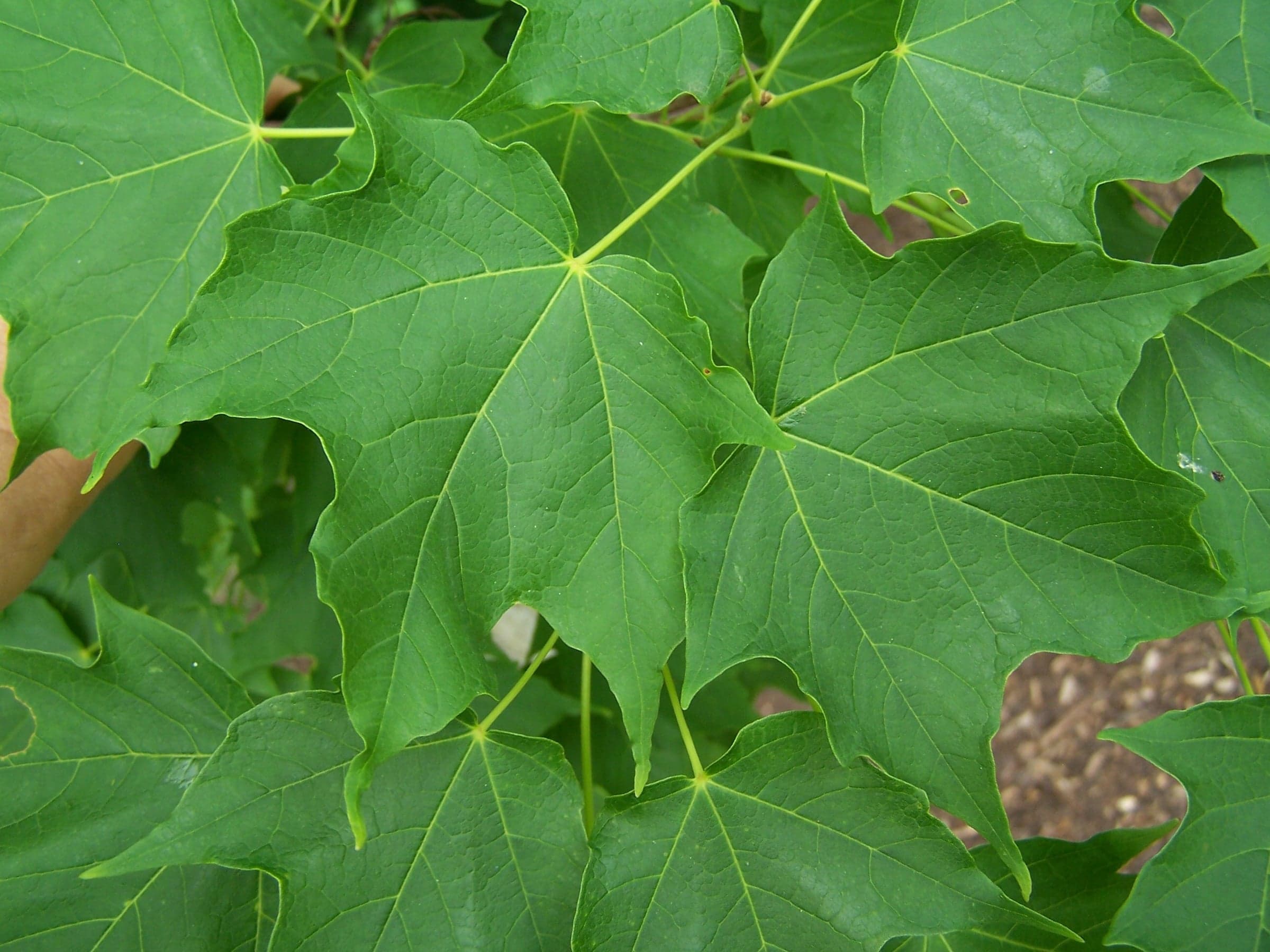
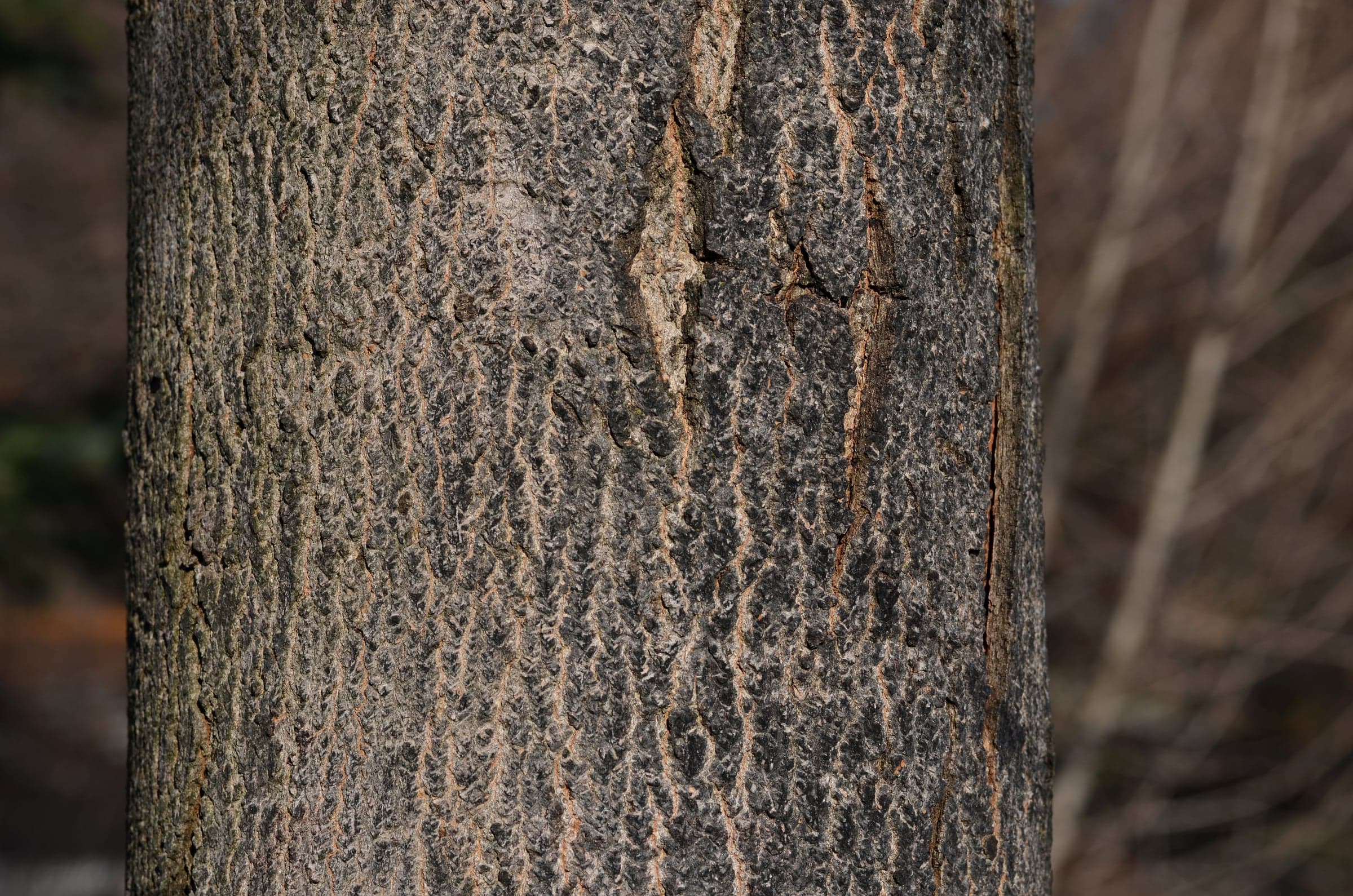
Acer saccharum
Hard Maple
The canonical butcher-block and kitchen-island wood. Pale, dense, food-safe, and hard-wearing. North American import, long established as a furniture-grade species through European channels.
- Coltivato fuori dall’Europa e importato tramite depositi europei.
- Gruppo botanico. Le conifere hanno foglie aghiformi, le latifoglie hanno foglie larghe.
- La famiglia botanica a cui appartiene la specie.
Avvisami quando arrivaSpecie di riferimento. Al momento non ci sono pezzi disponibili.
È adatto al tuo progetto?
Ideale per
- Butcher blocks, chopping boards, and kitchen islands
- Worktops and heavy-use table tops
- Stair treads and flooring in high-traffic rooms
- Cabinet interiors, drawer sides, and shaker-style fronts
- Turned bowls, handles, and tool components
- Instrument backs, necks, and sides, especially curly or bird's-eye stock
Nessun pezzo di Hard Maple nel lancio attuale
Specie simili disponibili
Al momento non è disponibile Hard Maple. Queste specie sono adatte agli stessi progetti e hanno pezzi disponibili.
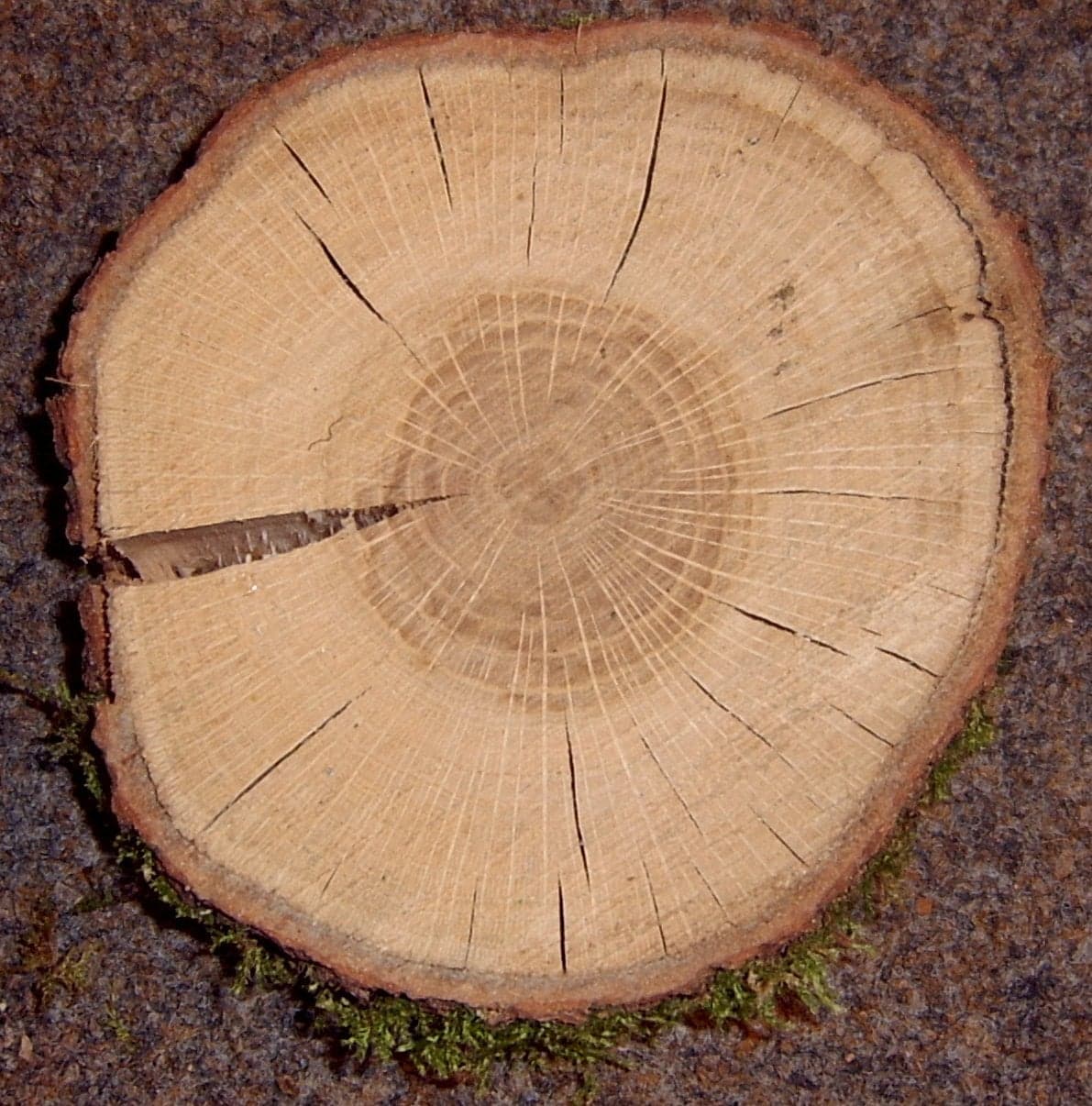
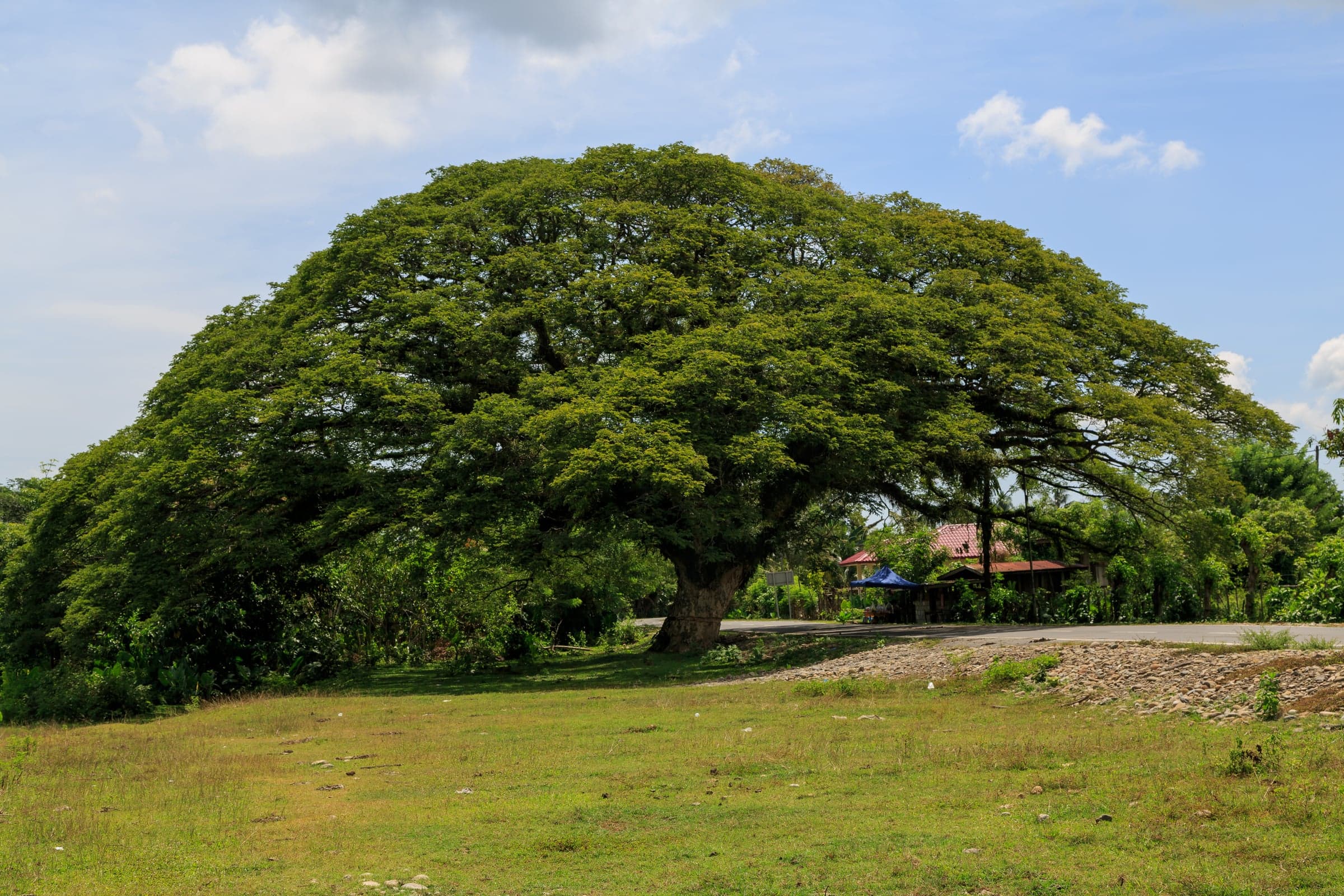
Ricevi avvisi per Hard Maple
Ti inviamo un’email quando arrivano nuove tavole di Hard Maple su KORENA. Ogni pezzo è unico, quindi conviene saperlo in anticipo.
Aspetto del legno
Che aspetto ha
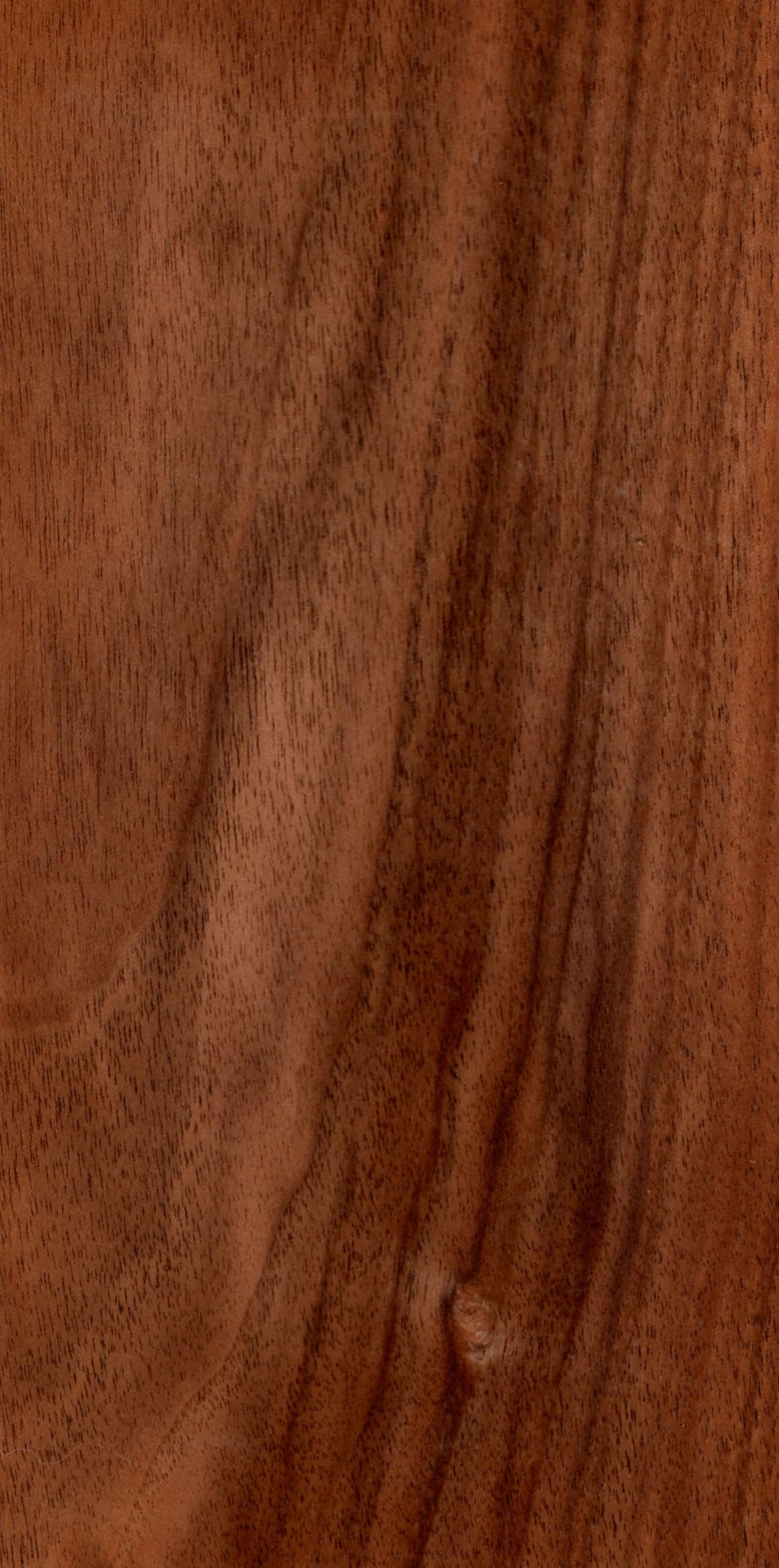
Creamy white sapwood, often with a slight reddish-brown heart. Grain is usually straight and fine, with an even texture that takes detail crisply. A small share of logs throw figure: tight curl (fiddleback) or scattered bird's-eye dots, both highly sought for furniture fronts and instrument backs, including the classic Stradivari violin back. The pale surface yellows gently under UV over time.
- Creamy white to pale off-white sapwood, the commercial face of the species
- Light reddish or golden-brown heartwood, usually trimmed out for uniform pale stock
- Yellows slightly and warmly under UV over months and years
- Bird's-eye figure: scattered dark dots across a pale field
- Curly figure: tight chatoyant ripples that shift under raking light
- Generally straight; sometimes curly or birds-eye figure.
Lavorazione
Come si lavora
Hard and dense, so plan tooling accordingly. Saws and planes cleanly with sharp carbide; dull edges burn quickly, especially on router cuts and end-grain work. Turns superbly, one of the finest turning hardwoods available. Sands well once flat. Curly and bird's-eye stock is prone to tear-out under straight knives; use a high cutting angle or finish with a scraper or sander. Glues and screws reliably; pre-drill near edges. Steam-bends adequately, not as freely as Ash or Beech.
Finitura
Sands to a glassy surface and finishes beautifully under clear oil, hardwax oil, or lacquer, which lets the figure read. Be honest about stain: Hard Maple is famously blotchy. The dense, tight grain absorbs pigment unevenly, so dye stains and oil stains often land patchy. If you must stain, use a pre-stain conditioner or gel stain and test on offcuts. Most makers leave it clear or lightly toned. A water-pop before finishing helps consistency on figured stock.
Essiccazione
Tangential shrinkage is high (roughly 9.5–10.5%) against modest radial movement, so the wood is dimensionally lively and prone to cup if rushed. Dry slowly, sticker carefully, and weigh the top of the stack. Once at EMC it stays put well in conditioned interiors. Acclimatise boards for at least a week in the shop before machining.
Quanto si muoverà?
Il legno si gonfia e si ritira in larghezza al variare dell’umidità dell’aria. Stima il movimento stagionale di un piano in Hard Maple prima di progettare i fissaggi.
Movimento stagionale previsto
circa 11,4 mm
Fissa il piano con nottolini o staffe asolate, non con colla o viti serrate.
Modello di ritiro lineare: larghezza × (ritiro ÷ 28 % di saturazione delle fibre) × variazione stagionale dell’umidità. Usa un ritiro tangenziale del 10 % per Hard Maple. È una stima di progetto, non una garanzia.
Quanto costa
Sicurezza e provenienza
- Coltivato fuori dall’Europa e importato tramite depositi europei.
- Stato nella Lista rossa IUCN: la valutazione globale dello stato di conservazione di questa specie.
Food-contact safe, this is the wood butcher blocks and chopping boards are built from, and it has no known toxicity in service. Dust is the real concern: maple dust is a documented respiratory sensitiser, and all hardwood dust is IARC Group 1. Run extraction at the source, wear a fitted P3 mask when sanding or routing, and keep the shop clean.
Leggi la guida completaNote approfondite su marezzatura, variazione del colore, lavorazione e stabilità.
What Hard Maple actually is#
Acer saccharum is the sugar maple, and it is the wood most kitchen and workshop surfaces should be made from.
The reasoning is specific. It is dense at 705 kg per cubic metre and hard at 6,450 N. It is closed grained, meaning no open pores for moisture and residue to lodge in. It is rated food safe. And it is essentially odourless and tasteless, so it does not transfer flavour.
No other species in this catalogue combines all four. Oak is food safe but open pored. Beech is food safe and closed grained but moves far more. Maple is the reason butchers blocks look the way they do.
Hard maple and soft maple#
This is the most common confusion in maple buying and it matters.
Hard maple is Acer saccharum specifically. Soft maple is a trade term covering several other Acer species, typically around 4,000 N Janka against hard maple's 6,450 N. They look broadly similar and are regularly conflated in listings.
For a decorative panel the difference is minor. For a chopping board, a workbench top or a floor, buying soft maple when you specified hard is a real downgrade. Check the botanical name rather than the trade name.
European Sycamore, Acer pseudoplatanus, is a third relative also sold as maple in some markets, and at 4,680 N it sits between the two.
Domande degli acquirenti
Domande degli acquirenti
Why is Hard Maple the standard for chopping boards?
It is dense at 705 kg per cubic metre, hard at 6,450 N, closed grained with no open pores for residue to lodge in, food safe, and almost odourless and tasteless. That combination is why it is the industry standard for butchers blocks and cutting boards, and why it is preferred over oak, which is open pored.
What is the difference between hard and soft maple?
Hard maple is Acer saccharum, the sugar maple. Soft maple covers several other Acer species that are lighter and softer, typically around 4,000 N Janka against 6,450 N. They look similar and are frequently confused in sale listings. For a work surface the difference matters a great deal.
What causes curly and birdseye figure?
Curly or flame figure is a wave in the grain that produces a rippling chatoyance across the board. Birdseye is a pattern of small swirled eyes whose cause is still not fully explained. Neither is predictable from the standing tree, both occur in a small proportion of trees, and both command large premiums over plain maple.
Does maple stain well?
Proprietà meccaniche
Dati tecnici
Valori di riferimento pubblicati. Quando le fonti non concordano, viene mostrato l’intervallo e il valore tipico è usato per le scale sopra.
| Densità (kg/m³)Massa per metro cubo con circa il 12 % di umidità. In genere, un legno più pesante è anche più duro e resistente. | 640–755 kg/m³valore tipico 705 kg/m³ |
|---|---|
| Durezza Janka (N)Forza necessaria per spingere una sfera d’acciaio fino a metà nel legno. È la misura standard della resistenza alle ammaccature. | 6,000–7,000 Nvalore tipico 6450 N |
| MOR: modulo di rottura (MPa)Resistenza alla flessione: il carico al quale una trave si rompe. | 100–115 MPa |
| MOE: modulo elastico (GPa)Rigidità alla flessione: quanto si incurva una mensola o un piano sotto carico. | 11.5–13.0 GPa |
| Ritiro radialeRitiro trasversale agli anelli di crescita, dal legno verde a quello anidro. È il movimento delle tavole a taglio radiale. | 4.5–5.5 % |