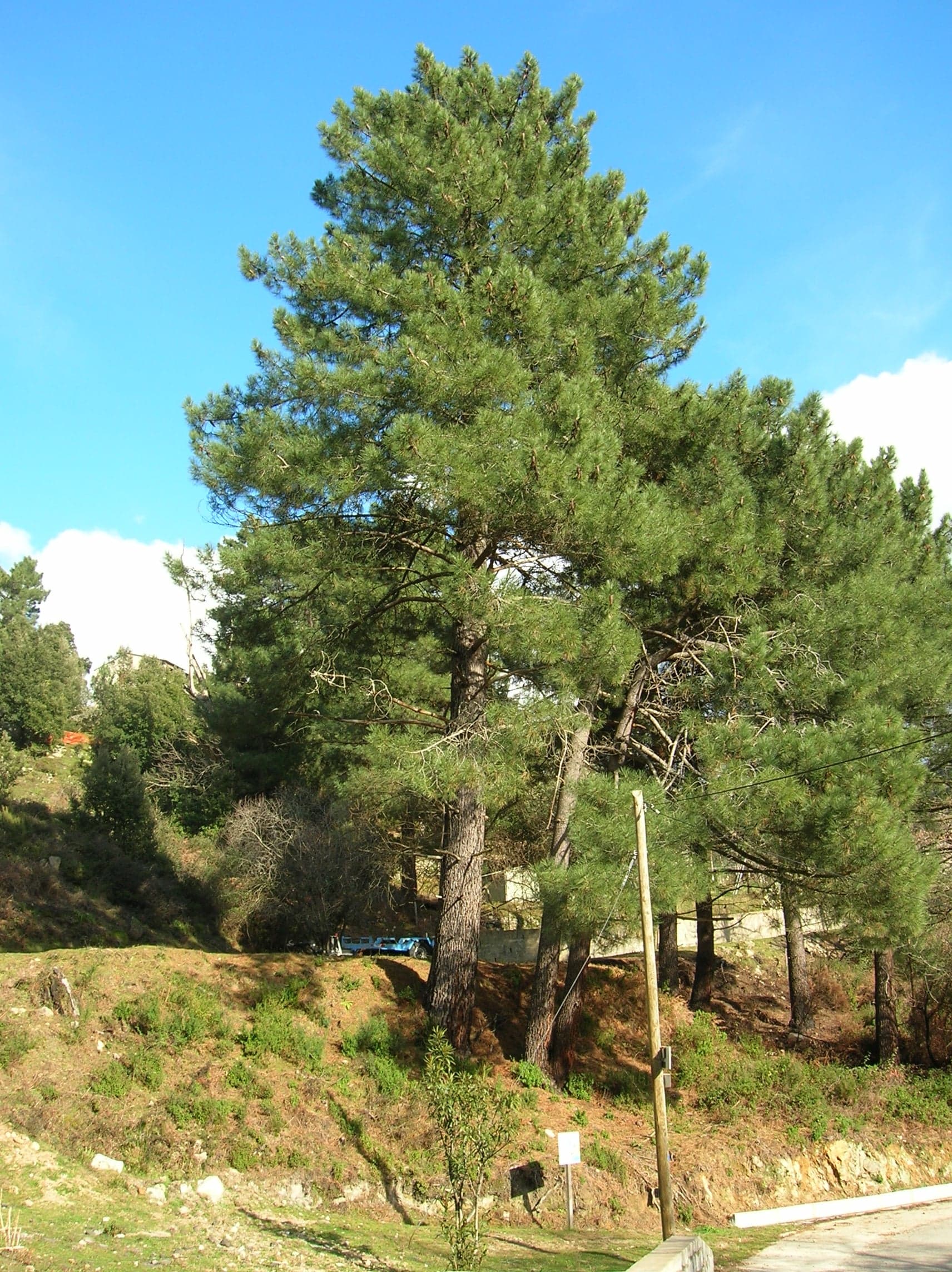
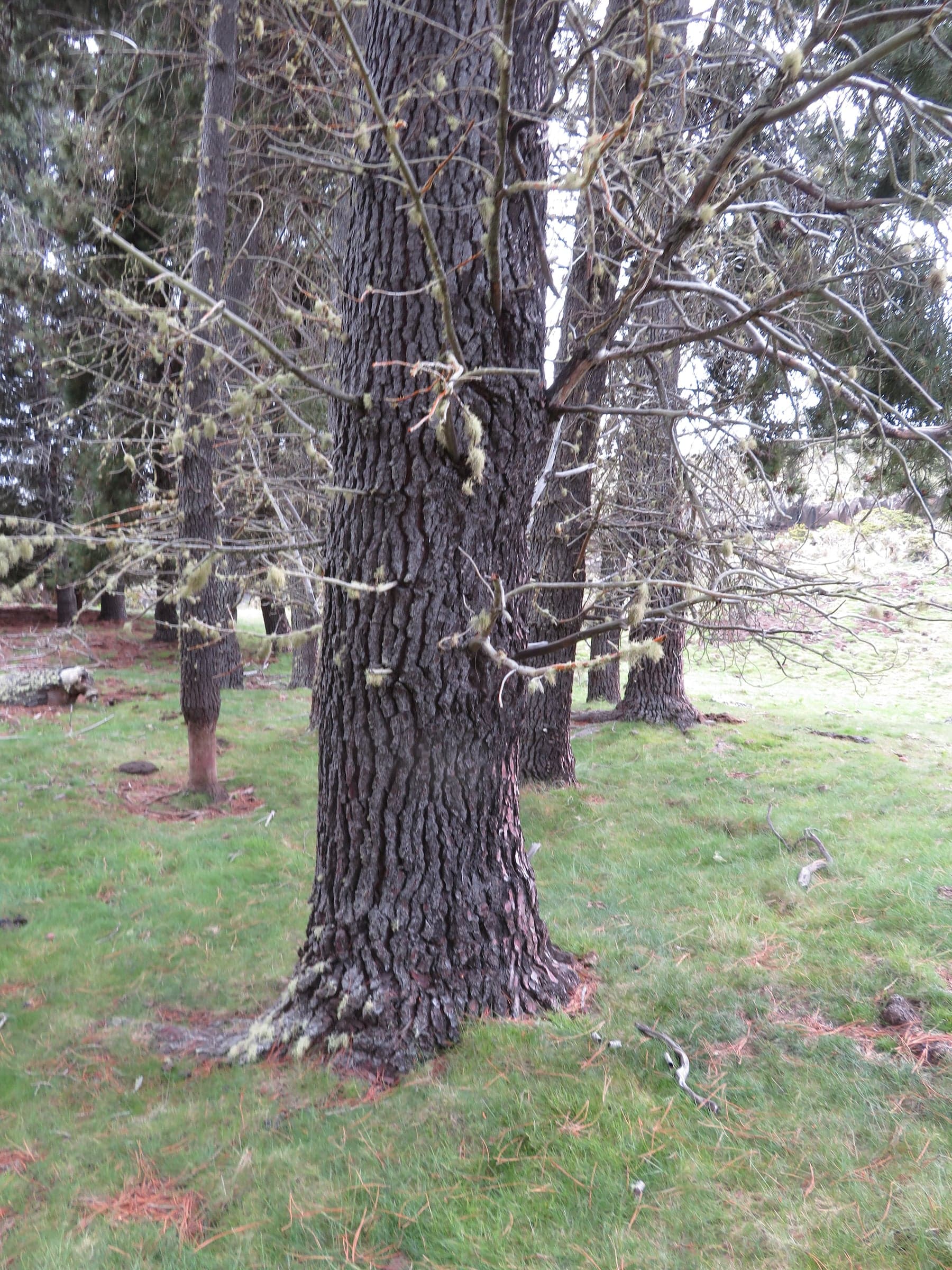
Pinus pinaster
Maritime Pine
The pine of the Atlantic coast and the Landes. The most resinous and least stable wood KORENA lists, with a bold coarse figure that suits rustic work.
- Coltivato e raccolto in Europa.
- Gruppo botanico. Le conifere hanno foglie aghiformi, le latifoglie hanno foglie larghe.
- La famiglia botanica a cui appartiene la specie.
Avvisami quando arrivaSpecie di riferimento. Al momento non ci sono pezzi disponibili.
È adatto al tuo progetto?
Ideale per
- Rustic tabletops
- Panelling
- Carcass work
- Painted furniture
- Shelving
Nessun pezzo di Maritime Pine nel lancio attuale
Specie simili disponibili
Al momento non è disponibile Maritime Pine. Queste specie sono adatte agli stessi progetti e hanno pezzi disponibili.


Ricevi avvisi per Maritime Pine
Ti inviamo un’email quando arrivano nuove tavole di Maritime Pine su KORENA. Ogni pezzo è unico, quindi conviene saperlo in anticipo.
Aspetto del legno
Che aspetto ha
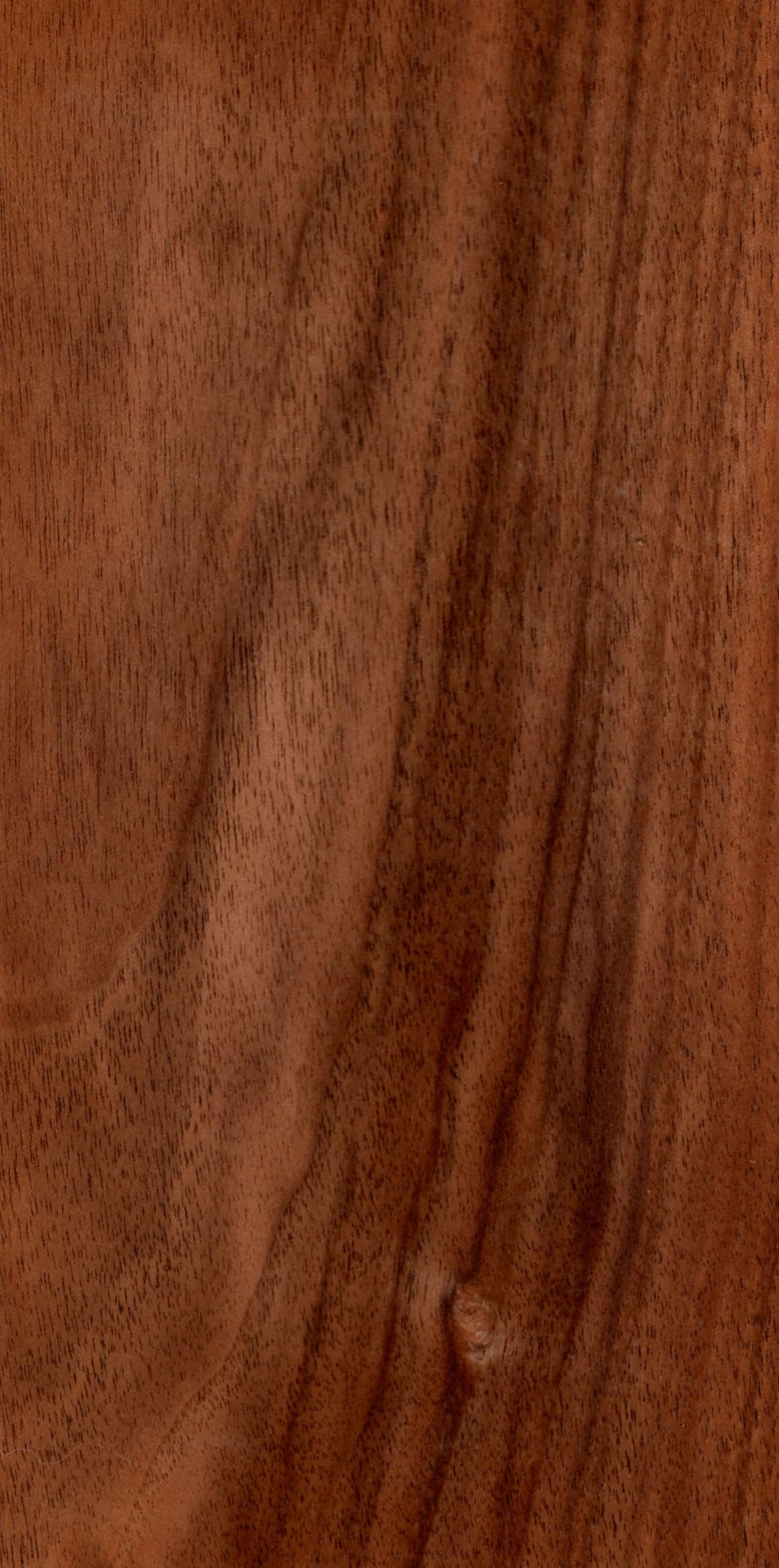
Pale yellow to reddish brown heartwood against wide pale sapwood, with very wide growth rings reflecting fast coastal growth. The ring contrast is strong, giving a bold and slightly coarse figure. It is the most resinous species KORENA lists, which is both its historical value, as the tree was tapped for turpentine for centuries, and its main working difficulty.
- Pale yellow to reddish brown heartwood
- Wide pale sapwood band
- Wide growth rings with strong earlywood to latewood contrast
- Straight grain with very wide rings and extreme earlywood to latewood contrast, giving a bold coarse figure. Pale yellow to reddish brown, highly resinous.
Lavorazione
Come si lavora
Works fairly well with most tools, but the resin gums up tools and clogs sandpaper more than in any other species here. Abrasives should be treated as consumable. The wide, soft earlywood bands between hard latewood bands mean the surface can wash out under sanding, leaving a rippled face, so scraping is preferable to heavy abrasive work. Sharp cutters are essential.
Finitura
Wipe down with denatured alcohol or acetone before finishing to lift surface resin, otherwise oil finishes may stay tacky in patches. Once clean it takes oil and wax well. Pigment stains blotch severely because of the extreme density contrast between earlywood and latewood, so a dye or a clear finish is much safer. Seal knots with shellac before any painted finish.
Essiccazione
Dries reasonably quickly but is prone to distortion given the wide rings and often spiral grain of fast grown coastal stock. A hot kiln schedule drives resin to the surface where it sets sticky and interferes with finishing later. Air drying followed by a low temperature kiln finish is the sensible route. Volumetric shrinkage at around 14.4 percent is the highest of any species KORENA lists, so movement in service is substantial.
Quanto si muoverà?
Il legno si gonfia e si ritira in larghezza al variare dell’umidità dell’aria. Stima il movimento stagionale di un piano in Maritime Pine prima di progettare i fissaggi.
Movimento stagionale previsto
circa 10,3 mm
Fissa il piano con nottolini o staffe asolate, non con colla o viti serrate.
Modello di ritiro lineare: larghezza × (ritiro ÷ 28 % di saturazione delle fibre) × variazione stagionale dell’umidità. Usa un ritiro tangenziale del 9 % per Maritime Pine. È una stima di progetto, non una garanzia.
Quanto costa
Sicurezza e provenienza
- Coltivato e raccolto in Europa.
- Stato nella Lista rossa IUCN: la valutazione globale dello stato di conservazione di questa specie.
Working with pine has been reported to cause allergic skin reactions and asthma-like symptoms in some people. Because this species carries more resin than the others here, skin contact sensitisation is a more realistic risk over repeated exposure. Gloves when handling and good extraction while machining are worth the habit.
Leggi la guida completaNote approfondite su marezzatura, variazione del colore, lavorazione e stabilità.
What Maritime Pine actually is#
Pinus pinaster is the pine of the western Mediterranean and the Atlantic seaboard of Iberia and France. The Landes forest in southwest France, planted on former dunes and marsh from the nineteenth century onward, is the largest planted pine forest in western Europe and the principal commercial source of this timber.
For centuries the tree was more valuable standing than felled, because it was tapped for resin to produce turpentine and rosin. That history is the single most useful fact about the wood, because the resin that made it commercially important is also what makes it the most demanding species in this catalogue to machine and finish.
Reading a Maritime Pine slab#
Fast coastal growth produces very wide growth rings, and the contrast between the soft pale earlywood and the hard dark latewood is extreme. The result is a bold, coarse figure with a lot of visual movement, quite different from the fine even texture of spruce or fir.
That coarseness is the honest character of the wood and suits rustic work well. It does not suit a design asking for a quiet, uniform surface.
Colour runs pale yellow to reddish brown in the heartwood against a wide pale sapwood band. Spiral grain is common in fast grown coastal stock and is worth checking for, because it is the main cause of the distortion this species is prone to.
Domande degli acquirenti
Domande degli acquirenti
Why is Maritime Pine so much stickier to work than other pines?
It carries more resin than any other species KORENA lists, which is why it was tapped commercially for turpentine and rosin for centuries. The resin softens with cutting heat and deposits on blades, in saw gullets and across abrasives. Clean blades with a resin solvent between operations and expect sandpaper to load quickly.
How much will it move?
More than anything else in this catalogue. Volumetric shrinkage is around 14.4 percent, the highest figure KORENA lists, with tangential movement at 9.0 percent against 4.5 percent radial. A wide flatsawn top will change noticeably between seasons, so it must float on slotted fasteners and should acclimatise in its final room before flattening.
Why does the surface look rippled after sanding?
The earlywood bands are much softer than the latewood bands and abrasives cut them away faster, leaving a washboard surface. This is worse in Maritime Pine than other pines because the rings are wide and the contrast extreme. Use a card scraper or a sharp plane for the final surface rather than sanding it flat.
Is it strong enough for a table?
Proprietà meccaniche
Dati tecnici
Valori di riferimento pubblicati. Quando le fonti non concordano, viene mostrato l’intervallo e il valore tipico è usato per le scale sopra.
| Densità (kg/m³)Massa per metro cubo con circa il 12 % di umidità. In genere, un legno più pesante è anche più duro e resistente. | 500 kg/m³ |
|---|---|
| Durezza Janka (N)Forza necessaria per spingere una sfera d’acciaio fino a metà nel legno. È la misura standard della resistenza alle ammaccature. | 1,740 N |
| MOR: modulo di rottura (MPa)Resistenza alla flessione: il carico al quale una trave si rompe. | 73 MPa |
| MOE: modulo elastico (GPa)Rigidità alla flessione: quanto si incurva una mensola o un piano sotto carico. | 8.5 GPa |
| Ritiro radialeRitiro trasversale agli anelli di crescita, dal legno verde a quello anidro. È il movimento delle tavole a taglio radiale. | 4.5 % |
| Ritiro tangenzialeRitiro lungo gli anelli di crescita. È il movimento delle tavole a taglio tangenziale e della maggior parte delle tavole KORENA. |