Castanea sativa
Sweet Chestnut
A lighter, softer cousin of oak. Tannin-rich heartwood gives it real durability outdoors, but those same tannins react with iron, so fixings need to be stainless or brass.
- Coltivato e raccolto in Europa.
- Gruppo botanico. Le conifere hanno foglie aghiformi, le latifoglie hanno foglie larghe.
- La famiglia botanica a cui appartiene la specie.
Avvisami quando arrivaSpecie di riferimento. Al momento non ci sono pezzi disponibili.
È adatto al tuo progetto?
Ideale per
- External cladding and rainscreens
- Interior wall and ceiling panelling
- Barn-style and rustic furniture frames
- Garden furniture and pergolas
- Coopered tanks, vats, and planters
- Beams and exposed structural framing
Nessun pezzo di Sweet Chestnut nel lancio attuale
Specie simili disponibili
Al momento non è disponibile Sweet Chestnut. Queste specie sono adatte agli stessi progetti e hanno pezzi disponibili.
Ricevi avvisi per Sweet Chestnut
Ti inviamo un’email quando arrivano nuove tavole di Sweet Chestnut su KORENA. Ogni pezzo è unico, quindi conviene saperlo in anticipo.
Aspetto del legno
Che aspetto ha
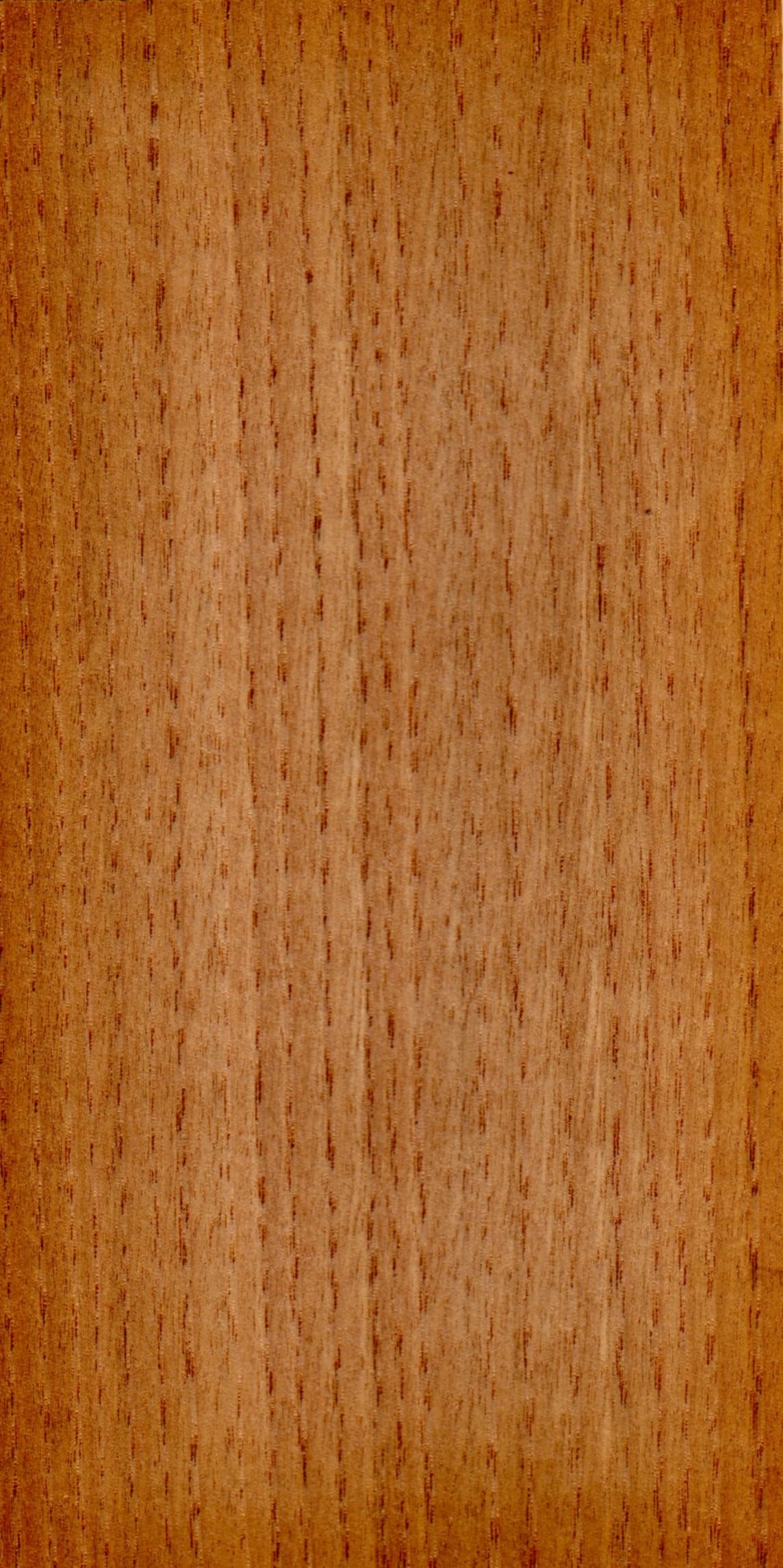
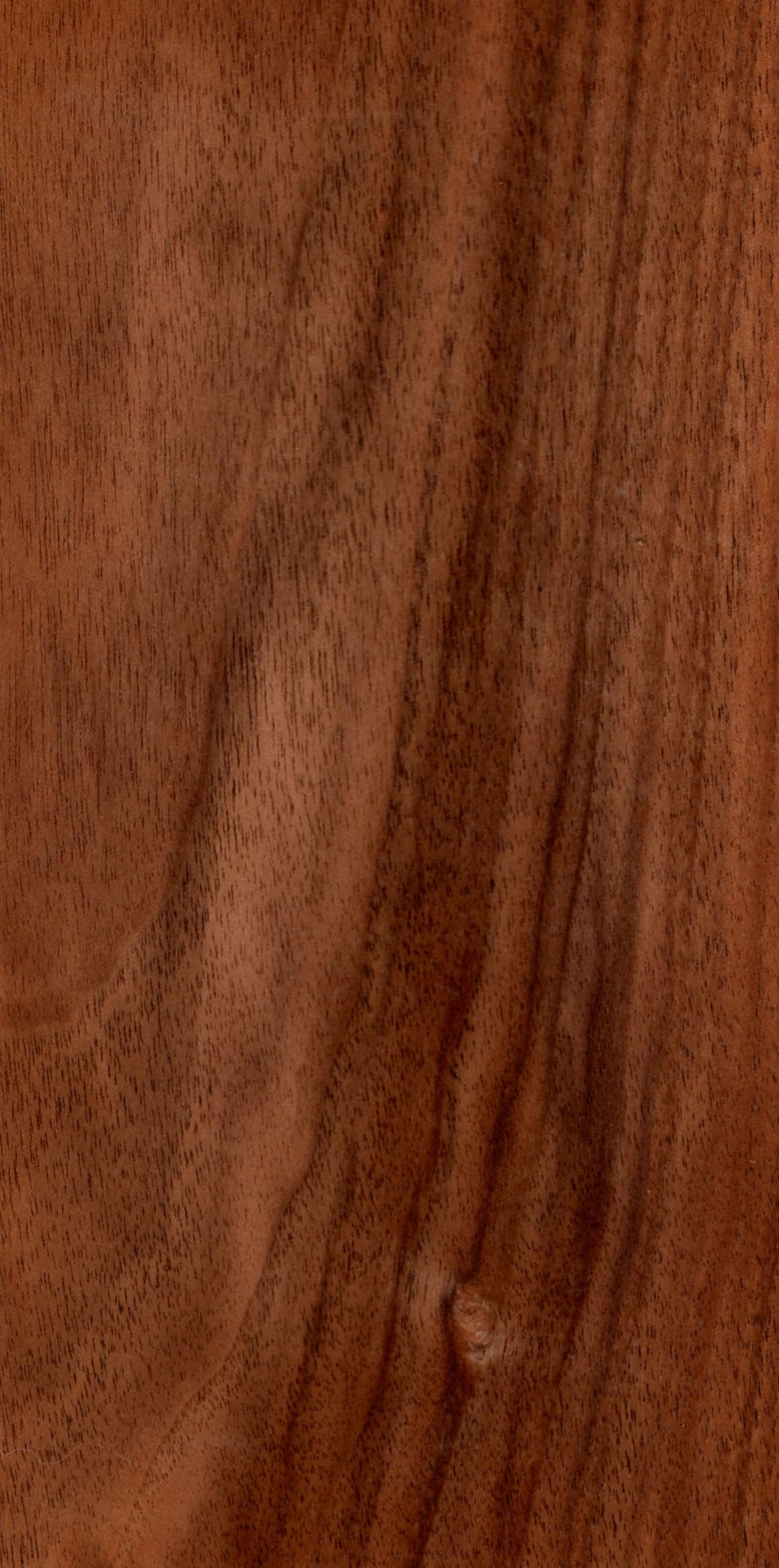
Straight-grained and coarse-textured, with prominent ring-porous figure that reads as oak at a glance. Heartwood is a warm honey-brown that ambers with age; sapwood is a narrow pale band. Lacks oak's strong medullary rays, so quartersawn faces are calmer and less flecked.
- Heartwood: warm honey to mid-brown, ambers with age
- Sapwood: narrow, pale cream to light straw
- Fumed: deep chocolate to near-black with ammonia
- Oiled: pulls warmer and slightly redder than oak
- Weathered outdoors: silver-grey patina within 1–2 seasons
- Straight grain, coarse texture; resembles oak.
Lavorazione
Come si lavora
Saws and planes well with sharp tooling. Softer than oak, so it dents more easily but is also kinder on edges. Splits readily when screwed near ends or edges, pre-drill and countersink. Glues and steam-bends predictably. Turning is workable but the coarse grain can tear on end-grain cuts.
Finitura
Takes oil, hardwax, and water-based finishes cleanly. Open pores benefit from a grain filler if you want a glass-flat surface, or leave them open for a tactile, oak-like read. Fuming with ammonia darkens it deeply thanks to the high tannin content. Test stains on offcuts, tannins can pull cool tones grey.
Essiccazione
Dries slowly and is prone to ring shake and honeycomb if pushed. Air-dry to around 25–30% MC before kilning, then run a gentle schedule. Movement in service is moderate, tangential shrinkage near 7% means wide boards want room to move in panels and tabletops.
Quanto si muoverà?
Il legno si gonfia e si ritira in larghezza al variare dell’umidità dell’aria. Stima il movimento stagionale di un piano in Sweet Chestnut prima di progettare i fissaggi.
Movimento stagionale previsto
circa 7,7 mm
Fissa il piano con nottolini o staffe asolate, non con colla o viti serrate.
Modello di ritiro lineare: larghezza × (ritiro ÷ 28 % di saturazione delle fibre) × variazione stagionale dell’umidità. Usa un ritiro tangenziale del 6,75 % per Sweet Chestnut. È una stima di progetto, non una garanzia.
Quanto costa
Sicurezza e provenienza
- Coltivato e raccolto in Europa.
- Stato nella Lista rossa IUCN: la valutazione globale dello stato di conservazione di questa specie.
Dust is a reported skin and respiratory sensitiser, extract at source and wear a fitted mask when sanding or routing. Heartwood is rated food-contact safe once finished. Critical detail: chestnut tannins react with iron and produce black staining wherever the two meet in the presence of moisture. Use stainless steel or brass fixings, and keep iron tooling off damp stock.
Leggi la guida completaNote approfondite su marezzatura, variazione del colore, lavorazione e stabilità.
What Sweet Chestnut actually is#
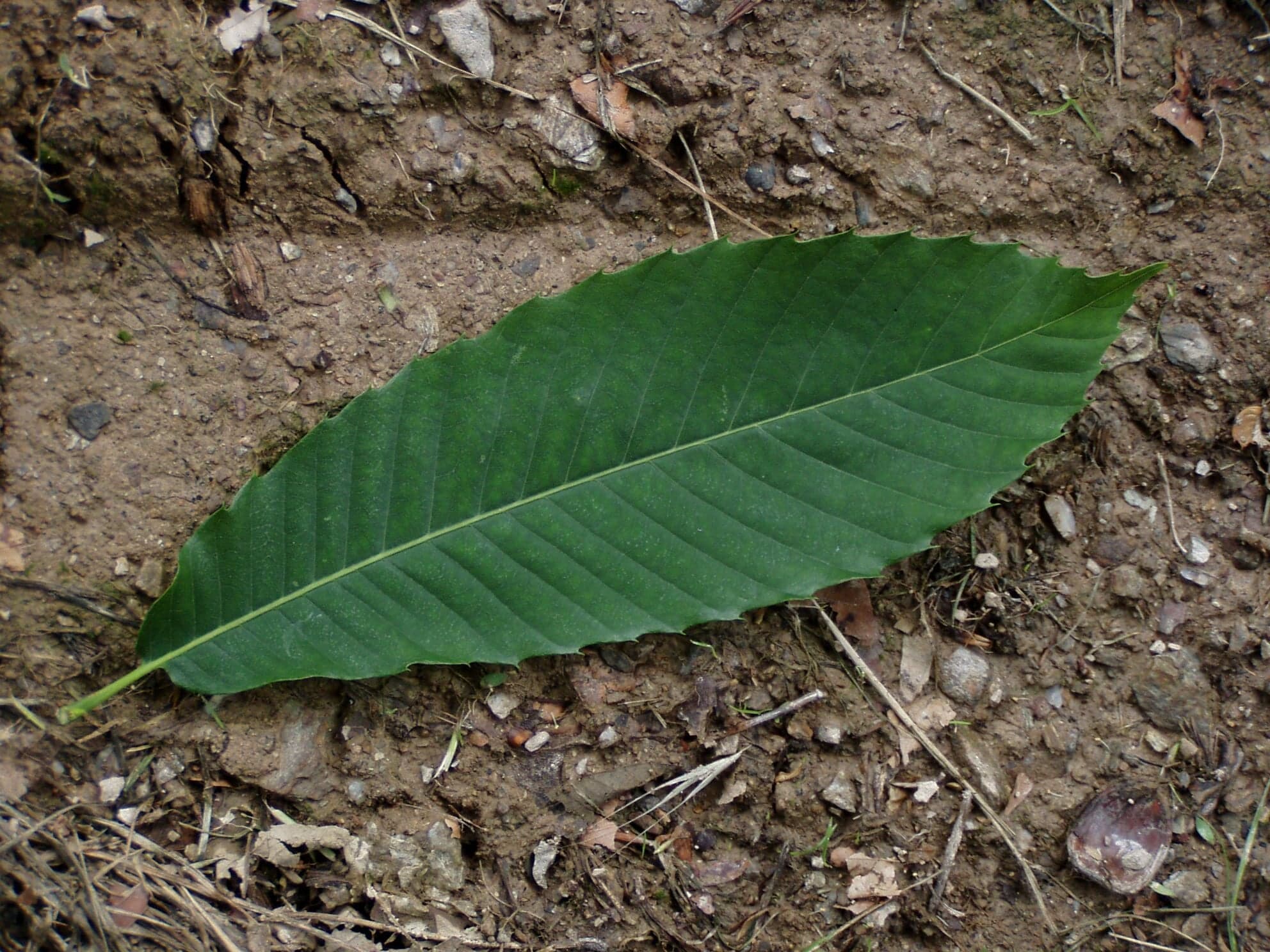
Castanea sativa is often sold as the light alternative to oak, and for appearance and durability that description holds. It is ring porous with a similar grain pattern, it carries a similar warm brown colour, and at decay class 2 it is genuinely durable outdoors.
Where the comparison breaks down is hardness. At 3,010 N Janka chestnut is the softest hardwood in this catalogue apart from black poplar, softer than Scots Pine and less than two thirds as hard as oak. Anyone expecting oak-like wear resistance from an oak-like appearance will be disappointed.
The other difference is visible: chestnut lacks oak's prominent rays, so a quartersawn chestnut board shows no ray fleck.
Ring shake, which is the thing to inspect for#
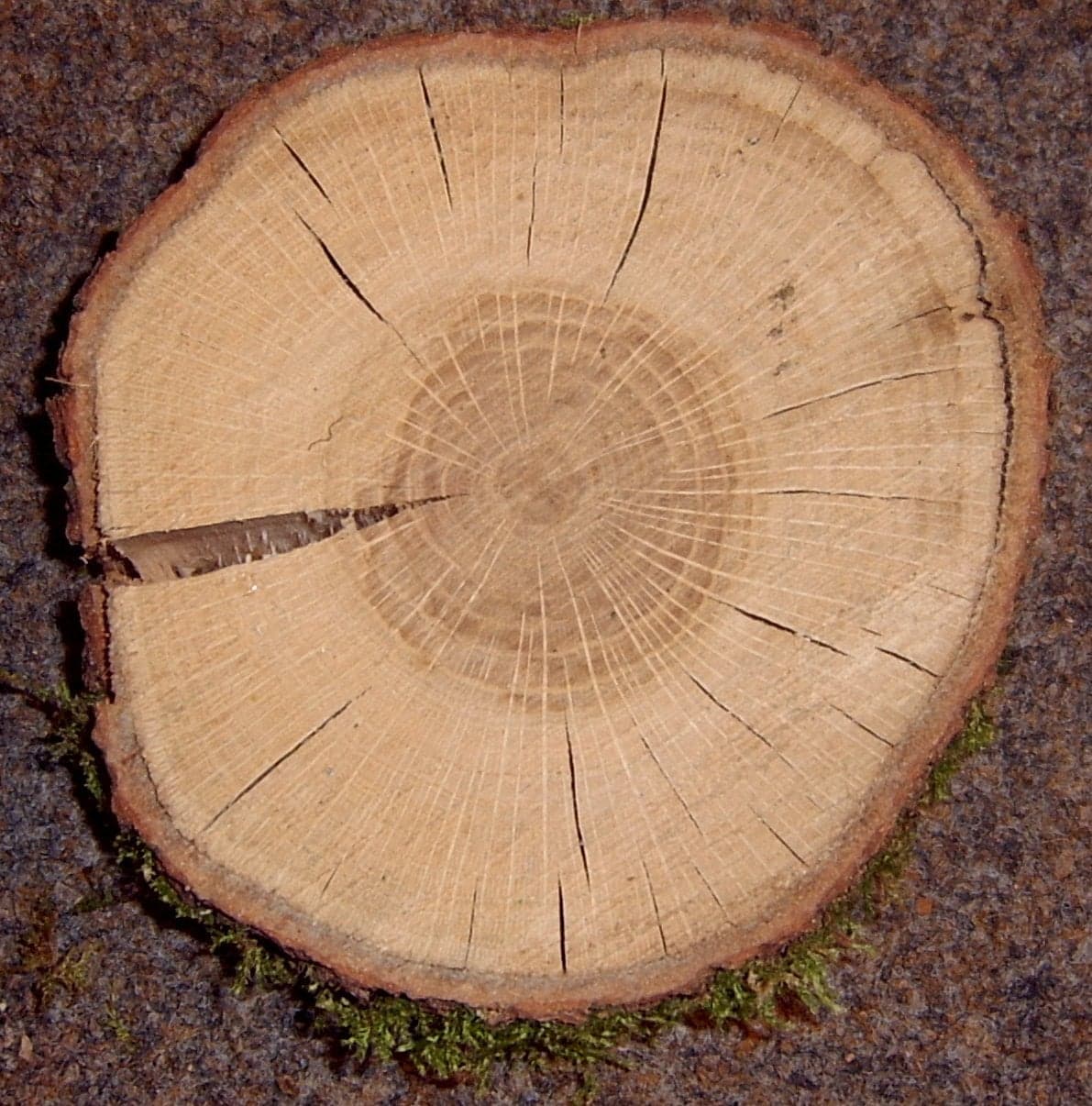
Chestnut is notably prone to ring shake, a separation along a growth ring inside the log.
The problem is that it frequently does not show on a rough sawn face. A board looks sound, gets machined, and the shake opens into a crescent shaped split that follows the ring and effectively ruins it.
This is the main reason chestnut yields far less usable timber than the abundance of the tree suggests, and it is the main reason to look carefully rather than quickly at a chestnut slab. Check end grain for any ring separation, and look along the length in raking light for a crescent line.
Domande degli acquirenti
Domande degli acquirenti
How is Sweet Chestnut different from oak?
It looks similar and is durable like oak, but it is much lighter and softer at 590 kg per cubic metre and 3,010 N Janka against 675 and 4,980 for European oak. Chestnut also lacks the prominent rays, so it has no ray fleck on quartersawn faces. It is often described as oak without the weight, which is fair for appearance and durability but not for hardness.
What is ring shake and why does it matter in chestnut?
A separation along a growth ring inside the log, which chestnut is particularly prone to. It may be invisible on a rough sawn surface and open up after machining, effectively ruining a board. It is the main reason chestnut yields less usable timber than its abundance suggests, and the main thing to inspect for when buying.
Can it be used outdoors?
Yes. At decay class 2 it is durable, and its high tannin content gives real resistance to rot. Chestnut has been the traditional European timber for fencing, cladding, shingles and outdoor structures for centuries, and coppiced chestnut fence posts are still a standard product.
Does it stain black like oak?
Proprietà meccaniche
Dati tecnici
Valori di riferimento pubblicati. Quando le fonti non concordano, viene mostrato l’intervallo e il valore tipico è usato per le scale sopra.
| Densità (kg/m³)Massa per metro cubo con circa il 12 % di umidità. In genere, un legno più pesante è anche più duro e resistente. | 540–650 kg/m³valore tipico 590 kg/m³ |
|---|---|
| Durezza Janka (N)Forza necessaria per spingere una sfera d’acciaio fino a metà nel legno. È la misura standard della resistenza alle ammaccature. | 2,700–3,300 Nvalore tipico 3010 N |
| MOR: modulo di rottura (MPa)Resistenza alla flessione: il carico al quale una trave si rompe. | 70–85 MPa |
| MOE: modulo elastico (GPa)Rigidità alla flessione: quanto si incurva una mensola o un piano sotto carico. | 8.0–10.0 GPa |
| Ritiro radialeRitiro trasversale agli anelli di crescita, dal legno verde a quello anidro. È il movimento delle tavole a taglio radiale. | 3.5–4.5 % |