Quercus cerris
Turkey Oak
Harder than European oak and considerably cheaper, for one reason: it is difficult to dry. Buy it already stable and it is a bargain.
- Coltivato e raccolto in Europa.
- Gruppo botanico. Le conifere hanno foglie aghiformi, le latifoglie hanno foglie larghe.
- La famiglia botanica a cui appartiene la specie.
Avvisami quando arrivaSpecie di riferimento. Al momento non ci sono pezzi disponibili.
È adatto al tuo progetto?
Ideale per
- Rustic tabletops
- Flooring
- Interior joinery
- Cladding under cover
- Decorative slabs
Nessun pezzo di Turkey Oak nel lancio attuale
Specie simili disponibili
Al momento non è disponibile Turkey Oak. Queste specie sono adatte agli stessi progetti e hanno pezzi disponibili.


Ricevi avvisi per Turkey Oak
Ti inviamo un’email quando arrivano nuove tavole di Turkey Oak su KORENA. Ogni pezzo è unico, quindi conviene saperlo in anticipo.
Aspetto del legno
Che aspetto ha
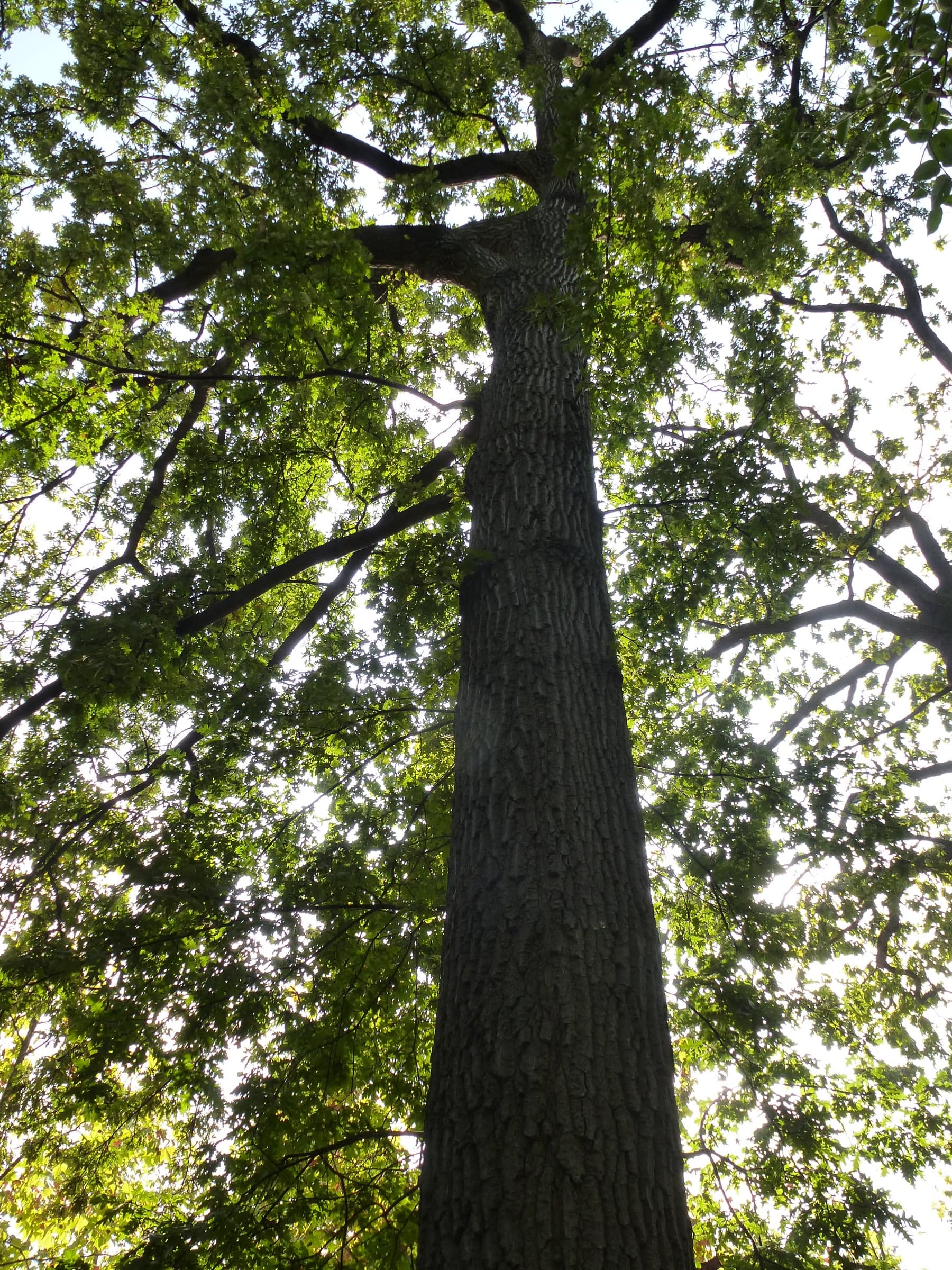
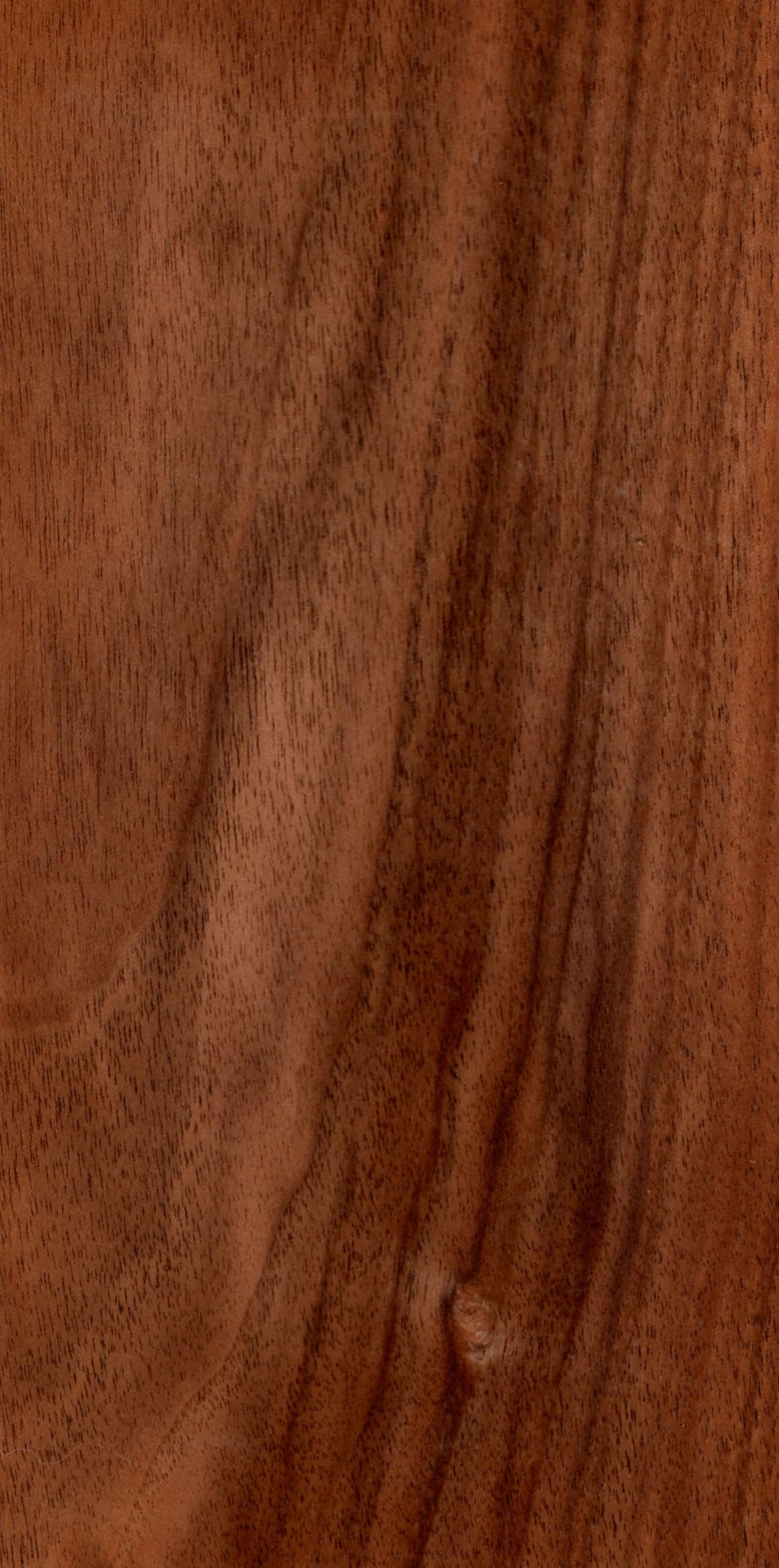
Denser and harder than either European oak, with a coarser and more open texture. Colour is a light to mid brown, generally plainer and less olive than Quercus robur, with wide rays that produce a bold but less silvery fleck on quartersawn faces. Its reputation in the trade is poor, earned by a strong tendency to check and distort in drying rather than by any weakness in the finished wood.
- Light to mid brown, plainer than European oak
- Coarse open texture with very wide rays
- Bold but less silvery ray fleck on quartersawn faces
- Straight grain, coarse open texture with very wide rays. Light to mid brown, plainer than European oak, with a bold but less silvery quartersawn fleck.
Lavorazione
Come si lavora
Works similarly to the American oaks according to the source cited here. It is harder and denser than Quercus robur, so it blunts cutters faster and demands more power in the cut, but it machines cleanly once dry and stable. The very wide rays can lift on a quartersawn face if the cut is heavy. Grain filler is needed for a smooth finish given the coarse open pores.
Finitura
Takes stain and finish much as other oaks do, and the plainer colour actually accepts stain more evenly than the olive cast of European oak. The coarse open pores need filling for a smooth surface. The same tannin and iron reaction applies as in every oak, so brass or stainless fittings only and no steel wool.
Essiccazione
This is the species specific problem and the reason Turkey Oak is cheap. It is markedly prone to checking, honeycombing and severe distortion during drying, considerably worse than Quercus robur or petraea, and volumetric shrinkage at 16 percent is the highest of any hardwood KORENA lists. Tangential shrinkage of 10 percent against 6 percent radial compounds it. Slowly air dried stock that has already stabilised is the only version of this timber worth buying.
Quanto si muoverà?
Il legno si gonfia e si ritira in larghezza al variare dell’umidità dell’aria. Stima il movimento stagionale di un piano in Turkey Oak prima di progettare i fissaggi.
Movimento stagionale previsto
circa 11,4 mm
Fissa il piano con nottolini o staffe asolate, non con colla o viti serrate.
Modello di ritiro lineare: larghezza × (ritiro ÷ 28 % di saturazione delle fibre) × variazione stagionale dell’umidità. Usa un ritiro tangenziale del 10 % per Turkey Oak. È una stima di progetto, non una garanzia.
Quanto costa
Sicurezza e provenienza
- Coltivato e raccolto in Europa.
Oak is a documented sensitiser, with reactions typically including eye and skin irritation and asthma-like symptoms. Repeated exposure to oak dust carries elevated nasal cancer risk, so extraction is not optional in a production setting.
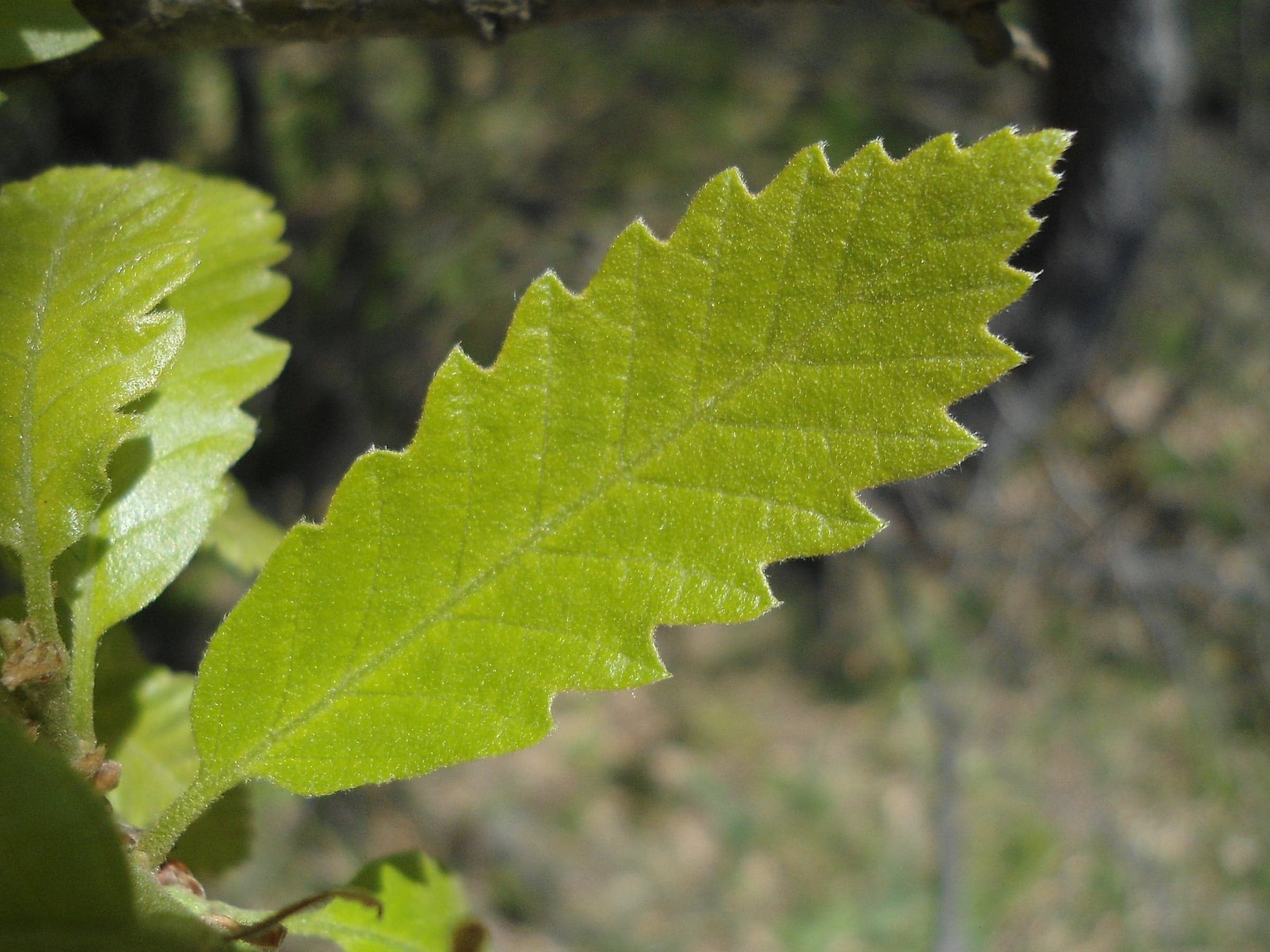
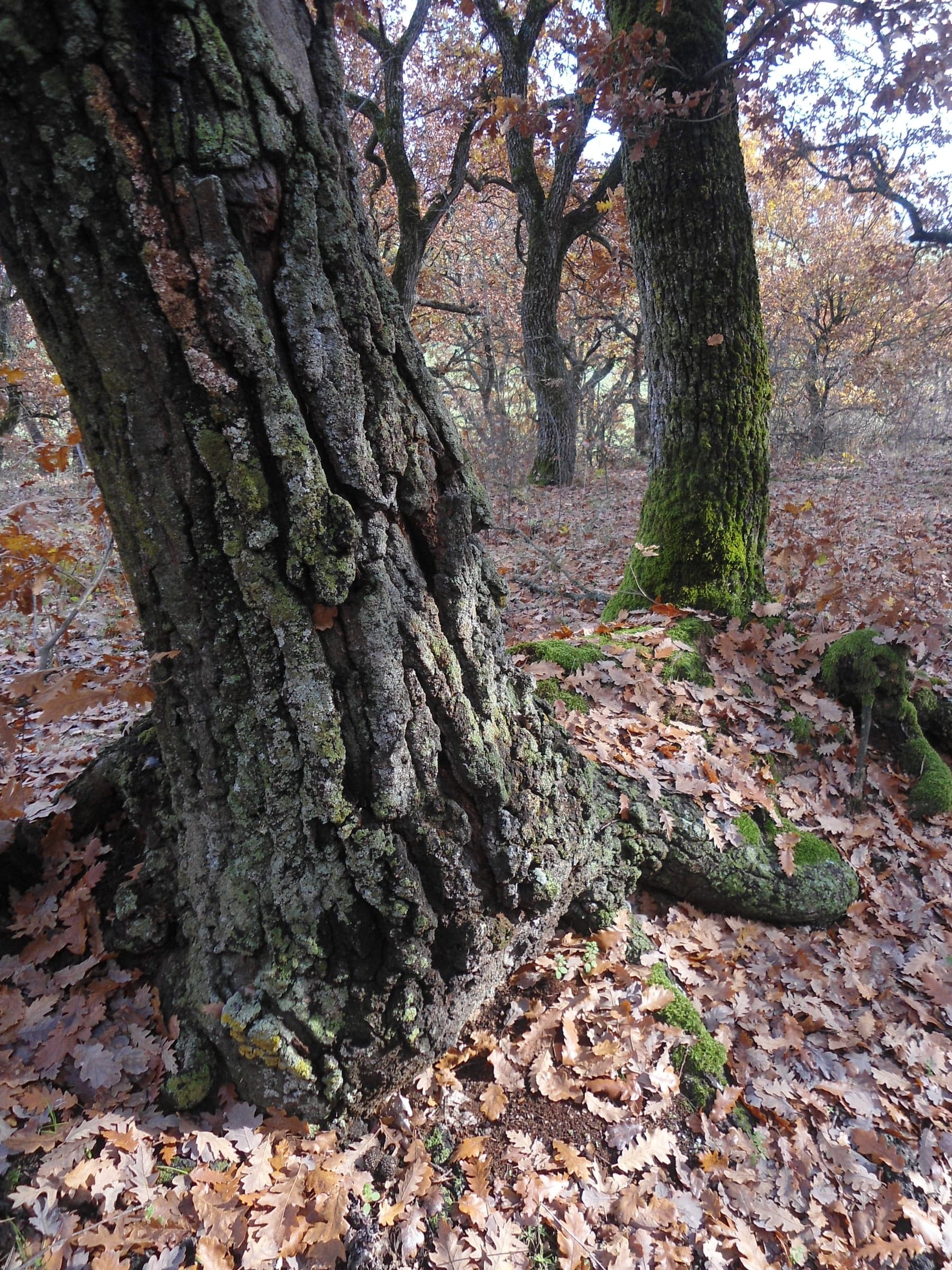
Quercus cerris is the oak of southeastern Europe and Asia Minor, dominant through the Balkans, Hungary, Italy and Turkey. It grows fast on poor dry soils where the northern oaks struggle, and it has been planted widely outside its range. Balkan sourced material is common and inexpensive in the EU market.
Leggi la guida completaNote approfondite su marezzatura, variazione del colore, lavorazione e stabilità.
What Turkey Oak actually is#
Quercus cerris is the oak of southeastern Europe and Asia Minor. It dominates through the Balkans, Hungary, Italy and Turkey, growing fast on poor dry soils where the northern oaks struggle, and it has been planted well outside that range.
It has a poor reputation in the trade, and that reputation is worth understanding precisely, because it is only half deserved. The finished wood is not inferior. At 720 kg per cubic metre it is denser than European oak, and its modulus of rupture of 114.3 MPa is well above the 97.1 MPa of sessile oak. The problem is entirely in getting it from log to stable board.
The drying problem, which is the whole story#
Turkey Oak checks, honeycombs and distorts during drying far more readily than Quercus robur or petraea.
The numbers explain why. Volumetric shrinkage is 16 percent, the highest of any hardwood in this catalogue. Tangential shrinkage of 10 percent against 6 percent radial gives a ratio that guarantees flatsawn boards will cup hard. Combine high total movement with a wide differential and a fast schedule, and the wood tears itself apart.
A significant proportion of what is cut degrades before it becomes usable timber, and the price of the survivors carries that loss. That is why Turkey Oak is cheap.
The practical consequence for a buyer is simple and important: the risk lives in the drying, not in the service life. A slab that has already been slowly dried and has stabilised is a hard, dense, durable board at a fraction of European oak money. A slab that was rushed is firewood that has not finished failing yet.
Domande degli acquirenti
Domande degli acquirenti
Why is Turkey Oak so much cheaper than European Oak?
Not because the finished wood is weaker. It is denser and harder than Quercus robur. The discount reflects how badly it behaves in drying: it checks, honeycombs and distorts far more readily, and volumetric shrinkage at 16 percent is the highest of any hardwood in this catalogue. A large proportion of what is cut degrades before it is usable, and the price carries that loss.
Is the Janka figure reliable?
It is published as an estimate derived from specific gravity rather than a measured test, and KORENA records it that way in the source note on the species record. Treat 5,340 N as indicative. It places Turkey Oak above European oak at 4,980 N, which matches its higher density of 720 kg per cubic metre, but it is not a laboratory measurement.
Can I use it for a tabletop?
Yes, provided the slab is already properly dried and stable. Buy air dried stock that has had time to settle rather than freshly kilned material, check the measured moisture value on the listing, and let it acclimatise in the room before flattening. Once through drying it is a hard, durable surface. The risk is entirely in the drying, not the service life.
Proprietà meccaniche
Dati tecnici
Valori di riferimento pubblicati. Quando le fonti non concordano, viene mostrato l’intervallo e il valore tipico è usato per le scale sopra.
| Densità (kg/m³)Massa per metro cubo con circa il 12 % di umidità. In genere, un legno più pesante è anche più duro e resistente. | 720 kg/m³ |
|---|---|
| Durezza Janka (N)Forza necessaria per spingere una sfera d’acciaio fino a metà nel legno. È la misura standard della resistenza alle ammaccature. | 5,340 N |
| MOR: modulo di rottura (MPa)Resistenza alla flessione: il carico al quale una trave si rompe. | 114 MPa |
| MOE: modulo elastico (GPa)Rigidità alla flessione: quanto si incurva una mensola o un piano sotto carico. | 10.8 GPa |
| Ritiro radialeRitiro trasversale agli anelli di crescita, dal legno verde a quello anidro. È il movimento delle tavole a taglio radiale. | 6.0 % |
| Ritiro tangenzialeRitiro lungo gli anelli di crescita. È il movimento delle tavole a taglio tangenziale e della maggior parte delle tavole KORENA. |