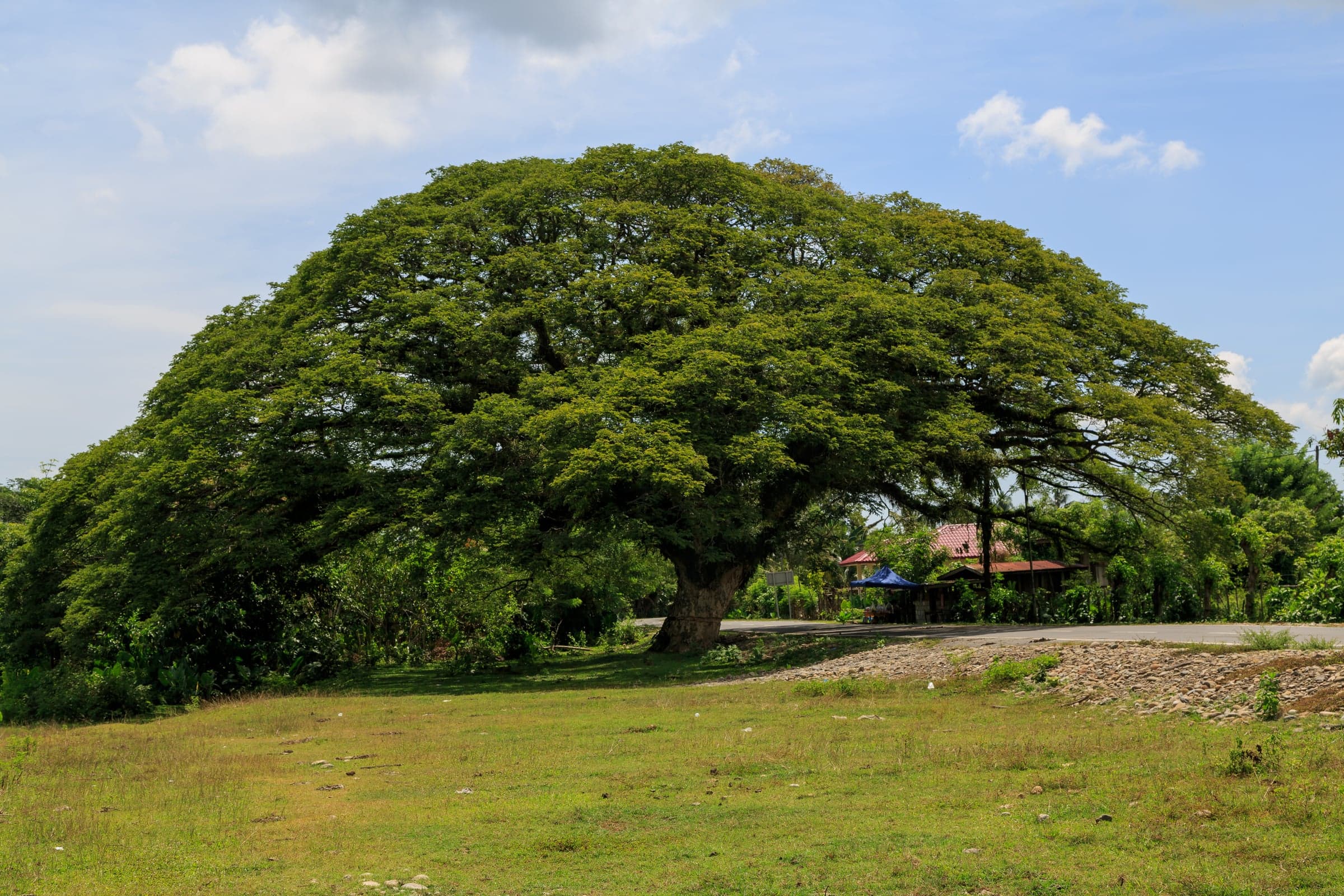
KORENA
MedienaFinished piecesReikmenysMedienos sandėliaiŽurnalas

Gaukite pranešimus

Kiekviena storlentė yra vienetinė. Ją pardavus, jos nebelieka. Parašysime jums, kai bus paskelbti nauji vienetai: naujausios prekės, naujos medienos rūšys ir pagal projekto aprašą parinktos lentos.

Keli laiškai per mėnesį. Jokio šlamšto, prenumeratą galite bet kada atšaukti.

KORENA, aukščiausios kokybės lapuočių mediena

Po vieną vienetą.

Patikrinta aukščiausios kokybės lapuočių mediena, parduodama po vieną vienetą. Kiekviena storlentė nufotografuojama, išmatuojama ir išsiunčiama iš partnerio medienos sandėlio su medienos pasu.

Parduotuvė

  • Peržiūrėti prekes
  • Parduotų storlenčių archyvas
  • Sekti užsakymą

Sužinokite

  • Žurnalas
  • Medienos rūšių vadovai
  • Žodynas
  • Palyginti
  • Autoriai

Pagalba

  • Apie mus
  • Kaip tai veikia
  • Tapti partnerio medienos sandėliu
  • Rasti storlentę
  • Pagalba
  • Dokumentų šablonai
  • Žiniasklaidai

Pirkimas

  • Pardavimo sąlygos
  • Teisė atsisakyti sutarties
  • Grąžinimas ir atitikties garantija
  • Siuntimas ir pristatymas

Patikimumas

  • Privatumo politika
  • Slapukų politika
  • Medienos kilmė ir EUDR
  • Prieinamumas

Rekvizitai

  • Teisinė informacija / rekvizitai
  • Priimtinas naudojimas
  • Intelektinė nuosavybė ir turinys

© 2026 KORENA. Visos teisės saugomos.

Valdo „Martial Labs Ltd.“ (BG, EIK 207453941). KORENA yra „Martial Labs Ltd.“ prekių ženklas.

Gerbiame jūsų privatumą

Naudojame būtinuosius slapukus, kad svetainė veiktų. Gavę jūsų leidimą taip pat naudotume slapukus analizei, suasmenintam turiniui ir reklamai. Savo pasirinkimą bet kada galite pakeisti sutikimo nuostatų puslapyje. Žr. mūsų slapukų politiką ir privatumo politiką.

  1. Pradžia
  2. /
  3. Medienos rūšys
  4. /
  5. European Cherry

Prunus avium

European Cherry

A refined cabinet wood with fine, even grain that ages from pinkish-tan to a deep reddish-brown.

  • Užauginta ir nukirsta Europoje.
  • Botaninė grupė. Spygliuočių mediena gaunama iš spygliuočių, lapuočių mediena iš plačialapių medžių.
  • Botaninė šeima, kuriai priklauso rūšis.
Pranešti, kai atsirasŽinyno medienos rūšis. Šiuo metu vienetų neturime.
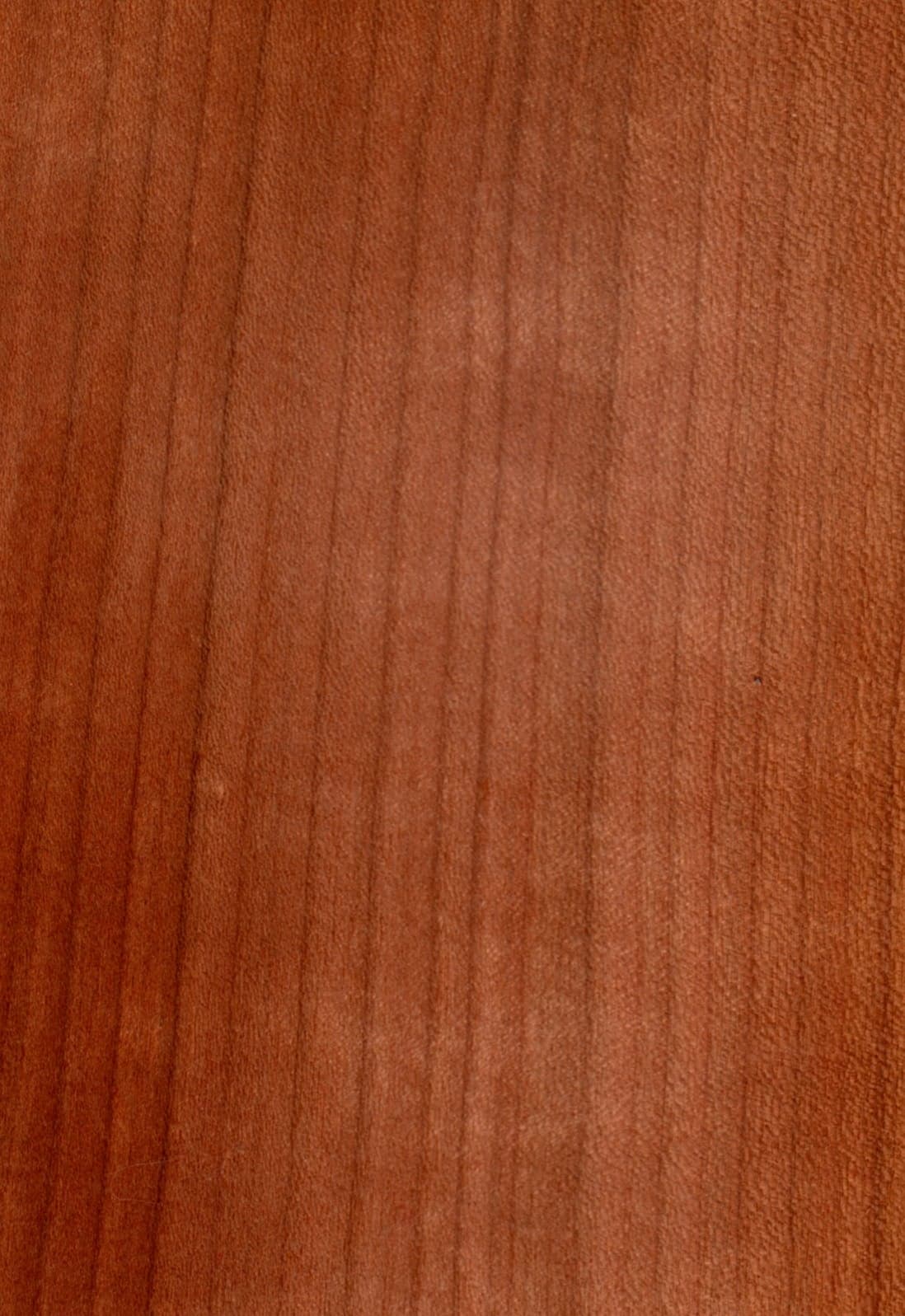
European Cherry rievės
  • Tinkamumas projektui
  • Turime
  • Išvaizda
  • Apdirbimas
  • Brinkimas ir traukimasis
  • Kaina
  • Sauga ir tiekimas
  • Klausimai
  • Techniniai duomenys

Ar tinka jūsų projektui?

Puikiai tinka

  • Fine cabinetry and built-ins
  • Dining and occasional tables
  • Chairs and bench seats
  • Boxes, trays, and small casework
  • Turned bowls and handles
  • Interior architectural joinery
  • Musical instrument parts

Dabartinėje kolekcijoje European Cherry nėra

Turimos panašios medienos rūšys

Šiuo metu European Cherry nėra. Šios medienos rūšys tinka tiems patiems projektams, o jų vienetų turime.
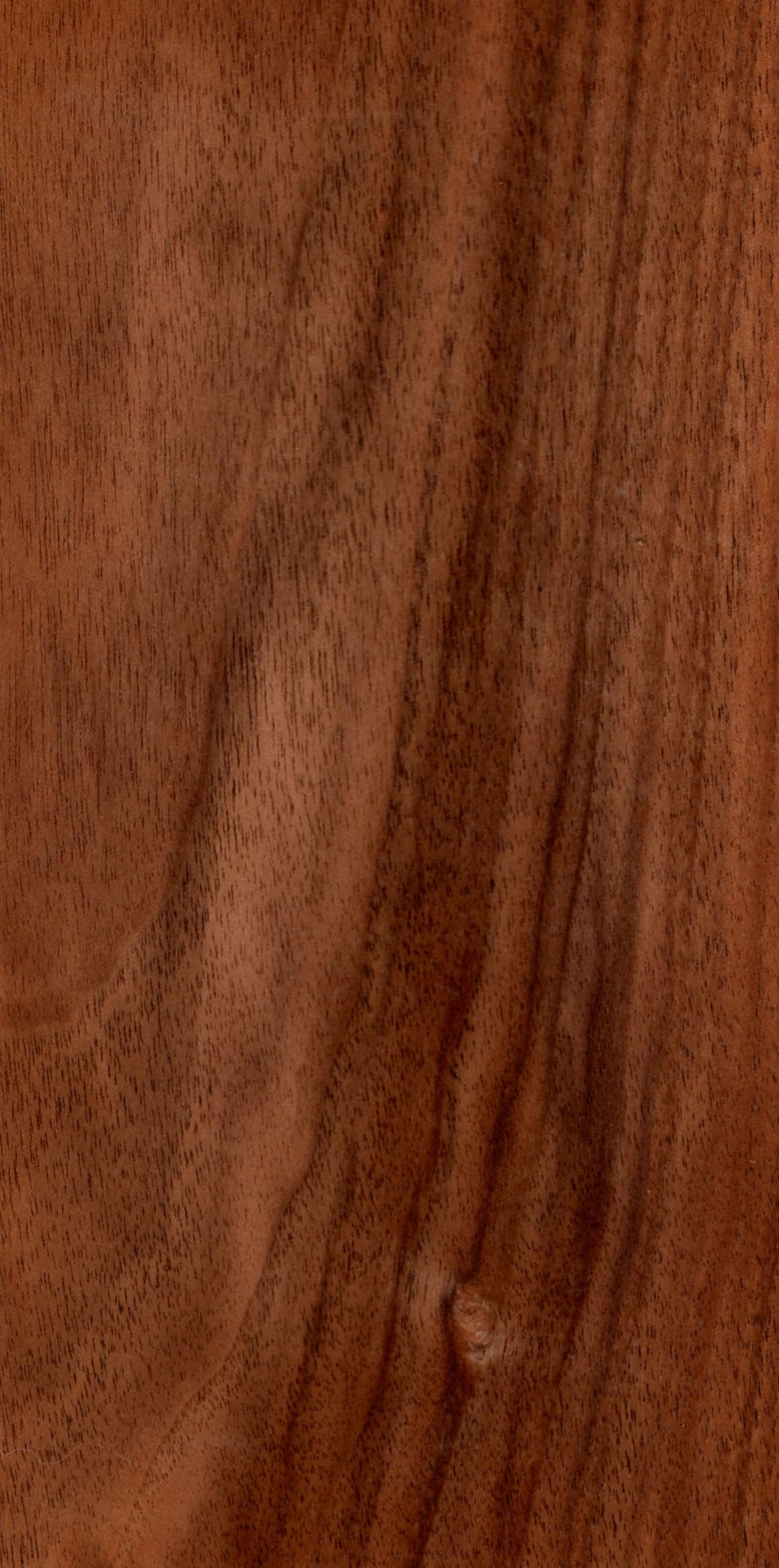
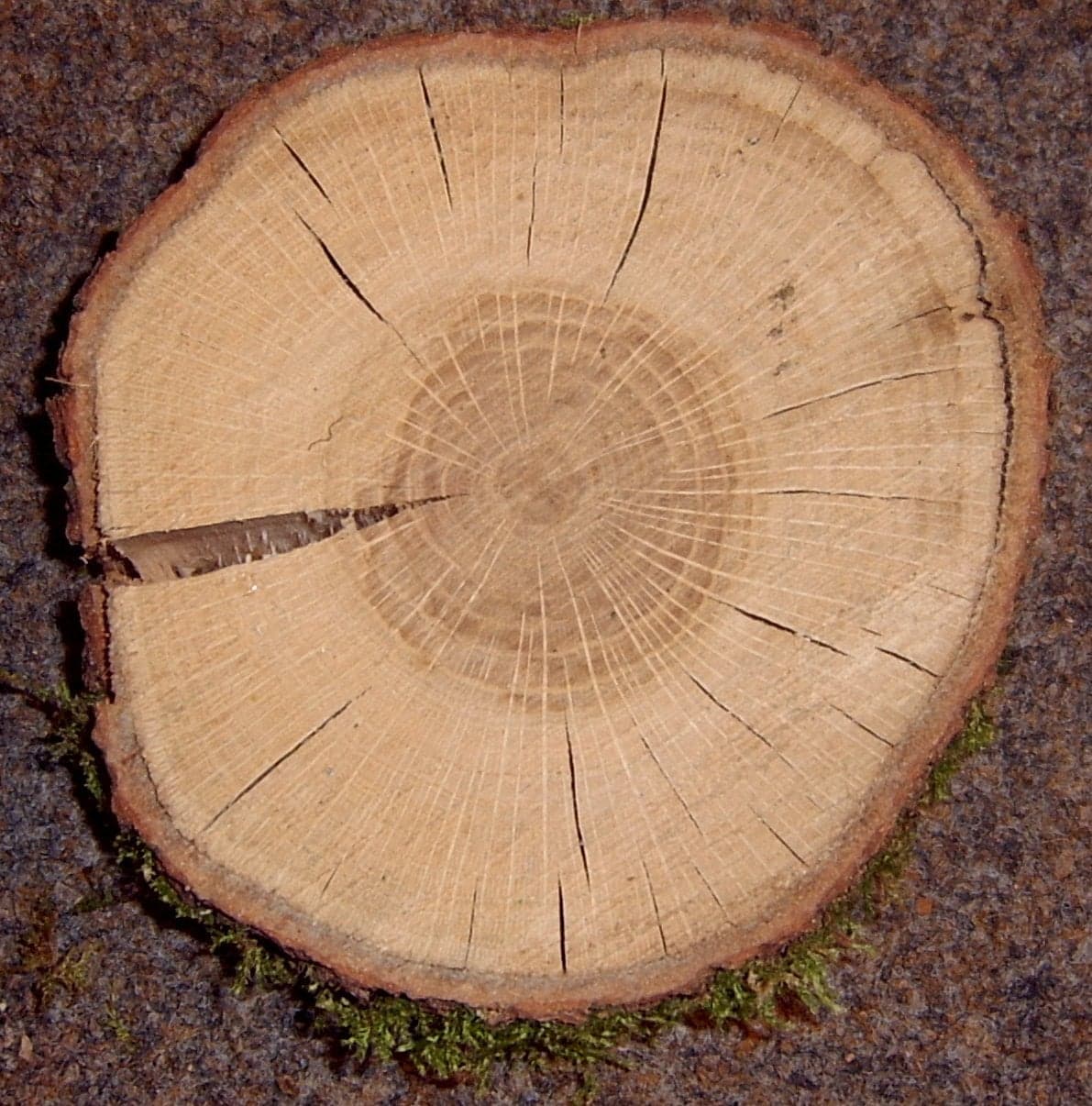
  • European Walnut rievės

    European Walnut

    Juglans regia

    9 vienetai

  • European Oak rievės

    European Oak

    Quercus robur

    6 vienetai

  • Saman rievės

    Saman

    Samanea saman

    4 vienetai

Gaukite pranešimus apie European Cherry

Parašysime jums, kai KORENA pasirodys naujų European Cherry storlenčių. Kiekvienas vienetas yra vienetinis, todėl verta sužinoti iš anksto.

Keli laiškai per mėnesį. Jokio šlamšto, prenumeratą galite bet kada atšaukti.

Medienos išvaizda

Kaip atrodo

Fine, straight grain with a smooth, even texture. Heartwood opens pinkish-tan to warm salmon, with a paler cream sapwood that is usually distinct. Figure is generally quiet, occasional gum streaks, small pin knots, and the odd ribbon or curl. The headline trait is its colour shift: under light and over a few months, the wood deepens through honey to a rich reddish-brown, and continues to mature for years. Boards stored unevenly will tan unevenly, so rotate stock during storage.

  • Fresh heartwood: pinkish-tan to warm salmon
  • Pale cream sapwood, usually distinct from heartwood
  • Ages through honey to deep reddish-brown over months and years
  • Light exposure drives the colour shift, uneven storage gives uneven tan
  • Occasional gum streaks and small pin knots
  • Quiet figure overall, with the odd ribbon or curl
  • Fine, straight grain.

Apdirbimas

Apdirbimas

Easy to work with hand and machine tools. Planes and sands cleanly with sharp edges; gum pockets can clog cutters, so check stock before milling. Glues and screws well. Steam-bending is moderate, workable for gentle curves, less reliable for tight radii. Turns and carves predictably.

Apdaila

Sands to a glassy surface at 180–220 grit. Takes oil, hardwax, shellac, and water-based finishes cleanly. A thin seal coat of dewaxed shellac or sanding sealer evens out any blotch on flat-sawn faces before topcoats. Avoid heavy stains, they fight the wood's own colour development. For commissions, expose offcuts to daylight alongside the finished piece so clients can see how the colour will move.

Džiovinimas

Dries fairly quickly but is prone to warp, cup, and surface checking if rushed. Sticker carefully and weight the top of the stack. End-seal green stock. Once at EMC, it is stable in service with moderate tangential movement.

Kiek mediena brinks ir trauksis?

Kintant oro drėgnumui, mediena skersai pločio brinksta ir traukiasi. Prieš projektuodami tvirtinimus apskaičiuokite numatomą sezoninį European Cherry stalviršio pokytį.

Pjūvis
Kur bus naudojama

Numatomas medienos brinkimas ir traukimasis per sezoną

apie 9,1 mm

Stalviršį tvirtinkite laikikliais arba gembėmis su pailgomis angomis, ne klijais ar stipriai suveržtais varžtais.

Linijinio nuodžiūvio modelis: plotis × (nuodžiūvis ÷ 28 % plaušo soties riba) × sezoninis drėgnio pokytis. European Cherry skaičiuojamas taikant 8 % tangentialinis nuodžiūvį. Tai planavimo įvertis, ne garantija.

Kiek kainuoja

Sauga ir tiekimas

  • Užauginta ir nukirsta Europoje.
  • IUCN raudonojo sąrašo statusas: pasaulinis šios rūšies apsaugos būklės vertinimas.
  • Not commonly flagged as a dust sensitiser, and considered food-contact safe once finished appropriately. Standard fine-dust extraction and a mask are still sensible at the sander.

Skaityti visą vadovąIšsamios pastabos apie tekstūrą, spalvos pokyčius, apdirbimą ir stabilumą.+

What European Cherry actually is#

Prunus avium is bought for a colour it does not yet have.

Fresh cherry is a pale pinkish tan, unremarkable and easily mistaken for a lesser wood. Within six months of light exposure it deepens substantially, and within a year it reaches the rich reddish brown that people actually mean when they say cherry. The change continues, more slowly, for years.

This single behaviour governs almost every decision about buying, finishing and using the species.

Working with the darkening rather than against it#

Three practical consequences follow.

First, do not choose a slab on its current colour. What you see on the bench is a stage, not the result. Two boards that look different today may match in a year, and two that match today may not.

Second, uneven light exposure prints permanently. A rug on a cherry floor, a lamp base on a cherry table, a stack of books left in one place: each leaves a lighter patch as the surrounding wood darkens around it. The patch does eventually even out if the object is moved, but it takes months. The sensible approach is to let a new piece darken evenly for the first few months before putting anything on it permanently.

Third, a UV inhibiting finish slows the process but does not stop it, and it will not preserve the pale fresh colour indefinitely. If you want pale, choose a different species.

Vartotojų klausimai

Vartotojų klausimai

How much does cherry darken?

+

A great deal, and quickly. Fresh cherry is pale pinkish tan and within a year of light exposure it deepens to a rich reddish brown. Most of the change happens in the first six months. This is why cherry furniture looks nothing like cherry lumber, and why buying on the freshly machined colour misleads.

Why does my cherry have patchy colour after finishing?

+

Two causes. Cherry blotches badly under pigment stain because of its fine uneven density, so use a dye, a gel stain or a washcoat. The other is uneven light exposure: anything covering part of a surface, a rug, a lamp base, a stack of books, will leave a permanently lighter patch as the rest darkens around it. Let a piece darken evenly before placing objects on it.

How is European Cherry different from American Black Cherry?

+

European cherry, Prunus avium, is harder at 5,120 N against 4,226 N and slightly denser. American black cherry, Prunus serotina, is available in larger and more consistent sizes because it is grown as a forestry species. Colour and figure are similar and both darken dramatically. European cherry tends to have more gum pockets.

What are the small dark flecks in the wood?

Mechaninės savybės

Techniniai duomenys

Paskelbtos orientacinės vertės. Jei šaltiniai nesutampa, nurodomas intervalas, o pirmiau pateiktoms skalėms naudojama tipinė vertė.

Tankis (kg/m³)Vieno kubinio metro svoris esant maždaug 12 % drėgniui. Sunkesnė mediena paprastai yra kietesnė ir stipresnė.550–650 kg/m³tipinė vertė 600 kg/m³
Kietumas pagal Janka (N)Jėga, kurios reikia plieniniam rutuliukui įspausti į medieną iki pusės. Standartinis atsparumo įspaudams matas.4,700–5,500 Ntipinė vertė 5 120 N
MOR: stipris lenkiant (MPa)Stipris lenkiant: apkrova, kuriai veikiant sija lūžta.95–110 MPa
MOE: tamprumo modulis (GPa)Standumas lenkiant: kiek lentyna ar stalviršis įlinksta nuo apkrovos.9.5–11.0 GPa
Radialinis nuodžiūvisNuodžiūvis skersai rievių nuo žalios iki visiškai sausos būklės. Taip keičiasi radialinio pjūvio lentos.4.5–5.5 %
Tangentialinis nuodžiūvis

Achim Raschka (talk), via Wikimedia Commons

Pranašumai

  • Saugi maistuiTinka lentelėms, dubenims ir su maistu besiliečiantiems paviršiams.
  • Tinka pradedantiesiemsLengva apdirbti ant suolo, mediena nėra tokia kieta, kad smarkiai gadintų įrankius.

Atkreipkite dėmesį

Native across Europe and into western Asia. Grown in mixed hardwood forests from the UK and France through Germany, Austria, Italy, and the Balkans. Most commercial stock comes from central European yards, often from orchard thinnings or managed woodlots.

  • Native European hardwood, IUCN Least Concern, no CITES listing. Often sourced from small woodlots and orchard clearance, so volumes per parcel can be modest. Decay class 3, moderately durable, means it is an interior wood; not for ground contact or unprotected exterior use. Ask for FSC or PEFC chain-of-custody where the project requires it.

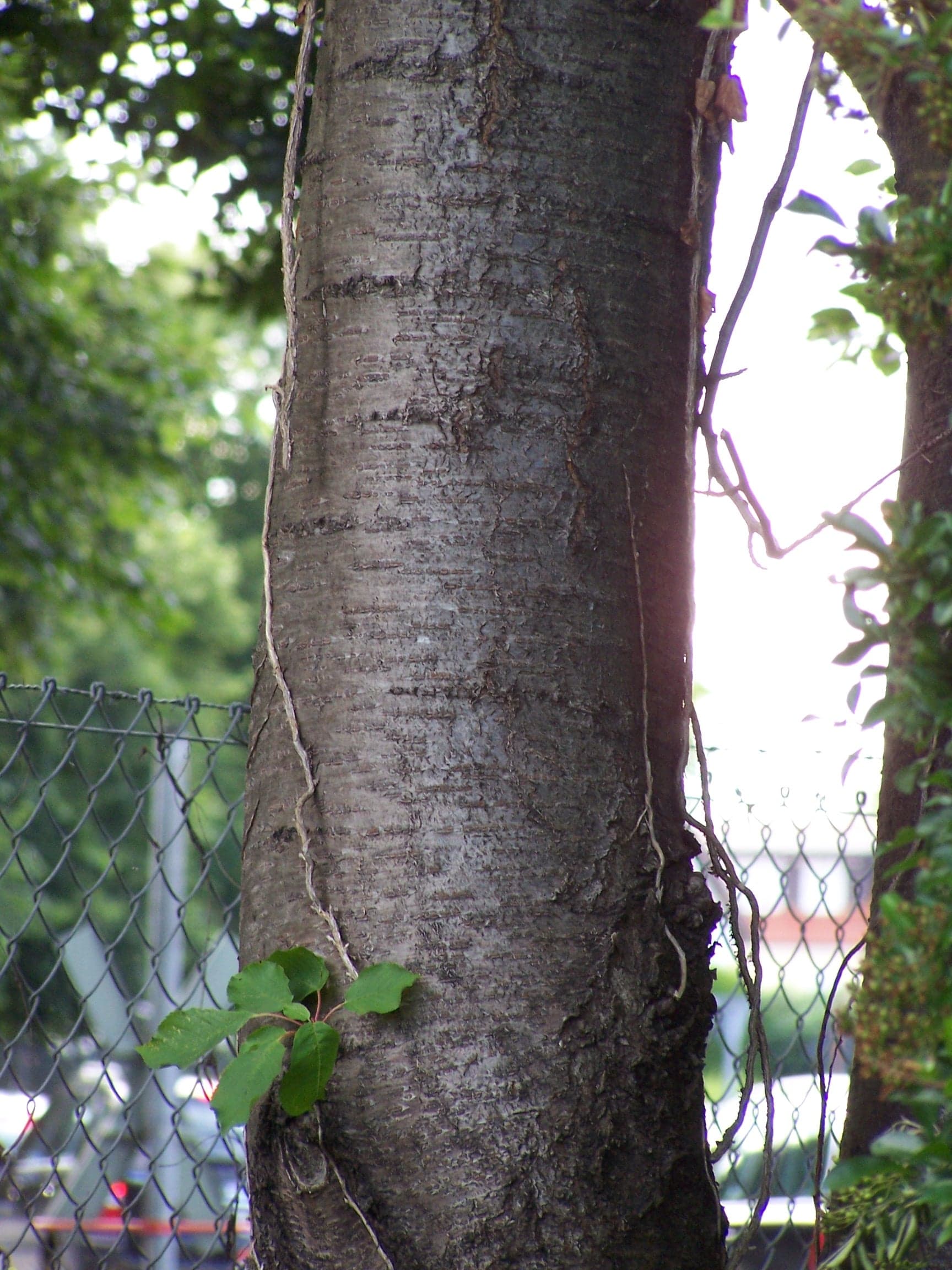
  • European Cherry: Žievė
    Žievė

    Reading a cherry slab#

    Colour runs pale pinkish tan when fresh, deepening to reddish brown. Sapwood is narrow and pale cream, and it does not darken at the same rate as the heartwood, so contrast changes over time.

    The grain is fine, close and usually straight, with a satiny lustre that is characteristic of the species.

    Gum pockets are the thing to look for: small resin filled cavities that occur in all Prunus species and are more frequent in European cherry than in American. They are not structural defects and many makers consider them part of the character. Larger ones can be filled.

    At the bench#

    Cherry is one of the most pleasant woods in this catalogue to work. At 5,120 N it is moderately hard, it cuts cleanly, it turns and carves well, it glues reliably and it takes fastenings securely.

    The fine close grain holds crisp detail and sands to an excellent surface.

    The one difficulty is burning. Cherry scorches easily under a router bit or a dull saw blade, and the burn marks are dark and stubborn on a wood this pale. Sharp tooling, appropriate feed rates and light final passes avoid it.

    The finishing trap#

    Cherry blotches badly under pigment stain. The fine uneven density makes absorption patchy, and the result is a mottled surface that looks like a mistake because it is one.

    Use a dye, a gel stain that sits on the surface, or seal with a thin washcoat first. Test on an offcut every time.

    The better answer is usually to skip stain entirely. Cherry is going to arrive at a rich reddish brown by itself, and staining it to get there early tends to produce a muddier colour than patience would.

    Movement#

    Volumetric shrinkage of 11.5 percent is moderate, with tangential at 7.5 percent against radial at 4.5 percent. That differential is reasonable and cherry behaves acceptably in wide boards.

    Decay class 3 makes it moderately durable, adequate for protected exterior joinery but not for exposure.

    Where European Cherry is the right answer#

    Fine furniture, tabletops, cabinetry, turned and carved work, and interior joinery where warmth is the design intent. It is one of the most rewarding species here for a piece intended to be lived with for decades, because it genuinely improves.

    It is the wrong answer where a stable pale colour is needed, and wrong outdoors.

    Sourcing and EUDR#

    Not CITES listed and assessed as Least Concern. Common across Europe and often felled from orchards and gardens as well as forestry, so sizes are variable and provenance chains are shorter and less standardised than for a commodity species.

    Orchard cherry against forest cherry#

    Prunus avium reaches the timber market from two quite different places, and the wood differs accordingly.

    Forest grown cherry, drawn up among other trees, produces straighter trunks with fewer low branches, longer clean lengths and more uniform colour. It is the better material for matched furniture components.

    Orchard cherry, grown in the open for fruit and felled at the end of its productive life, branches low and spreads. Trunks are shorter and more irregular, knots are more frequent, and figure is more variable. It also produces more gum pockets.

    Neither is better in the abstract. For a run of matched drawer fronts, forest grown is far easier to work with. For a single characterful slab, the orchard tree usually has more to look at.

    Steaming, and whether you want it#

    Some European cherry is steamed during drying, which deepens and evens the colour toward a more uniform reddish brown and reduces the contrast with the sapwood.

    Unsteamed cherry starts paler and develops its colour naturally through light exposure, which produces a more luminous result over time but requires patience and even exposure.

    For a piece intended to be lived with, unsteamed and patient is generally the better outcome. For a commission that has to look finished on delivery, steamed stock gets there sooner.

    +

    Gum pockets, small resin filled cavities that are characteristic of Prunus species and more common in European cherry than American. They are not a structural defect and many makers regard them as part of the character. Larger ones can be filled. On a measured KORENA slab, any pocket large enough to matter appears in the defect outline.

    Can cherry be used outdoors?

    +

    Not really. At decay class 3 it is moderately durable, which is adequate for protected exterior joinery under a maintained finish but not for exposure or ground contact. It is also far too valuable a furniture timber to put outside.

    Nuodžiūvis išilgai rievių. Taip keičiasi tangentinio pjūvio lentos ir dauguma storlenčių.
    7.5–8.5 %
    Tūrinis nuodžiūvisBendras tūrio pokytis nuo žalios iki visiškai sausos būklės. Mažesnė vertė reiškia didesnį stabilumą.11.5–13.0 %
    Natūralus patvarumas (EN 350)Europos natūralaus atsparumo puviniui standartas nuo 1 (labai patvari) iki 5 (nepatvari).Class 3 — Moderately durable

    Šaltiniai

    • The Wood Database(žiūrėta 2026-05-09)
    • USDA FPL Wood Handbook FPL-GTR-190 (2010)(žiūrėta 2026-05-09)
    • Meier, E. — WOOD! Identifying and Using Hundreds of Woods Worldwide (2015)(žiūrėta 2026-05-09)

    Trumpai

    Visoms KORENA medienos rūšims taikomos tos pačios lygių ribos, todėl jas galima tiesiogiai palyginti. Po kiekvienu rodikliu pateikiama išmatuota vertė.
    KietumasAtsparumas įspaudams ir dėvėjimuisiVidutinio kietumo

    Kietumas pagal Janka 5 120 N

    3 % kietesnė už ąžuolą

    SvorisKiek sunki keliama storlentėVidutinė

    600 kg/m³

    StabilumasKiek mažai mediena brinksta ir traukiasi keičiantis sezonamsVidutiniškai kinta

    12,3 % tūrinis nuodžiūvis

    ApdirbimasPjovimas, obliavimas, šlifavimas, klijavimasLengva

    4,0 / 5 apdirbimo vidurkis

    Naudojimas laukeNatūralus atsparumas puviniui, EN 350Lauke po stogu

    EN 350 klasė 3

    • Pjovimas · Labai geraiKaip švariai pjaunama ir kiek dėvi pjūklus.1 = sunku · 5 = puiku
    • Obliavimas · Labai geraiKiek lygus lieka paviršius ir kiek išplėšiama plaušų.1 = sunku · 5 = puiku
    • Šlifavimas · Labai geraiKaip greitai lygiai nušlifuojama neužkemšant popieriaus.1 = sunku · 5 = puiku
    • Tekinimas · Labai geraiKaip pjaunama ir padengiama tekinimo staklėmis.1 = sunku · 5 = puiku
    • Drožyba · Labai geraiKaip tiksliai kaltu išlaikomos detalės.1 = sunku · 5 = puiku
    • Klijavimas · Labai geraiKaip patikimai laiko klijuotos jungtys.1 = sunku · 5 = puiku
    • Varžtų / vinių laikymas · Labai geraiKaip gerai laiko varžtus ir vinis neskildama.1 = sunku · 5 = puiku
    • Lenkimas garais · GeraiKaip gerai išlenkiama po garinimo.1 = sunku · 5 = puiku

    Kiek šiuo metu Europoje kainuoja European Cherry mediena už kubinį metrą be PVM. Palieskite kainą, kad pamatytumėte išsamiau.

    • Geriausi rąstai aukcioneAtrinkti aukštos kokybės klasės rąstai, parduoti uždarų pasiūlymų aukcionuose, daugiausia lukšto ir baldų gamintojams. Iš tokių rąstų pjaunamos storlentės.Dauguma kainų yra nuo 319 € iki 408 €.Remiamasi 57 kainomis iš 2 regionų.Naujausi duomenys: 2026-09-25

    Geriausi rąstai aukcione pagal šalį

    • Vokietija · 408 € / m³Regionai: Bavaria26 kainosNaujausi duomenys: 2026-09-25
    • Austrija · 319 € / m³Regionai: Austria31 kainaNaujausi duomenys: 2026-09-25

    Kodėl storlentė kainuoja daugiau?

    Tai žaliavinės medienos kainos. Storlentė yra geriausias rąsto pjūvis, džiovintas metus ar ilgiau, tada kiekvienas vienetas atskirai patikrintas ir išmatuotas. Storlente tampa tik nedidelė kiekvieno rąsto dalis.

    Šaltinis: KORENA medienos indeksas · Naujausi duomenys: 2026-09-25

    Žiūrėti visas regionines kainas
    Netinka neapdorota naudoti lauke
    Natūralus patvarumas pagal EN 350 yra 3 klasė iš 5. Laikykite patalpoje arba prižiūrėkite apsauginę apdailą.

    Palieskite žymą ir peržiūrėkite išsamiau.