KORENA
MedienaFinished piecesReikmenysMedienos sandėliaiŽurnalas

Gaukite pranešimus

Kiekviena storlentė yra vienetinė. Ją pardavus, jos nebelieka. Parašysime jums, kai bus paskelbti nauji vienetai: naujausios prekės, naujos medienos rūšys ir pagal projekto aprašą parinktos lentos.

Keli laiškai per mėnesį. Jokio šlamšto, prenumeratą galite bet kada atšaukti.

KORENA, aukščiausios kokybės lapuočių mediena

Po vieną vienetą.

Patikrinta aukščiausios kokybės lapuočių mediena, parduodama po vieną vienetą. Kiekviena storlentė nufotografuojama, išmatuojama ir išsiunčiama iš partnerio medienos sandėlio su medienos pasu.

Parduotuvė

  • Peržiūrėti prekes
  • Parduotų storlenčių archyvas
  • Sekti užsakymą

Sužinokite

  • Žurnalas
  • Medienos rūšių vadovai
  • Žodynas
  • Palyginti
  • Autoriai

Pagalba

  • Apie mus
  • Kaip tai veikia
  • Tapti partnerio medienos sandėliu
  • Rasti storlentę
  • Pagalba
  • Dokumentų šablonai
  • Žiniasklaidai

Pirkimas

  • Pardavimo sąlygos
  • Teisė atsisakyti sutarties
  • Grąžinimas ir atitikties garantija
  • Siuntimas ir pristatymas

Patikimumas

  • Privatumo politika
  • Slapukų politika
  • Medienos kilmė ir EUDR
  • Prieinamumas

Rekvizitai

  • Teisinė informacija / rekvizitai
  • Priimtinas naudojimas
  • Intelektinė nuosavybė ir turinys

© 2026 KORENA. Visos teisės saugomos.

Valdo „Martial Labs Ltd.“ (BG, EIK 207453941). KORENA yra „Martial Labs Ltd.“ prekių ženklas.

Gerbiame jūsų privatumą

Naudojame būtinuosius slapukus, kad svetainė veiktų. Gavę jūsų leidimą taip pat naudotume slapukus analizei, suasmenintam turiniui ir reklamai. Savo pasirinkimą bet kada galite pakeisti sutikimo nuostatų puslapyje. Žr. mūsų slapukų politiką ir privatumo politiką.

  1. Pradžia
  2. /
  3. Medienos rūšys
  4. /
  5. English Elm

Ulmus procera

English Elm

Rare salvaged hardwood with interlocked grain, wild figure, and exceptional steam-bending behaviour. Hard-won material with genuine craft heritage.

  • Užauginta ir nukirsta Europoje.
  • Botaninė grupė. Spygliuočių mediena gaunama iš spygliuočių, lapuočių mediena iš plačialapių medžių.
  • Botaninė šeima, kuriai priklauso rūšis.
Pranešti, kai atsirasŽinyno medienos rūšis. Šiuo metu vienetų neturime.
  • Tinkamumas projektui
  • Turime
  • Išvaizda
  • Apdirbimas
  • Brinkimas ir traukimasis
  • Kaina
  • Sauga ir tiekimas
  • Klausimai
  • Techniniai duomenys

Ar tinka jūsų projektui?

Puikiai tinka

  • Live-edge dining and conference tables where wild figure is the point
  • Windsor and stick chairs, seats, bows, and steam-bent components
  • Curved joinery and laminated bent forms
  • Chopping boards and food-contact serving pieces
  • Decorative interior cladding and feature panels
  • Turned bowls and hollow forms

Dabartinėje kolekcijoje English Elm nėra

Turimos panašios medienos rūšys

Šiuo metu English Elm nėra. Šios medienos rūšys tinka tiems patiems projektams, o jų vienetų turime.


  • European Oak rievės

    European Oak

    Quercus robur

    6 vienetai

  • Saman rievės

    Saman

    Samanea saman

    4 vienetai

  • European Walnut rievės

    European Walnut

    Juglans regia

    9 vienetai

Gaukite pranešimus apie English Elm

Parašysime jums, kai KORENA pasirodys naujų English Elm storlenčių. Kiekvienas vienetas yra vienetinis, todėl verta sužinoti iš anksto.

Keli laiškai per mėnesį. Jokio šlamšto, prenumeratą galite bet kada atšaukti.

Medienos išvaizda

Kaip atrodo

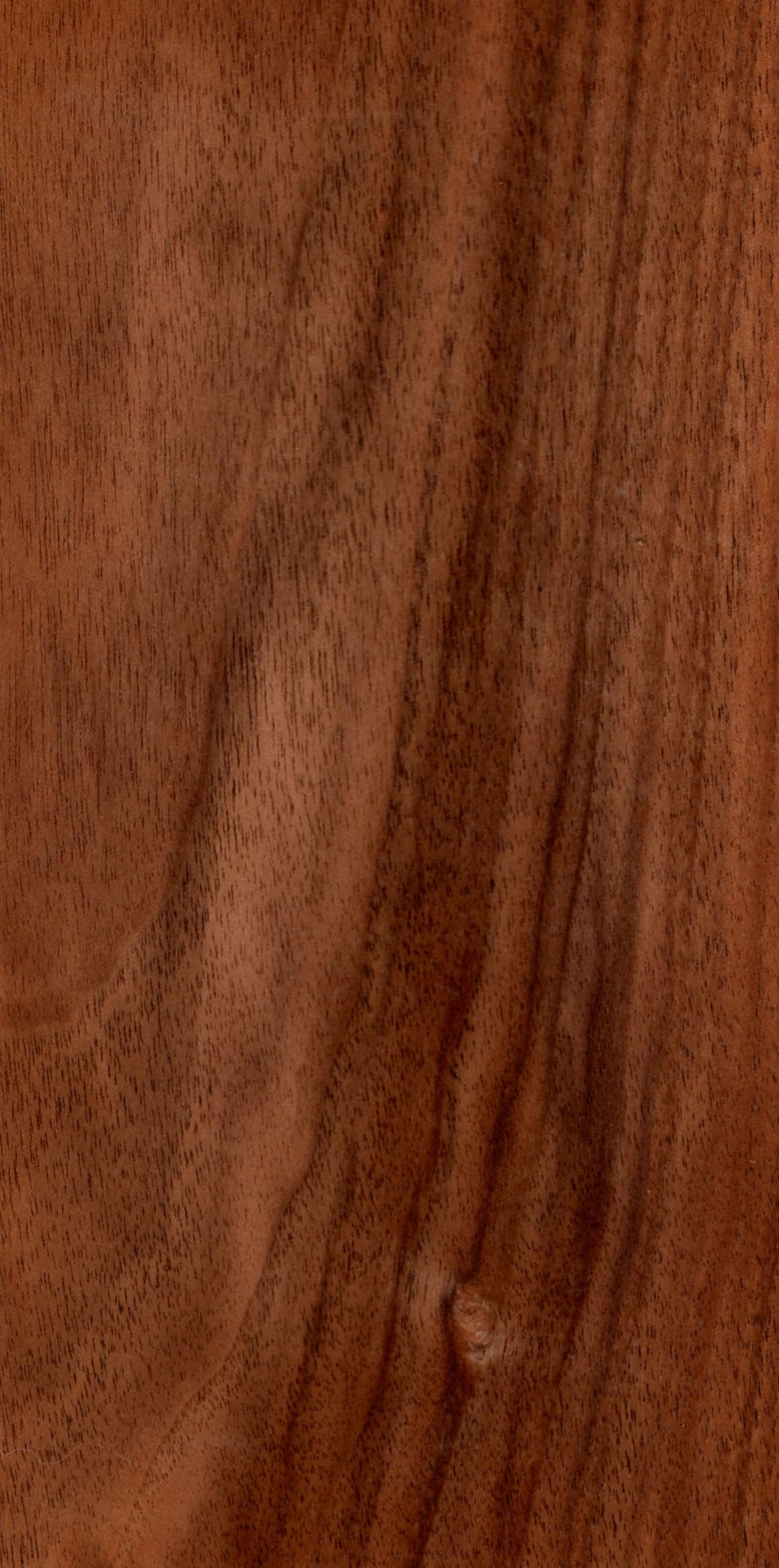
Heartwood ranges from light reddish-brown to a warmer chocolate tone, often with darker streaks and a greenish or olive cast in some boards. Sapwood is paler and clearly distinct. The grain is interlocked rather than straight, which produces a wild, partridge-like figure on flat-sawn faces and a ribbon stripe on quartered cuts. Texture is coarse and open-pored. Burr and crotch sections show some of the most dramatic figure of any European hardwood.

  • Reddish-brown to warm chocolate heartwood
  • Occasional olive or greenish cast
  • Pale, clearly distinct sapwood
  • Darker streaks and mineral lines common
  • Burr sections show dense, swirling figure
  • Interlocked grain, coarse texture.

Apdirbimas

Apdirbimas

Interlocked grain is the defining challenge. Plane with very sharp blades, take light cuts, and reduce cutter angles where possible, a 20 degree bevel-up plane or a high-angle bench plane (50–55 degrees) controls tearout well. Finish with a card scraper rather than fighting the planer. Sawing and routing are reasonable with sharp tooling, but expect to climb-cut on figured sections. Turning is enjoyable. Glue-up and screwing are straightforward. Steam-bending is where elm is unmatched: Windsor-chair seats and bow-backs are traditionally elm for good reason, and tight radii hold without splitting.

Apdaila

The open, coarse pores benefit from grain filler if you want a glass-smooth surface; left unfilled, the texture reads as honest and tactile. Hard-wax oils and natural oils warm the colour and bring out the figure without flattening it. Water-based finishes keep the tone cooler and more contemporary. Sand methodically through the grits, interlocked grain can leave fine scratches if you skip steps. Test your finish on offcuts, as colour shift can be noticeable.

Džiovinimas

Elm has a reputation for being awkward to dry. Tangential movement is high relative to radial, and boards can twist, cup, or distort if rushed or poorly stickered. Slow, careful drying with consistent stickering and weight on the stack pays off. Once stable at service moisture content, it behaves well in interior conditions. Acclimatise boards in the workshop before final dimensioning.

Kiek mediena brinks ir trauksis?

Kintant oro drėgnumui, mediena skersai pločio brinksta ir traukiasi. Prieš projektuodami tvirtinimus apskaičiuokite numatomą sezoninį English Elm stalviršio pokytį.

Pjūvis
Kur bus naudojama

Numatomas medienos brinkimas ir traukimasis per sezoną

apie 9,1 mm

Stalviršį tvirtinkite laikikliais arba gembėmis su pailgomis angomis, ne klijais ar stipriai suveržtais varžtais.

Linijinio nuodžiūvio modelis: plotis × (nuodžiūvis ÷ 28 % plaušo soties riba) × sezoninis drėgnio pokytis. English Elm skaičiuojamas taikant 8 % tangentialinis nuodžiūvį. Tai planavimo įvertis, ne garantija.

Kiek kainuoja

Sauga ir tiekimas

  • Užauginta ir nukirsta Europoje.
  • IUCN raudonojo sąrašo statusas: pasaulinis šios rūšies apsaugos būklės vertinimas.
  • Elm dust is a known sensitiser and can cause respiratory and skin irritation with repeated exposure. All hardwood dust is classified IARC Group 1 (carcinogenic to humans), so use proper extraction at the source, an FFP3 mask for sanding and routing, and keep workshop surfaces clean. The wood itself is safe for food-contact applications such as chopping boards and serving pieces once finished with a food-safe oil.

Skaityti visą vadovąIšsamios pastabos apie tekstūrą, spalvos pokyčius, apdirbimą ir stabilumą.+

What English Elm actually is#

Ulmus procera is defined by one structural property: its grain interlocks. Fibres run in alternating directions rather than parallel, layer by layer through the wood.

That single fact explains both why elm is prized and why it is difficult.

It is prized because interlocked grain resists splitting almost completely. A Windsor chair seat is bored with a dozen mortices close together and then has legs and a back driven into them; in almost any other timber it would split between the holes. Elm does not. The same property made it the traditional timber for wheel hubs, which take spokes radially under load, and for chopping blocks that are struck repeatedly.

It is difficult because the same reversing grain tears out under a plane, every few millimetres, in both directions.

The availability situation#

Dutch elm disease killed most mature elms across Europe from the 1960s onward, and the effect on supply was severe enough that a generation of makers stopped specifying it.

The IUCN lists Ulmus procera as Data Deficient, meaning there is insufficient information for a formal assessment rather than that the species is secure.

Elm has not disappeared. It regenerates vigorously from root suckers, and those regrowth trees reach modest size before the disease reaches them again. Standing dead timber and salvage continue to come to market.

Vartotojų klausimai

Vartotojų klausimai

Is elm still available after Dutch elm disease?

+

Yes, but the supply picture is unusual. Dutch elm disease killed most mature elms across Europe from the 1960s onward, and the IUCN lists Ulmus procera as Data Deficient. Trees still regenerate from suckers and reach modest size before the disease takes them again, and standing dead and salvaged timber continues to reach the market. Supply is real but irregular, and large clean boards are scarce.

Why is elm used for chair seats?

+

Interlocked grain. Elm fibres run in alternating directions, which makes the wood extremely resistant to splitting. That is exactly what a Windsor chair seat needs, because it is bored with many mortices close together and any other wood would split between them. The same property makes elm the traditional wood for wheel hubs and chopping blocks.

Is elm hard to plane?

+

Yes. The interlocked grain that stops it splitting also makes it tear out badly, because the grain direction reverses every few millimetres. Light cuts, very sharp tooling and a high angle plane or scraper for the final surface are essential. A helical cutterhead makes a large difference.

Can elm be used outdoors?

Mechaninės savybės

Techniniai duomenys

Paskelbtos orientacinės vertės. Jei šaltiniai nesutampa, nurodomas intervalas, o pirmiau pateiktoms skalėms naudojama tipinė vertė.

Tankis (kg/m³)Vieno kubinio metro svoris esant maždaug 12 % drėgniui. Sunkesnė mediena paprastai yra kietesnė ir stipresnė.500–620 kg/m³tipinė vertė 560 kg/m³
Kietumas pagal Janka (N)Jėga, kurios reikia plieniniam rutuliukui įspausti į medieną iki pusės. Standartinis atsparumo įspaudams matas.3,300–4,000 Ntipinė vertė 3 680 N
MOR: stipris lenkiant (MPa)Stipris lenkiant: apkrova, kuriai veikiant sija lūžta.65–85 MPa
MOE: tamprumo modulis (GPa)Standumas lenkiant: kiek lentyna ar stalviršis įlinksta nuo apkrovos.7.0–9.0 GPa
Radialinis nuodžiūvisNuodžiūvis skersai rievių nuo žalios iki visiškai sausos būklės. Taip keičiasi radialinio pjūvio lentos.4.0–5.0 %
Tangentialinis nuodžiūvis
  • Coffin boards and traditional wheel hubs (heritage uses)
  • Pranašumai

    • Saugi maistuiTinka lentelėms, dubenims ir su maistu besiliečiantiems paviršiams.
    • Gerai lankstosiLenkimas garais įvertintas 5 balais iš 5. Galima išgauti mažo spindulio kreives.

    Atkreipkite dėmesį

    Native across Europe, with English Elm long associated with British hedgerow landscapes. Standing populations were decimated by Dutch elm disease from the 1960s onward, and most material on the market today comes from salvaged trunks, standing-dead recovery, or estate fellings. Each board carries the history of a tree that survived, or the story of one being put to good use after disease took it.

  • Native to Europe, but wild populations have been heavily reduced by Dutch elm disease since the 1960s and the IUCN currently lists status as Data Deficient. Standing healthy material is genuinely rare. Most slabs on the market come from salvage, standing-dead recovery, storm-felled trees, or estate fellings, which makes elm one of the more circular hardwoods to specify, but also means supply is irregular and piece-by-piece. No CITES restrictions apply. EUDR due diligence is in preparation and becomes mandatory for large operators from 30 December 2026, and KORENA is building each slab passport to carry its provenance.

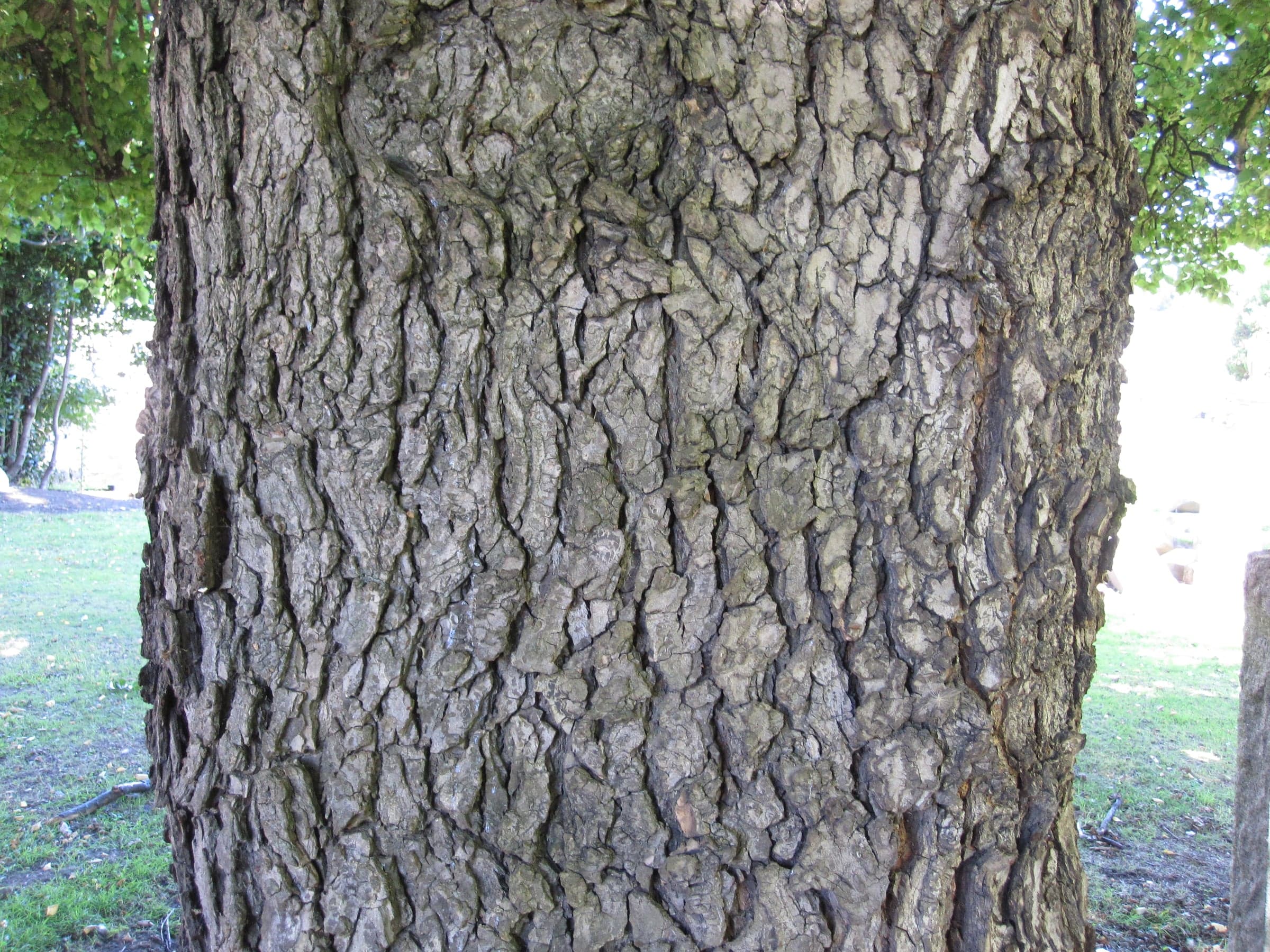
  • English Elm: Žievė
    Žievė

    What this means practically: elm is available but irregular, sizes are modest, and large clean boards are genuinely scarce. Buy when you see the right piece rather than expecting to order it.

    Reading an elm slab#

    Elm is busy. It is ring porous with strong contrast between earlywood and latewood, and the grain is frequently wild and swirling, particularly near crotches.

    Colour runs light to mid reddish brown with paler sapwood.

    Burr elm, from burls and root crowns, is among the most decorative surfaces available from any European species, dense with swirling eyes and irregular figure. It is priced accordingly.

    Even plain elm reads considerably busier than oak, which is either the attraction or the objection.

    At the bench#

    Plan for tear-out. The interlocked grain reverses direction continuously, so no single planing direction works across a whole board.

    The answer is light cuts, very sharp tooling, and a high angle plane or a card scraper for the final surface. A helical cutterhead earns its cost on this species more than on almost any other here. On burr elm, hand finishing is normal.

    At 3,680 N it is soft, softer than oak by a good margin, so it is easy on tooling in terms of blunting even while being awkward in terms of grain.

    It glues and screws well, and the split resistance means it takes fastenings close to edges better than most.

    The durability oddity#

    Elm has one of the strangest durability profiles in this catalogue.

    In ordinary exposure it is decay class 5, perishable. It rots quickly in the wetting and drying cycle of normal outdoor use.

    Permanently waterlogged, it is exceptionally durable. Elm was the standard timber for water pipes, lock gates, pile foundations and harbour works for centuries, and elm piles under medieval structures survive today.

    Permanently wet works. Permanently dry works. The cycle between them does not.

    Movement#

    Volumetric shrinkage of 12.0 percent is moderate, with tangential at 7.0 percent against radial at 4.0 percent, a reasonable differential.

    Elm dries with a marked tendency to distort, though, driven by the interlocked grain rather than by the shrinkage figures. Weighting and careful stickering matter.

    Where English Elm is the right answer#

    Chair seats and any component bored with multiple close mortices, chopping blocks, turned work, and decorative slabs and panels where the bold figure or burr is the design intent. Also anything permanently submerged.

    It is the wrong answer for ordinary exterior use, for a quiet uniform surface, and where a large matched volume is needed.

    Sourcing and EUDR#

    Not CITES listed. Listed by the IUCN as Data Deficient, which KORENA displays as-is rather than interpreting. Supply is irregular and often comes from salvage and disease felling rather than managed forestry, so the chain behind a given slab is short and non-standardised. The yard and region are recorded on every listing.

    +

    Elm has an unusual durability profile. It is rated decay class 5 in normal exposure, but it is exceptionally durable when permanently waterlogged, which is why it was used for water pipes, lock gates and pile foundations for centuries. Permanently wet or permanently dry both work; the wetting and drying cycle of ordinary outdoor use does not.

    What does the figure look like?

    +

    Bold and irregular. Elm is ring porous with strong growth ring contrast and often wild, swirling grain, particularly near crotches and burrs. Burr elm is among the most decorative surfaces available from any European species. Plain elm still reads far busier than oak.

    Nuodžiūvis išilgai rievių. Taip keičiasi tangentinio pjūvio lentos ir dauguma storlenčių.
    7.0–9.0 %
    Tūrinis nuodžiūvisBendras tūrio pokytis nuo žalios iki visiškai sausos būklės. Mažesnė vertė reiškia didesnį stabilumą.12.0–14.0 %
    Natūralus patvarumas (EN 350)Europos natūralaus atsparumo puviniui standartas nuo 1 (labai patvari) iki 5 (nepatvari).Class 5 — Perishable

    Šaltiniai

    • The Wood Database(žiūrėta 2026-05-09)
    • USDA FPL Wood Handbook FPL-GTR-190 (2010)(žiūrėta 2026-05-09)
    • Meier, E. — WOOD! Identifying and Using Hundreds of Woods Worldwide (2015)(žiūrėta 2026-05-09)

    Trumpai

    Visoms KORENA medienos rūšims taikomos tos pačios lygių ribos, todėl jas galima tiesiogiai palyginti. Po kiekvienu rodikliu pateikiama išmatuota vertė.
    KietumasAtsparumas įspaudams ir dėvėjimuisiGana minkšta

    Kietumas pagal Janka 3 680 N

    26 % minkštesnė už ąžuolą

    SvorisKiek sunki keliama storlentėVidutinė

    560 kg/m³

    StabilumasKiek mažai mediena brinksta ir traukiasi keičiantis sezonamsVidutiniškai kinta

    13,0 % tūrinis nuodžiūvis

    ApdirbimasPjovimas, obliavimas, šlifavimas, klijavimasReikli

    3,4 / 5 apdirbimo vidurkis

    Naudojimas laukeNatūralus atsparumas puviniui, EN 350Tik patalpoms

    EN 350 klasė 5

    • Pjovimas · GeraiKaip švariai pjaunama ir kiek dėvi pjūklus.1 = sunku · 5 = puiku
    • Obliavimas · GeraiKiek lygus lieka paviršius ir kiek išplėšiama plaušų.1 = sunku · 5 = puiku
    • Šlifavimas · GeraiKaip greitai lygiai nušlifuojama neužkemšant popieriaus.1 = sunku · 5 = puiku
    • Tekinimas · Labai geraiKaip pjaunama ir padengiama tekinimo staklėmis.1 = sunku · 5 = puiku
    • Drožyba · GeraiKaip tiksliai kaltu išlaikomos detalės.1 = sunku · 5 = puiku
    • Klijavimas · Labai geraiKaip patikimai laiko klijuotos jungtys.1 = sunku · 5 = puiku
    • Varžtų / vinių laikymas · Labai geraiKaip gerai laiko varžtus ir vinis neskildama.1 = sunku · 5 = puiku
    • Lenkimas garais · PuikiaiKaip gerai išlenkiama po garinimo.1 = sunku · 5 = puiku

    Kiek šiuo metu Europoje kainuoja English Elm mediena už kubinį metrą be PVM. Palieskite kainą, kad pamatytumėte išsamiau.

    • Geriausi rąstai aukcioneAtrinkti aukštos kokybės klasės rąstai, parduoti uždarų pasiūlymų aukcionuose, daugiausia lukšto ir baldų gamintojams. Iš tokių rąstų pjaunamos storlentės.Dauguma kainų yra nuo 244 € iki 830 €.Remiamasi 71 kaina iš 2 regionų.Naujausi duomenys: 2026-09-21
    • Įprasti rąstaiDideli standartinės apvaliosios medienos kiekiai, miškų savininkų ir valstybinių miškų parduodami daugiausia statybai ir pramonei.Dauguma kainų yra nuo 34 € iki 89 €.Remiamasi 43 kainomis iš 2 regionų.Naujausi duomenys: 2026-09-24

    Geriausi rąstai aukcione pagal šalį

    • Austrija · 830 € / m³Regionai: Austria27 kainosNaujausi duomenys: 2026-09-21
    • Vokietija · 336 € / m³Regionai: Bavaria44 kainosNaujausi duomenys: 2026-09-21

    Kodėl storlentė kainuoja daugiau?

    Tai žaliavinės medienos kainos. Storlentė yra geriausias rąsto pjūvis, džiovintas metus ar ilgiau, tada kiekvienas vienetas atskirai patikrintas ir išmatuotas. Storlente tampa tik nedidelė kiekvieno rąsto dalis.

    Šaltinis: KORENA medienos indeksas · Naujausi duomenys: 2026-09-24

    Žiūrėti visas regionines kainas
    Netinka neapdorota naudoti lauke
    Natūralus patvarumas pagal EN 350 yra 5 klasė iš 5. Laikykite patalpoje arba prižiūrėkite apsauginę apdailą.
  • Dulkės dirginaNaudokite dulkių nutraukimą ir šlifuodami ar apdirbdami dėvėkite kaukę.
  • Palieskite žymą ir peržiūrėkite išsamiau.