KORENA
MedienaFinished piecesReikmenysMedienos sandėliaiŽurnalas

Gaukite pranešimus

Kiekviena storlentė yra vienetinė. Ją pardavus, jos nebelieka. Parašysime jums, kai bus paskelbti nauji vienetai: naujausios prekės, naujos medienos rūšys ir pagal projekto aprašą parinktos lentos.

Keli laiškai per mėnesį. Jokio šlamšto, prenumeratą galite bet kada atšaukti.

KORENA, aukščiausios kokybės lapuočių mediena

Po vieną vienetą.

Patikrinta aukščiausios kokybės lapuočių mediena, parduodama po vieną vienetą. Kiekviena storlentė nufotografuojama, išmatuojama ir išsiunčiama iš partnerio medienos sandėlio su medienos pasu.

Parduotuvė

  • Peržiūrėti prekes
  • Parduotų storlenčių archyvas
  • Sekti užsakymą

Sužinokite

  • Žurnalas
  • Medienos rūšių vadovai
  • Žodynas
  • Palyginti
  • Autoriai

Pagalba

  • Apie mus
  • Kaip tai veikia
  • Tapti partnerio medienos sandėliu
  • Rasti storlentę
  • Pagalba
  • Dokumentų šablonai
  • Žiniasklaidai

Pirkimas

  • Pardavimo sąlygos
  • Teisė atsisakyti sutarties
  • Grąžinimas ir atitikties garantija
  • Siuntimas ir pristatymas

Patikimumas

  • Privatumo politika
  • Slapukų politika
  • Medienos kilmė ir EUDR
  • Prieinamumas

Rekvizitai

  • Teisinė informacija / rekvizitai
  • Priimtinas naudojimas
  • Intelektinė nuosavybė ir turinys

© 2026 KORENA. Visos teisės saugomos.

Valdo „Martial Labs Ltd.“ (BG, EIK 207453941). KORENA yra „Martial Labs Ltd.“ prekių ženklas.

Gerbiame jūsų privatumą

Naudojame būtinuosius slapukus, kad svetainė veiktų. Gavę jūsų leidimą taip pat naudotume slapukus analizei, suasmenintam turiniui ir reklamai. Savo pasirinkimą bet kada galite pakeisti sutikimo nuostatų puslapyje. Žr. mūsų slapukų politiką ir privatumo politiką.

  1. Pradžia
  2. /
  3. Medienos rūšys
  4. /
  5. Hornbeam

Carpinus betulus

Hornbeam

Pale, ruthlessly dense, and famously hard. The wood old joiners reached for when they needed plane bodies, mallet heads, and water-mill cogs that would not give up.

  • Užauginta ir nukirsta Europoje.
  • Botaninė grupė. Spygliuočių mediena gaunama iš spygliuočių, lapuočių mediena iš plačialapių medžių.
  • Botaninė šeima, kuriai priklauso rūšis.
Pranešti, kai atsirasŽinyno medienos rūšis. Šiuo metu vienetų neturime.
  • Tinkamumas projektui
  • Turime
  • Išvaizda
  • Apdirbimas
  • Brinkimas ir traukimasis
  • Kaina
  • Sauga ir tiekimas
  • Klausimai
  • Techniniai duomenys

Ar tinka jūsų projektui?

Puikiai tinka

  • Plane bodies and mallet heads
  • Tool handles and chisel handles
  • Turned work, bowls, finials, pepper mills, fine spindles
  • Joinery accents, wedges, splines, drawbore pins, dovetail keys
  • High-wear surfaces, chopping boards, butcher blocks, jig faces
  • Gear teeth, cogs, and replacement parts in restored mills

Dabartinėje kolekcijoje Hornbeam nėra

Turimos panašios medienos rūšys

Šiuo metu Hornbeam nėra. Šios medienos rūšys tinka tiems patiems projektams, o jų vienetų turime.
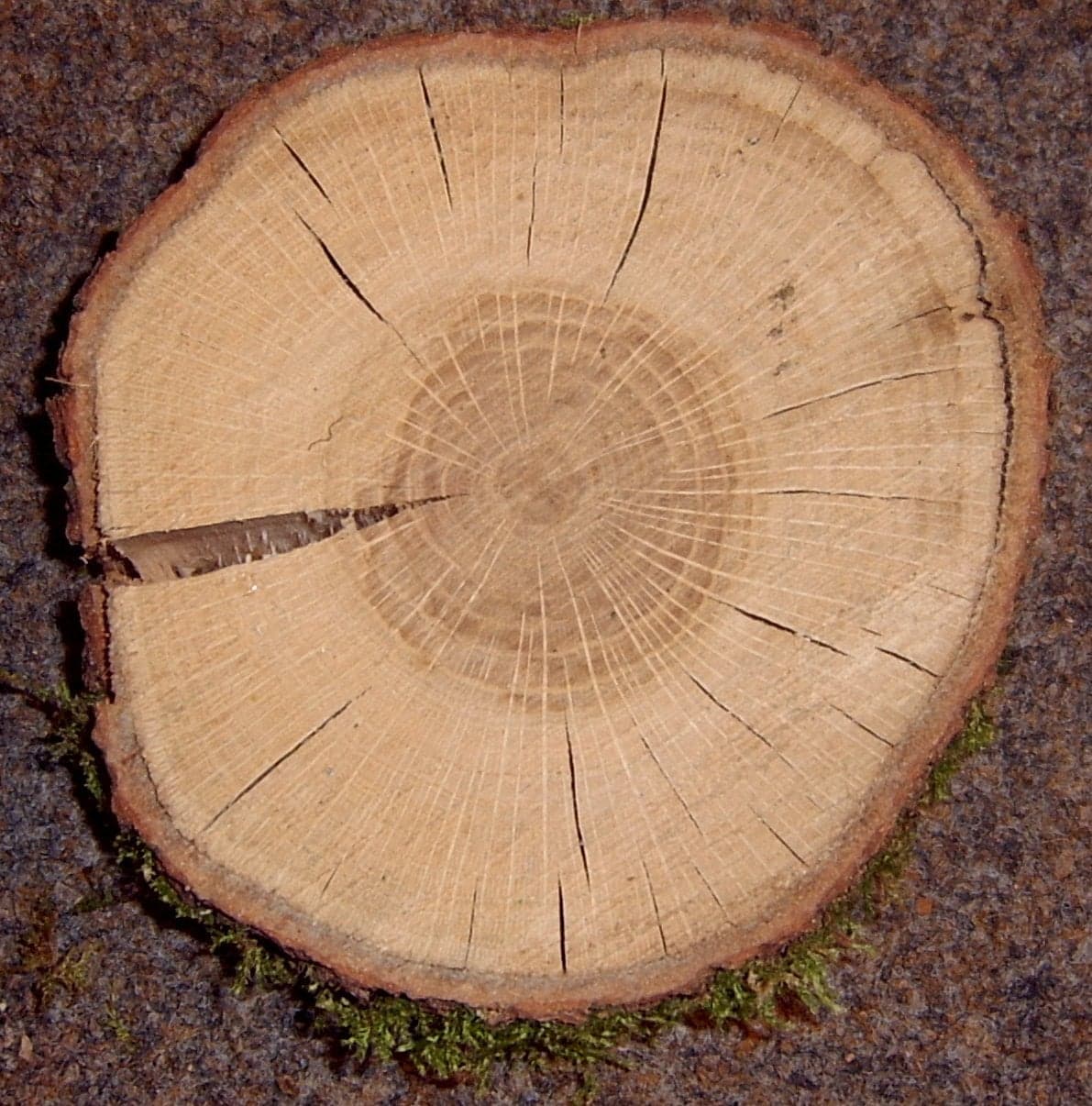
  • European Oak rievės

    European Oak

    Quercus robur

    6 vienetai

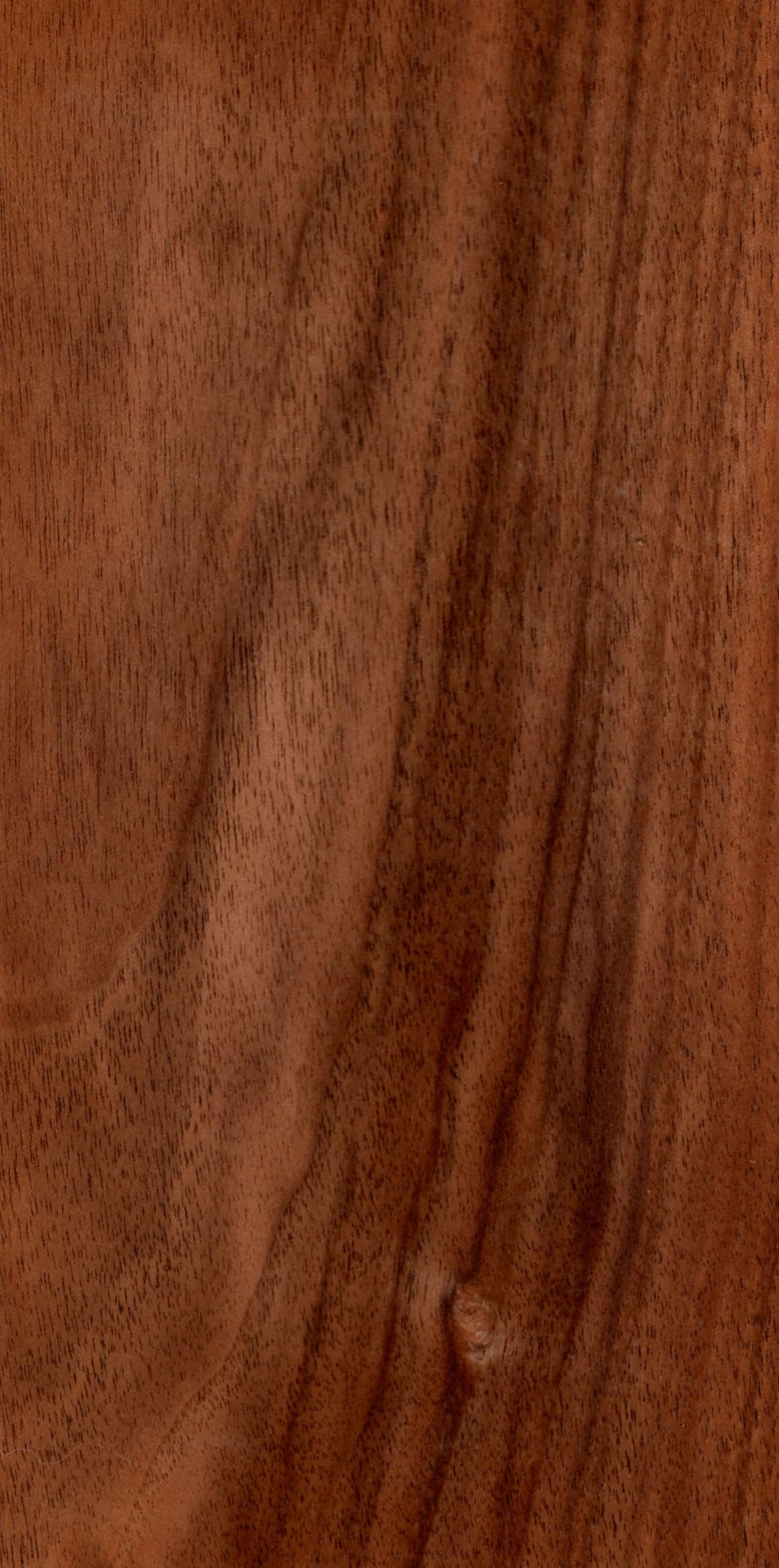
  • European Walnut rievės

    European Walnut

    Juglans regia

    9 vienetai

  • Saman rievės

    Saman

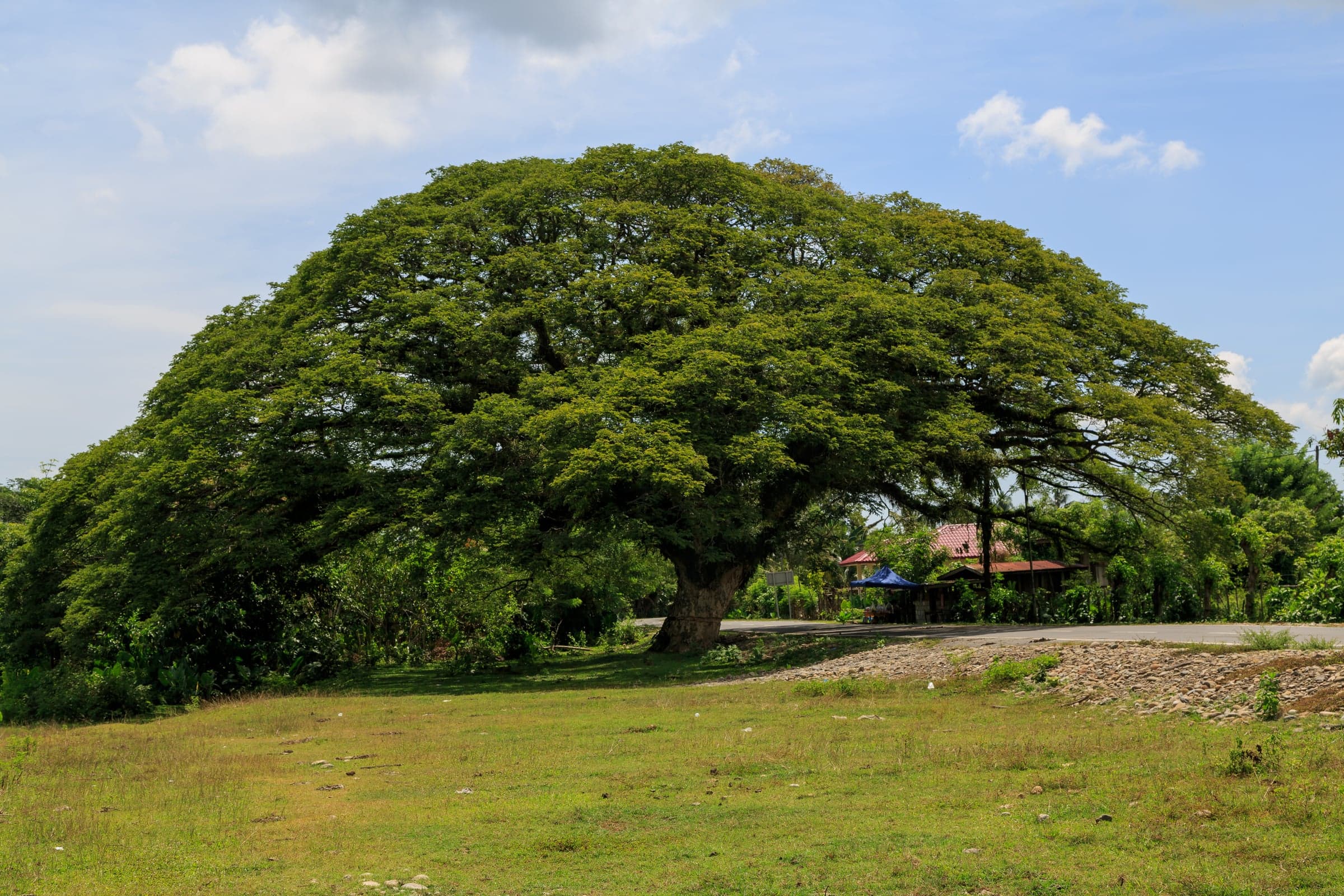
    Samanea saman

    4 vienetai

Gaukite pranešimus apie Hornbeam

Parašysime jums, kai KORENA pasirodys naujų Hornbeam storlenčių. Kiekvienas vienetas yra vienetinis, todėl verta sužinoti iš anksto.

Keli laiškai per mėnesį. Jokio šlamšto, prenumeratą galite bet kada atšaukti.

Medienos išvaizda

Kaip atrodo

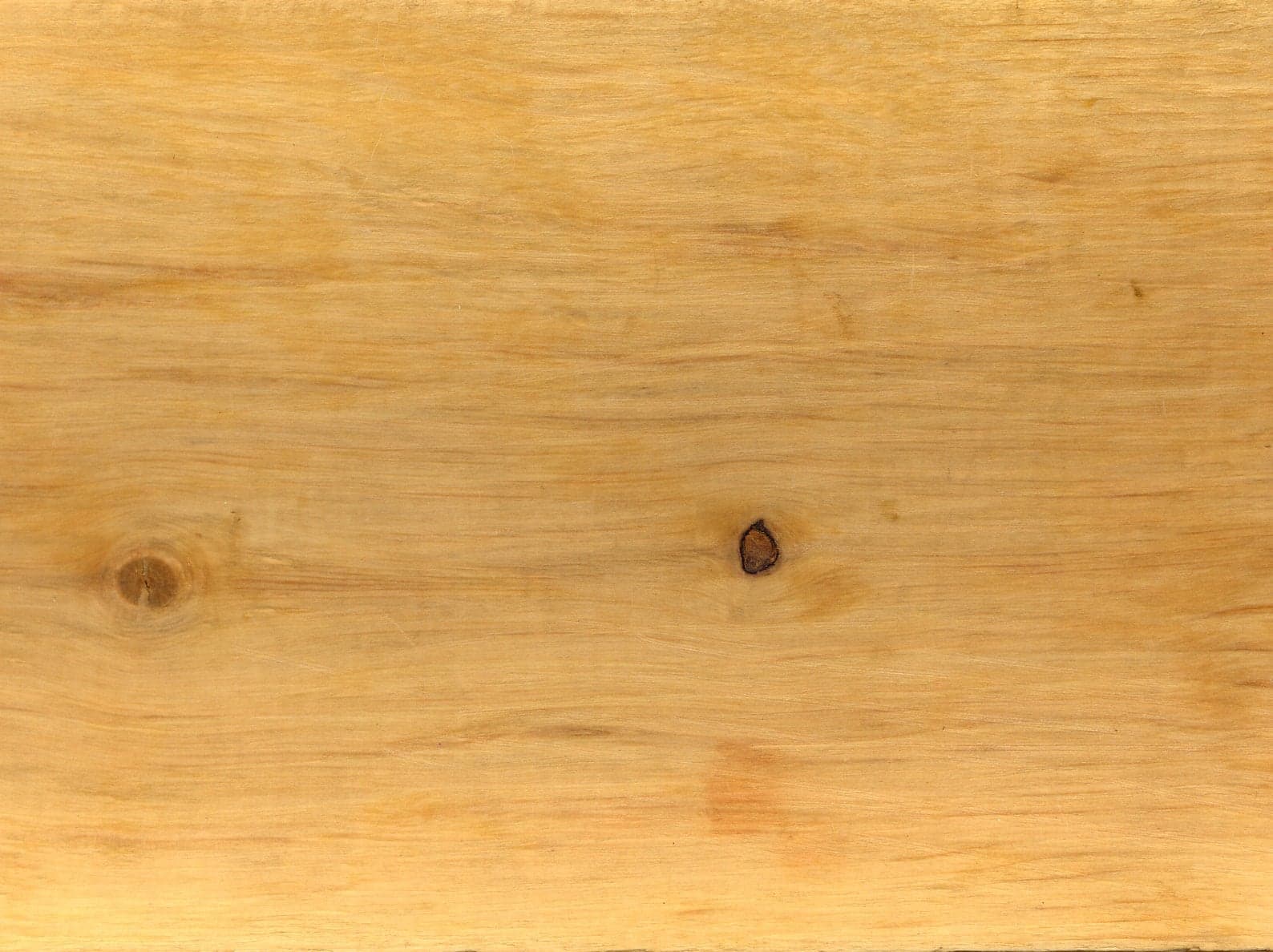
Creamy white to pale straw, sometimes drifting to light grey-brown with age. Grain is irregular and often interlocked; texture is fine and even. Almost no figure, no drama, its character is in the surface itself, which polishes to a hard, near-ceramic feel that softer pale woods cannot match.

  • Creamy white to pale straw when fresh
  • Drifts to light grey-brown with age and UV
  • Occasional grey streaking on slower-grown stock
  • Almost figureless, reads as a clean, even pale ground
  • Polishes to a hard, near-ceramic surface sheen
  • Irregular grain, fine even texture.

Apdirbimas

Apdirbimas

A specialist wood. Density and interlocked grain blunt edges fast. Expect to sharpen often and feed slowly. Planing tears out unless irons are keen and the cut is light; a scraper or sander often finishes better than a plane. Drilling and routing demand sharp carbide. The reward is on the lathe, where it turns to a fine, crisp surface and holds detail other woods crush. Glues and screws well once pre-bored. Steam-bends reasonably for such a dense species.

Apdaila

Sands to a glassy surface if you stay patient and step through the grits. Takes hard waxes, oils, and lacquers cleanly. Stains can blotch on the interlocked patches. Test first. Burnishes beautifully on the lathe; many turners leave it bare or oil-only.

Džiovinimas

Dries slowly and moves a lot, tangential shrinkage of 11 to 13 percent puts it among the most mobile European hardwoods. Prone to distortion, surface checks, and case-hardening if rushed. Air-dry under weight, then finish in a kiln on a gentle schedule. Acclimatise in the workshop for several weeks before machining, and design for movement in any wider piece.

Kiek mediena brinks ir trauksis?

Kintant oro drėgnumui, mediena skersai pločio brinksta ir traukiasi. Prieš projektuodami tvirtinimus apskaičiuokite numatomą sezoninį Hornbeam stalviršio pokytį.

Pjūvis
Kur bus naudojama

Numatomas medienos brinkimas ir traukimasis per sezoną

apie 13,7 mm

Didelis. Naudokite laikiklius arba gembes su pailgomis angomis, galuose palikite tarpus ir prieš surinkdami leiskite storlentei prisitaikyti prie aplinkos.

Linijinio nuodžiūvio modelis: plotis × (nuodžiūvis ÷ 28 % plaušo soties riba) × sezoninis drėgnio pokytis. Hornbeam skaičiuojamas taikant 12 % tangentialinis nuodžiūvį. Tai planavimo įvertis, ne garantija.

Kiek kainuoja

Sauga ir tiekimas

  • Užauginta ir nukirsta Europoje.
  • IUCN raudonojo sąrašo statusas: pasaulinis šios rūšies apsaugos būklės vertinimas.
  • Food-contact safe once finished, which is why it has a long history in kitchen tools and chopping blocks. The dust is a known skin irritant and can sensitise on repeated exposure. Wear long sleeves, run good extraction, and mask up when sanding.

Skaityti visą vadovąIšsamios pastabos apie tekstūrą, spalvos pokyčius, apdirbimą ir stabilumą.+

What Hornbeam actually is#

Carpinus betulus is the wear wood. At 735 kg per cubic metre and 7,260 N Janka it is the second hardest measured species in this catalogue, behind only robinia, and it has a fine even texture with no strong grain direction.

That combination, hardness without a pronounced grain to split along, is what made it the traditional wood for things that get hit, rubbed and worn: plane soles, mallet heads, gear teeth in windmill and watermill machinery, butchers blocks, and cogs.

It is not a decorative wood and it was never used as one.

Reading a hornbeam slab#

Colour is pale, near white to light cream, sometimes with grey streaking. Figure is minimal. The texture is fine and even and the surface has a slight natural lustre.

The characteristic feature of the tree is fluting: the trunk grows with pronounced longitudinal ridges rather than round, which is why hornbeam logs look twisted and why converting them to wide clean boards is awkward. Expect irregular widths and a good deal of waste.

Grain is frequently interlocked, following the fluting.

The movement problem#

Vartotojų klausimai

Vartotojų klausimai

Why is Hornbeam used for tool parts and machinery?

+

It is exceptionally hard at 7,260 N, second only to robinia among measured species here, with a fine even texture and no pronounced grain direction. That combination resists wear without splitting, which is why it was the traditional wood for plane soles, mallet heads, gear teeth in mill machinery, and butchers blocks.

How much does it move?

+

A great deal. Volumetric shrinkage of 17.0 percent ties with beech for the highest in this catalogue, and tangential shrinkage of 11.0 percent against 5.5 percent radial is a very wide differential. Hornbeam is not a wood for wide solid tops in a variable environment. It is a wood for small dense components.

Is it hard to work?

+

Yes. The density and interlocked grain blunt tooling quickly and cause tear-out, and it is heavy going by hand. The fine texture that makes it wear so well is the same thing that makes it resist cutting. Sharp carbide tooling and light cuts are the practical answer.

Can it be used outdoors?

+

No. Despite its hardness it is rated decay class 5, perishable, and it will rot readily if exposed. Hardness and durability are unrelated properties. For exterior work use robinia, oak or sweet chestnut.

Mechaninės savybės

Techniniai duomenys

Paskelbtos orientacinės vertės. Jei šaltiniai nesutampa, nurodomas intervalas, o pirmiau pateiktoms skalėms naudojama tipinė vertė.

Tankis (kg/m³)Vieno kubinio metro svoris esant maždaug 12 % drėgniui. Sunkesnė mediena paprastai yra kietesnė ir stipresnė.700–820 kg/m³tipinė vertė 735 kg/m³
Kietumas pagal Janka (N)Jėga, kurios reikia plieniniam rutuliukui įspausti į medieną iki pusės. Standartinis atsparumo įspaudams matas.6,900–7,700 Ntipinė vertė 7 260 N
MOR: stipris lenkiant (MPa)Stipris lenkiant: apkrova, kuriai veikiant sija lūžta.110–130 MPa
MOE: tamprumo modulis (GPa)Standumas lenkiant: kiek lentyna ar stalviršis įlinksta nuo apkrovos.12.0–14.0 GPa
Radialinis nuodžiūvisNuodžiūvis skersai rievių nuo žalios iki visiškai sausos būklės. Taip keičiasi radialinio pjūvio lentos.5.5–7.0 %
Tangentialinis nuodžiūvis
Hornbeam rievės

Beentree, via Wikimedia Commons

  • Piano and harpsichord action parts
  • Inlay and contrast bandings against dark woods
  • Pranašumai

    • Saugi maistuiTinka lentelėms, dubenims ir su maistu besiliečiantiems paviršiams.
    • Gerai lankstosiLenkimas garais įvertintas 4 balais iš 5. Galima išgauti mažo spindulio kreives.

    Atkreipkite dėmesį

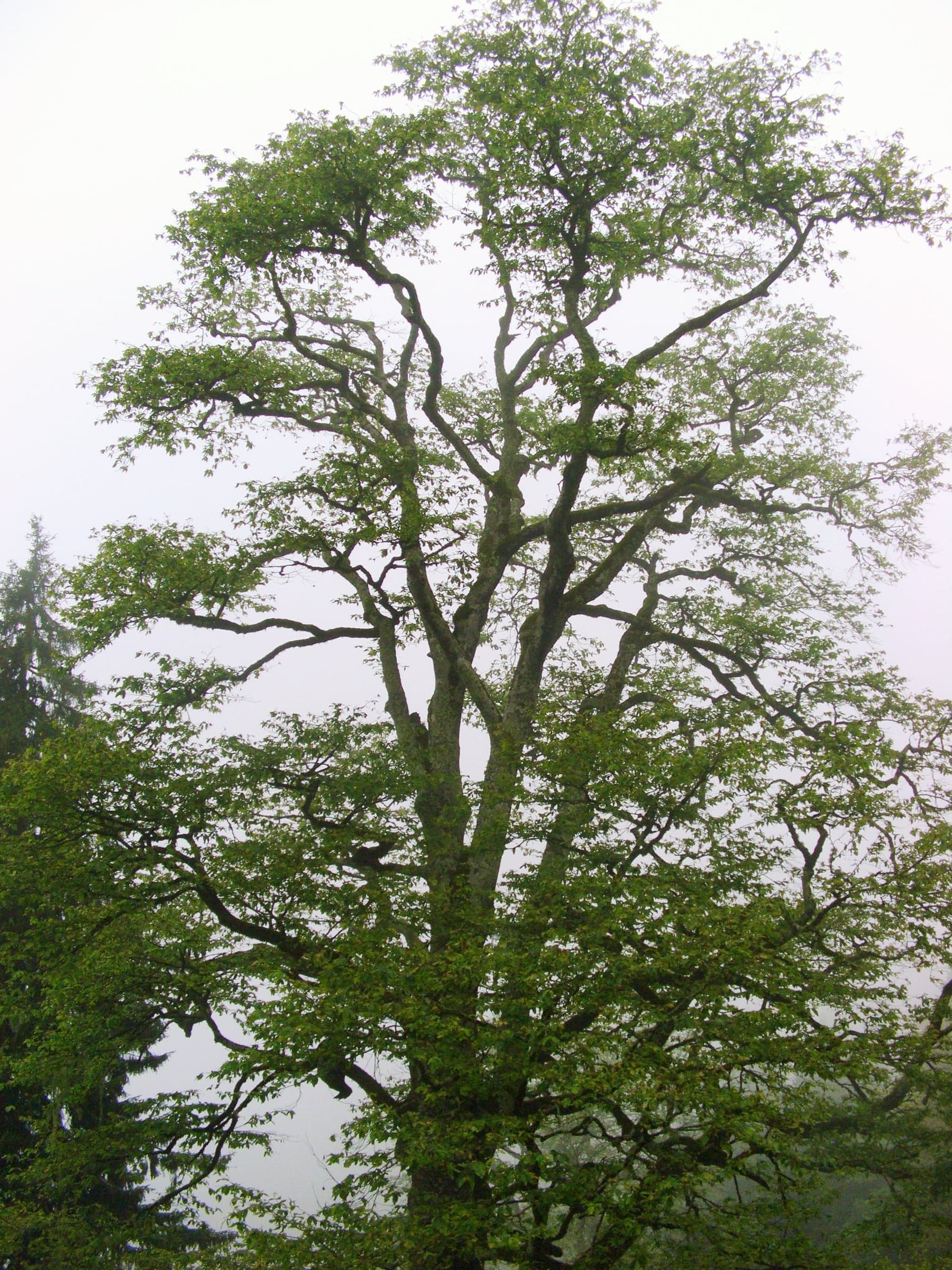
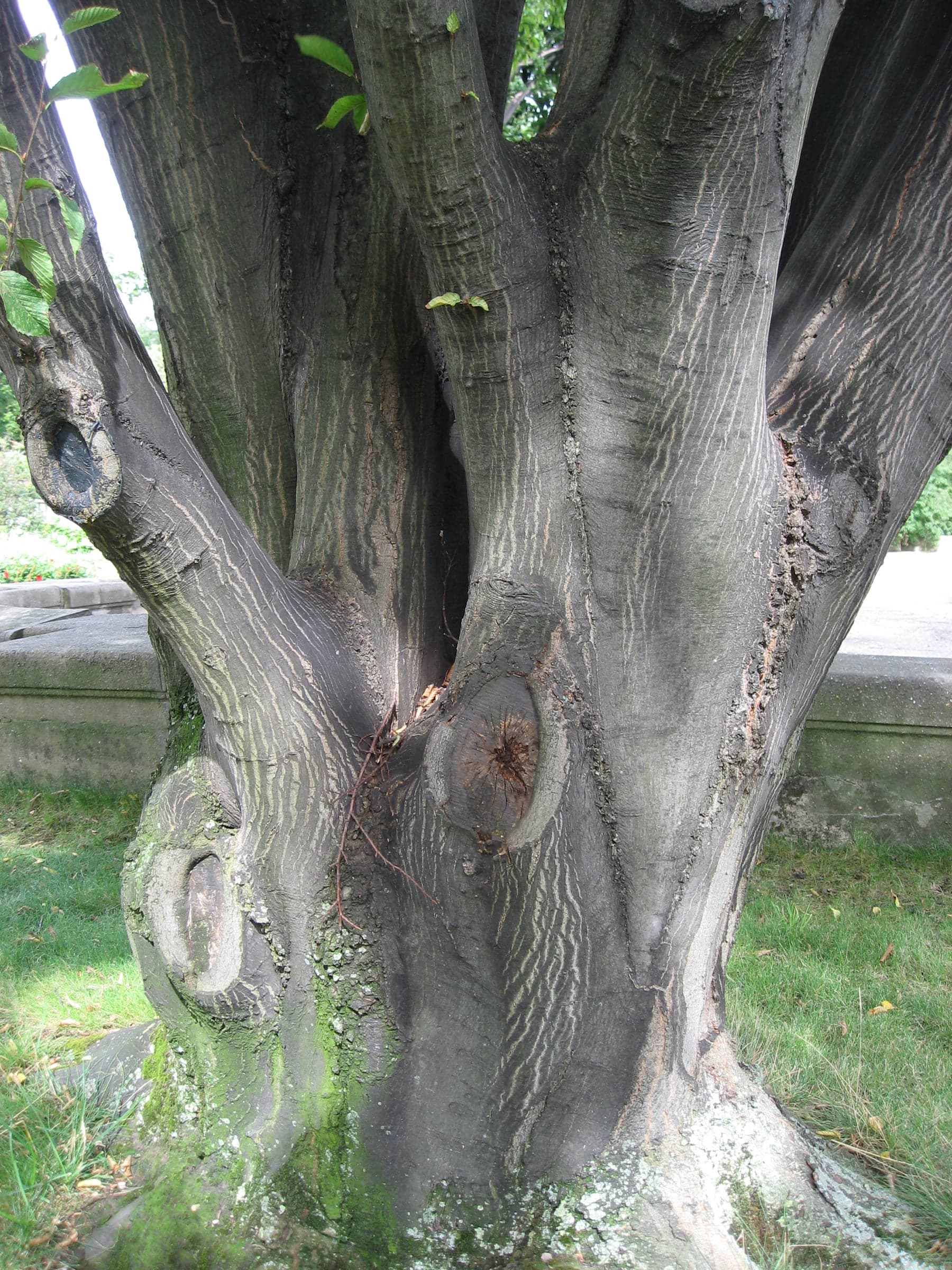
    Native to central and eastern Europe. Slow-growing, often coppiced, and recognisable in the forest by its fluted, muscle-like trunk, the reason for the folk names ironwood and musclewood.

  • Native, abundant across central and eastern European forests, and listed Least Concern by the IUCN with no CITES restriction. Often a by-product of broadleaf woodland and hedgerow management, so volumes are smaller and more local than oak or beech but the supply is genuinely sustainable.

  • Hornbeam medis

    Dr. Zeynel Cebeci, via Wikimedia Commons

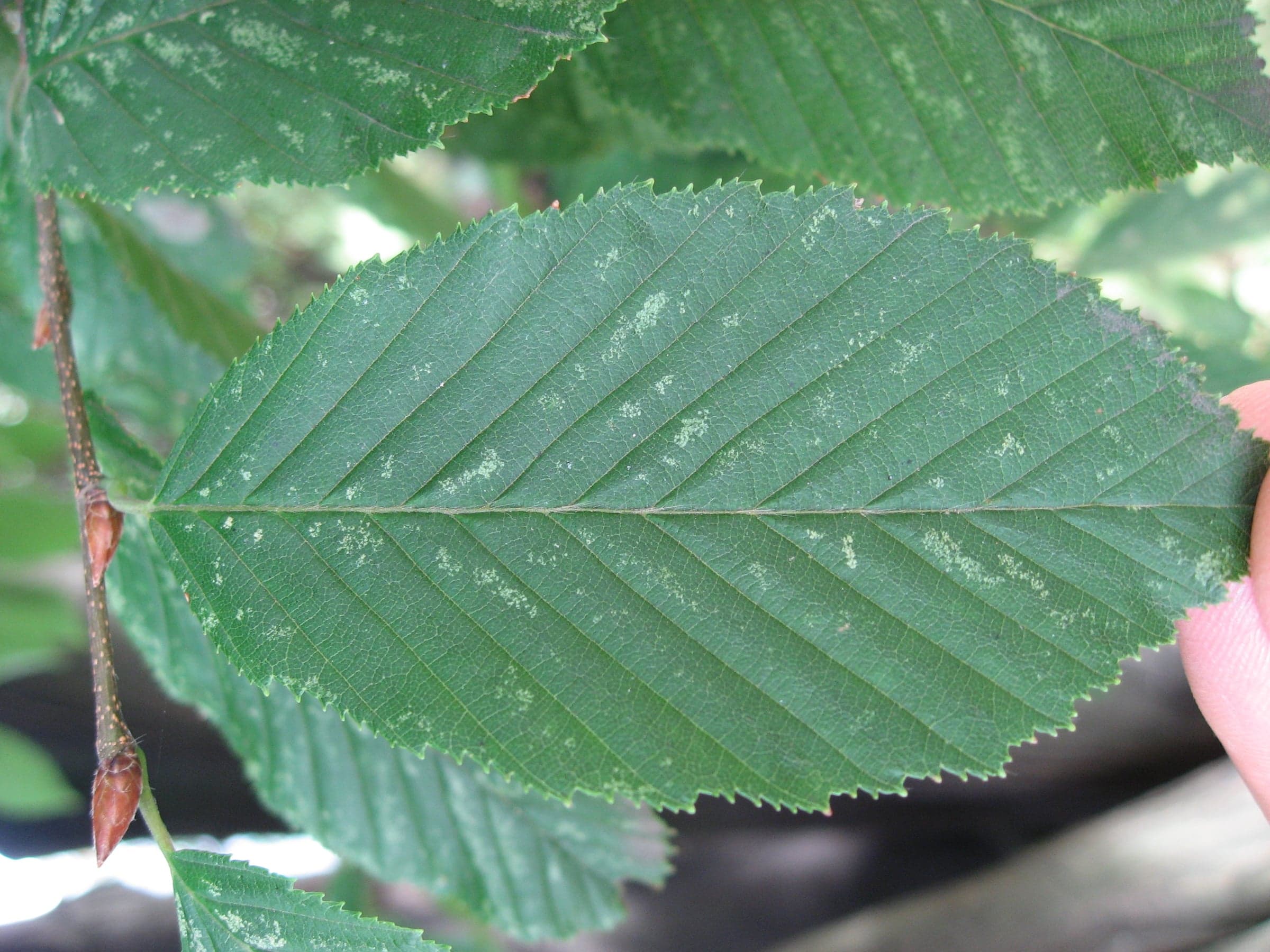
    Hornbeam: Lapas
    Lapas
    Hornbeam: Žievė
    Žievė

    Hornbeam ties with beech for the highest volumetric shrinkage in this catalogue at 17.0 percent, and its tangential to radial differential of 11.0 against 5.5 percent is very wide.

    This is a wood that reacts strongly to humidity. A wide solid hornbeam top in a room with underfloor heating will not stay flat.

    That is entirely consistent with its traditional applications. Plane soles, mallet heads and gear teeth are small dense components where movement is restrained by geometry or simply does not matter at that scale. Nobody historically made wide hornbeam tabletops, and the reason was not fashion.

    If you are buying a hornbeam slab, buy it for a workbench top, a butchers block, or small components, and let it float rather than fixing it.

    At the bench#

    Hornbeam is hard work. The density blunts tooling quickly, the interlocked grain tears out, and hand tools make slow progress.

    The fine texture that gives such good wear resistance is exactly what resists cutting. Sharp carbide tooling, light cuts, and a scraper or high angle plane for the final surface are the practical approach.

    It turns very well and holds crisp detail, and it takes a burnished finish straight off the tool. It glues reliably. Pilot every fastening.

    The durability trap#

    Hornbeam is decay class 5, perishable, despite being one of the hardest woods here.

    This catches people out repeatedly, and it is the same trap ash sets. Hardness and decay resistance are unrelated: one is about cell wall structure, the other about extractive chemistry. Hornbeam has excellent structure and essentially no protective extractives.

    Untreated hornbeam outdoors will rot. For exterior work use robinia at decay class 1, oak at 2, or sweet chestnut at 2.

    Kitchen and workshop use#

    It is rated food safe and is the traditional European butchers block timber. The fine dense texture resists knife scarring and cleans well, which is the whole reason it was chosen for that job.

    In the workshop it makes excellent bench tops, vice jaws, mallet heads and plane soles. A hornbeam bench top takes decades of abuse.

    Where Hornbeam is the right answer#

    Butchers blocks, workbench tops, tool parts, mallets, plane soles, gear and machine components, and turned work where wear resistance matters.

    It is the wrong answer for wide decorative tops, for anything outdoors, and where your tooling or your patience is limited.

    Sourcing and EUDR#

    Not CITES listed and assessed as Least Concern. Common across central Europe and widely grown as hedging and coppice. Timber sized material is less common than the tree's abundance suggests because of the fluted trunk form, so wide clean slabs carry a premium relative to the species' status.

    Telling hornbeam from beech#

    These two get confused constantly. Both are pale, dense, fine textured European hardwoods sold for similar workshop uses, and a machined board of either looks much like the other.

    The reliable difference is in the rays. Beech has broad, conspicuous rays that show clearly on a quartersawn face as distinct flecks and on the end grain as obvious lines. Hornbeam has fine, inconspicuous rays and shows no comparable fleck.

    Weight is the second check. Hornbeam is denser at 735 kg per cubic metre against beech at 710, and noticeably harder at 7,260 N against 6,460 N. In the hand the difference is subtle; under a plane it is not.

    The third is the trunk. Hornbeam grows with pronounced longitudinal fluting, so the log is ridged rather than round. Beech logs are round and regular.

    What the fluting costs you#

    That fluted trunk form is the reason hornbeam is expensive relative to how common the tree is.

    Converting a fluted log to square edged boards throws away a great deal of material, and the deeper the fluting the worse the yield. Wide clean hornbeam boards are correspondingly scarce.

    For slab work, the fluting is sometimes an asset rather than a loss. A slab cut to follow the natural ridged outline keeps a wavy live edge that is characteristic of the species and impossible to fake.

    Is it suitable for a chopping block?

    +

    It is rated food safe and it is the traditional European butchers block timber, chosen for exactly that use because the fine dense texture resists knife scarring and cleans well. The movement caveat applies in a kitchen, so keep it oiled and away from standing water.

    Nuodžiūvis išilgai rievių. Taip keičiasi tangentinio pjūvio lentos ir dauguma storlenčių.
    11.0–13.0 %
    Tūrinis nuodžiūvisBendras tūrio pokytis nuo žalios iki visiškai sausos būklės. Mažesnė vertė reiškia didesnį stabilumą.17.0–19.0 %
    Natūralus patvarumas (EN 350)Europos natūralaus atsparumo puviniui standartas nuo 1 (labai patvari) iki 5 (nepatvari).Class 5 — Perishable

    Šaltiniai

    • The Wood Database(žiūrėta 2026-05-09)
    • USDA FPL Wood Handbook FPL-GTR-190 (2010)(žiūrėta 2026-05-09)
    • Meier, E. — WOOD! Identifying and Using Hundreds of Woods Worldwide (2015)(žiūrėta 2026-05-09)

    Trumpai

    Visoms KORENA medienos rūšims taikomos tos pačios lygių ribos, todėl jas galima tiesiogiai palyginti. Po kiekvienu rodikliu pateikiama išmatuota vertė.
    KietumasAtsparumas įspaudams ir dėvėjimuisiLabai kieta

    Kietumas pagal Janka 7 260 N

    46 % kietesnė už ąžuolą

    SvorisKiek sunki keliama storlentėLabai sunki

    735 kg/m³

    StabilumasKiek mažai mediena brinksta ir traukiasi keičiantis sezonamsLabai brinksta ir traukiasi

    18,0 % tūrinis nuodžiūvis

    ApdirbimasPjovimas, obliavimas, šlifavimas, klijavimasVidutiniškai

    3,6 / 5 apdirbimo vidurkis

    Naudojimas laukeNatūralus atsparumas puviniui, EN 350Tik patalpoms

    EN 350 klasė 5

    • Pjovimas · GeraiKaip švariai pjaunama ir kiek dėvi pjūklus.1 = sunku · 5 = puiku
    • Obliavimas · GeraiKiek lygus lieka paviršius ir kiek išplėšiama plaušų.1 = sunku · 5 = puiku
    • Šlifavimas · GeraiKaip greitai lygiai nušlifuojama neužkemšant popieriaus.1 = sunku · 5 = puiku
    • Tekinimas · PuikiaiKaip pjaunama ir padengiama tekinimo staklėmis.1 = sunku · 5 = puiku
    • Drožyba · GeraiKaip tiksliai kaltu išlaikomos detalės.1 = sunku · 5 = puiku
    • Klijavimas · Labai geraiKaip patikimai laiko klijuotos jungtys.1 = sunku · 5 = puiku
    • Varžtų / vinių laikymas · Labai geraiKaip gerai laiko varžtus ir vinis neskildama.1 = sunku · 5 = puiku
    • Lenkimas garais · Labai geraiKaip gerai išlenkiama po garinimo.1 = sunku · 5 = puiku

    Kiek šiuo metu Europoje kainuoja Hornbeam mediena už kubinį metrą be PVM. Palieskite kainą, kad pamatytumėte išsamiau.

    • Geriausi rąstai aukcioneAtrinkti aukštos kokybės klasės rąstai, parduoti uždarų pasiūlymų aukcionuose, daugiausia lukšto ir baldų gamintojams. Iš tokių rąstų pjaunamos storlentės.Dauguma kainų yra nuo 92 € iki 108 €.Remiamasi 57 kainomis iš 2 regionų.Naujausi duomenys: 2026-09-25
    • Įprasti rąstaiDideli standartinės apvaliosios medienos kiekiai, miškų savininkų ir valstybinių miškų parduodami daugiausia statybai ir pramonei.Dauguma kainų yra nuo 30 € iki 112 €.Remiamasi 1 300 kainų iš 7 regionų.Naujausi duomenys: 2026-09-25

    Geriausi rąstai aukcione pagal šalį

    • Vokietija · 108 € / m³Regionai: Bavaria26 kainosNaujausi duomenys: 2026-09-25
    • Austrija · 92 € / m³Regionai: Austria31 kainaNaujausi duomenys: 2026-09-25

    Įprasti rąstai pagal šalį

    • Rumunija · 84 € / m³Regionai: Banat / Crișana, Moldavia (Romania), Transylvania ir Wallachia1 268 kainosNaujausi duomenys: 2026-09-25
    • Prancūzija · 80 € / m³Regionai: Grand Est / Alsace8 kainosNaujausi duomenys: 2026-09-15
    • Bulgarija · 50 € / m³Regionai: North-West Bulgaria ir South-East Bulgaria24 kainosNaujausi duomenys: 2026-09-21

    Kodėl storlentė kainuoja daugiau?

    Tai žaliavinės medienos kainos. Storlentė yra geriausias rąsto pjūvis, džiovintas metus ar ilgiau, tada kiekvienas vienetas atskirai patikrintas ir išmatuotas. Storlente tampa tik nedidelė kiekvieno rąsto dalis.

    Šaltinis: KORENA medienos indeksas · Naujausi duomenys: 2026-09-25

    Žiūrėti visas regionines kainas
    Netinka neapdorota naudoti lauke
    Natūralus patvarumas pagal EN 350 yra 5 klasė iš 5. Laikykite patalpoje arba prižiūrėkite apsauginę apdailą.
  • Brinksta ir traukiasi labiau nei dauguma rūšiųPlatiems stalviršiams reikia laikiklių arba pailgų tvirtinimo angų ir vietos judėti. Naudokite toliau pateiktą skaičiuoklę.
  • Dulkės dirginaNaudokite dulkių nutraukimą ir šlifuodami ar apdirbdami dėvėkite kaukę.
  • Greitai atšipina įrankiusLabai kieta ir tanki. Naudokite aštrius įrankius ir kiekvienam varžtui išgręžkite pirminę skylę.
  • Palieskite žymą ir peržiūrėkite išsamiau.