KORENA
DřevoNábytekDílnaPartneřiMagazín

Prohlédněte si nové fošny mezi prvními

Pošleme vám e-mail, jakmile dorazí nové dřevo.

Několik e-mailů měsíčně. Žádný spam, odhlásit se můžete kdykoli.

KORENA

Nakupujte na KORENA masivní dřevo, ručně vyráběný nábytek, nářadí a nátěry na dřevo.

Obchod

  • Procházet výrobky
  • Archiv prodaných fošen
  • Sledovat objednávku

Informace

  • Magazín
  • Průvodce druhy dřeva
  • Slovníček
  • Rostlinolékařské pasy a zóny škůdců
  • Porovnání
  • Autoři

Pomoc

  • O nás
  • Jak to funguje
  • Začít prodávatNové
  • Poptat fošnu
  • Podpora
  • Vzory dokumentů
  • Pro média

Nákup

  • Obchodní podmínky
  • Právo na odstoupení
  • Vrácení zboží a záruka
  • Doprava a doručení

Důvěra

  • Zásady ochrany osobních údajů
  • Zásady používání souborů cookie
  • Původ dřeva a EUDR
  • Přístupnost

Právní údaje

  • Právní oznámení / identifikační údaje
  • Přijatelné použití
  • Duševní vlastnictví a obsah

© 2026 KORENA. Všechna práva vyhrazena.

Provozuje Martial Labs Ltd. (BG, EIK 207453941). KORENA je obchodní označení společnosti Martial Labs Ltd.

Respektujeme vaše soukromí

Nezbytné soubory cookie používáme pro správné fungování webu. S vaším souhlasem bychom používali také soubory cookie pro analytiku, personalizovaný obsah a reklamy. Své rozhodnutí můžete kdykoli změnit na stránce nastavení souhlasu. Přečtěte si naše zásady používání souborů cookie a zásady ochrany osobních údajů.

  1. Domů
  2. /
  3. Dřeviny
  4. /
  5. Javor klen

Acer pseudoplatanus

Javor klen

Pale, lustrous European hardwood with a creamy near-white surface. Often quartersawn to bring out ray fleck, and prized in curly form for violin and cello backs.

  • This species is recorded as commercially grown in Europe. This does not establish where an individual piece was harvested; check its origin details.
  • Botanická skupina. Jehličnaté dřeviny jsou nahosemenné stromy, listnaté dřeviny jsou krytosemenné stromy.
  • Botanická čeleď, do které dřevina patří.
Upozornit, až dorazíReferenční dřevina. Právě není žádný kus skladem.
  • Vhodnost pro projekt
  • Skladem
  • Vzhled
  • Zpracování
  • Pohyb dřeva
  • Cena
  • Bezpečnost a původ
  • Otázky
  • Technické údaje

Hodí se pro váš projekt?

Výborné pro

  • Violin, viola and cello backs, sides and necks (fiddleback stock)
  • Kitchen worktops, butcher blocks and chopping boards
  • Light-toned furniture, cabinetry and shelving
  • Turned bowls, treen and tool handles
  • Interior joinery, stair parts and panelling
  • Marquetry and inlay where a near-white ground is needed

V aktuální várce není Javor klen

Podobné dřeviny skladem

Dřevina Javor klen právě není skladem. Tyto dostupné dřeviny se hodí pro stejné projekty.
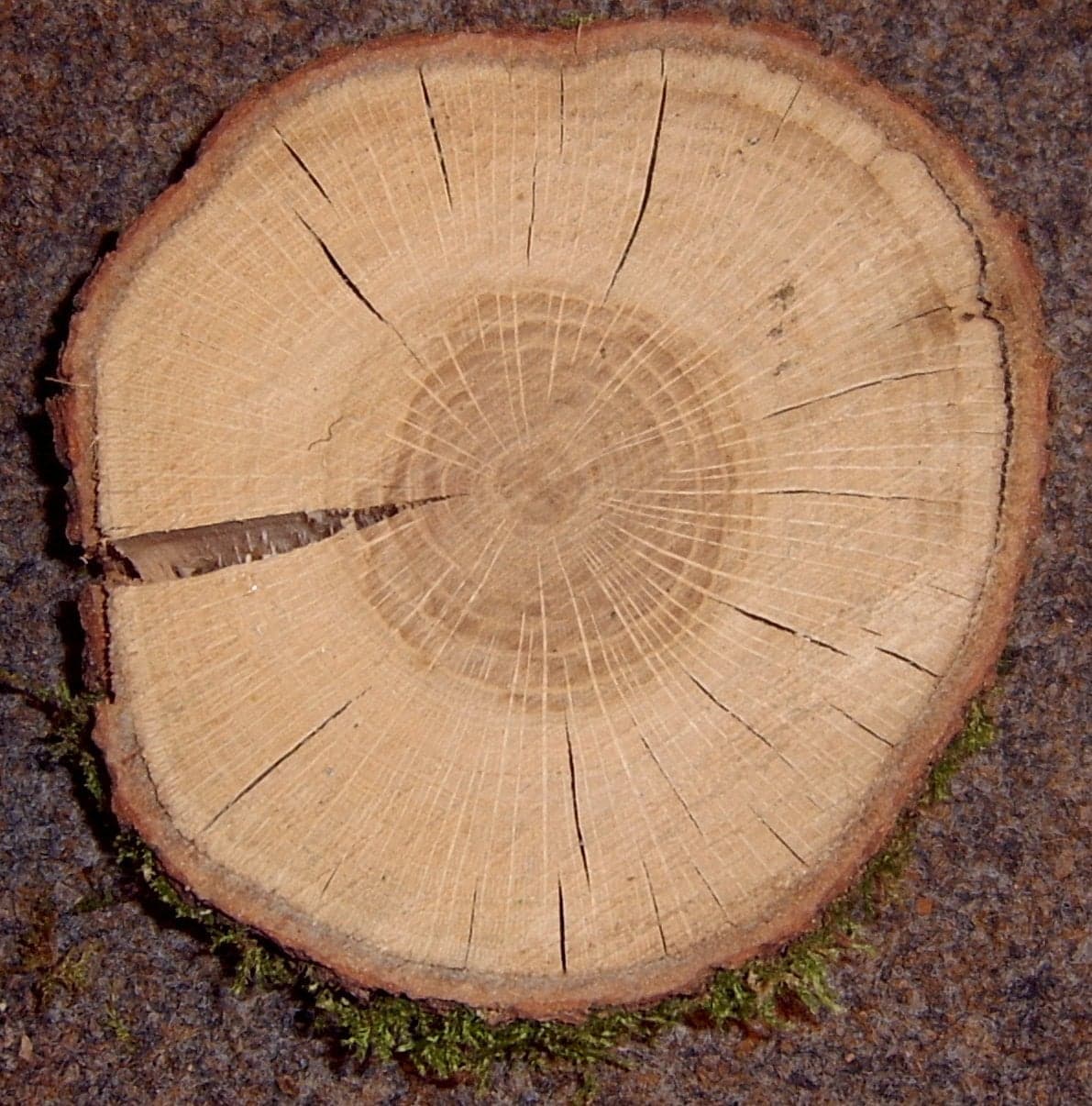
  • Kresba dřeva Evropský dub

    Evropský dub

    Quercus robur

    6 kusů

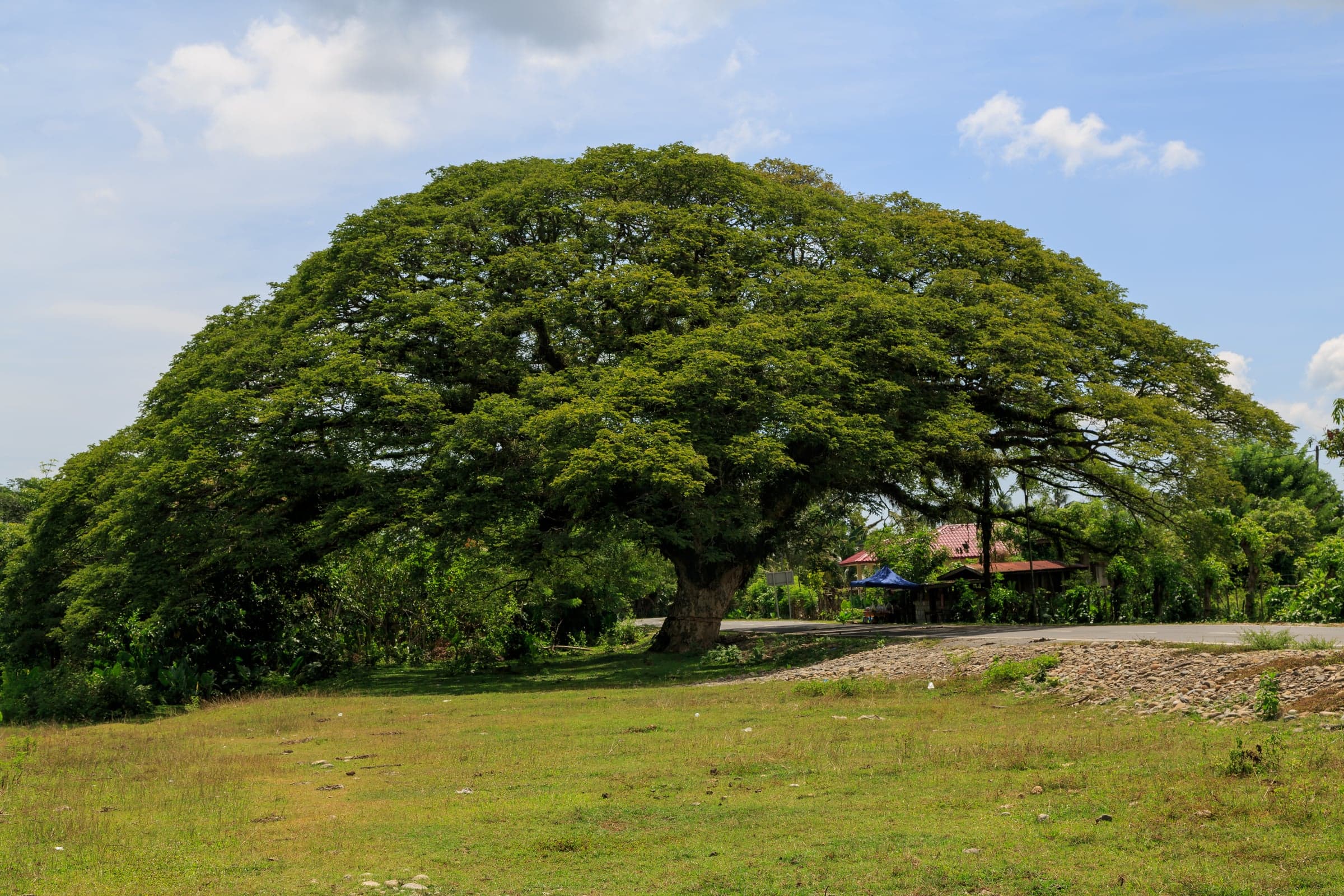
  • Kresba dřeva Saman

    Saman

    Samanea saman

    4 kusy

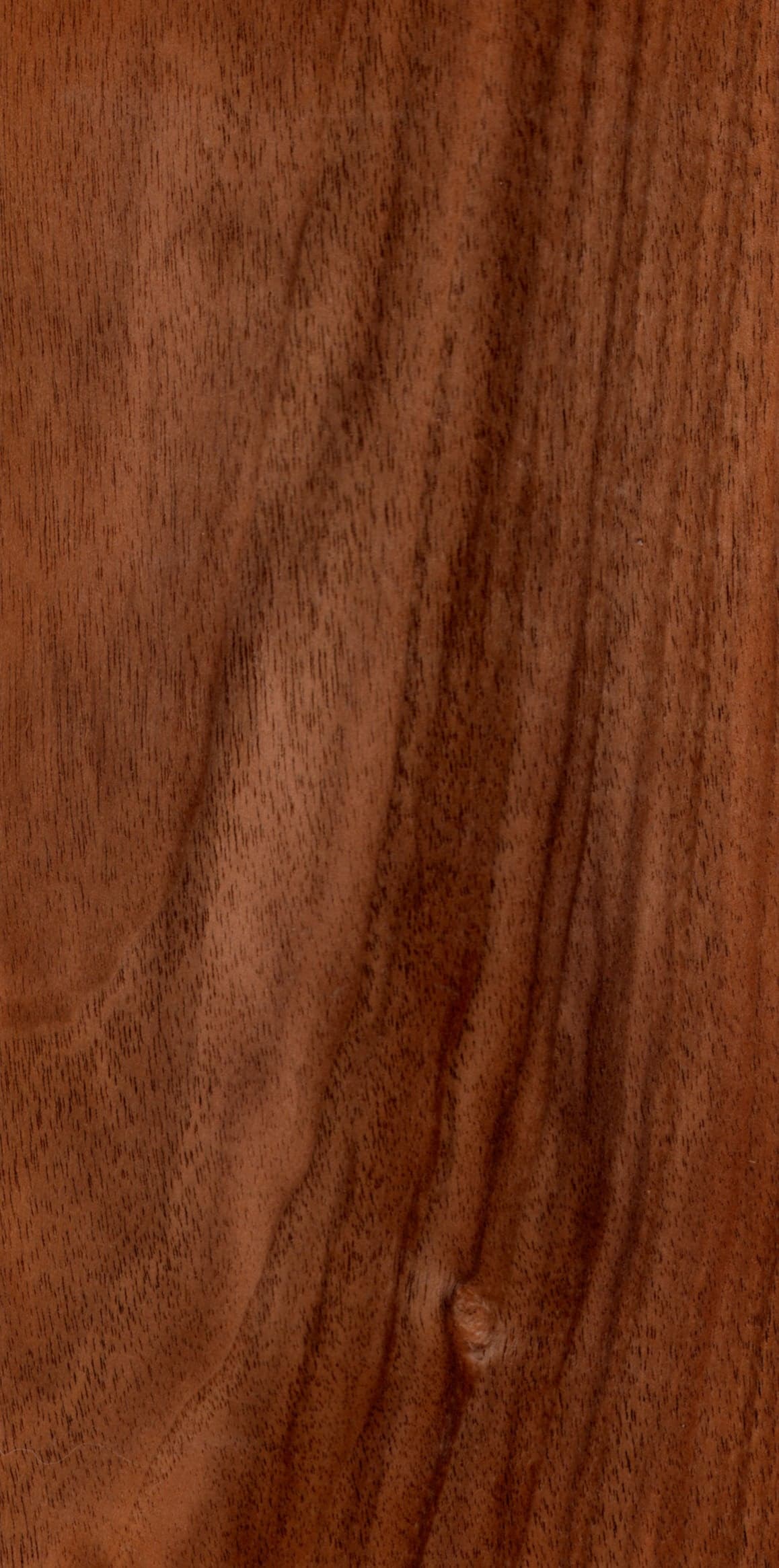
  • Kresba dřeva Evropský ořech

    Evropský ořech

    Juglans regia

    12 kusů

Upozornění na dřevinu Javor klen

Až na KORENA dorazí nové fošny Javor klen, pošleme vám e-mail. Každý kus je jedinečný, proto se včasné upozornění hodí.

Několik e-mailů měsíčně. Žádný spam, odhlásit se můžete kdykoli.

Vzhled dřeva

Jak vypadá

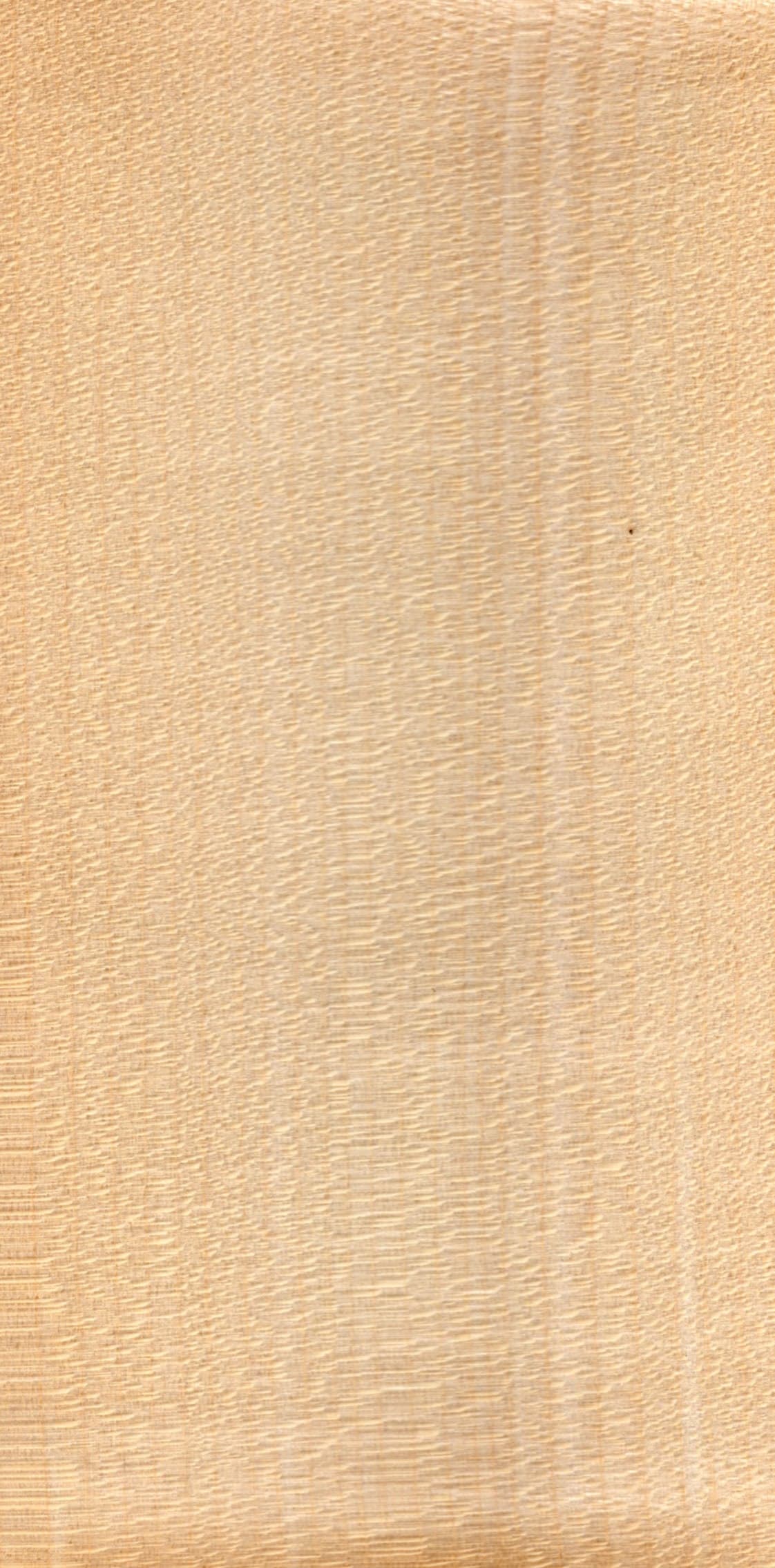
Sycamore maple runs creamy white to pale yellow with a fine, even texture and a soft natural sheen. Grain is usually straight, with occasional wavy or interlocked sections. Quartersawn boards show small ray fleck. The most sought-after cut is fiddleback, a tight, rippled curl that catches light across the board and has been used for violin, viola and cello backs since the Cremonese workshops of Stradivari and Guarneri.

  • Creamy white to pale yellow when freshly machined
  • Soft natural lustre, especially on quartersawn faces
  • Small ray fleck on quartersawn boards
  • Fiddleback or curly figure in select boards, three-dimensional ripple under light
  • Ambers gently toward warm straw under UV exposure
  • Světlý, lesklý; často radiálně řezaný kvůli zrcátkům dřeňových paprsků.

Zpracování

Jak se zpracovává

Works well across the board. Saws, planes, sands and glues cleanly, and turns excellently, it is a long-standing choice for treen, bowls and tool handles. Curly and fiddleback stock will tear out under straight blades; use sharp tooling, light cuts and a high cutting angle, or sand through grits. Screws and holds fastenings without splitting at sensible pilot sizes.

Povrchová úprava

The pale colour is part of the appeal, so most makers stay with water-based or hardwax oil finishes that keep the surface near-white. Oil-based and polyurethane finishes warm the wood toward straw yellow. Expect a slow ambering shift under UV regardless, pieces stored in shade stay paler for longer. Sands cleanly to a high polish. On figured stock, a thin coat of dilute shellac before the topcoat lifts the chatoyance.

Sušení

Dries fairly quickly but is prone to fungal staining and grey discolouration if left in stick during warm, humid weather. The traditional remedy is to fell in winter and end-rack boards vertically so air moves across both faces. Tangential shrinkage of 7.5–9.0% against radial 4.0–5.5% gives a moderate T/R ratio, so quartersawn stock stays flatter in service. Acclimatise indoors before machining final dimensions.

Jak moc bude pracovat?

Dřevo se napříč šířkou rozpíná a smršťuje podle toho, jak vzduch vlhne a vysychá. Než navrhnete upevnění, odhadněte sezónní pohyb desky z dřeviny Javor klen.

Řez
Kde bude výrobek umístěn

Očekávaný sezónní pohyb

přibližně 9,4 mm

Desku upevněte úchyty nebo kováním s drážkami, ne lepidlem ani pevně dotaženými šrouby.

Lineární model sesychání: šířka × (sesychání ÷ 28 % bod nasycení vláken) × sezónní změna vlhkosti. Pro dřevinu Javor klen používá 8,25% tangenciálního sesychání. Jde o plánovací odhad, nikoli záruku.

Kolik stojí

Bezpečnost a původ

  • This species is recorded as commercially grown in Europe. This does not establish where an individual piece was harvested; check its origin details.
  • Stav v Červeném seznamu IUCN: celosvětové posouzení ohrožení této dřeviny.
  • Food-contact safe and a classic European choice for butcher blocks, chopping boards and kitchen treen. Maple dust is a known respiratory sensitiser and is listed as a carcinogen in some jurisdictions, extract at the tool and wear a fitted P3 mask when sanding or routing.

Přečíst celý průvodcePodrobné poznámky o kresbě, změně barvy, zpracování a stabilitě.+

What European Sycamore actually is#

Acer pseudoplatanus is a maple, despite the name. It is the whitest timber in this catalogue and the traditional European choice wherever a pale, clean, food-safe surface is wanted.

The naming causes real confusion. European Sycamore is a maple. American sycamore is Platanus occidentalis, a plane tree. London Plane, which KORENA also lists, is Platanus x acerifolia and is the European plane. The three are unrelated and work differently. Buy on the botanical name.

Keeping it white#

The pale colour is the whole point of this species and it is fragile.

Freshly converted sycamore stains easily. If boards are flat stacked and left, fungal staining greys them within weeks. The traditional handling is end rearing, standing the boards on end so air moves freely and moisture drains, and prompt drying after conversion.

A greyed or blue stained sycamore board is not structurally damaged but it has lost the property you were buying.

In use, the threat is the finish. Oil finishes amber pale woods, and sycamore starts whiter than anything else here so it shows the shift most. A clear water based finish or a low yellowing hardwax oil preserves the colour; a standard oil turns it distinctly yellow, permanently.

The figure

Otázky kupujících

Na co se kupující ptají

Is European Sycamore the same as American sycamore?

+

No, and the naming is genuinely confusing. European Sycamore is Acer pseudoplatanus, a maple. American sycamore is Platanus occidentalis, a plane tree, and its European counterpart is London Plane, Platanus x acerifolia, which KORENA also lists. The three are unrelated and behave differently. Check the botanical name.

Why is sycamore used for violin backs?

+

Its fine even texture, good stiffness and frequent curly figure suit it acoustically and visually, and it has been the traditional back, ribs and neck timber for violins since the Cremonese makers. Figured sycamore with strong flame is still sold specifically as fiddleback for this purpose.

How do I keep it white?

+

Sycamore is prized for being one of the whitest European timbers and it discolours easily. It must be dried promptly and end reared rather than flat stacked, or fungal staining greys it. In use, avoid oil finishes, which pull it yellow, and use a clear water based finish or a low yellowing hardwax oil instead.

What is rippled or fiddleback sycamore?

+

Mechanické vlastnosti

Technické údaje

Zveřejněné referenční hodnoty. Pokud se zdroje rozcházejí, uvádíme rozpětí a pro výše uvedené stupnice používáme typickou hodnotu.

Hustota (kg/m³)Hmotnost jednoho metru krychlového při vlhkosti přibližně 12 %. Těžší dřevo bývá tvrdší a pevnější.570–660 kg/m³typicky 615 kg/m³
Tvrdost podle Janky (N)Síla potřebná k zatlačení ocelové kuličky do poloviny jejího průměru. Standardní měřítko odolnosti proti otlačení.4,400–5,000 Ntypicky 4 680 N
MOR: modul pevnosti v ohybu (MPa)Pevnost v ohybu: zatížení, při kterém se nosník zlomí.95–115 MPa
MOE: modul pružnosti (GPa)Tuhost v ohybu: nakolik se police nebo deska pod zatížením prohne.9.5–11.5 GPa
Radiální sesycháníSesychání napříč letokruhy od čerstvého stavu po vysušení v sušárně. Takto pracují radiálně řezané fošny.4.0–5.5 %
Tangenciální sesychání
Kresba dřeva Javor klen

Achim Raschka (talk), via Wikimedia Commons

Přednosti

  • Vhodné pro potravinyVhodné na prkénka, mísy a povrchy, které přicházejí do styku s potravinami.
  • Dobře se ohýbáPro ohýbání párou má hodnocení 4 z 5. Lze z něj vytvořit i malé poloměry.

Native to central and southern European mountain regions and broadly available across the EU. Acer pseudoplatanus is the species behind 'European sycamore' and 'great maple', and is the same tree sold in the UK timber trade as English sycamore. It is not related to American sycamore (Platanus).

  • IUCN Least Concern, no CITES listing, and grown across European managed forests, so FSC or PEFC stock is straightforward to source. Decay class 5 under EN 350 means it is perishable and strictly an interior timber, no exterior joinery, no ground contact, no wet rooms without a sealed assembly.

  • Strom Javor klen

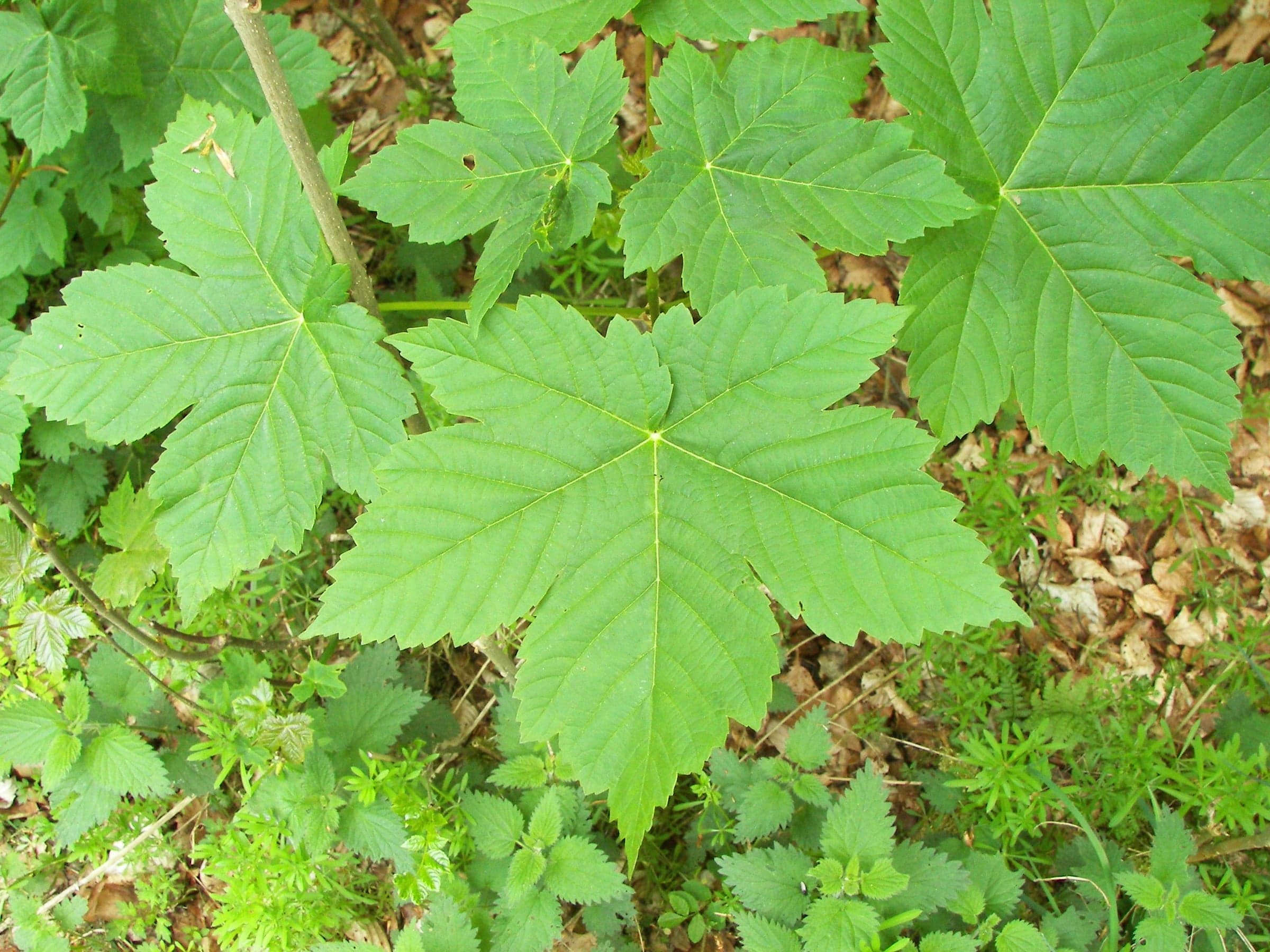
    Willow, via Wikimedia Commons

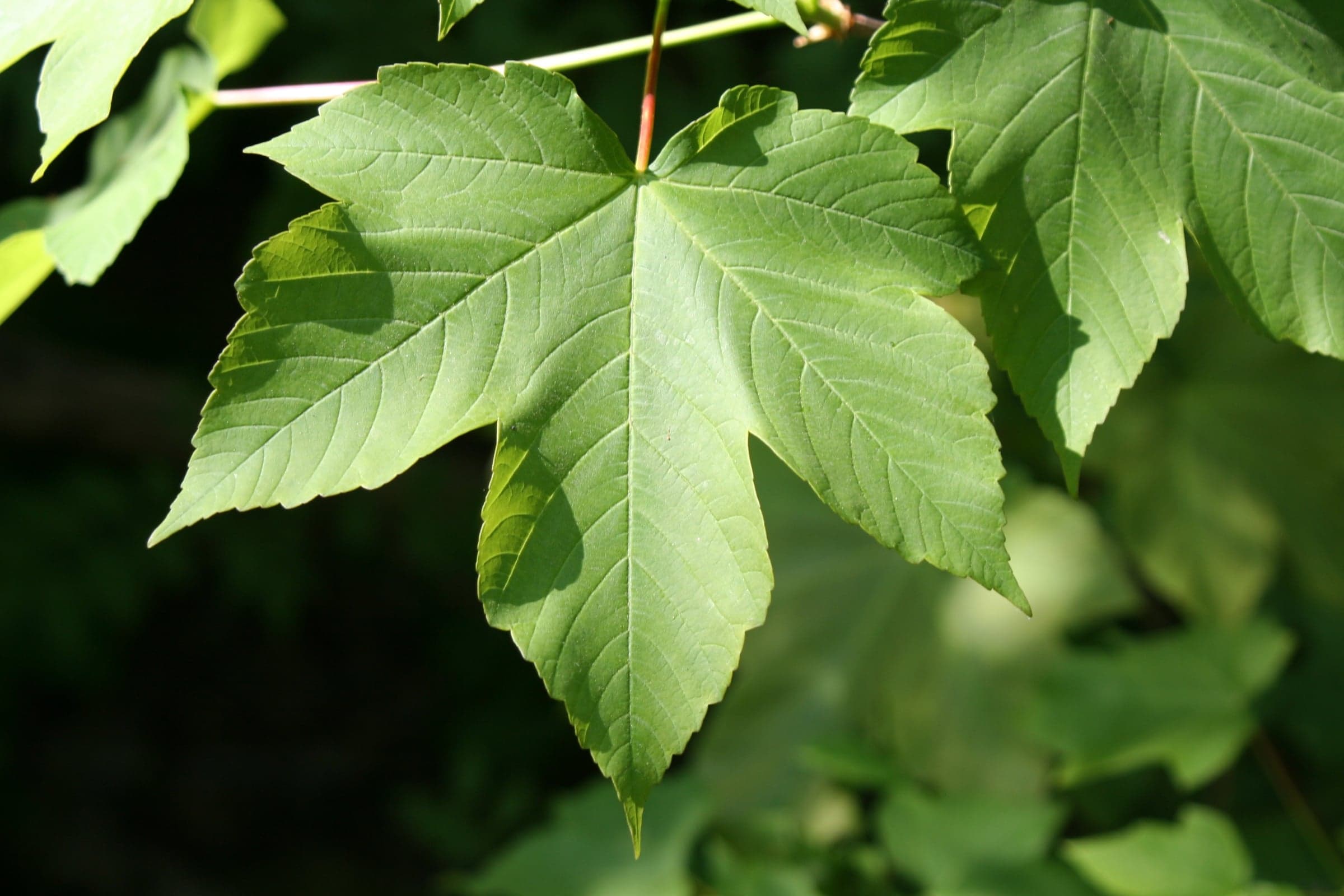
    Javor klen: List
    List
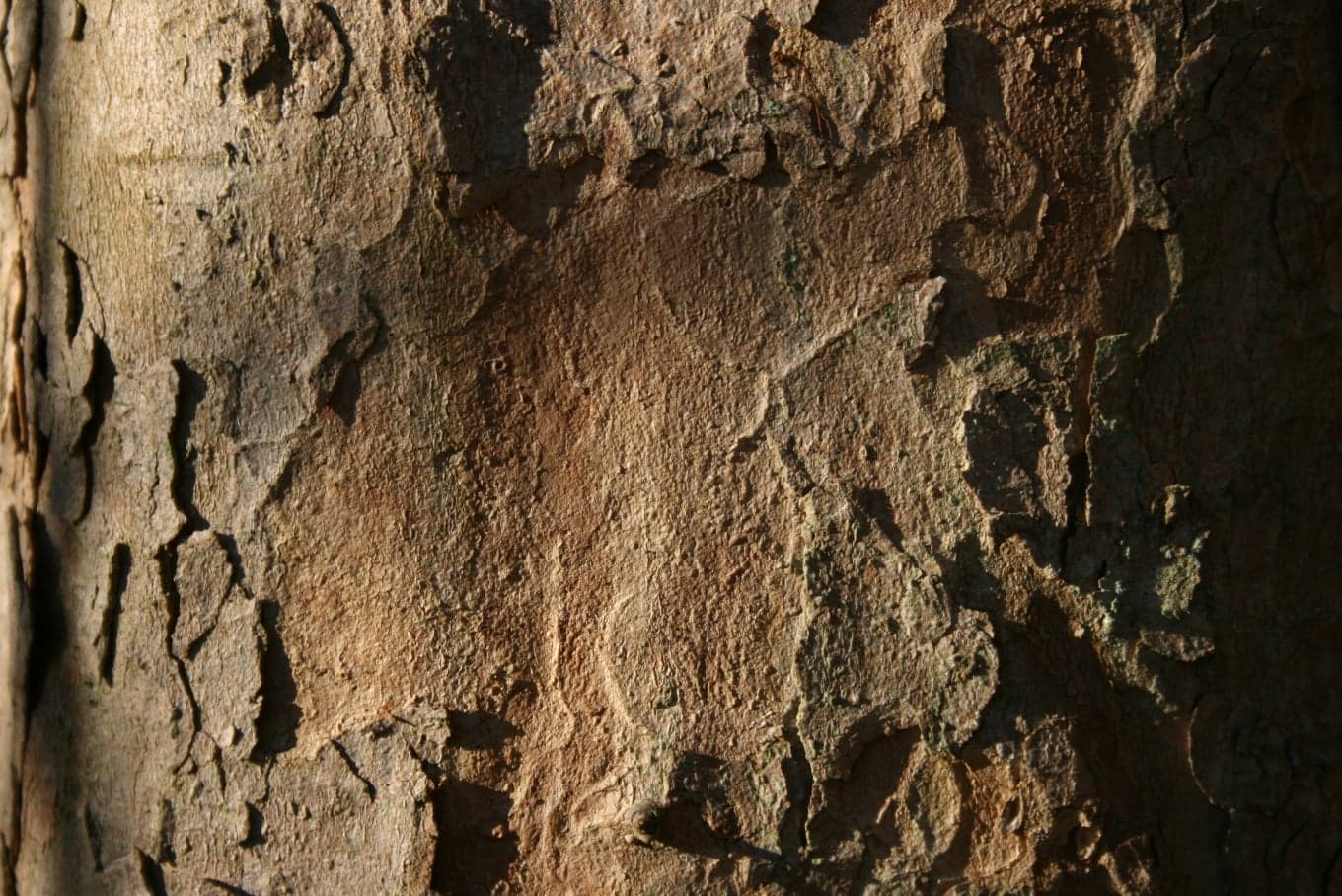
    Javor klen: Kůra
    Kůra
    #

    Rippled or fiddleback sycamore carries a wave in the grain that produces strong horizontal chatoyance shifting with viewing angle. It is the same phenomenon as curly maple.

    It occurs in a minority of trees, cannot be predicted before felling, and carries a substantial premium.

    This is the timber of violin backs, ribs and necks, and has been since the Cremonese makers. Fiddleback sycamore is still sold under that name specifically for instrument work, where the combination of acoustic properties and appearance has never been bettered.

    At the bench#

    Sycamore works cleanly and pleasantly. At 4,680 N it is moderately hard, sitting just below European oak at 4,980 N, and it blunts tooling at a modest rate.

    The fine even texture takes crisp detail and it turns very well. It glues reliably and takes fastenings securely.

    Figured stock tears out readily. Light cuts, sharp tooling and a scraper or high angle plane for the final surface, particularly on fiddleback where the grain reverses continuously.

    It sands to a very fine surface.

    Finishing#

    The staining behaviour is the same trap that maple sets. The dense closed grain absorbs pigment unevenly and blotches, worse on figured stock.

    Use a dye or a gel stain, or leave it clear, which is what most sycamore work calls for anyway given that the colour is the reason for choosing it.

    Kitchen and dairy use#

    Sycamore is rated food safe, closed grained, and has been the traditional European dairy and kitchen timber, used for butter pats, bowls, spoons and worktops because it does not taint food and cleans well.

    It is softer than hard maple at 4,680 N against 6,450 N, so it scars more readily under a knife, and at decay class 5 it must be kept dry.

    Movement#

    Volumetric shrinkage of 11.5 percent is moderate, with tangential at 7.5 percent against radial at 4.0 percent. That is a reasonable differential and sycamore behaves acceptably in wide boards, better than maple or beech.

    Where European Sycamore is the right answer#

    Instrument work, particularly violin backs and ribs. Also pale furniture, kitchen and dairy ware, turned work, marquetry and inlay, and decorative panels where fiddleback figure is the design.

    It is the wrong answer outdoors, and wrong under an oil finish if the white colour is what you are paying for.

    Sourcing and EUDR#

    Not CITES listed and assessed as Least Concern. Common across central and northern Europe and widely planted, with straightforward supply and documentation.

    Drying sycamore, which is where most of it is lost#

    More sycamore is spoiled in the first three weeks after felling than at any other stage, and the cause is always the same: it was stacked flat and left.

    Freshly converted sycamore is wet, pale and full of sugars, which makes it ideal food for the fungi that cause blue and grey staining. Flat stacked in still air, boards discolour from the inside out within weeks, and the grey never comes out.

    The traditional answer is end rearing. Boards are stood on end, leaning, so air moves across both faces and moisture drains rather than pooling. It looks like an odd way to treat timber and it is the difference between white sycamore and grey sycamore.

    If you are buying sycamore, ask how it was dried. If you are drying it yourself, get it standing within days of conversion.

    What figured sycamore is worth checking for#

    Rippled figure is not uniform through a log. It is usually strongest near the base and can fade out entirely further up, so a slab cut from the same tree as a strongly figured one may be plain.

    Look at the figure in raking light from two directions before committing. Ripple that reads strongly from one angle and disappears from another is shallow and may not survive final thicknessing.

    A wave in the grain producing strong horizontal rippling chatoyance across the board, the same phenomenon as curly maple. It occurs in a minority of trees, cannot be predicted from the standing tree, and commands a substantial premium. It is the most sought after form of the species.

    Is it suitable for kitchen surfaces?

    +

    It is rated food safe, closed grained and traditionally used for dairy and kitchen ware precisely because it does not taint food and cleans well. It is softer than hard maple at 4,680 N against 6,450 N, so it will scar more readily, and at decay class 5 it must be kept dry.

    Sesychání podél letokruhů. Takto pracují tangenciálně řezané fošny a většina fošen s přírodní hranou.
    7.5–9.0 %
    Objemové sesycháníCelková změna objemu od čerstvého stavu po vysušení v sušárně. Nižší hodnota znamená větší stabilitu.11.5–13.5 %
    Přirozená trvanlivost (EN 350)Evropská norma přirozené odolnosti proti hnilobě od 1 (velmi trvanlivé) do 5 (netrvanlivé).Class 5 — Perishable

    Zdroje

    • The Wood Database(citováno 2026-05-09)
    • USDA FPL Wood Handbook FPL-GTR-190 (2010)(citováno 2026-05-09)
    • Meier, E. — WOOD! Identifying and Using Hundreds of Woods Worldwide (2015)(citováno 2026-05-09)

    Stručný přehled

    Úrovně používají pro všechny dřeviny v nabídce KORENA stejná pásma, takže je lze přímo porovnávat. Pod každou je uvedena naměřená hodnota.
    TvrdostOdolnost proti otlačení a opotřebeníStředně tvrdé

    Tvrdost podle Janky 4 680 N

    O 6 % měkčí než dub letní

    HmotnostJak těžká je fošna při zvedáníStředně těžké

    615 kg/m³

    StabilitaJak málo pracuje v průběhu ročních obdobíPrůměrné

    12,5 % objemového sesychání

    ZpracováníŘezání, hoblování, broušení, lepeníSnadné

    průměr zpracování 4,1 / 5

    Použití venkuPřirozená odolnost proti hnilobě, EN 350Pouze do interiéru

    třída 5 podle EN 350

    • Řezání · Velmi dobráJak čistě se řeže a jak moc namáhá pilové nástroje.1 = obtížné · 5 = výborné
    • Hoblování · Velmi dobráJak hladký povrch po hoblování zůstává a jak často se vytrhávají vlákna.1 = obtížné · 5 = výborné
    • Broušení · Velmi dobráJak rychle se vybrousí dohladka bez zanášení brusiva.1 = obtížné · 5 = výborné
    • Soustružení · VýbornáJak se řeže a dokončuje na soustruhu.1 = obtížné · 5 = výborné
    • Řezbářství · Velmi dobráJak dobře drží ostré detaily při práci dlátem.1 = obtížné · 5 = výborné
    • Lepení · Velmi dobráJak spolehlivě drží lepené spoje.1 = obtížné · 5 = výborné
    • Držení šroubů / hřebíků · Velmi dobráJak dobře drží šrouby a hřebíky bez rozštípnutí.1 = obtížné · 5 = výborné
    • Ohýbání párou · Velmi dobráJak dobře se po napaření ohýbá.1 = obtížné · 5 = výborné

    Za kolik se dřevo Javor klen právě prodává v Evropě za metr krychlový bez DPH. Klepnutím na cenu zobrazíte podrobnosti.

    • Nejlepší kulatina v aukciVybraná kulatina vysoké jakosti prodávaná v nabídkových aukcích, hlavně výrobcům dýh a nábytku. Z takové kulatiny se řežou fošny.Většina cen se pohybuje mezi 153 € a 485 €.Vychází z 183 cen z 2 regionů.Nejnovější údaje: 14. 11. 2026
    • Běžná kulatinaVelké objemy standardní kulatiny prodávané vlastníky lesů a státními lesy, především pro stavebnictví a průmysl.Většina cen se pohybuje mezi 41 € a 110 €.Vychází z 3 257 cen z 5 regionů.Nejnovější údaje: 14. 11. 2026

    Nejlepší kulatina v aukci podle zemí

    • Rakousko · 368 € / m³Regiony: Austria61 cenNejnovější údaje: 14. 11. 2026
    • Německo · 319 € / m³Regiony: Bavaria122 cenNejnovější údaje: 14. 11. 2026

    Běžná kulatina podle zemí

    • Bulharsko · 102 € / m³Regiony: North-West Bulgaria12 cenNejnovější údaje: 24. 8. 2026
    • Rumunsko · 75 € / m³Regiony: Banat / Crișana, Moldavia (Romania), Transylvania a Wallachia3 245 cenNejnovější údaje: 14. 11. 2026

    Proč fošna stojí více?

    Toto jsou ceny surového dřeva. Fošna je nejlepší řez z kulatiny, který se suší nejméně rok a poté se každý kus samostatně kontroluje a měří. Na fošnu se promění jen malá část každého kmene.

    Zdroj: KORENA Timber Index · Nejnovější údaje: 14. 11. 2026

    Zobrazit všechny regionální ceny
    Vhodné pro začátečníky
    Snadno se zpracovává a není tak tvrdé, aby příliš namáhalo nástroje.

    Pozor

    • Nevhodné pro venkovní použití bez ošetřeníPřirozená trvanlivost odpovídá třídě 5 z 5 podle EN 350. Používejte dřevo v interiéru nebo s pravidelně udržovanou povrchovou úpravou.
    • Dráždivý prachPři broušení nebo obrábění používejte odsávání a ochrannou masku.

    Klepnutím na štítek zobrazíte podrobnosti.