KORENA
TræMøblerVærkstedPartnereArtikler

Se de nye planker først

Få en mail, når der kommer nyt træ.

Et par mails om måneden. Ingen spam, og du kan altid afmelde dig.

KORENA

Køb massivt træ, håndlavede møbler, værktøj og produkter til overfladebehandling på KORENA.

Butik

  • Se produkter
  • Solgte planker
  • Spor ordre

Viden

  • Artikler
  • Guider til træsorter
  • Ordliste
  • Plantepas og skadegørerzoner
  • Sammenlign
  • Forfattere

Hjælp

  • Om os
  • Sådan fungerer det
  • Bliv sælgerNy
  • Find en planke
  • Kundeservice
  • Dokumentskabeloner
  • Presse

Køb

  • Salgsbetingelser
  • Fortrydelsesret
  • Returnering og garanti
  • Forsendelse og levering

Tryghed

  • Privatlivspolitik
  • Cookiepolitik
  • Træets oprindelse og EUDR
  • Tilgængelighed

Virksomhedsoplysninger

  • Juridiske oplysninger
  • Acceptabel brug
  • Immaterielle rettigheder og indhold

© 2026 KORENA. Alle rettigheder forbeholdes.

Drives af Martial Labs Ltd. (BG, EIK 207453941). KORENA er et handelsnavn tilhørende Martial Labs Ltd.

Vi respekterer dit privatliv

Vi bruger nødvendige cookies, så hjemmesiden fungerer. Med din tilladelse bruger vi også cookies til analyse, personligt tilpasset indhold og annoncer. Du kan til enhver tid ændre dit valg på siden med samtykkeindstillinger. Se vores cookiepolitik og privatlivspolitik.

  1. Forside
  2. /
  3. Træarter
  4. /
  5. Maritim fyr

Pinus pinaster

Maritim fyr

The pine of the Atlantic coast and the Landes. The most resinous and least stable wood KORENA lists, with a bold coarse figure that suits rustic work.

  • This species is recorded as commercially grown in Europe. This does not establish where an individual piece was harvested; check its origin details.
  • Botanisk gruppe. Nåletræ kommer fra nåletræer, løvtræ fra bredbladede træer.
  • Den botaniske familie, som træarten tilhører.
Få besked, når den kommerReferencetræart. Ingen planker på lager lige nu.
  • Egnethed til projektet
  • På lager
  • Udseende
  • Bearbejdning
  • Bevægelse
  • Pris
  • Sikkerhed og indkøb
  • Spørgsmål
  • Tekniske data

Passer det til dit projekt?

Velegnet til

  • Rustic tabletops
  • Panelling
  • Carcass work
  • Painted furniture
  • Shelving

Ingen Maritim fyr i det aktuelle parti

Lignende træarter på lager

Ingen Maritim fyr lige nu. Disse træarter egner sig til de samme projekter og findes på lager.
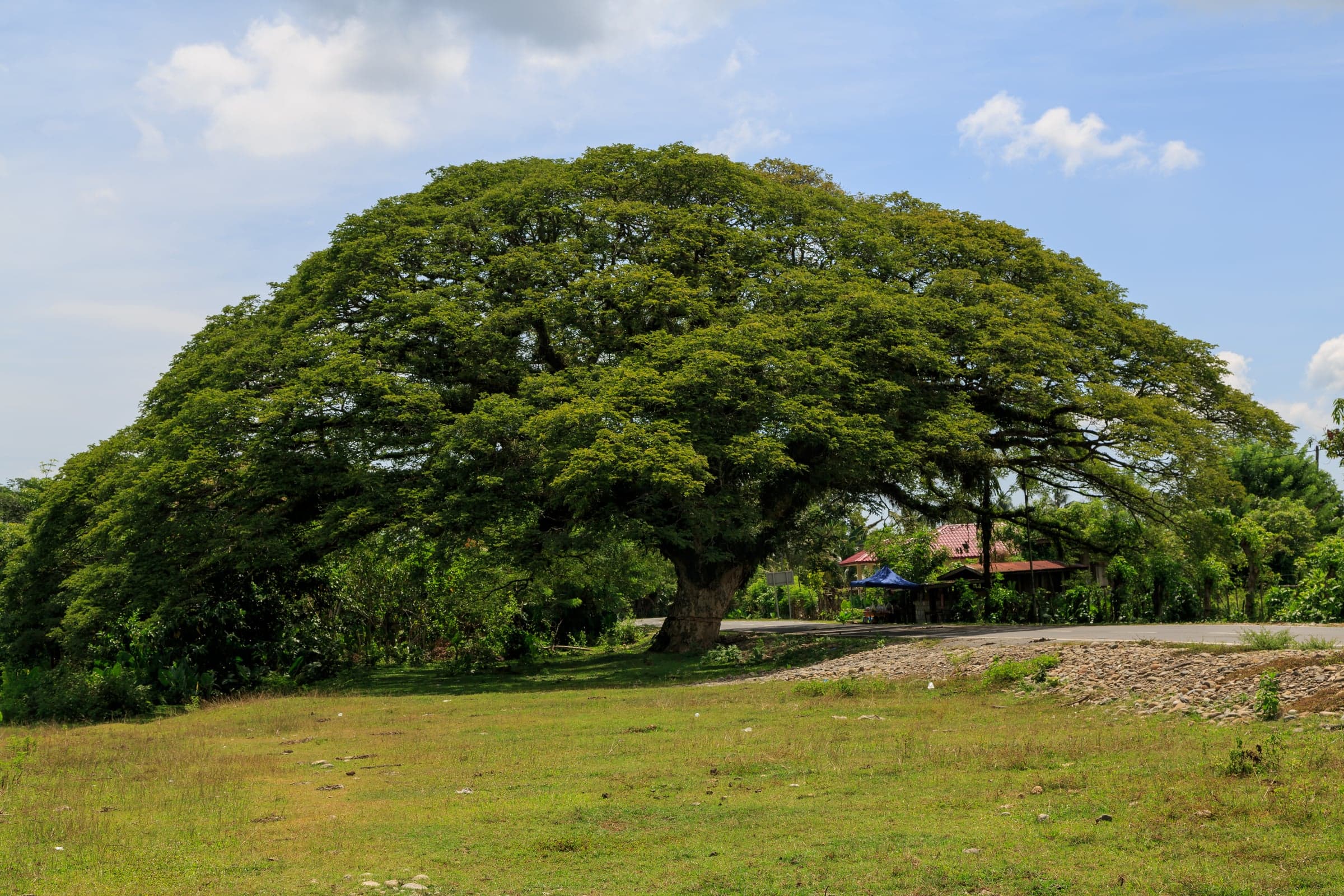
  • Åretegning i Saman

    Saman

    Samanea saman

    4 planker

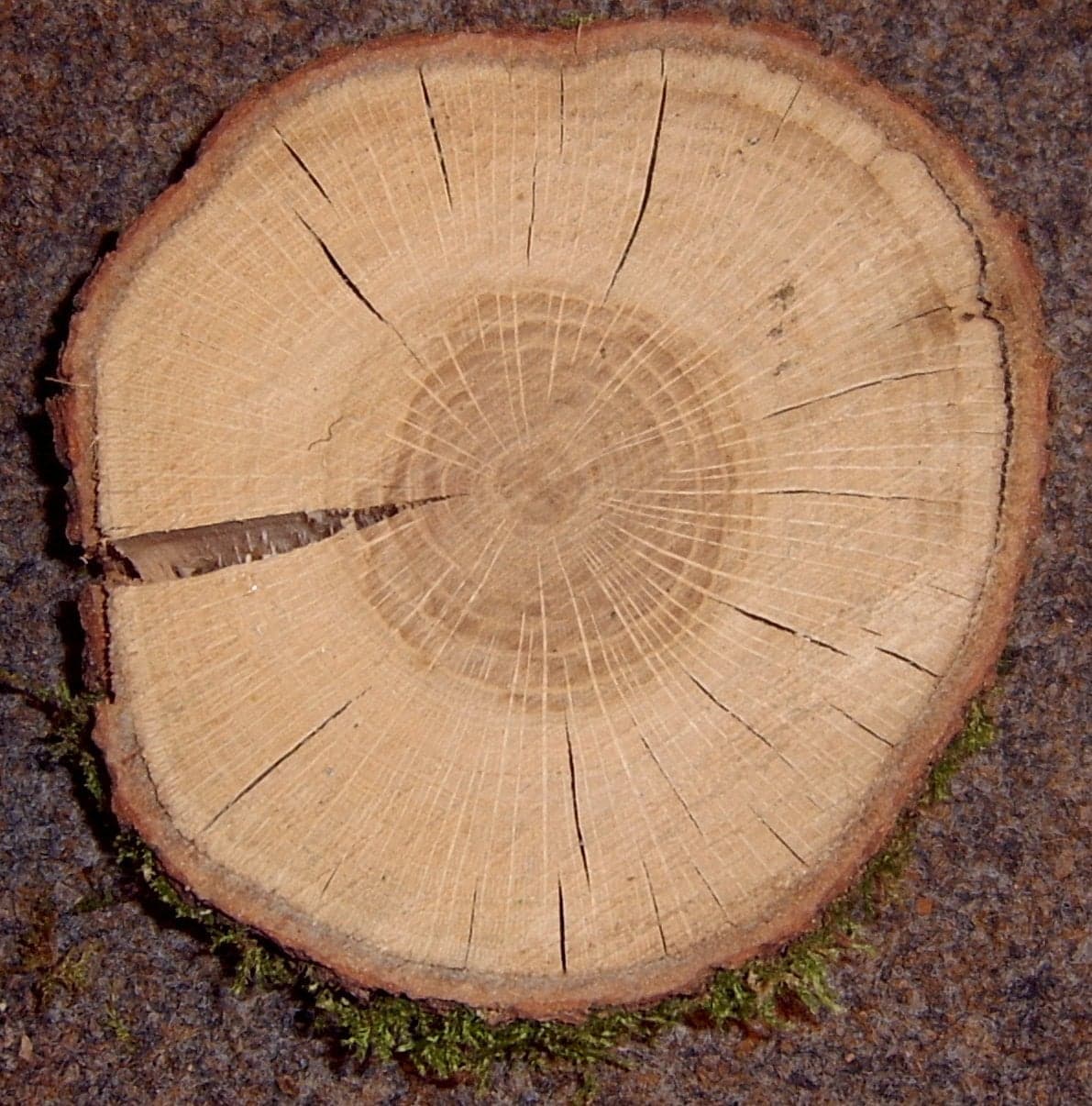
  • Åretegning i Eg

    Eg

    Quercus robur

    6 planker

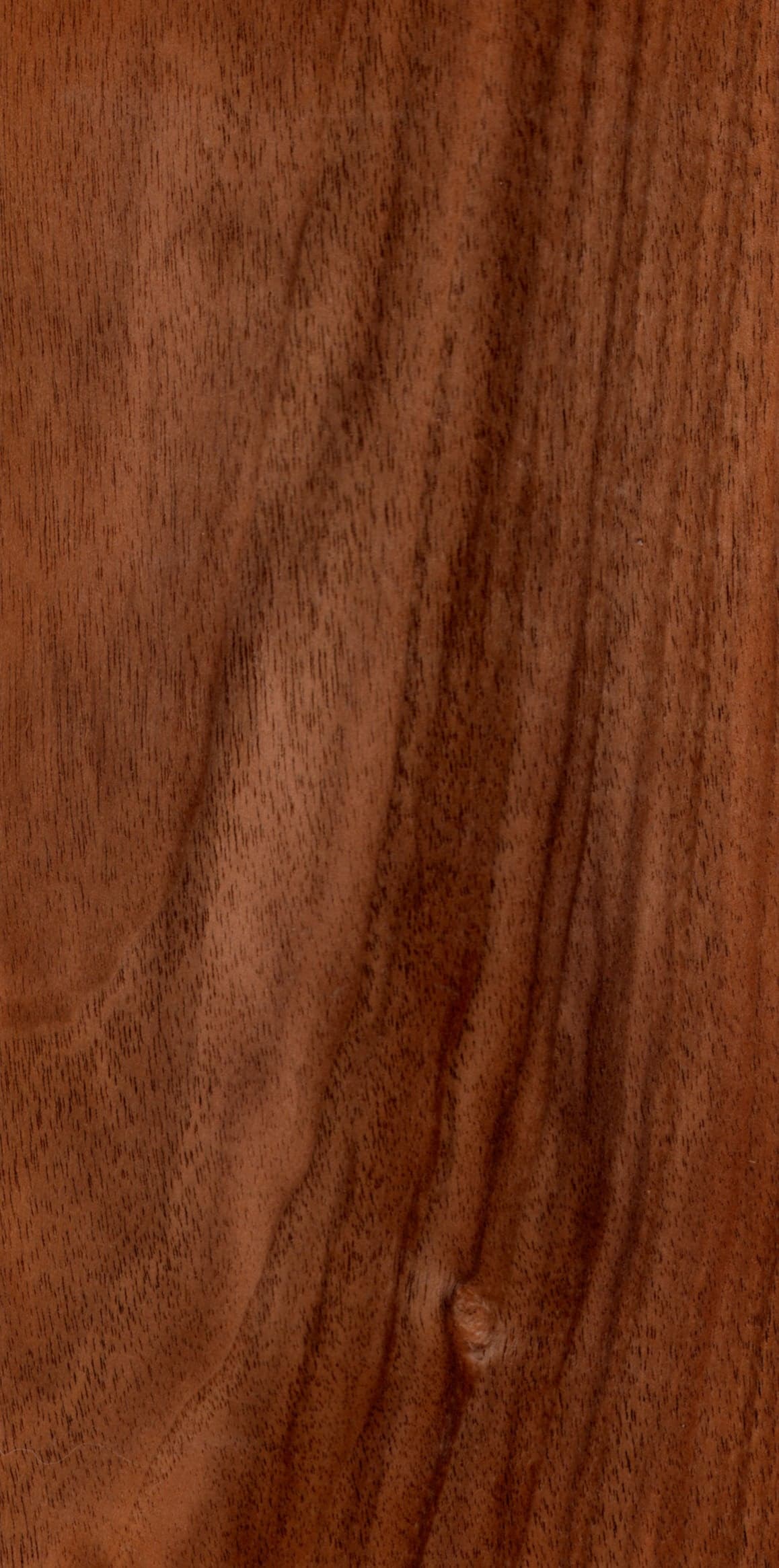
  • Åretegning i Europæisk valnød

    Europæisk valnød

    Juglans regia

    12 planker

Få besked om Maritim fyr

Vi sender dig en e-mail, når nye planker i Maritim fyr kommer til KORENA. Hver planke er unik, så det betaler sig at få besked tidligt.

Et par mails om måneden. Ingen spam, og du kan altid afmelde dig.

Træets udseende

Sådan ser det ud

Pale yellow to reddish brown heartwood against wide pale sapwood, with very wide growth rings reflecting fast coastal growth. The ring contrast is strong, giving a bold and slightly coarse figure. It is the most resinous species KORENA lists, which is both its historical value, as the tree was tapped for turpentine for centuries, and its main working difficulty.

  • Pale yellow to reddish brown heartwood
  • Wide pale sapwood band
  • Wide growth rings with strong earlywood to latewood contrast
  • Lige fiberretning med meget brede årringe og ekstrem kontrast mellem vårved og høstved, hvilket giver en markant, grov åretegning. Lys gul til rødbrun, meget harpiksrig.

Bearbejdning

Bearbejdning

Works fairly well with most tools, but the resin gums up tools and clogs sandpaper more than in any other species here. Abrasives should be treated as consumable. The wide, soft earlywood bands between hard latewood bands mean the surface can wash out under sanding, leaving a rippled face, so scraping is preferable to heavy abrasive work. Sharp cutters are essential.

Overfladebehandling

Wipe down with denatured alcohol or acetone before finishing to lift surface resin, otherwise oil finishes may stay tacky in patches. Once clean it takes oil and wax well. Pigment stains blotch severely because of the extreme density contrast between earlywood and latewood, so a dye or a clear finish is much safer. Seal knots with shellac before any painted finish.

Tørring

Dries reasonably quickly but is prone to distortion given the wide rings and often spiral grain of fast grown coastal stock. A hot kiln schedule drives resin to the surface where it sets sticky and interferes with finishing later. Air drying followed by a low temperature kiln finish is the sensible route. Volumetric shrinkage at around 14.4 percent is the highest of any species KORENA lists, so movement in service is substantial.

Hvor meget bevæger det sig?

Træ udvider og trækker sig sammen på tværs af bredden, når luften bliver fugtigere og tørrere. Beregn den forventede sæsonbevægelse i en bordplade af Maritim fyr, før du udformer beslagene.

Opskæring
Hvor den skal stå

Forventet sæsonbevægelse

ca. 10,3 mm

Fastgør bordpladen med sargklodser eller beslag med langhuller, ikke med lim eller stramme skruer.

Lineær svindmodel: bredde × (svind ÷ 28 % fibermætning) × sæsonudsving i fugtighed. Bruger 9 % tangentialt svind for Maritim fyr. Et planlægningsskøn, ikke en garanti.

Hvad det koster

Sikkerhed og indkøb

  • This species is recorded as commercially grown in Europe. This does not establish where an individual piece was harvested; check its origin details.
  • Status på IUCNs rødliste: den globale bevaringsvurdering for denne træart.
  • Working with pine has been reported to cause allergic skin reactions and asthma-like symptoms in some people. Because this species carries more resin than the others here, skin contact sensitisation is a more realistic risk over repeated exposure. Gloves when handling and good extraction while machining are worth the habit.

Læs hele guidenDybdegående noter om tegning, farveændring, bearbejdning og stabilitet.+

What Maritime Pine actually is#

Pinus pinaster is the pine of the western Mediterranean and the Atlantic seaboard of Iberia and France. The Landes forest in southwest France, planted on former dunes and marsh from the nineteenth century onward, is the largest planted pine forest in western Europe and the principal commercial source of this timber.

For centuries the tree was more valuable standing than felled, because it was tapped for resin to produce turpentine and rosin. That history is the single most useful fact about the wood, because the resin that made it commercially important is also what makes it the most demanding species in this catalogue to machine and finish.

Reading a Maritime Pine slab#

Fast coastal growth produces very wide growth rings, and the contrast between the soft pale earlywood and the hard dark latewood is extreme. The result is a bold, coarse figure with a lot of visual movement, quite different from the fine even texture of spruce or fir.

That coarseness is the honest character of the wood and suits rustic work well. It does not suit a design asking for a quiet, uniform surface.

Colour runs pale yellow to reddish brown in the heartwood against a wide pale sapwood band. Spiral grain is common in fast grown coastal stock and is worth checking for, because it is the main cause of the distortion this species is prone to.

At the bench, and the resin problem

Spørgsmål fra købere

Det spørger købere om

Why is Maritime Pine so much stickier to work than other pines?

+

It carries more resin than any other species KORENA lists, which is why it was tapped commercially for turpentine and rosin for centuries. The resin softens with cutting heat and deposits on blades, in saw gullets and across abrasives. Clean blades with a resin solvent between operations and expect sandpaper to load quickly.

How much will it move?

+

More than anything else in this catalogue. Volumetric shrinkage is around 14.4 percent, the highest figure KORENA lists, with tangential movement at 9.0 percent against 4.5 percent radial. A wide flatsawn top will change noticeably between seasons, so it must float on slotted fasteners and should acclimatise in its final room before flattening.

Why does the surface look rippled after sanding?

+

The earlywood bands are much softer than the latewood bands and abrasives cut them away faster, leaving a washboard surface. This is worse in Maritime Pine than other pines because the rings are wide and the contrast extreme. Use a card scraper or a sharp plane for the final surface rather than sanding it flat.

Is it strong enough for a table?

Mekaniske egenskaber

Tekniske data

Offentliggjorte referenceværdier. Når kilderne er uenige, vises intervallet, og den typiske værdi bruges til skalaerne ovenfor.

Massefylde (kg/m³)Masse pr. kubikmeter ved ca. 12 % fugtighed. Tungere træ er normalt hårdere og stærkere.500 kg/m³
Janka-hårdhed (N)Den kraft, der skal til for at presse en stålkugle halvt ind i træet. Standardmålet for modstand mod trykmærker.1,740 N
MOR: brudmodul (MPa)Bøjningsstyrke: den belastning, hvor en bjælke brækker.73 MPa
MOE: elasticitetsmodul (GPa)Bøjningsstivhed: hvor meget en hylde eller bordplade bøjer ned under belastning.8.5 GPa
Radialt svindSvind på tværs af årringene fra frisk til ovntørt træ. Kvartskårne brædder bevæger sig på denne måde.4.5 %
Tangentialt svindSvind langs årringene. Plansavede brædder og de fleste planker bevæger sig på denne måde.9.0 %
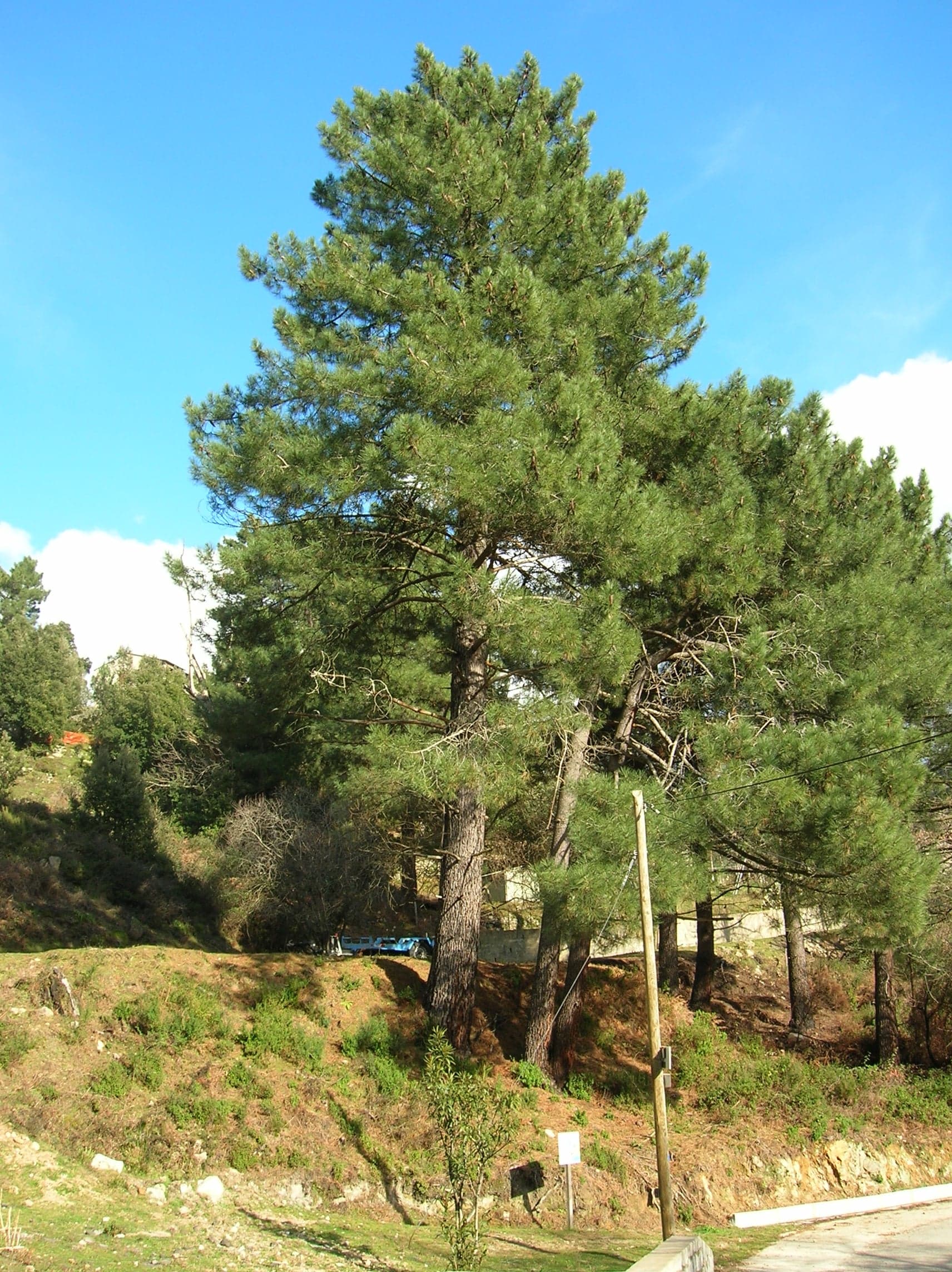
Maritim fyr-træ

Laurent Gallet, via Wikimedia Commons

Pinus pinaster is the pine of the western Mediterranean and the Atlantic coast of Iberia and France. The Landes forest in southwest France is the largest planted pine forest in western Europe and the main commercial source. Portuguese and Spanish material is also common in the EU market.

  • Not listed in the CITES Appendices and assessed by the IUCN as Least Concern. The Landes plantations are intensively managed and certified supply is readily available, which makes documentation straightforward. Fire is the significant risk to supply in this species range, and large burn events periodically push salvage volumes into the market.

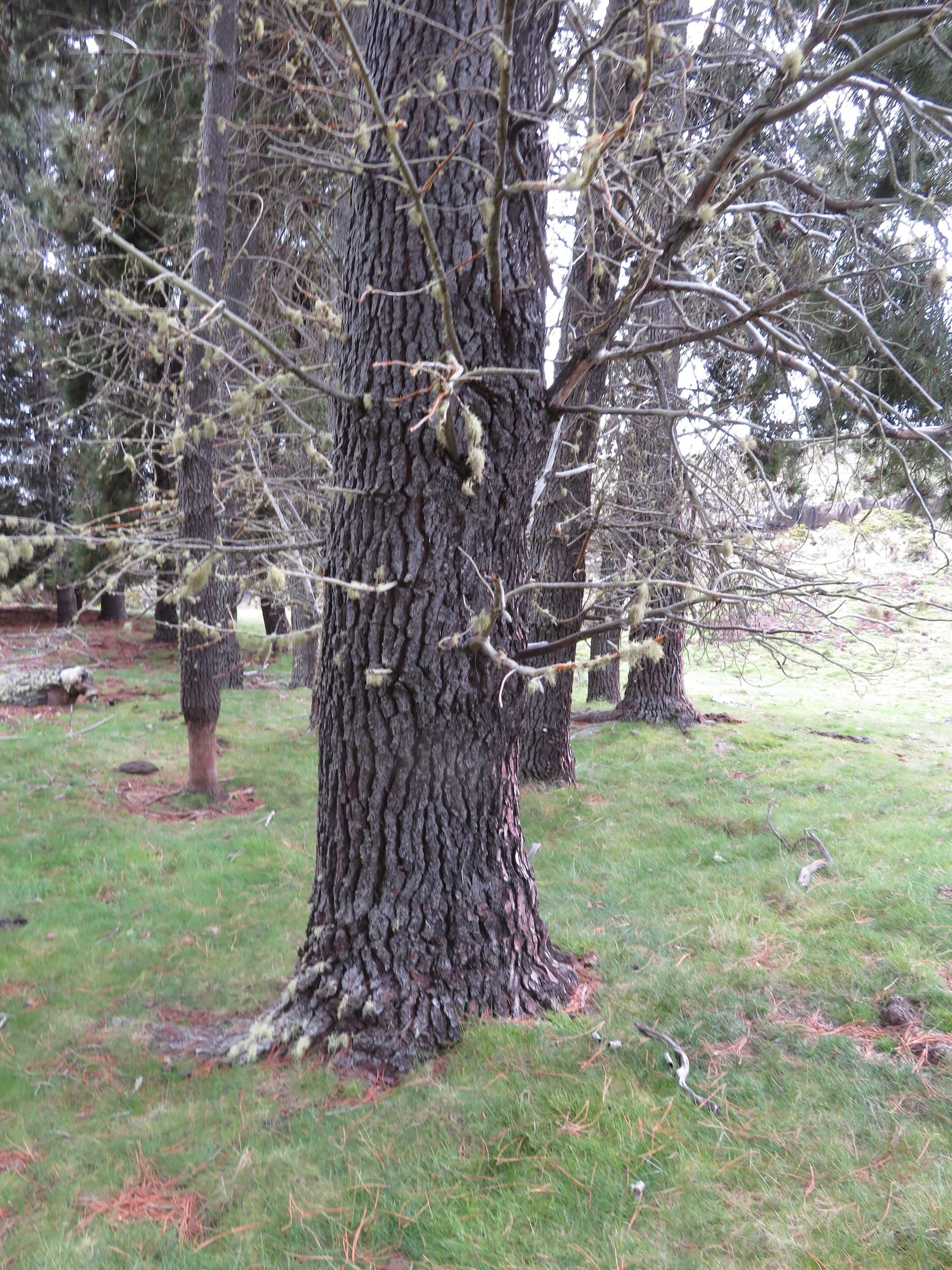
  • Maritim fyr: Træbark
    Træbark
    #

    Maritime Pine works fairly well with most tools, and then the resin asserts itself.

    It gums blades faster than larch, which is saying something. It loads abrasives so quickly that sandpaper should be budgeted as a consumable rather than a tool. Saw gullets pack. Plane soles need clearing. None of this is difficult, but all of it is constant, and a schedule built on pine machining speeds will run over.

    There is a second, subtler machining problem. Because the earlywood bands are wide and much softer than the latewood, abrasives cut the soft bands away faster than the hard ones. Sand a Maritime Pine face flat and you get a washboard: a rippled surface that catches light unevenly. The fix is to produce the final surface with a sharp plane or a card scraper and use abrasives only lightly, if at all.

    Drying and movement#

    This species moves more than anything else KORENA lists. Volumetric shrinkage is around 14.4 percent, with tangential movement at 9.0 percent against 4.5 percent radial, a ratio of two to one that guarantees flatsawn boards will want to cup.

    It also dries with a tendency to distort, driven by the wide rings and frequent spiral grain of fast grown stock. A hot kiln schedule compounds the problem by drawing resin to the surface, where it sets sticky and sabotages the finish months later.

    Air drying under cover followed by a low temperature kiln finish is the route that works. Ask the yard what schedule was used, and let any slab acclimatise in its final room for a couple of weeks before final flattening. On a KORENA listing the drying method and measured moisture are recorded, so this is checkable rather than a matter of trust.

    Finishing#

    Start with a solvent wipe. Denatured alcohol or acetone across the surface, allowed to flash off, lifts the mobile surface resin. Skip this and an oil finish will cure unevenly and stay tacky in patches, which is a fault that only appears after the work is otherwise done.

    Once clean it takes oil and wax well. Pigment stains blotch severely here, worse than on any other pine, because the density contrast is so extreme. Use a dye or leave it clear. Seal knots with shellac before any painted finish.

    Where Maritime Pine is the right answer#

    Rustic tabletops, panelling, carcass work and shelving where the bold coarse figure is wanted and the movement can be designed around. It is inexpensive, widely available and honest about what it is.

    It is the wrong answer for fine work, for anything requiring dimensional precision across a wide panel, for a surface that must stay unmarked at 1,740 N Janka, and for any project where the finishing schedule cannot absorb the extra solvent and cleaning steps.

    Sourcing and EUDR#

    Not CITES listed and assessed as Least Concern. The Landes plantations are intensively managed with good certification coverage, so documentation is straightforward and supply is reliable. The one thing to be aware of is fire. Large burn events in southwest France and Iberia periodically push significant salvage volumes into the market, and salvage material is legitimate but should be identified as such rather than discovered on arrival.

    +

    At 1,740 N Janka it is soft, close to Norway Spruce and well below Scots Pine at 2,420 N. It makes a rustic tabletop that will dent and record use. For a surface expected to stay unmarked, choose a hardwood.

    Is my oil finish going to stay tacky?

    +

    It will if you skip the solvent wipe. Clean the surface with denatured alcohol or acetone and let it flash off before applying any oil, and be more thorough about it than you would with Scots Pine. Kiln dried stock that was pushed hot carries the most surface resin.

    Volumetrisk svindSamlet volumenændring fra frisk til ovntørt træ. En lavere værdi betyder større stabilitet.
    14.4 %
    Naturlig holdbarhed (EN 350)Europæisk standard for naturlig modstandsdygtighed mod råd, fra 1 (meget holdbar) til 5 (ikke holdbar).Class 4 — Slightly durable

    Kilder

    • The Wood Database — Maritime Pine (Pinus pinaster)(tilgået 2026-08-12)
    • USDA FPL Wood Handbook FPL-GTR-190 (2010)(tilgået 2026-08-12)
    • Meier, E. — WOOD! Identifying and Using Hundreds of Woods Worldwide (2015)(tilgået 2026-08-12)

    Vær opmærksom

    • Ikke til ubehandlet udendørs brugDen naturlige holdbarhed er EN 350-klasse 4 af 5. Brug træet indendørs eller under en vedligeholdt overfladebehandling.
    • Bevæger sig mere end de flesteBrede bordplader kræver sargklodser eller beslag med langhuller og plads til bevægelse. Brug bevægelsesberegneren nedenfor.
    • Støvet irritererBrug udsugning og maske under slibning og bearbejdning.

    Tryk på en etiket for detaljer.

    Kort fortalt

    Niveauerne bruger faste intervaller for alle træarter hos KORENA, så de kan sammenlignes direkte. Den målte værdi står under hvert niveau.
    HårdhedModstand mod trykmærker og slidBlødt

    Janka-hårdhed 1.740 N

    65 % blødere end europæisk eg

    VægtHvor tung en planke er at løfteLet

    500 kg/m³

    StabilitetHvor lidt det bevæger sig med årstiderneLivligt

    14,4 % volumetrisk svind

    BearbejdningSavning, høvling, slibning og limningKrævende

    3,1 / 5 i gennemsnit ved høvlebænken

    Udendørs brugNaturlig modstandsdygtighed mod råd, EN 350Kun indendørs

    EN 350-klasse 4

    • Savning · GodHvor rent det skærer, og hvor hårdt det er ved savklinger.1 = vanskelig · 5 = fremragende
    • Høvling · GodHvor glat en overflade det giver, og hvor meget det flosser.1 = vanskelig · 5 = fremragende
    • Slibning · RimeligHvor hurtigt det kan slibes glat uden at tilstoppe sandpapiret.1 = vanskelig · 5 = fremragende
    • Drejning · GodHvordan det skærer og efterbehandles på drejebænken.1 = vanskelig · 5 = fremragende
    • Udskæring · GodHvor skarpt det holder detaljer under et stemmejern.1 = vanskelig · 5 = fremragende
    • Limning · Meget godHvor pålideligt limsamlinger holder.1 = vanskelig · 5 = fremragende
    • Fastholdelse af skruer/søm · Meget godHvor godt det holder skruer og søm uden at flække.1 = vanskelig · 5 = fremragende
    • Dampbøjning · GodHvor godt det tager form efter dampning.1 = vanskelig · 5 = fremragende

    Det koster Maritim fyr-tømmer i Europa lige nu pr. kubikmeter før moms. Tryk på en pris for at se detaljerne.

    • Almindelige kævlerStore mængder almindeligt rundtræ solgt af skovejere og statsskovbrug, hovedsageligt til byggeri og industri.De fleste priser ligger mellem 32 € og 90 €.Baseret på 81 priser fra 2 regioner.Seneste data 15. okt. 2026

    Hvorfor koster en planke mere end dette?

    Dette er priser på råt tømmer. En planke er det bedste snit af en kævle, tørret i et år eller mere og derefter kontrolleret og målt styk for styk. Kun en lille del af hver kævle bliver til en planke.

    Kilde: KORENA Timber Index · Seneste data 15. okt. 2026

    Se alle regionale priser