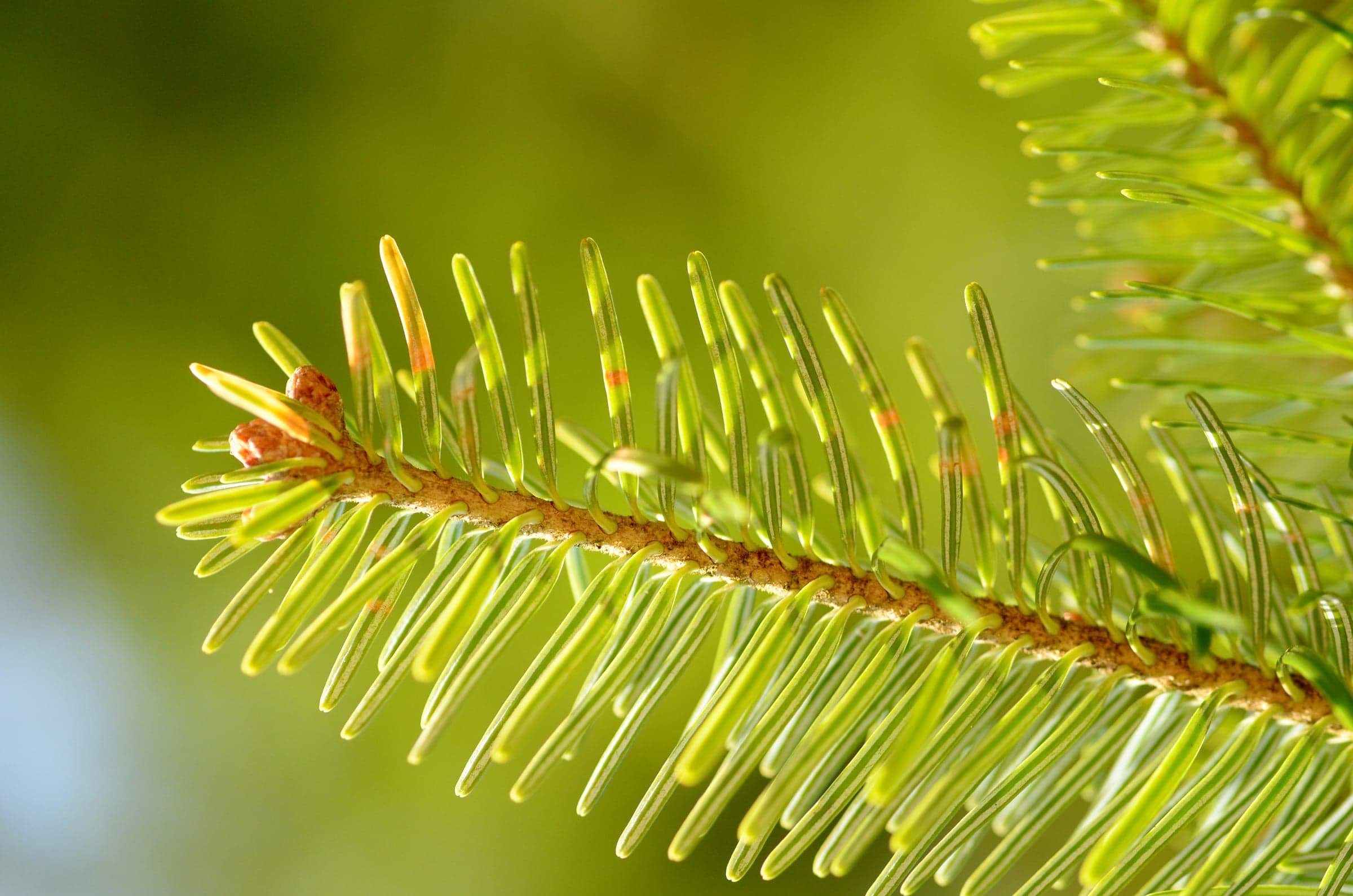
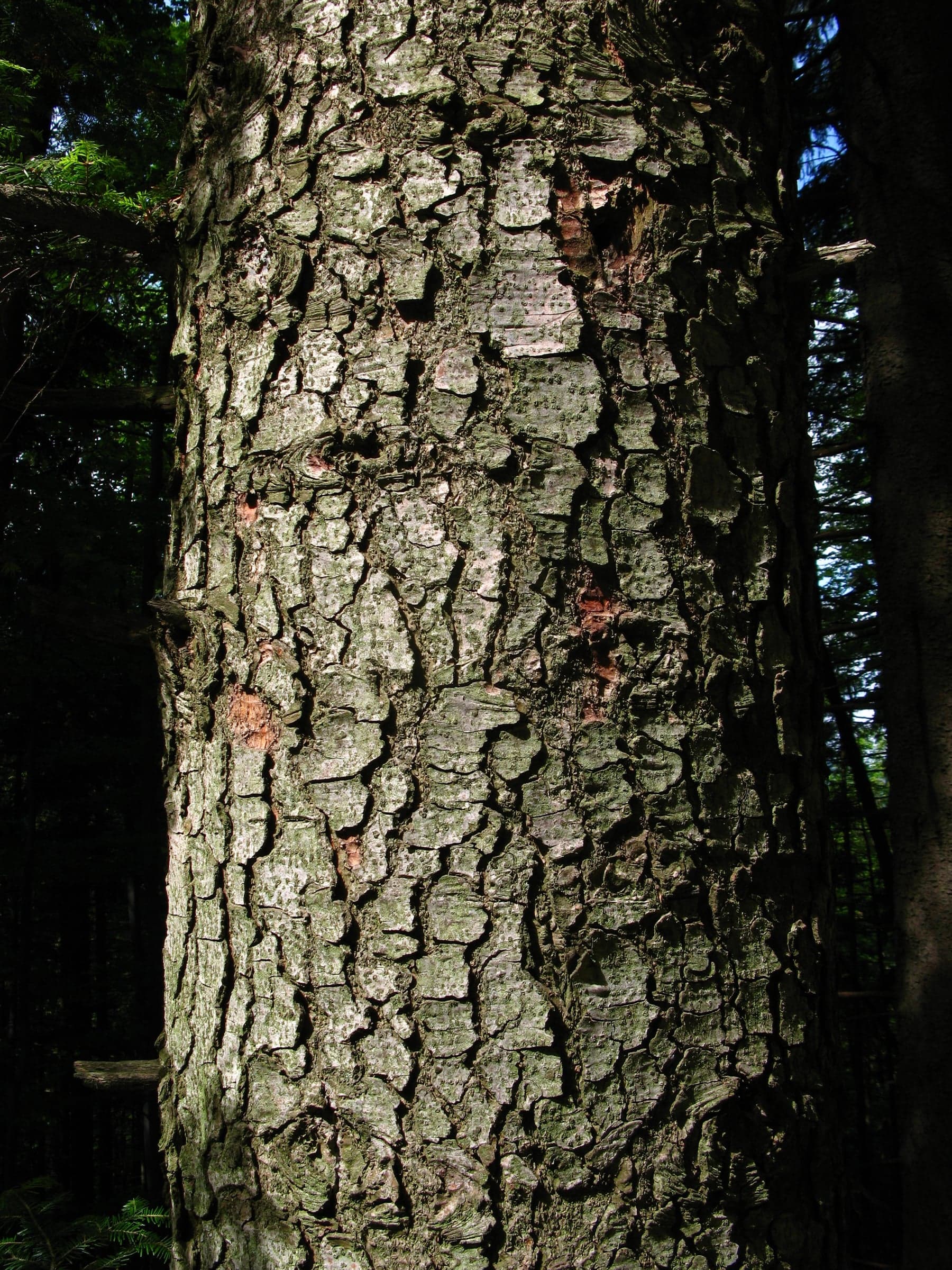
Abies alba
Silver Fir
Spruce without the resin. The softest species in the KORENA catalogue, and the best softwood here for a painted finish.
- Dyrket og fældet i Europa.
- Botanisk gruppe. Nåletræ kommer fra nåletræer, løvtræ fra bredbladede træer.
- Den botaniske familie, som træarten tilhører.
Få besked, når den kommerReferencetræart. Ingen planker på lager lige nu.
Passer det til dit projekt?
Velegnet til
- Wall and ceiling panelling
- Painted furniture
- Lightweight carcass work
- Shelving
- Interior joinery
Ingen Silver Fir i det aktuelle parti
Lignende træarter på lager
Ingen Silver Fir lige nu. Disse træarter egner sig til de samme projekter og findes på lager.
Få besked om Silver Fir
Vi sender dig en e-mail, når nye planker i Silver Fir kommer til KORENA. Hver planke er unik, så det betaler sig at få besked tidligt.
Træets udseende
Sådan ser det ud
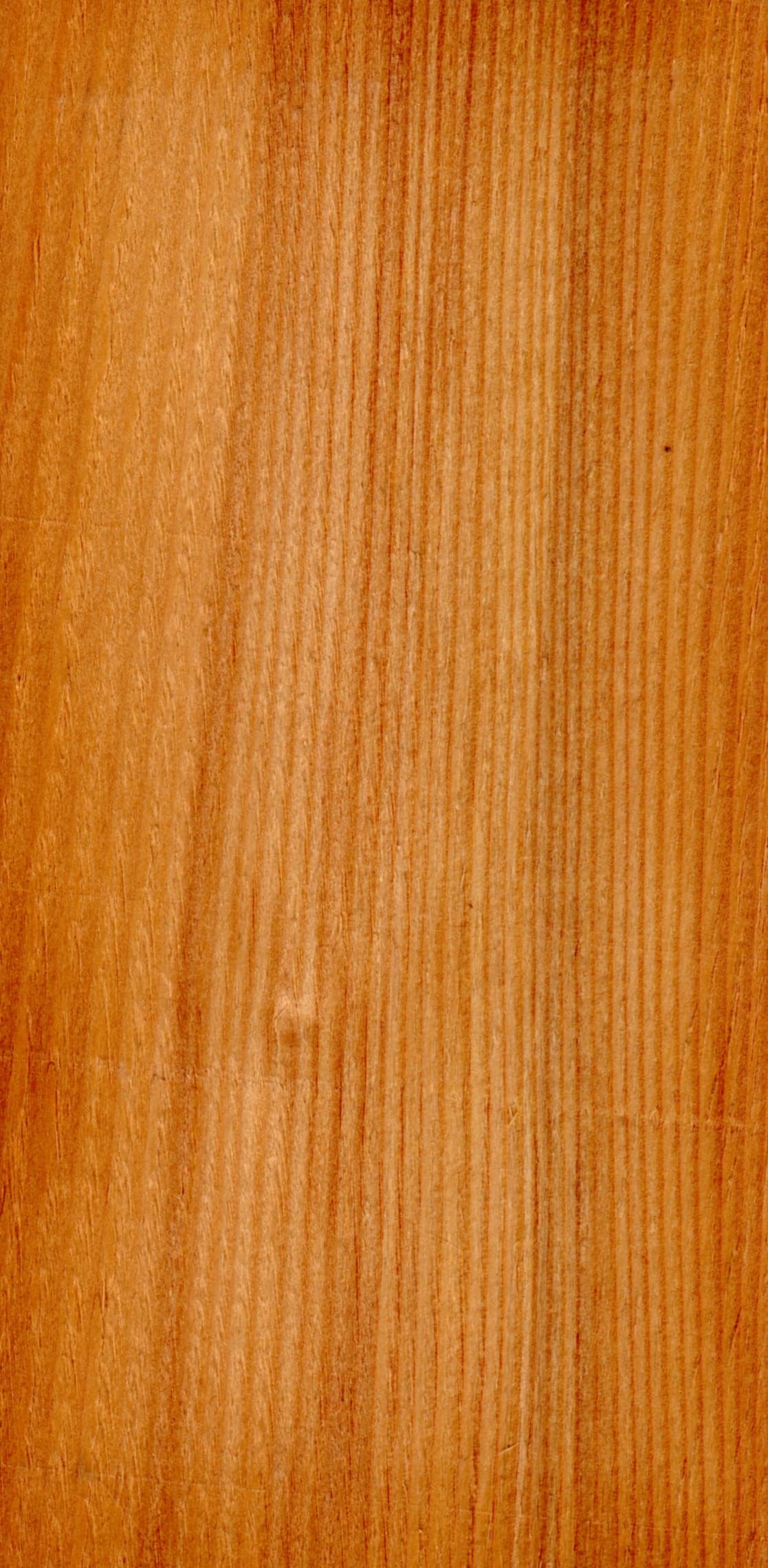
Very close to Norway Spruce in appearance and routinely sold interchangeably with it. Silver Fir is a shade duller and greyer, entirely without the resin pockets that mark spruce, because the species has no resin canals in its wood. Grain is straight, texture fine and even, and the overall impression is flatter and quieter than spruce.
- Near white to pale grey-brown, duller than spruce
- No visible heartwood boundary
- No resin pockets, the clearest way to tell it from spruce
- Pale, straight grain; almost no resin canals.
Bearbejdning
Bearbejdning
Generally easy with both hand and machine tools, and it glues, stains and finishes better than spruce because the absence of resin canals makes absorption more even. The same softness caveat applies: sharp cutters are essential or the earlywood crushes and fuzzes. It holds detail poorly under carving tools, so it is not a carving wood despite being soft.
Overfladebehandling
Takes stain and finish noticeably better than spruce, though it is still a softwood with uneven density and a conditioner remains sensible before pigment stain. It is one of the better softwood choices for a painted finish, since the fine even texture needs little grain filling. Clear finishes leave it looking pale and slightly cool.
Tørring
Dries readily and without much degrade, and because there are no resin canals there is no resin bleed to manage, which is a genuine advantage over spruce in thick sections. Wet pockets of bacterially infected wood, sometimes called wetwood, occur in older trees and dry slowly and unevenly. A yard that has kilned the stock properly will have caught these. Movement in service is moderate at around 12.8 percent volumetric.
Hvor meget bevæger det sig?
Træ udvider og trækker sig sammen på tværs af bredden, når luften bliver fugtigere og tørrere. Beregn den forventede sæsonbevægelse i en bordplade af Silver Fir, før du udformer beslagene.
Forventet sæsonbevægelse
ca. 9,9 mm
Fastgør bordpladen med sargklodser eller beslag med langhuller, ikke med lim eller stramme skruer.
Lineær svindmodel: bredde × (svind ÷ 28 % fibermætning) × sæsonudsving i fugtighed. Bruger 8,7 % tangentialt svind for Silver Fir. Et planlægningsskøn, ikke en garanti.
Hvad det koster
Sikkerhed og indkøb
- Dyrket og fældet i Europa.
- Status på IUCNs rødliste: den globale bevaringsvurdering for denne træart.
Species in the Abies genus have been reported to cause skin irritation, though severe reactions are uncommon. Standard dust extraction and a P2 mask for extended machining cover it.
Læs hele guidenDybdegående noter om tegning, farveændring, bearbejdning og stabilitet.
What Silver Fir actually is#
Abies alba is the tree most people have looked at without knowing it. It is a major component of central European mountain forest, it is the traditional Christmas tree across much of the continent, and its timber is sold through the trade as whitewood alongside Norway Spruce with little distinction drawn between them. For most construction purposes that conflation is harmless. For slab work it is worth separating, because the one structural difference between the two species changes how the wood behaves.
Silver Fir has no resin canals. Spruce does. Everything that follows from that, the absence of resin pockets, the cleaner behaviour under paint, the more even stain absorption, the lack of bleed in thick sections, is the reason to choose fir over spruce rather than treat them as the same board.
Reading a Silver Fir slab#
Colour range is narrow: near white through to a pale grey-brown, with no heartwood boundary to speak of. Against spruce it reads flatter and cooler, a fraction duller, and without the amber flecking that gives spruce its visual interest.
Because colour gives you so little, judge the slab on ring structure and defects. Tight rings from slow mountain growth mean a denser, stiffer, more stable board. Knots are the usual limiting factor, and fir knots are somewhat less hard and less prone to tear-out than spruce knots, which makes them slightly easier to machine through when you have no choice.
Spørgsmål fra købere
Det spørger købere om
How do I tell Silver Fir from Norway Spruce?
Look for resin pockets. Spruce has resin canals and shows amber pockets and streaks; Silver Fir has none at all, so a clean pale board with no resin marks is almost certainly fir. Fir also reads slightly greyer and duller. The two are close enough that they are frequently sold interchangeably as whitewood.
Is Silver Fir better than spruce for painted work?
Yes, generally. The fine even texture needs little grain filling and the absence of resin canals means no bleed-through under paint. Spruce resin pockets can telegraph through a painted finish months later unless sealed with shellac first.
Can I use Silver Fir outdoors?
Not untreated. It is rated non-durable to perishable with little resistance to insect attack, which is the lowest durability in this group. European larch or Douglas fir are the appropriate choices for exposure.
Is it hard enough for a desk top?
At 1,420 N Janka it is the softest species KORENA lists, softer even than spruce. A desk top in fir will mark under a pen pressed through paper. It works for a light-use surface finished in a refreshable hardwax oil, but for daily writing use a harder species.
Mekaniske egenskaber
Tekniske data
Offentliggjorte referenceværdier. Når kilderne er uenige, vises intervallet, og den typiske værdi bruges til skalaerne ovenfor.
| Massefylde (kg/m³)Masse pr. kubikmeter ved ca. 12 % fugtighed. Tungere træ er normalt hårdere og stærkere. | 415 kg/m³ |
|---|---|
| Janka-hårdhed (N)Den kraft, der skal til for at presse en stålkugle halvt ind i træet. Standardmålet for modstand mod trykmærker. | 1,420 N |
| MOR: brudmodul (MPa)Bøjningsstyrke: den belastning, hvor en bjælke brækker. | 66 MPa |
| MOE: elasticitetsmodul (GPa)Bøjningsstivhed: hvor meget en hylde eller bordplade bøjer ned under belastning. | 8.3 GPa |
| Radialt svindSvind på tværs af årringene fra frisk til ovntørt træ. Kvartskårne brædder bevæger sig på denne måde. | 4.0 % |
| Tangentialt svindSvind langs årringene. Plansavede brædder og de fleste planker bevæger sig på denne måde. | 8.7 % |