KORENA
MaderaMueblesTallerSociosRevista

Descubre los nuevos tablones antes que nadie

Recibe un correo cuando llegue nueva madera.

Unos pocos correos al mes. Sin spam; puedes darte de baja cuando quieras.

KORENA

Compra madera maciza, muebles artesanales, herramientas y productos de acabado para madera en KORENA.

Comprar

  • Ver productos
  • Archivo de piezas vendidas
  • Seguir pedido

Aprender

  • Revista
  • Guías de especies
  • Glosario
  • Pasaportes fitosanitarios y zonas de plaga
  • Comparar
  • Autores

Ayuda

  • Quiénes somos
  • Cómo funciona
  • Vender en KORENANuevo
  • Solicitar una tabla
  • Asistencia
  • Plantillas de documentos
  • Prensa

Comprar

  • Condiciones de venta
  • Derecho de desistimiento
  • Devoluciones y garantía
  • Envío y entrega

Confianza

  • Política de privacidad
  • Política de cookies
  • Procedencia de la madera y EUDR
  • Accesibilidad

Aviso legal

  • Aviso legal
  • Uso aceptable
  • Propiedad intelectual y contenido

© 2026 KORENA. Todos los derechos reservados.

Gestionado por Martial Labs Ltd. (BG, EIK 207453941). KORENA es un nombre comercial de Martial Labs Ltd.

Respetamos tu privacidad

Usamos cookies esenciales para que el sitio funcione. Con tu permiso, también usaríamos cookies para análisis, contenido personalizado y publicidad. Puedes cambiar de opinión en cualquier momento en la página de preferencias de consentimiento. Consulta nuestra política de cookies y nuestra política de privacidad.

  1. Inicio
  2. /
  3. Especies
  4. /
  5. Carpe

Carpinus betulus

Carpe

Pale, ruthlessly dense, and famously hard. The wood old joiners reached for when they needed plane bodies, mallet heads, and water-mill cogs that would not give up.

  • This species is recorded as commercially grown in Europe. This does not establish where an individual piece was harvested; check its origin details.
  • Grupo botánico. Las maderas blandas proceden de coníferas y las duras, de árboles frondosos.
  • Familia botánica a la que pertenece la especie.
Avísame cuando llegueEspecie de referencia. Ahora mismo no hay piezas en stock.
  • Adecuación al proyecto
  • En stock
  • Aspecto
  • Cómo trabajarla
  • Movimiento
  • Precio
  • Seguridad y abastecimiento
  • Preguntas
  • Datos técnicos

¿Es adecuada para tu proyecto?

Ideal para

  • Plane bodies and mallet heads
  • Tool handles and chisel handles
  • Turned work, bowls, finials, pepper mills, fine spindles
  • Joinery accents, wedges, splines, drawbore pins, dovetail keys
  • High-wear surfaces, chopping boards, butcher blocks, jig faces
  • Gear teeth, cogs, and replacement parts in restored mills

No hay Carpe en la selección actual

Especies similares en stock

Ahora mismo no hay Carpe. Estas especies sirven para los mismos proyectos y tienen piezas disponibles.
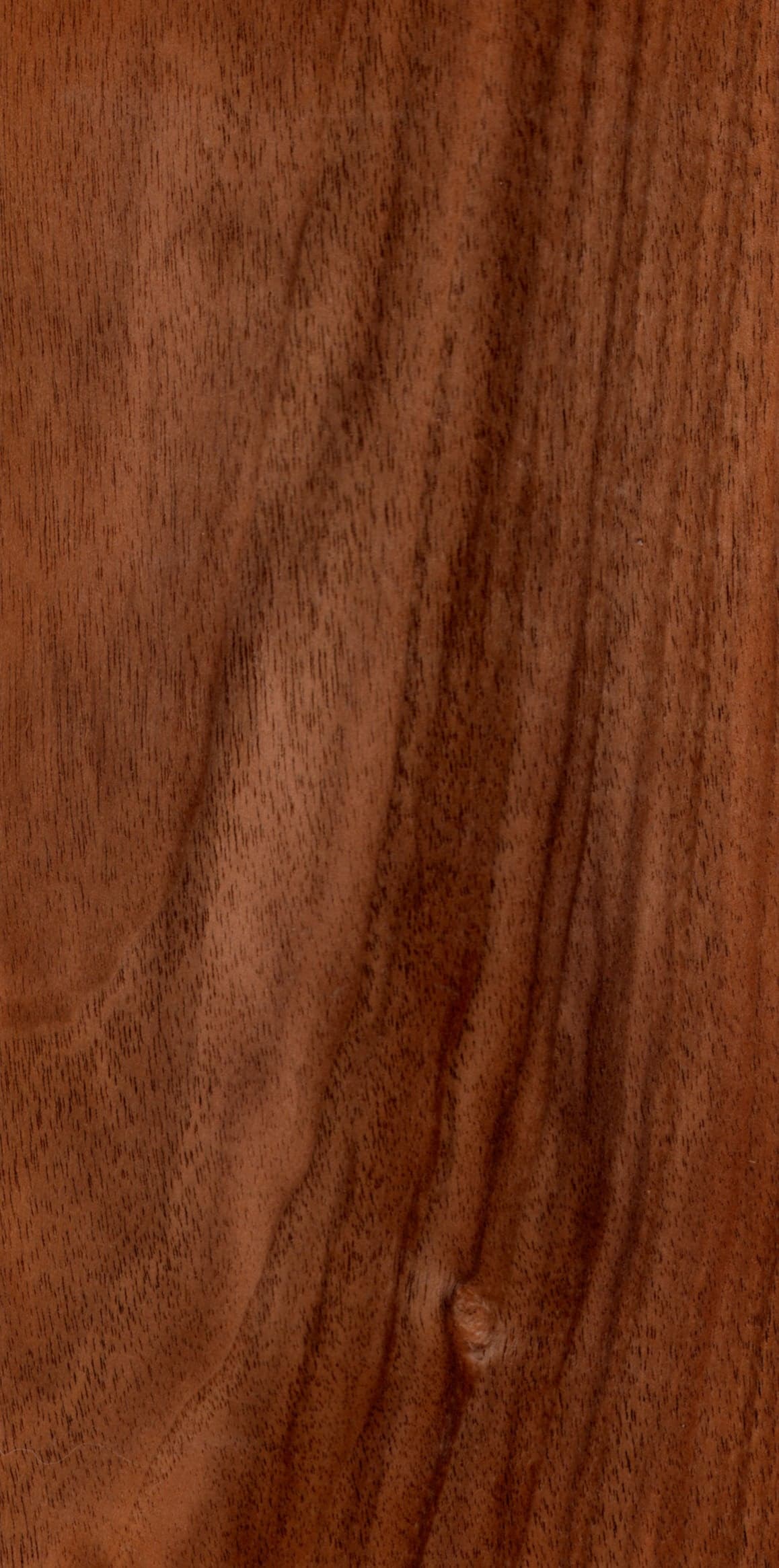
  • Veta de Nogal europeo

    Nogal europeo

    Juglans regia

    12 piezas

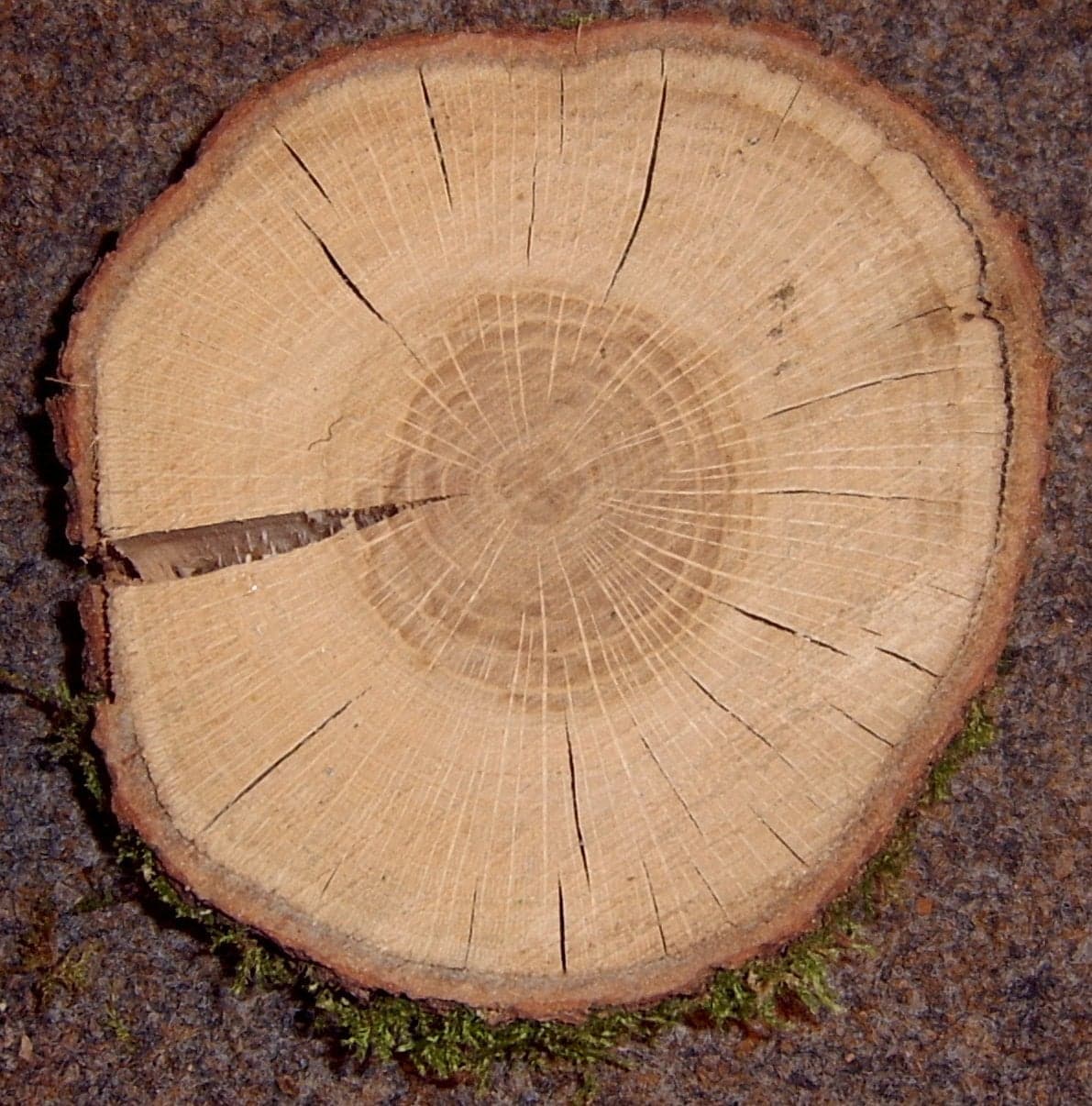
  • Veta de Roble europeo

    Roble europeo

    Quercus robur

    6 piezas

  • Veta de Saman

    Saman

    Samanea saman

    4 piezas

Recibe avisos sobre Carpe

Te enviamos un correo cuando lleguen a KORENA nuevas tablas de Carpe. Cada pieza es única, por lo que conviene enterarse pronto.

Unos pocos correos al mes. Sin spam; puedes darte de baja cuando quieras.

Aspecto de la madera

Qué aspecto tiene

Creamy white to pale straw, sometimes drifting to light grey-brown with age. Grain is irregular and often interlocked; texture is fine and even. Almost no figure, no drama, its character is in the surface itself, which polishes to a hard, near-ceramic feel that softer pale woods cannot match.

  • Creamy white to pale straw when fresh
  • Drifts to light grey-brown with age and UV
  • Occasional grey streaking on slower-grown stock
  • Almost figureless, reads as a clean, even pale ground
  • Polishes to a hard, near-ceramic surface sheen
  • Veta irregular, textura fina y uniforme.

Cómo trabajarla

Cómo trabajarla

A specialist wood. Density and interlocked grain blunt edges fast. Expect to sharpen often and feed slowly. Planing tears out unless irons are keen and the cut is light; a scraper or sander often finishes better than a plane. Drilling and routing demand sharp carbide. The reward is on the lathe, where it turns to a fine, crisp surface and holds detail other woods crush. Glues and screws well once pre-bored. Steam-bends reasonably for such a dense species.

Acabado

Sands to a glassy surface if you stay patient and step through the grits. Takes hard waxes, oils, and lacquers cleanly. Stains can blotch on the interlocked patches. Test first. Burnishes beautifully on the lathe; many turners leave it bare or oil-only.

Secado

Dries slowly and moves a lot, tangential shrinkage of 11 to 13 percent puts it among the most mobile European hardwoods. Prone to distortion, surface checks, and case-hardening if rushed. Air-dry under weight, then finish in a kiln on a gentle schedule. Acclimatise in the workshop for several weeks before machining, and design for movement in any wider piece.

¿Cuánto se moverá?

La madera se hincha y se contrae a lo ancho cuando el aire gana o pierde humedad. Calcula el movimiento estacional de un tablero de Carpe antes de diseñar las fijaciones.

Corte
Dónde estará

Movimiento estacional previsto

unos 13,7 mm

Grande. Usa lengüetas o soportes ranurados, deja holgura en los extremos de cualquier pieza transversal y permite que la tabla se aclimate antes del montaje.

Modelo de contracción lineal: ancho × (contracción ÷ 28 % de saturación de la fibra) × variación estacional de humedad. Usa una contracción tangencial del 12 % para Carpe. Es una estimación para planificar, no una garantía.

Cuánto cuesta

Seguridad y abastecimiento

  • This species is recorded as commercially grown in Europe. This does not establish where an individual piece was harvested; check its origin details.
  • Estado en la Lista Roja de la UICN: evaluación mundial de conservación de esta especie.
  • Food-contact safe once finished, which is why it has a long history in kitchen tools and chopping blocks. The dust is a known skin irritant and can sensitise on repeated exposure. Wear long sleeves, run good extraction, and mask up when sanding.

Leer la guía completaNotas detalladas sobre el dibujo, el cambio de color, el trabajo y la estabilidad.+

What Hornbeam actually is#

Carpinus betulus is the wear wood. At 735 kg per cubic metre and 7,260 N Janka it is the second hardest measured species in this catalogue, behind only robinia, and it has a fine even texture with no strong grain direction.

That combination, hardness without a pronounced grain to split along, is what made it the traditional wood for things that get hit, rubbed and worn: plane soles, mallet heads, gear teeth in windmill and watermill machinery, butchers blocks, and cogs.

It is not a decorative wood and it was never used as one.

Reading a hornbeam slab#

Colour is pale, near white to light cream, sometimes with grey streaking. Figure is minimal. The texture is fine and even and the surface has a slight natural lustre.

The characteristic feature of the tree is fluting: the trunk grows with pronounced longitudinal ridges rather than round, which is why hornbeam logs look twisted and why converting them to wide clean boards is awkward. Expect irregular widths and a good deal of waste.

Grain is frequently interlocked, following the fluting.

The movement problem#

Preguntas de compradores

Preguntas de compradores

Why is Hornbeam used for tool parts and machinery?

+

It is exceptionally hard at 7,260 N, second only to robinia among measured species here, with a fine even texture and no pronounced grain direction. That combination resists wear without splitting, which is why it was the traditional wood for plane soles, mallet heads, gear teeth in mill machinery, and butchers blocks.

How much does it move?

+

A great deal. Volumetric shrinkage of 17.0 percent ties with beech for the highest in this catalogue, and tangential shrinkage of 11.0 percent against 5.5 percent radial is a very wide differential. Hornbeam is not a wood for wide solid tops in a variable environment. It is a wood for small dense components.

Is it hard to work?

+

Yes. The density and interlocked grain blunt tooling quickly and cause tear-out, and it is heavy going by hand. The fine texture that makes it wear so well is the same thing that makes it resist cutting. Sharp carbide tooling and light cuts are the practical answer.

Can it be used outdoors?

+

No. Despite its hardness it is rated decay class 5, perishable, and it will rot readily if exposed. Hardness and durability are unrelated properties. For exterior work use robinia, oak or sweet chestnut.

Propiedades mecánicas

Datos técnicos

Valores de referencia publicados. Cuando las fuentes discrepan, se muestra el intervalo y se usa el valor habitual en las escalas anteriores.

Densidad (kg/m³)Masa por metro cúbico con aproximadamente un 12 % de humedad. La madera más pesada suele ser más dura y resistente.700–820 kg/m³habitual: 735 kg/m³
Dureza Janka (N)Fuerza necesaria para hundir una bola de acero hasta la mitad en la madera. Es la medida estándar de resistencia a las abolladuras.6,900–7,700 Nhabitual: 7260 N
MOR: módulo de rotura (MPa)Resistencia a la flexión: la carga a la que se rompe una viga.110–130 MPa
MOE: módulo de elasticidad (GPa)Rigidez a la flexión: cuánto se comba un estante o tablero bajo carga.12.0–14.0 GPa
Contracción radialContracción perpendicular a los anillos de crecimiento, desde verde hasta completamente seca. Es la que afecta a las tablas aserradas radialmente.5.5–7.0 %
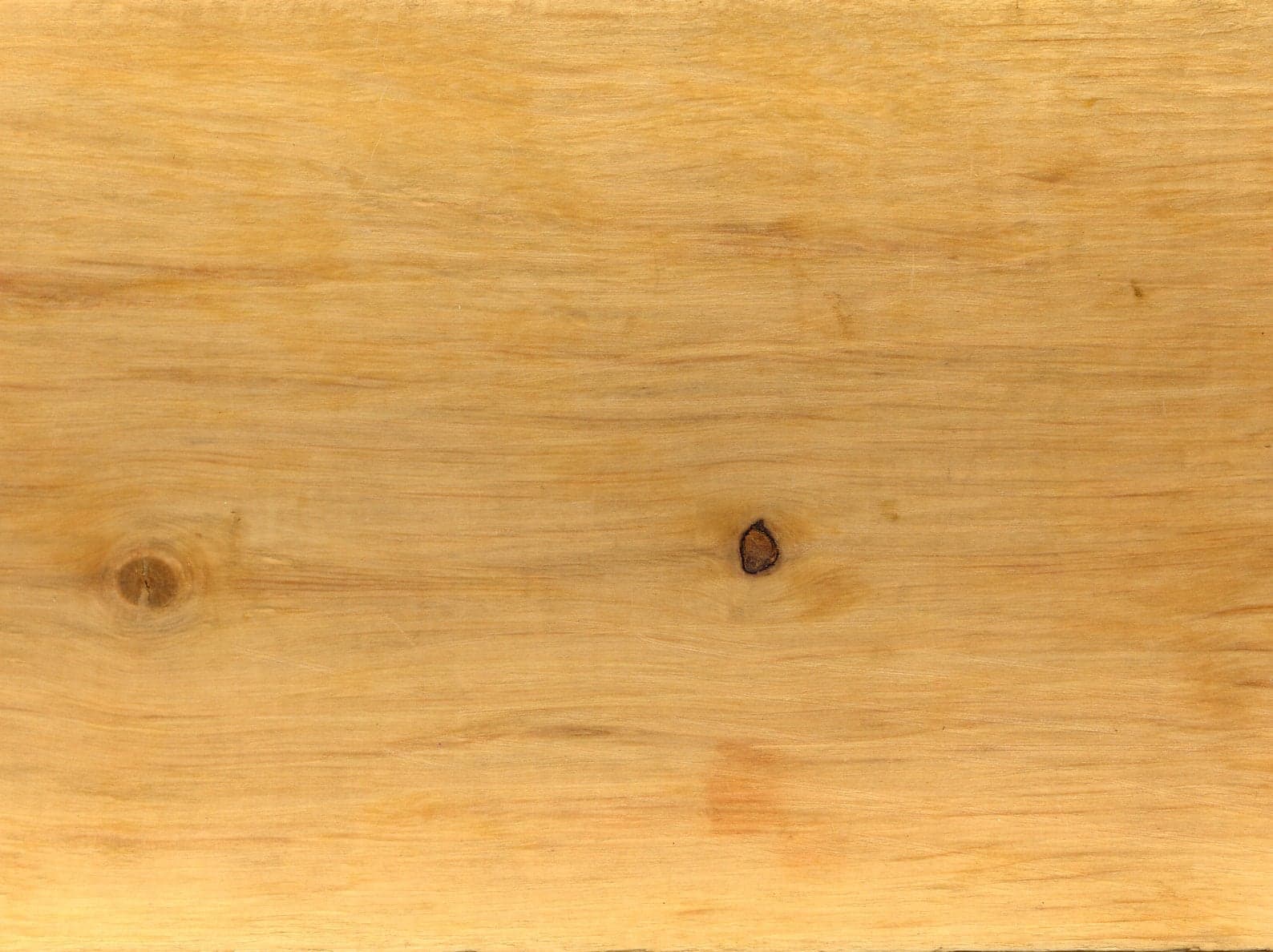
Veta de Carpe

Beentree, via Wikimedia Commons

  • Piano and harpsichord action parts
  • Inlay and contrast bandings against dark woods
  • Ventajas

    • Apta para alimentosAdecuada para tablas, cuencos y superficies que entran en contacto con alimentos.
    • Se curva bienValoración de 4 sobre 5 para el curvado al vapor. Admite curvas cerradas.

    Ten en cuenta

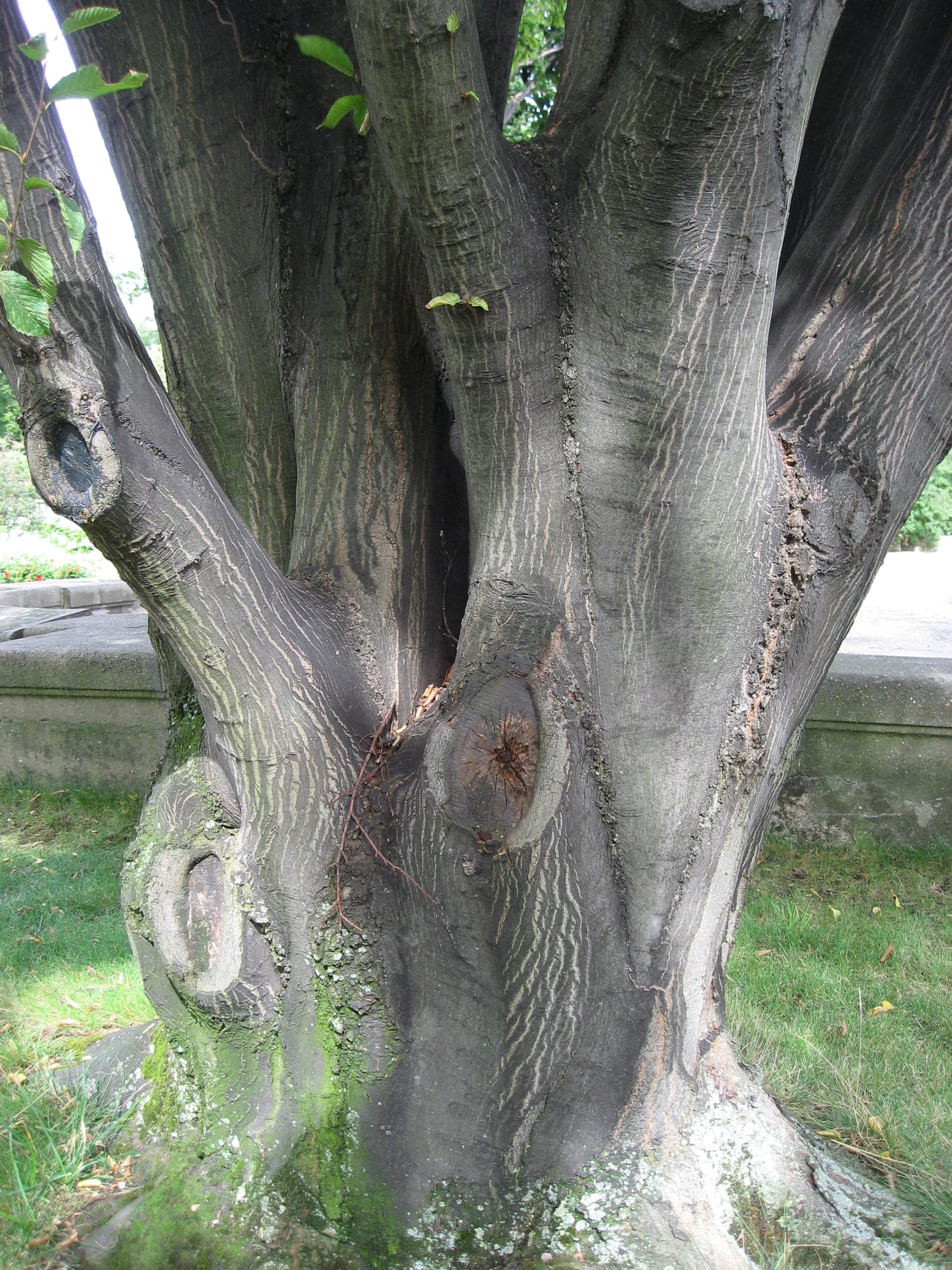
    Native to central and eastern Europe. Slow-growing, often coppiced, and recognisable in the forest by its fluted, muscle-like trunk, the reason for the folk names ironwood and musclewood.

  • Native, abundant across central and eastern European forests, and listed Least Concern by the IUCN with no CITES restriction. Often a by-product of broadleaf woodland and hedgerow management, so volumes are smaller and more local than oak or beech but the supply is genuinely sustainable.

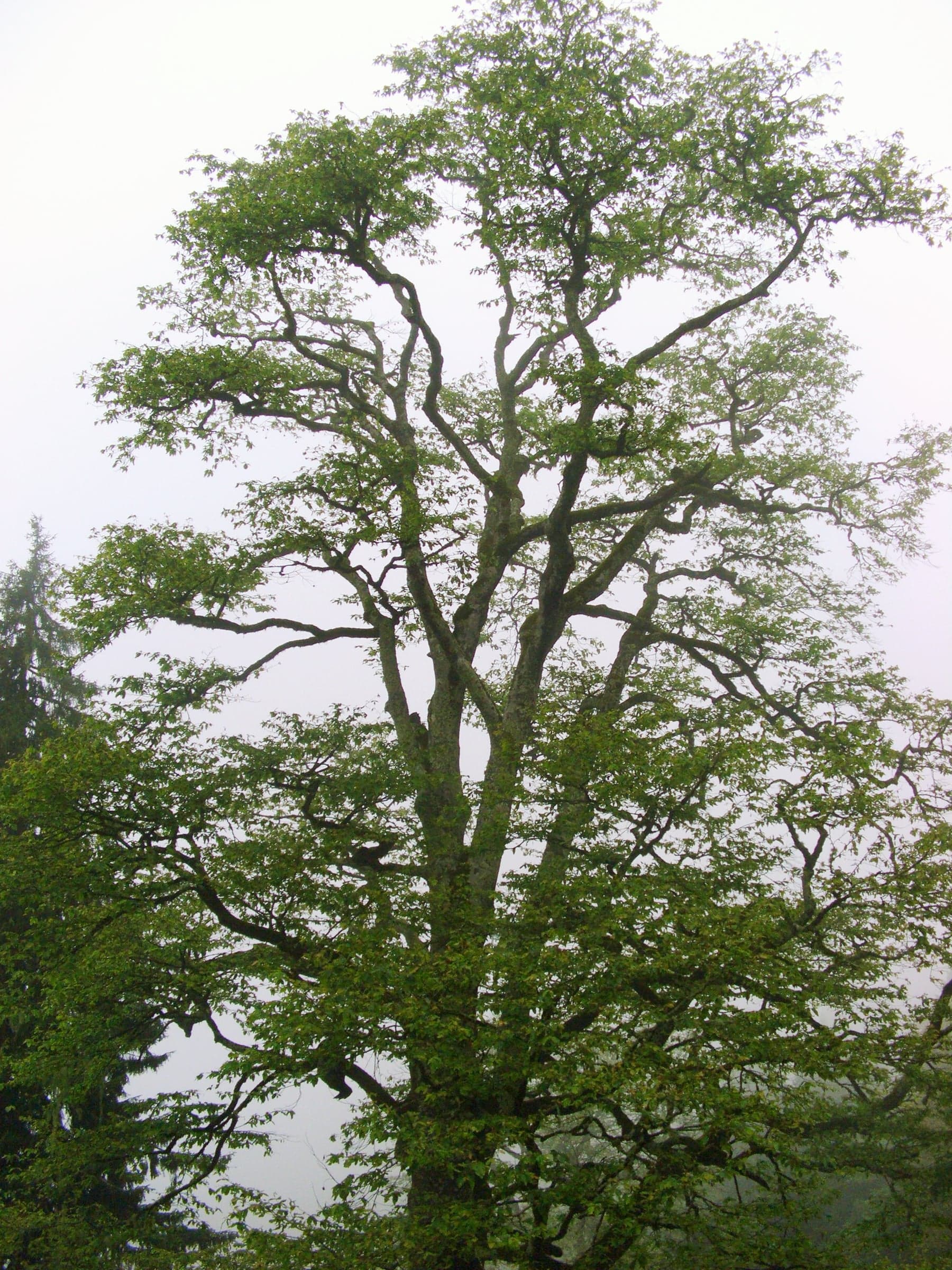
  • Árbol de Carpe

    Dr. Zeynel Cebeci, via Wikimedia Commons

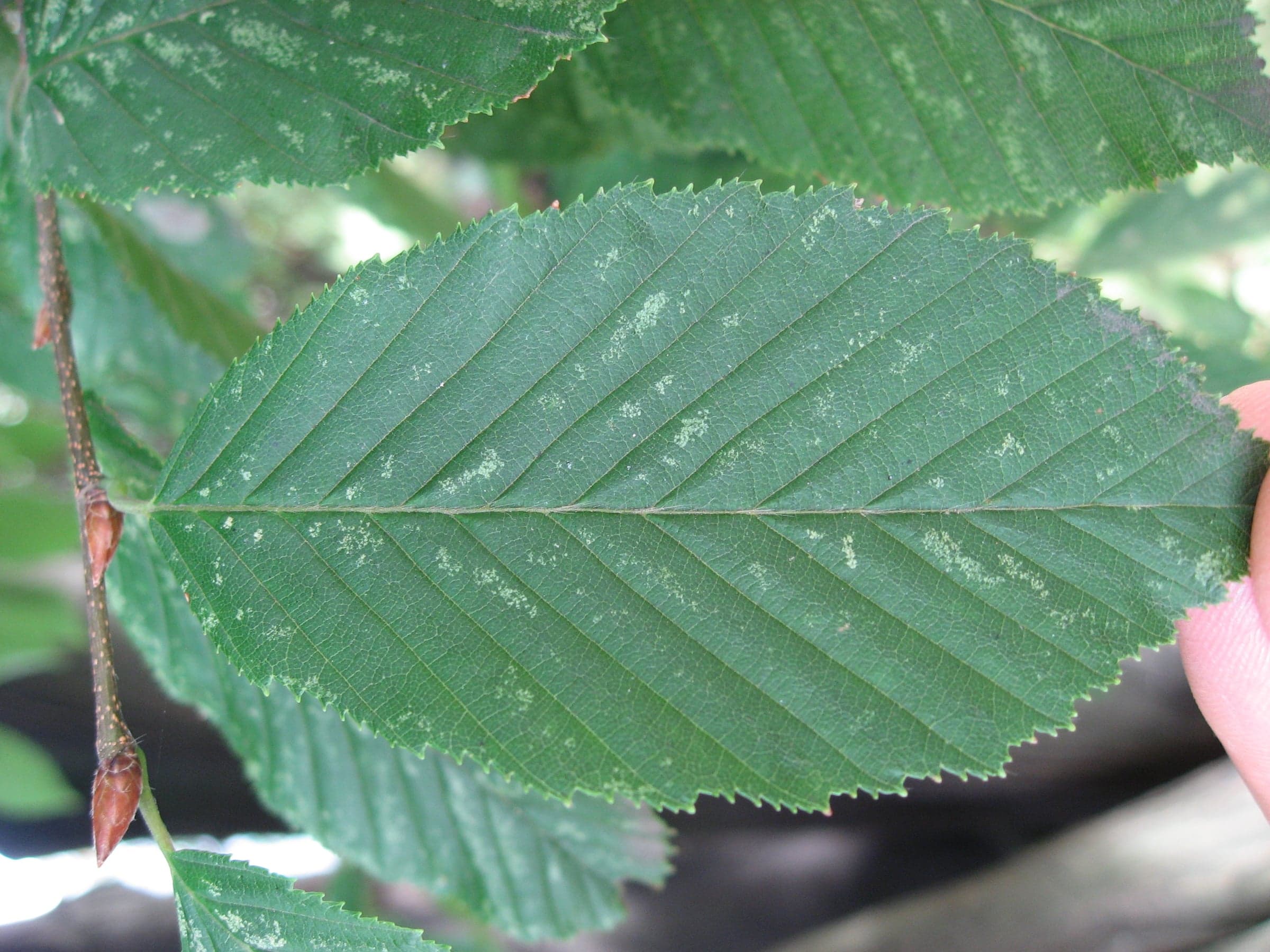
    Carpe: Hoja
    Hoja
    Carpe: Corteza
    Corteza

    Hornbeam ties with beech for the highest volumetric shrinkage in this catalogue at 17.0 percent, and its tangential to radial differential of 11.0 against 5.5 percent is very wide.

    This is a wood that reacts strongly to humidity. A wide solid hornbeam top in a room with underfloor heating will not stay flat.

    That is entirely consistent with its traditional applications. Plane soles, mallet heads and gear teeth are small dense components where movement is restrained by geometry or simply does not matter at that scale. Nobody historically made wide hornbeam tabletops, and the reason was not fashion.

    If you are buying a hornbeam slab, buy it for a workbench top, a butchers block, or small components, and let it float rather than fixing it.

    At the bench#

    Hornbeam is hard work. The density blunts tooling quickly, the interlocked grain tears out, and hand tools make slow progress.

    The fine texture that gives such good wear resistance is exactly what resists cutting. Sharp carbide tooling, light cuts, and a scraper or high angle plane for the final surface are the practical approach.

    It turns very well and holds crisp detail, and it takes a burnished finish straight off the tool. It glues reliably. Pilot every fastening.

    The durability trap#

    Hornbeam is decay class 5, perishable, despite being one of the hardest woods here.

    This catches people out repeatedly, and it is the same trap ash sets. Hardness and decay resistance are unrelated: one is about cell wall structure, the other about extractive chemistry. Hornbeam has excellent structure and essentially no protective extractives.

    Untreated hornbeam outdoors will rot. For exterior work use robinia at decay class 1, oak at 2, or sweet chestnut at 2.

    Kitchen and workshop use#

    It is rated food safe and is the traditional European butchers block timber. The fine dense texture resists knife scarring and cleans well, which is the whole reason it was chosen for that job.

    In the workshop it makes excellent bench tops, vice jaws, mallet heads and plane soles. A hornbeam bench top takes decades of abuse.

    Where Hornbeam is the right answer#

    Butchers blocks, workbench tops, tool parts, mallets, plane soles, gear and machine components, and turned work where wear resistance matters.

    It is the wrong answer for wide decorative tops, for anything outdoors, and where your tooling or your patience is limited.

    Sourcing and EUDR#

    Not CITES listed and assessed as Least Concern. Common across central Europe and widely grown as hedging and coppice. Timber sized material is less common than the tree's abundance suggests because of the fluted trunk form, so wide clean slabs carry a premium relative to the species' status.

    Telling hornbeam from beech#

    These two get confused constantly. Both are pale, dense, fine textured European hardwoods sold for similar workshop uses, and a machined board of either looks much like the other.

    The reliable difference is in the rays. Beech has broad, conspicuous rays that show clearly on a quartersawn face as distinct flecks and on the end grain as obvious lines. Hornbeam has fine, inconspicuous rays and shows no comparable fleck.

    Weight is the second check. Hornbeam is denser at 735 kg per cubic metre against beech at 710, and noticeably harder at 7,260 N against 6,460 N. In the hand the difference is subtle; under a plane it is not.

    The third is the trunk. Hornbeam grows with pronounced longitudinal fluting, so the log is ridged rather than round. Beech logs are round and regular.

    What the fluting costs you#

    That fluted trunk form is the reason hornbeam is expensive relative to how common the tree is.

    Converting a fluted log to square edged boards throws away a great deal of material, and the deeper the fluting the worse the yield. Wide clean hornbeam boards are correspondingly scarce.

    For slab work, the fluting is sometimes an asset rather than a loss. A slab cut to follow the natural ridged outline keeps a wavy live edge that is characteristic of the species and impossible to fake.

    Is it suitable for a chopping block?

    +

    It is rated food safe and it is the traditional European butchers block timber, chosen for exactly that use because the fine dense texture resists knife scarring and cleans well. The movement caveat applies in a kitchen, so keep it oiled and away from standing water.

    Contracción tangencialContracción paralela a los anillos de crecimiento. Es la que afecta a las tablas de aserrado tangencial y a la mayoría de las tablas.
    11.0–13.0 %
    Contracción volumétricaCambio total de volumen desde verde hasta completamente seca. Un valor menor indica más estabilidad.17.0–19.0 %
    Durabilidad natural (EN 350)Norma europea de resistencia natural a la pudrición, de 1 (muy duradera) a 5 (perecedera).Class 5 — Perishable

    Fuentes

    • The Wood Database(consultada el 2026-05-09)
    • USDA FPL Wood Handbook FPL-GTR-190 (2010)(consultada el 2026-05-09)
    • Meier, E. — WOOD! Identifying and Using Hundreds of Woods Worldwide (2015)(consultada el 2026-05-09)

    De un vistazo

    Los niveles usan intervalos fijos para todas las especies que ofrece KORENA, por lo que se pueden comparar directamente. Debajo de cada uno aparece el valor medido.
    DurezaResistencia a abolladuras y desgasteMuy dura

    Dureza Janka: 7260 N

    Un 46 % más dura que el roble europeo

    PesoCuánto pesa una tabla al levantarlaMuy pesada

    735 kg/m³

    EstabilidadCuánto se reduce su movimiento estacionalMucho movimiento

    18,0 % de contracción volumétrica

    TrabajoAserrado, cepillado, lijado y encoladoModerada

    3,6 / 5 de media en el banco

    Uso exteriorResistencia natural a la pudrición, EN 350Solo interior

    Clase 5 según EN 350

    • Aserrado · BuenaLa limpieza del corte y el desgaste que causa en las hojas.1 = difícil · 5 = excelente
    • Cepillado · BuenaLa suavidad de la superficie que deja y cuánto se desgarra la fibra.1 = difícil · 5 = excelente
    • Lijado · BuenaLa rapidez con la que queda lisa sin atascar el papel.1 = difícil · 5 = excelente
    • Torneado · ExcelenteCómo se corta y se acaba en el torno.1 = difícil · 5 = excelente
    • Tallado · BuenaLa nitidez con la que conserva los detalles al trabajarla con gubia.1 = difícil · 5 = excelente
    • Encolado · Muy buenaLa fiabilidad de las uniones encoladas.1 = difícil · 5 = excelente
    • Sujeción de tornillos / clavos · Muy buenaCómo sujeta tornillos y clavos sin rajarse.1 = difícil · 5 = excelente
    • Curvado al vapor · Muy buenaCómo admite las curvas después de aplicar vapor.1 = difícil · 5 = excelente

    Precio actual de venta de la madera de Carpe en Europa, por metro cúbico antes del IVA. Pulsa cualquier precio para ver los detalles.

    • Troncos selectos en subastaTroncos seleccionados de alta calidad vendidos en subastas mediante ofertas, principalmente a fabricantes de chapa y muebles. De troncos así se cortan las tablas.La mayoría de los precios están entre 92 € y 108 €.Basado en 122 precios de 2 regiones.Últimos datos: 14 nov 2026
    • Troncos corrientesGrandes volúmenes de madera en rollo estándar vendidos por propietarios forestales y organismos forestales estatales, principalmente para la construcción y la industria.La mayoría de los precios están entre 31 € y 117 €.Basado en 3581 precios de 7 regiones.Últimos datos: 14 nov 2026

    Troncos selectos en subasta por país

    • Alemania · 108 € / m³Regiones: Bavaria61 preciosÚltimos datos: 14 nov 2026
    • Austria · 92 € / m³Regiones: Austria61 preciosÚltimos datos: 14 nov 2026

    Troncos corrientes por país

    • Rumanía · 85 € / m³Regiones: Banat / Crișana, Moldavia (Romania), Transylvania y Wallachia3455 preciosÚltimos datos: 14 nov 2026
    • Francia · 66 € / m³Regiones: Grand Est / Alsace78 preciosÚltimos datos: 15 oct 2026
    • Bulgaria · 51 € / m³Regiones: North-West Bulgaria y South-East Bulgaria48 preciosÚltimos datos: 12 nov 2026

    ¿Por qué cuesta más una tabla?

    Estos son precios de madera en bruto. Una tabla es el mejor corte de un tronco, secado durante un año o más y después revisado y medido pieza por pieza. Solo una pequeña parte de cada tronco se convierte en tabla.

    Fuente: Índice de la madera de KORENA · Últimos datos: 14 nov 2026

    Ver todos los precios regionales
    No apta para exteriores sin tratar
    Su durabilidad natural es de clase 5 de 5 según EN 350. Mantenla en interiores o protégela con un acabado bien conservado.
  • Se mueve más que la mayoríaLos tableros anchos necesitan lengüetas o fijaciones ranuradas y espacio para moverse. Usa la calculadora de movimiento que aparece abajo.
  • El polvo es irritanteUsa extracción y mascarilla al lijar o mecanizar.
  • Desgasta los filosEs muy dura y densa. Mantén las herramientas afiladas y perfora un orificio guía para cada tornillo.
  • Pulsa una etiqueta para ver los detalles.