KORENA
DrvoNamještajRadionicaPartneriČasopis

Među prvima pogledajte nove masivne daske

Primite e-poruku kada stigne novo drvo.

Nekoliko poruka mjesečno. Bez neželjene pošte, odjavite se kada želite.

KORENA

Na KORENA kupujte masivno drvo, ručno izrađen namještaj, alate i premaze za drvo.

Trgovina

  • Pregledaj proizvode
  • Arhiva prodanih dasaka
  • Prati narudžbu

Saznajte više

  • Časopis
  • Vodiči kroz vrste
  • Pojmovnik
  • Biljne putovnice i zone štetnika
  • Usporedba
  • Autori

Pomoć

  • O nama
  • Kako funkcionira
  • Počnite prodavatiNovo
  • Pronađite dasku
  • Podrška
  • Predlošci dokumenata
  • Mediji

Kupnja

  • Uvjeti prodaje
  • Pravo na odustajanje
  • Povrati i jamstvo
  • Otprema i dostava

Povjerenje

  • Pravila privatnosti
  • Pravila o kolačićima
  • Podrijetlo drva i EUDR
  • Pristupačnost

Impresum

  • Pravna obavijest / Impresum
  • Prihvatljiva upotreba
  • Intelektualno vlasništvo i sadržaj

© 2026 KORENA. Sva prava pridržana.

Stranicom upravlja Martial Labs Ltd. (BG, EIK 207453941). KORENA je trgovački naziv društva Martial Labs Ltd.

Poštujemo vašu privatnost

Upotrebljavamo nužne kolačiće kako bi stranica radila. Uz vaše dopuštenje upotrebljavali bismo i kolačiće za analitiku, prilagođeni sadržaj i oglase. Svoj izbor možete bilo kada promijeniti na stranici postavki privole. Pročitajte naša pravila o kolačićima i pravila privatnosti.

  1. Početna
  2. /
  3. Vrste
  4. /
  5. Turski hrast

Quercus cerris

Turski hrast

Harder than European oak and considerably cheaper, for one reason: it is difficult to dry. Buy it already stable and it is a bargain.

  • This species is recorded as commercially grown in Europe. This does not establish where an individual piece was harvested; check its origin details.
  • Botanička skupina. Meko drvo potječe od četinjača, a tvrdo od listača.
  • Botanička porodica kojoj vrsta pripada.
Obavijestite me kada stigneReferentna vrsta. Trenutačno nema komada na zalihi.
  • Prikladnost za projekt
  • Na zalihi
  • Izgled
  • Obrada
  • Pomicanje
  • Cijena
  • Sigurnost i nabava
  • Pitanja
  • Tehnički podaci

Odgovara li vašem projektu?

Izvrsno za

  • Rustic tabletops
  • Flooring
  • Interior joinery
  • Cladding under cover
  • Decorative slabs

Nema vrste Turski hrast u trenutačnoj ponudi

Slične vrste na zalihi

Vrsta Turski hrast trenutačno nije dostupna. Ove vrste odgovaraju istim projektima i imaju dostupne komade.
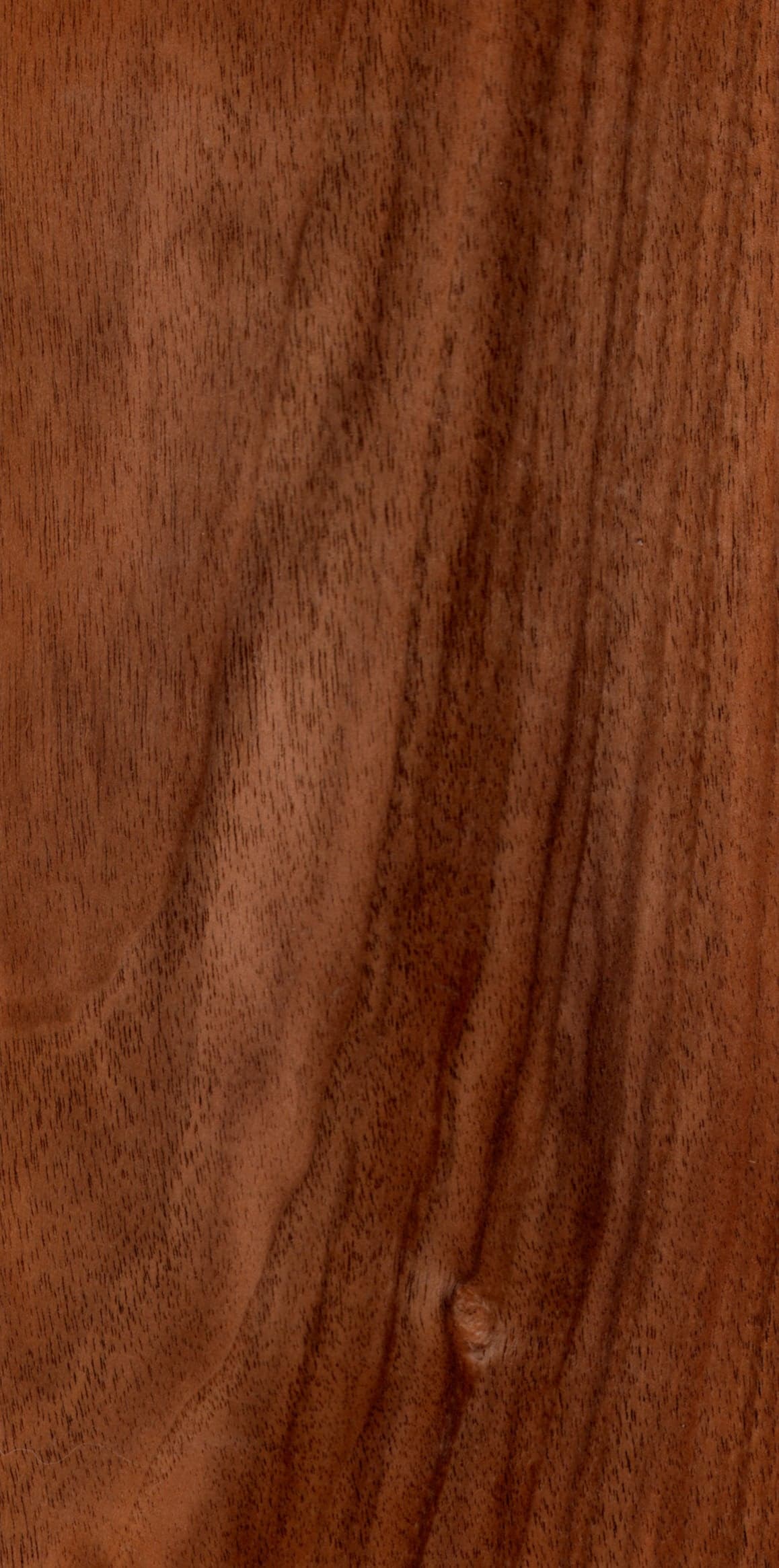
  • Tekstura vrste Europski orah

    Europski orah

    Juglans regia

    12 komada

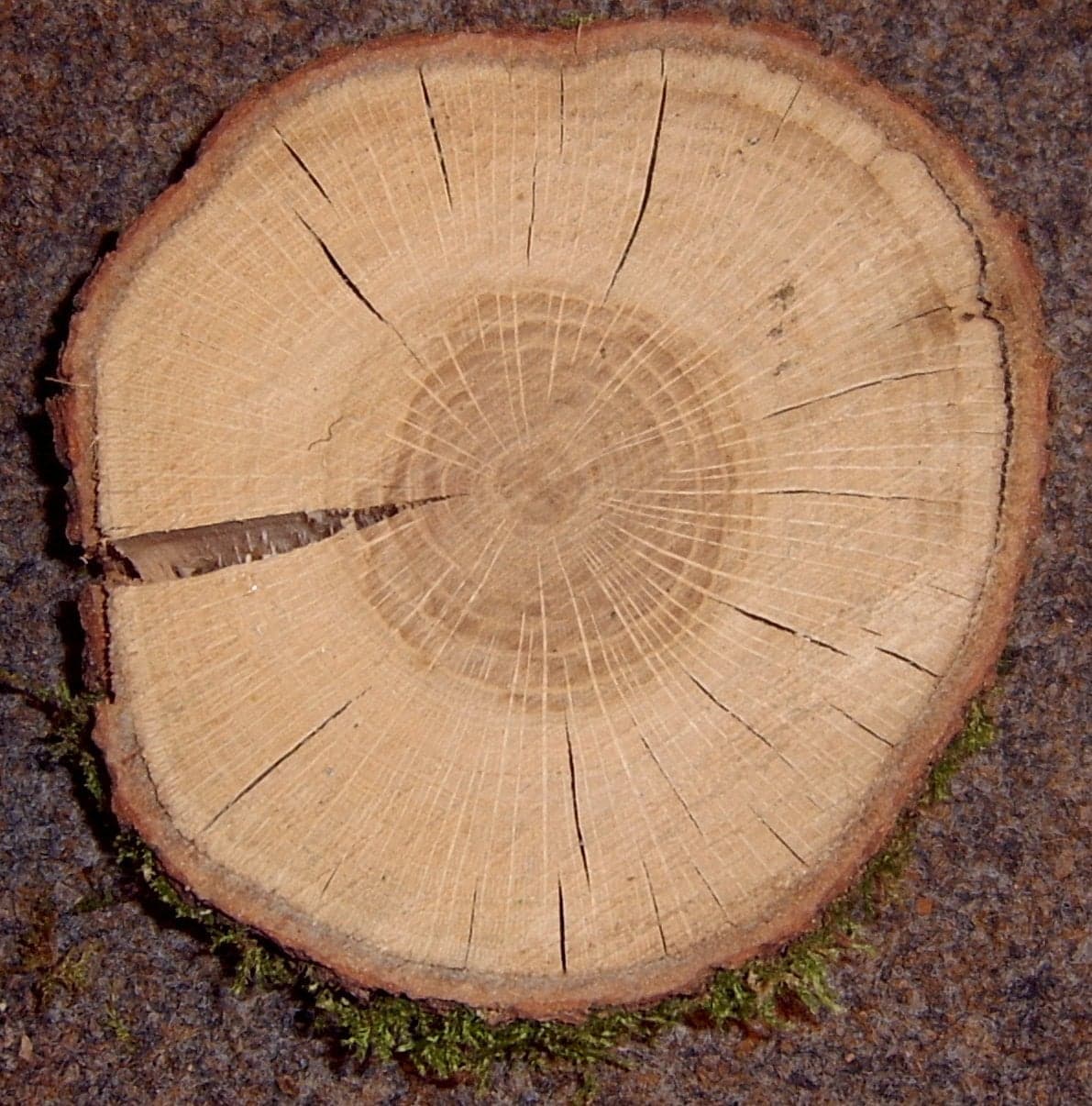
  • Tekstura vrste Hrast lužnjak

    Hrast lužnjak

    Quercus robur

    6 komada

  • Tekstura vrste Saman

    Saman

    Samanea saman

    4 komada

Primajte obavijesti o vrsti Turski hrast

Poslat ćemo vam poruku e-pošte kada nove daske vrste Turski hrast stignu u KORENA ponudu. Svaki je komad jedinstven pa je rana obavijest važna.

Nekoliko poruka mjesečno. Bez neželjene pošte, odjavite se kada želite.

Izgled drva

Kako izgleda

Denser and harder than either European oak, with a coarser and more open texture. Colour is a light to mid brown, generally plainer and less olive than Quercus robur, with wide rays that produce a bold but less silvery fleck on quartersawn faces. Its reputation in the trade is poor, earned by a strong tendency to check and distort in drying rather than by any weakness in the finished wood.

  • Light to mid brown, plainer than European oak
  • Coarse open texture with very wide rays
  • Bold but less silvery ray fleck on quartersawn faces
  • Ravna vlakna, gruba otvorena tekstura s vrlo širokim zrakama. Svijetlosmeđa do srednje smeđa boja, jednoličnija od europskog hrasta, s izraženim, ali manje srebrnastim zrcalcima na radijalno piljenoj površini.

Obrada

Obrada

Works similarly to the American oaks according to the source cited here. It is harder and denser than Quercus robur, so it blunts cutters faster and demands more power in the cut, but it machines cleanly once dry and stable. The very wide rays can lift on a quartersawn face if the cut is heavy. Grain filler is needed for a smooth finish given the coarse open pores.

Završna obrada

Takes stain and finish much as other oaks do, and the plainer colour actually accepts stain more evenly than the olive cast of European oak. The coarse open pores need filling for a smooth surface. The same tannin and iron reaction applies as in every oak, so brass or stainless fittings only and no steel wool.

Sušenje

This is the species specific problem and the reason Turkey Oak is cheap. It is markedly prone to checking, honeycombing and severe distortion during drying, considerably worse than Quercus robur or petraea, and volumetric shrinkage at 16 percent is the highest of any hardwood KORENA lists. Tangential shrinkage of 10 percent against 6 percent radial compounds it. Slowly air dried stock that has already stabilised is the only version of this timber worth buying.

Koliko će se pomicati?

Drvo bubri i skuplja se po širini kako zrak postaje vlažniji i suši. Procijenite sezonsko pomicanje plohe od vrste Turski hrast prije projektiranja pričvrsnica.

Rez
Gdje će se nalaziti

Očekivano sezonsko pomicanje

oko 11,4 mm

Plohu pričvrstite pričvrsnicama ili nosačima s utorima, a ne ljepilom ili čvrsto zategnutim vijcima.

Model linearnog skupljanja: širina × (skupljanje ÷ 28 % zasićenosti vlakana) × sezonska promjena vlažnosti. Za vrstu Turski hrast rabi se 10 % tangencijalnog skupljanja. Ovo je procjena za planiranje, ne jamstvo.

Koliko košta

Sigurnost i nabava

  • This species is recorded as commercially grown in Europe. This does not establish where an individual piece was harvested; check its origin details.
  • Oak is a documented sensitiser, with reactions typically including eye and skin irritation and asthma-like symptoms. Repeated exposure to oak dust carries elevated nasal cancer risk, so extraction is not optional in a production setting.

  • Quercus cerris is the oak of southeastern Europe and Asia Minor, dominant through the Balkans, Hungary, Italy and Turkey. It grows fast on poor dry soils where the northern oaks struggle, and it has been planted widely outside its range. Balkan sourced material is common and inexpensive in the EU market.

Pročitajte cijeli vodičDetaljne bilješke o šari, promjeni boje, obradi i stabilnosti.+

What Turkey Oak actually is#

Quercus cerris is the oak of southeastern Europe and Asia Minor. It dominates through the Balkans, Hungary, Italy and Turkey, growing fast on poor dry soils where the northern oaks struggle, and it has been planted well outside that range.

It has a poor reputation in the trade, and that reputation is worth understanding precisely, because it is only half deserved. The finished wood is not inferior. At 720 kg per cubic metre it is denser than European oak, and its modulus of rupture of 114.3 MPa is well above the 97.1 MPa of sessile oak. The problem is entirely in getting it from log to stable board.

The drying problem, which is the whole story#

Turkey Oak checks, honeycombs and distorts during drying far more readily than Quercus robur or petraea.

The numbers explain why. Volumetric shrinkage is 16 percent, the highest of any hardwood in this catalogue. Tangential shrinkage of 10 percent against 6 percent radial gives a ratio that guarantees flatsawn boards will cup hard. Combine high total movement with a wide differential and a fast schedule, and the wood tears itself apart.

A significant proportion of what is cut degrades before it becomes usable timber, and the price of the survivors carries that loss. That is why Turkey Oak is cheap.

The practical consequence for a buyer is simple and important: the risk lives in the drying, not in the service life. A slab that has already been slowly dried and has stabilised is a hard, dense, durable board at a fraction of European oak money. A slab that was rushed is firewood that has not finished failing yet.

Pitanja kupaca

Pitanja kupaca

Why is Turkey Oak so much cheaper than European Oak?

+

Not because the finished wood is weaker. It is denser and harder than Quercus robur. The discount reflects how badly it behaves in drying: it checks, honeycombs and distorts far more readily, and volumetric shrinkage at 16 percent is the highest of any hardwood in this catalogue. A large proportion of what is cut degrades before it is usable, and the price carries that loss.

Is the Janka figure reliable?

+

It is published as an estimate derived from specific gravity rather than a measured test, and KORENA records it that way in the source note on the species record. Treat 5,340 N as indicative. It places Turkey Oak above European oak at 4,980 N, which matches its higher density of 720 kg per cubic metre, but it is not a laboratory measurement.

Can I use it for a tabletop?

+

Yes, provided the slab is already properly dried and stable. Buy air dried stock that has had time to settle rather than freshly kilned material, check the measured moisture value on the listing, and let it acclimatise in the room before flattening. Once through drying it is a hard, durable surface. The risk is entirely in the drying, not the service life.

How does the figure compare with European Oak?

Mehanička svojstva

Tehnički podaci

Objavljene referentne vrijednosti. Kada se izvori ne slažu, prikazuje se raspon, a uobičajena vrijednost rabi se za gornje ljestvice.

Gustoća (kg/m³)Masa po kubičnom metru pri približno 12 % vlažnosti. Teže drvo obično je tvrđe i čvršće.720 kg/m³
Tvrdoća prema Janki (N)Sila potrebna da se čelična kuglica utisne do polovice u drvo. Standardna mjera otpornosti na udubljenja.5,340 N
MOR: modul loma (MPa)Čvrstoća na savijanje: opterećenje pri kojem greda puca.114 MPa
MOE: modul elastičnosti (GPa)Krutost na savijanje: koliko se polica ili ploha progiba pod opterećenjem.10.8 GPa
Radijalno skupljanjeSkupljanje preko godova, od sirovog do potpuno suhog drva. Tako se pomiču radijalno rezane daske.6.0 %
Tangencijalno skupljanjeSkupljanje duž godova. Tako se pomiču tangencijalno rezane daske i većina širokih dasaka.10.0 %
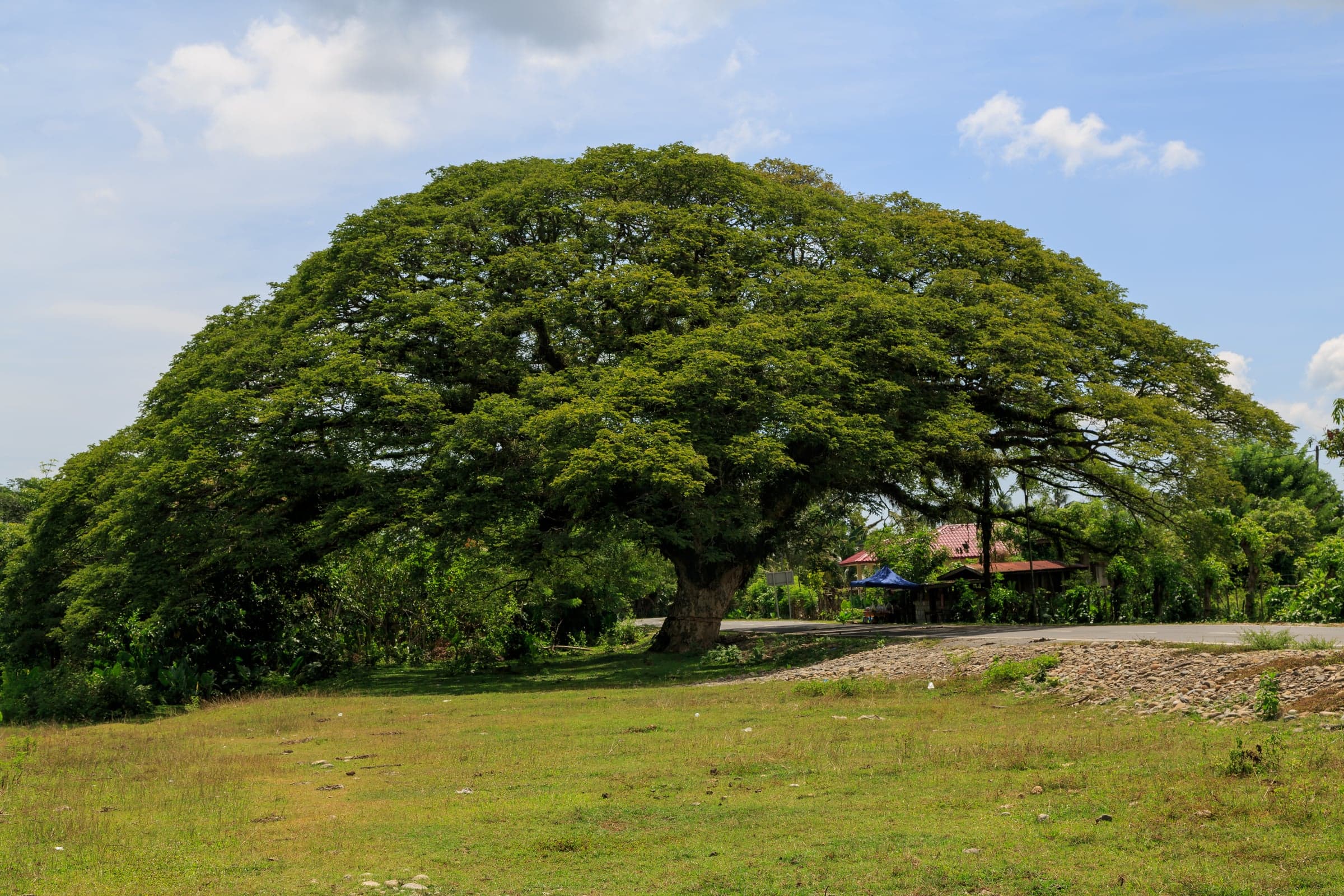
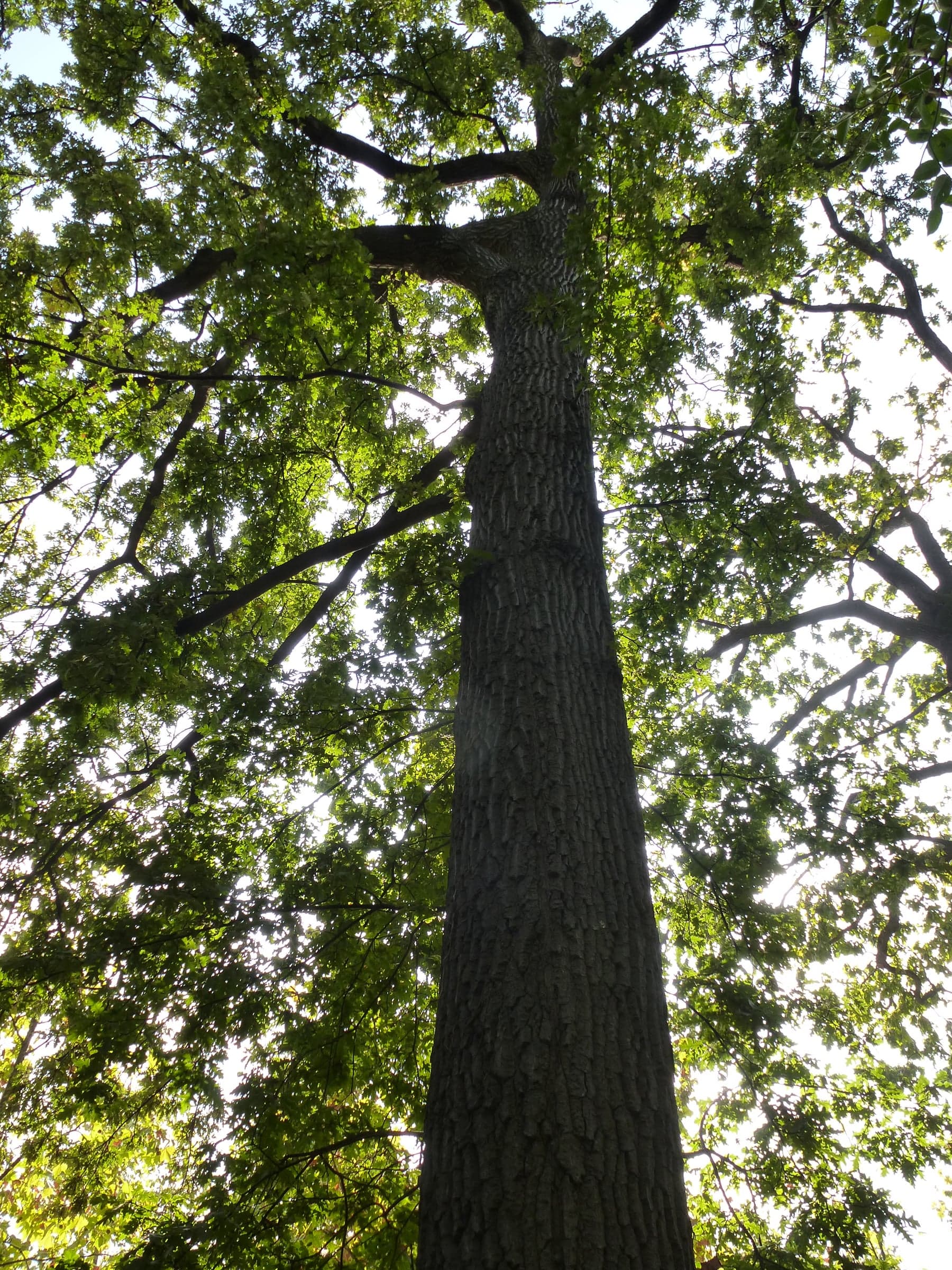
Stablo vrste Turski hrast

Salix, via Wikimedia Commons

Not listed in the CITES Appendices, and reported by the source KORENA cites as not assessed on the IUCN Red List, so no IUCN status is shown rather than one being assumed. It is abundant and fast growing across southeastern Europe and is often treated as a low value species, which makes it both inexpensive and easy to source with documentation.

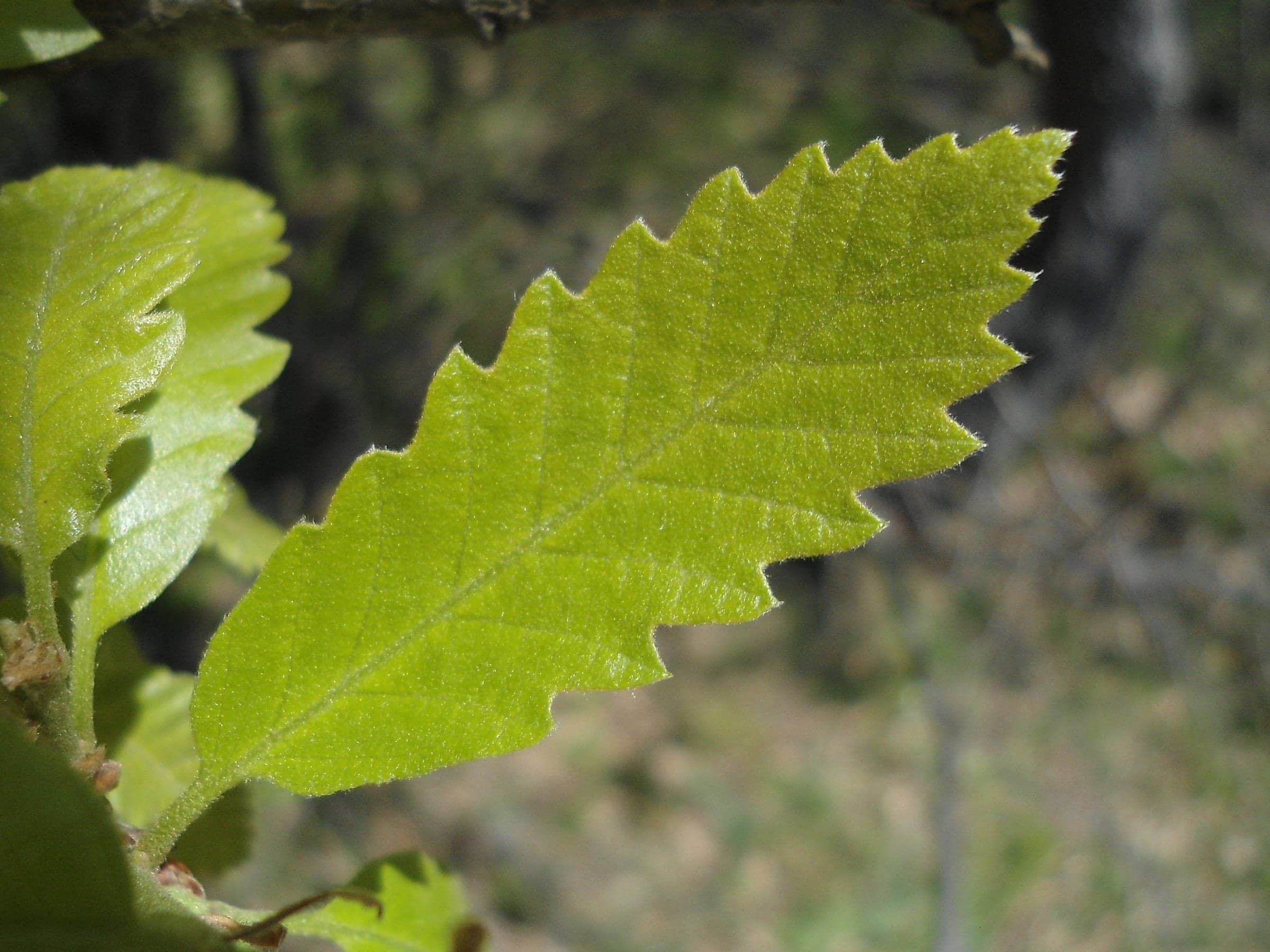
Turski hrast: List
List
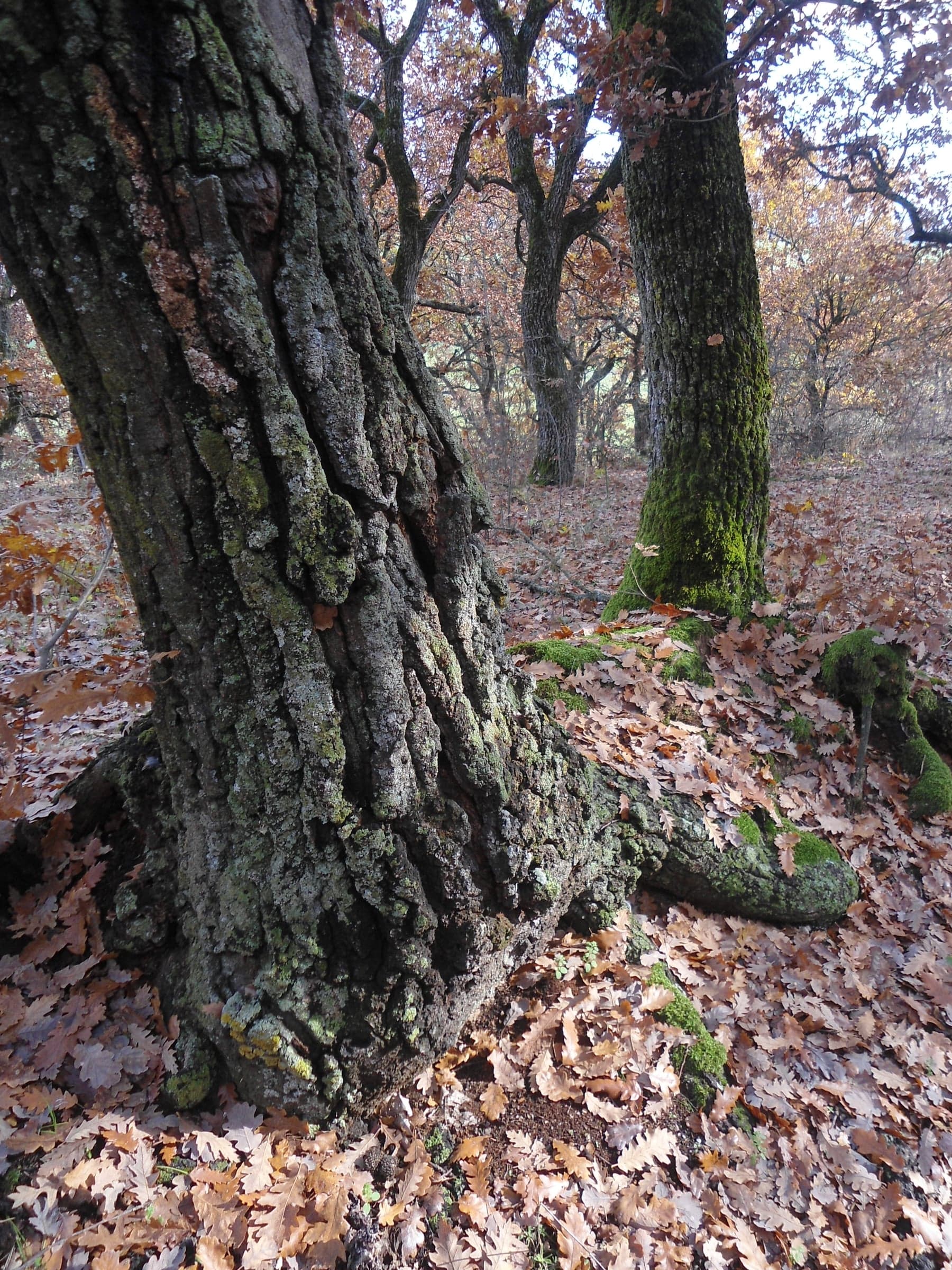
Turski hrast: Kora
Kora

So buy stable stock. Prefer air dried material that has had time to settle over freshly kilned. Check the measured moisture value on the listing rather than trusting a description, and let the slab acclimatise in its final room before flattening.

Reading a Turkey Oak slab#

Colour is a light to mid brown, plainer and straighter than European oak, without the olive cast of robur. Texture is coarse and the pores are large and open.

The rays are very wide, wider than in the other oaks here, and on a quartersawn face they produce a bold fleck. It reads differently from the fine silvery ribbon of sessile oak: larger, more assertive, less lustrous. Whether that is better is a matter of taste, but they are not the same figure and one will not pass for the other.

Inspect the end grain for honeycomb, look along the length for cupping and twist, and check for surface checks. On this species those defects are common enough that they should be assumed present until ruled out.

At the bench#

The cited source describes it as working similarly to the American oaks. It is harder and denser than European oak, so it blunts cutters faster and asks more of a machine, but a dry stable board machines cleanly.

The very wide rays can lift on a quartersawn face under a heavy cut. Lighter passes and sharp tooling handle it.

As with all oak, the coarse open pores need a grain filler if a smooth surface is the goal, and the tannin content means iron contact produces blue black staining. Brass or stainless fittings only, no steel wool, and no steel clamp bars left on damp work.

A note on the hardness figure#

The Janka value shown for this species, 5,340 N, is published as an estimate derived from specific gravity rather than a measured laboratory test, and KORENA records that qualification in the source note on the species record rather than presenting the number bare.

Treat it as indicative. It places Turkey Oak above European oak, which is consistent with its higher density, but it is not the same class of evidence as a measured value.

Finishing#

It takes stain and finish much as other oaks do, and the plainer, less olive colour actually accepts stain more evenly than European oak, which can go muddy under a warm tone.

Grain filler for a smooth surface, standard oak finishing otherwise.

Where Turkey Oak is the right answer#

Rustic tabletops, flooring, interior joinery, cladding under cover, and decorative slabs where a hard dense oak is wanted and the budget will not carry European oak. At decay class 2 it is durable, so protected exterior use is reasonable.

It is the wrong answer if you are buying unseasoned or freshly kilned stock, if the project cannot absorb the risk of movement, or if the classic silvery quartersawn fleck of European oak is specifically what the design calls for.

Sourcing and EUDR#

Not listed in the CITES Appendices, and reported by the cited source as not assessed on the IUCN Red List, so no IUCN status is displayed rather than one being inferred.

It is abundant and fast growing across southeastern Europe and is often treated as a low value species locally, which makes it both inexpensive and straightforward to source with proper documentation. Balkan sourced material is common in the EU market, and KORENA listings record the originating yard and region.

+

Plainer overall. The colour is a straighter light to mid brown without the olive cast of Quercus robur, and while the rays are very wide, the quartersawn fleck reads bolder but less silvery. If you want the classic silvery ray fleck, sessile oak delivers it better.

Does it stain black on contact with iron?

+

Yes, exactly as every oak does. Tannins react with iron to form a blue black stain. Use brass or stainless fittings, keep steel wool away, and do not leave steel clamp bars in contact with a damp glue-up.

Volumno skupljanjeUkupna promjena volumena od sirovog do potpuno suhog drva. Niža vrijednost znači veću stabilnost.16.0 %
Prirodna trajnost (EN 350)Europska norma za prirodnu otpornost na propadanje, od 1 (vrlo trajno) do 5 (netrajno).Class 2 — Durable

Izvori

  • The Wood Database — Turkey Oak (Quercus cerris). Janka value published as estimated from specific gravity, not measured.(pristupljeno 2026-08-12)
  • Meier, E. — WOOD! Identifying and Using Hundreds of Woods Worldwide (2015)(pristupljeno 2026-08-12)

Prednosti

  • Trajno na otvorenomRazred 2 od 5 prema EN 350: otporno na propadanje na otvorenom bez zaštite.
  • Sigurno za hranuPrikladno za daske, zdjele i površine koje dodiruju hranu.

Obratite pozornost

  • Pomiče se više od većineŠiroke plohe trebaju pričvrsnice ili nosače s utorima te prostor za pomicanje. Upotrijebite izračun pomicanja u nastavku.
  • Prašina nadražujeUključite odsis i nosite masku tijekom brušenja ili strojne obrade.

Dodirnite oznaku za pojedinosti.

Ukratko

Razine rabe jednake raspone za sve vrste koje KORENA navodi pa se mogu izravno uspoređivati. Izmjerena vrijednost nalazi se ispod svake razine.
TvrdoćaOtpornost na udubljenja i trošenjeSrednje tvrdo

Tvrdoća po Janki 5.340 N

7 % tvrđe od europskog hrasta

MasaKoliko je daska teška za podizanjeVrlo teško

720 kg/m³

StabilnostKoliko se malo pomiče kroz godišnja dobaMnogo se pomiče

16,0 % volumnog skupljanja

ObradaPiljenje, blanjanje, brušenje, lijepljenjeUmjereno

3,7 / 5 prosjek obrade

Uporaba na otvorenomPrirodna otpornost na propadanje, EN 350Na otvorenom

EN 350 razred 2

  • Piljenje · Vrlo dobroKoliko se čisto reže i koliko troši oštrice.1 = teško · 5 = izvrsno
  • Blanjanje · DobroKoliko glatku površinu ostavlja i koliko se vlakna čupaju.1 = teško · 5 = izvrsno
  • Brušenje · Vrlo dobroKoliko se brzo može glatko izbrusiti bez začepljenja brusnog papira.1 = teško · 5 = izvrsno
  • Tokarenje · Vrlo dobroKako se reže i obrađuje na tokarilici.1 = teško · 5 = izvrsno
  • Rezbarenje · DobroKoliko oštro zadržava detalje pod dlijetom.1 = teško · 5 = izvrsno
  • Lijepljenje · Vrlo dobroKoliko pouzdano drže lijepljeni spojevi.1 = teško · 5 = izvrsno
  • Držanje vijaka / čavala · Vrlo dobroKoliko dobro drži vijke i čavle bez pucanja.1 = teško · 5 = izvrsno
  • Savijanje parom · DobroKoliko dobro prima krivulje nakon parenja.1 = teško · 5 = izvrsno

Trenutačne prodajne cijene drva vrste Turski hrast diljem Europe, po kubičnom metru bez PDV-a. Dodirnite bilo koju cijenu za pojedinosti.

  • Standardni trupciVelike količine standardnog oblog drva koje prodaju vlasnici šuma i državne šumarije, uglavnom za graditeljstvo i industriju.Većina cijena kreće se između 31 € i 112 €.Na temelju 42.405 cijena iz 7 regija.Najnoviji podaci: 14. stu 2026.

Standardni trupci prema zemlji

  • Rumunjska · 78 € / m³Regije: Banat / Crișana, Dobrogea, Moldavia (Romania), Transylvania i Wallachia42.115 cijenaNajnoviji podaci: 14. stu 2026.
  • Bugarska · 55 € / m³Regije: North-West Bulgaria i South-East Bulgaria290 cijenaNajnoviji podaci: 14. stu 2026.

Zašto daska stoji više od ovoga?

Ovo su cijene sirovog drva. Daska je najbolji rez trupca, sušen godinu dana ili dulje, zatim provjeren i izmjeren komad po komad. Samo mali dio svakog trupca postane daska.

Izvor: KORENA Timber Index · Najnoviji podaci: 14. stu 2026.

Pogledajte sve regionalne cijene