KORENA
FaanyagFinished piecesKellékekPartnertelepekNapló

Kérjen értesítést

Minden palló egyedi. Ha eladják, nincs belőle több. E-mailt küldünk az új darabok közzétételekor: friss érkezések, új fafajok és projektleíráshoz illő pallók.

Havonta néhány e-mail. Nincs levélszemét, bármikor leiratkozhat.

KORENA, prémium keményfa

Egyszerre egy darab.

Ellenőrzött prémium keményfa, darabonként értékesítve. Minden pallót lefényképezünk és lemérünk, majd faútlevéllel együtt szállítjuk a partnertelepről.

Áruház

  • Termékek böngészése
  • Eladott darabok
  • Rendelés követése

Tudnivalók

  • Napló
  • Fafajismertetők
  • Fogalomtár
  • Összehasonlítás
  • Szerzők

Segítség

  • Rólunk
  • Hogyan működik?
  • Legyen partnertelep
  • Palló beszerzése
  • Ügyfélszolgálat
  • Dokumentumsablonok
  • Sajtó

Vásárlás

  • Értékesítési feltételek
  • Elállási jog
  • Visszaküldés és jótállás
  • Szállítás és kézbesítés

Bizalom

  • Adatvédelmi szabályzat
  • Sütikre vonatkozó szabályzat
  • A fa eredete és az EUDR
  • Akadálymentesség

Impresszum

  • Jogi nyilatkozat / Impresszum
  • Elfogadható használat
  • Szellemi tulajdon és tartalom

© 2026 KORENA. Minden jog fenntartva.

Üzemeltető: Martial Labs Ltd. (BG, EIK 207453941). A KORENA a Martial Labs Ltd. kereskedelmi neve.

Tiszteletben tartjuk a magánszféráját

Az oldal működéséhez elengedhetetlen sütiket használunk. Engedélyével elemzési, személyre szabási és hirdetési sütiket is használnánk. Döntését bármikor módosíthatja a hozzájárulási beállítások oldalon. További részleteket a sütikre vonatkozó szabályzatban és az adatvédelmi szabályzatban talál.

  1. Kezdőlap
  2. /
  3. Fafajok
  4. /
  5. Douglas Fir

Pseudotsuga menziesii

Douglas Fir

Not a fir, and the stiffest softwood KORENA lists. Bold orange ring figure, structural strength, and a splinter you do not want to ignore.

  • Európán kívül termesztik, és európai partnertelepeken keresztül importálják.
  • Botanikai csoport. A fenyőfélék tűlevelűek, a lombos fák széles levelűek.
  • A fafaj botanikai családja.
Értesítést kérek érkezéskorReferenciafafaj. Jelenleg nincs készleten.
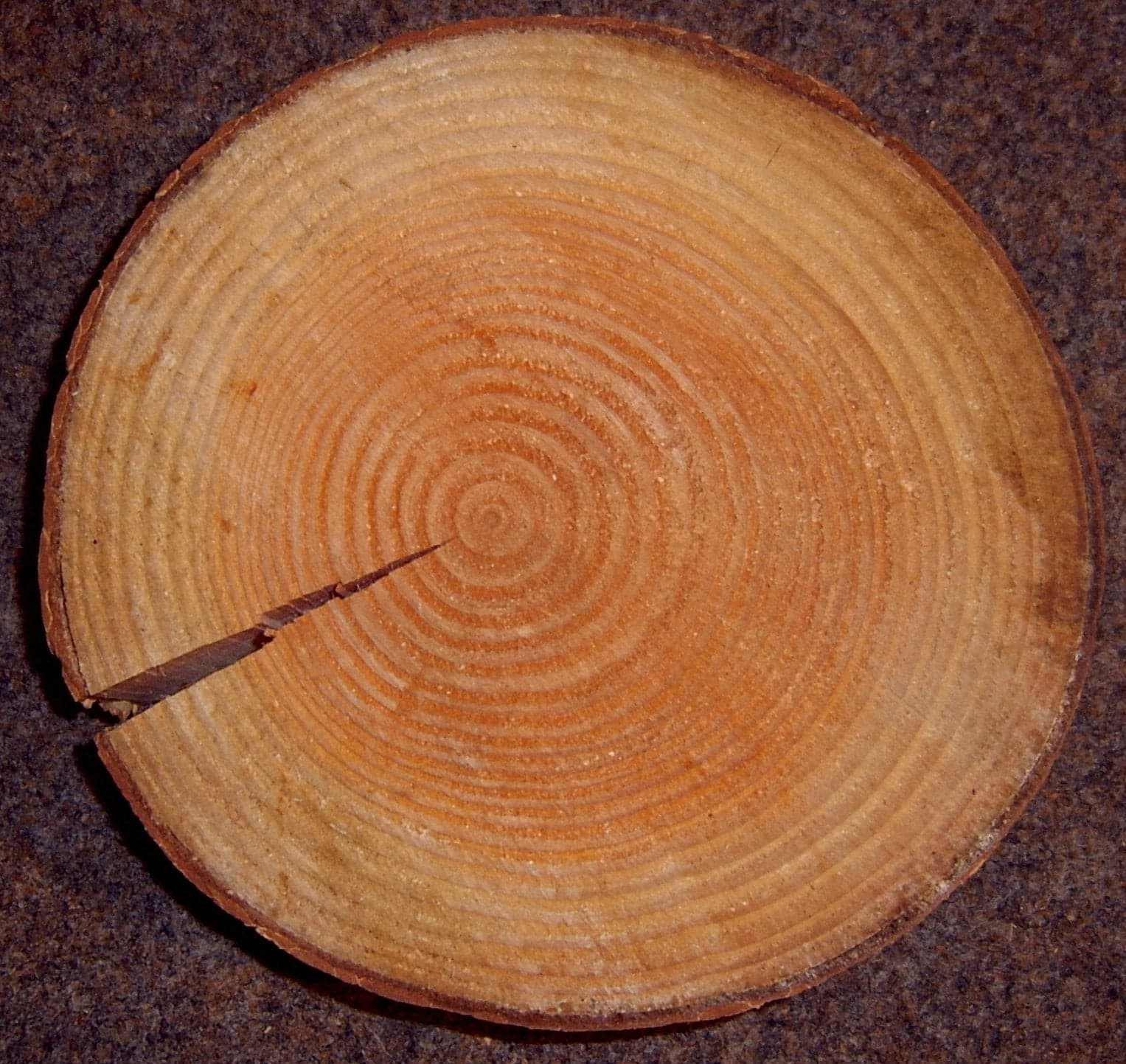
Douglas Fir erezete
  • Illik a projekthez?
  • Készleten
  • Megjelenés
  • Megmunkálás
  • Mozgás
  • Ár
  • Biztonság és beszerzés
  • Kérdések
  • Műszaki adatok

Megfelel az Ön projektjéhez?

Kiváló ehhez

  • Structural beams and exposed framing
  • Tabletops
  • Flooring
  • Exterior joinery
  • Shelving with long spans

Nincs Douglas Fir a jelenlegi kínálatban

Hasonló, készleten lévő fafajok

Jelenleg nincs Douglas Fir. Ezek a fafajok hasonló projektekhez valók, és van belőlük elérhető darab.
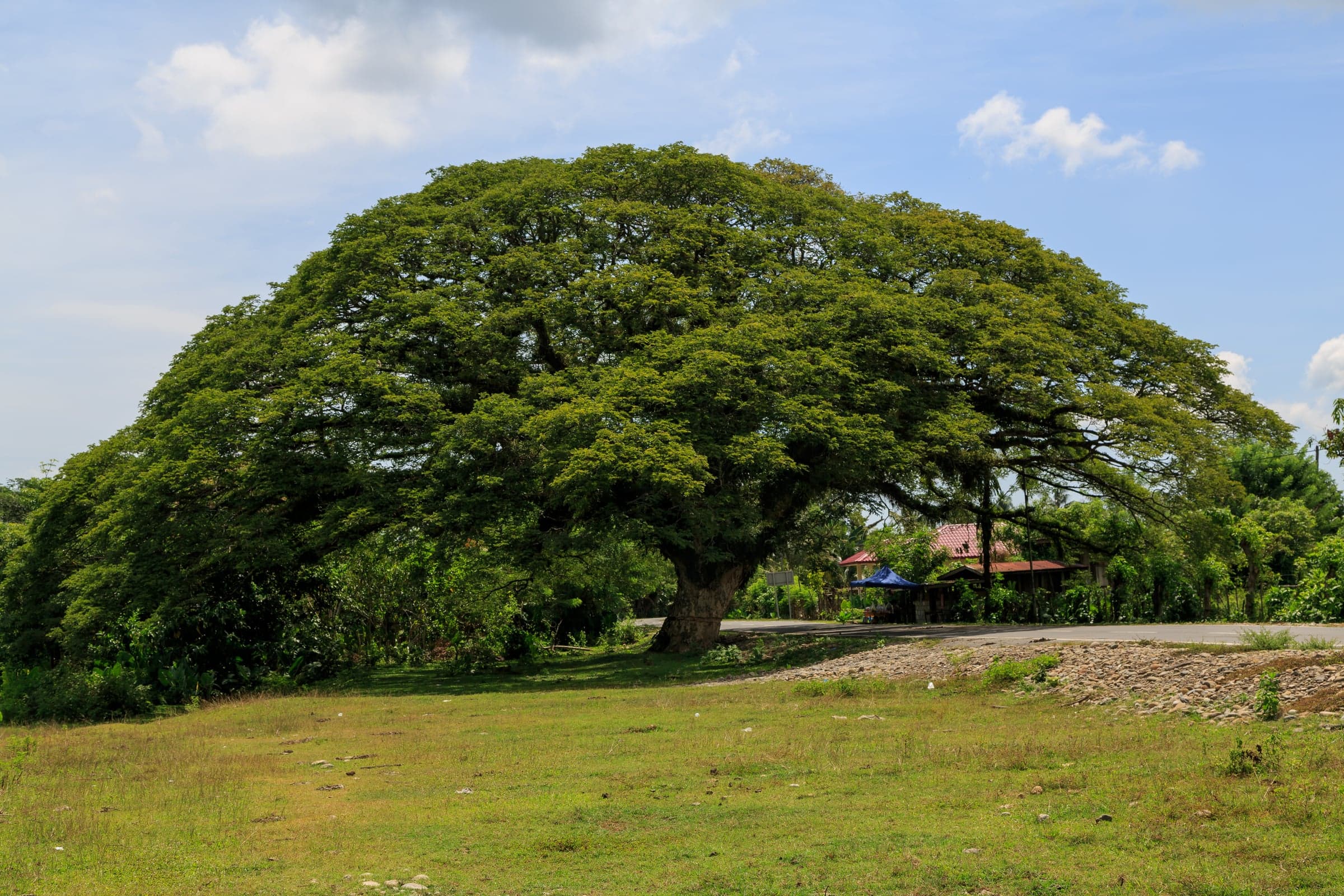
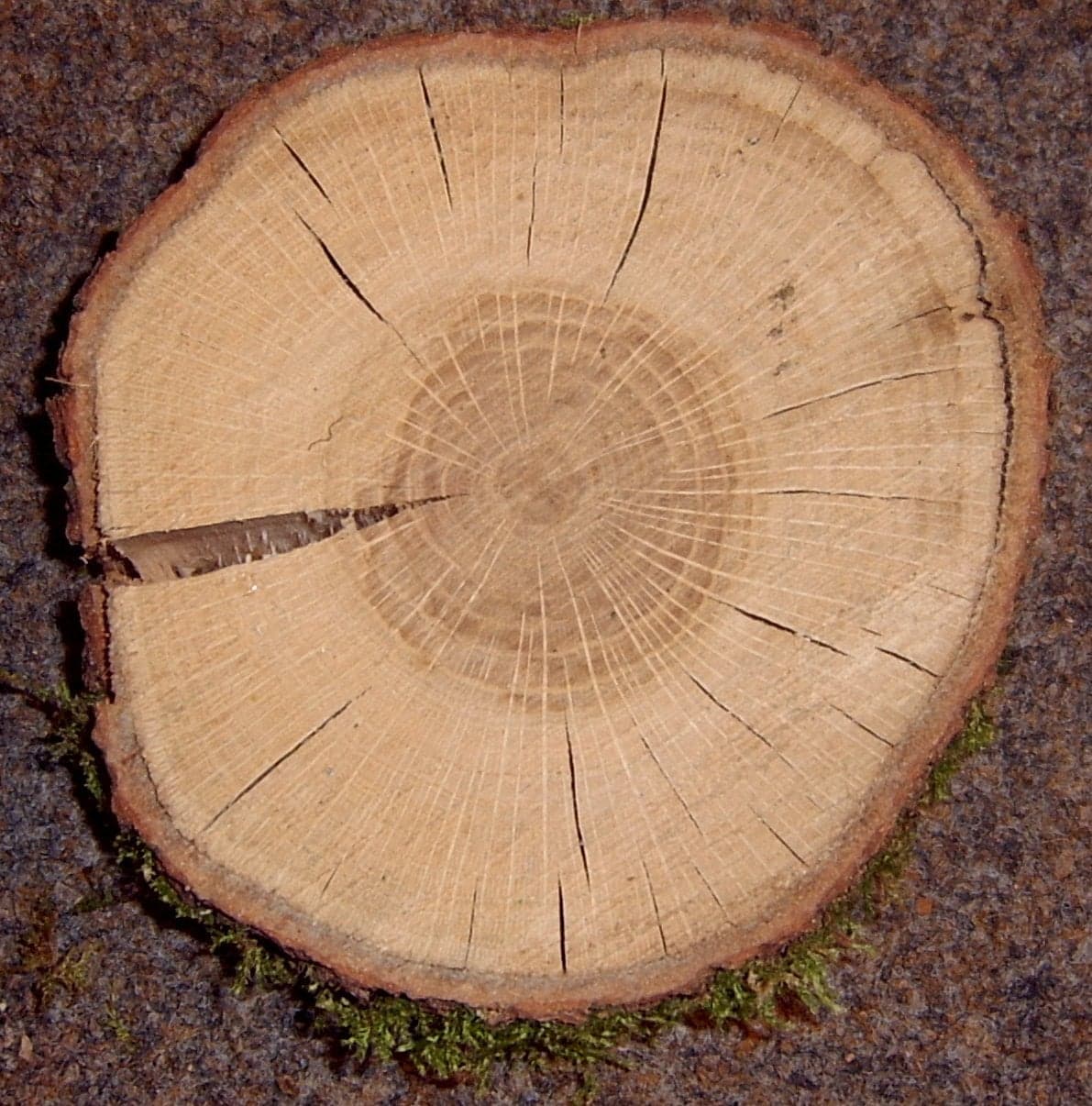
  • Saman erezete

    Saman

    Samanea saman

    4 darab

  • European Oak erezete

    European Oak

    Quercus robur

    6 darab

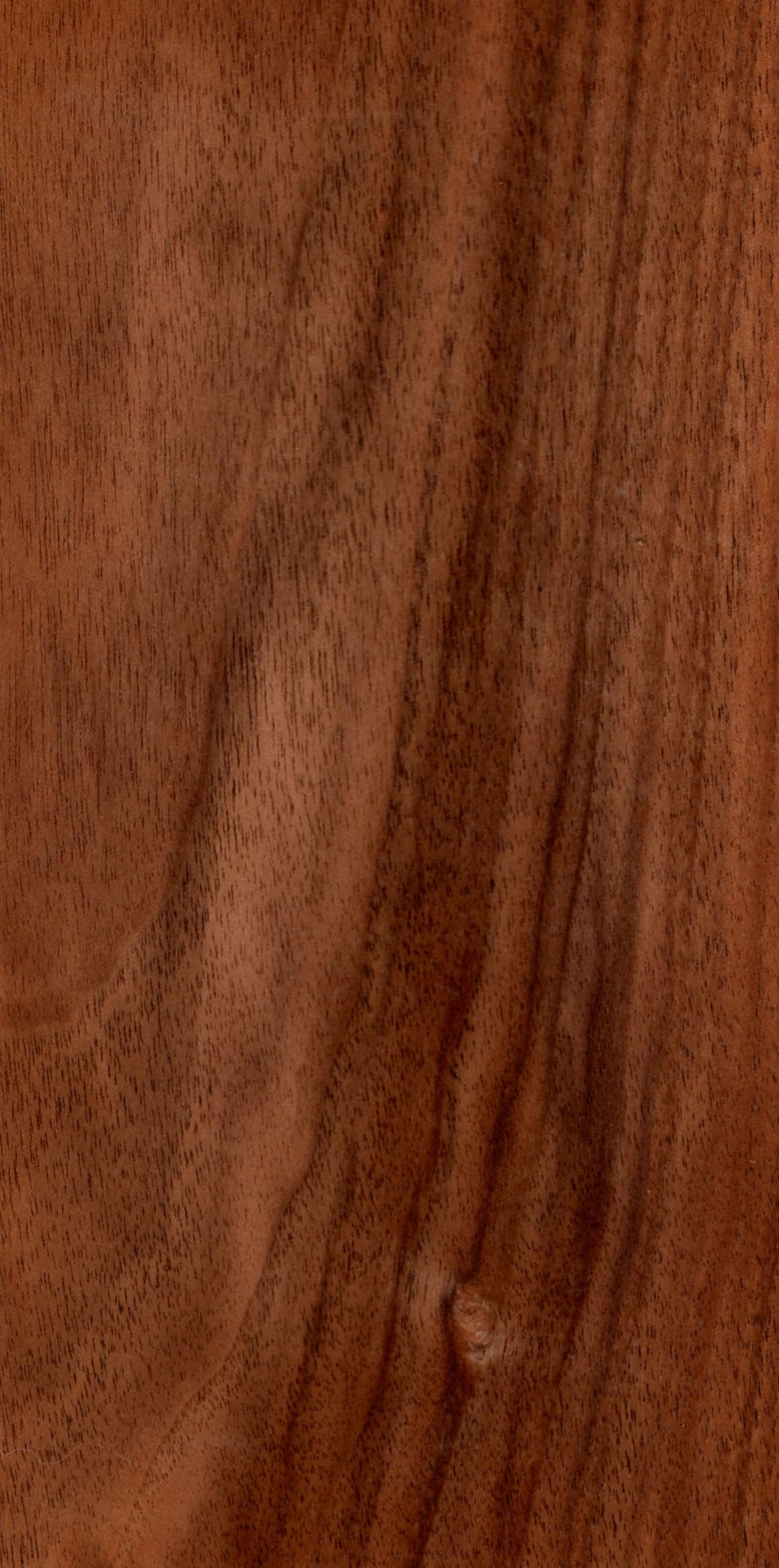
  • European Walnut erezete

    European Walnut

    Juglans regia

    9 darab

Értesítés erről: Douglas Fir

E-mailt küldünk, amikor új Douglas Fir pallók érkeznek a KORENA kínálatába. Minden darab egyedi, ezért számít a korai értesítés.

Havonta néhány e-mail. Nincs levélszemét, bármikor leiratkozhat.

A faanyag megjelenése

Így néz ki

Warm reddish tan to light brown heartwood with a distinctly orange cast, against pale sapwood. The ring figure is bold and high contrast because the latewood bands are dense and dark, giving flatsawn faces a strong flame pattern. It is one of the stiffest softwoods available, which is why it dominates structural engineered timber.

  • Reddish tan to light brown with a warm orange cast
  • Bold high contrast growth ring figure
  • Pale narrow sapwood, deepens with light exposure
  • Straight grain with bold, high-contrast growth rings from dense dark latewood. Reddish tan to light brown with a warm orange cast against pale sapwood.

Megmunkálás

Megmunkálás

Machines well but has a moderate blunting effect on cutters, noticeably more than spruce or pine. It accepts stains, glues and finishes well. The dense latewood bands are the machining challenge: they are much harder than the earlywood between them and can tear out where grain rises, leaving a ridged surface. Sharp tooling and light finishing cuts matter, and a helical head is a real advantage.

Felületkezelés

Takes oil and clear finishes well and the colour deepens attractively toward a richer red brown. Like all species with strong density contrast between earlywood and latewood, it blotches under pigment stain, so a conditioner or dye is the safer route. Its natural colour is warm enough that most makers leave it clear.

Szárítás

Dries reasonably well but is prone to surface checking in thick sections if pushed, and European grown fast ring stock is more troublesome than slow grown material. Volumetric shrinkage at around 11.6 percent is the lowest in this group, which combined with a favourable tangential to radial ratio makes properly dried Douglas Fir one of the more stable softwoods in service.

Mennyit fog mozogni?

A fa a levegő nedvességének változásával szélességében dagad és zsugorodik. A rögzítések megtervezése előtt becsülje meg egy Douglas Fir lap évszakos mozgását.

Vágásirány
Felhasználás helye

Várható évszakos mozgás

körülbelül 8,3 mm

A lapot asztallap-rögzítő vasalattal vagy hornyolt konzollal rögzítse, ne ragasztóval vagy szoros csavarokkal.

Lineáris zsugorodási modell: szélesség × (zsugorodás ÷ 28 % rosttelítettség) × évszakos nedvességingadozás. A(z) Douglas Fir 7,3 %-os húrirányú zsugorodásával számol. Tervezési becslés, nem garancia.

Mennyibe kerül?

Biztonság és beszerzés

  • Európán kívül termesztik, és európai partnertelepeken keresztül importálják.
  • IUCN Vörös Lista-besorolás: a fafaj globális természetvédelmi értékelése.
  • Reported to cause skin irritation, nausea, giddiness and runny nose, along with an increased likelihood of splinters becoming infected. That last point is worth taking seriously: Douglas Fir splinters are notorious for going septic. Gloves when handling rough stock and proper extraction during machining are advisable.

A teljes útmutatóRészletes tudnivalók a rajzolatról, színváltozásról, megmunkálásról és alaktartásról.+

What Douglas Fir actually is#

Pseudotsuga menziesii is not a fir. It sits in its own genus, separate from the true firs of Abies, and the name is a historical accident that never got corrected. The distinction is not pedantry. Silver Fir is the softest wood in this catalogue at 1,420 N Janka; Douglas Fir is nearly twice as hard at 2,760 N, considerably stiffer, more durable, and much harder on cutting edges. Expecting one to behave like the other leads to bad decisions.

It is native to western North America and has been planted across Europe since the nineteenth century. That matters when buying, because European plantation stock and North American old growth are the same species performing quite differently.

Reading a Douglas Fir slab#

The colour is the immediate draw: a warm reddish tan with an orange cast that deepens under light toward a richer red brown. Against the pale narrow sapwood the contrast is clean.

The ring figure is the real signature. Douglas Fir lays down dense dark latewood bands against much softer earlywood, and on a flatsawn face that produces a bold flame pattern with high contrast, closer to a ring-porous hardwood than to the quiet figure of spruce.

That same contrast is what you must read for quality. Ring spacing separates slow grown material, with a high proportion of dense latewood, from fast grown European plantation stock with wide soft earlywood bands. The slow grown board is stronger, more durable and more attractive. The fast grown one is neither wrong nor a bargain, it is simply a different material, and for structural or exterior work the difference is not cosmetic.

Vásárlói kérdések

Vásárlói kérdések

Is Douglas Fir actually a fir?

+

No. Pseudotsuga menziesii is its own genus, distinct from the true firs in Abies such as Silver Fir. The name is a historical misnomer that stuck. The practical consequence is that it behaves nothing like Silver Fir: it is far stiffer, harder, more durable and considerably more difficult on cutting edges.

How stiff is it compared to other softwoods?

+

Its elastic modulus is 12.17 GPa, the highest of any softwood KORENA lists and above European Larch at 11.80 GPa. Stiffness is why it dominates structural glulam and why it is the right choice for a long shelf or an unsupported span where deflection matters more than hardness.

Can I use it outdoors?

+

It is rated moderately durable regarding decay but is susceptible to insect attack, so it sits below European Larch for exterior work. It performs well in protected exterior joinery such as windows and doors under a maintained finish. For unprotected decking or ground contact, larch is the better choice from this group.

Why do Douglas Fir splinters get infected so often?

+

Mechanikai tulajdonságok

Műszaki adatok

Közzétett referenciaértékek. Ha a források eltérnek, a tartományt mutatjuk, a fenti skálák pedig a jellemző értéket használják.

Sűrűség (kg/m³)Egy köbméter tömege körülbelül 12 % nedvességtartalomnál. A nehezebb fa általában keményebb és erősebb.510 kg/m³
Janka-keménység (N)A faanyagba félig benyomott acélgolyóhoz szükséges erő. A benyomódással szembeni ellenállás szabványos mérőszáma.2,760 N
MOR: hajlítószilárdság (MPa)Hajlítószilárdság: az a terhelés, amelynél a gerenda eltörik.86 MPa
MOE: rugalmassági modulus (GPa)Hajlítási merevség: mennyire hajlik meg egy polc vagy lap terhelés alatt.12.2 GPa
Sugárirányú zsugorodásZsugorodás az évgyűrűkre merőlegesen, a nedves állapottól az abszolút szárazig. A sugármetszésű deszkák így mozognak.4.5 %
Húrirányú zsugorodásZsugorodás az évgyűrűk mentén. A húrmetszésű deszkák és a legtöbb palló így mozog.

No machine-readable author provided. Lumbar~commonswiki assumed (based on copyright claims)., via Wikimedia Commons

Pseudotsuga menziesii is native to western North America, from British Columbia to Mexico, and is not a European species. It has been planted extensively across Europe since the nineteenth century and much of the slab stock KORENA sees is European grown, which usually means faster growth and wider rings than old growth Pacific Northwest material.

  • Not listed in the CITES Appendices and assessed by the IUCN as Least Concern. It is not native to Europe, so European grown material is plantation stock rather than natural forest. Imported North American old growth carries a longer and more scrutinised supply chain under EUDR. European grown Douglas Fir is generally the simpler documentation path and the lower carbon one.

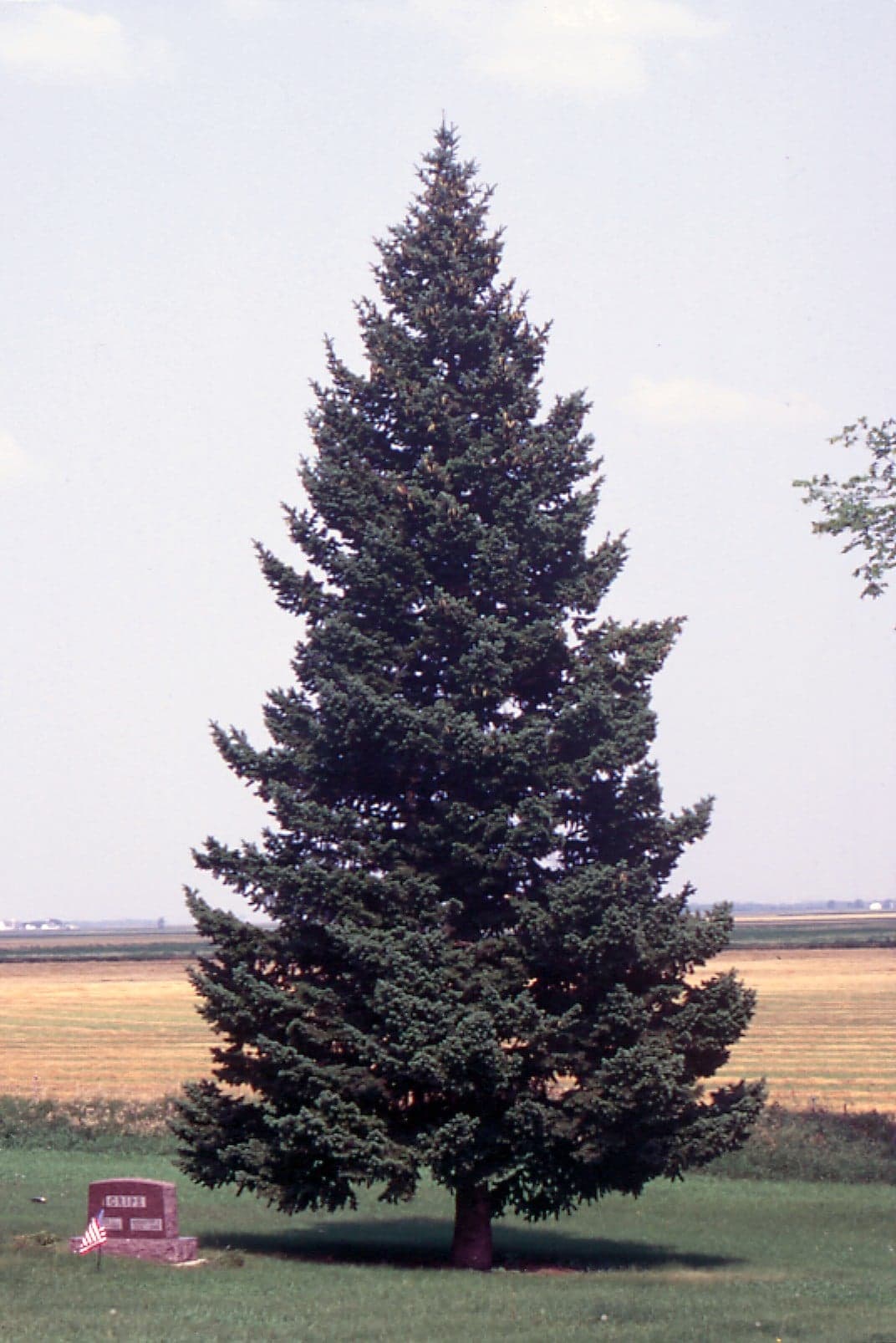
  • Douglas Fir fa

    USDA-NRCS PLANTS Database / Herman, D.E. et al. 1996. North Dakota tree handbook. USDA NRCS ND State Soil C..., via Wikimedia Commons

    At the bench#

    Douglas Fir machines well but it will dull your tooling faster than any other softwood here. Plan for sharpening more often, and accept that a marginal blade produces a markedly worse result on this species than on pine.

    The density contrast between earlywood and latewood is the specific machining challenge. Where the grain rises, a hard latewood band can tear out while the soft earlywood either side cuts cleanly, leaving a ridged or stepped surface that a scraper must fix. Light finishing cuts help. A helical cutterhead helps a great deal more, and on wide slabs it is close to essential if you want a surface that needs minimal sanding.

    Gluing and fastening are straightforward. It takes stains, glues and finishes well, and it holds screws better than the softer conifers here, though pilot holes near end grain remain sensible.

    One practical warning that is not folklore: Douglas Fir splinters carry a documented increased likelihood of becoming infected. Wear gloves handling rough sawn stock, and deal with any splinter promptly rather than leaving it to work its way out.

    Stiffness, and why it matters#

    The number that distinguishes this species is its elastic modulus, 12.17 GPa, the highest of any softwood in the KORENA catalogue and above European Larch at 11.80 GPa. Stiffness is not hardness. Hardness resists denting; stiffness resists bending.

    For a slab that must span a distance without visible sag, a long shelf, an unsupported bench top, an exposed structural beam, stiffness is the property that governs the outcome, and Douglas Fir is the correct answer in this group. It is why the species dominates structural glulam and engineered timber worldwide.

    For a dining table that must resist a dropped pan, hardness governs, and Douglas Fir at 2,760 N is still soft. Choose on the property that matches the failure you actually care about.

    Drying and movement#

    It dries reasonably but is prone to surface checking in thick sections if the schedule is pushed, and fast grown European material is more troublesome in this respect than slow grown stock.

    The payoff is stability in service. Volumetric shrinkage at around 11.6 percent is the lowest of any species in this group, and the tangential to radial ratio at 7.3 against 4.5 percent is comparatively favourable. Properly dried Douglas Fir is one of the more dimensionally reliable softwoods once it is in the room.

    Where Douglas Fir is the right answer#

    Exposed structural work, long spans, tabletops where the orange ring figure is wanted, flooring, and protected exterior joinery such as windows and doors under a maintained finish.

    It is the wrong answer for unprotected exterior work in contact with ground or standing water, where it is rated moderately durable but insect susceptible and European Larch outperforms it. It is also the wrong answer if your tooling is marginal, because this species is unforgiving of dull edges in a way pine is not.

    Sourcing and EUDR#

    Not CITES listed and assessed as Least Concern. The EUDR consideration here is different from the rest of this group because the species is not European. Imported North American old growth carries a longer supply chain with more scrutiny attached. European grown plantation material generally offers both the simpler documentation path and the lower transport carbon, at the cost of the wider rings discussed above. KORENA listings record the yard and region, so which of the two you are buying is visible on the passport rather than inferred from price.

    This is a documented characteristic of the species rather than folklore. Splinters from Douglas Fir carry an increased likelihood of becoming infected, which is why gloves when handling rough sawn stock are worth the inconvenience. Clean and treat any splinter promptly rather than leaving it.

    Is European grown different from American?

    +

    Yes, materially. European plantation Douglas Fir grows faster, producing wider rings, a lower proportion of dense latewood, and lower strength and durability than old growth Pacific Northwest stock. Both are the same species and neither is wrong, but they are not interchangeable for structural or exterior work. Ring count is the thing to look at.

    7.3 %
    Térfogati zsugorodásTeljes térfogatváltozás a nedves állapottól az abszolút szárazig. Az alacsonyabb érték jobb alaktartást jelent.11.6 %
    Természetes tartósság (EN 350)A természetes korhadásállóság európai szabványa 1-től (nagyon tartós) 5-ig (nem tartós).Class 3 — Moderately durable

    Források

    • The Wood Database — Douglas Fir (Pseudotsuga menziesii)(hozzáférés: 2026-08-12)
    • USDA FPL Wood Handbook FPL-GTR-190 (2010)(hozzáférés: 2026-08-12)
    • Meier, E. — WOOD! Identifying and Using Hundreds of Woods Worldwide (2015)(hozzáférés: 2026-08-12)

    Figyeljen erre

    • Kezelés nélkül nem kültérre valóTermészetes tartóssága az EN 350 szerint 3. osztály az 5-ből. Tartsa beltérben, vagy lássa el karbantartott felületkezeléssel.
    • A por irritálCsiszoláskor és gépi megmunkáláskor használjon porelszívást és maszkot.

    Koppintson egy címkére a részletekért.

    Röviden

    A szintek minden KORENA-fafajnál azonos sávokat használnak, ezért közvetlenül összehasonlíthatók. Mindegyik alatt szerepel a mért érték.
    KeménységEllenállás a benyomódással és kopással szembenElég puha

    Janka-keménység: 2760 N

    45 %-kal puhább az európai tölgynél

    TömegMilyen nehéz felemelni egy pallótKönnyű

    510 kg/m³

    AlaktartásMilyen keveset mozog az évszakokkalÁtlagos

    11,6 % térfogati zsugorodás

    MegmunkálásFűrészelés, gyalulás, csiszolás és ragasztásKözepes

    3,7 / 5 műhelyátlag

    Kültéri használatTermészetes korhadásállóság, EN 350Fedett kültérre

    EN 350, 3. osztály

    • Fűrészelés · Nagyon jóMilyen tisztán vágható, és mennyire koptatja a fűrészlapot.1 = nehéz · 5 = kiváló
    • Gyalulás · Nagyon jóMilyen sima felületet hagy, és mennyire hajlamos kiszakadásra.1 = nehéz · 5 = kiváló
    • Csiszolás · Nagyon jóMilyen gyorsan csiszolható simára a papír eltömődése nélkül.1 = nehéz · 5 = kiváló
    • Esztergálás · JóHogyan vágható és munkálható készre esztergán.1 = nehéz · 5 = kiváló
    • Faragás · JóMilyen élesen tartja a részleteket vésővel faragva.1 = nehéz · 5 = kiváló
    • Ragasztás · Nagyon jóMennyire megbízhatóan tartanak a ragasztott kötések.1 = nehéz · 5 = kiváló
    • Csavar- és szegtartás · Nagyon jóMennyire jól tartja a csavart és a szeget repedés nélkül.1 = nehéz · 5 = kiváló
    • Gőzöléses hajlítás · JóMennyire jól hajlítható gőzölés után.1 = nehéz · 5 = kiváló

    A(z) Douglas Fir faanyag jelenlegi európai ára köbméterenként, áfa nélkül. Koppintson bármelyik árra a részletekért.

    • Első osztályú rönkök árverésenBeadási árveréseken értékesített válogatott, kiváló minőségű rönkök, főként furnér- és bútorgyártóknak. Ilyen rönkökből készülnek a pallók.A legtöbb ár 197 EUR és 203 EUR között van.50 ár alapján, 1 régióból.Legfrissebb adatok: 2026. szept. 24.
    • Általános rönkökErdőtulajdonosok és állami erdészetek által nagy tételben értékesített szabványos hengeresfa, főként építőipari és ipari célokra.A legtöbb ár 28 EUR és 158 EUR között van.6 ár alapján, 2 régióból.Legfrissebb adatok: 2026. szept. 15.

    Miért kerül ennél többe egy palló?

    Ezek a nyers faanyag árai. A palló a rönk legjobb vágata, amelyet legalább egy évig szárítanak, majd darabonként ellenőriznek és megmérnek. Egy rönknek csak kis részéből lesz palló.

    Forrás: KORENA Timber Index · Legfrissebb adatok: 2026. szept. 24.

    Összes regionális ár