KORENA
FaanyagokBútorokMűhelyPartnerekNapló

Fedezd fel az új pallókat az elsők között

Értesítést küldünk e-mailben, amikor új faanyag érkezik.

Havonta néhány e-mail. Nincs levélszemét, bármikor leiratkozhat.

KORENA

Vásárolj tömör faanyagokat, kézzel készült bútorokat, szerszámokat és felületkezelőket a KORENA kínálatából.

Áruház

  • Termékek böngészése
  • Eladott darabok
  • Rendelés követése

Tudnivalók

  • Napló
  • Fafajismertetők
  • Fogalomtár
  • Növényútlevelek és károsítózónák
  • Összehasonlítás
  • Szerzők

Segítség

  • Rólunk
  • Hogyan működik?
  • Eladó leszekÚj
  • Palló beszerzése
  • Ügyfélszolgálat
  • Dokumentumsablonok
  • Sajtó

Vásárlás

  • Értékesítési feltételek
  • Elállási jog
  • Visszaküldés és jótállás
  • Szállítás és kézbesítés

Bizalom

  • Adatvédelmi szabályzat
  • Sütikre vonatkozó szabályzat
  • A fa eredete és az EUDR
  • Akadálymentesség

Impresszum

  • Jogi nyilatkozat / Impresszum
  • Elfogadható használat
  • Szellemi tulajdon és tartalom

© 2026 KORENA. Minden jog fenntartva.

Üzemeltető: Martial Labs Ltd. (BG, EIK 207453941). A KORENA a Martial Labs Ltd. kereskedelmi neve.

Tiszteletben tartjuk a magánszféráját

Az oldal működéséhez elengedhetetlen sütiket használunk. Engedélyével elemzési, személyre szabási és hirdetési sütiket is használnánk. Döntését bármikor módosíthatja a hozzájárulási beállítások oldalon. További részleteket a sütikre vonatkozó szabályzatban és az adatvédelmi szabályzatban talál.

  1. Kezdőlap
  2. /
  3. Fafajok
  4. /
  5. Feketefenyő

Pinus nigra

Feketefenyő

A pale timber from a dark tree. Works like Scots Pine, stays lighter with age, and moves less than any pine here.

  • This species is recorded as commercially grown in Europe. This does not establish where an individual piece was harvested; check its origin details.
  • Botanikai csoport. A fenyőfélék tűlevelűek, a lombos fák széles levelűek.
  • A fafaj botanikai családja.
Értesítést kérek érkezéskorReferenciafafaj. Jelenleg nincs készleten.
  • Illik a projekthez?
  • Készleten
  • Megjelenés
  • Megmunkálás
  • Mozgás
  • Ár
  • Biztonság és beszerzés
  • Kérdések
  • Műszaki adatok

Megfelel az Ön projektjéhez?

Kiváló ehhez

  • Painted furniture
  • Panelling
  • Carcass work
  • Shelving
  • Interior joinery

Nincs Feketefenyő a jelenlegi kínálatban

Hasonló, készleten lévő fafajok

Jelenleg nincs Feketefenyő. Ezek a fafajok hasonló projektekhez valók, és van belőlük elérhető darab.
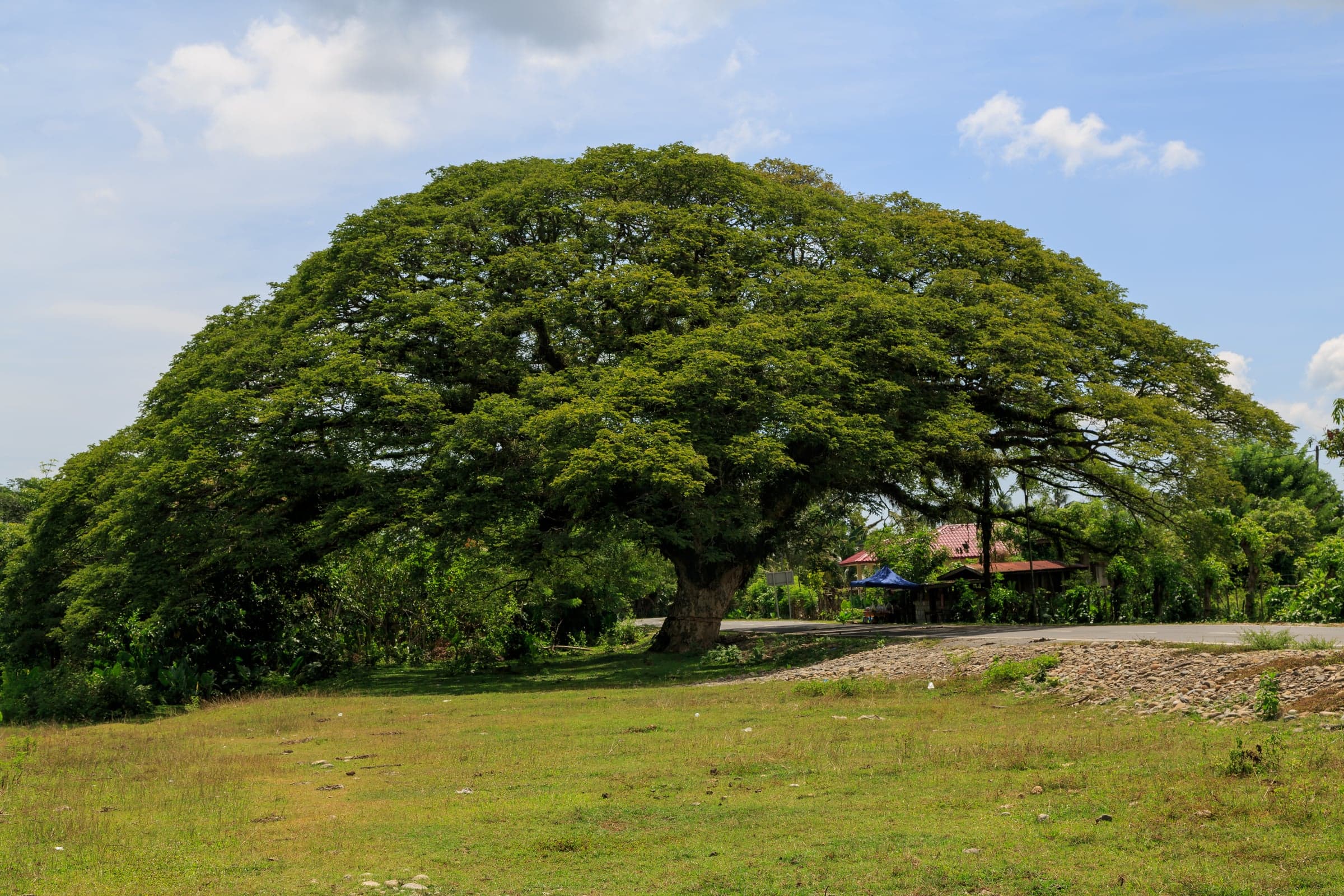
  • Saman erezete

    Saman

    Samanea saman

    4 darab

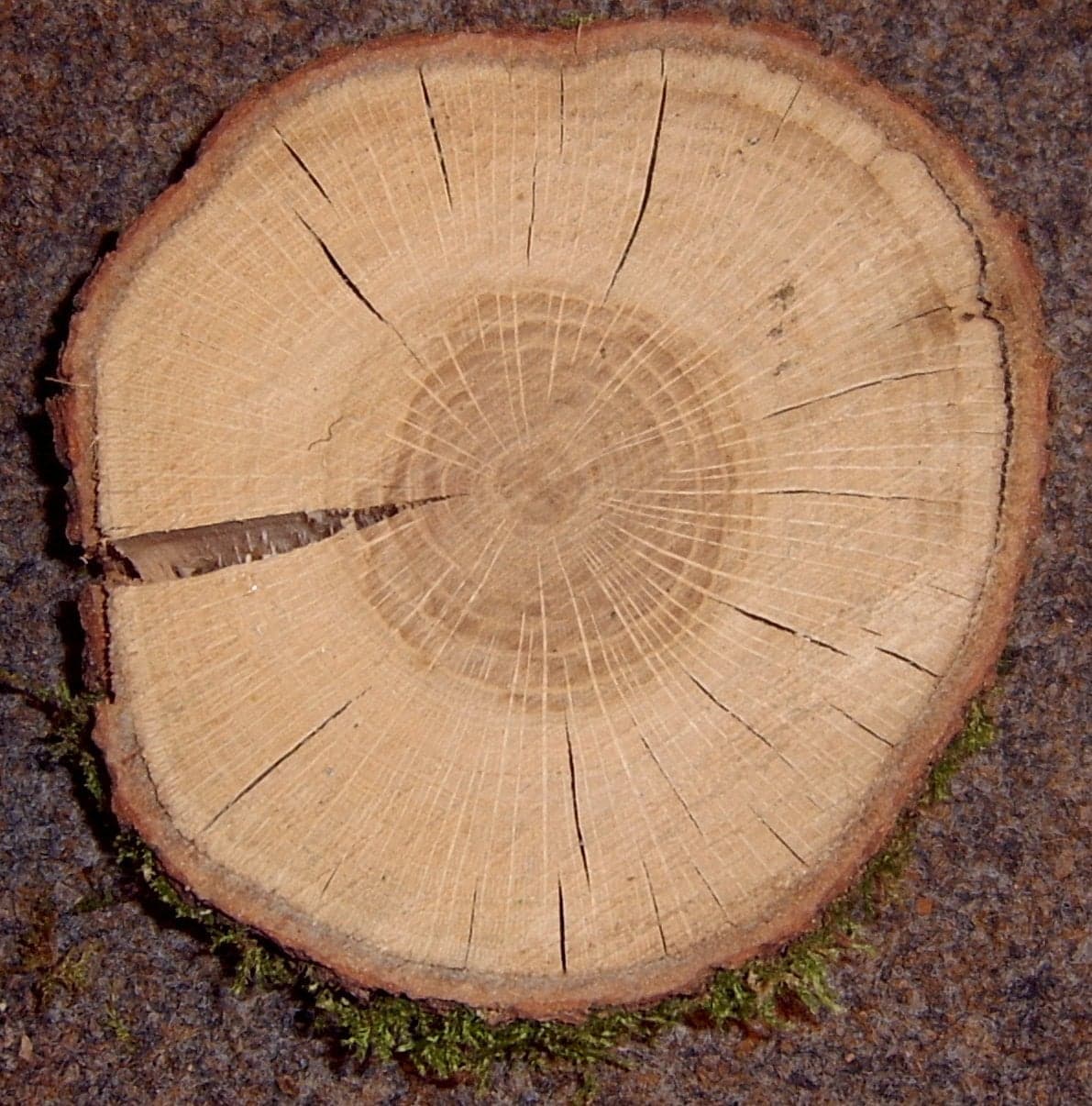
  • Európai tölgy erezete

    Európai tölgy

    Quercus robur

    6 darab

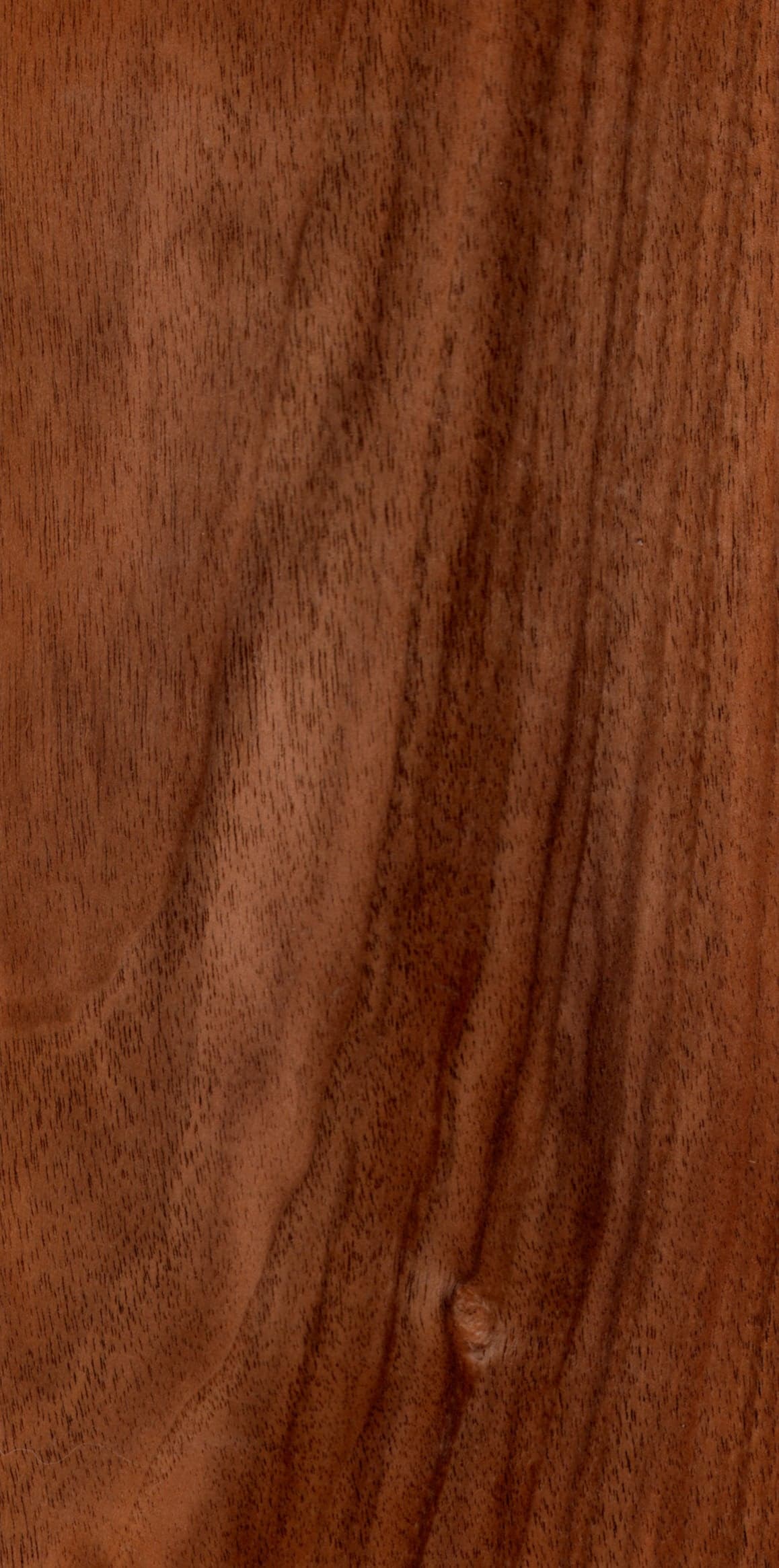
  • Európai diófa erezete

    Európai diófa

    Juglans regia

    12 darab

Értesítés erről: Feketefenyő

E-mailt küldünk, amikor új Feketefenyő pallók érkeznek a KORENA kínálatába. Minden darab egyedi, ezért számít a korai értesítés.

Havonta néhány e-mail. Nincs levélszemét, bármikor leiratkozhat.

A faanyag megjelenése

Így néz ki

Pale yellow to light brown heartwood against wide pale sapwood, closely resembling Scots Pine but generally a shade paler and with tighter, more regular growth rings. Knots tend to be smaller and more evenly distributed than in Scots Pine, which gives a calmer overall surface. The name refers to the dark bark and foliage of the tree, not to the timber, which regularly surprises buyers.

  • Pale yellow to light brown, slightly paler than Scots Pine
  • Wide pale sapwood with modest heartwood contrast
  • Ambers with age, though less dramatically than Scots Pine
  • Egyenes, szabályos szálirányú faanyag, az erdeifenyőénél sűrűbb és egyenletesebb évgyűrűkkel. Halványsárga vagy világosbarna színű, kisebb és egyenletesebben eloszló göcsökkel.

Megmunkálás

Megmunkálás

Easy with both hand and machine tools, and it glues and finishes well. It behaves almost identically to Scots Pine at the bench, which makes it an easy substitution. Resin is present and blades will need periodic cleaning. Its slightly lower density than Scots Pine means edges bruise a little more readily, so sharp tools and light finishing cuts matter.

Felületkezelés

Takes finish well and takes wax as well as Scots Pine does. The same blotching caution applies to pigment stains, so use a conditioner or a dye. Seal knots with shellac before painting to stop resin bleeding through the film. Because it ambers less than Scots Pine, it holds a pale finished colour more faithfully over time, which is useful when a design depends on staying light.

Szárítás

Dries without much difficulty and with a low tendency to distort. Volumetric shrinkage is around 11.4 percent, the second lowest in this group after Douglas Fir, and the tangential to radial ratio at 7.3 against 4.1 percent is comparatively favourable. Properly dried Black Pine is more dimensionally stable in service than Scots Pine, which is its quiet advantage.

Mennyit fog mozogni?

A fa a levegő nedvességének változásával szélességében dagad és zsugorodik. A rögzítések megtervezése előtt becsülje meg egy Feketefenyő lap évszakos mozgását.

Vágásirány
Felhasználás helye

Várható évszakos mozgás

körülbelül 8,3 mm

A lapot asztallap-rögzítő vasalattal vagy hornyolt konzollal rögzítse, ne ragasztóval vagy szoros csavarokkal.

Lineáris zsugorodási modell: szélesség × (zsugorodás ÷ 28 % rosttelítettség) × évszakos nedvességingadozás. A(z) Feketefenyő 7,3 %-os húrirányú zsugorodásával számol. Tervezési becslés, nem garancia.

Mennyibe kerül?

Biztonság és beszerzés

  • This species is recorded as commercially grown in Europe. This does not establish where an individual piece was harvested; check its origin details.
  • IUCN Vörös Lista-besorolás: a fafaj globális természetvédelmi értékelése.
  • Working with pine has been reported to cause allergic skin reactions and asthma-like symptoms in some people. Normal extraction, a P2 mask during extended sanding, and gloves when handling resinous stock are appropriate.

A teljes útmutatóRészletes tudnivalók a rajzolatról, színváltozásról, megmunkálásról és alaktartásról.+

What Black Pine actually is#

Pinus nigra is named for the tree, not the wood. The bark is dark and the foliage almost black-green, and buyers ordering by name regularly expect something like walnut and receive a pale yellow board. The timber is light, close in appearance to Scots Pine, and frequently a shade paler still.

The species grows across southern Europe and Asia Minor in several regional subspecies, from Spain and Corsica through the Alps and Balkans into Turkey, and it has been planted far outside that range as a tough reforestation species tolerant of poor soil and drought. Slab stock reaching the EU market is usually Balkan or Austrian grown.

Why it is worth choosing over Scots Pine#

These two are genuinely close substitutes, so the case for Black Pine rests on two measurable differences.

The first is stability. Volumetric shrinkage is around 11.4 percent against 13.6 percent for Scots Pine, and the tangential to radial ratio at 7.3 against 4.1 percent is more favourable. In practice that means a flatsawn Black Pine panel cups less across a humidity swing than the equivalent Scots Pine or spruce board. For a wide panel or a door, that is the difference that matters.

The second is colour stability. Scots Pine ambers dramatically, which is its charm in a farmhouse table and a problem in a design that needs to stay pale. Black Pine ambers noticeably less. If a piece is specified light and must still read light in a decade, this is the better pine.

Vásárlói kérdések

Vásárlói kérdések

Why is it called Black Pine when the wood is pale?

+

The name describes the tree, not the timber. Pinus nigra has notably dark bark and very dark green foliage, which is what earned it the name. The wood itself is pale yellow to light brown and is often slightly lighter than Scots Pine, which regularly catches out buyers ordering by name alone.

How does it compare with Scots Pine?

+

Very closely at the bench, and the two are reasonable substitutes. Black Pine is a little harder at 2,920 N against 2,420 N Janka, slightly lower in density at 475 kg per cubic metre, and noticeably more dimensionally stable with volumetric shrinkage of 11.4 percent against 13.6 percent. It also ambers less with age, so it holds a pale finish better.

Is it stable enough for a wide panel?

+

It is one of the better softwood choices here for that. Its volumetric shrinkage of 11.4 percent is second only to Douglas Fir in this group, and the tangential to radial ratio is comparatively favourable, so flatsawn boards cup less than the equivalent in spruce or Scots Pine. A wide top should still float on slotted fasteners.

Can it be used outdoors?

+

Mechanikai tulajdonságok

Műszaki adatok

Közzétett referenciaértékek. Ha a források eltérnek, a tartományt mutatjuk, a fenti skálák pedig a jellemző értéket használják.

Sűrűség (kg/m³)Egy köbméter tömege körülbelül 12 % nedvességtartalomnál. A nehezebb fa általában keményebb és erősebb.475 kg/m³
Janka-keménység (N)A faanyagba félig benyomott acélgolyóhoz szükséges erő. A benyomódással szembeni ellenállás szabványos mérőszáma.2,920 N
MOR: hajlítószilárdság (MPa)Hajlítószilárdság: az a terhelés, amelynél a gerenda eltörik.64 MPa
MOE: rugalmassági modulus (GPa)Hajlítási merevség: mennyire hajlik meg egy polc vagy lap terhelés alatt.10.8 GPa
Sugárirányú zsugorodásZsugorodás az évgyűrűkre merőlegesen, a nedves állapottól az abszolút szárazig. A sugármetszésű deszkák így mozognak.4.1 %
Húrirányú zsugorodásZsugorodás az évgyűrűk mentén. A húrmetszésű deszkák és a legtöbb palló így mozog.
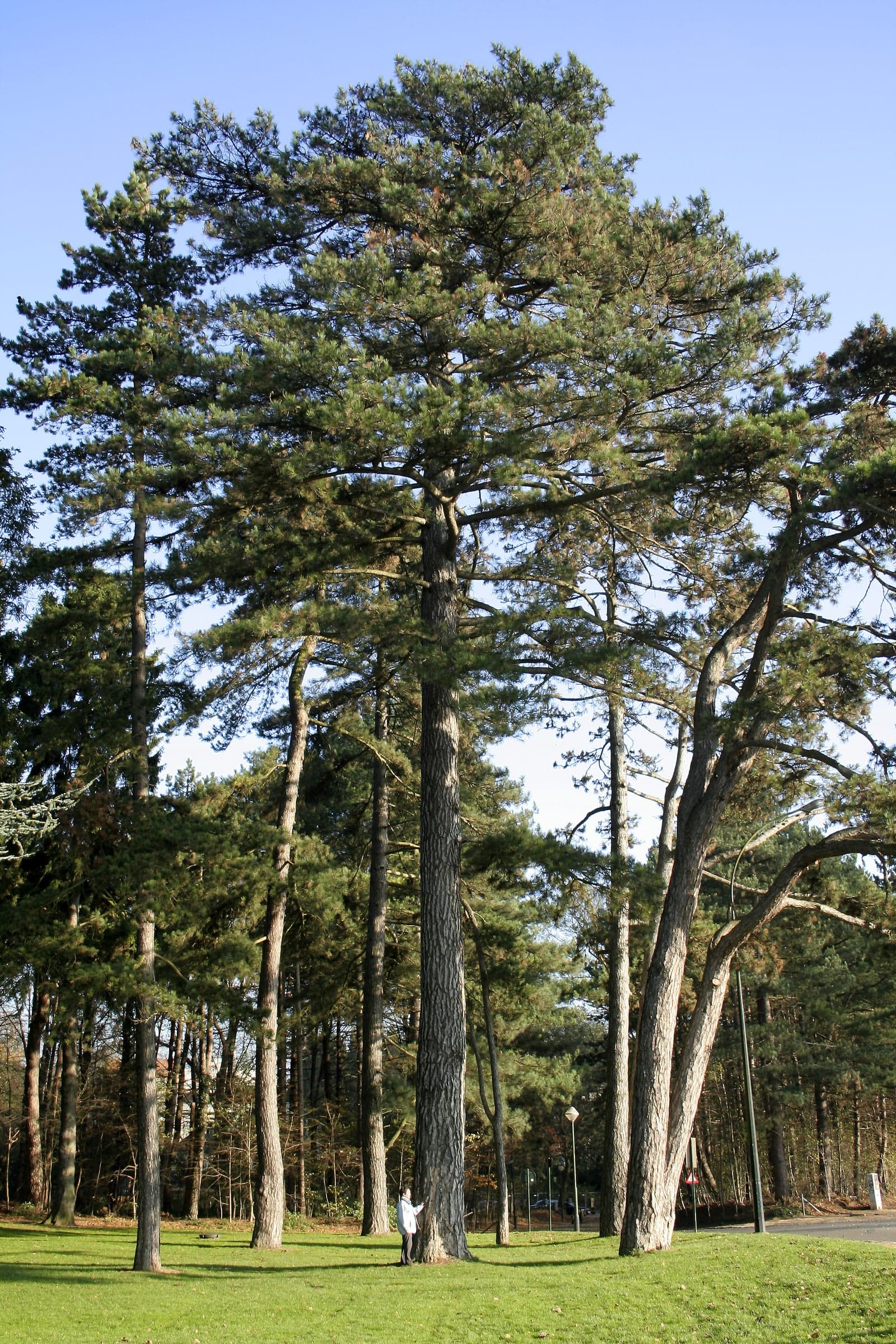
Feketefenyő fa

Jean-Pol GRANDMONT, via Wikimedia Commons

Pinus nigra grows across southern Europe and Asia Minor in several regional subspecies, from Spain and Corsica through the Alps and Balkans to Turkey. It has also been planted widely outside that range as a hardy reforestation species. Slab stock reaching KORENA is usually Balkan or Austrian grown.

  • Not listed in the CITES Appendices and assessed by the IUCN as Least Concern. It is widely planted for reforestation and erosion control across southern Europe, so supply is stable and certification coverage is reasonable. Balkan sourced material is common in the EU market and documentation is generally straightforward.

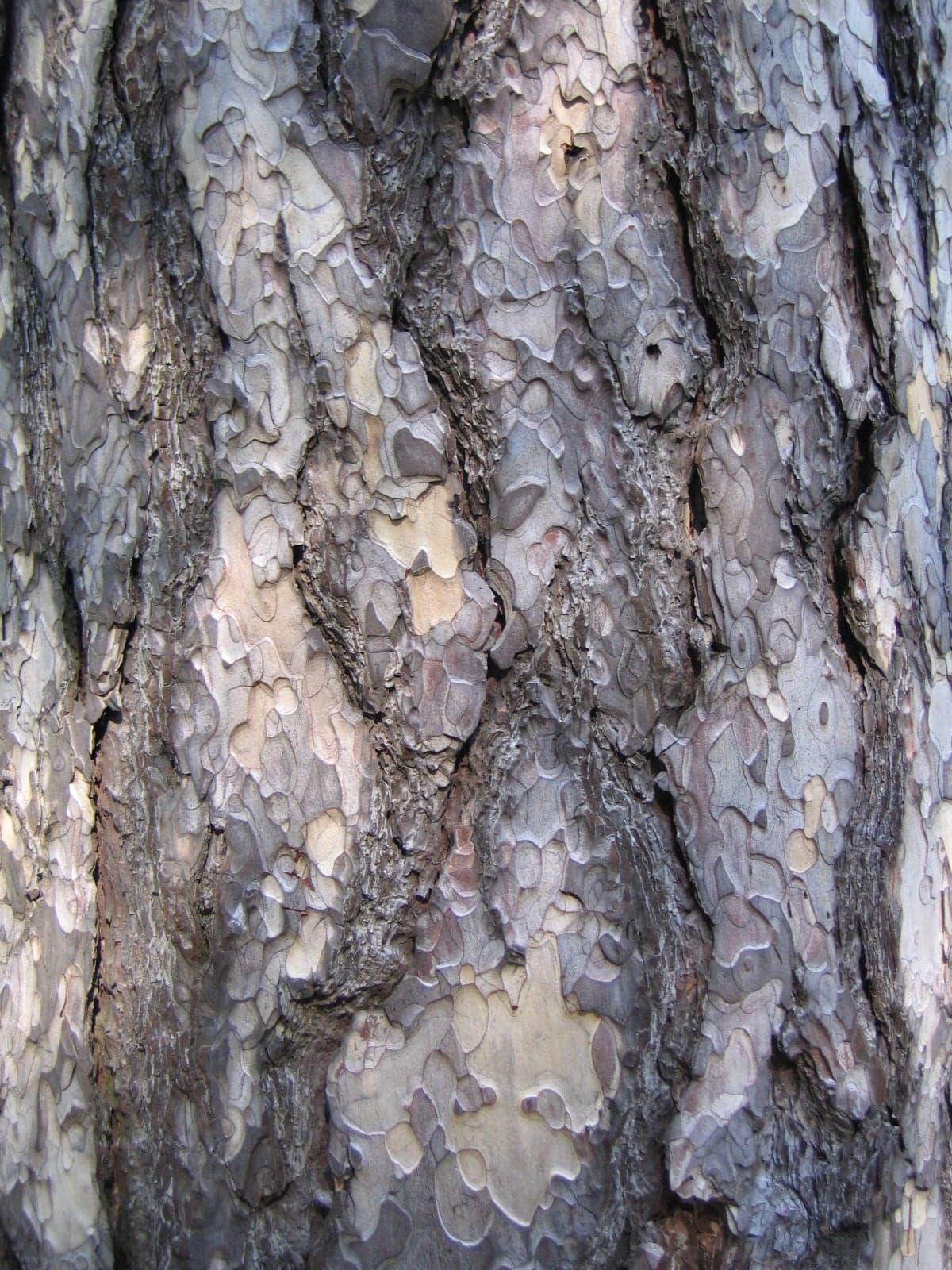
  • Feketefenyő: Kéreg
    Kéreg

    It is also slightly harder, at 2,920 N against 2,420 N on the Janka scale, though both are soft enough that the difference rarely decides anything.

    Reading a Black Pine slab#

    Colour range is narrow: pale yellow to light brown heartwood against a wide band of pale sapwood, with modest contrast between them. As with the other pale conifers, structure carries more information than colour.

    The knots are the pleasant surprise. Black Pine tends to produce smaller and more evenly distributed knots than Scots Pine, which gives a calmer, more regular surface across a wide slab. Fewer large knots also means fewer of the weak points that move independently of the board around them.

    Ring spacing follows the usual rule. Tighter rings from slower growth mean a denser, stiffer, more stable board.

    At the bench#

    If you have worked Scots Pine you already know how this behaves. It cuts cleanly with hand and machine tools, glues reliably, and finishes without argument.

    Its density is slightly lower than Scots Pine at 475 kg per cubic metre, and the practical consequence is that arrises bruise a little more easily. Sharp tools and light finishing cuts are worth the discipline, and a card scraper produces a better surface than aggressive sanding.

    Resin is present at roughly the level of Scots Pine, which is to say noticeable but manageable. Blades want periodic cleaning rather than constant attention.

    Knots remain the one place to slow down. They are hard and resinous, and a planer knife meeting one at speed can tear or spit it out.

    Finishing#

    It takes oil, wax and clear finishes readily, and wax over bare timber gives the same honest result it gives on Scots Pine.

    Two cautions carry over unchanged from the other pines. Pigment stains blotch because of the density difference between earlywood and latewood, so use a conditioner or switch to a dye. And every knot must be sealed with shellac before priming for a painted finish, because resin stays mobile for years and will migrate through ordinary primer to appear as brown rings long after the work looked finished.

    Where Black Pine is the right answer#

    Painted furniture, panelling, carcass work, shelving and interior joinery, particularly where a wide flat panel has to stay flat, or where the finished colour needs to stay pale rather than warming into honey.

    It is the wrong answer outdoors without treatment, since it is rated moderately durable to non-durable, and it is the wrong answer where the deep amber of aged Scots Pine is actually the effect being sought.

    Sourcing and EUDR#

    Not CITES listed and assessed as Least Concern. Black Pine is planted extensively for reforestation and erosion control across southern Europe, so supply is stable rather than scarce and certification coverage through Balkan and Austrian sources is reasonable. Documentation for EUDR purposes is generally straightforward, and KORENA listings record the originating yard and region on the passport.

    Not untreated. The heartwood is rated moderately durable to non-durable, similar to Scots Pine, so exterior use requires preservative treatment or a maintained finish. European Larch is the species in this group to reach for when the piece is exposed.

    Are the knots a problem?

    +

    Less so than in Scots Pine. Black Pine knots tend to be smaller and more evenly spread, which gives a calmer surface and fewer large weak points. They are still hard and resinous, so approach them with light cuts and seal them with shellac before any painted finish.

    7.3 %
    Térfogati zsugorodásTeljes térfogatváltozás a nedves állapottól az abszolút szárazig. Az alacsonyabb érték jobb alaktartást jelent.11.4 %
    Természetes tartósság (EN 350)A természetes korhadásállóság európai szabványa 1-től (nagyon tartós) 5-ig (nem tartós).Class 4 — Slightly durable

    Források

    • The Wood Database — Austrian Pine (Pinus nigra)(hozzáférés: 2026-08-12)
    • USDA FPL Wood Handbook FPL-GTR-190 (2010)(hozzáférés: 2026-08-12)
    • Meier, E. — WOOD! Identifying and Using Hundreds of Woods Worldwide (2015)(hozzáférés: 2026-08-12)

    Erősségek

    • Nagyon alaktartóCsekély évszakos mozgás. Jó széles lapokhoz és szoros illesztésekhez.
    • KezdőbarátKönnyen megmunkálható a műhelyben, és nem olyan kemény, hogy erősen koptassa a szerszámokat.

    Figyeljen erre

    • Kezelés nélkül nem kültérre valóTermészetes tartóssága az EN 350 szerint 4. osztály az 5-ből. Tartsa beltérben, vagy lássa el karbantartott felületkezeléssel.
    • A por irritálCsiszoláskor és gépi megmunkáláskor használjon porelszívást és maszkot.

    Koppintson egy címkére a részletekért.

    Röviden

    A szintek minden KORENA-fafajnál azonos sávokat használnak, ezért közvetlenül összehasonlíthatók. Mindegyik alatt szerepel a mért érték.
    KeménységEllenállás a benyomódással és kopással szembenElég puha

    Janka-keménység: 2920 N

    41 %-kal puhább az európai tölgynél

    TömegMilyen nehéz felemelni egy pallótKönnyű

    475 kg/m³

    AlaktartásMilyen keveset mozog az évszakokkalAlaktartó

    11,4 % térfogati zsugorodás

    MegmunkálásFűrészelés, gyalulás, csiszolás és ragasztásKönnyű

    4,0 / 5 műhelyátlag

    Kültéri használatTermészetes korhadásállóság, EN 350Csak beltérre

    EN 350, 4. osztály

    • Fűrészelés · Nagyon jóMilyen tisztán vágható, és mennyire koptatja a fűrészlapot.1 = nehéz · 5 = kiváló
    • Gyalulás · Nagyon jóMilyen sima felületet hagy, és mennyire hajlamos kiszakadásra.1 = nehéz · 5 = kiváló
    • Csiszolás · Nagyon jóMilyen gyorsan csiszolható simára a papír eltömődése nélkül.1 = nehéz · 5 = kiváló
    • Esztergálás · Nagyon jóHogyan vágható és munkálható készre esztergán.1 = nehéz · 5 = kiváló
    • Faragás · JóMilyen élesen tartja a részleteket vésővel faragva.1 = nehéz · 5 = kiváló
    • Ragasztás · KiválóMennyire megbízhatóan tartanak a ragasztott kötések.1 = nehéz · 5 = kiváló
    • Csavar- és szegtartás · Nagyon jóMennyire jól tartja a csavart és a szeget repedés nélkül.1 = nehéz · 5 = kiváló
    • Gőzöléses hajlítás · JóMennyire jól hajlítható gőzölés után.1 = nehéz · 5 = kiváló

    A(z) Feketefenyő faanyag jelenlegi európai ára köbméterenként, áfa nélkül. Koppintson bármelyik árra a részletekért.

    • Első osztályú rönkök árverésenBeadási árveréseken értékesített válogatott, kiváló minőségű rönkök, főként furnér- és bútorgyártóknak. Ilyen rönkökből készülnek a pallók.A legtöbb ár 180 EUR és 180 EUR között van.61 ár alapján, 1 régióból.Legfrissebb adatok: 2026. nov. 14.
    • Általános rönkökErdőtulajdonosok és állami erdészetek által nagy tételben értékesített szabványos hengeresfa, főként építőipari és ipari célokra.A legtöbb ár 36 EUR és 77 EUR között van.101 ár alapján, 4 régióból.Legfrissebb adatok: 2026. okt. 21.

    Általános rönkök országonként

    • Franciaország · 75 EUR / m³Régiók: Bourgogne-Franche-Comté és Grand Est / Alsace64 árLegfrissebb adatok: 2026. szept. 15.
    • Bulgária · 47 EUR / m³Régiók: North-West Bulgaria és South-East Bulgaria37 árLegfrissebb adatok: 2026. okt. 21.

    Miért kerül ennél többe egy palló?

    Ezek a nyers faanyag árai. A palló a rönk legjobb vágata, amelyet legalább egy évig szárítanak, majd darabonként ellenőriznek és megmérnek. Egy rönknek csak kis részéből lesz palló.

    Forrás: KORENA Timber Index · Legfrissebb adatok: 2026. nov. 14.

    Összes regionális ár