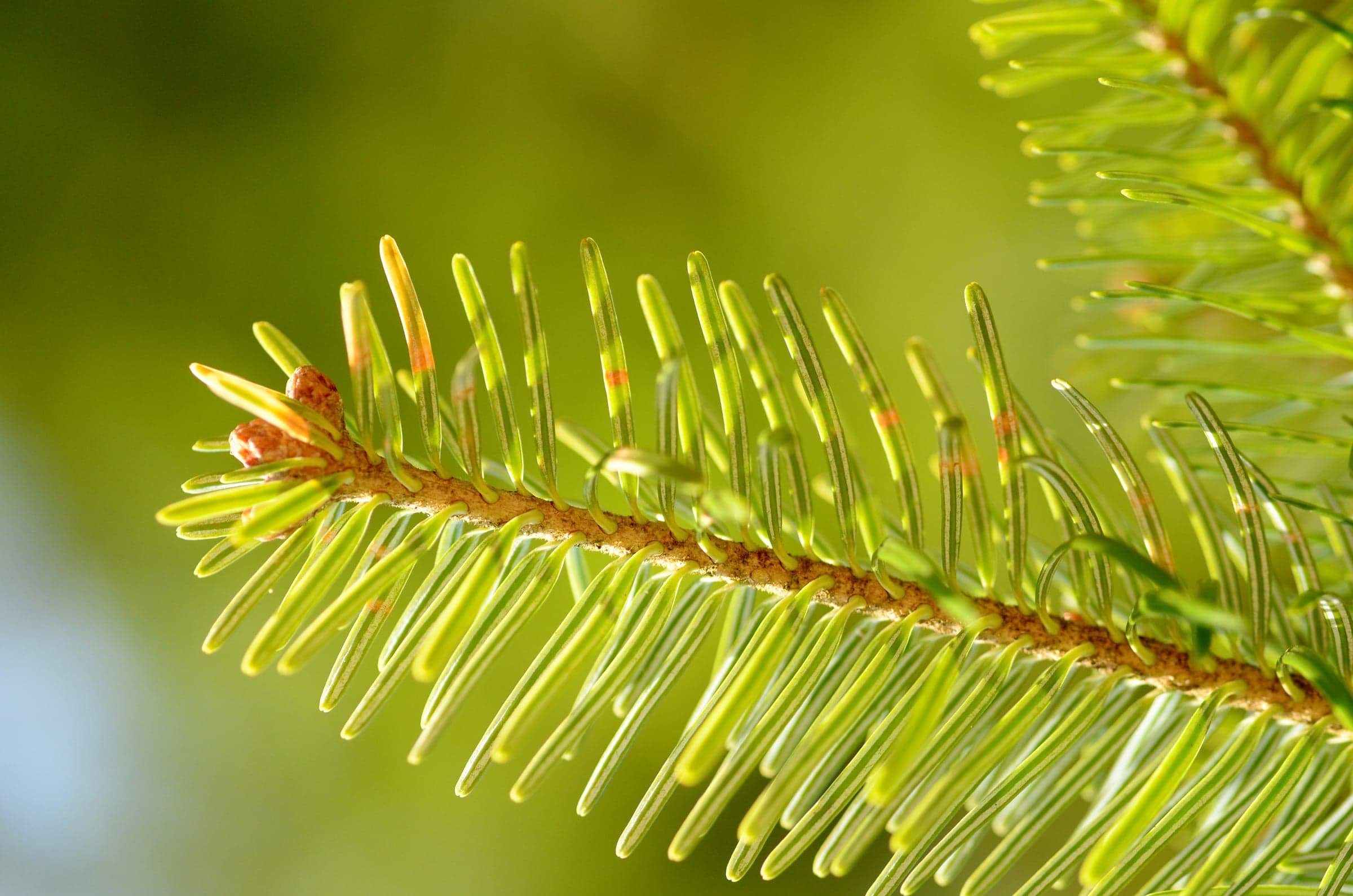
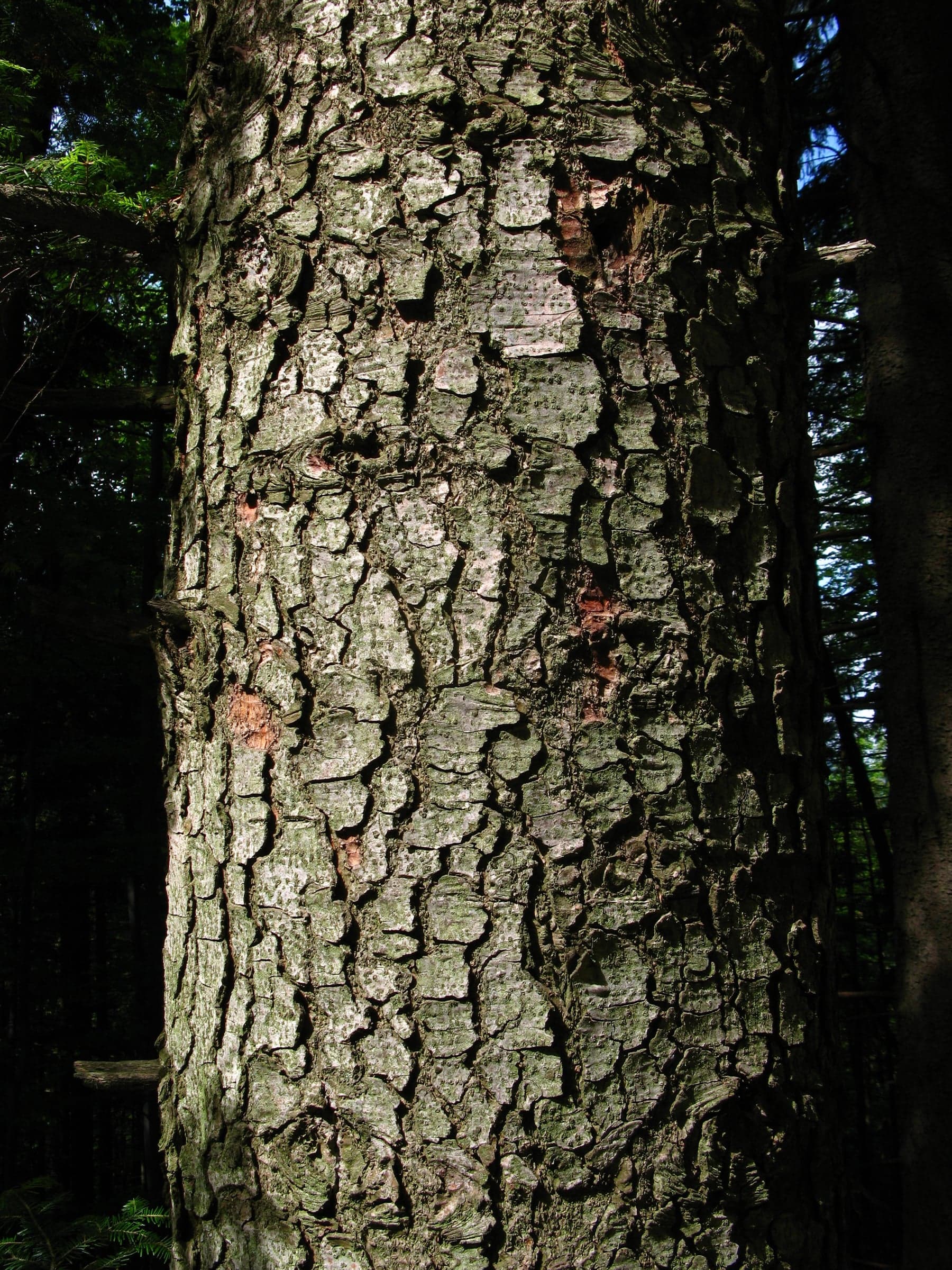
Abies alba
Silver Fir
Spruce without the resin. The softest species in the KORENA catalogue, and the best softwood here for a painted finish.
- Európában termesztik és termelik ki.
- Botanikai csoport. A fenyőfélék tűlevelűek, a lombos fák széles levelűek.
- A fafaj botanikai családja.
Értesítést kérek érkezéskorReferenciafafaj. Jelenleg nincs készleten.
Megfelel az Ön projektjéhez?
Kiváló ehhez
- Wall and ceiling panelling
- Painted furniture
- Lightweight carcass work
- Shelving
- Interior joinery
Nincs Silver Fir a jelenlegi kínálatban
Hasonló, készleten lévő fafajok
Jelenleg nincs Silver Fir. Ezek a fafajok hasonló projektekhez valók, és van belőlük elérhető darab.
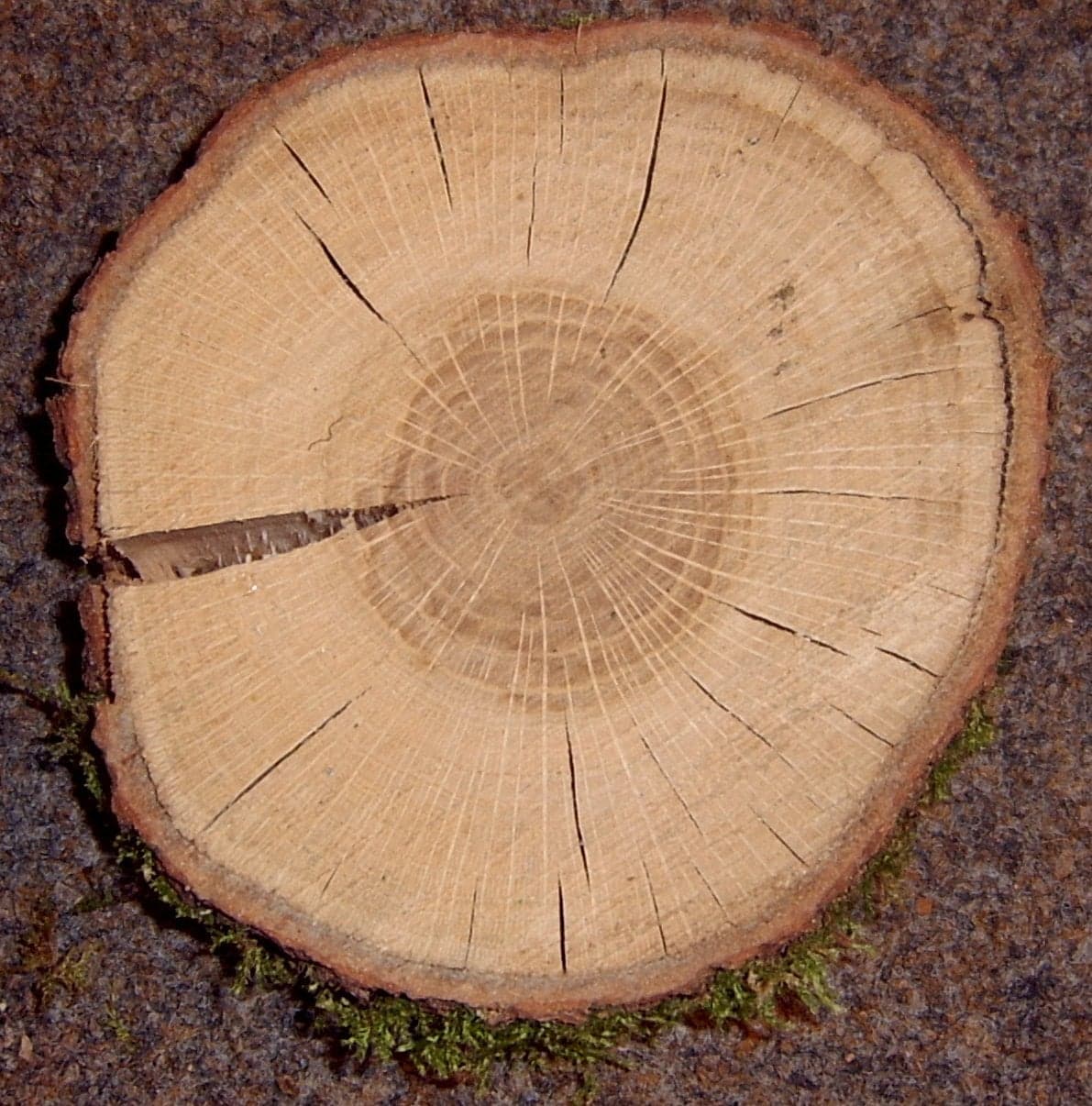
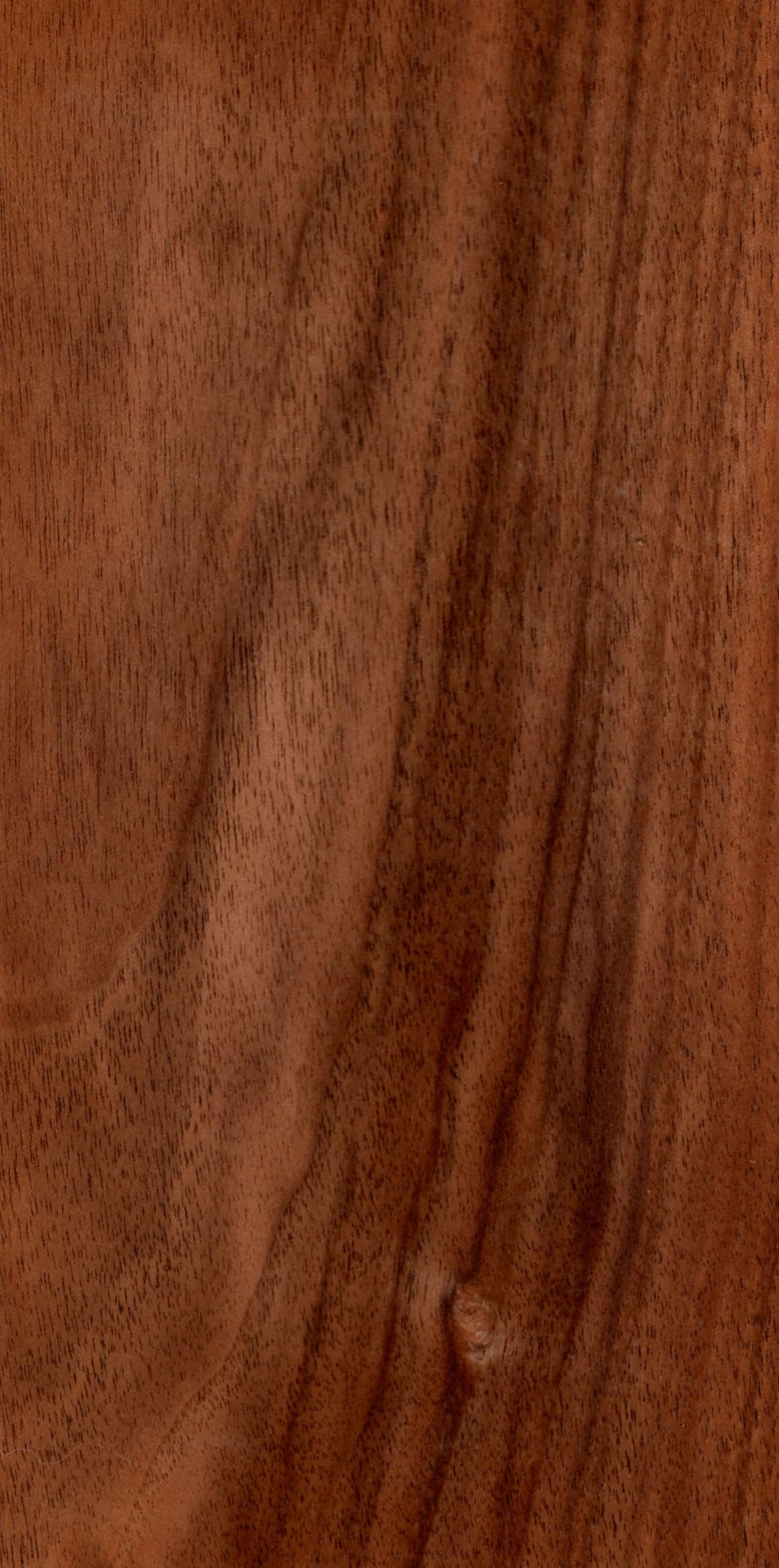
Értesítés erről: Silver Fir
E-mailt küldünk, amikor új Silver Fir pallók érkeznek a KORENA kínálatába. Minden darab egyedi, ezért számít a korai értesítés.
A faanyag megjelenése
Így néz ki
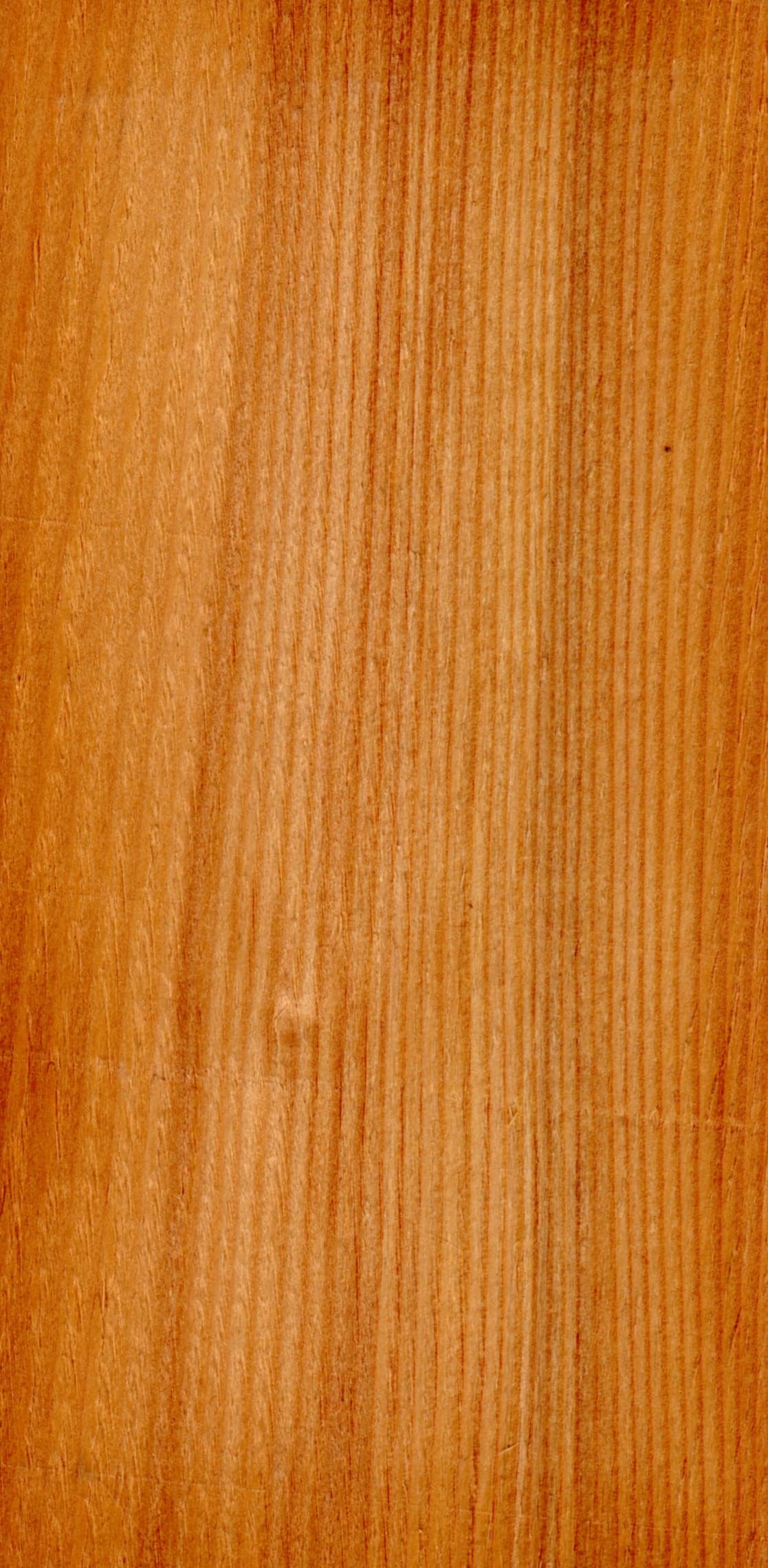
Very close to Norway Spruce in appearance and routinely sold interchangeably with it. Silver Fir is a shade duller and greyer, entirely without the resin pockets that mark spruce, because the species has no resin canals in its wood. Grain is straight, texture fine and even, and the overall impression is flatter and quieter than spruce.
- Near white to pale grey-brown, duller than spruce
- No visible heartwood boundary
- No resin pockets, the clearest way to tell it from spruce
- Pale, straight grain; almost no resin canals.
Megmunkálás
Megmunkálás
Generally easy with both hand and machine tools, and it glues, stains and finishes better than spruce because the absence of resin canals makes absorption more even. The same softness caveat applies: sharp cutters are essential or the earlywood crushes and fuzzes. It holds detail poorly under carving tools, so it is not a carving wood despite being soft.
Felületkezelés
Takes stain and finish noticeably better than spruce, though it is still a softwood with uneven density and a conditioner remains sensible before pigment stain. It is one of the better softwood choices for a painted finish, since the fine even texture needs little grain filling. Clear finishes leave it looking pale and slightly cool.
Szárítás
Dries readily and without much degrade, and because there are no resin canals there is no resin bleed to manage, which is a genuine advantage over spruce in thick sections. Wet pockets of bacterially infected wood, sometimes called wetwood, occur in older trees and dry slowly and unevenly. A yard that has kilned the stock properly will have caught these. Movement in service is moderate at around 12.8 percent volumetric.
Mennyit fog mozogni?
A fa a levegő nedvességének változásával szélességében dagad és zsugorodik. A rögzítések megtervezése előtt becsülje meg egy Silver Fir lap évszakos mozgását.
Várható évszakos mozgás
körülbelül 9,9 mm
A lapot asztallap-rögzítő vasalattal vagy hornyolt konzollal rögzítse, ne ragasztóval vagy szoros csavarokkal.
Lineáris zsugorodási modell: szélesség × (zsugorodás ÷ 28 % rosttelítettség) × évszakos nedvességingadozás. A(z) Silver Fir 8,7 %-os húrirányú zsugorodásával számol. Tervezési becslés, nem garancia.
Mennyibe kerül?
Biztonság és beszerzés
- Európában termesztik és termelik ki.
- IUCN Vörös Lista-besorolás: a fafaj globális természetvédelmi értékelése.
Species in the Abies genus have been reported to cause skin irritation, though severe reactions are uncommon. Standard dust extraction and a P2 mask for extended machining cover it.
A teljes útmutatóRészletes tudnivalók a rajzolatról, színváltozásról, megmunkálásról és alaktartásról.
What Silver Fir actually is#
Abies alba is the tree most people have looked at without knowing it. It is a major component of central European mountain forest, it is the traditional Christmas tree across much of the continent, and its timber is sold through the trade as whitewood alongside Norway Spruce with little distinction drawn between them. For most construction purposes that conflation is harmless. For slab work it is worth separating, because the one structural difference between the two species changes how the wood behaves.
Silver Fir has no resin canals. Spruce does. Everything that follows from that, the absence of resin pockets, the cleaner behaviour under paint, the more even stain absorption, the lack of bleed in thick sections, is the reason to choose fir over spruce rather than treat them as the same board.
Reading a Silver Fir slab#
Colour range is narrow: near white through to a pale grey-brown, with no heartwood boundary to speak of. Against spruce it reads flatter and cooler, a fraction duller, and without the amber flecking that gives spruce its visual interest.
Because colour gives you so little, judge the slab on ring structure and defects. Tight rings from slow mountain growth mean a denser, stiffer, more stable board. Knots are the usual limiting factor, and fir knots are somewhat less hard and less prone to tear-out than spruce knots, which makes them slightly easier to machine through when you have no choice.
Vásárlói kérdések
Vásárlói kérdések
How do I tell Silver Fir from Norway Spruce?
Look for resin pockets. Spruce has resin canals and shows amber pockets and streaks; Silver Fir has none at all, so a clean pale board with no resin marks is almost certainly fir. Fir also reads slightly greyer and duller. The two are close enough that they are frequently sold interchangeably as whitewood.
Is Silver Fir better than spruce for painted work?
Yes, generally. The fine even texture needs little grain filling and the absence of resin canals means no bleed-through under paint. Spruce resin pockets can telegraph through a painted finish months later unless sealed with shellac first.
Can I use Silver Fir outdoors?
Not untreated. It is rated non-durable to perishable with little resistance to insect attack, which is the lowest durability in this group. European larch or Douglas fir are the appropriate choices for exposure.
Is it hard enough for a desk top?
At 1,420 N Janka it is the softest species KORENA lists, softer even than spruce. A desk top in fir will mark under a pen pressed through paper. It works for a light-use surface finished in a refreshable hardwax oil, but for daily writing use a harder species.
Mechanikai tulajdonságok
Műszaki adatok
Közzétett referenciaértékek. Ha a források eltérnek, a tartományt mutatjuk, a fenti skálák pedig a jellemző értéket használják.
| Sűrűség (kg/m³)Egy köbméter tömege körülbelül 12 % nedvességtartalomnál. A nehezebb fa általában keményebb és erősebb. | 415 kg/m³ |
|---|---|
| Janka-keménység (N)A faanyagba félig benyomott acélgolyóhoz szükséges erő. A benyomódással szembeni ellenállás szabványos mérőszáma. | 1,420 N |
| MOR: hajlítószilárdság (MPa)Hajlítószilárdság: az a terhelés, amelynél a gerenda eltörik. | 66 MPa |
| MOE: rugalmassági modulus (GPa)Hajlítási merevség: mennyire hajlik meg egy polc vagy lap terhelés alatt. | 8.3 GPa |
| Sugárirányú zsugorodásZsugorodás az évgyűrűkre merőlegesen, a nedves állapottól az abszolút szárazig. A sugármetszésű deszkák így mozognak. | 4.0 % |
| Húrirányú zsugorodásZsugorodás az évgyűrűk mentén. A húrmetszésű deszkák és a legtöbb palló így mozog. |