KORENA
FaanyagFinished piecesKellékekPartnertelepekNapló

Kérjen értesítést

Minden palló egyedi. Ha eladják, nincs belőle több. E-mailt küldünk az új darabok közzétételekor: friss érkezések, új fafajok és projektleíráshoz illő pallók.

Havonta néhány e-mail. Nincs levélszemét, bármikor leiratkozhat.

KORENA, prémium keményfa

Egyszerre egy darab.

Ellenőrzött prémium keményfa, darabonként értékesítve. Minden pallót lefényképezünk és lemérünk, majd faútlevéllel együtt szállítjuk a partnertelepről.

Áruház

  • Termékek böngészése
  • Eladott darabok
  • Rendelés követése

Tudnivalók

  • Napló
  • Fafajismertetők
  • Fogalomtár
  • Összehasonlítás
  • Szerzők

Segítség

  • Rólunk
  • Hogyan működik?
  • Legyen partnertelep
  • Palló beszerzése
  • Ügyfélszolgálat
  • Dokumentumsablonok
  • Sajtó

Vásárlás

  • Értékesítési feltételek
  • Elállási jog
  • Visszaküldés és jótállás
  • Szállítás és kézbesítés

Bizalom

  • Adatvédelmi szabályzat
  • Sütikre vonatkozó szabályzat
  • A fa eredete és az EUDR
  • Akadálymentesség

Impresszum

  • Jogi nyilatkozat / Impresszum
  • Elfogadható használat
  • Szellemi tulajdon és tartalom

© 2026 KORENA. Minden jog fenntartva.

Üzemeltető: Martial Labs Ltd. (BG, EIK 207453941). A KORENA a Martial Labs Ltd. kereskedelmi neve.

Tiszteletben tartjuk a magánszféráját

Az oldal működéséhez elengedhetetlen sütiket használunk. Engedélyével elemzési, személyre szabási és hirdetési sütiket is használnánk. Döntését bármikor módosíthatja a hozzájárulási beállítások oldalon. További részleteket a sütikre vonatkozó szabályzatban és az adatvédelmi szabályzatban talál.

  1. Kezdőlap
  2. /
  3. Fafajok
  4. /
  5. Sweet Chestnut

Castanea sativa

Sweet Chestnut

A lighter, softer cousin of oak. Tannin-rich heartwood gives it real durability outdoors, but those same tannins react with iron, so fixings need to be stainless or brass.

  • Európában termesztik és termelik ki.
  • Botanikai csoport. A fenyőfélék tűlevelűek, a lombos fák széles levelűek.
  • A fafaj botanikai családja.
Értesítést kérek érkezéskorReferenciafafaj. Jelenleg nincs készleten.
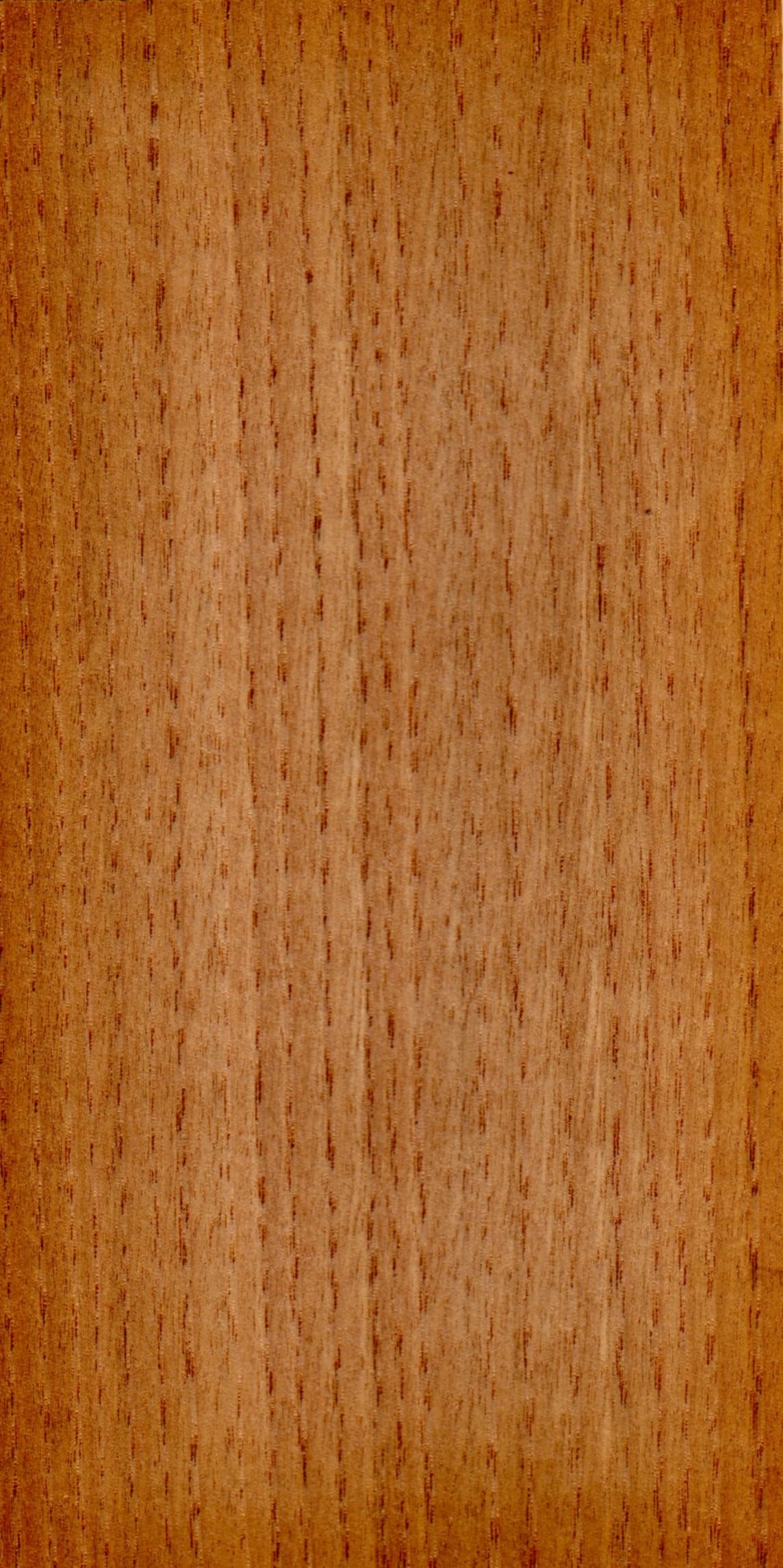
Sweet Chestnut erezete
  • Illik a projekthez?
  • Készleten
  • Megjelenés
  • Megmunkálás
  • Mozgás
  • Ár
  • Biztonság és beszerzés
  • Kérdések
  • Műszaki adatok

Megfelel az Ön projektjéhez?

Kiváló ehhez

  • External cladding and rainscreens
  • Interior wall and ceiling panelling
  • Barn-style and rustic furniture frames
  • Garden furniture and pergolas
  • Coopered tanks, vats, and planters
  • Beams and exposed structural framing

Nincs Sweet Chestnut a jelenlegi kínálatban

Hasonló, készleten lévő fafajok

Jelenleg nincs Sweet Chestnut. Ezek a fafajok hasonló projektekhez valók, és van belőlük elérhető darab.
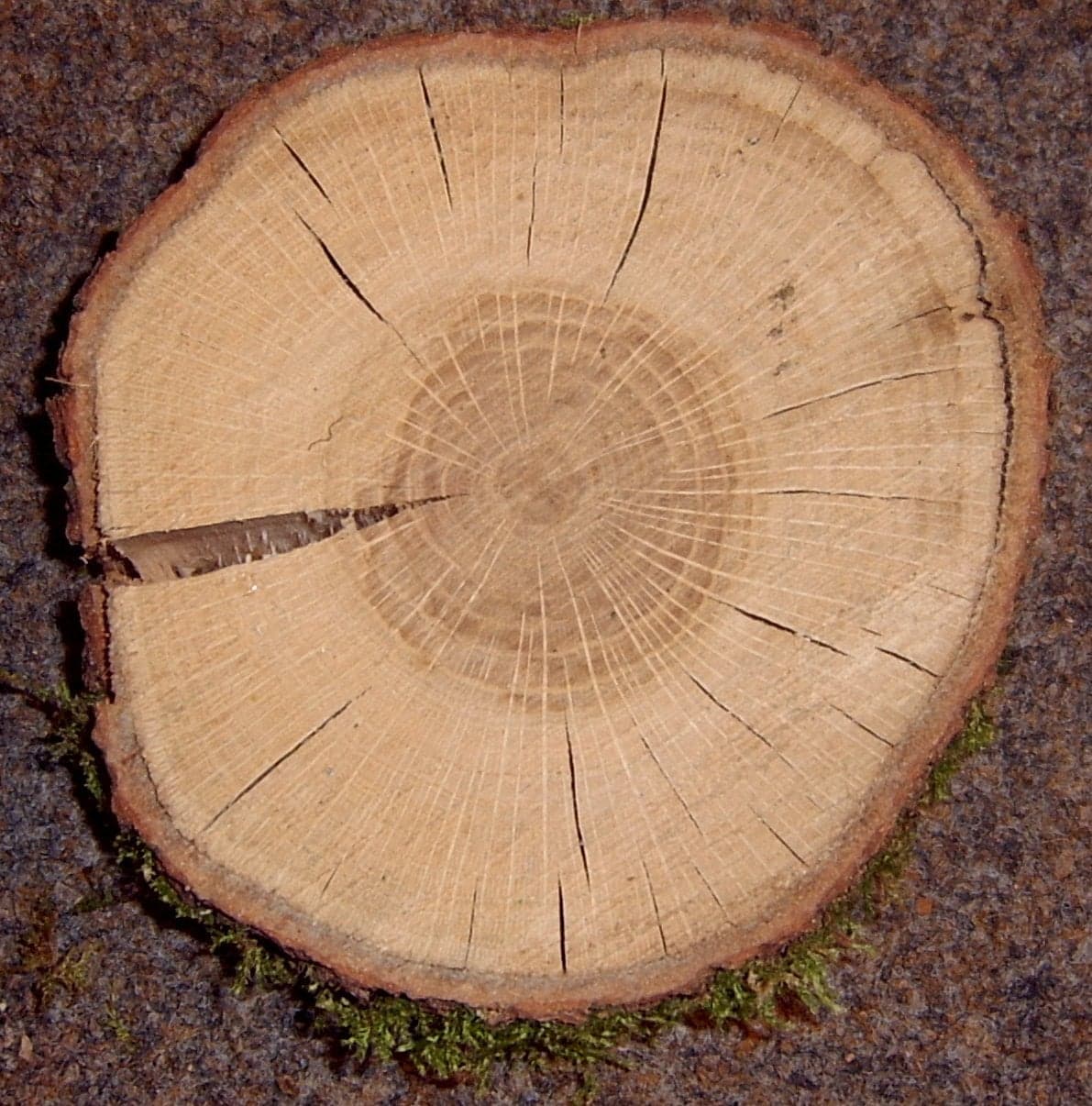
  • European Oak erezete

    European Oak

    Quercus robur

    6 darab

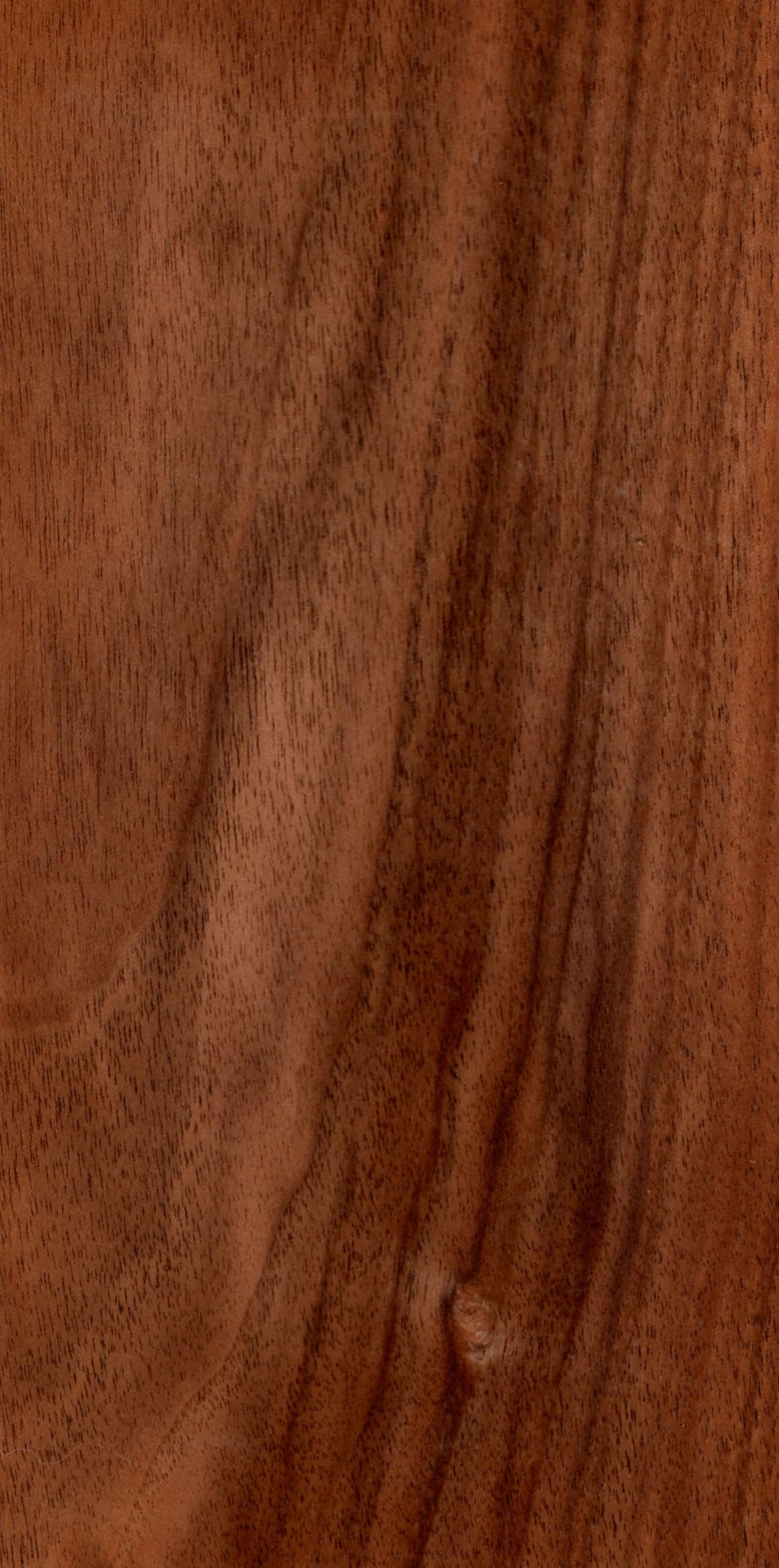
  • European Walnut erezete

    European Walnut

    Juglans regia

    9 darab

  • Saman erezete

    Saman

    Samanea saman

    4 darab

Értesítés erről: Sweet Chestnut

E-mailt küldünk, amikor új Sweet Chestnut pallók érkeznek a KORENA kínálatába. Minden darab egyedi, ezért számít a korai értesítés.

Havonta néhány e-mail. Nincs levélszemét, bármikor leiratkozhat.

A faanyag megjelenése

Így néz ki

Straight-grained and coarse-textured, with prominent ring-porous figure that reads as oak at a glance. Heartwood is a warm honey-brown that ambers with age; sapwood is a narrow pale band. Lacks oak's strong medullary rays, so quartersawn faces are calmer and less flecked.

  • Heartwood: warm honey to mid-brown, ambers with age
  • Sapwood: narrow, pale cream to light straw
  • Fumed: deep chocolate to near-black with ammonia
  • Oiled: pulls warmer and slightly redder than oak
  • Weathered outdoors: silver-grey patina within 1–2 seasons
  • Straight grain, coarse texture; resembles oak.

Megmunkálás

Megmunkálás

Saws and planes well with sharp tooling. Softer than oak, so it dents more easily but is also kinder on edges. Splits readily when screwed near ends or edges, pre-drill and countersink. Glues and steam-bends predictably. Turning is workable but the coarse grain can tear on end-grain cuts.

Felületkezelés

Takes oil, hardwax, and water-based finishes cleanly. Open pores benefit from a grain filler if you want a glass-flat surface, or leave them open for a tactile, oak-like read. Fuming with ammonia darkens it deeply thanks to the high tannin content. Test stains on offcuts, tannins can pull cool tones grey.

Szárítás

Dries slowly and is prone to ring shake and honeycomb if pushed. Air-dry to around 25–30% MC before kilning, then run a gentle schedule. Movement in service is moderate, tangential shrinkage near 7% means wide boards want room to move in panels and tabletops.

Mennyit fog mozogni?

A fa a levegő nedvességének változásával szélességében dagad és zsugorodik. A rögzítések megtervezése előtt becsülje meg egy Sweet Chestnut lap évszakos mozgását.

Vágásirány
Felhasználás helye

Várható évszakos mozgás

körülbelül 7,7 mm

A lapot asztallap-rögzítő vasalattal vagy hornyolt konzollal rögzítse, ne ragasztóval vagy szoros csavarokkal.

Lineáris zsugorodási modell: szélesség × (zsugorodás ÷ 28 % rosttelítettség) × évszakos nedvességingadozás. A(z) Sweet Chestnut 6,75 %-os húrirányú zsugorodásával számol. Tervezési becslés, nem garancia.

Mennyibe kerül?

Biztonság és beszerzés

  • Európában termesztik és termelik ki.
  • IUCN Vörös Lista-besorolás: a fafaj globális természetvédelmi értékelése.
  • Dust is a reported skin and respiratory sensitiser, extract at source and wear a fitted mask when sanding or routing. Heartwood is rated food-contact safe once finished. Critical detail: chestnut tannins react with iron and produce black staining wherever the two meet in the presence of moisture. Use stainless steel or brass fixings, and keep iron tooling off damp stock.

A teljes útmutatóRészletes tudnivalók a rajzolatról, színváltozásról, megmunkálásról és alaktartásról.+

What Sweet Chestnut actually is#

Castanea sativa is often sold as the light alternative to oak, and for appearance and durability that description holds. It is ring porous with a similar grain pattern, it carries a similar warm brown colour, and at decay class 2 it is genuinely durable outdoors.

Where the comparison breaks down is hardness. At 3,010 N Janka chestnut is the softest hardwood in this catalogue apart from black poplar, softer than Scots Pine and less than two thirds as hard as oak. Anyone expecting oak-like wear resistance from an oak-like appearance will be disappointed.

The other difference is visible: chestnut lacks oak's prominent rays, so a quartersawn chestnut board shows no ray fleck.

Ring shake, which is the thing to inspect for#

Chestnut is notably prone to ring shake, a separation along a growth ring inside the log.

The problem is that it frequently does not show on a rough sawn face. A board looks sound, gets machined, and the shake opens into a crescent shaped split that follows the ring and effectively ruins it.

This is the main reason chestnut yields far less usable timber than the abundance of the tree suggests, and it is the main reason to look carefully rather than quickly at a chestnut slab. Check end grain for any ring separation, and look along the length in raking light for a crescent line.

Vásárlói kérdések

Vásárlói kérdések

How is Sweet Chestnut different from oak?

+

It looks similar and is durable like oak, but it is much lighter and softer at 590 kg per cubic metre and 3,010 N Janka against 675 and 4,980 for European oak. Chestnut also lacks the prominent rays, so it has no ray fleck on quartersawn faces. It is often described as oak without the weight, which is fair for appearance and durability but not for hardness.

What is ring shake and why does it matter in chestnut?

+

A separation along a growth ring inside the log, which chestnut is particularly prone to. It may be invisible on a rough sawn surface and open up after machining, effectively ruining a board. It is the main reason chestnut yields less usable timber than its abundance suggests, and the main thing to inspect for when buying.

Can it be used outdoors?

+

Yes. At decay class 2 it is durable, and its high tannin content gives real resistance to rot. Chestnut has been the traditional European timber for fencing, cladding, shingles and outdoor structures for centuries, and coppiced chestnut fence posts are still a standard product.

Does it stain black like oak?

+

Mechanikai tulajdonságok

Műszaki adatok

Közzétett referenciaértékek. Ha a források eltérnek, a tartományt mutatjuk, a fenti skálák pedig a jellemző értéket használják.

Sűrűség (kg/m³)Egy köbméter tömege körülbelül 12 % nedvességtartalomnál. A nehezebb fa általában keményebb és erősebb.540–650 kg/m³jellemzően 590 kg/m³
Janka-keménység (N)A faanyagba félig benyomott acélgolyóhoz szükséges erő. A benyomódással szembeni ellenállás szabványos mérőszáma.2,700–3,300 Njellemzően 3010 N
MOR: hajlítószilárdság (MPa)Hajlítószilárdság: az a terhelés, amelynél a gerenda eltörik.70–85 MPa
MOE: rugalmassági modulus (GPa)Hajlítási merevség: mennyire hajlik meg egy polc vagy lap terhelés alatt.8.0–10.0 GPa
Sugárirányú zsugorodásZsugorodás az évgyűrűkre merőlegesen, a nedves állapottól az abszolút szárazig. A sugármetszésű deszkák így mozognak.3.5–4.5 %
Húrirányú zsugorodás

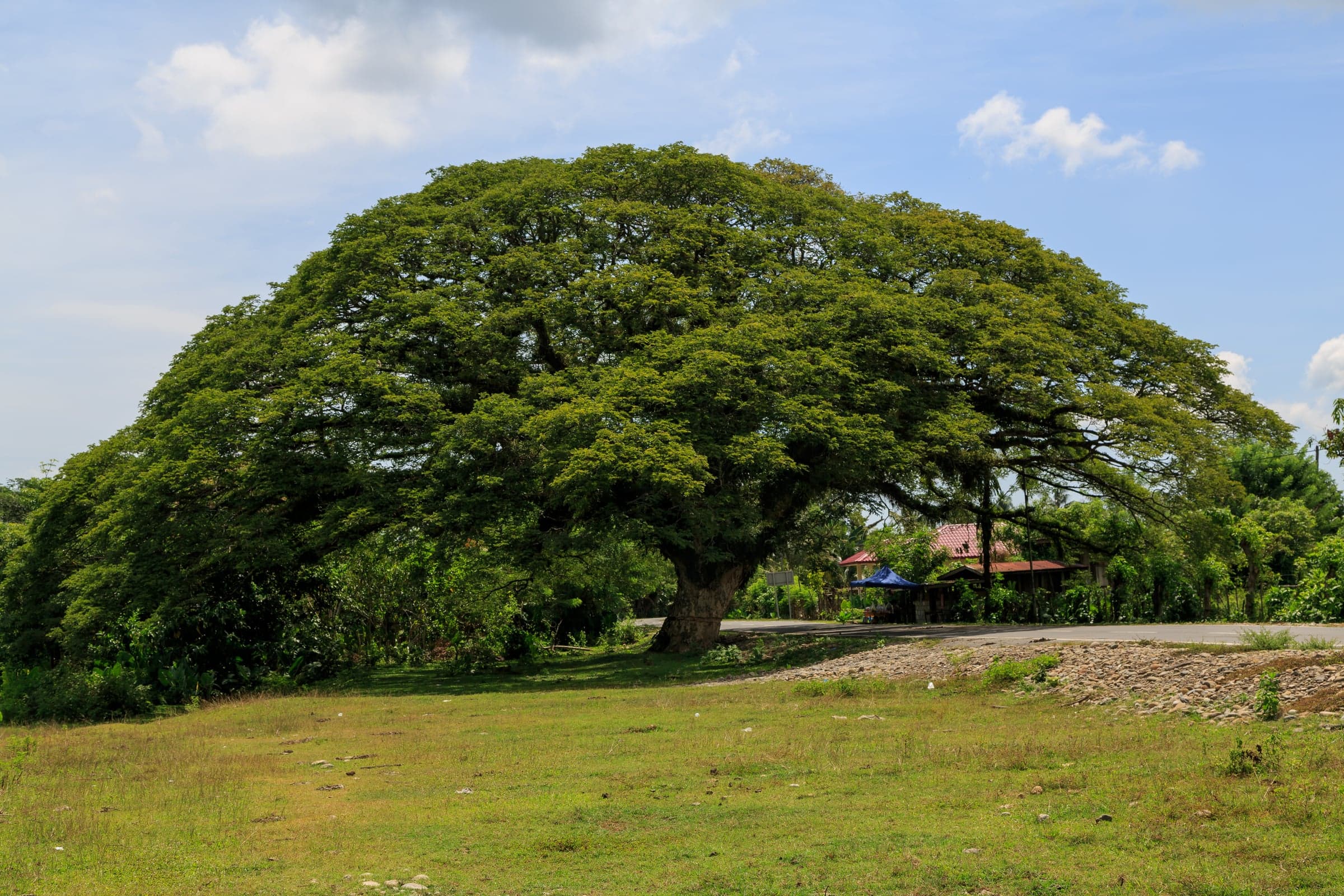
Achim Raschka (talk), via Wikimedia Commons

  • Doors, gates, and shutters
  • Flooring in lower-traffic rooms
  • Erősségek

    • Kültéren tartósEN 350 szerinti 2. osztály az 5-ből: kezelés nélkül is ellenáll a kültéri korhadásnak.
    • ÉlelmiszerbiztosAlkalmas vágódeszkákhoz, tálakhoz és élelmiszerrel érintkező felületekhez.

    Native across southern and Mediterranean Europe, with long-managed coppice woodlands in France, Italy, and the Iberian peninsula. Also grown in the UK and parts of central Europe. KORENA sources mainly from European coppice and standard-tree harvests.

  • Native European species, IUCN Least Concern, no CITES restrictions. Much of the European supply comes from coppice systems, short-rotation, low-input, and a working part of rural land management in France and Italy. Ask for FSC or PEFC chain-of-custody where it matters to your client. KORENA records the certification it holds on the slab passport.

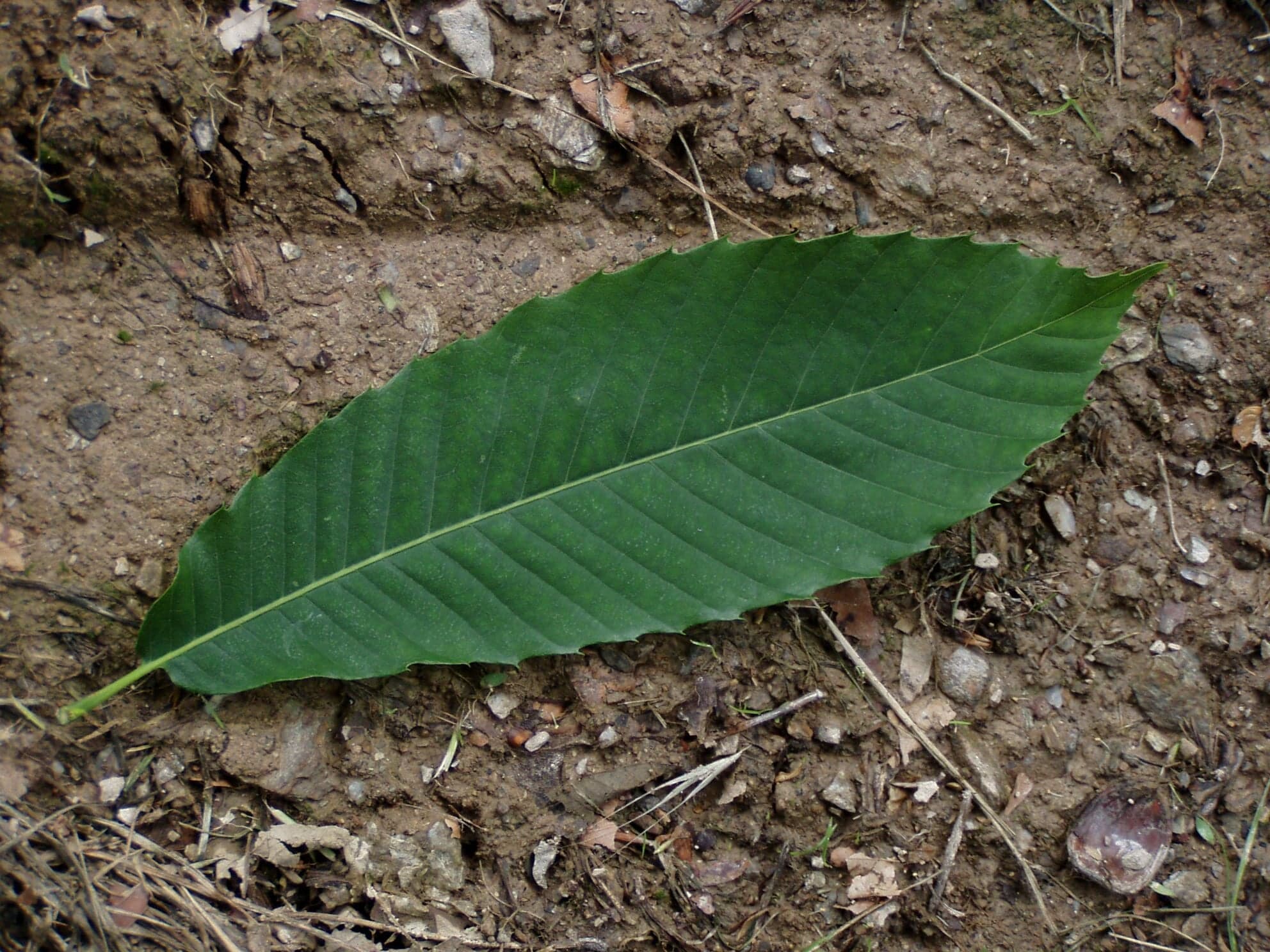
  • Sweet Chestnut: Levél
    Levél
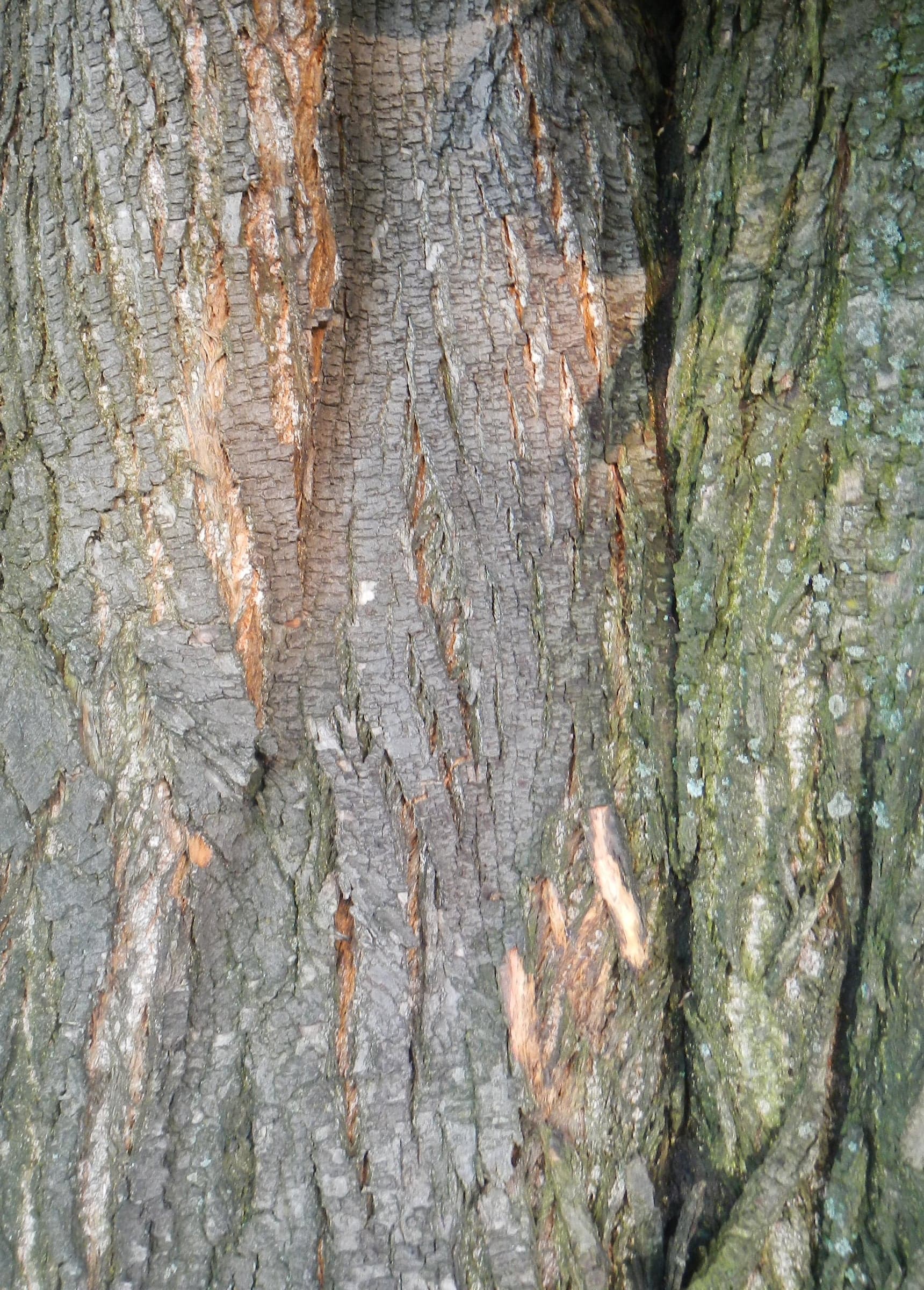
    Sweet Chestnut: Kéreg
    Kéreg

    On a measured KORENA slab, a shake large enough to matter appears in the defect outline rather than being discovered at the bench.

    Durability and tannin#

    Chestnut is very high in tannins, and that is where its durability comes from. At decay class 2 it is a genuine exterior timber and has been used across Europe for fencing, cladding, shingles, gates and outdoor structures for centuries. Coppiced chestnut fence posts remain a standard product precisely because they last without treatment.

    The same tannins make the iron reaction worse than in oak. Contact with steel produces blue black staining quickly, particularly when damp. Use stainless or brass fixings on any chestnut and treat it as non-negotiable on exterior work.

    At the bench#

    Chestnut is easy to work, considerably easier than oak. It cuts cleanly, blunts tooling only moderately, glues well and takes finish readily.

    Its softness is the working consideration. Arrises bruise, edges dent, and clamps mark the surface if you do not pad them.

    The open pores need filling for a smooth surface, as in oak.

    Movement#

    Volumetric shrinkage of 12.0 percent is moderate, with tangential at 6.0 percent against radial at 3.5 percent. That differential is narrower than oak's, so chestnut behaves reasonably well in a wide flatsawn board.

    It dries readily, though drying is where existing ring shake tends to open up.

    Where Sweet Chestnut is the right answer#

    Exterior cladding, fencing, gates, garden structures, shingles and outdoor furniture, where its durability and light weight both count. Indoors it suits panelling, light furniture and any piece where an oak look is wanted at a fraction of the weight.

    It is the wrong answer for a hard wearing work surface, and wrong wherever ring shake risk cannot be inspected for before committing.

    Sourcing and EUDR#

    Not CITES listed and assessed as Least Concern. Abundant across southern and western Europe with long established coppice management in France, Italy and the Iberian peninsula. Supply is straightforward and documentation simple.

    Coppice, and why chestnut comes in the sizes it does#

    Sweet chestnut has been coppiced across Europe for centuries. The tree is cut close to the ground and allowed to regrow multiple stems, which are harvested on a cycle of roughly fifteen to twenty years for poles, fencing and stakes.

    That management history shapes what reaches the market. A great deal of chestnut is small diameter coppice material, excellent for its traditional uses and useless for slabs. Timber sized chestnut comes from maiden trees grown on a longer rotation, and it is much less common.

    The practical effect is that wide chestnut slabs are scarcer than the abundance of the species suggests, and they command a premium relative to how cheap chestnut fencing is. If a quote for chestnut slabs looks similar to a quote for chestnut posts, something is wrong with the description.

    Chestnut against oak in the yard#

    Side by side, the two are easy to confuse at a glance and easy to separate on a second look.

    Chestnut has no visible rays. Oak has prominent rays that show as fleck on the quarter and as fine lines on the face. That is the reliable test, and it works on a rough sawn surface.

    Chestnut is also noticeably lighter in the hand at 590 kg per cubic metre against 675, and softer under a thumbnail at 3,010 N against 4,980. If a board looks like oak and feels light, check the rays.

    Yes, and more readily. Chestnut is very high in tannins, so contact with iron produces blue black staining quickly, particularly in damp conditions. Use stainless or brass fixings on any chestnut, and especially on exterior work.

    Is it strong enough for a tabletop?

    +

    At 3,010 N it is the softest hardwood in this catalogue apart from black poplar, softer than Scots Pine. A chestnut tabletop will dent. It suits a piece where that patina is acceptable, and where the light weight and oak-like appearance are the attraction.

    Zsugorodás az évgyűrűk mentén. A húrmetszésű deszkák és a legtöbb palló így mozog.
    6.0–7.5 %
    Térfogati zsugorodásTeljes térfogatváltozás a nedves állapottól az abszolút szárazig. Az alacsonyabb érték jobb alaktartást jelent.12.0–13.5 %
    Természetes tartósság (EN 350)A természetes korhadásállóság európai szabványa 1-től (nagyon tartós) 5-ig (nem tartós).Class 2 — Durable

    Források

    • The Wood Database(hozzáférés: 2026-05-09)
    • USDA FPL Wood Handbook FPL-GTR-190 (2010)(hozzáférés: 2026-05-09)
    • Meier, E. — WOOD! Identifying and Using Hundreds of Woods Worldwide (2015)(hozzáférés: 2026-05-09)

    Röviden

    A szintek minden KORENA-fafajnál azonos sávokat használnak, ezért közvetlenül összehasonlíthatók. Mindegyik alatt szerepel a mért érték.
    KeménységEllenállás a benyomódással és kopással szembenElég puha

    Janka-keménység: 3010 N

    40 %-kal puhább az európai tölgynél

    TömegMilyen nehéz felemelni egy pallótKözepes

    590 kg/m³

    AlaktartásMilyen keveset mozog az évszakokkalÁtlagos

    12,8 % térfogati zsugorodás

    MegmunkálásFűrészelés, gyalulás, csiszolás és ragasztásKözepes

    3,9 / 5 műhelyátlag

    Kültéri használatTermészetes korhadásállóság, EN 350Kültérre

    EN 350, 2. osztály

    • Fűrészelés · KiválóMilyen tisztán vágható, és mennyire koptatja a fűrészlapot.1 = nehéz · 5 = kiváló
    • Gyalulás · Nagyon jóMilyen sima felületet hagy, és mennyire hajlamos kiszakadásra.1 = nehéz · 5 = kiváló
    • Csiszolás · Nagyon jóMilyen gyorsan csiszolható simára a papír eltömődése nélkül.1 = nehéz · 5 = kiváló
    • Esztergálás · JóHogyan vágható és munkálható készre esztergán.1 = nehéz · 5 = kiváló
    • Faragás · Nagyon jóMilyen élesen tartja a részleteket vésővel faragva.1 = nehéz · 5 = kiváló
    • Ragasztás · Nagyon jóMennyire megbízhatóan tartanak a ragasztott kötések.1 = nehéz · 5 = kiváló
    • Csavar- és szegtartás · JóMennyire jól tartja a csavart és a szeget repedés nélkül.1 = nehéz · 5 = kiváló
    • Gőzöléses hajlítás · Nagyon jóMennyire jól hajlítható gőzölés után.1 = nehéz · 5 = kiváló

    A(z) Sweet Chestnut faanyag jelenlegi európai ára köbméterenként, áfa nélkül. Koppintson bármelyik árra a részletekért.

    • Általános rönkökErdőtulajdonosok és állami erdészetek által nagy tételben értékesített szabványos hengeresfa, főként építőipari és ipari célokra.A legtöbb ár 44 EUR és 165 EUR között van.25 ár alapján, 4 régióból.Legfrissebb adatok: 2026. szept. 24.

    Általános rönkök országonként

    • Románia · 105 EUR / m³Régiók: Wallachia11 árLegfrissebb adatok: 2026. szept. 24.
    • Franciaország · 105 EUR / m³Régiók: Bourgogne-Franche-Comté és Grand Est / Alsace10 árLegfrissebb adatok: 2026. szept. 15.
    • Bulgária · 44 EUR / m³Régiók: North-West Bulgaria4 árLegfrissebb adatok: 2026. szept. 24.

    Miért kerül ennél többe egy palló?

    Ezek a nyers faanyag árai. A palló a rönk legjobb vágata, amelyet legalább egy évig szárítanak, majd darabonként ellenőriznek és megmérnek. Egy rönknek csak kis részéből lesz palló.

    Forrás: KORENA Timber Index · Legfrissebb adatok: 2026. szept. 24.

    Összes regionális ár
    Jól hajlítható
    Gőzöléses hajlíthatósága 4 az 5-ből. Szűk ívekre is hajlítható.

    Figyeljen erre

    • A por irritálCsiszoláskor és gépi megmunkáláskor használjon porelszívást és maszkot.

    Koppintson egy címkére a részletekért.