KORENA
FaanyagFinished piecesKellékekPartnertelepekNapló

Kérjen értesítést

Minden palló egyedi. Ha eladják, nincs belőle több. E-mailt küldünk az új darabok közzétételekor: friss érkezések, új fafajok és projektleíráshoz illő pallók.

Havonta néhány e-mail. Nincs levélszemét, bármikor leiratkozhat.

KORENA, prémium keményfa

Egyszerre egy darab.

Ellenőrzött prémium keményfa, darabonként értékesítve. Minden pallót lefényképezünk és lemérünk, majd faútlevéllel együtt szállítjuk a partnertelepről.

Áruház

  • Termékek böngészése
  • Eladott darabok
  • Rendelés követése

Tudnivalók

  • Napló
  • Fafajismertetők
  • Fogalomtár
  • Összehasonlítás
  • Szerzők

Segítség

  • Rólunk
  • Hogyan működik?
  • Legyen partnertelep
  • Palló beszerzése
  • Ügyfélszolgálat
  • Dokumentumsablonok
  • Sajtó

Vásárlás

  • Értékesítési feltételek
  • Elállási jog
  • Visszaküldés és jótállás
  • Szállítás és kézbesítés

Bizalom

  • Adatvédelmi szabályzat
  • Sütikre vonatkozó szabályzat
  • A fa eredete és az EUDR
  • Akadálymentesség

Impresszum

  • Jogi nyilatkozat / Impresszum
  • Elfogadható használat
  • Szellemi tulajdon és tartalom

© 2026 KORENA. Minden jog fenntartva.

Üzemeltető: Martial Labs Ltd. (BG, EIK 207453941). A KORENA a Martial Labs Ltd. kereskedelmi neve.

Tiszteletben tartjuk a magánszféráját

Az oldal működéséhez elengedhetetlen sütiket használunk. Engedélyével elemzési, személyre szabási és hirdetési sütiket is használnánk. Döntését bármikor módosíthatja a hozzájárulási beállítások oldalon. További részleteket a sütikre vonatkozó szabályzatban és az adatvédelmi szabályzatban talál.

  1. Kezdőlap
  2. /
  3. Fafajok
  4. /
  5. Turkey Oak

Quercus cerris

Turkey Oak

Harder than European oak and considerably cheaper, for one reason: it is difficult to dry. Buy it already stable and it is a bargain.

  • Európában termesztik és termelik ki.
  • Botanikai csoport. A fenyőfélék tűlevelűek, a lombos fák széles levelűek.
  • A fafaj botanikai családja.
Értesítést kérek érkezéskorReferenciafafaj. Jelenleg nincs készleten.
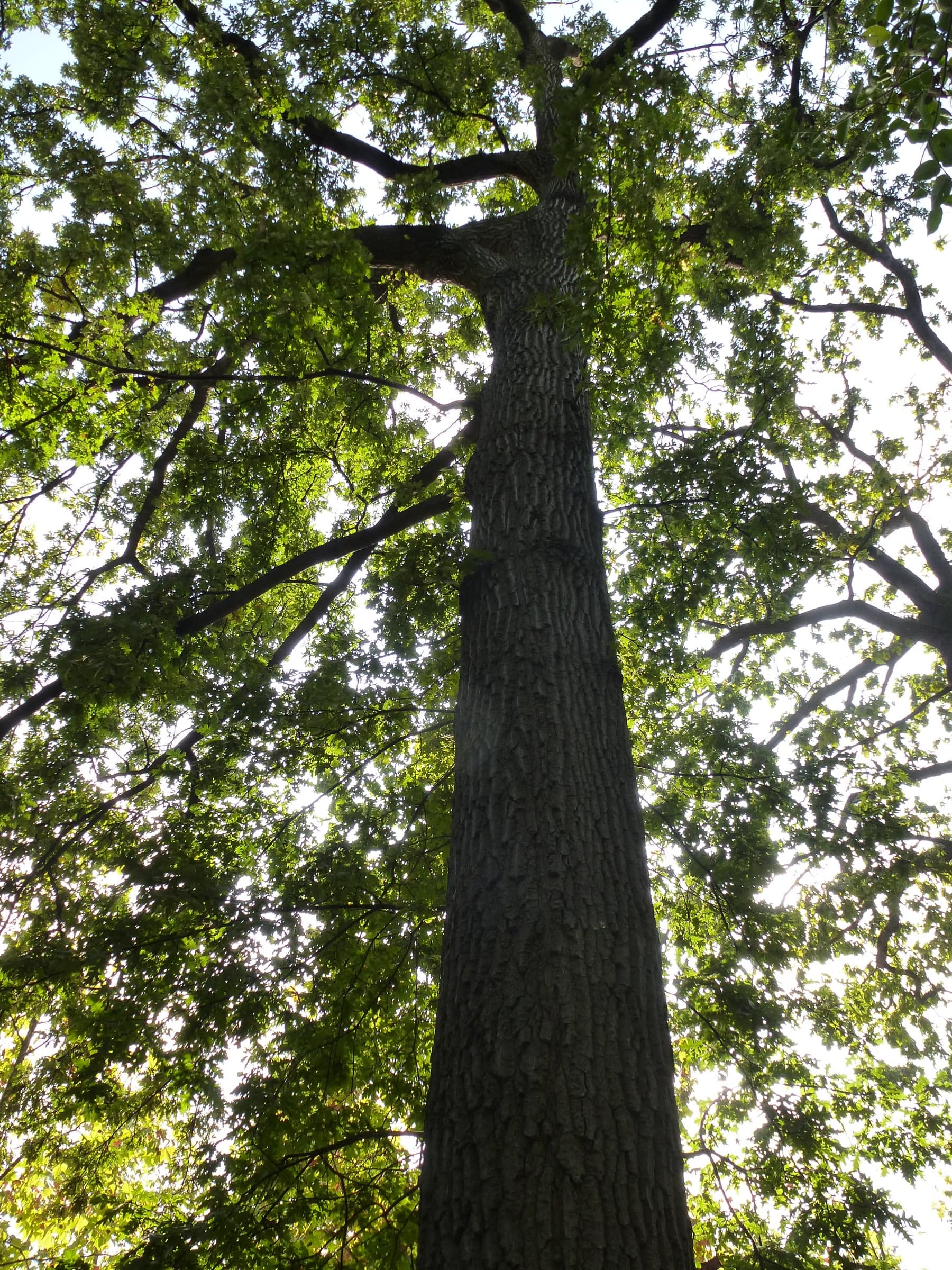
Turkey Oak fa
  • Illik a projekthez?
  • Készleten
  • Megjelenés
  • Megmunkálás
  • Mozgás
  • Ár
  • Biztonság és beszerzés
  • Kérdések
  • Műszaki adatok

Megfelel az Ön projektjéhez?

Kiváló ehhez

  • Rustic tabletops
  • Flooring
  • Interior joinery
  • Cladding under cover
  • Decorative slabs

Nincs Turkey Oak a jelenlegi kínálatban

Hasonló, készleten lévő fafajok

Jelenleg nincs Turkey Oak. Ezek a fafajok hasonló projektekhez valók, és van belőlük elérhető darab.
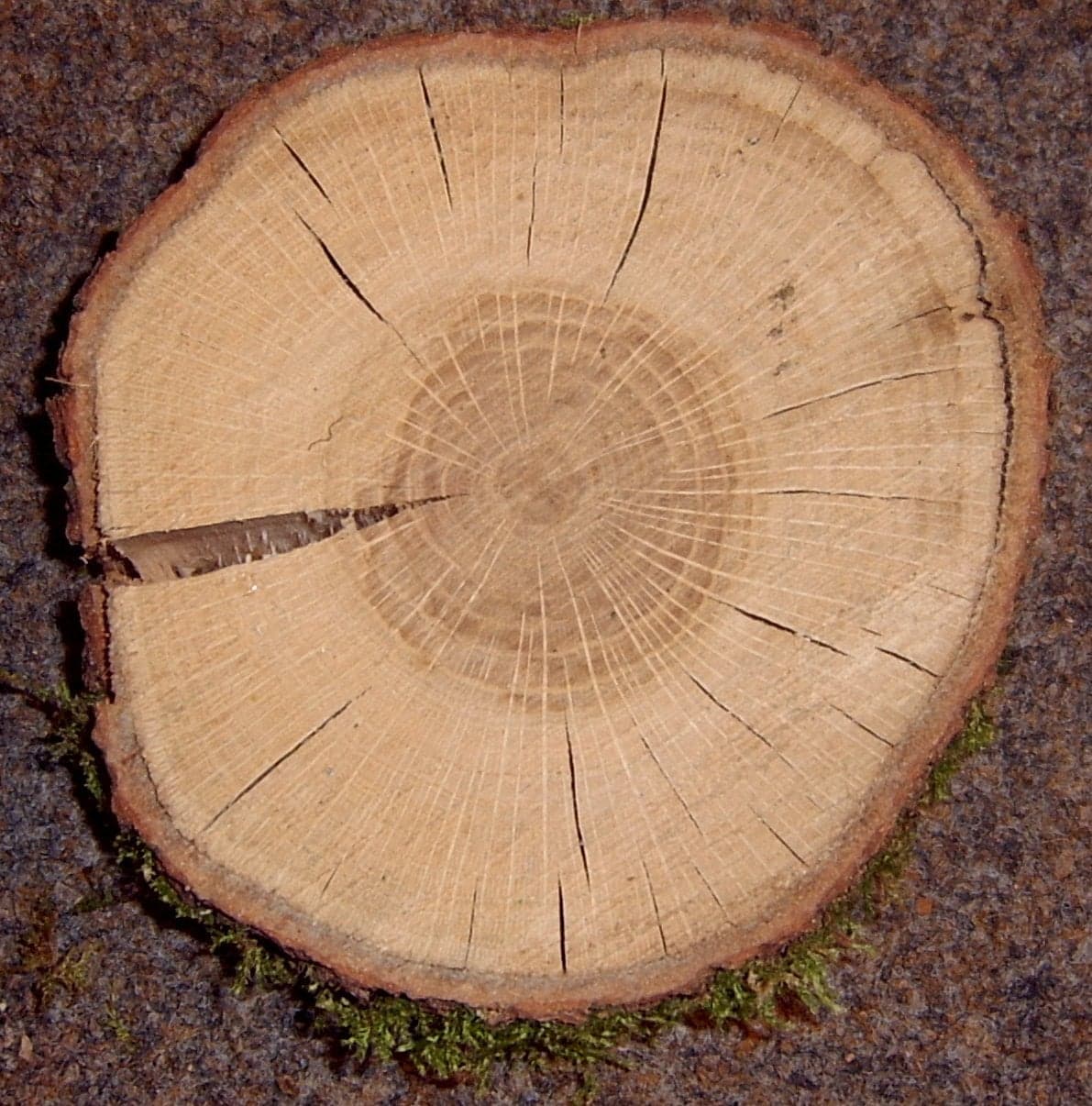
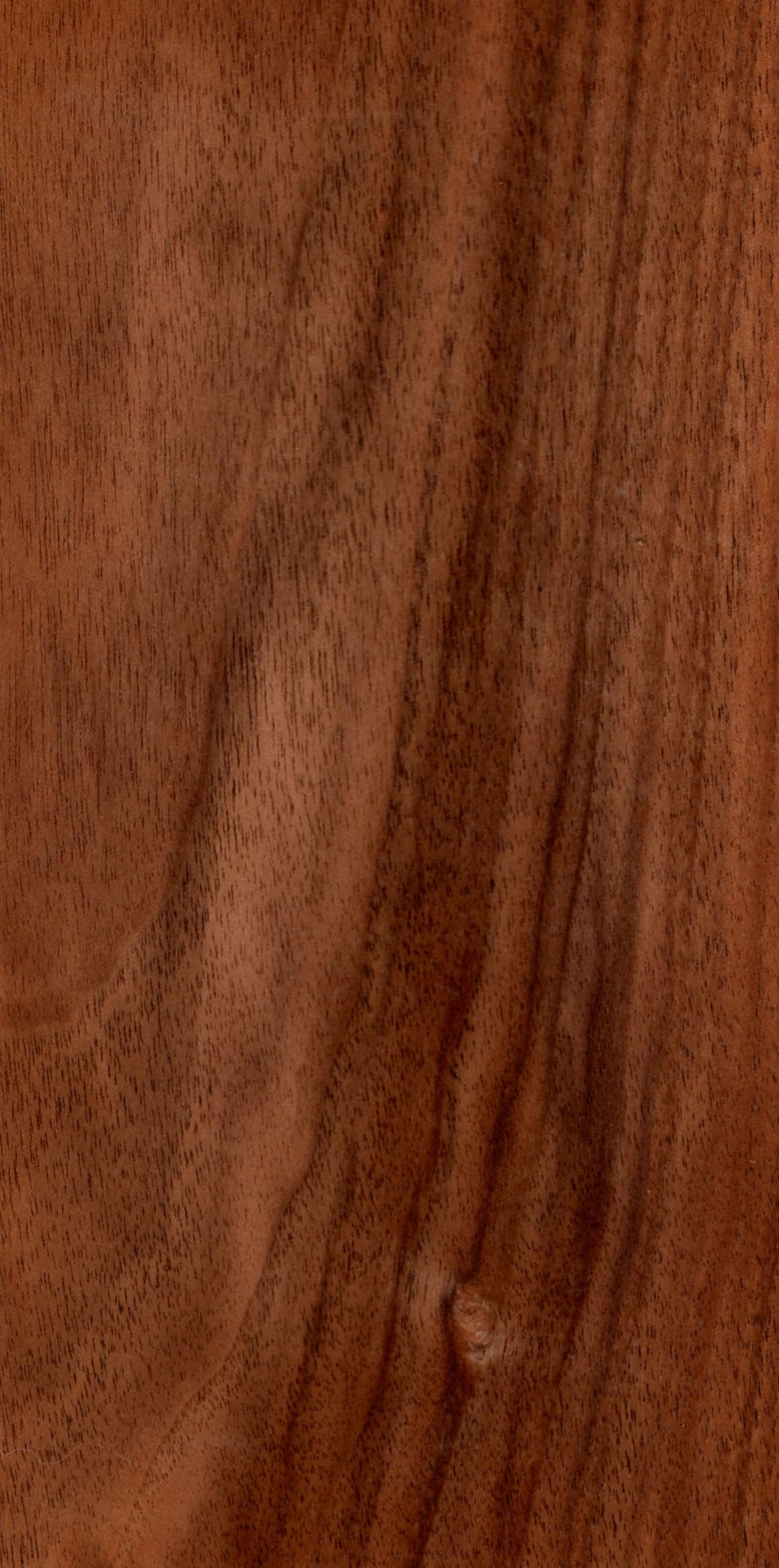
  • European Oak erezete

    European Oak

    Quercus robur

    6 darab

  • European Walnut erezete

    European Walnut

    Juglans regia

    9 darab

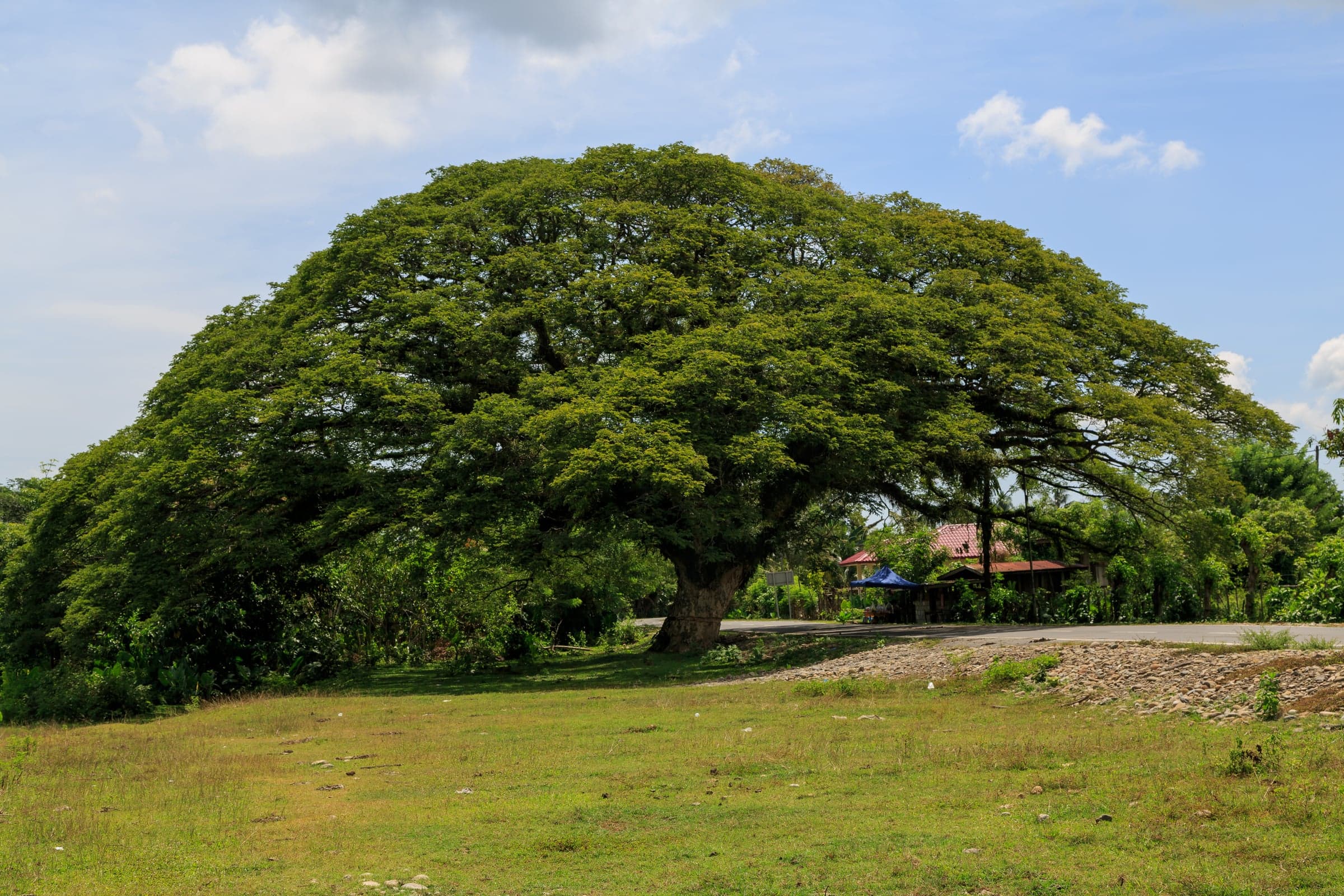
  • Saman erezete

    Saman

    Samanea saman

    4 darab

Értesítés erről: Turkey Oak

E-mailt küldünk, amikor új Turkey Oak pallók érkeznek a KORENA kínálatába. Minden darab egyedi, ezért számít a korai értesítés.

Havonta néhány e-mail. Nincs levélszemét, bármikor leiratkozhat.

A faanyag megjelenése

Így néz ki

Denser and harder than either European oak, with a coarser and more open texture. Colour is a light to mid brown, generally plainer and less olive than Quercus robur, with wide rays that produce a bold but less silvery fleck on quartersawn faces. Its reputation in the trade is poor, earned by a strong tendency to check and distort in drying rather than by any weakness in the finished wood.

  • Light to mid brown, plainer than European oak
  • Coarse open texture with very wide rays
  • Bold but less silvery ray fleck on quartersawn faces
  • Straight grain, coarse open texture with very wide rays. Light to mid brown, plainer than European oak, with a bold but less silvery quartersawn fleck.

Megmunkálás

Megmunkálás

Works similarly to the American oaks according to the source cited here. It is harder and denser than Quercus robur, so it blunts cutters faster and demands more power in the cut, but it machines cleanly once dry and stable. The very wide rays can lift on a quartersawn face if the cut is heavy. Grain filler is needed for a smooth finish given the coarse open pores.

Felületkezelés

Takes stain and finish much as other oaks do, and the plainer colour actually accepts stain more evenly than the olive cast of European oak. The coarse open pores need filling for a smooth surface. The same tannin and iron reaction applies as in every oak, so brass or stainless fittings only and no steel wool.

Szárítás

This is the species specific problem and the reason Turkey Oak is cheap. It is markedly prone to checking, honeycombing and severe distortion during drying, considerably worse than Quercus robur or petraea, and volumetric shrinkage at 16 percent is the highest of any hardwood KORENA lists. Tangential shrinkage of 10 percent against 6 percent radial compounds it. Slowly air dried stock that has already stabilised is the only version of this timber worth buying.

Mennyit fog mozogni?

A fa a levegő nedvességének változásával szélességében dagad és zsugorodik. A rögzítések megtervezése előtt becsülje meg egy Turkey Oak lap évszakos mozgását.

Vágásirány
Felhasználás helye

Várható évszakos mozgás

körülbelül 11,4 mm

A lapot asztallap-rögzítő vasalattal vagy hornyolt konzollal rögzítse, ne ragasztóval vagy szoros csavarokkal.

Lineáris zsugorodási modell: szélesség × (zsugorodás ÷ 28 % rosttelítettség) × évszakos nedvességingadozás. A(z) Turkey Oak 10 %-os húrirányú zsugorodásával számol. Tervezési becslés, nem garancia.

Mennyibe kerül?

Biztonság és beszerzés

  • Európában termesztik és termelik ki.
  • Oak is a documented sensitiser, with reactions typically including eye and skin irritation and asthma-like symptoms. Repeated exposure to oak dust carries elevated nasal cancer risk, so extraction is not optional in a production setting.

  • Quercus cerris is the oak of southeastern Europe and Asia Minor, dominant through the Balkans, Hungary, Italy and Turkey. It grows fast on poor dry soils where the northern oaks struggle, and it has been planted widely outside its range. Balkan sourced material is common and inexpensive in the EU market.

A teljes útmutatóRészletes tudnivalók a rajzolatról, színváltozásról, megmunkálásról és alaktartásról.+

What Turkey Oak actually is#

Quercus cerris is the oak of southeastern Europe and Asia Minor. It dominates through the Balkans, Hungary, Italy and Turkey, growing fast on poor dry soils where the northern oaks struggle, and it has been planted well outside that range.

It has a poor reputation in the trade, and that reputation is worth understanding precisely, because it is only half deserved. The finished wood is not inferior. At 720 kg per cubic metre it is denser than European oak, and its modulus of rupture of 114.3 MPa is well above the 97.1 MPa of sessile oak. The problem is entirely in getting it from log to stable board.

The drying problem, which is the whole story#

Turkey Oak checks, honeycombs and distorts during drying far more readily than Quercus robur or petraea.

The numbers explain why. Volumetric shrinkage is 16 percent, the highest of any hardwood in this catalogue. Tangential shrinkage of 10 percent against 6 percent radial gives a ratio that guarantees flatsawn boards will cup hard. Combine high total movement with a wide differential and a fast schedule, and the wood tears itself apart.

A significant proportion of what is cut degrades before it becomes usable timber, and the price of the survivors carries that loss. That is why Turkey Oak is cheap.

The practical consequence for a buyer is simple and important: the risk lives in the drying, not in the service life. A slab that has already been slowly dried and has stabilised is a hard, dense, durable board at a fraction of European oak money. A slab that was rushed is firewood that has not finished failing yet.

Vásárlói kérdések

Vásárlói kérdések

Why is Turkey Oak so much cheaper than European Oak?

+

Not because the finished wood is weaker. It is denser and harder than Quercus robur. The discount reflects how badly it behaves in drying: it checks, honeycombs and distorts far more readily, and volumetric shrinkage at 16 percent is the highest of any hardwood in this catalogue. A large proportion of what is cut degrades before it is usable, and the price carries that loss.

Is the Janka figure reliable?

+

It is published as an estimate derived from specific gravity rather than a measured test, and KORENA records it that way in the source note on the species record. Treat 5,340 N as indicative. It places Turkey Oak above European oak at 4,980 N, which matches its higher density of 720 kg per cubic metre, but it is not a laboratory measurement.

Can I use it for a tabletop?

+

Yes, provided the slab is already properly dried and stable. Buy air dried stock that has had time to settle rather than freshly kilned material, check the measured moisture value on the listing, and let it acclimatise in the room before flattening. Once through drying it is a hard, durable surface. The risk is entirely in the drying, not the service life.

How does the figure compare with European Oak?

Mechanikai tulajdonságok

Műszaki adatok

Közzétett referenciaértékek. Ha a források eltérnek, a tartományt mutatjuk, a fenti skálák pedig a jellemző értéket használják.

Sűrűség (kg/m³)Egy köbméter tömege körülbelül 12 % nedvességtartalomnál. A nehezebb fa általában keményebb és erősebb.720 kg/m³
Janka-keménység (N)A faanyagba félig benyomott acélgolyóhoz szükséges erő. A benyomódással szembeni ellenállás szabványos mérőszáma.5,340 N
MOR: hajlítószilárdság (MPa)Hajlítószilárdság: az a terhelés, amelynél a gerenda eltörik.114 MPa
MOE: rugalmassági modulus (GPa)Hajlítási merevség: mennyire hajlik meg egy polc vagy lap terhelés alatt.10.8 GPa
Sugárirányú zsugorodásZsugorodás az évgyűrűkre merőlegesen, a nedves állapottól az abszolút szárazig. A sugármetszésű deszkák így mozognak.6.0 %
Húrirányú zsugorodásZsugorodás az évgyűrűk mentén. A húrmetszésű deszkák és a legtöbb palló így mozog.

Salix, via Wikimedia Commons

Not listed in the CITES Appendices, and reported by the source KORENA cites as not assessed on the IUCN Red List, so no IUCN status is shown rather than one being assumed. It is abundant and fast growing across southeastern Europe and is often treated as a low value species, which makes it both inexpensive and easy to source with documentation.

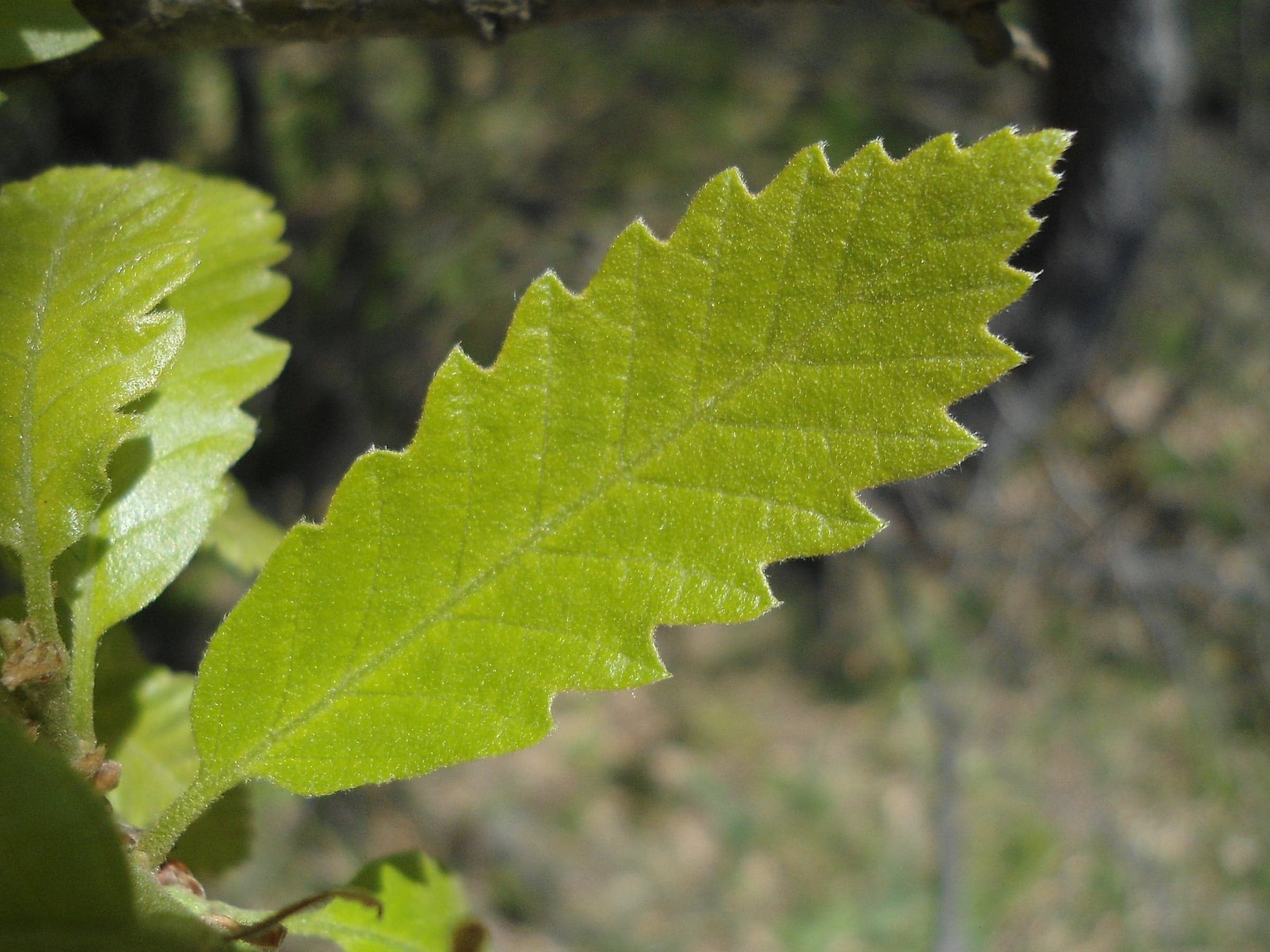
Turkey Oak: Levél
Levél
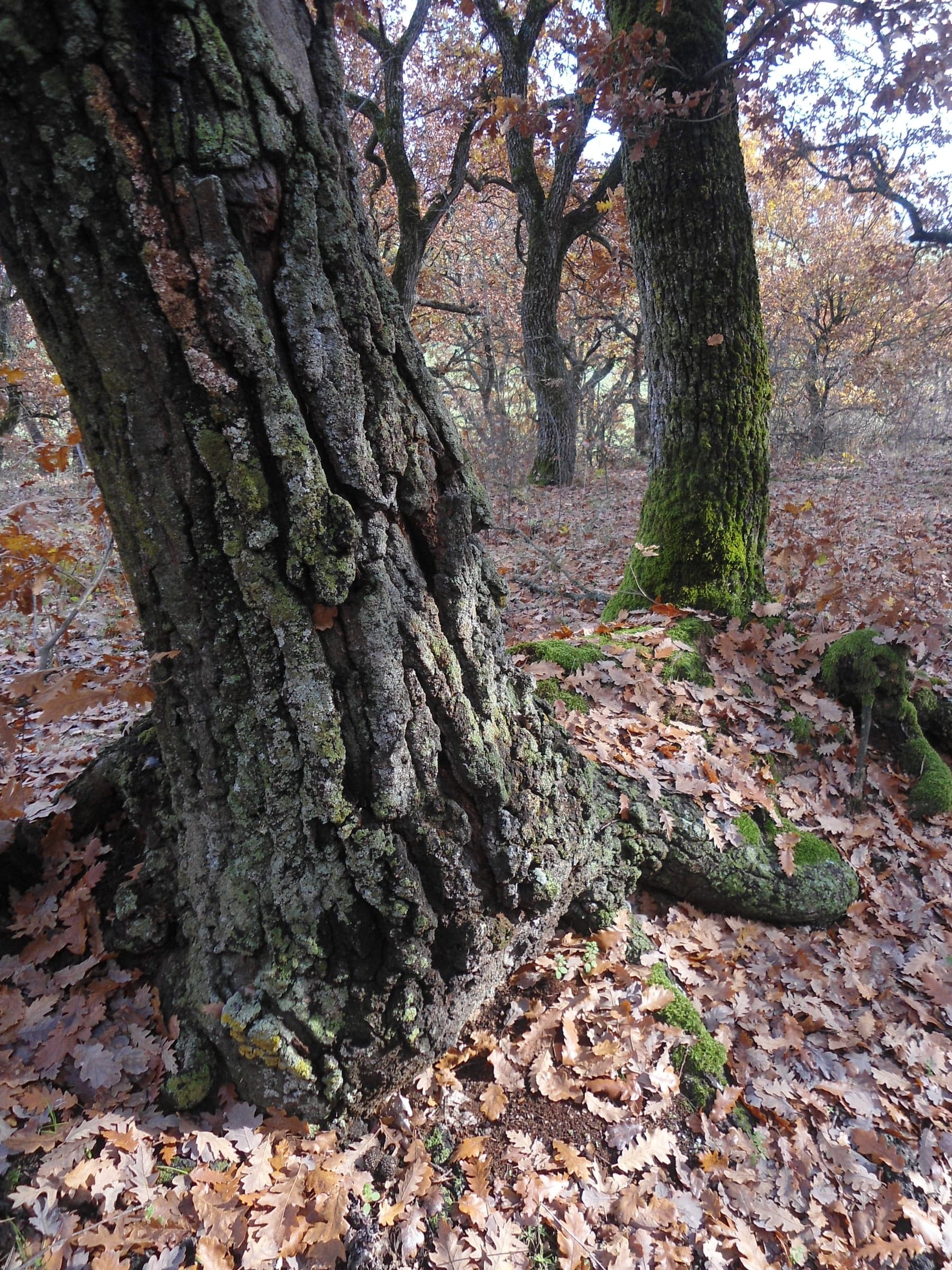
Turkey Oak: Kéreg
Kéreg

So buy stable stock. Prefer air dried material that has had time to settle over freshly kilned. Check the measured moisture value on the listing rather than trusting a description, and let the slab acclimatise in its final room before flattening.

Reading a Turkey Oak slab#

Colour is a light to mid brown, plainer and straighter than European oak, without the olive cast of robur. Texture is coarse and the pores are large and open.

The rays are very wide, wider than in the other oaks here, and on a quartersawn face they produce a bold fleck. It reads differently from the fine silvery ribbon of sessile oak: larger, more assertive, less lustrous. Whether that is better is a matter of taste, but they are not the same figure and one will not pass for the other.

Inspect the end grain for honeycomb, look along the length for cupping and twist, and check for surface checks. On this species those defects are common enough that they should be assumed present until ruled out.

At the bench#

The cited source describes it as working similarly to the American oaks. It is harder and denser than European oak, so it blunts cutters faster and asks more of a machine, but a dry stable board machines cleanly.

The very wide rays can lift on a quartersawn face under a heavy cut. Lighter passes and sharp tooling handle it.

As with all oak, the coarse open pores need a grain filler if a smooth surface is the goal, and the tannin content means iron contact produces blue black staining. Brass or stainless fittings only, no steel wool, and no steel clamp bars left on damp work.

A note on the hardness figure#

The Janka value shown for this species, 5,340 N, is published as an estimate derived from specific gravity rather than a measured laboratory test, and KORENA records that qualification in the source note on the species record rather than presenting the number bare.

Treat it as indicative. It places Turkey Oak above European oak, which is consistent with its higher density, but it is not the same class of evidence as a measured value.

Finishing#

It takes stain and finish much as other oaks do, and the plainer, less olive colour actually accepts stain more evenly than European oak, which can go muddy under a warm tone.

Grain filler for a smooth surface, standard oak finishing otherwise.

Where Turkey Oak is the right answer#

Rustic tabletops, flooring, interior joinery, cladding under cover, and decorative slabs where a hard dense oak is wanted and the budget will not carry European oak. At decay class 2 it is durable, so protected exterior use is reasonable.

It is the wrong answer if you are buying unseasoned or freshly kilned stock, if the project cannot absorb the risk of movement, or if the classic silvery quartersawn fleck of European oak is specifically what the design calls for.

Sourcing and EUDR#

Not listed in the CITES Appendices, and reported by the cited source as not assessed on the IUCN Red List, so no IUCN status is displayed rather than one being inferred.

It is abundant and fast growing across southeastern Europe and is often treated as a low value species locally, which makes it both inexpensive and straightforward to source with proper documentation. Balkan sourced material is common in the EU market, and KORENA listings record the originating yard and region.

+

Plainer overall. The colour is a straighter light to mid brown without the olive cast of Quercus robur, and while the rays are very wide, the quartersawn fleck reads bolder but less silvery. If you want the classic silvery ray fleck, sessile oak delivers it better.

Does it stain black on contact with iron?

+

Yes, exactly as every oak does. Tannins react with iron to form a blue black stain. Use brass or stainless fittings, keep steel wool away, and do not leave steel clamp bars in contact with a damp glue-up.

10.0 %
Térfogati zsugorodásTeljes térfogatváltozás a nedves állapottól az abszolút szárazig. Az alacsonyabb érték jobb alaktartást jelent.16.0 %
Természetes tartósság (EN 350)A természetes korhadásállóság európai szabványa 1-től (nagyon tartós) 5-ig (nem tartós).Class 2 — Durable

Források

  • The Wood Database — Turkey Oak (Quercus cerris). Janka value published as estimated from specific gravity, not measured.(hozzáférés: 2026-08-12)
  • Meier, E. — WOOD! Identifying and Using Hundreds of Woods Worldwide (2015)(hozzáférés: 2026-08-12)

Erősségek

  • Kültéren tartósEN 350 szerinti 2. osztály az 5-ből: kezelés nélkül is ellenáll a kültéri korhadásnak.
  • ÉlelmiszerbiztosAlkalmas vágódeszkákhoz, tálakhoz és élelmiszerrel érintkező felületekhez.

Figyeljen erre

  • Az átlagnál többet mozogA széles lapokhoz asztallap-rögzítő vasalat vagy hornyolt rögzítés és mozgási hely kell. Használja az alábbi mozgáskalkulátort.
  • A por irritálCsiszoláskor és gépi megmunkáláskor használjon porelszívást és maszkot.

Koppintson egy címkére a részletekért.

Röviden

A szintek minden KORENA-fafajnál azonos sávokat használnak, ezért közvetlenül összehasonlíthatók. Mindegyik alatt szerepel a mért érték.
KeménységEllenállás a benyomódással és kopással szembenKözepesen kemény

Janka-keménység: 5340 N

7 %-kal keményebb az európai tölgynél

TömegMilyen nehéz felemelni egy pallótNagyon nehéz

720 kg/m³

AlaktartásMilyen keveset mozog az évszakokkalSokat mozog

16,0 % térfogati zsugorodás

MegmunkálásFűrészelés, gyalulás, csiszolás és ragasztásKözepes

3,7 / 5 műhelyátlag

Kültéri használatTermészetes korhadásállóság, EN 350Kültérre

EN 350, 2. osztály

  • Fűrészelés · Nagyon jóMilyen tisztán vágható, és mennyire koptatja a fűrészlapot.1 = nehéz · 5 = kiváló
  • Gyalulás · JóMilyen sima felületet hagy, és mennyire hajlamos kiszakadásra.1 = nehéz · 5 = kiváló
  • Csiszolás · Nagyon jóMilyen gyorsan csiszolható simára a papír eltömődése nélkül.1 = nehéz · 5 = kiváló
  • Esztergálás · Nagyon jóHogyan vágható és munkálható készre esztergán.1 = nehéz · 5 = kiváló
  • Faragás · JóMilyen élesen tartja a részleteket vésővel faragva.1 = nehéz · 5 = kiváló
  • Ragasztás · Nagyon jóMennyire megbízhatóan tartanak a ragasztott kötések.1 = nehéz · 5 = kiváló
  • Csavar- és szegtartás · Nagyon jóMennyire jól tartja a csavart és a szeget repedés nélkül.1 = nehéz · 5 = kiváló
  • Gőzöléses hajlítás · JóMennyire jól hajlítható gőzölés után.1 = nehéz · 5 = kiváló

A(z) Turkey Oak faanyag jelenlegi európai ára köbméterenként, áfa nélkül. Koppintson bármelyik árra a részletekért.

  • Általános rönkökErdőtulajdonosok és állami erdészetek által nagy tételben értékesített szabványos hengeresfa, főként építőipari és ipari célokra.A legtöbb ár 30 EUR és 110 EUR között van.17 215 ár alapján, 7 régióból.Legfrissebb adatok: 2026. szept. 24.

Általános rönkök országonként

  • Románia · 76 EUR / m³Régiók: Banat / Crișana, Dobrogea, Moldavia (Romania), Transylvania és Wallachia17 172 árLegfrissebb adatok: 2026. szept. 24.
  • Bulgária · 56 EUR / m³Régiók: North-West Bulgaria és South-East Bulgaria43 árLegfrissebb adatok: 2026. szept. 24.

Miért kerül ennél többe egy palló?

Ezek a nyers faanyag árai. A palló a rönk legjobb vágata, amelyet legalább egy évig szárítanak, majd darabonként ellenőriznek és megmérnek. Egy rönknek csak kis részéből lesz palló.

Forrás: KORENA Timber Index · Legfrissebb adatok: 2026. szept. 24.

Összes regionális ár