KORENA
FaanyagokBútorokMűhelyPartnerekNapló

Fedezd fel az új pallókat az elsők között

Értesítést küldünk e-mailben, amikor új faanyag érkezik.

Havonta néhány e-mail. Nincs levélszemét, bármikor leiratkozhat.

KORENA

Vásárolj tömör faanyagokat, kézzel készült bútorokat, szerszámokat és felületkezelőket a KORENA kínálatából.

Áruház

  • Termékek böngészése
  • Eladott darabok
  • Rendelés követése

Tudnivalók

  • Napló
  • Fafajismertetők
  • Fogalomtár
  • Növényútlevelek és károsítózónák
  • Összehasonlítás
  • Szerzők

Segítség

  • Rólunk
  • Hogyan működik?
  • Eladó leszekÚj
  • Palló beszerzése
  • Ügyfélszolgálat
  • Dokumentumsablonok
  • Sajtó

Vásárlás

  • Értékesítési feltételek
  • Elállási jog
  • Visszaküldés és jótállás
  • Szállítás és kézbesítés

Bizalom

  • Adatvédelmi szabályzat
  • Sütikre vonatkozó szabályzat
  • A fa eredete és az EUDR
  • Akadálymentesség

Impresszum

  • Jogi nyilatkozat / Impresszum
  • Elfogadható használat
  • Szellemi tulajdon és tartalom

© 2026 KORENA. Minden jog fenntartva.

Üzemeltető: Martial Labs Ltd. (BG, EIK 207453941). A KORENA a Martial Labs Ltd. kereskedelmi neve.

Tiszteletben tartjuk a magánszféráját

Az oldal működéséhez elengedhetetlen sütiket használunk. Engedélyével elemzési, személyre szabási és hirdetési sütiket is használnánk. Döntését bármikor módosíthatja a hozzájárulási beállítások oldalon. További részleteket a sütikre vonatkozó szabályzatban és az adatvédelmi szabályzatban talál.

  1. Kezdőlap
  2. /
  3. Fafajok
  4. /
  5. Vörös tölgy

Quercus rubra

Vörös tölgy

Harder than European oak and cheaper, with pores open enough to blow air through. An interior wood, and only an interior wood.

  • This species record does not establish where an individual piece was grown or harvested. Check the origin details of the piece you are considering.
  • Botanikai csoport. A fenyőfélék tűlevelűek, a lombos fák széles levelűek.
  • A fafaj botanikai családja.
Értesítést kérek érkezéskorReferenciafafaj. Jelenleg nincs készleten.
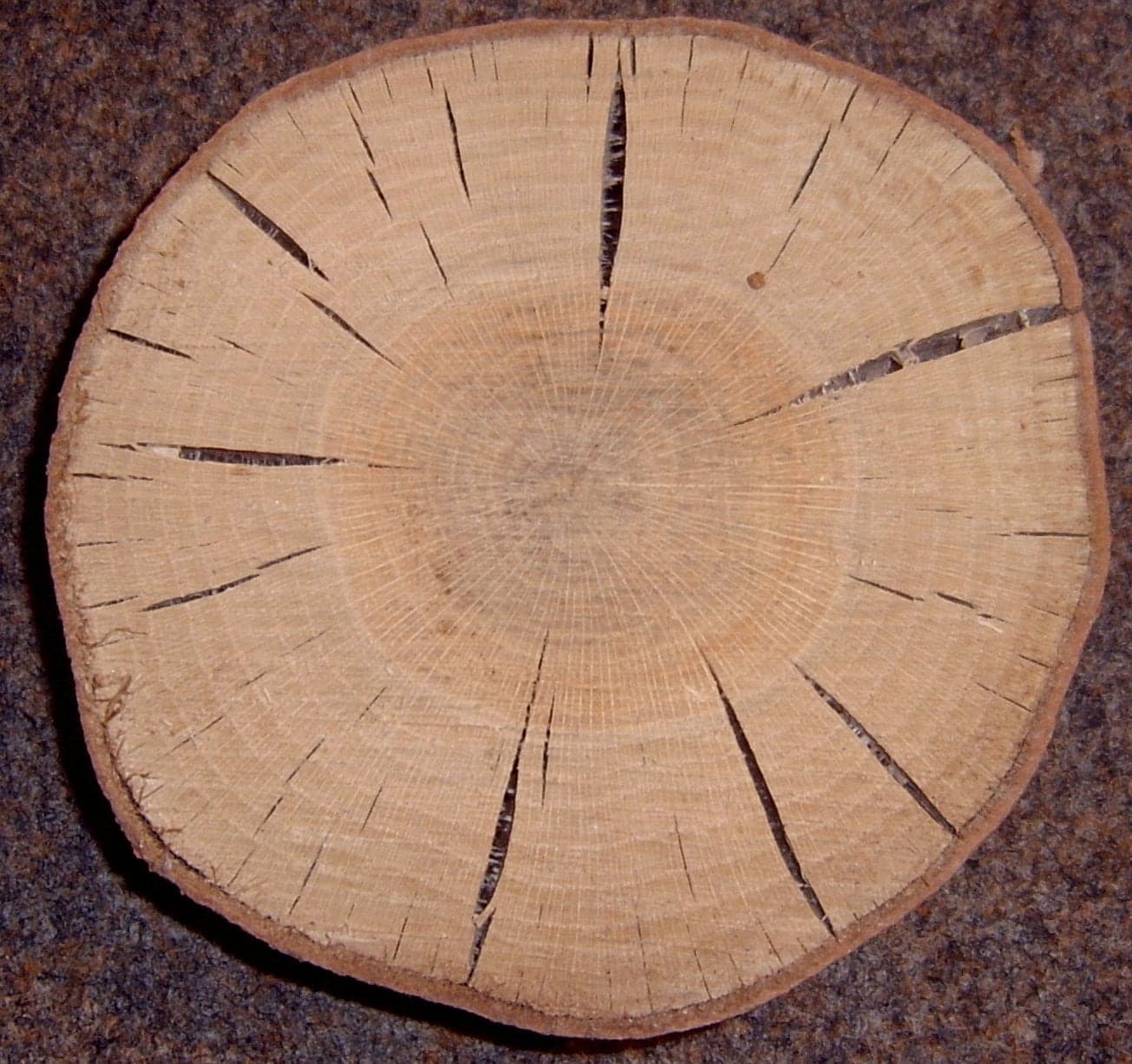
Vörös tölgy erezete
  • Illik a projekthez?
  • Készleten
  • Megjelenés
  • Megmunkálás
  • Mozgás
  • Ár
  • Biztonság és beszerzés
  • Kérdések
  • Műszaki adatok

Megfelel az Ön projektjéhez?

Kiváló ehhez

  • Interior furniture
  • Flooring
  • Cabinetry
  • Painted and stained joinery
  • Shelving

Nincs Vörös tölgy a jelenlegi kínálatban

Hasonló, készleten lévő fafajok

Jelenleg nincs Vörös tölgy. Ezek a fafajok hasonló projektekhez valók, és van belőlük elérhető darab.
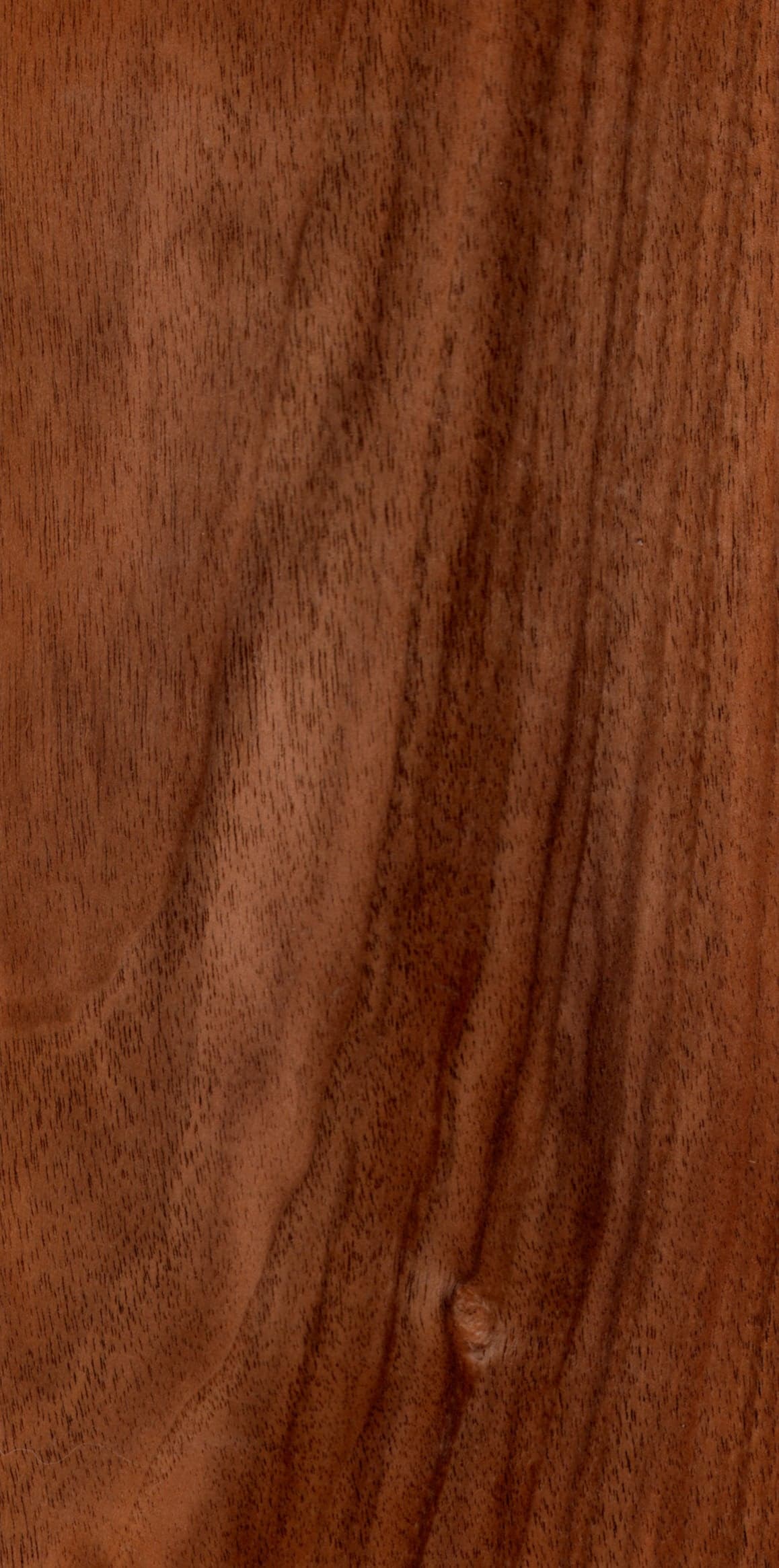
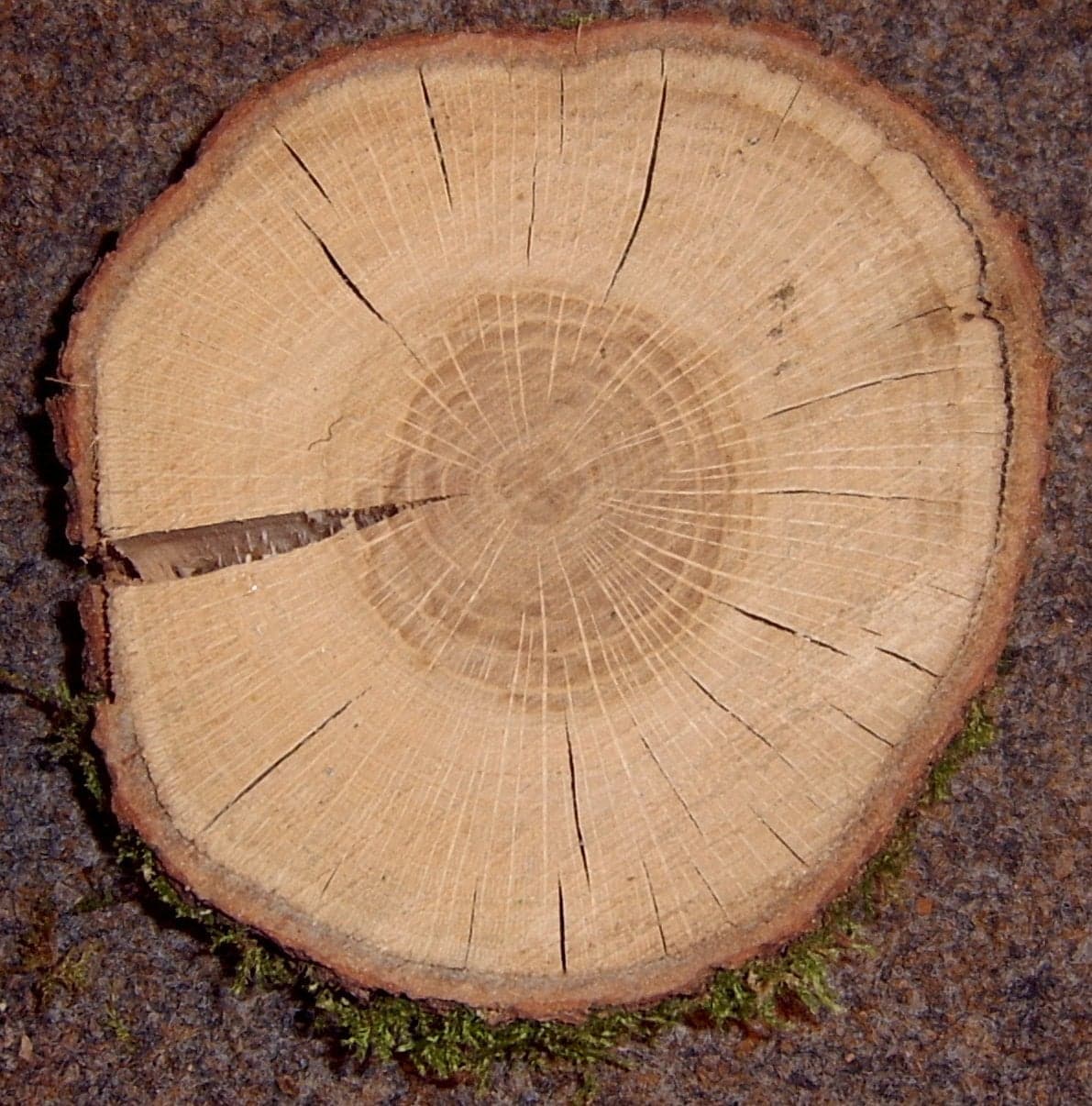
  • Európai diófa erezete

    Európai diófa

    Juglans regia

    12 darab

  • Európai tölgy erezete

    Európai tölgy

    Quercus robur

    6 darab

  • Saman erezete

    Saman

    Samanea saman

    4 darab

Értesítés erről: Vörös tölgy

E-mailt küldünk, amikor új Vörös tölgy pallók érkeznek a KORENA kínálatába. Minden darab egyedi, ezért számít a korai értesítés.

Havonta néhány e-mail. Nincs levélszemét, bármikor leiratkozhat.

A faanyag megjelenése

Így néz ki

Light to mid brown with a distinct reddish or pinkish cast that separates it clearly from the European oaks. Grain is straight and the texture coarse, with very large open pores in the earlywood. Those pores are the defining practical fact about this wood: they run continuously along the grain and are open enough that the species will not hold liquid, which is why red oak was never used for barrels.

  • Light to mid brown with a reddish or pinkish cast
  • Very large open pores in the earlywood
  • Ray fleck present on quartersawn faces but finer than white oak
  • Egyenes szálfutású, durva textúrájú, nagyon nagy, nyitott korai pásztájú pórusokkal, amelyek a száliránnyal párhuzamosan végigfutnak. Világos- és középbarna, kifejezett vöröses árnyalattal.

Megmunkálás

Megmunkálás

Produces good results with hand and machine tools and it glues and finishes well. It blunts cutters moderately as all oaks do. The dimensional stability is described in the cited source as mediocre, so it moves more than its numbers alone suggest. The very large open pores require substantial grain filling for any smooth finish, more than European oak needs.

Felületkezelés

Takes stain and finish well and is frequently stained to imitate more expensive species, which it does convincingly. The large open pores need heavy grain filling for a smooth surface. The reddish cast can fight a warm stain and go orange, so test on an offcut. Tannins react with iron exactly as in the European oaks, so brass or stainless fittings only.

Szárítás

Dries reasonably but shares the oak family requirement for a slow schedule, and it is prone to checking and honeycomb if pushed. Volumetric shrinkage of 13.7 percent with tangential at 8.6 against radial at 4.0 percent gives a wide ratio, so flatsawn boards cup. The cited source specifically notes mediocre dimensional stability in service, which is worth weighing against European oak for anything that must stay flat.

Mennyit fog mozogni?

A fa a levegő nedvességének változásával szélességében dagad és zsugorodik. A rögzítések megtervezése előtt becsülje meg egy Vörös tölgy lap évszakos mozgását.

Vágásirány
Felhasználás helye

Várható évszakos mozgás

körülbelül 9,8 mm

A lapot asztallap-rögzítő vasalattal vagy hornyolt konzollal rögzítse, ne ragasztóval vagy szoros csavarokkal.

Lineáris zsugorodási modell: szélesség × (zsugorodás ÷ 28 % rosttelítettség) × évszakos nedvességingadozás. A(z) Vörös tölgy 8,6 %-os húrirányú zsugorodásával számol. Tervezési becslés, nem garancia.

Mennyibe kerül?

Biztonság és beszerzés

  • This species record does not establish where an individual piece was grown or harvested. Check the origin details of the piece you are considering.
  • IUCN Vörös Lista-besorolás: a fafaj globális természetvédelmi értékelése.
  • Oak is a documented sensitiser and reactions usually include eye and skin irritation. Severe reactions are rare. Repeated exposure to oak dust carries elevated nasal cancer risk, so extraction is not optional in a production setting.

A teljes útmutatóRészletes tudnivalók a rajzolatról, színváltozásról, megmunkálásról és alaktartásról.+

What Red Oak actually is#

Quercus rubra is the most commercially important hardwood in the United States and has been planted across Europe since the eighteenth century. European grown material is now common enough in the EU market that buying it does not necessarily mean importing from North America, which matters for both documentation and carbon.

It is harder than European oak, stiffer than European oak, and cheaper than European oak. It is also, in one specific and consequential way, a fundamentally different material.

The pores, which decide everything#

In white oak and the European oaks, the large earlywood pores are plugged with tyloses, balloon like ingrowths that seal the vessels. In red oak they are not. The pores run open and continuous along the grain.

The old demonstration is to take a short length of red oak, dip one end in soapy water and blow through the other. Bubbles come out. You cannot do that with white oak.

Everything practical about this species follows from that:

It was never used for barrels, because it will not hold liquid. It is rated non-durable to perishable with poor insect resistance, so it has no business outdoors. It is recorded in this catalogue as not food safe, unlike the European oaks, because open pores hold moisture and residue that a closed grain wood does not. And it needs far more grain filler than European oak to reach a smooth finish.

Vásárlói kérdések

Vásárlói kérdések

Why is Red Oak not suitable for outdoor use or barrels?

+

Its earlywood pores are very large and run continuously along the grain, so the wood behaves like a bundle of straws. Liquid passes straight through it, which is why white oak was always the cooperage timber and red oak never was. Combined with a decay rating of non-durable to perishable and poor insect resistance, it should be treated as an interior wood only.

Is Red Oak harder than European Oak?

+

Yes, measurably. It is 5,430 N on the Janka scale against 4,980 N for European oak, and its elastic modulus of 12.14 GPa is higher too. Hardness is not the reason to prefer European oak; durability, stability and colour are.

Is it safe for a cutting board?

+

KORENA records it as not food safe, and that is a deliberate distinction from the European oaks. The very large open pores hold moisture and food residue in a way closed grain species do not, and the wood is rated non-durable. For food contact choose hard maple or a similarly dense closed grain species.

How do I tell it from European Oak?

+

Mechanikai tulajdonságok

Műszaki adatok

Közzétett referenciaértékek. Ha a források eltérnek, a tartományt mutatjuk, a fenti skálák pedig a jellemző értéket használják.

Sűrűség (kg/m³)Egy köbméter tömege körülbelül 12 % nedvességtartalomnál. A nehezebb fa általában keményebb és erősebb.700 kg/m³
Janka-keménység (N)A faanyagba félig benyomott acélgolyóhoz szükséges erő. A benyomódással szembeni ellenállás szabványos mérőszáma.5,430 N
MOR: hajlítószilárdság (MPa)Hajlítószilárdság: az a terhelés, amelynél a gerenda eltörik.99 MPa
MOE: rugalmassági modulus (GPa)Hajlítási merevség: mennyire hajlik meg egy polc vagy lap terhelés alatt.12.1 GPa
Sugárirányú zsugorodásZsugorodás az évgyűrűkre merőlegesen, a nedves állapottól az abszolút szárazig. A sugármetszésű deszkák így mozognak.4.0 %
Húrirányú zsugorodásZsugorodás az évgyűrűk mentén. A húrmetszésű deszkák és a legtöbb palló így mozog.

No machine-readable author provided. Lumbar~commonswiki assumed (based on copyright claims)., via Wikimedia Commons

Quercus rubra is native to eastern North America and is the most commercially important hardwood in the United States. It has also been planted widely across Europe since the eighteenth century and European grown material is increasingly common in the EU market, which shortens the supply chain considerably compared with imported American stock.

  • Not listed in the CITES Appendices and assessed by the IUCN as Least Concern. It is abundant and among the most heavily harvested hardwoods in North America. For EUDR purposes, European grown Quercus rubra offers a considerably shorter and simpler supply chain than imported American material, and it is increasingly available.

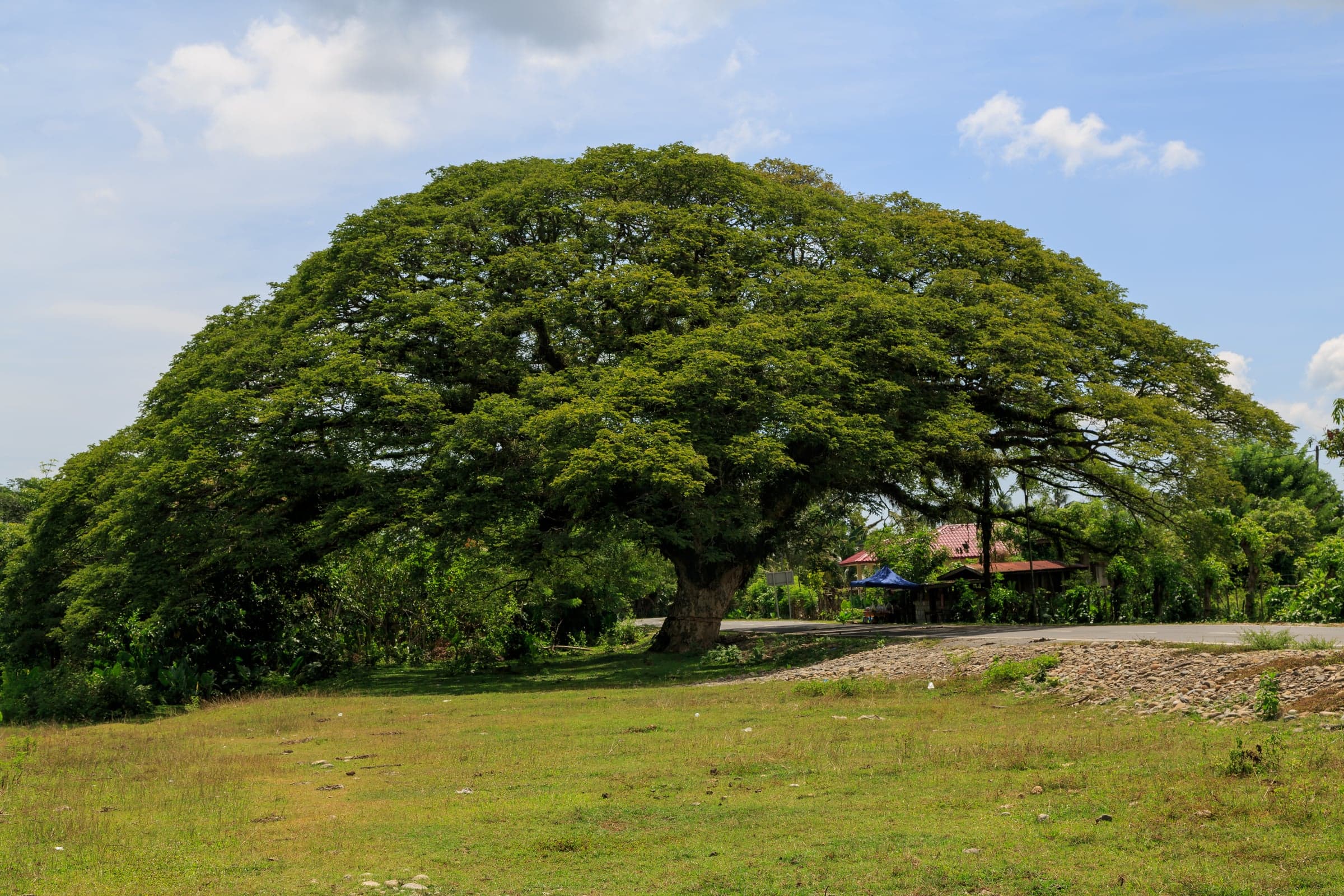
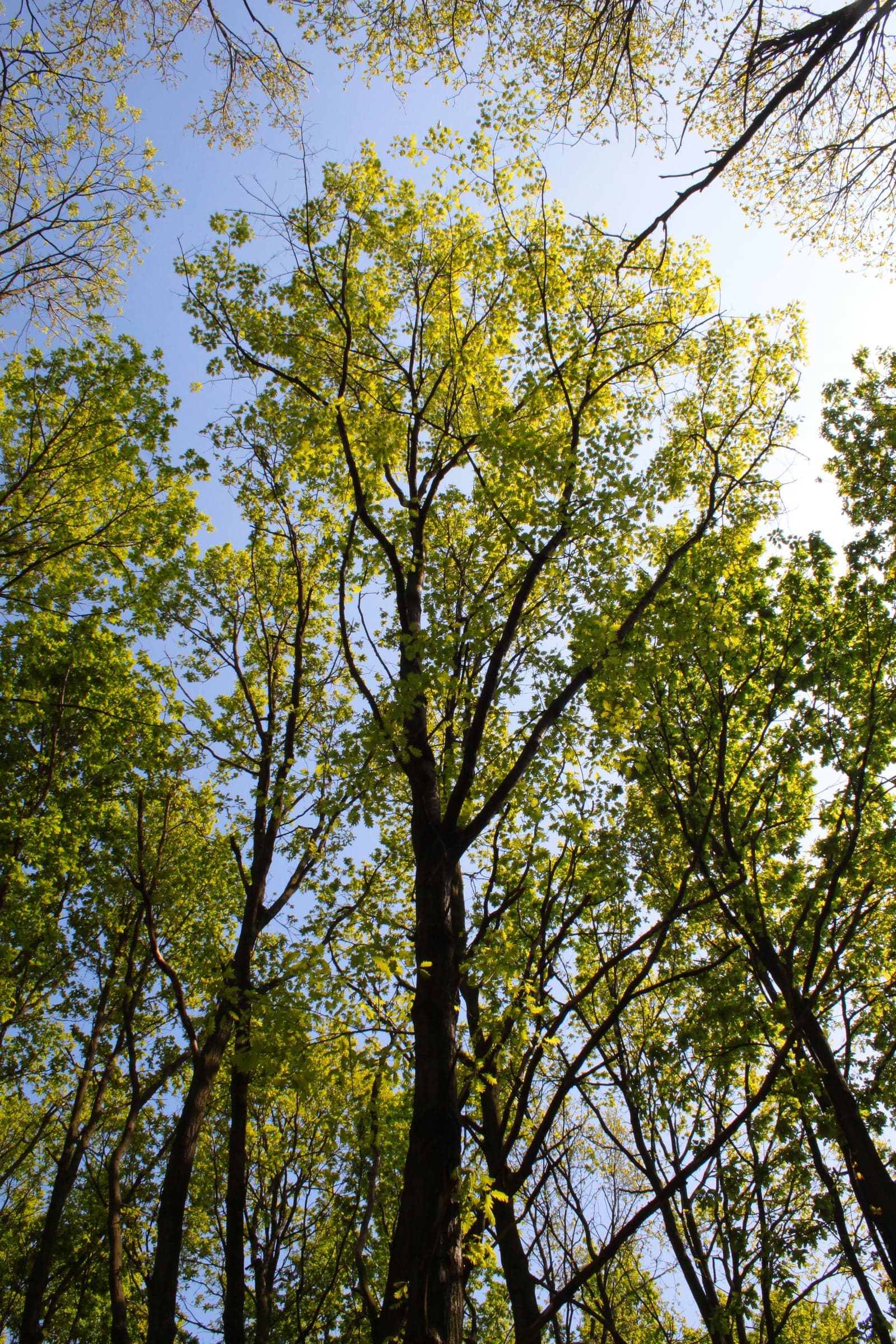
  • Vörös tölgy fa

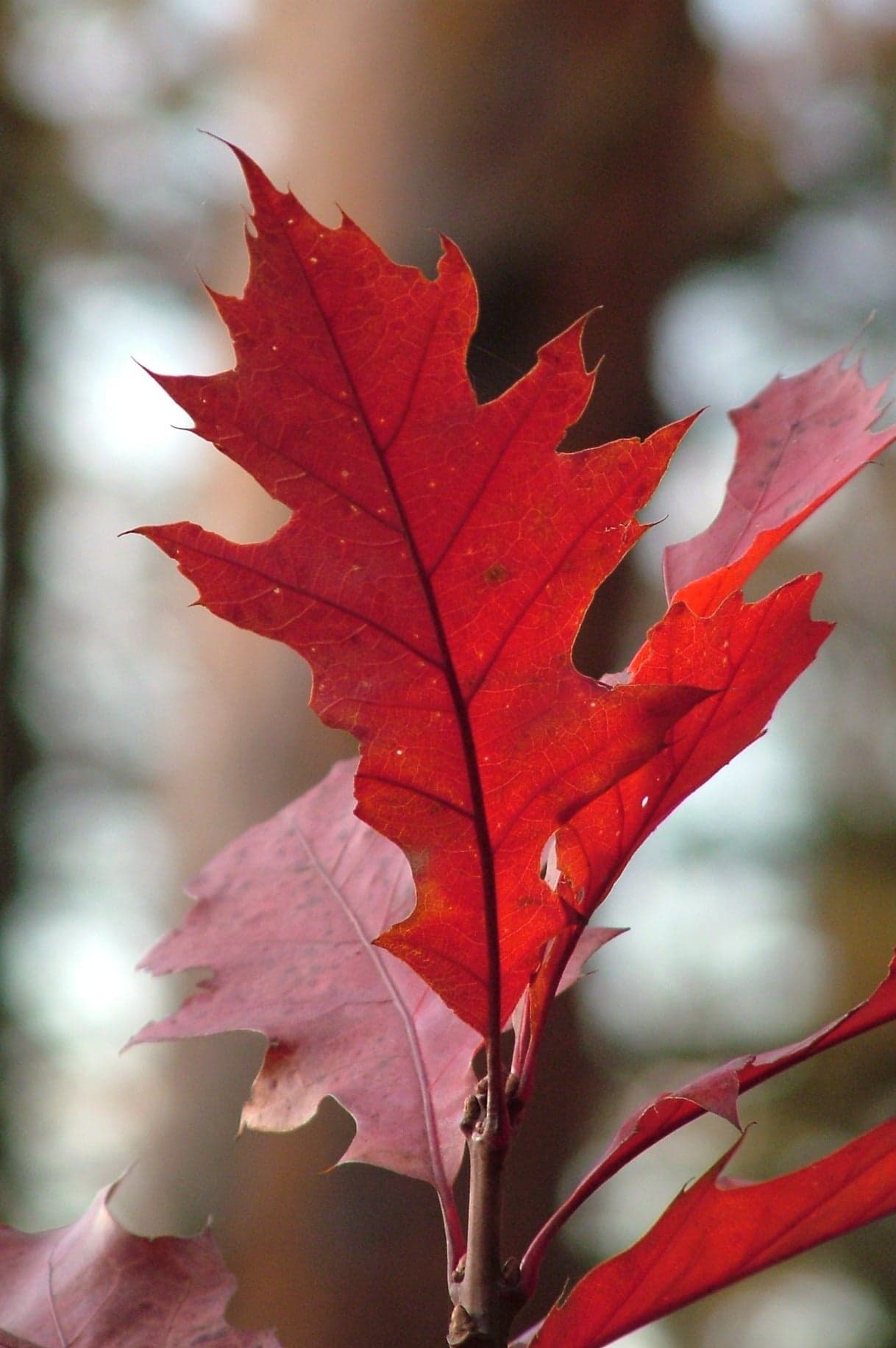
    Crusier, via Wikimedia Commons

    Vörös tölgy: Levél
    Levél

    None of that makes it a bad wood. It makes it an interior wood, and within that boundary it is an excellent and economical one.

    Reading a Red Oak slab#

    The colour is the quick identifier: a distinct pink or reddish cast through the light to mid brown, clearly different from the tan and olive of European oak.

    The reliable identifier is the end grain under a lens. Open earlywood pores mean red oak; pores plugged with tyloses mean white or European oak. If a supplier's label and the end grain disagree, believe the end grain.

    Ray fleck appears on quartersawn faces but is finer and less dramatic than in white oak or sessile oak. Buyers hoping for bold silvery fleck should look elsewhere.

    At the bench#

    It produces good results with hand and machine tools, glues well, and finishes well. It blunts cutters moderately, like all oaks.

    The cited source describes its dimensional stability as mediocre, and that word is worth taking seriously. Volumetric shrinkage of 13.7 percent is not extreme, but the tangential to radial ratio of 8.6 against 4.0 percent is wide, and red oak has a reputation for moving more in service than its figures predict. For a wide top that must stay flat, European oak quartersawn is the safer specification.

    Grain filling is more work here than on European oak. Those large open pores swallow filler and often need two applications for a genuinely smooth surface. Many makers simply leave the texture, which suits the wood.

    Finishing, and one trap#

    Red oak takes stain and finish readily and is very commonly stained to imitate more expensive species, which it does convincingly.

    The trap is its own colour. The natural pink cast fights warm stains and can push a finish orange, particularly with amber toned oils. Test on an offcut from the same slab before committing, and consider a cooler toned stain to counteract it.

    The tannin and iron reaction applies here as in every oak. Steel screws, steel wool and steel clamp bars all produce blue black staining on contact with damp oak. Use brass or stainless throughout.

    Where Red Oak is the right answer#

    Interior furniture, flooring, cabinetry, shelving and joinery that will be stained or painted. It is hard at 5,430 N, stiff at 12.14 GPa, widely available and inexpensive relative to European oak.

    It is the wrong answer outdoors in any form, for food contact surfaces, for cooperage or anything holding liquid, and for a wide panel where dimensional stability is the governing requirement.

    Sourcing and EUDR#

    Not listed in the CITES Appendices and assessed by the IUCN as Least Concern. The species is abundant and heavily harvested across eastern North America.

    The EUDR consideration is the same one that applies to Douglas Fir in this catalogue: European grown plantation material offers a much shorter and simpler documentation path than imported North American stock, along with lower transport carbon. It is increasingly available. KORENA listings record the partner yard and region, so which one you are buying is visible on the passport.

    Colour is the quick check: red oak carries a distinct pink or red cast where European oak runs tan to olive brown. The reliable check is the end grain. Look at the large earlywood pores with a lens; in red oak they are open, in white and European oak they are plugged with tyloses, which is exactly why one holds liquid and the other does not.

    Is European grown Red Oak different from American?

    +

    It is the same species and the working properties are comparable. The meaningful difference is the supply chain. European grown material has a much shorter and simpler documentation path under EUDR and lower transport carbon than imported American stock, and it is increasingly available in the EU market.

    8.6 %
    Térfogati zsugorodásTeljes térfogatváltozás a nedves állapottól az abszolút szárazig. Az alacsonyabb érték jobb alaktartást jelent.13.7 %
    Természetes tartósság (EN 350)A természetes korhadásállóság európai szabványa 1-től (nagyon tartós) 5-ig (nem tartós).Class 5 — Perishable

    Források

    • The Wood Database — Red Oak (Quercus rubra)(hozzáférés: 2026-08-12)
    • USDA FPL Wood Handbook FPL-GTR-190 (2010)(hozzáférés: 2026-08-12)
    • Meier, E. — WOOD! Identifying and Using Hundreds of Woods Worldwide (2015)(hozzáférés: 2026-08-12)

    Erősségek

    • Jól hajlíthatóGőzöléses hajlíthatósága 4 az 5-ből. Szűk ívekre is hajlítható.

    Figyeljen erre

    • Kezelés nélkül nem kültérre valóTermészetes tartóssága az EN 350 szerint 5. osztály az 5-ből. Tartsa beltérben, vagy lássa el karbantartott felületkezeléssel.
    • Az átlagnál többet mozogA széles lapokhoz asztallap-rögzítő vasalat vagy hornyolt rögzítés és mozgási hely kell. Használja az alábbi mozgáskalkulátort.
    • A por irritálCsiszoláskor és gépi megmunkáláskor használjon porelszívást és maszkot.
    • Nem élelmiszerrel érintkező faanyagVágódeszkához és tálalóeszközhöz válasszon másik fafajt.

    Koppintson egy címkére a részletekért.

    Röviden

    A szintek minden KORENA-fafajnál azonos sávokat használnak, ezért közvetlenül összehasonlíthatók. Mindegyik alatt szerepel a mért érték.
    KeménységEllenállás a benyomódással és kopással szembenKözepesen kemény

    Janka-keménység: 5430 N

    9 %-kal keményebb az európai tölgynél

    TömegMilyen nehéz felemelni egy pallótNehéz

    700 kg/m³

    AlaktartásMilyen keveset mozog az évszakokkalÉlénken mozog

    13,7 % térfogati zsugorodás

    MegmunkálásFűrészelés, gyalulás, csiszolás és ragasztásKözepes

    3,9 / 5 műhelyátlag

    Kültéri használatTermészetes korhadásállóság, EN 350Csak beltérre

    EN 350, 5. osztály

    • Fűrészelés · Nagyon jóMilyen tisztán vágható, és mennyire koptatja a fűrészlapot.1 = nehéz · 5 = kiváló
    • Gyalulás · Nagyon jóMilyen sima felületet hagy, és mennyire hajlamos kiszakadásra.1 = nehéz · 5 = kiváló
    • Csiszolás · Nagyon jóMilyen gyorsan csiszolható simára a papír eltömődése nélkül.1 = nehéz · 5 = kiváló
    • Esztergálás · Nagyon jóHogyan vágható és munkálható készre esztergán.1 = nehéz · 5 = kiváló
    • Faragás · JóMilyen élesen tartja a részleteket vésővel faragva.1 = nehéz · 5 = kiváló
    • Ragasztás · Nagyon jóMennyire megbízhatóan tartanak a ragasztott kötések.1 = nehéz · 5 = kiváló
    • Csavar- és szegtartás · Nagyon jóMennyire jól tartja a csavart és a szeget repedés nélkül.1 = nehéz · 5 = kiváló
    • Gőzöléses hajlítás · Nagyon jóMennyire jól hajlítható gőzölés után.1 = nehéz · 5 = kiváló

    A(z) Vörös tölgy fafajhoz még nincs piaci referencia. Minden KORENA-darab árát a partnertelep egyedileg határozza meg.